
Hammer Shredder Buying Checklist for Fabrication Shops and Recycling Centers

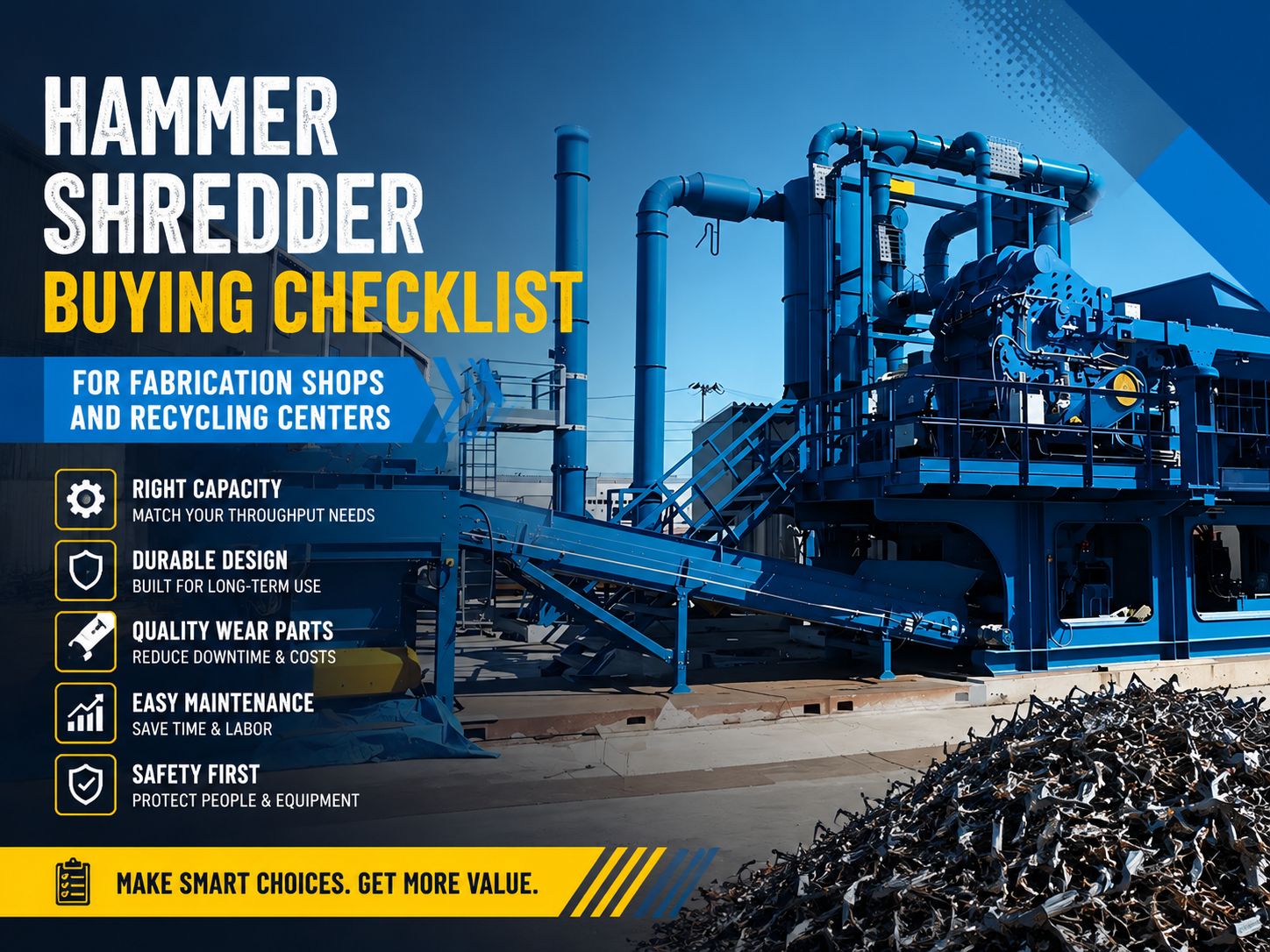
Introduction to Hammer Shredder Procurement
In the modern industrial landscape, the efficiency of metal waste management can significantly dictate the profitability of fabrication shops and recycling centers. A hammer shredder, often referred to as a hammer mill, is a heavy-duty machine designed to crush, pulverize, and shred various materials—primarily scrap metal, electronic waste, and industrial byproducts—into smaller, more manageable pieces. For a fabrication shop, this means turning bulky offcuts into high-density scrap that fetches a better price. For a recycling center, it is the heart of the operation, determining the purity and throughput of the final product.
However, purchasing a hammer shredder is a capital-intensive decision. The market is flooded with various models, ranging from compact units for light aluminum to massive industrial systems capable of processing entire car bodies. Navigating this landscape requires a structured approach. This Hammer Shredder Buying Checklist for Fabrication Shops and Recycling Centers is designed to provide stakeholders with the technical and financial insights necessary to make an informed investment. We will explore everything from initial price points to the intricate configuration details that impact long-term operational costs.
Price Range Overview: Setting the Budget
The cost of a hammer shredder varies wildly based on capacity, motor power, and the sophistication of the integrated sorting systems. Understanding the price tiers is the first step in the buying process. Generally, the market is divided into three primary categories: entry-level, mid-range, and heavy-duty industrial systems.
Entry-level hammer shredders, typically used by smaller fabrication shops for processing light aluminum scrap or thin-gauge steel offcuts, usually range from $15,000 to $45,000. These machines often feature motors between 30kW and 75kW and are designed for intermittent use. While they lack the massive throughput of larger units, they are ideal for shops looking to reduce the volume of their waste for easier transport and better scrap value.
Mid-range units, priced between $50,000 and $150,000, are the workhorses of medium-sized recycling centers. These machines boast higher torque, reinforced chambers, and more durable hammer alloys. They can handle heavier materials, such as engine blocks or thick structural steel, and are built for continuous 8-hour shifts. At this level, you begin to see features like hydraulic opening mechanisms for easier maintenance and integrated vibration damping systems.
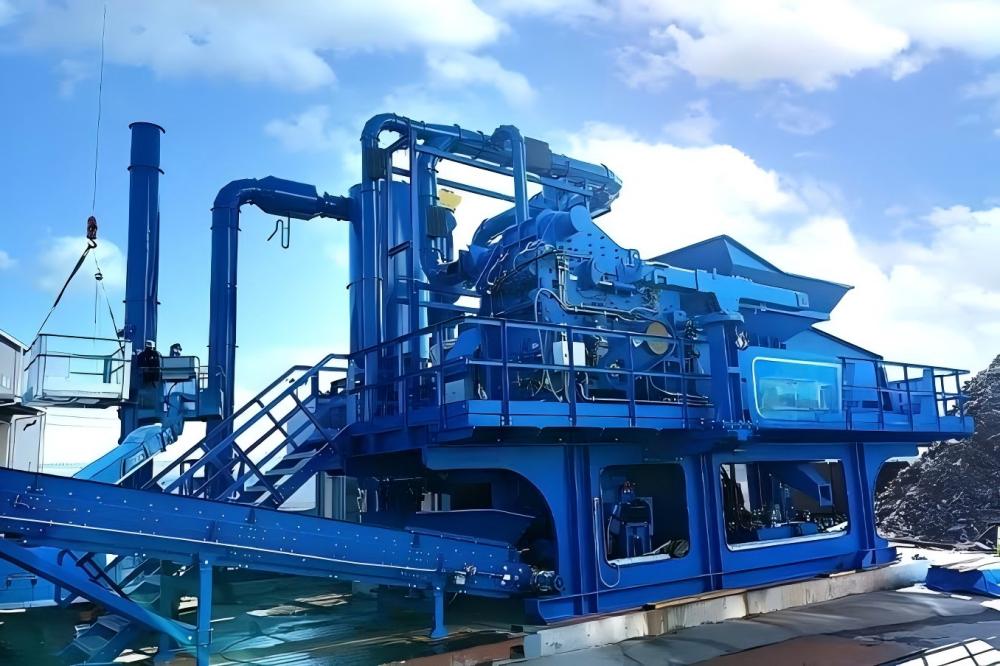
Heavy-duty industrial hammer shredders can exceed $250,000, often reaching into the millions for full-scale plant installations. These systems are characterized by massive rotors, motors exceeding 200kW, and fully automated feed and discharge systems. They are designed for 24/7 operation and are capable of processing hundreds of tons of scrap per day. When budgeting for these, one must also account for the peripheral equipment like magnetic separators, air classifiers, and dust suppression systems.
Main Cost Drivers in Hammer Shredder Construction
When comparing quotes, it is essential to understand why one machine costs significantly more than another of the same size. The primary cost drivers are the quality of materials, the motor brand, and the engineering of the rotor assembly. The rotor is the most critical component of a hammer shredder; it must withstand extreme centrifugal forces and constant impact. A rotor machined from a single piece of high-strength forged steel will be more expensive than a welded assembly but will offer a much longer service life.
The hammers themselves are another significant driver. High-manganese steel (such as Mn13 or Mn18Cr2) is the industry standard for hammers because it work-hardens under impact. However, some premium manufacturers use specialized alloys or heat-treatment processes that extend hammer life by 30-50%. While the initial cost is higher, the reduction in downtime for hammer rotations and replacements often justifies the price.
Furthermore, the drive system—comprising the motor, couplings, and gearbox—represents a large portion of the cost. Using reputable motor brands like Siemens, ABB, or WEG ensures better energy efficiency and easier access to spare parts globally. A cheap, unbranded motor might save $5,000 upfront but could cost $20,000 in lost production if it fails and parts are unavailable. Additionally, the inclusion of a Variable Frequency Drive (VFD) adds to the cost but allows for precise control over rotor speed, which is crucial for processing different types of materials efficiently.
Configuration Impact: Tailoring the Machine to Your Needs
The configuration of a hammer shredder should be dictated by the specific material you intend to process. A “one size fits all” approach rarely works in metal recycling. For instance, the grate size (the openings at the bottom of the shredding chamber) determines the final particle size. Smaller grates produce a finer product but reduce throughput and increase wear on the hammers. Conversely, larger grates allow for faster processing but may result in a product that requires secondary shredding.
Feed systems are another critical configuration point. For fabrication shops with long, uniform offcuts, a horizontal feed with a vibrating conveyor might be best. For recycling centers dealing with bulky, irregular scrap, a top-loading gravity feed with a hydraulic pusher is often more effective. The goal is to ensure a consistent flow of material into the chamber to prevent “slugging,” which can stall the motor or damage the drive shaft.
Environmental and safety configurations are also vital. Modern hammer shredders should be equipped with dust extraction ports and noise-dampening enclosures. In many jurisdictions, these are not just optional extras but legal requirements. Furthermore, the inclusion of an “ejection gate” or “tramp metal trap” is a high-value configuration. This allows the machine to automatically eject non-shreddable items (like a solid steel shaft) before they cause catastrophic damage to the rotor or liners.
Hidden Costs of Ownership
The purchase price of a hammer shredder is only the beginning of the financial commitment. To truly understand the Hammer Shredder Buying Checklist for Fabrication Shops and Recycling Centers, one must look at the hidden costs. The most prominent of these is the cost of wear parts. Hammers, liners, and grates are sacrificial components. Depending on the abrasiveness of your scrap, you may need to rotate or replace hammers every few weeks. A savvy buyer will calculate the “cost per ton” of wear parts before signing a contract.
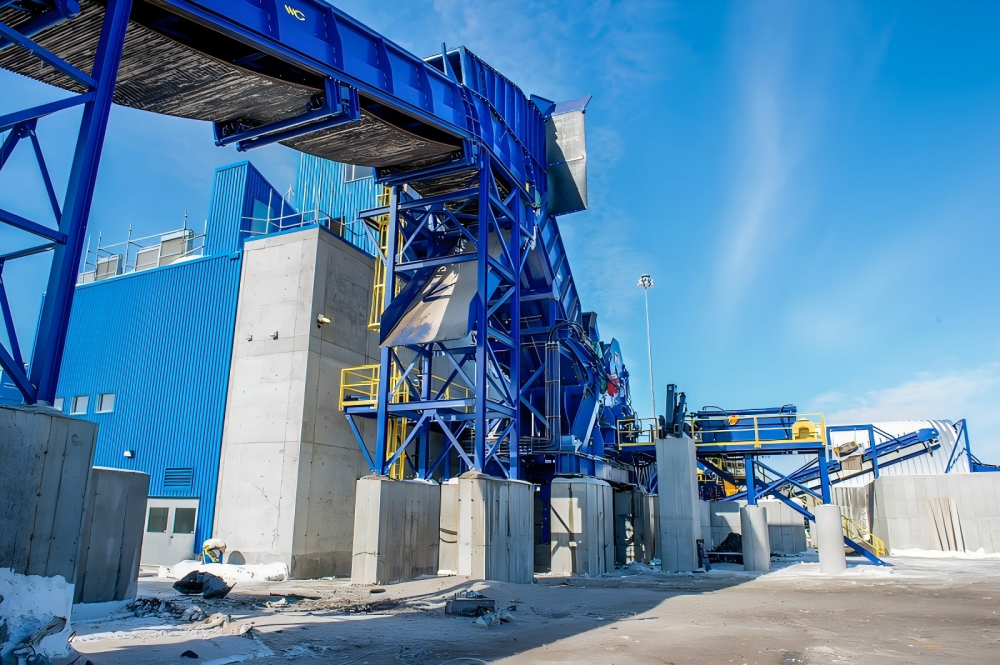
Installation and site preparation are often underestimated. A large hammer shredder requires a reinforced concrete foundation to absorb the massive vibrations generated during operation. You may also need to upgrade your facility’s electrical infrastructure to handle the high-starting current of the motors. These site improvements can easily add 10-20% to the total project cost. Furthermore, consider the cost of specialized tools required for maintenance, such as heavy-duty hydraulic jacks or overhead cranes for rotor removal.
Energy consumption is another ongoing expense. Hammer shredders are energy-intensive machines. A machine that is slightly more expensive but features a more efficient motor and a better-balanced rotor can save thousands of dollars in electricity bills over its lifespan. Finally, do not overlook the cost of operator training and safety compliance. An untrained operator can easily damage a machine or, worse, cause a workplace injury, leading to significant legal and financial repercussions.
ROI Calculation: When Does the Investment Pay Off?
Calculating the Return on Investment (ROI) for a hammer shredder involves more than just looking at the scrap price. The formula should consider the increase in material value, the reduction in logistics costs, and the labor savings. For example, loose aluminum siding might sell for $X per ton, but shredded, clean aluminum (with steel and plastic removed) can sell for $X + 30%. If your shop produces 50 tons of scrap per month, that 30% premium quickly adds up.
Logistics savings are also a major factor. Shredded metal has a much higher bulk density than loose scrap. This means you can fit more weight into a single truckload, reducing the number of trips to the smelter or scrap yard. In many cases, the savings in freight costs alone can cover the monthly financing payment for the machine. Additionally, for fabrication shops, an on-site shredder eliminates the need for large, unsightly scrap bins that take up valuable floor space, potentially allowing for more production machinery.
To calculate the ROI, use the following simplified formula:
Annual ROI = [(Value of Shredded Scrap – Value of Raw Scrap) + (Logistics Savings) – (Annual Operating Costs)] / Total Investment Cost
Operating costs must include electricity, labor, and wear parts. Most well-managed recycling centers aim for an ROI period of 18 to 36 months. If the calculation exceeds 5 years, it may be worth reconsidering the machine size or looking for a more efficient model.
Buying Advice and Final Checklist
When you are ready to move forward, follow this checklist to ensure no detail is missed:
- Material Testing: Always ask the manufacturer to run a test with your specific scrap material. This confirms the throughput and final particle size.
- Rotor Construction: Verify if the rotor is forged or welded. Forged is preferred for longevity.
- Bearing Protection: Ensure the bearings are well-protected from dust and have an automatic lubrication system.
- Ease of Maintenance: Check how long it takes to change a set of hammers. Does the chamber open hydraulically?
- Spare Parts Availability: Does the vendor stock hammers and liners locally, or are they shipped from overseas with long lead times?
- Safety Features: Look for emergency stops, vibration sensors, and tramp metal ejection systems.
- Reference Visits: Ask to speak with a current customer who has been using the same model for at least two years.
HARSLE recommends focusing on the balance between power and durability. It is often better to buy a slightly larger machine than you currently need to allow for future growth and to ensure the machine isn’t constantly running at its absolute limit, which accelerates wear.
Frequently Asked Questions (FAQ)
What is the average lifespan of a hammer shredder?
With proper maintenance, the main frame and rotor of a high-quality hammer shredder can last 15-20 years. However, wear parts like hammers and liners may need replacement every 200 to 1,000 hours of operation, depending on the material being processed.
Can a hammer shredder handle stainless steel?
Yes, but stainless steel is much harder and more abrasive than carbon steel or aluminum. Processing stainless steel will significantly increase the wear rate of the hammers and grates. It is recommended to use specialized high-chrome or tungsten-carbide tipped hammers for consistent stainless steel processing.
How do I minimize dust and noise?
Dust can be managed using a cyclone dust collector or a water misting system at the feed and discharge points. Noise can be mitigated by installing the machine on vibration-damping mounts and using acoustic enclosures or sound-deadening walls around the shredding area.
Is a vertical or horizontal shredder better?
Vertical shredders are excellent for creating a “ball-shaped” dense product and are often used for E-waste or small scrap. Horizontal hammer mills are more common for general scrap metal and offer higher throughput for bulky items. The choice depends on your final product requirements.
What electrical requirements should I expect?
Most industrial hammer shredders require a 3-phase power supply. Because of the high inertia of the rotor, the starting current can be 5-7 times the running current. Using a Soft Starter or a VFD is highly recommended to protect your electrical grid and the machine’s motor.


