Hammer Shredder Uses for Aluminum Scrap Size Reduction and Recovery: A Comprehensive Guide

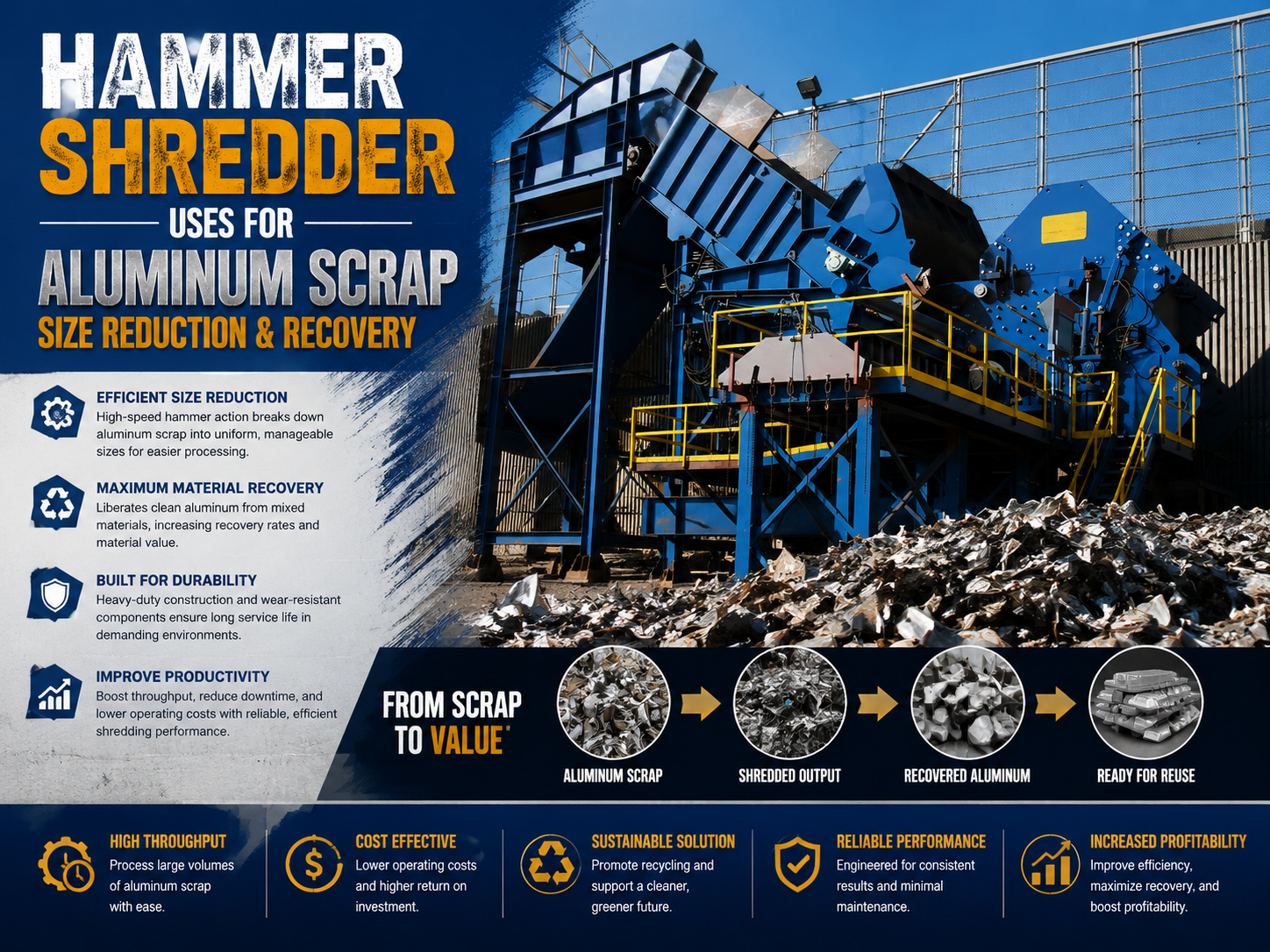
Introduction to Hammer Shredder Uses for Aluminum Scrap Size Reduction and Recovery
In the modern industrial landscape, the efficiency of metal recycling is a cornerstone of sustainable manufacturing. Among the various technologies available, the hammer shredder stands out as a pivotal tool for processing non-ferrous metals. Specifically, hammer shredder uses for aluminum scrap size reduction and recovery have become indispensable for facilities aiming to maximize material purity and operational throughput. Aluminum, known for its lightweight and infinitely recyclable nature, requires precise processing to transform bulky scrap into high-value secondary raw materials.
A hammer shredder, often referred to as a hammer mill in certain contexts, utilizes high-speed rotating hammers to impact and fracture material against internal liners and grate bars. This process is not merely about breaking metal into smaller pieces; it is about liberation. By reducing the size of aluminum scrap, the shredder separates aluminum from contaminants such as plastics, rubber, paint, and ferrous attachments. This liberation is the first and most critical step in the recovery chain, ensuring that downstream separation technologies, like eddy current separators, can function at peak efficiency.
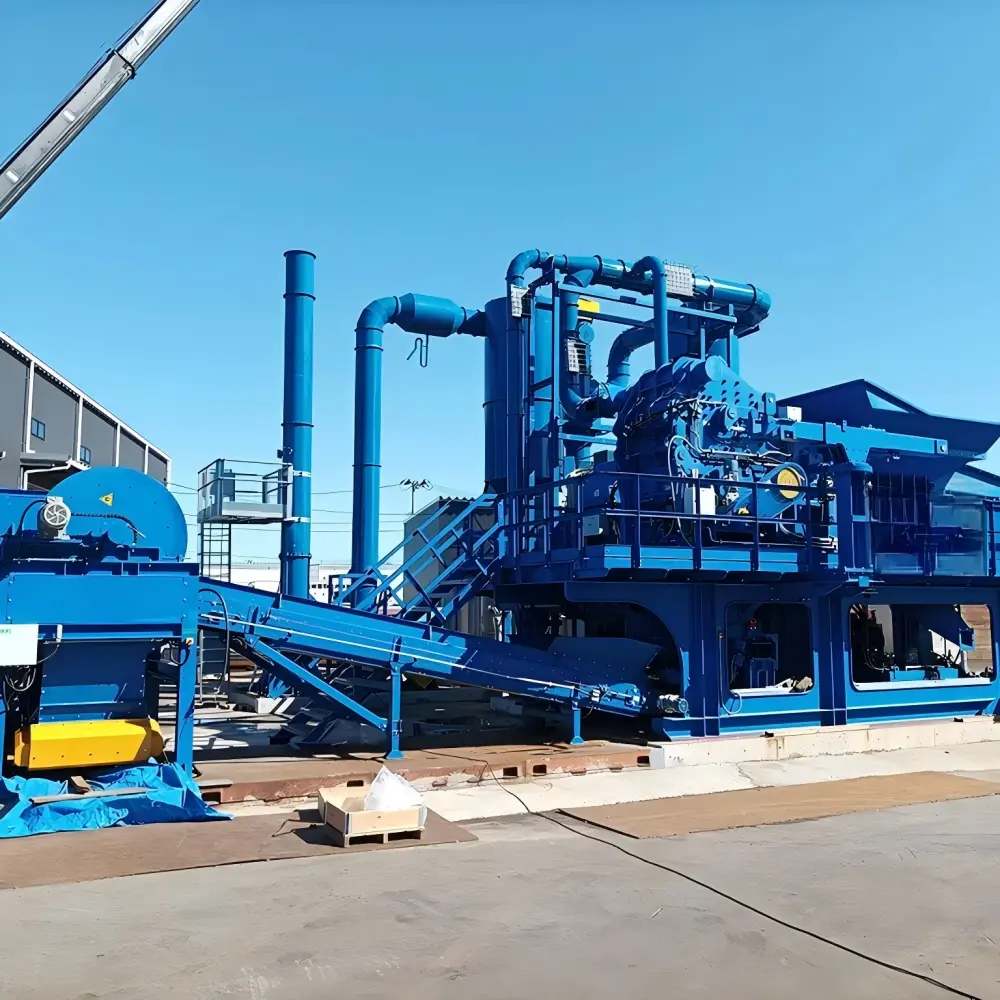
HARSLE, a leader in metal fabrication and processing machinery, recognizes that the demand for high-quality aluminum pellets and fragments is surging. From automotive components to Used Beverage Cans (UBC), the variety of aluminum scrap necessitates a robust and versatile shredding solution. This guide delves deep into the technicalities, selection criteria, and strategic advantages of employing hammer shredders in the aluminum recovery sector, providing industrial professionals with the insights needed to optimize their recycling lines.
Key Considerations for Aluminum Scrap Size Reduction
When implementing hammer shredder uses for aluminum scrap size reduction and recovery, several factors must be evaluated to ensure the system meets the specific needs of the facility. The first consideration is the nature of the input material. Aluminum scrap is incredibly diverse, ranging from thin-walled UBCs and foil to thick-walled engine blocks and structural extrusions. Each type of scrap behaves differently under the impact of a hammer. For instance, brittle cast aluminum fractures easily, while ductile alloys may require more kinetic energy to achieve the desired grain size.
The desired output size is another critical factor. In the aluminum industry, the goal is often to produce a ‘balled’ or ‘nuggetized’ product. This shape is preferred because it increases the bulk density of the material, making it more cost-effective to transport and more efficient to melt in a furnace. A well-configured hammer shredder can transform loose, tangled scrap into dense, uniform fragments. This process also helps in removing surface coatings; the high-intensity impacts strip away paint and lacquers, which reduces the amount of dross produced during the smelting process.
Energy consumption and wear-part longevity are also paramount. Shredding aluminum is an energy-intensive process, and the abrasive nature of some contaminants (like sand in castings) can lead to rapid wear of the hammers and liners. Operators must balance the speed of the rotor with the toughness of the hammers to achieve a sustainable cost-per-ton. HARSLE machines are engineered to optimize this balance, utilizing advanced metallurgy for wear parts and variable frequency drives to manage energy loads based on the material feed rate.
Finally, safety and environmental compliance cannot be overlooked. Shredding aluminum generates heat and potentially explosive dust. A comprehensive recovery system must include dust extraction, spark detection, and explosion suppression systems. Furthermore, noise reduction measures are often required to meet local industrial regulations. Integrating these features into the initial design of the shredding line is far more effective than attempting to retrofit them later.
Technical Details of Hammer Shredder Mechanics
The core of the hammer shredder’s effectiveness lies in its rotor assembly. The rotor consists of a central shaft equipped with several discs or arms that hold the hammers. These hammers are free-swinging, allowing them to retract if they encounter an un-shreddable object, thereby protecting the machine from catastrophic failure. The kinetic energy delivered by these hammers is a function of the rotor speed and the mass of the hammer. For aluminum scrap, high-velocity impacts are essential to shatter the material and liberate bonded impurities.
The internal geometry of the shredding chamber is equally important. The ‘anvil’ or breaker plate is the first point of contact where the initial reduction occurs. Following this, the material is swept across a series of grate bars or screens. The size of the openings in these grates determines the final product size. Material that is still too large is carried back around for another cycle of impacts. This closed-loop process within the chamber ensures a highly consistent output, which is vital for downstream automated sorting equipment.
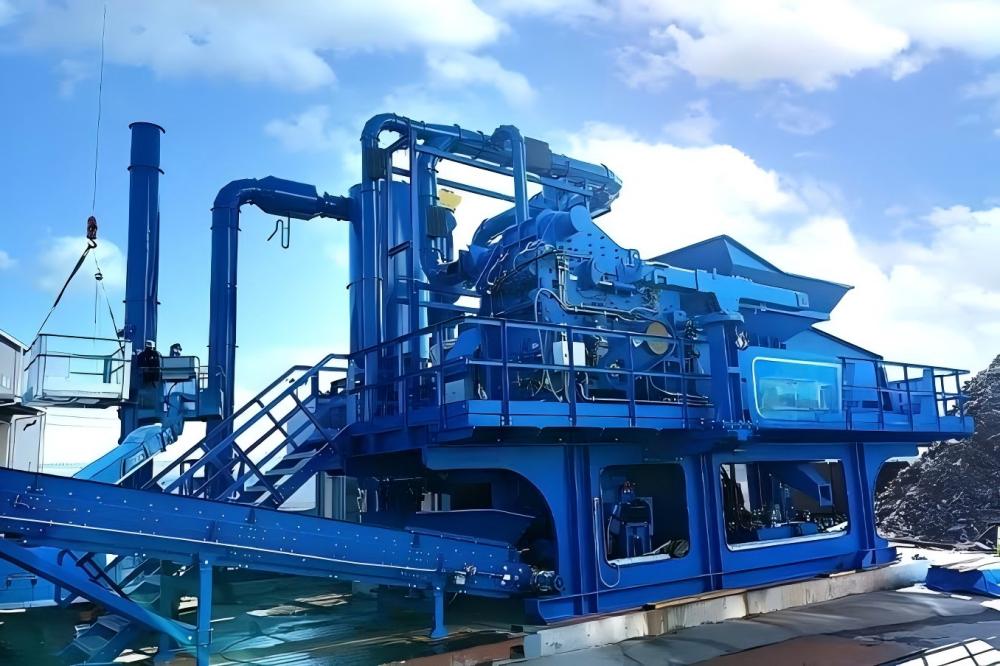
Material science plays a huge role in the construction of these machines. Hammers are typically cast from manganese steel or specialized alloy steels that work-harden under impact. This means the more the machine is used on tough scrap, the harder the surface of the hammer becomes. For aluminum recovery, where the material is relatively soft compared to steel, the focus is often on maintaining a sharp edge on the hammer to ensure clean shearing and fracturing rather than just blunt crushing.
Technical Specifications Table
| Feature | Specification Detail | Benefit for Aluminum Recovery |
|---|---|---|
| Rotor Speed | 400 – 1,200 RPM | Adjustable for different alloy brittleness |
| Hammer Weight | 15kg – 150kg per unit | Provides necessary kinetic energy for dense scrap |
| Grate Opening | 20mm – 100mm (Customizable) | Controls final bulk density and grain size |
| Motor Power | 75kW – 450kW+ | Ensures high throughput for industrial volumes |
| Liner Material | High-Manganese Steel | Extends service life against abrasive contaminants |
Advanced hammer shredders also feature hydraulic opening mechanisms. This allows maintenance crews to quickly access the rotor and grates for inspection or replacement. In a high-volume aluminum recovery plant, minimizing downtime is essential. HARSLE’s design philosophy emphasizes this accessibility, ensuring that wear parts can be rotated or replaced with minimal labor and time investment.
Selection Advice for Aluminum Shredding Equipment
Choosing the right equipment for hammer shredder uses for aluminum scrap size reduction and recovery requires a strategic approach. The first step is a thorough analysis of your scrap stream. If your primary feedstock is light-gauge aluminum like UBC or siding, a medium-duty shredder with higher rotor speeds may be ideal to achieve the ‘balling’ effect. However, if you are processing heavy castings or mixed demolition scrap, a heavy-duty machine with massive hammers and a reinforced chassis is mandatory to handle the shock loads.
Consider the integration of the shredder into the wider recovery line. A shredder does not work in isolation. It should be preceded by a pre-shredder or a shear if the scrap pieces are exceptionally large (like whole car bodies or long extrusions) to prevent bridging in the hopper. Following the hammer shredder, a system of conveyors, magnetic separators (to remove iron), and eddy current separators (to recover the aluminum) is necessary. The shredder’s output must match the processing capacity of these downstream components to avoid bottlenecks.
Evaluate the Total Cost of Ownership (TCO) rather than just the initial purchase price. A cheaper machine might have higher vibration levels, leading to structural fatigue, or use lower-quality wear parts that require frequent replacement. Look for features like vibration damping mounts, high-quality bearings with temperature monitoring, and robust lubrication systems. HARSLE provides comprehensive support in calculating the ROI based on expected throughput and local energy costs, ensuring that the investment is sound for the long term.
Finally, test the machine with your specific material. Most reputable manufacturers, including HARSLE, offer material testing services. By sending a sample of your aluminum scrap to a test facility, you can determine the exact grain size distribution and purity levels achievable. This data is invaluable for securing contracts with smelters, as they often pay a premium for material that meets strict density and cleanliness specifications.
Frequently Asked Questions (FAQ)
What is the primary benefit of using a hammer shredder over a shear shredder for aluminum?
While shear shredders (twin-shaft) are excellent for initial volume reduction and handling bulky items, hammer shredders are superior for ‘liberation’ and ‘densification.’ The high-impact action of a hammer shredder breaks the bonds between aluminum and other materials (like screws in a window frame) and curls the aluminum into dense nuggets, which is highly preferred by secondary aluminum smelters.
How often do the hammers need to be replaced?
Hammer life depends entirely on the abrasiveness of the scrap and the volume processed. In a typical aluminum recycling operation, hammers might be rotated every 40-80 hours of operation to expose a fresh striking face and replaced entirely after all faces are worn. Using high-quality manganese steel hammers from HARSLE can significantly extend these intervals.
Can a hammer shredder handle ‘tramp’ iron or steel?
Hammer shredders are designed to handle occasional pieces of steel that are mixed with aluminum scrap. The free-swinging hammers can retract to prevent damage. However, a large amount of heavy steel will accelerate wear. It is always recommended to have a magnetic separator before or after the shredding process to manage ferrous content.
Does shredding aluminum create a fire risk?
Yes, shredding any metal can create sparks, and aluminum dust is flammable. To mitigate this, modern shredding systems include water misting systems to suppress dust and cool the material, along with robust dust extraction and filtration systems. Proper housekeeping and regular cleaning of the facility are also essential safety practices.
What is the ideal output size for aluminum scrap?
For most secondary smelters, an output size between 20mm and 50mm is ideal. This size range offers a good balance between high bulk density and surface area, allowing for efficient melting with minimal oxidation loss. The specific size can be adjusted by changing the grate bars in the HARSLE hammer shredder.
Conclusion: Maximizing ROI with HARSLE Hammer Shredders
The strategic application of hammer shredder uses for aluminum scrap size reduction and recovery is a game-changer for the recycling industry. By transforming heterogeneous, low-density scrap into clean, uniform, and dense aluminum nuggets, processors can command higher market prices and reduce operational costs. The hammer shredder serves as the heart of this transformation, providing the mechanical force necessary to liberate value from waste.
Investing in a HARSLE hammer shredder means investing in durability, precision, and efficiency. Our machines are engineered to withstand the rigors of continuous industrial operation while providing the flexibility to handle various aluminum grades. As the global push for a circular economy intensifies, the ability to recover aluminum with minimal loss and maximum purity will define the success of recycling enterprises. With the right equipment, technical knowledge, and maintenance strategy, your facility can achieve peak performance in aluminum scrap processing, contributing to both environmental sustainability and significant economic gain.
Whether you are upgrading an existing line or building a new recovery facility, HARSLE is committed to providing the machinery and expertise required to excel. Explore our range of hammer shredders and discover how we can help you optimize your aluminum size reduction and recovery processes today.