Case Study: Single-Shaft Shredder for Automotive Plastic Parts Recycling

Introduction
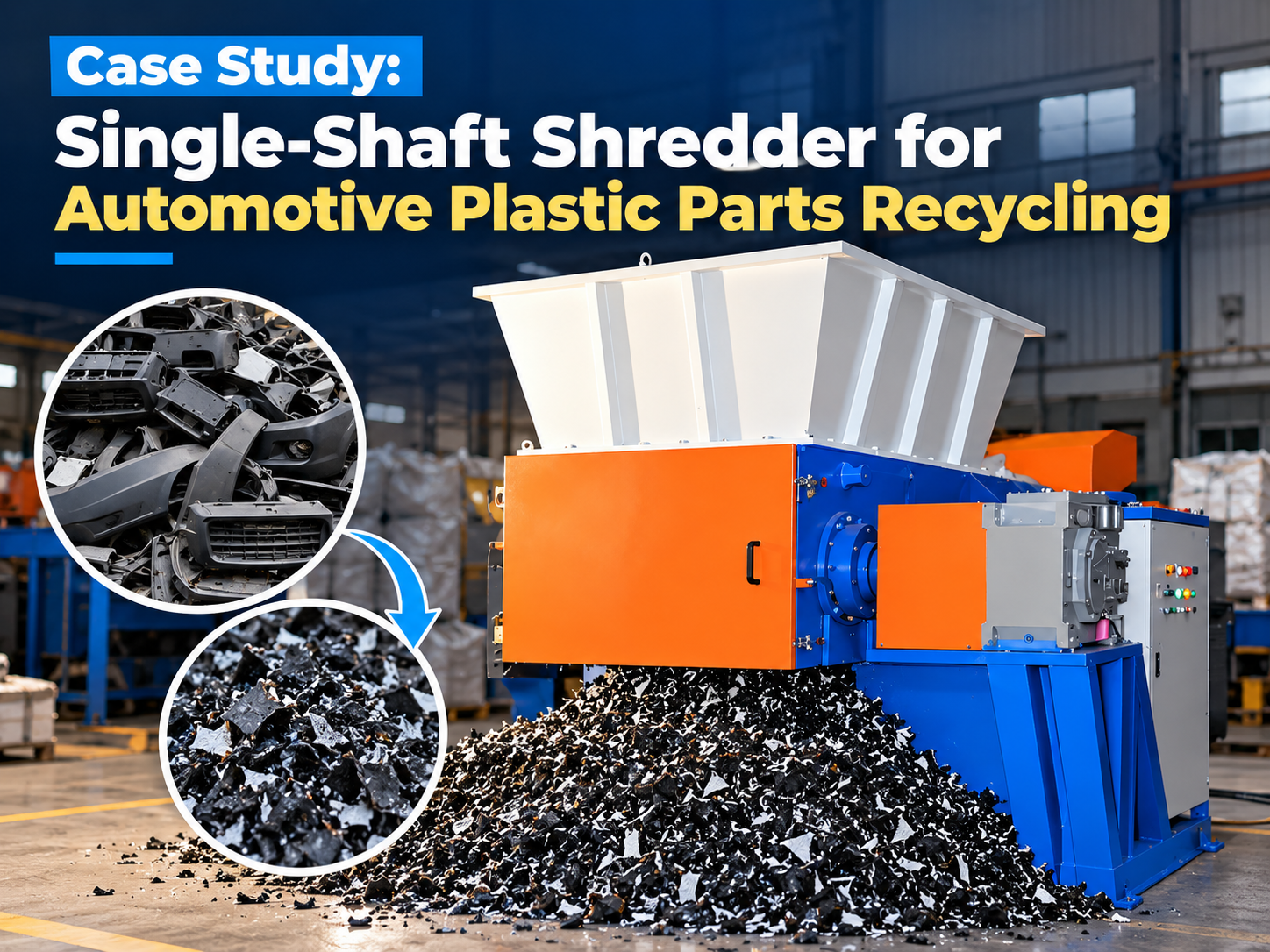
In the rapidly evolving automotive industry, the drive toward circular economy principles has never been more critical. Manufacturers are increasingly tasked with managing the end-of-life cycle for complex plastic components, ranging from bumpers and dashboards to interior trim and fuel tanks. This Case Study: Single-Shaft Shredder for Automotive Plastic Parts Recycling highlights how HARSLE’s advanced industrial machinery provides the necessary throughput and precision to transform bulky automotive waste into high-quality, recyclable feedstock.
The challenge of recycling automotive plastics lies in their diversity and structural integrity. These materials are often reinforced with glass fibers, additives, or metal inserts, making them difficult to process with standard equipment. HARSLE’s single-shaft shredders are engineered to handle these high-torque requirements, ensuring that automotive recyclers can achieve consistent particle sizes while maintaining operational safety and efficiency.
By implementing a robust shredding solution, automotive recycling facilities can significantly reduce their logistics costs. Shredded plastic occupies far less volume than intact components, allowing for more efficient transport and storage. Furthermore, the uniform output produced by our shredders is essential for downstream processes such as granulation, washing, and extrusion, which are necessary to create high-grade recycled plastic pellets.
This article explores the technical nuances, operational benefits, and strategic advantages of integrating a HARSLE single-shaft shredder into your automotive recycling workflow. Whether you are managing a small-scale facility or a large-scale automotive dismantling plant, understanding the mechanics of effective shredding is the first step toward sustainable profitability.
Key Considerations for Automotive Plastic Recycling
When selecting equipment for automotive plastic recycling, the primary consideration is the material composition. Automotive plastics are rarely pure; they often consist of complex polymers like polypropylene (PP), acrylonitrile butadiene styrene (ABS), and polycarbonate (PC). These materials require a shredder that can handle varying levels of hardness and elasticity without overheating or jamming.
Another critical factor is the presence of contaminants. Automotive parts often contain metal clips, screws, or rubber seals. A high-quality single-shaft shredder must be equipped with a robust rotor design and intelligent control systems that can detect non-shreddable objects. HARSLE machines feature advanced PLC controls that automatically reverse the rotor if an obstruction is detected, preventing damage to the blades and drive system.
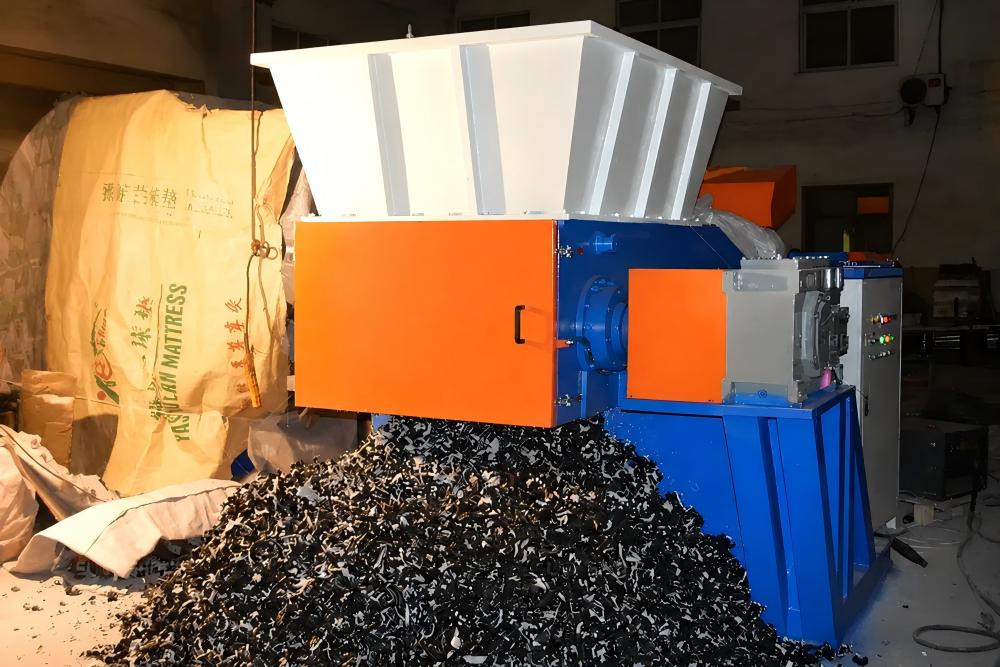
Throughput requirements dictate the size and power of the shredder. Automotive recycling plants often deal with intermittent surges in material volume. Therefore, the shredder must have a high-capacity hopper and a reliable hydraulic ram system that pushes the material toward the rotor at a consistent pressure. This ensures that the shredding process remains continuous, even when dealing with irregularly shaped parts like car bumpers.
Finally, maintenance and ease of access are paramount. Automotive plastics are abrasive, leading to faster wear on cutting tools. HARSLE designs its shredders with modular blade systems that allow for quick replacement and sharpening. By minimizing downtime, facilities can maintain a higher return on investment and ensure that their recycling operations remain profitable in a competitive market.
Technical Details of HARSLE Shredding Technology
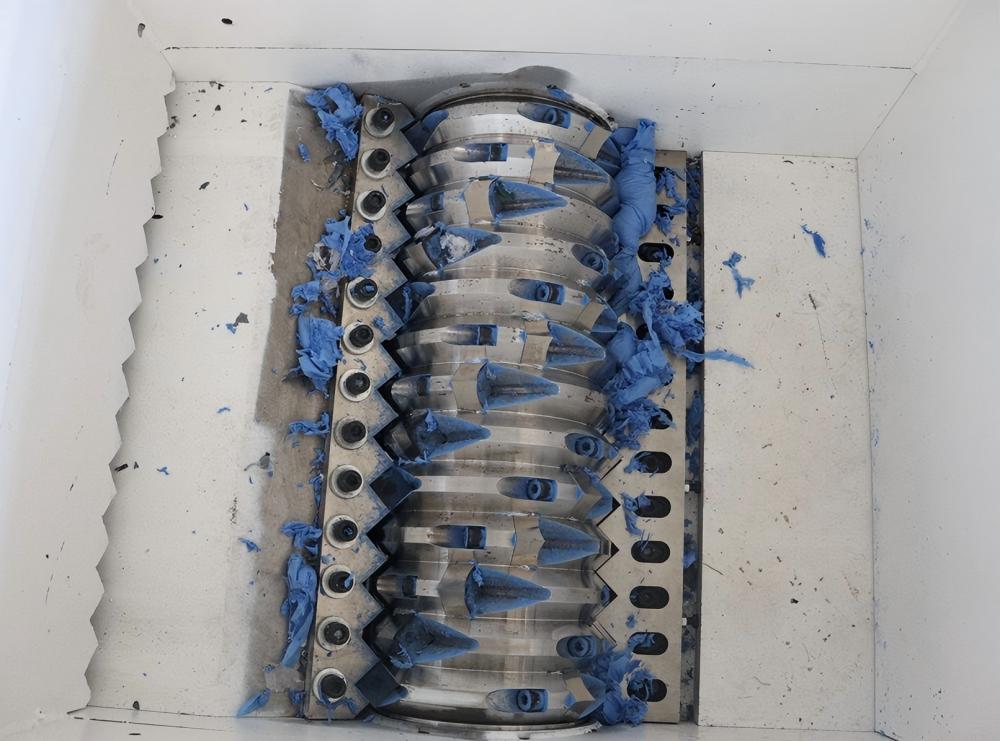
The core of the HARSLE single-shaft shredder is its precision-engineered rotor. Unlike dual-shaft shredders, the single-shaft design uses a high-speed rotor combined with a stationary counter-knife to achieve a clean, scissor-like cut. This mechanism is ideal for automotive plastics as it produces a uniform output size, which is critical for subsequent sorting and washing stages.
The rotor is typically fitted with hardened steel cutters that can be rotated or replaced individually. This design choice significantly reduces maintenance costs, as operators do not need to replace the entire rotor assembly when a single blade becomes dull. Furthermore, the rotor speed is optimized to balance torque and throughput, ensuring that even the most resilient automotive plastics are shredded effectively.
The hydraulic ram system is another technical highlight. It operates on a load-dependent basis, meaning the pressure applied to the material is adjusted automatically based on the current draw of the motor. This prevents the machine from stalling and ensures that the shredder operates at peak efficiency regardless of the material density or volume being fed into the hopper.
HARSLE shredders are also equipped with advanced dust suppression and noise reduction features. Given the industrial environment, these features are essential for complying with health and safety regulations. The heavy-duty steel frame is vibration-dampened, and the enclosure is designed to contain plastic shards and minimize noise pollution, creating a safer working environment for plant personnel.
Selection Advice: Choosing the Right Shredder
Selecting the right shredder for your automotive recycling operation requires a thorough assessment of your specific waste stream. Start by categorizing the types of plastics you process most frequently. If you are dealing primarily with rigid plastics like dashboards, you will need a machine with a higher torque rating and a more aggressive blade geometry. For thinner, more flexible parts like interior trim, a higher rotor speed might be more beneficial.
Consider the desired output size. The size of the screen located beneath the rotor determines the final particle size of the shredded plastic. HARSLE offers a variety of screen sizes, allowing you to customize the output to meet the requirements of your downstream equipment. If you are selling the shredded material directly to plastic recyclers, they may have specific size requirements that you must meet to command a higher price.
Evaluate the space constraints of your facility. While larger shredders offer higher throughput, they also require more floor space and robust electrical infrastructure. HARSLE provides a range of models, from compact units suitable for smaller workshops to heavy-duty industrial systems capable of processing tons of material per hour. Consult with our technical team to determine the optimal footprint for your specific layout.
Finally, look at the long-term support and availability of spare parts. Industrial machinery is a long-term investment. HARSLE prides itself on providing comprehensive after-sales support, including remote diagnostics, readily available spare parts, and expert technical guidance. Choosing a partner that stands behind their equipment is just as important as the technical specifications of the machine itself.
FAQ: Frequently Asked Questions
What is the main advantage of a single-shaft shredder over a dual-shaft shredder for automotive plastics?
A single-shaft shredder provides a more uniform particle size due to the screen-based discharge system. This is crucial for automotive plastics, as it ensures the material is ready for further processing like granulation or extrusion without needing secondary screening.
How do I handle metal contaminants in automotive plastic parts?
HARSLE shredders are equipped with intelligent PLC systems that detect high-torque events caused by metal contaminants. The machine will automatically reverse the rotor to prevent damage. We also recommend installing a magnetic separator before the shredder to catch loose metal clips and screws.
How often should the blades be replaced?
Blade lifespan depends on the abrasiveness of the plastic and the volume of throughput. However, HARSLE’s modular blade design allows for easy rotation and replacement, ensuring that you can maintain optimal cutting performance with minimal downtime.
Can this shredder handle glass-fiber reinforced plastics?
Yes, our shredders are designed to handle high-strength automotive plastics, including glass-fiber reinforced materials. The hardened steel cutters are specifically engineered to withstand the abrasive nature of these composites.
What power requirements should I prepare for?
Power requirements vary by model. Our technical team will provide a detailed electrical specification sheet based on the specific shredder model and your facility’s power supply capabilities during the consultation phase.
Conclusion
The Case Study: Single-Shaft Shredder for Automotive Plastic Parts Recycling demonstrates that efficient waste management is not just an environmental necessity but a strategic business advantage. By investing in HARSLE’s high-performance shredding technology, automotive recycling facilities can streamline their operations, reduce waste volume, and produce high-quality feedstock that meets the demands of the modern plastics industry.
HARSLE remains committed to advancing the capabilities of metal fabrication and industrial recycling equipment. Our single-shaft shredders are built to withstand the rigors of the automotive sector, offering a blend of power, precision, and reliability that is unmatched in the market. As the industry continues to push toward more sustainable practices, having the right machinery in place will be the defining factor for success.
We invite you to contact our technical sales team to discuss your specific recycling requirements. Whether you are looking to upgrade your existing line or design a new facility from the ground up, HARSLE provides the expertise and the equipment to help you achieve your goals. Together, we can transform automotive plastic waste into a valuable resource for the future.