
How Hammer Shredders Support Industrial Waste Reduction In Manufacturing Plants

Introduction to Industrial Waste Challenges in Modern Manufacturing
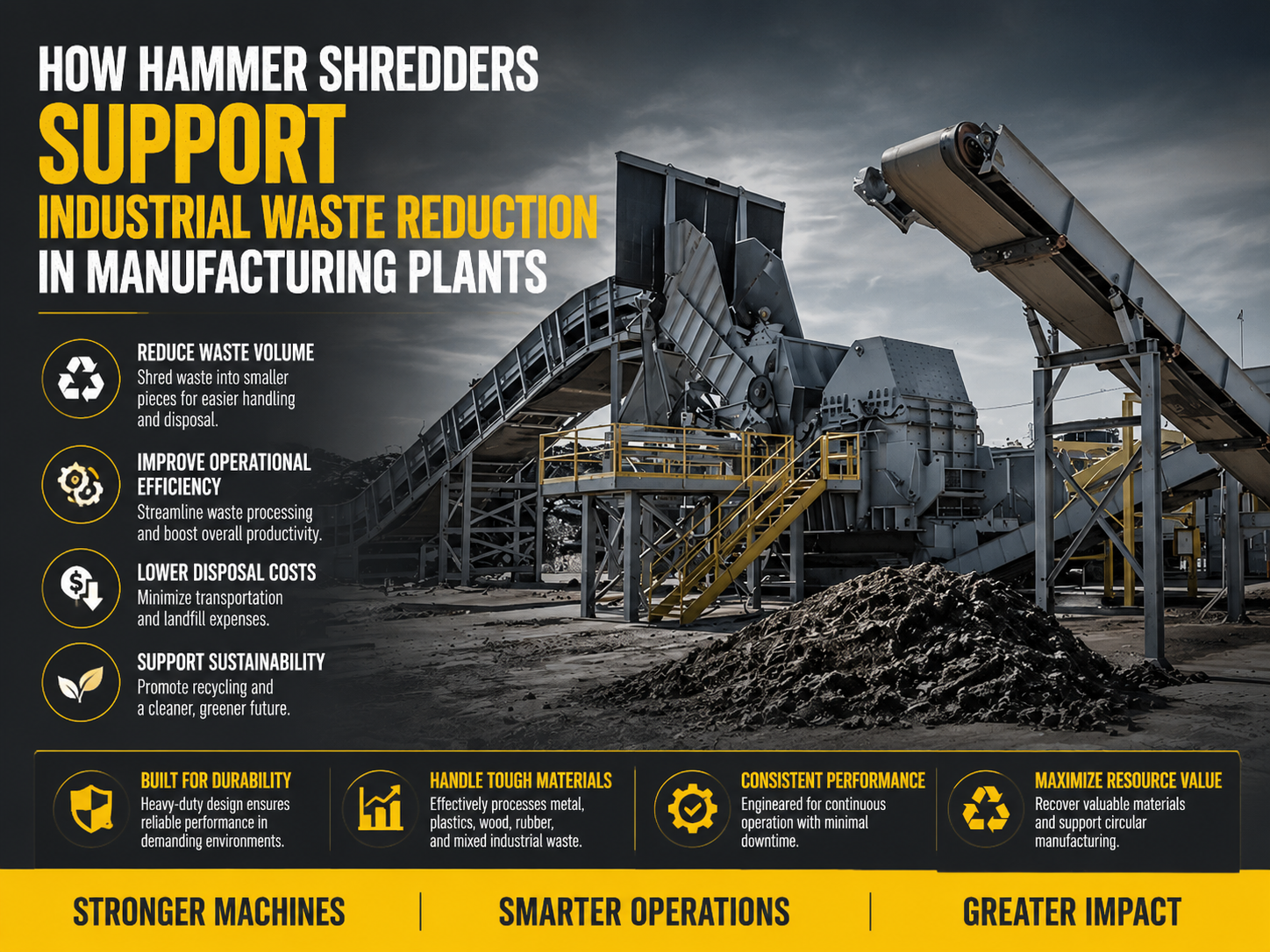
In the contemporary industrial landscape, the management of waste has transitioned from a secondary operational concern to a primary strategic priority. Manufacturing plants across the globe are under increasing pressure to adopt sustainable practices, driven by both stringent environmental regulations and the economic necessity of resource efficiency. One of the most effective tools in this transition is the industrial hammer shredder. As we explore how hammer shredders support industrial waste reduction in manufacturing plants, it becomes clear that these machines are not merely disposal tools but essential components of a circular economy.
Industrial waste, particularly in metal fabrication and heavy manufacturing, often consists of bulky, irregular scrap that is difficult to transport, store, and process. Without proper reduction, this waste consumes valuable floor space and incurs high logistics costs. Hammer shredders address these challenges by utilizing high-velocity impact to break down materials into uniform, manageable pieces. This process significantly reduces the volume of waste, making it easier to reintegrate into production cycles or sell to recycling facilities at a premium price.
HARSLE, a leader in metal fabrication machinery, recognizes that the integration of high-performance shredding technology is vital for plants aiming for zero-waste targets. By implementing robust shredding solutions, manufacturers can transform their waste streams into revenue streams, ensuring that every ton of raw material is utilized to its maximum potential. This article provides a comprehensive look at the technical, economic, and operational benefits of hammer shredders in the context of industrial waste reduction.
Key Considerations for Waste Reduction Strategies
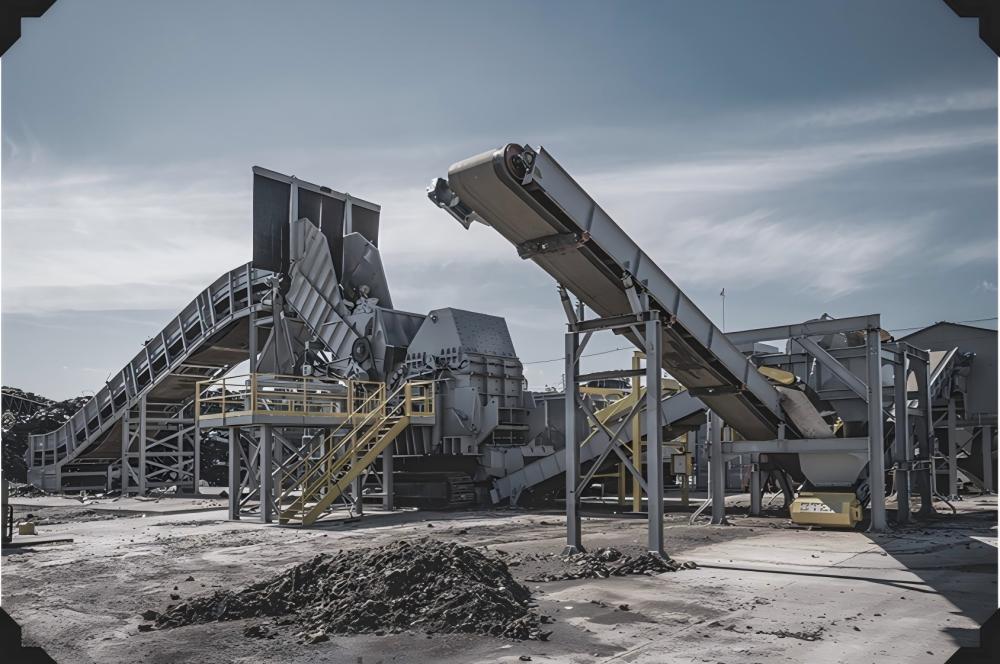
When evaluating how hammer shredders support industrial waste reduction in manufacturing plants, several key considerations must be taken into account to ensure the strategy is effective. The first is the nature of the material being processed. Manufacturing plants generate a diverse array of waste, including ferrous and non-ferrous metals, plastics, electronic scrap, and wood. A hammer shredder’s versatility allows it to handle these varied materials, but the specific configuration of the hammers and the rotor speed must be optimized for the primary waste stream to maximize efficiency.
Another critical consideration is the volume reduction ratio. In many manufacturing environments, scrap metal in its raw form is extremely low-density. For example, loose metal turnings or stamped skeletons take up massive amounts of space. By shredding these materials, plants can achieve a volume reduction of up to 80%, which directly translates to fewer trips for waste haulers and lower carbon emissions associated with logistics. This reduction is a cornerstone of any modern environmental management system (EMS).
Furthermore, the economic impact of waste reduction cannot be overstated. Shredded scrap is often valued higher by smelters and recyclers because it is easier to melt and contains fewer contaminants. By investing in a hammer shredder, a manufacturing plant can move up the value chain, transitioning from a producer of “low-grade” bulk waste to a supplier of “high-grade” processed scrap. This shift often pays for the machinery within a few years of operation through increased scrap revenue and decreased disposal fees.
Finally, safety and compliance play a major role. Large piles of industrial waste can pose fire hazards and safety risks to personnel. Systematic shredding ensures that waste is contained in bins or silos, maintaining a cleaner and safer working environment. Additionally, many jurisdictions now mandate that certain types of industrial waste be processed on-site to prevent illegal dumping or environmental contamination, making the hammer shredder a tool for legal compliance as much as operational efficiency.
Technical Details of Hammer Shredder Operations
The effectiveness of how hammer shredders support industrial waste reduction in manufacturing plants lies in their mechanical design. Unlike shear shredders that use a cutting action, hammer shredders rely on kinetic energy and impact. The core of the machine is a high-speed rotor equipped with heavy-duty hammers (also known as beaters). As the rotor spins, the hammers strike the incoming material with immense force, shattering it against internal breaker plates and grates.
The Rotor and Hammer Assembly
The rotor is the heart of the hammer shredder. It must be precision-balanced to withstand the centrifugal forces generated at high RPMs. The hammers themselves are typically cast from specialized alloys, such as manganese steel or chrome-moly steel, to provide a balance between hardness (to resist wear) and toughness (to resist breaking under impact). In a HARSLE-engineered system, the hammer geometry is often customizable to suit specific material densities, ensuring that the impact energy is transferred efficiently to the waste material.
Sizing Screens and Output Control
One of the primary reasons hammer shredders are preferred for waste reduction is the ability to control the output size. Beneath the rotor, a sizing screen or grate is installed. Material remains in the shredding chamber until it is small enough to pass through the openings in the screen. This ensures a consistent product size, which is critical for downstream processes like magnetic separation or automated feeding into a furnace. By changing the screen, a plant can quickly switch from producing coarse material for bulk transport to fine material for specialized recycling.
Drive Systems and Power Efficiency
Modern hammer shredders are equipped with sophisticated drive systems, often incorporating variable frequency drives (VFDs). These systems allow the operator to adjust the rotor speed based on the material load, which optimizes energy consumption. In a manufacturing plant where energy costs are a significant overhead, the ability to run a shredder at peak efficiency is a major advantage. Furthermore, heavy-duty bearings and vibration-damping mounts ensure that the machine can operate continuously in a 24/7 manufacturing environment with minimal downtime.
Selection Advice for Manufacturing Plants
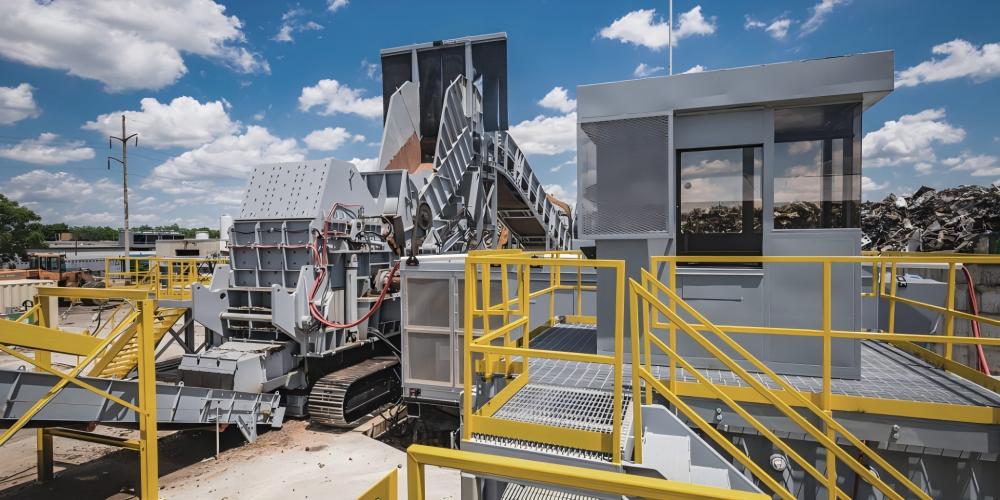
Choosing the right equipment is essential for realizing the full benefits of how hammer shredders support industrial waste reduction in manufacturing plants. The selection process should begin with a thorough analysis of the waste stream. Manufacturers must determine the maximum dimensions of the largest waste pieces and the required hourly throughput. A shredder that is undersized will lead to bottlenecks, while an oversized machine will result in unnecessary capital expenditure and higher energy costs.
When selecting a hammer shredder, consider the following checklist:
- Material Hardness and Density: Ensure the hammers and liners are rated for the specific Mohs hardness of your scrap. For example, stainless steel scrap requires much tougher components than aluminum or plastic.
- Feeding Mechanism: How will the waste enter the shredder? For bulky manufacturing waste, a vibrating feeder or a heavy-duty conveyor belt is often necessary to ensure a steady flow and prevent chamber choking.
- Maintenance Accessibility: Hammer shredders are high-wear machines. Look for designs that allow for easy access to the rotor and quick replacement of hammers and screens. HARSLE machines often feature hydraulic opening mechanisms to simplify this process.
- Dust and Noise Control: Industrial shredding can be noisy and dusty. Ensure the machine can be integrated with dust extraction systems and sound enclosures if it is located near employee workstations.
It is also advisable to look for “smart” features. Modern industrial shredders often include sensors that monitor bearing temperature, vibration levels, and motor load. These sensors provide real-time data that can be used for predictive maintenance, preventing catastrophic failures and extending the lifespan of the equipment. For a manufacturing plant, this reliability is the difference between a smooth waste management process and a costly operational disruption.
Integration into the Production Line
To truly maximize how hammer shredders support industrial waste reduction in manufacturing plants, the machinery should be integrated directly into the production workflow where possible. Instead of collecting waste in bins and moving it to a centralized location, some plants install smaller hammer shredders at the end of specific production lines. This “point-of-generation” shredding eliminates the need for internal transport of bulky scrap, further reducing labor costs and the risk of workplace accidents.
In a fully integrated system, the shredded material can be automatically conveyed to a storage silo or directly into a briquetting press. For metal manufacturers, combining a hammer shredder with a briquetting machine is a powerful strategy. The shredder prepares the material, and the press turns it into high-density pucks that are even more valuable and easier to melt. This level of automation represents the pinnacle of modern industrial waste management.
Frequently Asked Questions (FAQ)
1. What materials can a hammer shredder handle in a manufacturing plant?
Hammer shredders are incredibly versatile. They can process ferrous metals (steel, iron), non-ferrous metals (aluminum, copper, brass), electronic waste (PCBs, housings), plastics, wood pallets, and even certain types of industrial glass. The key is to match the hammer type and motor power to the material’s resistance.
2. How often do the hammers need to be replaced?
The lifespan of hammers depends entirely on the abrasiveness of the material and the volume processed. In heavy-duty metal recycling, hammers might need to be rotated or replaced every few hundred hours of operation. However, many modern hammers are reversible, allowing you to use both edges before a full replacement is required.
3. Does shredding help with environmental compliance?
Yes. Many environmental regulations require manufacturers to minimize the volume of waste sent to landfills. Shredding is a recognized method for volume reduction. Furthermore, by facilitating recycling, shredding helps plants meet their sustainability goals and ISO 14001 certification requirements.
4. Can hammer shredders handle large, solid metal blocks?
Generally, hammer shredders are best suited for “hollow” or “thin-walled” scrap like stampings, turnings, and housings. Extremely thick, solid metal blocks (like engine blocks or heavy die casts) require a heavy-duty shredder specifically designed for high-torque impact. It is important to consult with HARSLE technicians to ensure the machine is rated for your specific scrap thickness.
5. What is the typical ROI for an industrial hammer shredder?
Most manufacturing plants see a Return on Investment (ROI) within 18 to 36 months. This is calculated based on the reduction in waste hauling costs, the increase in the sale price of processed scrap, and the labor savings from automated waste handling.
Conclusion: The Future of Sustainable Manufacturing
As we have explored, the question of how hammer shredders support industrial waste reduction in manufacturing plants is answered through a combination of mechanical power, economic strategy, and environmental stewardship. These machines are the workhorses of the recycling industry, providing the necessary force to transform cumbersome waste into valuable raw materials. For manufacturers, the adoption of shredding technology is no longer an option but a necessity in a world where resources are finite and regulations are tightening.
By choosing high-quality equipment from trusted manufacturers like HARSLE, plants can ensure that their waste management processes are efficient, safe, and profitable. The transition to a circular economy begins on the factory floor, and the hammer shredder is the tool that makes that transition possible. Whether you are looking to reduce your carbon footprint, lower your operational costs, or simply clean up your production space, an industrial hammer shredder is a foundational investment in the future of your business.
In conclusion, the integration of hammer shredders into manufacturing environments represents a significant step forward in industrial efficiency. By reducing volume, increasing scrap value, and ensuring regulatory compliance, these machines provide a multi-faceted solution to one of the most pressing challenges in modern industry. As technology continues to evolve, we can expect hammer shredders to become even more energy-efficient and intelligent, further cementing their role as essential components of the global manufacturing infrastructure.












