
Comprehensive Guide to Common Hammer Shredder Applications In Foundry Steel Mill Waste Handling

Introduction to Hammer Shredders in Heavy Industry
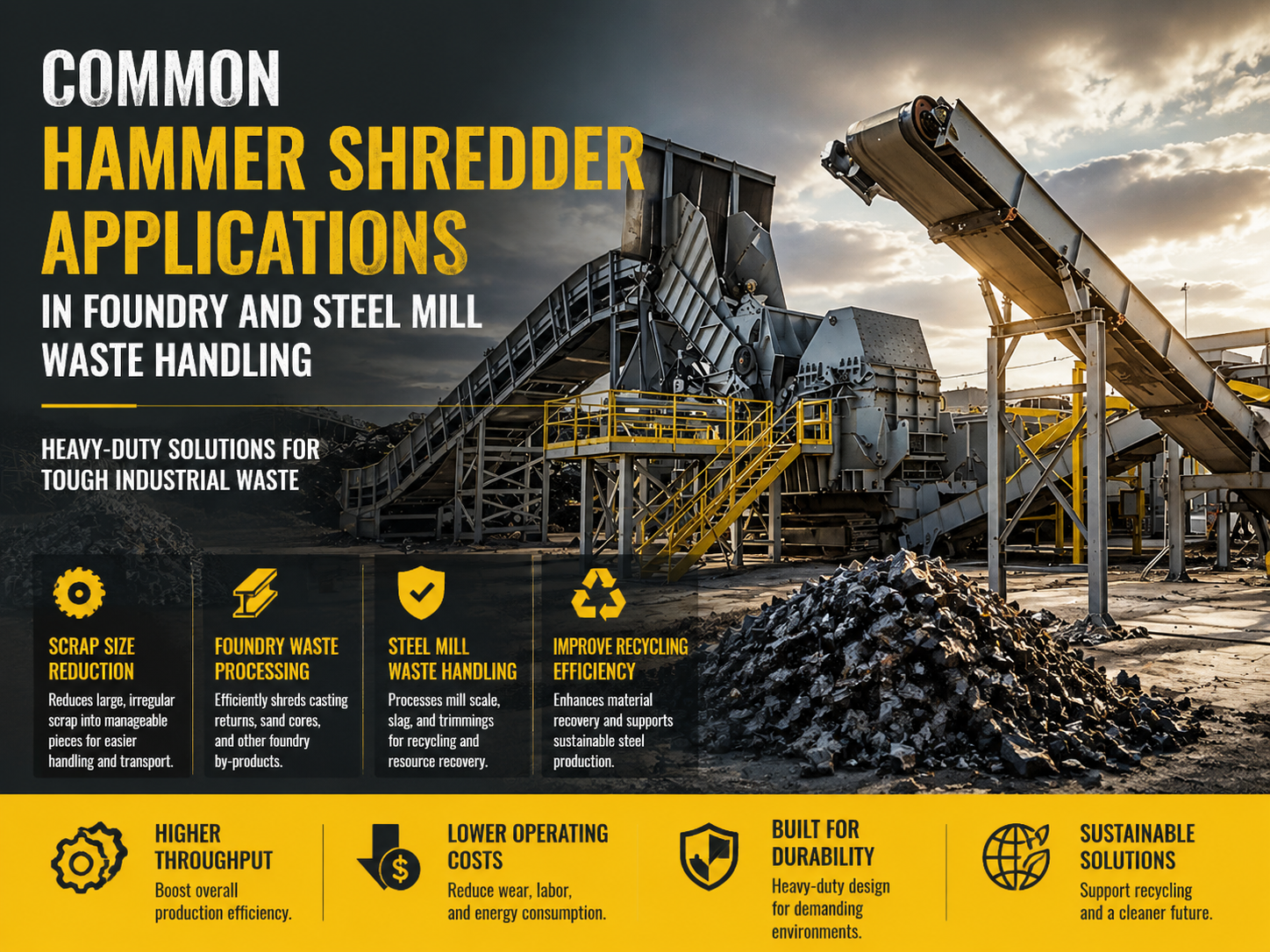
In the high-intensity environments of foundries and steel mills, waste management is not merely a matter of housekeeping; it is a critical component of operational efficiency, environmental compliance, and resource recovery. The sheer volume of byproduct generated—ranging from metallic scrap and slag to spent sand molds—requires robust, high-capacity processing equipment. Among the most versatile and effective tools in this sector is the industrial hammer shredder. This machine utilizes high-speed kinetic energy to impact, shear, and crush materials into manageable sizes, facilitating easier transport, recycling, or disposal.
The role of Common Hammer Shredder Applications In Foundry Steel Mill Waste Handling cannot be overstated. As global industries move toward circular economy models, the ability to reclaim valuable metals from waste streams has become a significant profit center. Hammer shredders, also known as hammer mills, are uniquely suited for this task due to their ability to handle heterogeneous materials that vary in density and hardness. Unlike secondary crushers that might struggle with ductile metal inclusions, the hammer shredder’s swinging hammer design allows it to absorb shocks while delivering massive force to brittle materials like slag or hardened sand.
HARSLE, a leader in metal fabrication and industrial machinery, recognizes that the integration of advanced shredding technology is essential for modernizing foundry operations. By reducing the volume of waste and increasing the surface area of reclaimed materials, these machines optimize the downstream processes of smelting and refining. In this comprehensive guide, we will explore the technical nuances, specific applications, and selection criteria for hammer shredders in the context of foundry and steel mill waste management.
Key Considerations for Waste Handling in Foundries and Steel Mills
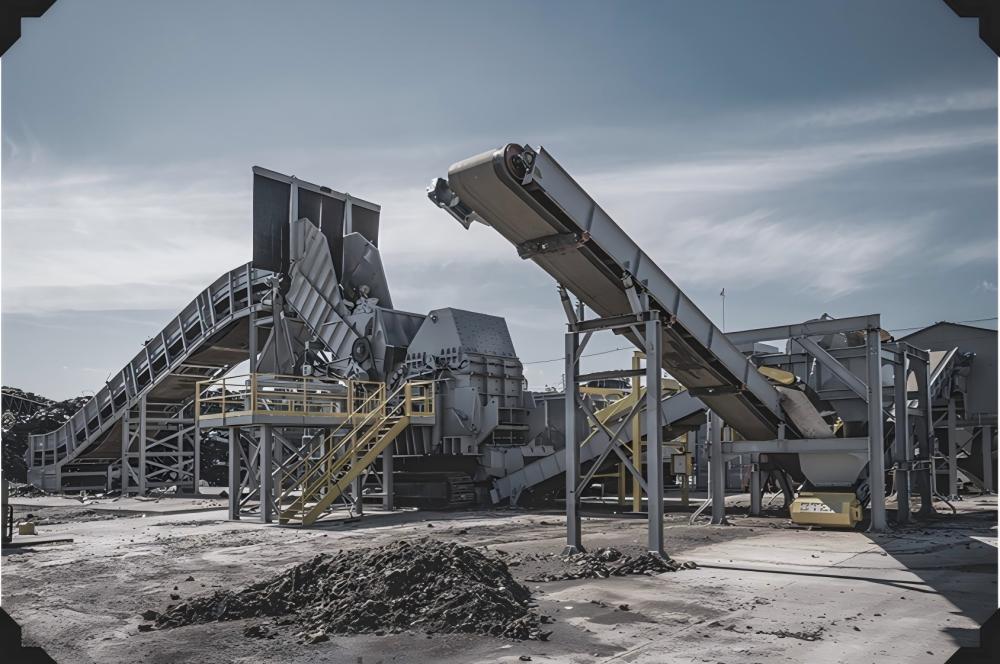
When evaluating Common Hammer Shredder Applications In Foundry Steel Mill Waste Handling, several operational factors must be considered to ensure the longevity of the equipment and the efficiency of the process. Foundries and steel mills produce waste that is often abrasive, hot, and irregularly shaped. Therefore, the shredding solution must be engineered to withstand these harsh conditions without excessive downtime.
Material Composition and Hardness
The primary challenge in steel mill waste handling is the diversity of the material. Slag, for instance, is a complex mixture of metal oxides and silicon dioxide. It can be extremely abrasive, leading to rapid wear on internal machine components. Furthermore, the presence of “skulls”—large solidified masses of metal and slag—requires a shredder with high torque and heavy-duty hammers. Understanding the Mohs hardness of the waste stream is the first step in selecting the right metallurgy for the shredder’s hammers and liners.
Volume and Throughput Requirements
Steel mills operate on a massive scale, often producing hundreds of tons of waste daily. A hammer shredder must be sized appropriately to prevent bottlenecks in the production line. Throughput is influenced not only by the motor power but also by the feed opening size and the discharge grate configuration. If the shredder is too small, it will lead to frequent jams; if it is oversized, it may operate inefficiently, consuming more energy than necessary for the task at hand.
Environmental and Safety Regulations
Modern industrial facilities are subject to strict environmental regulations regarding dust emissions and noise levels. Hammer shredders, by their nature, generate significant dust when processing dry materials like foundry sand or slag. Effective waste handling systems must incorporate dust suppression or extraction units. Additionally, safety is paramount. The high-speed rotation of the rotor means that the machine must be equipped with robust housing and safety interlocks to protect operators from flying debris or mechanical failure.
Technical Details of Industrial Hammer Shredders
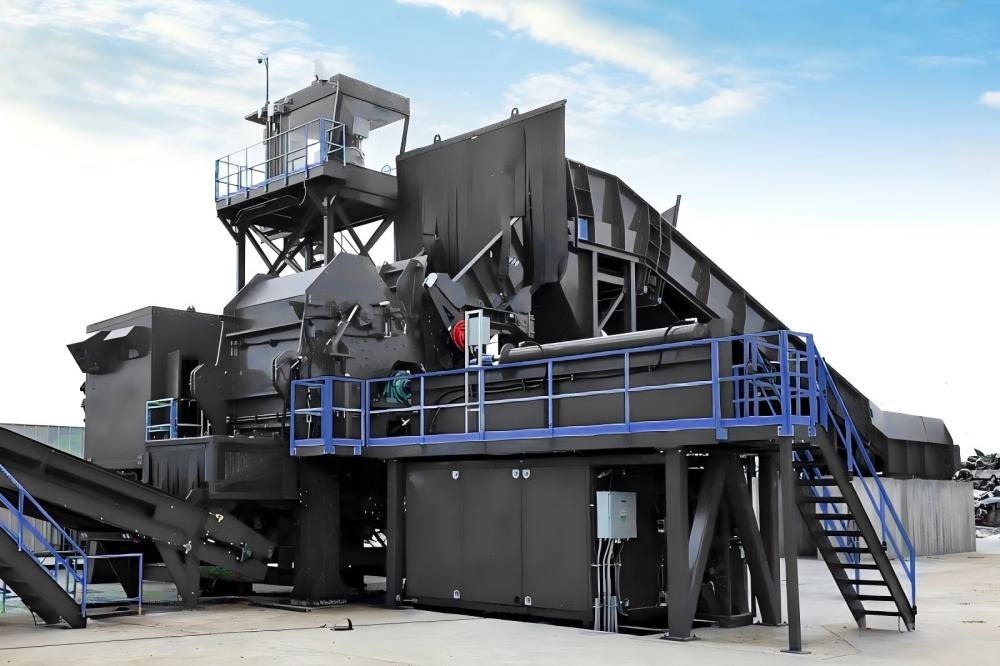
The efficiency of Common Hammer Shredder Applications In Foundry Steel Mill Waste Handling is rooted in the mechanical design of the machine. A hammer shredder consists of a high-speed rotor mounted with swinging hammers, encased in a heavy-duty housing lined with wear-resistant plates.
Rotor and Hammer Design
The rotor is the heart of the shredder. In foundry applications, rotors are typically constructed from high-strength alloy steel to resist fatigue. The hammers themselves are the primary wear parts. For steel mill waste, hammers are often made from manganese steel or high-chromium alloys. Manganese steel is particularly effective because it work-hardens under impact, meaning the more it hits hard slag or metal, the harder its surface becomes. The “swinging” nature of the hammers is a safety feature; if an un-shreddable object (like a massive solid steel ingot) enters the chamber, the hammers can retract, reducing the risk of catastrophic rotor damage.
Grate and Screen Configurations
The final size of the shredded material is determined by the discharge grates located at the bottom of the shredding chamber. In foundry sand reclamation, fine grates are used to ensure the sand is reduced to its original grain size. In contrast, for scrap metal sizing, larger openings are used to produce “fist-sized” chunks that are ideal for electric arc furnace (EAF) charging. The thickness and material of these grates are critical, as they are subjected to constant abrasion from the processed material.
Power and Drive Systems
Industrial hammer shredders require substantial power, often ranging from 100 HP to over 1000 HP depending on the application. Drive systems may be direct-coupled or belt-driven. Belt drives are often preferred in heavy waste handling because they provide a layer of protection for the motor; if the rotor suddenly stalls, the belts can slip, preventing the motor from burning out. Advanced models also feature variable frequency drives (VFDs) to allow operators to adjust the rotor speed based on the material being processed.
Common Hammer Shredder Applications In Foundry Steel Mill Waste Handling
The versatility of the hammer shredder allows it to be applied across various stages of the waste management cycle. Below are the most frequent applications found in modern metallurgical facilities.
1. Slag Processing and Metal Recovery
Slag is the most significant byproduct of the steelmaking process. It contains a mixture of non-metallic minerals and trapped metallic iron or steel. Hammer shredders are used to crush the brittle slag, which then releases the metallic inclusions. Once shredded, the material is passed under magnetic separators. The recovered metal is returned to the furnace, while the crushed slag is sold as aggregate for road construction or cement production. This application directly impacts the bottom line by recovering valuable raw materials.
2. Casting and Mold Reclamation
In foundries, sand casting is a standard process. After the metal has cooled, the sand molds must be broken down. Hammer shredders are used to crush the hardened sand lumps and remove any remaining metal binders or ceramic cores. This allows the foundry to reuse a high percentage of its casting sand, significantly reducing the cost of purchasing new sand and the environmental burden of disposing of used sand in landfills.
3. Scrap Metal Sizing for Re-melting
Steel mills often recycle internal scrap, such as “off-cuts,” “risers,” and “gates” from the casting process. However, these pieces are often too large or awkwardly shaped to be efficiently fed back into the furnace. Hammer shredders reduce this scrap into a uniform, high-density product. Shredded scrap has a higher bulk density than loose scrap, which improves the efficiency of the melting process and reduces the number of furnace charges required per heat.
4. Processing of Refractory Waste
Furnaces and ladles are lined with refractory bricks that must be replaced periodically. This spent refractory material is extremely hard and heat-resistant. Hammer shredders can crush these bricks into fine powders or small aggregates, which can then be recycled into new refractory products or used in other industrial applications.
Selection Advice for Industrial Hammer Shredders
Choosing the right machine for Common Hammer Shredder Applications In Foundry Steel Mill Waste Handling requires a strategic approach. A mismatch between the machine and the material can lead to high maintenance costs and poor ROI.
| Feature | Foundry Sand Application | Steel Slag Application | General Metal Scrap |
|---|---|---|---|
| Hammer Material | High Chromium Steel | Manganese Steel | Alloy Steel / Manganese |
| Rotor Speed | High (1200+ RPM) | Medium (800-1000 RPM) | Medium (700-900 RPM) |
| Grate Size | Small (3-10mm) | Medium (20-50mm) | Large (75-150mm) |
| Wear Liners | Standard AR Plate | Heavy-duty Bolt-on | Impact Resistant Alloy |
When selecting a shredder, prioritize accessibility. Because hammers and liners are wear items, the machine housing should be designed to open easily (often via hydraulic cylinders) to allow for quick replacement. Furthermore, consider the “feedability” of the machine. A large, flared hopper is necessary for handling bulky foundry waste, and a vibrating feeder can help maintain a consistent flow of material into the shredding chamber, preventing overloads.
Maintenance and Operational Longevity
To maximize the lifespan of a hammer shredder in a steel mill environment, a rigorous maintenance schedule is mandatory. The high-impact nature of the work means that bolts can loosen and components can fatigue over time. Daily inspections should focus on the condition of the hammers. If hammers are allowed to wear down too far, the efficiency of the shredder drops, and the rotor itself may become exposed to wear.
Lubrication is another critical factor. The main bearings of the rotor operate under extreme loads and often in high-temperature environments. Using high-quality, heat-resistant grease and ensuring the bearings are lubricated according to the manufacturer’s specifications will prevent premature failure. Many HARSLE machines come equipped with automated lubrication systems to mitigate this risk. Finally, balancing the rotor after hammer replacement is essential to prevent vibrations that can damage the machine’s foundation and structural integrity.
Frequently Asked Questions
What is the typical lifespan of hammers in a slag processing application?
The lifespan of hammers varies greatly depending on the abrasiveness of the slag and the metallurgy of the hammers. Generally, in a high-volume steel mill, hammers may need to be rotated or replaced every 100 to 300 hours of operation. Using work-hardening manganese steel can extend this period significantly.
Can a hammer shredder handle large solid steel blocks?
No. Hammer shredders are designed for impact-crushing of brittle materials or shearing of relatively thin-walled metals. Large, solid steel blocks (un-shreddables) can cause severe damage to the rotor and housing. These should be removed or pre-cut using torches or hydraulic shears before entering the shredder.
How does moisture in foundry sand affect shredding?
High moisture content can cause foundry sand to become “sticky,” which may clog the discharge grates. If processing wet sand, it is often necessary to use wider grate openings or incorporate a drying stage prior to shredding to ensure consistent throughput.
Is noise a major issue with industrial hammer shredders?
Yes, hammer shredders are inherently noisy due to the high-speed impacts. In most foundry and steel mill settings, they are housed in dedicated enclosures or placed in areas where noise is less of a concern. Sound-dampening liners and vibration-isolation mounts can also be used to reduce the acoustic footprint.
Conclusion
The implementation of Common Hammer Shredder Applications In Foundry Steel Mill Waste Handling is a cornerstone of modern industrial efficiency. By transforming bulky, heterogeneous waste into uniform, recyclable materials, these machines provide a dual benefit: they reduce environmental impact and generate significant cost savings through material recovery. Whether it is reclaiming metallic iron from slag, recycling foundry sand, or sizing scrap for the furnace, the hammer shredder remains an indispensable tool in the metallurgical industry.
HARSLE continues to innovate in the field of industrial machinery, providing robust and reliable shredding solutions tailored to the unique challenges of the steel and foundry sectors. By selecting the right equipment and adhering to a strict maintenance regimen, facilities can ensure that their waste handling processes are as productive and profitable as their primary production lines. As the industry evolves, the role of high-performance shredding technology will only grow in importance, driving the future of sustainable metal production.


