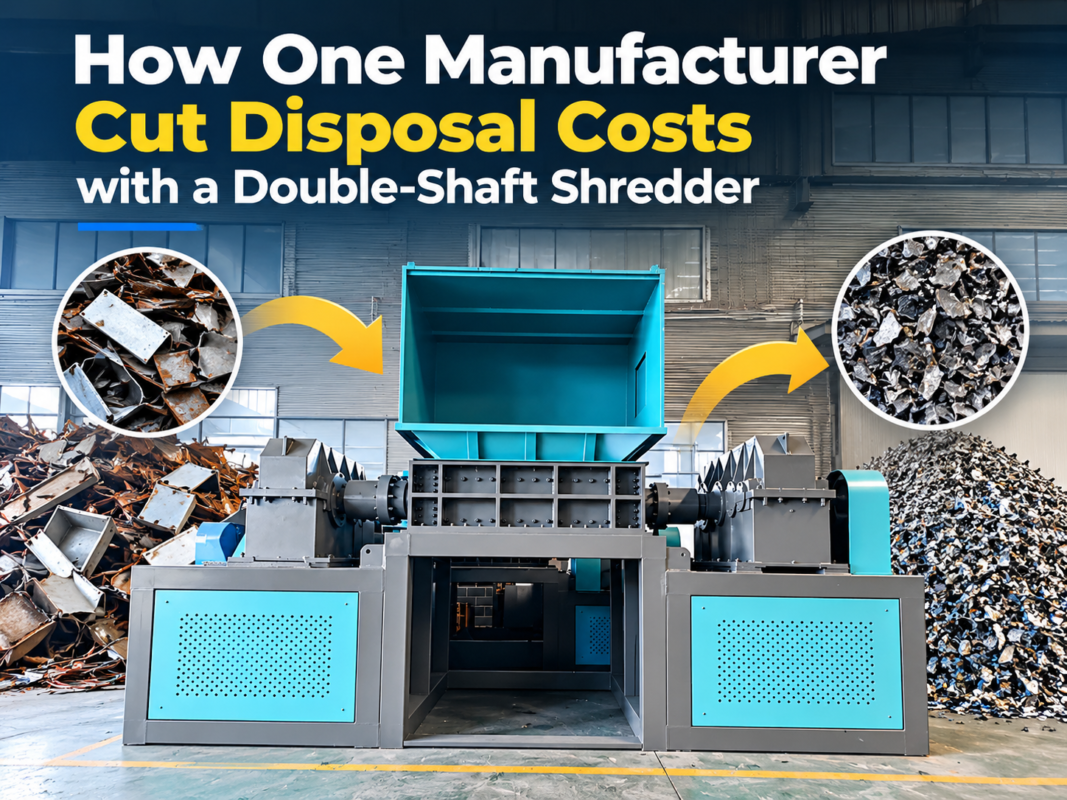
Hammer Shredder Buying Guide for Manufacturers Seeking Efficient Scrap Volume Reduction

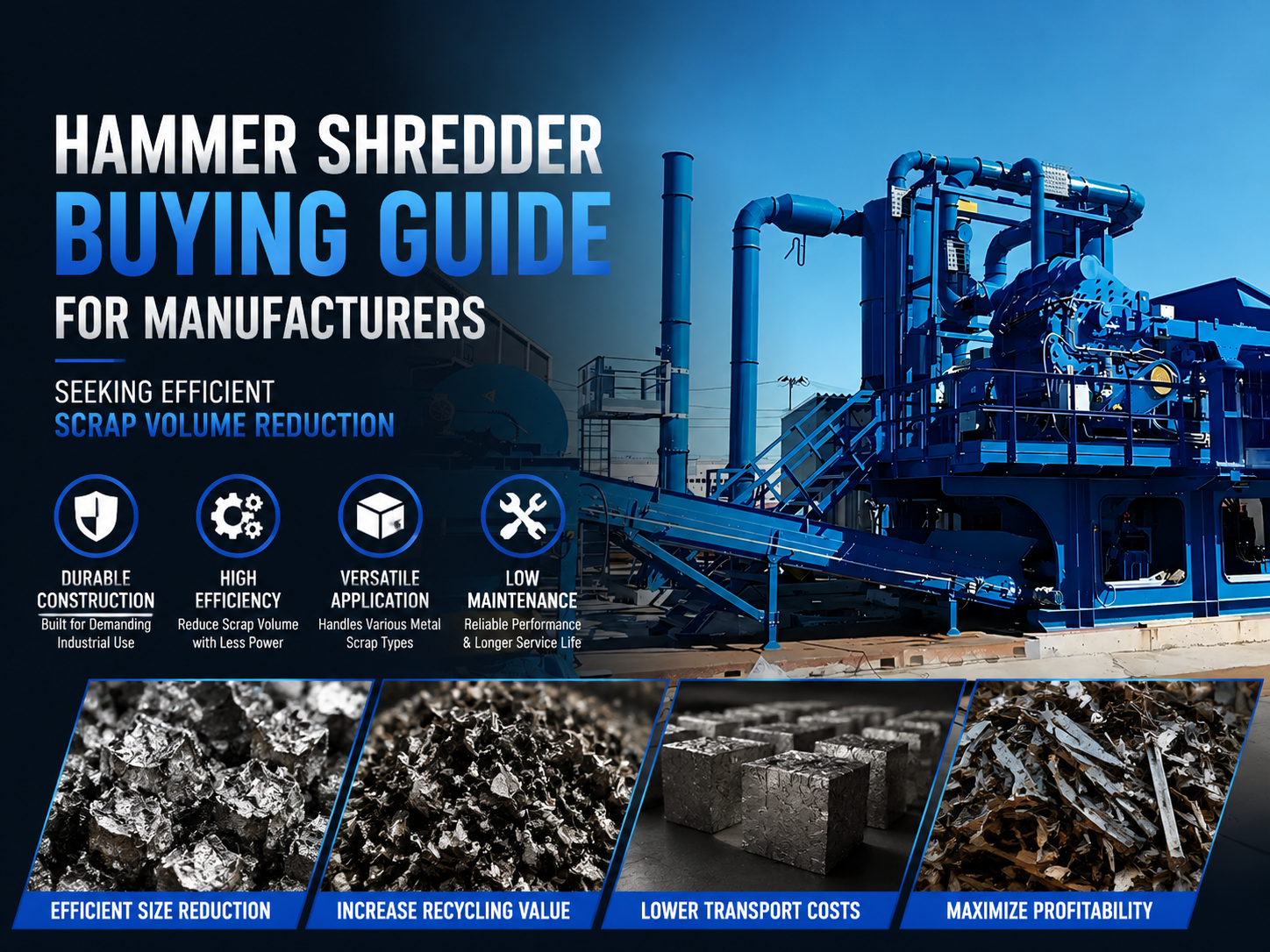
Introduction to Industrial Hammer Shredders
In the modern manufacturing landscape, the management of metal waste is no longer just a logistical necessity; it is a critical component of operational efficiency and environmental sustainability. For manufacturers seeking efficient scrap volume reduction, the hammer shredder stands as the gold standard for processing diverse metal waste streams. Whether dealing with aluminum extrusions, light steel scrap, or electronic waste, a high-quality hammer shredder transforms bulky, unmanageable debris into high-density, uniform fragments that are easier to transport, melt, and sell.
Choosing the right equipment requires a deep understanding of both the mechanical capabilities of the machine and the specific needs of your production line. This guide is designed to navigate the complexities of the hammer shredder market, providing manufacturers with the technical insights needed to make an informed investment. From understanding the metallurgy of the hammers to calculating the long-term return on investment (ROI), we cover every facet of the procurement process.
Price Range Overview: What to Expect
The financial commitment required for a hammer shredder varies significantly based on throughput capacity, material compatibility, and automation levels. For small-to-medium enterprises (SMEs) looking for entry-level industrial solutions, prices typically start between $30,000 and $60,000. These machines are generally suitable for lighter materials like aluminum cans, thin-gauge sheet metal, and plastic-metal composites. They offer a reliable entry point for manufacturers who need to reduce volume for internal handling or local recycling sales.
Mid-range hammer shredders, which are the most common choice for dedicated metal fabrication facilities, range from $70,000 to $150,000. These units feature more robust motor configurations, often exceeding 100kW, and are capable of processing heavier scrap such as automotive parts, thick extrusions, and mixed industrial waste. At this price point, manufacturers can expect better wear resistance and more sophisticated control systems that prevent jams and optimize energy consumption.
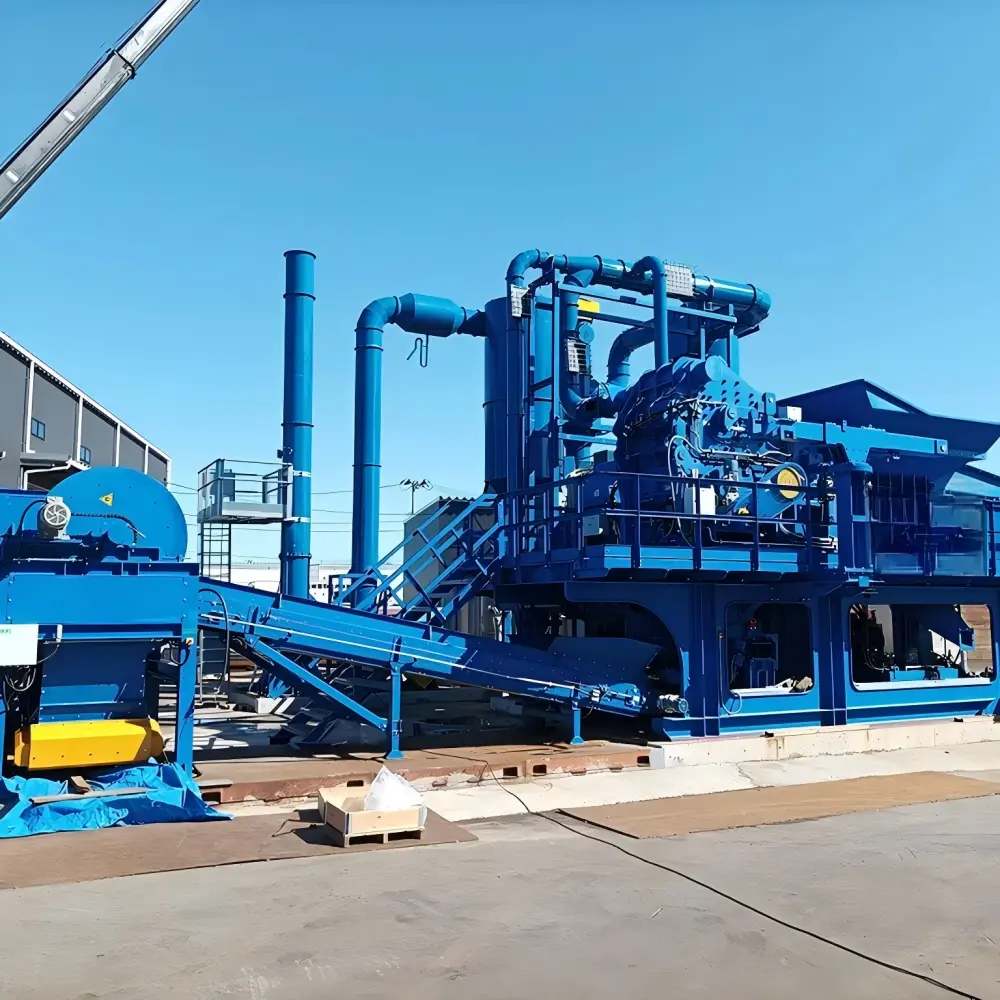
For large-scale industrial operations and specialized recycling centers, heavy-duty hammer shredder lines can exceed $250,000. These systems are often part of a complete processing line, including magnetic separators, vibrating feeders, and advanced dust suppression systems. These high-end machines are built for 24/7 operation and can process several tons of scrap per hour, providing the highest possible density in the finished product. Understanding where your volume requirements fall within these brackets is the first step in narrowing down your options.
Main Cost Drivers in Hammer Shredder Procurement
Several technical factors dictate the final price of a hammer shredder. The most prominent is the motor power and drive system. High-torque motors required for crushing tough metals are expensive, and the inclusion of variable frequency drives (VFDs) to manage power surges and optimize speed adds to the initial cost but saves significantly on operational expenses. A machine with a 200HP motor will naturally command a higher price than a 50HP model due to the electrical components and the reinforced chassis required to handle that power.
The quality of the rotor and hammers is another significant cost driver. The rotor is the heart of the machine, and in premium models like those offered by HARSLE, it is often forged from high-strength alloy steel and precision-balanced to minimize vibration. The hammers themselves are wear parts, but their initial composition—typically high-manganese steel or chrome-moly alloys—affects the price. Higher-quality alloys last longer between replacements, reducing downtime, but they increase the upfront machine cost.
Structural integrity and housing thickness also play a role. A shredder designed for scrap volume reduction must withstand immense internal forces. Machines built with thicker, wear-resistant liners (such as Hardox steel) and reinforced welded frames are more expensive to manufacture. However, this durability is essential for preventing housing deformation and ensuring the machine can handle the impact of heavy metal fragments over years of service.
Configuration Impact on Performance and Efficiency
When manufacturers are seeking efficient scrap volume reduction, the configuration of the shredder is more important than raw power alone. The arrangement of the hammers—whether they are fixed or swing-type—drastically changes the machine’s application. Swing hammers are generally preferred for metal scrap because they can retract when they hit an un-shreddable object, preventing catastrophic damage to the rotor. The number of hammers and their weight distribution also determine the granularity of the output.
The discharge grate (or screen) configuration is the primary factor in determining the final size of the shredded material. Smaller grate openings produce a finer, more uniform product but reduce the overall throughput speed. Conversely, larger openings allow for faster processing but may result in less dense scrap. Many modern hammer shredders allow for interchangeable grates, giving manufacturers the flexibility to adjust their output based on current market demands or specific furnace requirements.
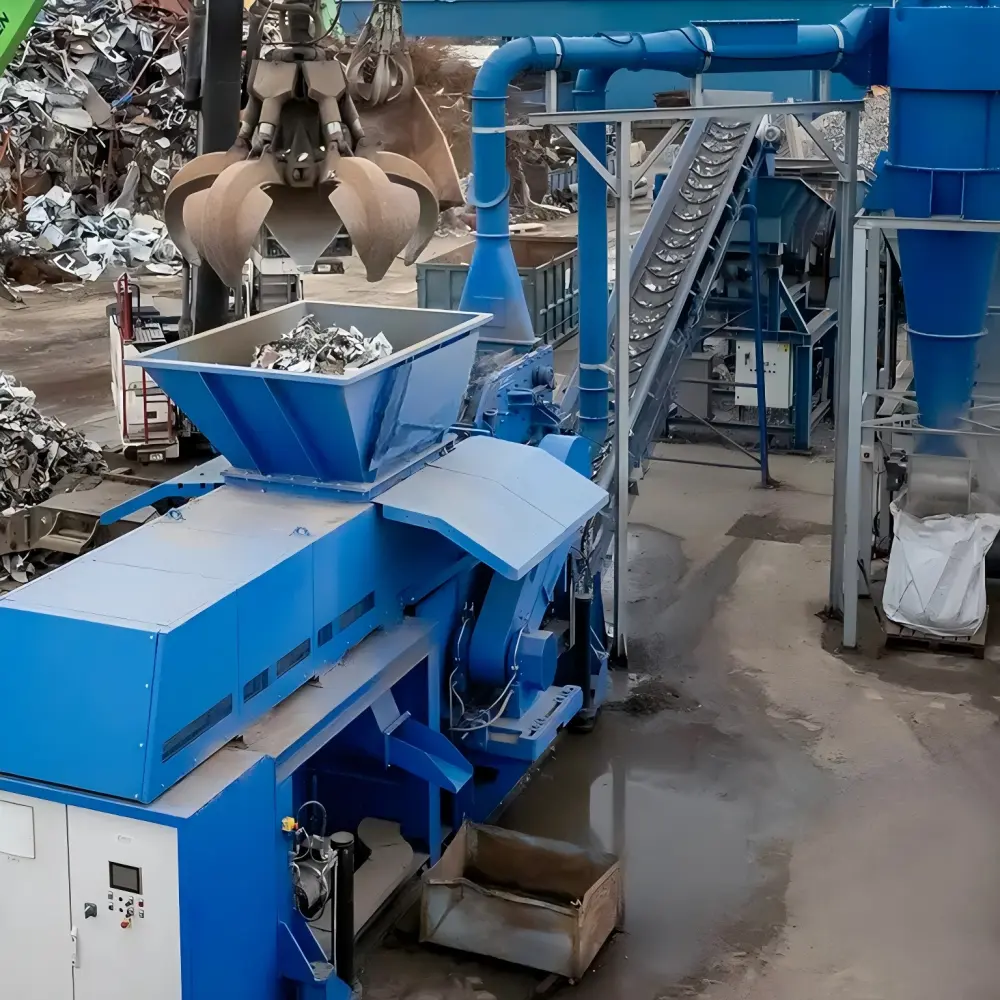
Feeding systems are another critical configuration element. A simple gravity-fed hopper may suffice for uniform scrap, but for bulky or irregular materials, a forced-feeding system with hydraulic pushers or vibrating conveyors is necessary. These systems ensure a steady flow of material into the crushing chamber, preventing “slugging” (overloading) and maintaining a consistent motor load, which extends the life of the electrical components and improves overall efficiency.
Hidden Costs: Beyond the Initial Purchase Price
The sticker price of a hammer shredder is only one part of the total cost of ownership. One of the most overlooked hidden costs is site preparation and installation. Heavy-duty shredders require reinforced concrete foundations to absorb the significant vibrations generated during operation. Additionally, the electrical infrastructure of the facility may need upgrading to handle the high starting currents of large motors, which can involve substantial utility fees and contractor costs.
Maintenance and wear parts represent a continuous expenditure that must be factored into the budget. Hammers, liners, and grates are designed to be consumed. Depending on the abrasiveness of the scrap being processed, hammers may need to be rotated or replaced every few weeks or months. Manufacturers should inquire about the ease of access for maintenance; machines with hydraulic opening housings allow for much faster part replacement, significantly reducing labor costs and downtime.
Energy consumption is another ongoing cost that varies based on machine efficiency. A shredder that is poorly matched to the material size will waste energy by over-processing or struggling to break down large pieces. Furthermore, dust collection and environmental compliance systems are often required by local regulations. These systems, while necessary for worker safety and air quality, require their own power and maintenance, adding to the operational overhead of the scrap reduction process.
ROI Calculation: The Value of Efficient Scrap Reduction
Calculating the Return on Investment (ROI) for a hammer shredder involves looking at three primary areas: transport savings, scrap value appreciation, and labor reduction. For many manufacturers, the most immediate benefit is the reduction in transport costs. Bulky scrap metal is expensive to move because trucks reach their volume capacity long before they reach their weight limit. By shredding scrap, manufacturers can increase the density of their loads by 300% to 800%, meaning fewer truck trips and lower fuel and logistics costs.
Furthermore, shredded scrap (often called “frag”) is more valuable to smelters and foundries than loose scrap. Because it is uniform and free of many contaminants (which are often separated during the shredding process), it can be fed directly into furnaces with higher melting efficiency. This typically results in a higher price per ton from scrap buyers. For a facility producing 100 tons of scrap per month, even a modest increase in value per ton can pay for the machine in a relatively short period.
| Factor | Before Shredding | After Shredding | Impact |
|---|---|---|---|
| Material Density | Low (Bulky) | High (Uniform) | Up to 8x volume reduction |
| Transport Frequency | 10 Trucks/Month | 2 Trucks/Month | 80% reduction in logistics costs |
| Market Value | Base Scrap Price | Premium “Frag” Price | 10-20% increase in revenue |
| Labor Requirement | Manual Sorting/Cutting | Automated Feeding | Significant man-hour savings |
Buying Advice for Manufacturers
When you are ready to purchase, the first step is to conduct a thorough material audit. What exactly are you shredding? The thickness, tensile strength, and dimensions of your scrap will dictate the required motor power and hammer type. We recommend sending samples of your scrap to the manufacturer (like HARSLE) for test shredding. This ensures that the machine you buy is capable of handling your specific waste stream without premature wear or frequent jamming.
Evaluate the manufacturer’s after-sales support and parts availability. A hammer shredder is a high-wear machine; you cannot afford to wait weeks for replacement hammers or a new rotor shaft to arrive from overseas. Choose a supplier with a proven track record in the metal fabrication industry and a robust inventory of wear parts. Additionally, look for features that enhance safety, such as emergency stop circuits, vibration sensors, and explosion-proof venting if you are processing materials that might contain volatile residues.
Finally, consider the future scalability of the equipment. While your current scrap volume might justify a smaller machine, choosing a slightly larger model or one with a modular design can save you from having to replace the entire system if your production capacity increases. Investing in a machine with an advanced PLC (Programmable Logic Controller) will also allow you to integrate the shredder into a broader “Smart Factory” environment, where performance data can be monitored in real-time to predict maintenance needs.
Frequently Asked Questions (FAQ)
1. How often do the hammers need to be replaced?
The lifespan of hammers depends entirely on the material being processed. For soft aluminum, hammers may last several hundred hours. For high-carbon steel or abrasive materials, they may need to be flipped or replaced every 40-80 hours of operation. Regular inspection is key to maintaining efficiency.
2. Can a hammer shredder handle stainless steel?
Yes, but it requires a machine specifically configured for high-torque applications. Stainless steel is much harder and more prone to work-hardening than mild steel, so the shredder must have high-quality alloy hammers and a very rigid frame to prevent damage.
3. What is the difference between a hammer shredder and a twin-shaft shredder?
A twin-shaft shredder uses high-torque, low-speed shearing to cut material, which is better for very large, bulky items like tires or whole cars. A hammer shredder uses high-speed impact to shatter material, which is more effective for creating high-density, small-sized scrap and separating different material types (like removing plastic from metal).
4. Does the machine require a special operator?
While the machine is relatively simple to operate, the person in charge should be trained in recognizing “un-shreddables” and understanding the load meters on the control panel. Proper training ensures the machine isn’t pushed beyond its limits, which prevents unnecessary breakdowns.
5. What kind of foundation is needed for installation?
Most industrial hammer shredders require a reinforced concrete pad, often 12 to 24 inches thick, depending on the machine’s weight and vibration frequency. Some models come with vibration-dampening mounts that can reduce the requirements for the foundation, but a solid base is always recommended for longevity.