
How to Choose a Hammer Shredder with the Right Wear Resistance and Service Life

Introduction to Hammer Shredder Selection
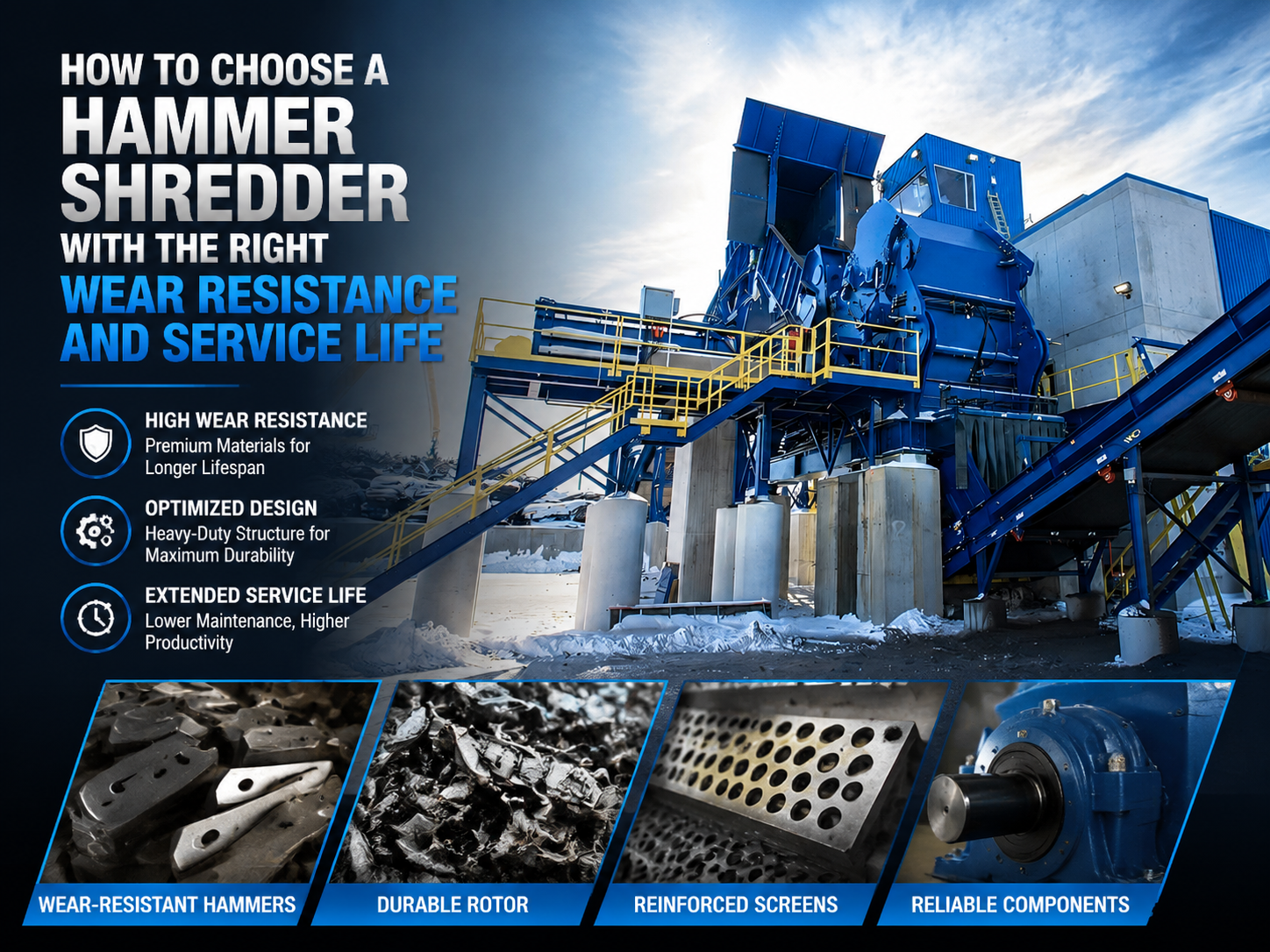
In the world of industrial recycling and metal fabrication, the hammer shredder stands as a cornerstone of efficiency. Whether you are processing scrap metal, electronic waste, or industrial byproducts, the ability to reduce material size consistently is paramount. However, the most significant challenge faced by operators is not just the initial throughput, but the longevity of the machine. To choose a hammer shredder wear resistance service life that aligns with your production goals, one must look beyond the surface-level specifications and delve into the metallurgy, engineering, and operational dynamics of the equipment.
HARSLE understands that a hammer shredder is a significant investment. The harsh environment inside a shredding chamber involves high-velocity impacts, abrasive friction, and intense heat. Without the right wear resistance, a machine that appears cost-effective on paper can quickly become a financial burden due to frequent downtime and part replacements. This guide is designed to help procurement officers and facility managers navigate the complexities of selecting a shredder that offers the best balance of durability and performance.
Price Range Overview: From Entry-Level to Heavy-Duty
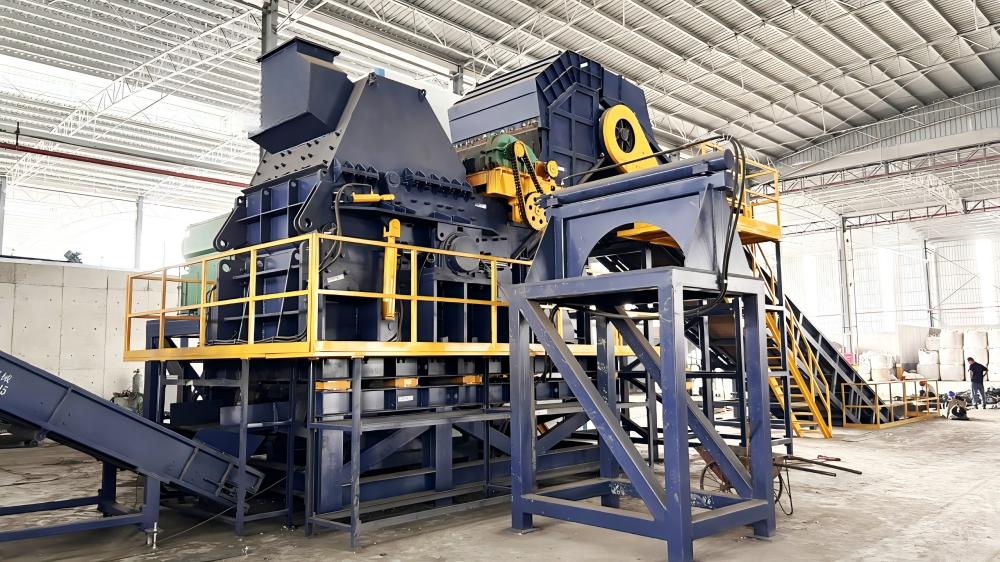
When you begin your search to choose a hammer shredder wear resistance service life, the first thing you will notice is the vast disparity in pricing. Understanding these price brackets is essential for setting a realistic budget that accounts for long-term service life.
Entry-Level Shredders ($15,000 – $45,000)
These machines are typically designed for light-duty applications such as glass, soft plastics, or thin-gauge aluminum. While they are affordable, their wear resistance is often limited. The hammers are usually made from standard carbon steel or low-grade alloys, which may require replacement every few hundred hours of operation. These are suitable for small-scale operations where the machine is not running 24/7.
Mid-Range Industrial Shredders ($50,000 – $150,000)
This is the most common category for medium-sized recycling centers. These machines feature better metallurgy, often utilizing high-manganese steel for hammers and liners. They offer a significant jump in service life and are capable of handling heavier scrap, such as automotive components and thicker industrial waste. HARSLE’s mid-range offerings focus on balancing initial capital expenditure with a manageable maintenance schedule.
High-End Heavy-Duty Systems ($200,000 – $500,000+)
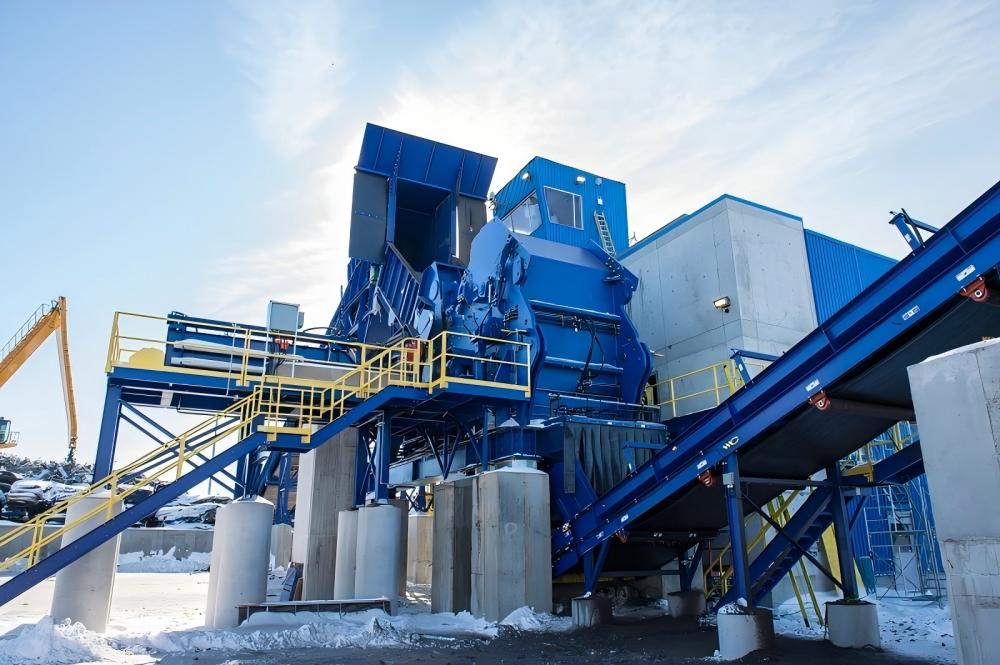
At the top of the spectrum are massive shredding plants designed for continuous operation. These systems incorporate advanced alloy steels, specialized heat treatments, and sophisticated hydraulic cooling systems. When you invest in this tier, you are paying for a machine where the service life of the primary components is measured in years rather than months. These are the gold standard for high-volume metal fabrication and recycling facilities.
Main Cost Drivers in Hammer Shredder Construction
The price of a hammer shredder is not arbitrary; it is driven by the quality of materials and the complexity of the engineering required to ensure wear resistance. To choose a hammer shredder wear resistance service life that fits your needs, you must understand what drives these costs.
- Metallurgical Composition: The hammers are the most critical wear part. High-manganese steel (Hadfield steel) is common because it work-hardens under impact. However, for highly abrasive materials without high impact, high-chromium iron might be used. The cost of these alloys fluctuates with the global metal market.
- Rotor Design and Weight: A heavier, more balanced rotor provides more inertia, which reduces the strain on the motor and bearings. Precision-machined rotors that minimize vibration significantly extend the service life of the entire drive train.
- Chamber Liners: The internal walls of the shredder must be protected. Thick, replaceable liners made from abrasion-resistant (AR) steel plates add to the initial cost but prevent the main frame from being destroyed by flying debris.
- Motor and Drive System: High-torque motors with soft-start capabilities or hydraulic drives are more expensive but prevent mechanical shock, which is a leading cause of premature failure in cheaper models.
Configuration Impact on Wear Resistance and Performance
The way a shredder is configured directly impacts how it wears down over time. When you choose a hammer shredder wear resistance service life, consider the following configuration options:
Fixed vs. Swing Hammers
Fixed hammers are bolted directly to the rotor and are excellent for consistent sizing of softer materials. However, they are prone to catastrophic failure if an un-shreddable object (like a solid steel shaft) enters the chamber. Swing hammers, which are pinned to the rotor, can retract upon hitting a solid object, significantly reducing the risk of breakage and extending the service life of the rotor assembly.
Screen and Grate Sizing
The discharge grate determines the final particle size. Smaller holes mean the material stays in the chamber longer, increasing the friction and wear on the hammers and liners. If your application allows for a slightly larger output, you can significantly extend the interval between hammer rotations or replacements.
Cooling and Lubrication Systems
Heat is the enemy of metal longevity. High-end shredders often include oil-mist lubrication for bearings and even water-cooled chambers for specific high-friction applications. These configurations add to the complexity but are vital for maintaining the structural integrity of the steel components during long shifts.
Hidden Costs of Owning a Hammer Shredder
The purchase price is only the beginning. To truly choose a hammer shredder wear resistance service life that is economical, you must account for the hidden costs that emerge during the machine’s lifecycle.
| Cost Category | Description | Impact on Long-term Budget |
|---|---|---|
| Consumable Parts | Hammers, pins, liners, and grates. | High – can equal 20% of machine cost annually. |
| Energy Consumption | Electricity required to maintain rotor speed. | Moderate – efficient motors save thousands per year. |
| Downtime | Lost production during part changes. | Very High – often overlooked in initial ROI. |
| Labor | Specialized technicians for maintenance. | Moderate – depends on ease of access to the chamber. |
One of the most significant hidden costs is the “wear-to-output” ratio. A cheap hammer might cost half as much as a premium HARSLE hammer, but if it wears out three times faster, you are paying more in the long run for both the parts and the labor to change them. Furthermore, as hammers wear down, the gap between the hammer and the grate increases, leading to decreased efficiency and higher power consumption.
ROI Calculation: Investing in Longevity
Calculating the Return on Investment (ROI) is the most logical way to choose a hammer shredder wear resistance service life. A simple formula for ROI in shredding is: (Total Revenue from Processed Material – Total Operating Costs) / Initial Investment.
Consider two scenarios. Machine A costs $80,000 with a hammer life of 100 hours. Machine B costs $120,000 with a hammer life of 400 hours. While Machine B is 50% more expensive upfront, the reduction in downtime and the lower frequency of part purchases usually result in Machine B paying for itself within the first 18 months of operation. Additionally, machines with higher wear resistance maintain their resale value much better than entry-level models, providing a safety net for your capital.
Buying Advice: A Step-by-Step Checklist
When you are ready to choose a hammer shredder wear resistance service life, follow this checklist to ensure you are making a professional-grade decision:
- Analyze Your Feedstock: Be honest about what you are shredding. If there is a chance of heavy steel contamination, prioritize swing hammers and reinforced liners.
- Verify Material Certifications: Ask the manufacturer for the specific grade of steel used in the hammers. Look for Manganese content (typically 12-14% or 18-21% for high-impact).
- Check Maintenance Accessibility: Can the chamber be opened easily? A hydraulic hood opening system can save hours of labor during every maintenance cycle.
- Evaluate Spare Parts Availability: A machine is only as good as the parts you can get for it. Ensure the manufacturer (like HARSLE) has a robust supply chain for wear parts.
- Request a Wear Life Guarantee: While no one can predict exactly how long a hammer will last without seeing the material, reputable manufacturers can provide estimates based on similar installations.
Frequently Asked Questions (FAQ)
How often should I rotate the hammers in my shredder?
Most industrial hammers are designed to be used on four corners. You should rotate them when the leading edge has rounded off significantly, which usually occurs every 40 to 100 hours of operation depending on the abrasiveness of the material. Regular rotation ensures even wear and maintains throughput efficiency.
Can I use the same hammer shredder for both plastic and metal?
While technically possible, it is not efficient. Metal shredding requires high-impact toughness, while plastic shredding often requires sharper edges and higher speeds. If you must do both, you will need to change the hammer type and potentially the rotor speed to avoid melting the plastic or shattering the hammers meant for metal.
What is the most common cause of premature service life failure?
The most common cause is “un-shreddables”—large pieces of solid metal that exceed the machine’s design capacity. This causes the rotor to stall or the hammers to break. Implementing a pre-sorting process or using a magnetic separator can drastically increase the service life of your hammer shredder.
Does the moisture content of the material affect wear?
Yes. Wet materials can cause fine particles to stick to the liners and grates, creating an abrasive paste that accelerates wear. If you are processing wet scrap, look for shredders with specialized discharge systems and corrosion-resistant liners.
How do I know when it’s time to replace the liners?
Liners should be inspected weekly. Once the thickness of the liner has decreased by 50-60%, or if you see any cracks or holes, they must be replaced. Allowing the liners to wear through will result in permanent damage to the shredder’s main frame, which is a much more expensive repair.
”
}


