
How to Buy a Hammer Shredder for Heavy-Duty Material Reduction Applications

Introduction to Heavy-Duty Material Reduction
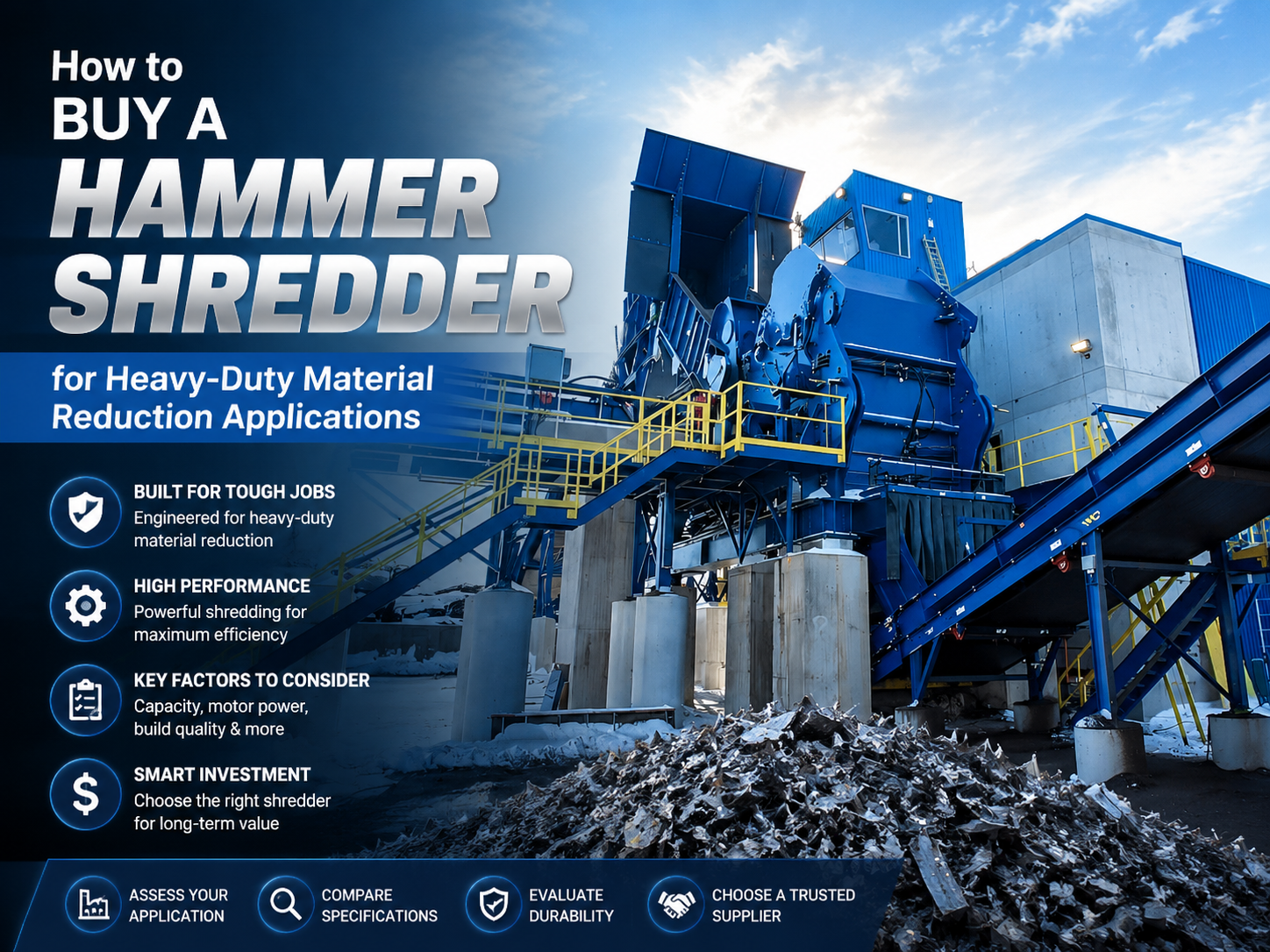
In the modern industrial landscape, the ability to efficiently process large volumes of waste material is not just a logistical necessity but a significant profit driver. Whether you are dealing with automotive scrap, electronic waste (e-waste), construction debris, or industrial metal offcuts, the hammer shredder stands as the workhorse of the recycling industry. When you decide to Buy A Hammer Shredder Heavy-Duty Material Reduction Applications, you are investing in a machine designed to deliver high-impact force to shatter, tear, and densify materials into a manageable and sellable form.
HARSLE has long been at the forefront of providing robust metal fabrication and recycling solutions. Understanding the nuances of hammer shredder technology is essential for any facility manager or business owner looking to optimize their throughput. This guide provides a deep dive into the technical specifications, financial considerations, and operational strategies required to make an informed purchase in the heavy-duty shredding sector.
Price Range Overview: What to Expect
The cost of a hammer shredder varies significantly based on its scale, motor power, and intended application. Because these machines are subjected to extreme mechanical stress, the price often reflects the quality of the steel and the sophistication of the hydraulic and electrical systems. Generally, the market is divided into three primary tiers:
- Entry-Level Industrial Units ($20,000 – $60,000): These are typically designed for lighter non-ferrous metals, plastics, or small-scale e-waste processing. They feature lower horsepower (50-100 HP) and smaller rotor diameters.
- Mid-Range Heavy-Duty Shredders ($60,000 – $200,000): This is the most common category for dedicated scrap yards. These machines handle aluminum extrusions, light steel scrap, and high-volume municipal waste. They usually range from 150 to 400 HP.
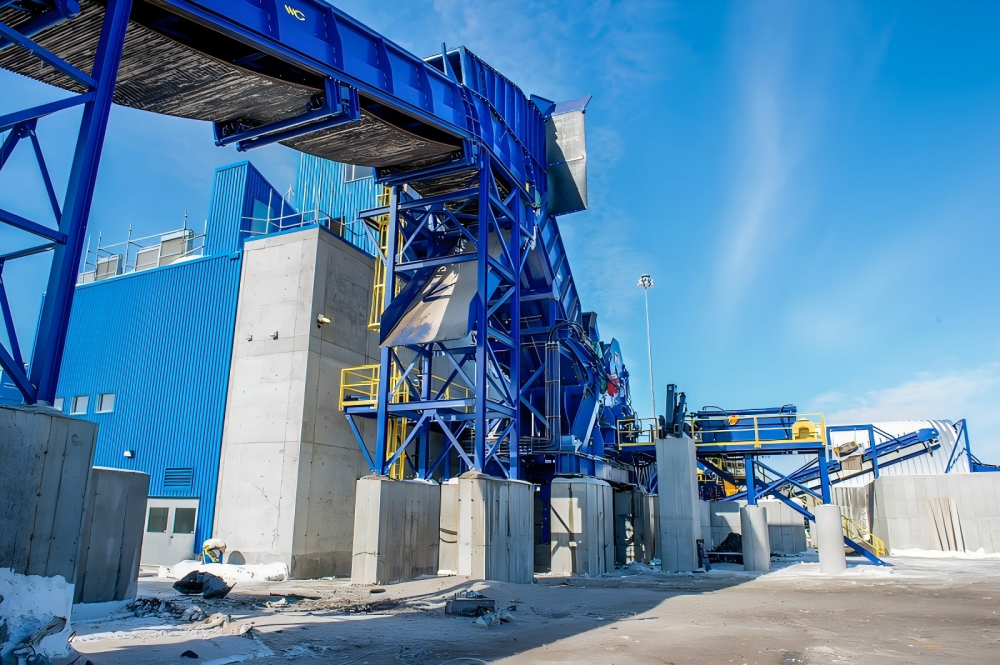
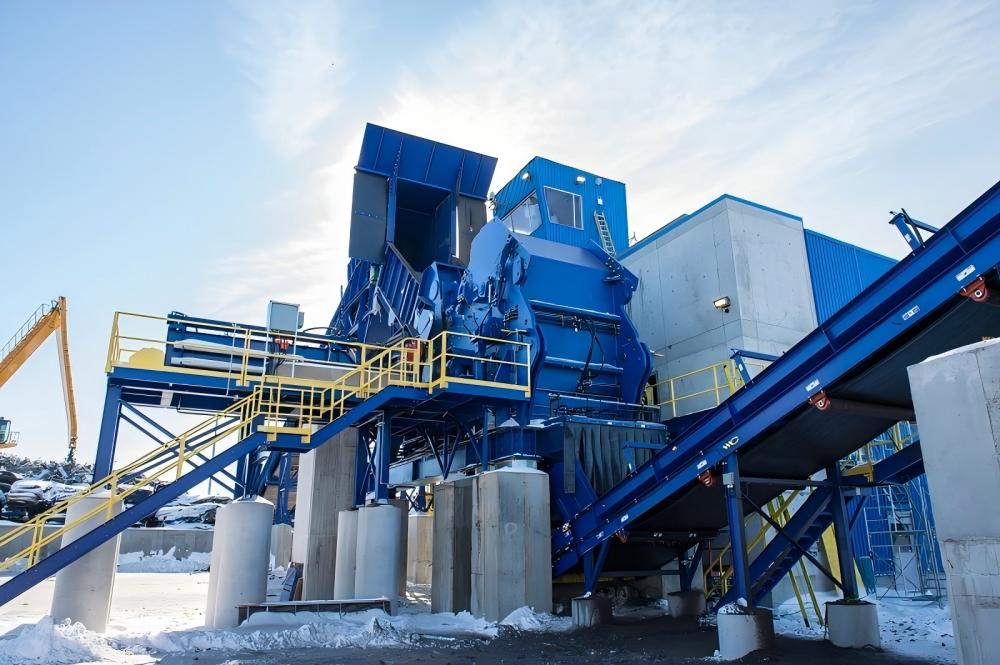
- Large-Scale Industrial Systems ($200,000 – $1,000,000+): These are massive installations designed for car crushing and heavy structural steel reduction. They require specialized foundations, high-voltage power supplies, and often include integrated conveyor and separation systems.
When evaluating the price, it is crucial to look beyond the sticker price and consider the “cost per ton” of processed material. A cheaper machine that requires frequent downtime for repairs will quickly become more expensive than a premium HARSLE unit designed for 24/7 operation.
Main Cost Drivers in Hammer Shredder Procurement
To Buy A Hammer Shredder Heavy-Duty Material Reduction Applications effectively, you must understand what drives the manufacturing cost. The primary factor is the Rotor Assembly. The rotor is the heart of the machine; it must be balanced perfectly to prevent catastrophic vibration at high speeds. High-quality rotors are often forged from high-strength alloy steel and feature heavy-duty bearings that can withstand radial shocks.
Another significant cost driver is the Metallurgy of the Hammers. Standard steel hammers will wear down in hours when processing abrasive materials. Premium shredders utilize manganese steel (Hadfield steel) or specialized chromium alloys. These materials possess “work-hardening” properties, meaning the more they are struck by hard objects, the harder their surface becomes. While these hammers increase the initial cost, they drastically extend the interval between maintenance cycles.
The Drive System also plays a role. Direct-drive systems offer high efficiency but require sophisticated fluid couplings or frequency inverters to protect the motor from torque spikes. Belt-drive systems provide a mechanical buffer but require more frequent tensioning and replacement. HARSLE machines often utilize advanced PLC (Programmable Logic Controller) systems to monitor load in real-time, automatically reversing the rotor or slowing the feed if a jam is detected, which protects the expensive motor and drive components.
Configuration Impact: Tailoring the Machine to Your Material
Not all shredders are created equal. The configuration of the machine must match the specific physical properties of the material you intend to reduce. For instance, the Grate Basket Size determines the final output size. If you are producing “proler” (shredded steel) for a foundry, you need a specific density and size. A smaller grate produces a finer, more consistent product but reduces the overall throughput (tons per hour).
Vertical vs. Horizontal Shredders
Horizontal hammer shredders are the industry standard for general scrap. They allow for a gravity-fed or conveyor-fed system where material is struck by hammers against a stationary anvil. Vertical shredders, on the other hand, are often used for specialized densification. In a vertical configuration, material stays in the grinding chamber longer, resulting in a highly dense, nugget-like output which is ideal for certain smelting processes.
Hammer Design and Quantity
The number of hammers and their shape (bell-shaped, blunt, or sharp-edged) significantly impacts the reduction ratio. For heavy-duty metal reduction, heavy bell-shaped hammers are preferred for their kinetic energy. For wood or plastic reduction, thinner, sharper hammers might be used to provide a shearing action rather than a shattering one. When you Buy A Hammer Shredder Heavy-Duty Material Reduction Applications, ensure the vendor provides a hammer configuration optimized for your specific waste stream.
Hidden Costs of Ownership
The purchase price is only the beginning. To maintain a profitable operation, you must account for the following hidden costs:
| Cost Category | Description | Estimated Impact |
|---|---|---|
| Wear Parts | Hammers, liners, and grates are sacrificial components. | 15-25% of annual OpEx |
| Power Consumption | High-horsepower motors draw significant electricity, especially during peak loads. | Variable based on local rates |
| Foundation & Installation | Heavy shredders require reinforced concrete pads to absorb vibration. | $5,000 – $50,000 |
| Dust Suppression | Shredding metal and debris creates significant dust and potential fire hazards. | Required for EPA compliance |
Maintenance labor is another factor. A machine designed with “easy-access” housings, like those offered by HARSLE, allows for faster hammer flips and liner replacements. If a machine requires 8 hours of disassembly just to change a set of hammers, your downtime costs will skyrocket.
ROI Calculation: Turning Scrap into Gold
Calculating the Return on Investment (ROI) for a hammer shredder involves comparing the value of raw scrap versus processed scrap. Raw, bulky scrap is expensive to transport and yields lower prices at the mill. Shredded, densified, and cleaned scrap (free of fluff and non-metallics) commands a premium price.
For example, if raw mixed aluminum scrap sells for $0.50/lb, but shredded and sorted aluminum sells for $0.75/lb, the $0.25 spread must cover your operational costs (power, labor, wear parts) and the capital depreciation of the machine. Most high-volume facilities aim for an ROI period of 18 to 24 months. By increasing the density of the material, you also fit more weight into each shipping container, effectively cutting your logistics costs by up to 50%.
Buying Advice: Steps to a Successful Purchase
When you are ready to Buy A Hammer Shredder Heavy-Duty Material Reduction Applications, follow these professional steps:
- Material Analysis: Send samples of your toughest material to the manufacturer. HARSLE offers testing services to ensure the machine can handle your specific scrap without stalling.
- Check the Frame Construction: Look for heavy-duty plate steel construction. The frame should be welded and stress-relieved to prevent cracking over years of vibration.
- Verify Component Sourcing: Ensure the bearings, motors, and hydraulic valves are from reputable global brands (e.g., Siemens, SKF, Rexroth). This ensures you can find replacement parts locally in an emergency.
- Safety Features: Heavy-duty shredding is inherently dangerous. Ensure the machine has emergency stops, vibration sensors, and “ejection gates” that allow un-shreddable objects (like a solid steel shaft) to be expelled before they destroy the rotor.
- After-Sales Support: A shredder is only as good as the support behind it. Choose a partner like HARSLE that provides comprehensive manuals, remote technical support, and a steady supply of wear parts.
Frequently Asked Questions (FAQ)
1. How often do the hammers need to be replaced?
This depends entirely on the material. For clean aluminum, hammers might last weeks. For abrasive construction debris or reinforced steel, you may need to flip the hammers every 40-80 hours of operation. Using high-manganese alloys significantly extends this life.
2. Can a hammer shredder handle “un-shreddables”?
Most heavy-duty shredders feature a “reject gate” or a “tramp metal” release. If a piece of material is too hard to be broken, the kinetic energy of the rotor will push it against a spring-loaded gate, allowing it to exit the chamber without causing catastrophic damage.
3. What is the difference between a shredder and a granulator?
A shredder uses high-impact force (hammers) to break material, whereas a granulator uses sharp knives to cut material. Shredders are better for heavy metals and bulky waste; granulators are better for plastics and thin copper wire where a clean cut is required.
4. Does the machine require a special electrical setup?
Yes. Most industrial hammer shredders require 3-phase power. Large motors also require “soft starters” or VFDs (Variable Frequency Drives) to prevent a massive power surge that could trip the facility’s main breakers during startup.
5. How do I control the dust and noise?
Noise can be mitigated with acoustic enclosures. Dust is typically managed through water misting systems inside the shredding chamber or high-volume cyclone dust collectors attached to the discharge conveyor.
6. Why should I choose HARSLE for my shredding needs?
HARSLE combines precision engineering with heavy-duty durability. Our machines are designed with the operator in mind, featuring intuitive controls, reinforced safety protocols, and a focus on reducing the total cost of ownership through superior metallurgy and energy-efficient drive systems.
”
}


