Hammer Shredder Selection Guide: Matching Machine Size to Your Production Needs

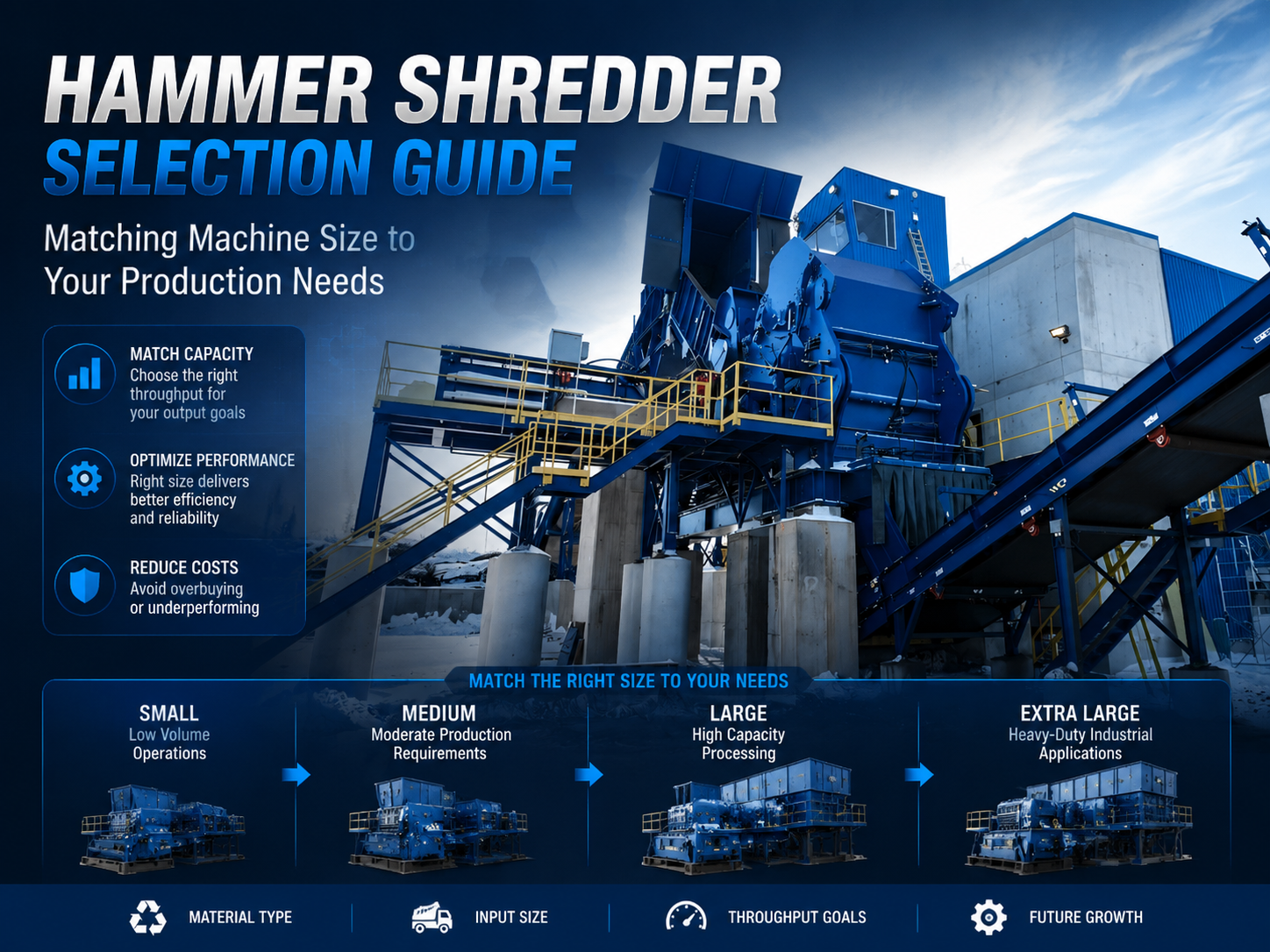
Introduction to Hammer Shredder Selection: Matching Machine Size Production Needs
In the world of metal recycling and industrial waste management, the hammer shredder stands as a cornerstone of efficiency. However, the process of Hammer Shredder Selection: Matching Machine Size Production Needs is often more complex than simply picking the largest machine within a budget. A mismatch between machine capacity and actual production requirements can lead to catastrophic financial outcomes—either through excessive operational costs and underutilization or through frequent mechanical failures caused by overworking a light-duty machine.
HARSLE understands that every fabrication shop and recycling center has unique demands. Whether you are processing aluminum extrusions, electronic waste, or heavy steel scrap, the physics of shredding remains the same: kinetic energy must overcome the structural integrity of the material. This guide provides a deep dive into the technical and financial considerations necessary to ensure your investment delivers maximum value over its operational lifespan.
Selecting the right size involves analyzing throughput (tons per hour), feed material dimensions, and the desired end-product size. By the end of this article, you will have a comprehensive framework for evaluating hammer shredders, understanding their cost structures, and calculating the return on investment for your specific application.
Price Range Overview: Categorizing Hammer Shredders
The market for hammer shredders is vast, ranging from small-scale units for laboratory use to massive installations capable of swallowing entire automobiles. Understanding the price tiers is the first step in Hammer Shredder Selection: Matching Machine Size Production Needs. Prices are generally dictated by the motor horsepower, the diameter of the rotor, and the overall weight of the machine frame.
| Category | Typical Horsepower (HP) | Throughput (Tons/Hour) | Estimated Price Range (USD) |
|---|---|---|---|
| Small/Entry-Level | 20 – 75 HP | 0.5 – 2.0 | $15,000 – $45,000 |
| Medium Industrial | 100 – 300 HP | 3.0 – 10.0 | $60,000 – $180,000 |
| Heavy-Duty/High-Volume | 400 – 1000+ HP | 15.0 – 50.0+ | $250,000 – $750,000+ |
Small-scale shredders are ideal for specialized recycling, such as processing circuit boards or small aluminum castings. These machines focus on precision and ease of maintenance rather than raw crushing power. In the medium range, we find the workhorses of the metal fabrication industry. These machines are designed for consistent 8-hour shifts, handling diverse scrap profiles including light structural steel and appliance shells.
Heavy-duty shredders represent a significant capital investment. These machines are often part of a larger automated line, featuring sophisticated conveyor systems, magnetic separators, and dust collection units. When moving into this price bracket, the focus shifts from the machine’s purchase price to its total cost of ownership (TCO) and its ability to maintain high uptime in punishing environments.
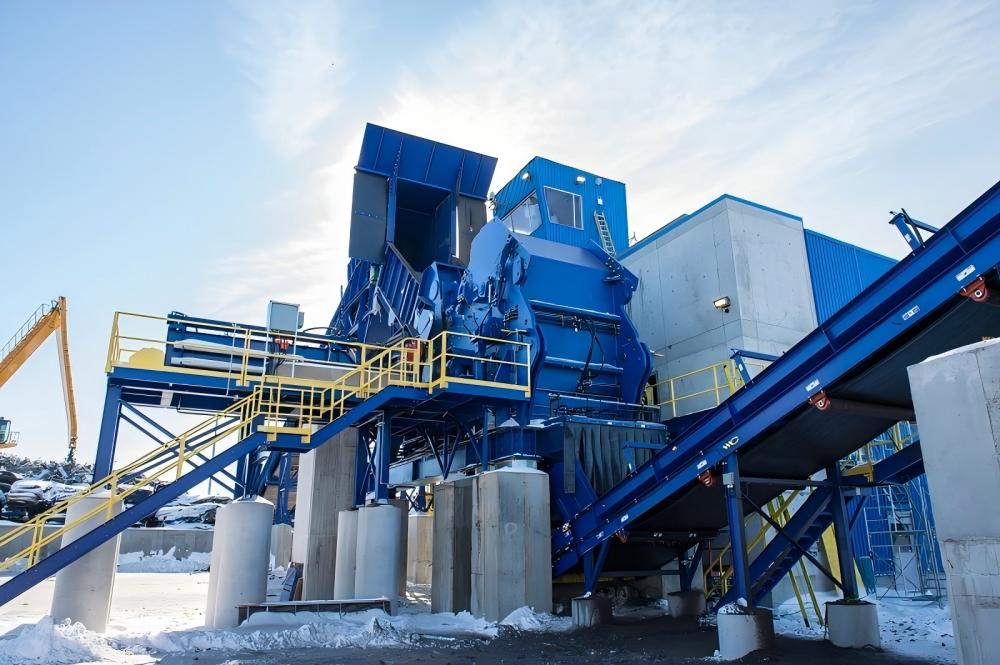
Main Cost Drivers in Hammer Shredder Selection
When evaluating the cost of a hammer shredder, several technical factors drive the final quote. The most significant is the Rotor Assembly. The rotor is the heart of the machine; its mass determines the kinetic energy available for shredding. A high-quality rotor is typically forged or made from heavy-duty alloy steel plates, precision-balanced to prevent vibration that could destroy bearings and frames.
The second major cost driver is the Motor and Drive System. High-efficiency motors (IE3 or IE4 rated) carry a premium but significantly reduce long-term energy costs. Furthermore, the choice between a direct drive, belt drive, or hydraulic drive system affects both the initial price and the machine’s ability to handle shock loads. Hydraulic drives, for instance, offer excellent torque control and jam protection but are more expensive to purchase and maintain than standard belt-driven systems.
Material quality of the wear parts—specifically the hammers and liners—also plays a role. Hammers made from high-manganese steel or specialized chrome alloys are essential for longevity. While cheaper cast iron hammers exist, they shatter under the impact of heavy steel scrap, leading to frequent downtime. Investing in superior metallurgy at the outset is a key component of Hammer Shredder Selection: Matching Machine Size Production Needs.
Finally, the Control System adds to the cost. Modern shredders utilize PLC (Programmable Logic Controller) systems with HMI (Human Machine Interface) touchscreens. These systems monitor motor load, bearing temperature, and vibration levels in real-time. Advanced automation can automatically reverse the rotor or slow the feed conveyor if a jam is detected, preventing catastrophic motor burnout.
Configuration Impact: Customizing for Production Needs
The configuration of a hammer shredder must be tailored to the specific material being processed. One of the primary decisions is the Grate Size and Type. The grates (or screens) at the bottom of the shredding chamber determine the final particle size. Smaller holes produce a finer, more consistent product but significantly reduce throughput and increase hammer wear. Conversely, larger grates allow for faster processing but may result in “unliberated” materials that require secondary processing.
Another critical configuration factor is the Hammer Design. There are two main types: fixed hammers and swing hammers. Swing hammers are pinned to the rotor and can retract if they hit an un-shreddable object (like a solid steel shaft). This protects the machine from damage. Fixed hammers are bolted directly to the rotor and provide more aggressive cutting action, which is preferable for brittle materials or wood, but they are riskier for mixed metal scrap.
The Feed Mechanism also impacts performance. Gravity-fed shredders are simpler and cheaper but can lead to “bridging” where material gets stuck in the hopper. Forced-feed systems, using hydraulic pushers or vibrating feeders, ensure a steady flow of material into the rotor, maximizing the machine’s efficiency and preventing the motor from idling without load.
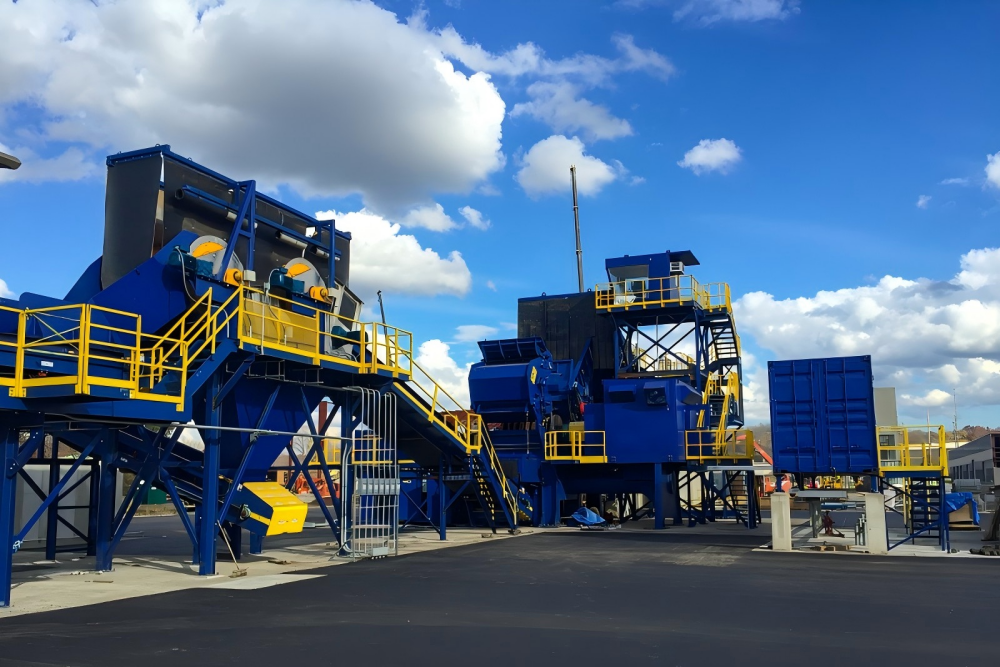
Hidden Costs of Hammer Shredder Ownership
The purchase price is only the beginning. To truly master Hammer Shredder Selection: Matching Machine Size Production Needs, one must account for the hidden costs that emerge during operation. The most prominent of these is Wear Part Replacement. Hammers are sacrificial components; depending on the abrasiveness of your material, they may need to be flipped or replaced every few days or weeks. The cost of a full set of manganese hammers can run into thousands of dollars, and the labor required for the changeout must be factored into the operational budget.
Energy Consumption is another significant hidden cost. A 200 HP motor running 8 hours a day can consume a staggering amount of electricity. If the shredder is oversized for the application, it will spend much of its time running at low efficiency, wasting power. Conversely, an undersized machine will frequently stall, causing power spikes and potential penalties from utility companies for poor power factors.
Maintenance labor and downtime are often overlooked. A hammer shredder is a high-vibration machine. Bolts loosen, seals leak, and bearings wear out. A robust preventative maintenance program is required to avoid unplanned outages. Furthermore, the cost of Residual Waste Management—the dust and non-recyclable fluff generated during shredding—must be considered, as disposal fees for these materials are rising globally.
ROI Calculation: Is the Investment Justified?
Calculating the Return on Investment (ROI) for a hammer shredder involves comparing the total cost of ownership against the increased value of the processed scrap. Shredded scrap, often referred to as “proler” or “fragmentized scrap,” commands a much higher market price than un-shredded, bulky scrap because it is cleaner, denser, and easier for smelters to melt.
To calculate ROI, use the following formula:
Annual Profit = (Volume of Scrap x (Price of Shredded Scrap – Price of Raw Scrap)) – (Annual Operating Costs + Depreciation)
For example, if processing 5,000 tons per year, and the price spread between raw and shredded scrap is $60 per ton, the gross increase in value is $300,000. If the operating costs (power, parts, labor) are $120,000 and the machine was purchased for $250,000 with a 5-year depreciation ($50,000/year), the annual net profit is $130,000. In this scenario, the machine pays for itself in less than two years.
However, this calculation depends entirely on Hammer Shredder Selection: Matching Machine Size Production Needs. If the machine is too small and can only process 2,000 tons, the ROI disappears. If it is too large and the operating costs double due to energy waste, the profit margins shrink. Accurate throughput forecasting is the linchpin of a successful ROI analysis.
Buying Advice: Steps to a Successful Purchase
When you are ready to move forward with a purchase, follow these steps to ensure you select the right HARSLE hammer shredder for your needs:
- Conduct a Material Audit: Document exactly what you will be shredding. Take photos, measure thicknesses, and estimate the percentage of different metals (e.g., 70% aluminum, 30% steel).
- Define Your End-Product: Do you need 2-inch minus flakes for a furnace, or just a general volume reduction for shipping? This dictates your grate and rotor configuration.
- Request a Test Grind: Reputable manufacturers like HARSLE often allow you to send samples of your material for a test run. This provides empirical data on throughput and particle size.
- Evaluate the Frame Construction: Look for heavy, welded steel plates. A light frame will vibrate excessively, leading to premature failure of the internal components.
- Check Spare Parts Availability: Ensure that wear parts like hammers, pins, and grates are in stock and can be shipped quickly. Downtime is the enemy of profitability.
- Consider Future Growth: If you expect your production to grow by 20% in the next two years, buy a machine that can handle that capacity now. Retrofitting a shredder for more power is rarely cost-effective.
Frequently Asked Questions (FAQ)
1. How often should I replace the hammers in my shredder?
Hammer life depends entirely on the material being processed. For soft aluminum, hammers might last several hundred hours. For hard steel or abrasive materials, they may need to be rotated every 40-80 hours. Regular inspection is key to preventing damage to the rotor itself.
2. Can a hammer shredder handle stainless steel?
Yes, but with caution. Stainless steel is much tougher and work-hardens quickly. Processing stainless requires a high-torque machine with specialized hammers. It will also increase the wear rate significantly compared to carbon steel.
3. What is the difference between a hammer mill and a hammer shredder?
The terms are often used interchangeably, but generally, a hammer mill is used for finer grinding of softer materials (like grain or minerals), while a hammer shredder is a more robust machine designed for the high-impact destruction of metals and heavy waste.
4. Do I need a dust collection system?
In most industrial settings, yes. Shredding metal generates significant dust and fine particulates that can be hazardous to workers and may pose a fire risk. Most local environmental regulations require some form of filtration or cyclone system.
5. Is a vertical or horizontal shredder better?
Horizontal shredders (the focus of this guide) are generally better for long, bulky items like extrusions or pipes. Vertical shredders are often used for secondary refining to produce a very dense, spherical end-product. For most general fabrication scrap, a horizontal hammer shredder is the standard choice.