
Hammer Shredder Purchase Guide for Scrap Yards: Features That Improve Efficiency

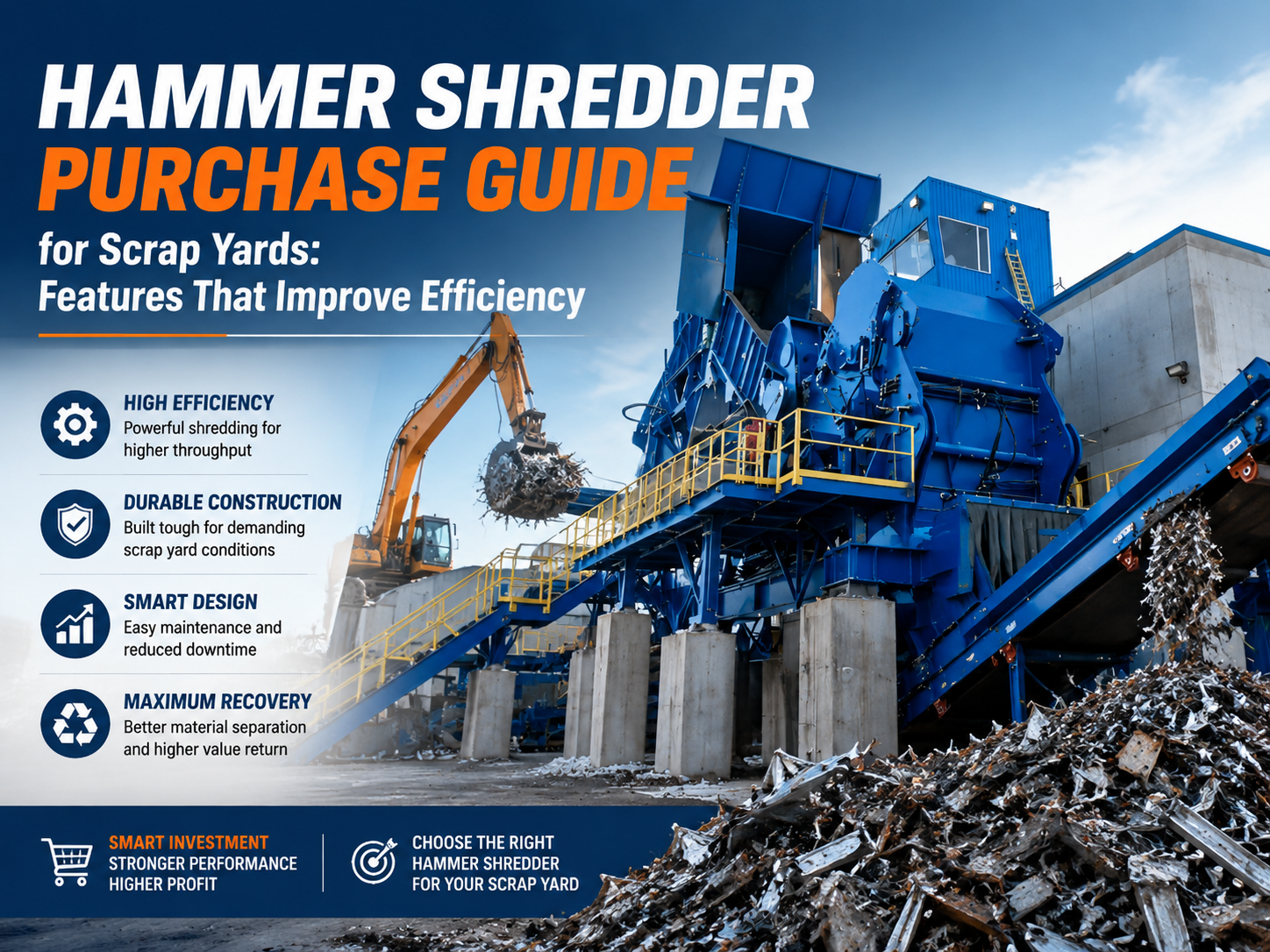
Introduction to Hammer Shredder Efficiency in Modern Scrap Yards
In the high-stakes world of metal recycling, the efficiency of your processing equipment directly dictates your profit margins. A hammer shredder is the heart of many scrap yard operations, responsible for reducing bulky metal waste into dense, high-purity fragments that steel mills crave. However, not all shredders are created equal. Choosing the right machine requires a deep understanding of how specific features impact throughput, energy consumption, and long-term durability.
This Hammer Shredder Purchase Guide for Scrap Yards: Features That Improve Efficiency is designed to help yard owners and facility managers navigate the complex landscape of industrial shredding technology. Whether you are processing end-of-life vehicles (ELVs), white goods, or mixed light industrial scrap, the configuration of your hammer shredder will determine whether your operation is a streamlined success or a maintenance nightmare. In the following sections, we will break down the financial and technical aspects of acquiring a hammer shredder that truly delivers on its promises.
Price Range Overview: Investing in Quality
When beginning your search for a hammer shredder, the first hurdle is often the wide variance in pricing. Entry-level, smaller-scale hammer shredders designed for light aluminum or thin-gauge steel can start anywhere from $40,000 to $100,000. These units are typically mobile or semi-mobile and are suitable for smaller yards with lower daily volume requirements. While they offer a lower barrier to entry, they often lack the heavy-duty reinforcements needed for continuous, high-volume ferrous metal processing.
Mid-range industrial hammer shredders, which are the workhorses of most regional scrap yards, typically fall between $150,000 and $450,000. These machines feature more robust motor configurations, enhanced hydraulic systems, and better wear-resistant materials. They are capable of handling a wider variety of materials, including car bodies and heavy structural scrap, providing a balance between capital expenditure and operational capability.
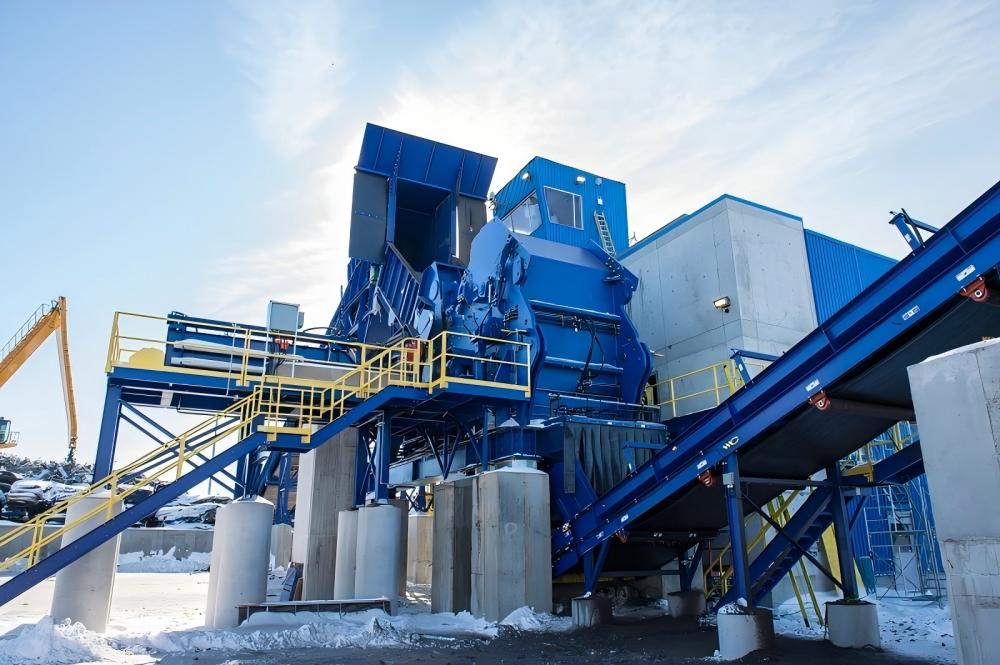
At the top end of the spectrum, large-scale stationary shredding plants can exceed $1,000,000. These systems are not just machines but integrated processing lines that include sophisticated sorting systems, dust collection, and advanced automation. For massive scrap yards processing thousands of tons per month, these high-end investments are justified by their massive throughput and the high purity of the final product, which commands premium prices from foundries.
Main Cost Drivers in Hammer Shredder Procurement
Understanding what drives the cost of a hammer shredder is essential for making an informed decision. The primary driver is the motor and drive system. High-horsepower motors (often ranging from 200HP to over 2,000HP) require significant electrical infrastructure and robust gearboxes. The more power the machine has, the faster it can process dense materials, but this comes with a higher initial price tag and increased energy costs.
Material quality is another significant factor. The internal components of a hammer shredder, particularly the hammers, liners, and grates, are subjected to extreme impact and abrasion. Machines built with high-manganese steel or specialized alloy castings will cost more upfront but will last significantly longer between replacements. Investing in superior metallurgy reduces the frequency of downtime, which is often more expensive than the parts themselves.
Technological integration also plays a role. Modern shredders equipped with PLC (Programmable Logic Controller) systems, remote monitoring, and automated feed controls are more expensive than manual models. However, these features prevent overfeeding, reduce motor strain, and optimize the shredding cycle, leading to better efficiency and a longer machine lifespan. When evaluating cost, it is vital to look beyond the sticker price and consider the value of these performance-enhancing technologies.
Configuration Impact: Tailoring the Machine to Your Needs
The configuration of the rotor is perhaps the most critical technical decision in the purchase process. There are two main types: the disc rotor and the spider rotor. Disc rotors are generally better for lighter materials and provide a more consistent shred size, while spider rotors are designed for heavy-duty impact, making them ideal for crushing car engines and heavy structural steel. Choosing the wrong rotor type for your primary material stream will lead to inefficiency and premature wear.
Screen and grate sizing is another configuration detail that impacts efficiency. The size of the openings in the discharge grate determines the final density and size of the shredded metal. Smaller holes produce a denser, cleaner product but slow down the throughput. Conversely, larger holes increase speed but may result in a product that requires secondary processing. A well-configured shredder allows for relatively easy grate changes to adapt to different market demands.
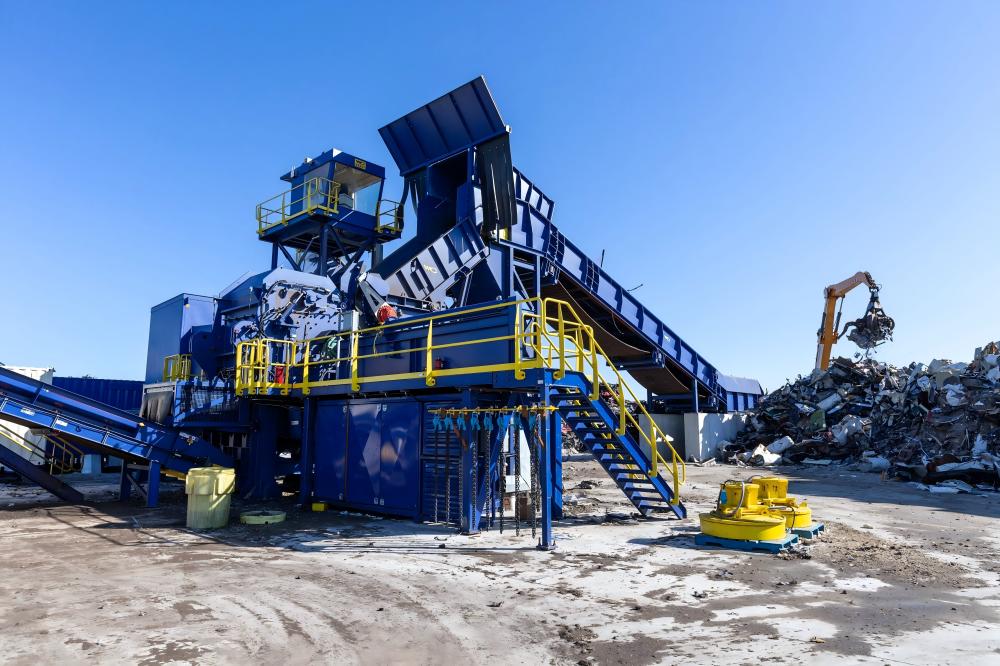
Feeding mechanisms also vary significantly. Some shredders use gravity feed, which is simple but can lead to bridging or uneven loading. Advanced systems utilize hydraulic feed rollers or vibrating conveyors to ensure a steady, controlled flow of material into the shredding chamber. This consistency prevents the motor from surging and stalling, which significantly improves the overall energy efficiency of the operation.
Hidden Costs of Hammer Shredder Ownership
The purchase price is only the beginning of the financial commitment. One of the most significant hidden costs is the electrical infrastructure. A large hammer shredder may require a dedicated substation or significant upgrades to your yard’s power grid. Additionally, the peak demand charges from utility companies can be substantial if the machine is not operated during off-peak hours or if it lacks soft-start technology.
Wear parts represent a continuous operational expense. Hammers are consumable items; depending on the material being processed, they may need to be flipped or replaced every few days or weeks. Liners and grates also wear out over time. A yard must maintain an inventory of these parts and have a skilled maintenance team capable of performing replacements quickly. Failure to account for the cost and labor of wear part management can quickly erode the profitability of a shredding operation.
Environmental and safety compliance costs are also frequently overlooked. Dust suppression systems, sound dampening enclosures, and non-ferrous separation systems (like eddy current separators) are often necessary to meet local regulations and to maximize the value of the scrap. Furthermore, the cost of disposing of “fluff” (the non-metallic residue from shredding) can be significant, depending on local landfill fees and environmental laws.
ROI Calculation: Measuring Success
To determine the Return on Investment (ROI) for a hammer shredder, you must look at the “value-add” it provides to your scrap. Raw, unprocessed scrap metal has a lower market value than shredded, clean, and dense scrap. The ROI formula should consider the difference in sale price per ton, multiplied by your monthly volume, minus the total operational costs (power, labor, wear parts, and financing).
For example, if shredding increases the value of your scrap by $50 per ton and you process 1,000 tons per month, your gross monthly gain is $50,000. If your operational costs are $20,000 per month, your net gain is $30,000. For a $300,000 machine, the payback period would be 10 months. This simplified calculation demonstrates why high-efficiency features—which reduce operational costs or increase throughput—are so valuable.
Another factor in ROI is the recovery of non-ferrous metals. A high-quality hammer shredder effectively liberates copper, aluminum, and brass from complex assemblies. When paired with downstream separation equipment, the recovery of these high-value metals can sometimes pay for the entire shredding operation, making the ferrous output pure profit. This holistic view of the recycling process is essential for accurate financial planning.
Buying Advice: Choosing the Right Partner
When you are ready to purchase, don’t just buy a machine; choose a partner. Look for manufacturers like HARSLE that offer comprehensive support, from initial site planning to long-term technical assistance. A reputable vendor should provide detailed specifications, energy consumption estimates, and a clear schedule for maintenance and part replacement. Ask for references and, if possible, visit an active site where the machine is in operation.
Consider the availability of spare parts. A shredder that is down for three weeks waiting for a custom-cast hammer from overseas is a massive liability. Ensure that the manufacturer has a local or regional distribution network for common wear items. Additionally, evaluate the ease of maintenance. Features like hydraulic tilt-out housings or easy-access grate bolts can save hundreds of man-hours over the life of the machine.
Finally, think about future-proofing. Your scrap yard may grow, or the types of materials you process may change. Choosing a shredder with a modular design or one that can be upgraded with a larger motor or additional sorting equipment later on is a wise strategic move. Investing in a slightly larger capacity than you currently need can also prevent the machine from being constantly pushed to its limits, thereby extending its operational life.
Frequently Asked Questions (FAQ)
What is the average lifespan of a hammer shredder?
With proper maintenance and regular replacement of wear parts, a high-quality industrial hammer shredder can last 15 to 20 years or more. The frame and rotor housing are designed for longevity, while the internal components are expected to be replaced periodically.
How often do the hammers need to be replaced?
Hammer life varies greatly depending on the material. For light scrap, hammers might last 40-80 hours per side (most are reversible). For heavy or abrasive scrap, they may need attention every 20-30 hours. Using high-manganese steel hammers can significantly extend these intervals.
Can a hammer shredder process stainless steel?
While it can, stainless steel is much harder and more abrasive than carbon steel. Processing large amounts of stainless steel will accelerate wear on the hammers and liners significantly. Most yards use hammer shredders primarily for carbon steel and aluminum, while using different methods for heavy stainless sections.
What is the difference between a hammer mill and a hammer shredder?
In the context of scrap recycling, the terms are often used interchangeably. However, a “shredder” usually refers to a larger, high-torque machine designed for heavy metal destruction, while a “mill” might refer to a smaller unit used for granulating or fine-grinding materials like copper wire or electronic scrap.
Does the shredder require a special foundation?
Yes, industrial-scale hammer shredders generate significant vibration and force. They typically require a reinforced concrete pad designed to absorb these loads. Mobile units are an exception, as they are built on integrated chassis, but they still require stable, level ground for safe operation.
How does a hammer shredder improve scrap purity?
The high-speed impact of the hammers literally knocks dirt, paint, plastic, and non-ferrous attachments off the steel. This mechanical liberation, combined with air aspiration and magnetic separation, results in a “clean” steel fragment that is highly desirable for steel mills because it reduces slag and emissions during the melting process.


