
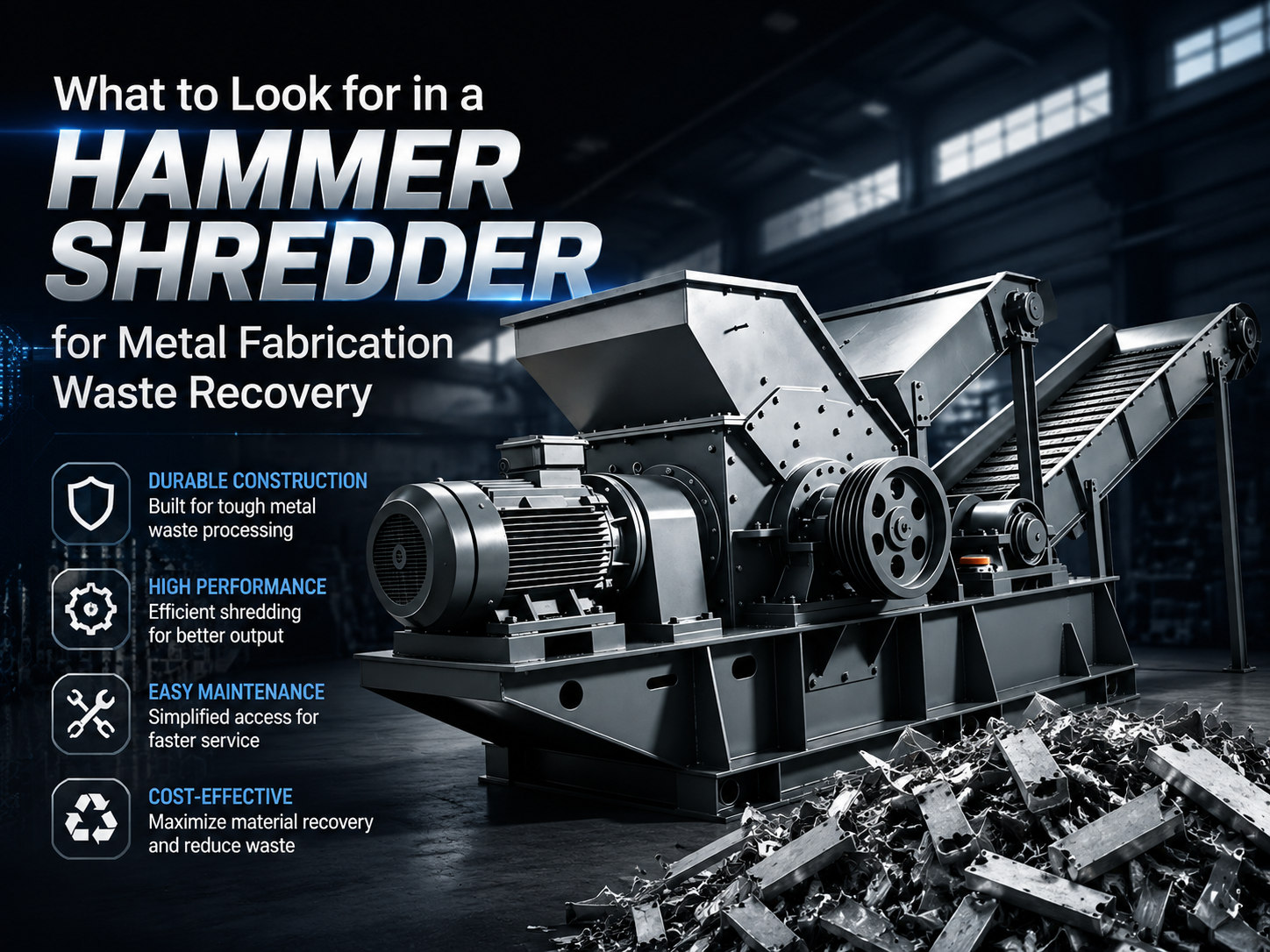
What to Look for in a Hammer Shredder for Metal Fabrication Waste Recovery

Introduction to Metal Fabrication Waste Recovery
In the modern industrial landscape, metal fabrication is no longer just about the finished product; it is increasingly about how efficiently a facility manages its leftovers. Metal scrap, offcuts, and skeletons from laser cutting or punching operations represent significant capital. To reclaim this value, many facilities are turning to high-performance shredding solutions. Understanding what to look in a hammer shredder metal fabrication waste recovery system is the first step toward transforming a cost center into a profit center.
A hammer shredder, often referred to as a hammer mill, utilizes high-speed rotating hammers to impact material, breaking it down into smaller, denser pieces. This process is essential for metal fabrication waste because it increases the bulk density of the scrap, making it easier to transport and more desirable for foundries and recyclers. However, not all shredders are created equal. Choosing the wrong machine can lead to high maintenance costs, frequent downtime, and poor-quality output.
This guide provides a deep dive into the technical and financial considerations of acquiring a hammer shredder. Whether you are processing aluminum extrusions, steel offcuts, or electronic waste, the following sections will help you navigate the complexities of the market and ensure your investment yields the highest possible return.
Price Range Overview: Investing in Quality
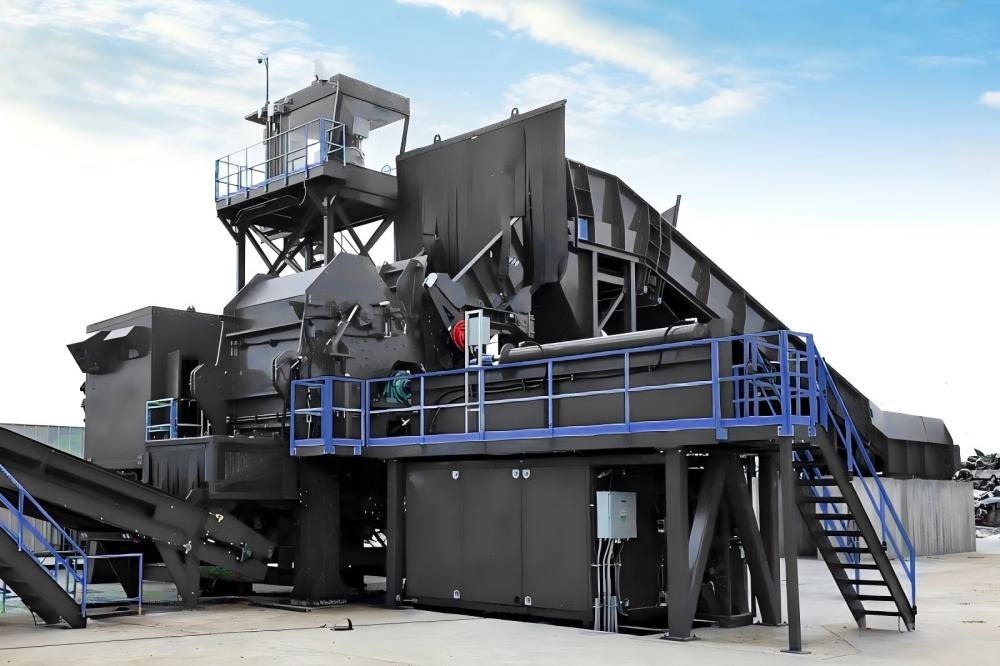
When investigating what to look in a hammer shredder metal fabrication waste recovery, the price is often the first hurdle. The market for hammer shredders is broad, ranging from small-scale units to massive industrial installations. Generally, prices can be categorized into three main tiers based on capacity and durability.
Entry-Level Units ($20,000 – $50,000): These machines are typically designed for light-gauge materials, such as thin aluminum sheets or small electronic components. They often feature lower motor power (under 50 HP) and smaller rotor diameters. While affordable, they may struggle with the heavy-duty offcuts common in structural steel fabrication.
Mid-Range Industrial Shredders ($50,000 – $150,000): This is the sweet spot for most medium-sized metal fabrication shops. These machines offer motor power between 75 HP and 200 HP and are built with reinforced frames. They can handle a variety of scrap, including thicker plate skeletons and mixed metal waste. Most HARSLE customers find that machines in this range provide the best balance of throughput and longevity.
Heavy-Duty Recovery Systems ($200,000+): These are high-capacity systems designed for 24/7 operation in large-scale recycling centers or massive fabrication plants. They often include integrated conveyor systems, magnetic separators, and advanced dust collection. The price reflects the massive engineering required to handle high-torque impacts and the inclusion of sophisticated PLC controls for automated operation.
Main Cost Drivers in Hammer Shredder Procurement
Understanding the price is one thing; understanding what drives that price is another. Several technical factors contribute to the final cost of a hammer shredder. When you look in a hammer shredder metal fabrication waste recovery, you must evaluate these drivers to ensure you aren’t overpaying for features you don’t need—or under-investing in critical components.
1. Motor Power and Efficiency
The motor is the heart of the shredder. Higher horsepower allows the machine to process thicker materials and maintain higher throughput. However, it’s not just about raw power; efficiency matters. Modern shredders utilize IE3 or IE4 rated high-efficiency motors which, while more expensive upfront, significantly reduce long-term operational costs. Variable Frequency Drives (VFDs) are also a major cost driver, allowing the operator to adjust rotor speed based on the material type, which prevents motor burnout and saves energy.
2. Rotor Design and Metallurgy
The rotor is the most stressed component of the machine. A solid-steel, precision-balanced rotor is essential for minimizing vibration and extending bearing life. The metallurgy of the hammers themselves is also a primary cost factor. High-manganese steel or chrome-moly alloy hammers are standard for metal recovery because they work-harden under impact. Cheaper machines may use standard carbon steel, which will wear down in a fraction of the time, leading to frequent replacements.
3. Frame Construction and Liners
A hammer shredder is essentially a controlled explosion of kinetic energy. The frame must be thick enough to withstand constant vibration and occasional high-energy impacts from unshreddable items. High-quality shredders feature replaceable wear liners made of Hardox or similar abrasion-resistant steel. These liners protect the main frame from erosion, ensuring the machine lasts for decades rather than years.
Configuration Impact on Performance
The configuration of your shredder determines the quality of your output. When considering what to look in a hammer shredder metal fabrication waste recovery, you must match the machine’s configuration to your specific waste stream. A machine configured for aluminum cans will fail miserably if fed 10mm steel plate offcuts.
Vertical vs. Horizontal Feed
Most hammer shredders are gravity-fed (vertical), which is excellent for bulky scrap. However, some specialized applications benefit from horizontal forced-feed systems, especially when dealing with long extrusions or profile scrap. Horizontal feeds provide more control over the rate at which material enters the shredding chamber, preventing jams and ensuring a more uniform particle size.
Discharge Grates and Screen Sizes
The size of the holes in the discharge grate determines the final size of the shredded metal. Smaller holes produce a finer, denser product but reduce the overall throughput of the machine. Many modern shredders feature interchangeable grates, allowing the shop to switch between “coarse” shredding for general volume reduction and “fine” shredding for high-value material recovery that requires specific density for smelting.
Cooling and Lubrication Systems
High-speed shredding generates significant heat, particularly in the bearings. Premium configurations include automatic lubrication systems and cooled bearing housings. This is a critical feature to look in a hammer shredder metal fabrication waste recovery if you plan on running the machine for multiple shifts. Overheated bearings are the leading cause of catastrophic shredder failure.
Hidden Costs of Ownership
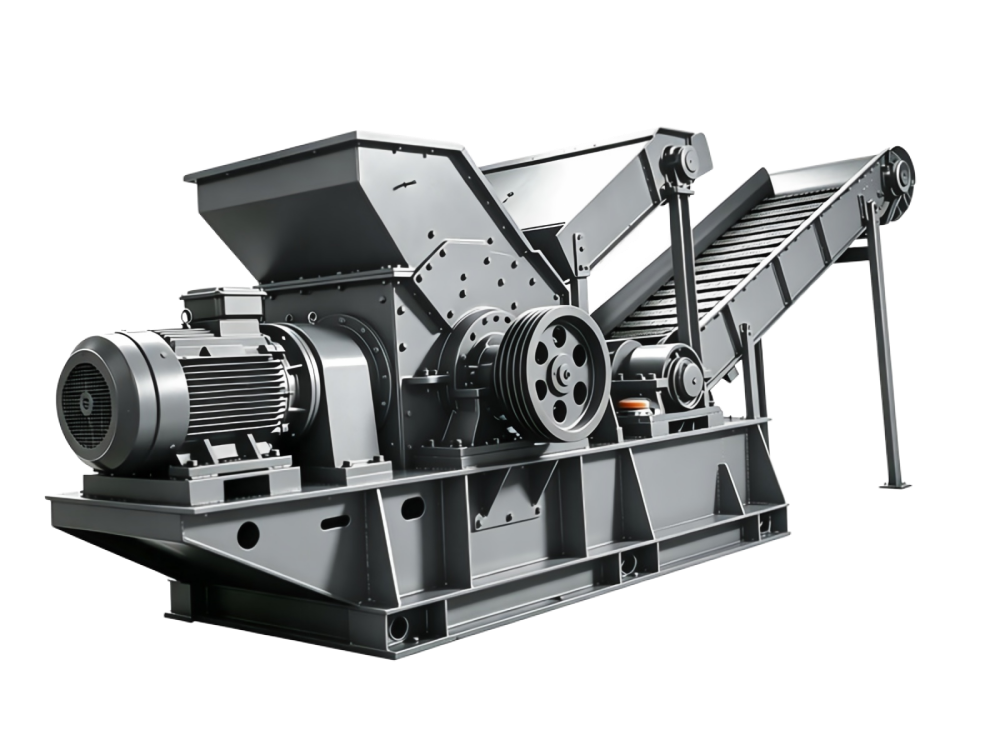
The purchase price is only the beginning. To truly understand the cost of a hammer shredder, one must account for the “hidden” expenses that arise during the machine’s lifecycle. These are often overlooked by first-time buyers but can significantly impact the bottom line.
- Wear Parts Consumption: Hammers, liners, and grates are consumables. Depending on the abrasiveness of your scrap, you may need to flip or replace hammers every few hundred hours. Factor in the cost of these parts and the labor required to change them.
- Energy Consumption: A 150 HP motor running 8 hours a day consumes a massive amount of electricity. In regions with high energy costs, the efficiency of the motor and the use of a VFD can save thousands of dollars annually.
- Foundation and Installation: Industrial shredders cannot simply be placed on a standard factory floor. They require reinforced concrete foundations to absorb vibration. Additionally, you may need to upgrade your electrical panel to handle the high startup current (inrush current) of the large motors.
- Dust and Noise Mitigation: Metal shredding is loud and produces dust and fines. Depending on local environmental regulations, you may need to invest in sound-dampening enclosures and dust extraction systems to remain compliant.
ROI Calculation: Is it Worth It?
The decision to buy a hammer shredder should be based on a clear Return on Investment (ROI) calculation. To determine if the investment makes sense, compare the current cost of waste disposal against the potential revenue from processed scrap.
Step 1: Determine Volume. How many tons of scrap does your facility produce per month? Most shredders require a minimum volume to be economically viable.
Step 2: Calculate Price Differential. Check the market price for “loose scrap” versus “shredded/densified scrap.” Shredded scrap often fetches a premium of 20% to 40% because it is ready for the furnace and costs less to transport.
Step 3: Factor in Transportation Savings. Loose metal offcuts are mostly air. Shredding can increase the density of your scrap by 3x to 5x, meaning you need fewer trucks to haul the same weight of material. This reduces logistics costs significantly.
Step 4: Operational Costs. Subtract the cost of electricity, labor, and wear parts from your increased revenue. If the remaining profit pays back the machine’s cost within 18 to 36 months, it is generally considered a sound industrial investment.
Buying Advice: What to Look for in a Vendor
When you are ready to look in a hammer shredder metal fabrication waste recovery solution, the vendor you choose is just as important as the machine itself. Metal fabrication environments are harsh, and you need a partner who understands the technical nuances of the industry.
Technical Support and Spare Parts: Does the manufacturer keep hammers and liners in stock? A shredder is useless if it’s sitting idle for three weeks waiting for a custom-cast part from overseas. HARSLE prides itself on maintaining a robust inventory of wear parts to ensure our clients experience minimal downtime.
Material Testing: Never buy a shredder without seeing it process your specific material. A reputable vendor should offer material testing services where you send a sample of your scrap, and they provide a report on throughput, energy consumption, and output quality. This eliminates the guesswork and ensures the machine is sized correctly for your needs.
Safety Features: Ensure the machine includes emergency stop systems, explosion relief vents (if processing dusty or volatile materials), and safety interlocks on all access doors. Metal shredding involves high speeds and heavy components; safety cannot be an afterthought.
Frequently Asked Questions (FAQ)
What is the difference between a hammer shredder and a shear shredder?
A hammer shredder uses high-speed impact to break material, which is ideal for densifying metal and separating different materials (like copper from aluminum). A shear shredder (dual-shaft) uses high-torque, low-speed cutting to tear material. Shear shredders are better for bulky items like tires or large tanks, while hammer shredders are superior for creating a high-quality, furnace-ready metal product.
How often do the hammers need to be replaced?
This depends entirely on the material being processed. For clean aluminum, hammers may last 500+ hours. For abrasive steel or scrap with high sand/dirt content, they may need to be rotated every 100 hours and replaced every 200 hours. Most modern hammers are designed to be flipped, allowing you to use all four corners before replacement.
Can a hammer shredder handle stainless steel?
Yes, but with caution. Stainless steel is much harder and more abrasive than carbon steel or aluminum. If you plan to process significant amounts of stainless, you must look in a hammer shredder metal fabrication waste recovery system specifically designed with high-chrome hammers and a reinforced rotor to handle the increased stress.
What size motor do I need for my fabrication shop?
As a general rule of thumb, a 50-75 HP motor is sufficient for light-duty sheet metal and aluminum. For heavy plate skeletons and structural steel offcuts, you should look at 100-200 HP. Always choose a motor slightly larger than your current needs to allow for future growth and to prevent the motor from running at 100% capacity constantly.
Does shredding metal help with environmental compliance?
Absolutely. Shredding is a key component of the circular economy. By densifying scrap, you reduce the carbon footprint associated with transportation. Furthermore, many modern shredders include magnetic and eddy-current separators that allow for the precise sorting of metals, ensuring that nearly 100% of your waste can be recycled rather than sent to a landfill.
Is it difficult to maintain a hammer shredder?
While the environment is harsh, the mechanics are relatively simple. Routine maintenance involves daily greasing of bearings, checking bolt tightness, and inspecting hammer wear. Most major maintenance, like hammer replacement, can be done by a standard maintenance team with the right lifting equipment. Choosing a machine with a hydraulic-opening housing, like those offered by HARSLE, makes accessing the rotor much faster and safer.


