
Comprehensive Guide: How to Diagnose Industrial Shredder Jams, Overheating, and Low Output

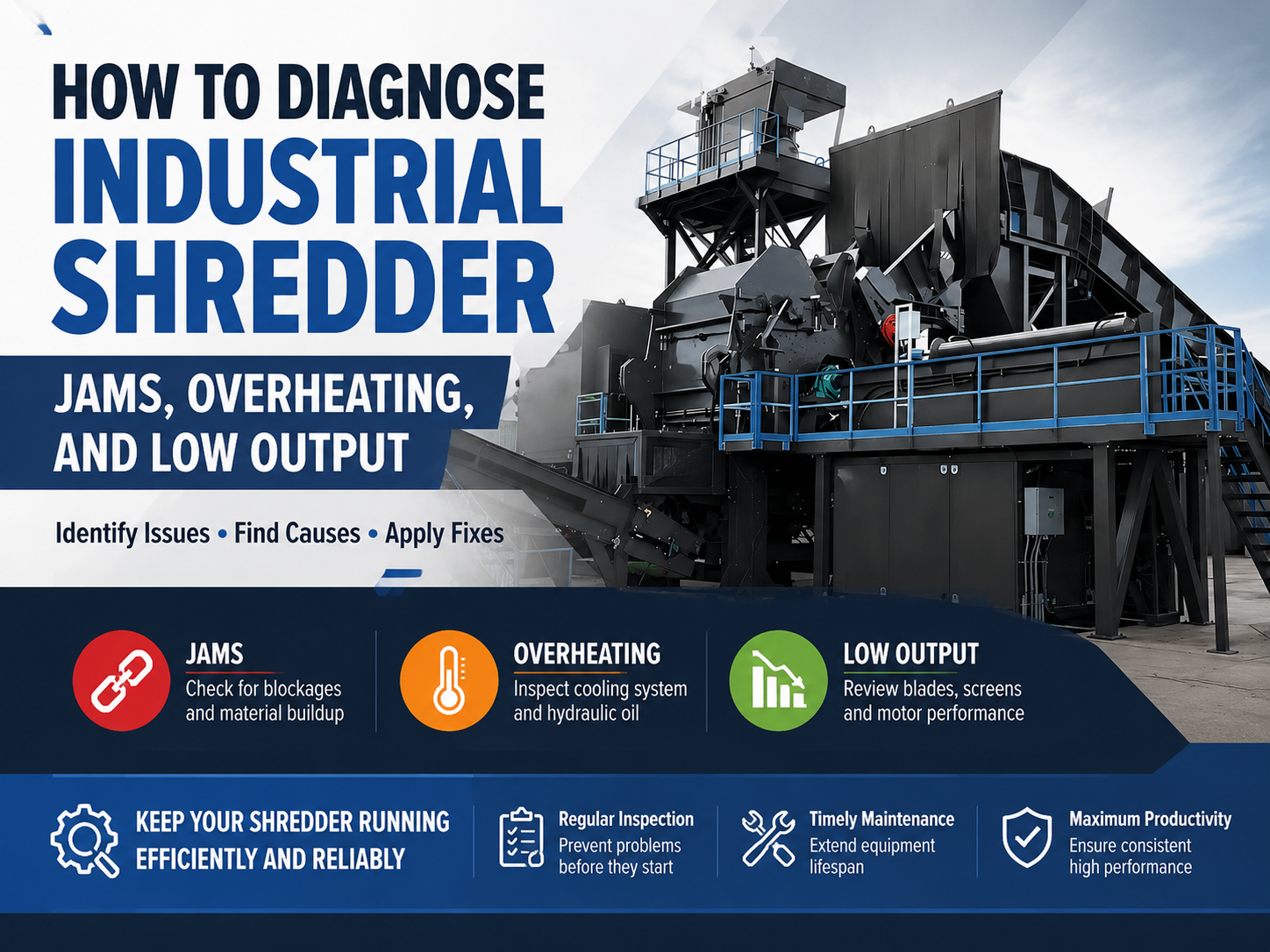
Introduction to Industrial Shredder Diagnostics
Industrial shredders are the workhorses of the recycling and waste management industries. Whether processing scrap metal, plastics, electronic waste, or tires, these machines are designed to handle immense stress and high-torque operations. However, the harsh nature of their work environment means that even the most robust equipment, such as those manufactured by HARSLE, can encounter operational hurdles. The three most common challenges faced by operators are mechanical jams, system overheating, and a noticeable drop in output efficiency. Understanding how to diagnose industrial shredder jams, overheating, and low output is not just about fixing a problem; it is about maximizing the lifespan of the machine and ensuring a high return on investment.
When a shredder fails to perform at its peak, the ripple effects are felt throughout the entire production line. Downtime leads to lost revenue, while ignored symptoms can escalate into catastrophic mechanical failures. Diagnosis requires a systematic approach that combines sensory observation (listening for unusual noises, smelling burnt oil) with technical data analysis from the machine’s PLC (Programmable Logic Controller). This guide provides a deep dive into the technical nuances of these three critical issues, offering actionable solutions for maintenance teams and facility managers.
At HARSLE, we emphasize that a well-maintained shredder is a safe shredder. Before beginning any diagnostic procedure, it is imperative to follow strict Lock-Out Tag-Out (LOTO) protocols. Industrial shredders possess immense kinetic energy and sharp components that can cause severe injury if not handled with professional care. By following the steps outlined in this article, you can transform your maintenance strategy from reactive to proactive, ensuring your metal fabrication or recycling facility remains competitive and efficient.
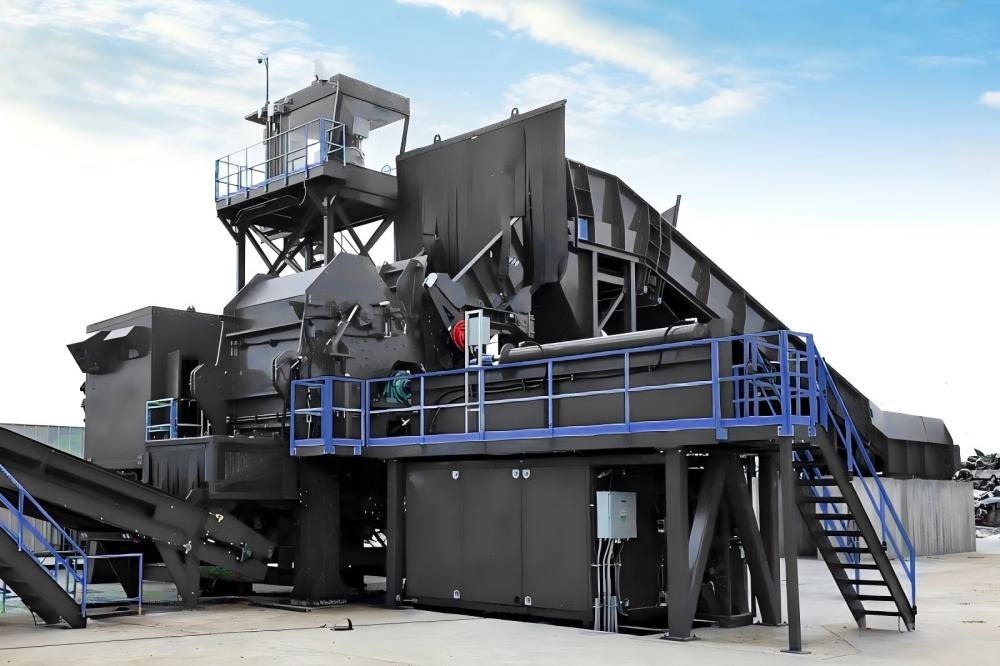
Key Considerations Before Troubleshooting
Before diving into the specific mechanics of jams or overheating, operators must consider the context of the machine’s operation. The first consideration is the material being processed. Is the material consistent with the shredder’s design specifications? For instance, feeding high-tensile steel into a shredder designed for light aluminum scrap will inevitably lead to frequent jams and motor strain. Material contamination, such as the presence of “unshreddables” (e.g., heavy engine blocks in a light-duty shredder), is a primary cause of sudden mechanical failure.
The second consideration is the environment. Industrial shredders often operate in dusty, outdoor, or non-climate-controlled settings. High ambient temperatures can exacerbate cooling issues, while excessive dust can clog radiators and air filters, leading to overheating. Furthermore, the power supply must be stable. Fluctuations in voltage can cause the motor to draw excessive current, leading to false overheating signals or reduced torque, which manifests as low output.
Finally, the age and maintenance history of the machine play a vital role. A shredder that has missed its scheduled lubrication or blade sharpening cycles will naturally exhibit symptoms of distress. Keeping a detailed log of every maintenance intervention allows for trend analysis. If a machine begins to jam more frequently than it did six months ago, it points toward gradual wear rather than a sudden component failure. This historical perspective is invaluable when you need to diagnose industrial shredder jams, overheating, and low output effectively.
Technical Details: Diagnosing Industrial Shredder Jams
Identifying the Type of Jam
Jams are typically categorized into two types: “soft” jams and “hard” jams. A soft jam occurs when the volume of material exceeds the cutting chamber’s capacity, causing the rotors to slow down and eventually stop. This is often accompanied by a groaning sound from the motor. A hard jam, on the other hand, occurs when an object that the shredder cannot physically cut (like a hardened steel shaft) becomes wedged between the blades. This usually results in an immediate stop and may trigger the machine’s emergency shear pin or electronic torque limiter.
The Role of the PLC and Auto-Reverse
Modern HARSLE shredders are equipped with intelligent PLC systems that detect a spike in amperage. When the current exceeds a pre-set threshold, the PLC interprets this as a jam and automatically initiates a reverse cycle. This “clearing” move attempts to reposition the material. If the machine reverses three or four times without successfully shredding the material, it will shut down and signal an error. Diagnosing frequent auto-reverse cycles involves checking the blade sharpness and the gap between the knives. If the blades are dull, they will “rub” rather than “cut,” increasing the torque required and triggering the jam sensors prematurely.
Mechanical Obstructions and Blade Wear
Over time, the cutting edges of the shredder blades round off. This reduces the machine’s ability to grab and pull material into the cutting zone, leading to “bridging,” where material sits on top of the rotors without being processed. Furthermore, the spacers between the blades can accumulate debris, causing friction and heat. Inspecting the blade profile and the cleanliness of the rotor shaft is a critical step in diagnosing persistent jamming issues. If the gap between the stationary and rotating blades (the clearance) is too wide, material will simply wedge itself in the gap rather than being sheared, causing a mechanical lock.
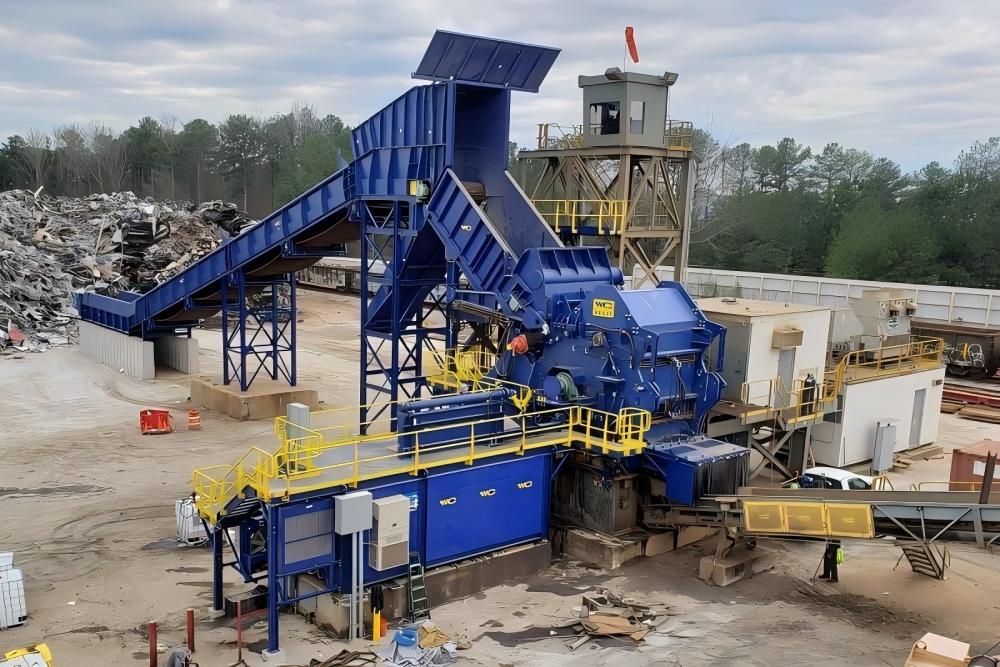
Technical Details: Diagnosing Overheating
Hydraulic System Overheating
Many heavy-duty shredders utilize hydraulic drives for their high torque capabilities. If the hydraulic oil temperature exceeds the recommended range (usually 60-70°C), the system’s efficiency drops, and seals can begin to fail. Diagnosis starts with the heat exchanger. Is the cooling fan operational? Are the radiator fins clogged with dust or debris? If the cooling system is clean, the issue may lie in the hydraulic pump. An internal leak in the pump or motor can cause “slippage,” where energy is converted into heat rather than mechanical work. Using an infrared thermometer to check for hot spots along the hydraulic lines can help pinpoint the source of the heat.
Electric Motor and Gearbox Strain
For electrically driven shredders, overheating often occurs in the motor or the reduction gearbox. A motor that is constantly running at its peak amperage will generate excessive heat. This could be due to a lack of ventilation or an overloaded cutting chamber. In the gearbox, overheating is almost always a sign of lubrication failure. If the oil level is low or the oil has degraded (lost its viscosity), the friction between the gears will generate intense heat. Operators should check for a burnt smell or discoloration of the gearbox paint, which indicates extreme thermal stress.
Thermal Expansion and Tolerances
An often-overlooked aspect of overheating is its effect on mechanical tolerances. As the rotors and blades heat up, they expand. If the shredder was not designed with adequate thermal clearances, this expansion can cause the blades to rub against the side plates or each other. This creates a feedback loop: friction causes heat, heat causes expansion, and expansion causes more friction. Diagnosing this requires measuring the clearances when the machine is cold versus when it is at operating temperature. If the output drops as the machine gets hotter, thermal expansion is a likely culprit.
Technical Details: Diagnosing Low Output
Screen Clogging and Material Flow
Low output is often a result of the material not being able to exit the machine. Most shredders use a screen or grate underneath the rotors to determine the final particle size. If these screens become clogged with “fines” or sticky material, the shredded product cannot fall through, and the chamber becomes overfilled. This forces the machine to re-shred the same material multiple times, drastically reducing the hourly throughput. Diagnosis involves stopping the machine and inspecting the screen for blinding or physical damage that might be restricting flow.
Belt Slippage and Power Transmission
In belt-driven systems, a loss of output can often be traced back to the V-belts. If the belts are loose or worn, they may slip under load. This means the motor is spinning at the correct RPM, but the rotors are not. This slippage generates heat and a distinct burning rubber smell. Checking the belt tension and looking for signs of glazing on the belt sides is a standard diagnostic step. Similarly, in direct-drive systems, a failing coupling can cause a similar loss of power transmission efficiency.
Feed Rate Optimization
Sometimes, low output is not a mechanical failure but an operational one. If the infeed conveyor is not synchronized with the shredder’s capacity, the machine may be “starved” or “slug-fed.” Starving occurs when the feed is too slow, leaving the rotors spinning empty. Slug-feeding occurs when a massive amount of material is dumped at once, causing the machine to slow down or reverse. Diagnosing this involves observing the feed pattern. A consistent, metered flow of material is essential for maintaining the rated tons-per-hour (TPH) of the shredder.
Selection Advice for Avoiding Common Issues
When purchasing an industrial shredder, the best way to avoid jams, overheating, and low output is to select the right machine for the specific application. Here are several factors to consider during the selection process:
- Torque vs. Speed: For heavy metal recycling, high-torque, low-speed shredders are preferable as they are less prone to catastrophic jams and generate less heat than high-speed grinders.
- Drive Type: Hydraulic drives offer superior shock absorption and are excellent for materials that may contain unshreddables. Electric drives are more energy-efficient for consistent, uniform waste streams.
- Blade Metallurgy: Ensure the blades are made from high-quality alloy steel (like D2 or Hardox) that can withstand the specific abrasiveness of your material. This reduces the frequency of dulling-related jams.
- Cooling Capacity: If your facility is in a hot climate, specify an oversized cooling package for the hydraulic system or motor to prevent thermal shutdowns.
- Ease of Maintenance: Choose a shredder with easy access to the cutting chamber and screens. If a machine is hard to clean, it won’t be cleaned, leading to the clogging issues mentioned earlier.
HARSLE provides a range of shredders tailored to different industrial needs. By consulting with our technical team, you can ensure that the motor power, blade configuration, and screen size are perfectly matched to your throughput requirements, minimizing the risk of future diagnostic headaches.
Frequently Asked Questions (FAQ)
1. How often should I sharpen my shredder blades?
The frequency depends entirely on the material. For abrasive materials like glass-filled plastics or sandy tires, blades may need attention every few hundred hours. For clean aluminum, they may last thousands of hours. A good rule of thumb is to inspect them weekly and sharpen them when you notice a 10-15% drop in output or an increase in motor amperage.
2. Why does my shredder keep reversing even when there is no large object inside?
This is usually caused by “material wrapping” or dull blades. If long, stringy materials (like wire or plastic film) wrap around the shaft, they create constant friction that the PLC interprets as a jam. Alternatively, dull blades may be failing to grab the material, causing it to bounce on the rotors and trigger a torque spike.
3. What is the most common cause of hydraulic overheating?
The most common cause is a dirty oil cooler or radiator. In recycling environments, dust and lint quickly coat the cooling fins, preventing heat exchange. Regular cleaning with compressed air is the simplest and most effective preventative measure.
4. Can I process different materials in the same shredder?
While many shredders are versatile, processing materials they weren’t designed for can lead to issues. For example, a shredder designed for wood may lack the torque for metal, leading to frequent jams. Always check with the manufacturer before switching material streams.
5. How do I know if my low output is due to a mechanical problem or operator error?
Monitor the “empty” amperage of the machine. If the machine draws significantly more current than usual when no material is being fed, there is a mechanical issue (like a bad bearing or rubbing blades). If the empty amperage is normal, the issue is likely related to the feed rate or material consistency.
Conclusion: Maintaining Peak Shredder Performance
To diagnose industrial shredder jams, overheating, and low output, one must look at the machine as a holistic system where the mechanical, electrical, and hydraulic components work in harmony. Jams are often a symptom of material mismatch or blade wear; overheating is a signal of friction or cooling failure; and low output is the ultimate indicator of system inefficiency. By implementing a rigorous diagnostic routine and responding to these symptoms early, operators can prevent minor issues from turning into expensive repairs.
HARSLE is committed to providing not only high-performance machinery but also the technical knowledge required to keep that machinery running at its best. Our industrial shredders are engineered with durability and ease of maintenance in mind, featuring advanced PLC controls that simplify the diagnostic process. Remember that the key to longevity is consistency—consistent feeding, consistent cleaning, and consistent inspection. With the right approach to troubleshooting, your industrial shredder will remain a reliable asset in your production line for years to come.
For more information on HARSLE’s range of industrial shredders and metal fabrication equipment, or to speak with a technician about your specific diagnostic challenges, contact our support team today. We are here to help you optimize your operations and achieve the highest levels of productivity in the industry.


