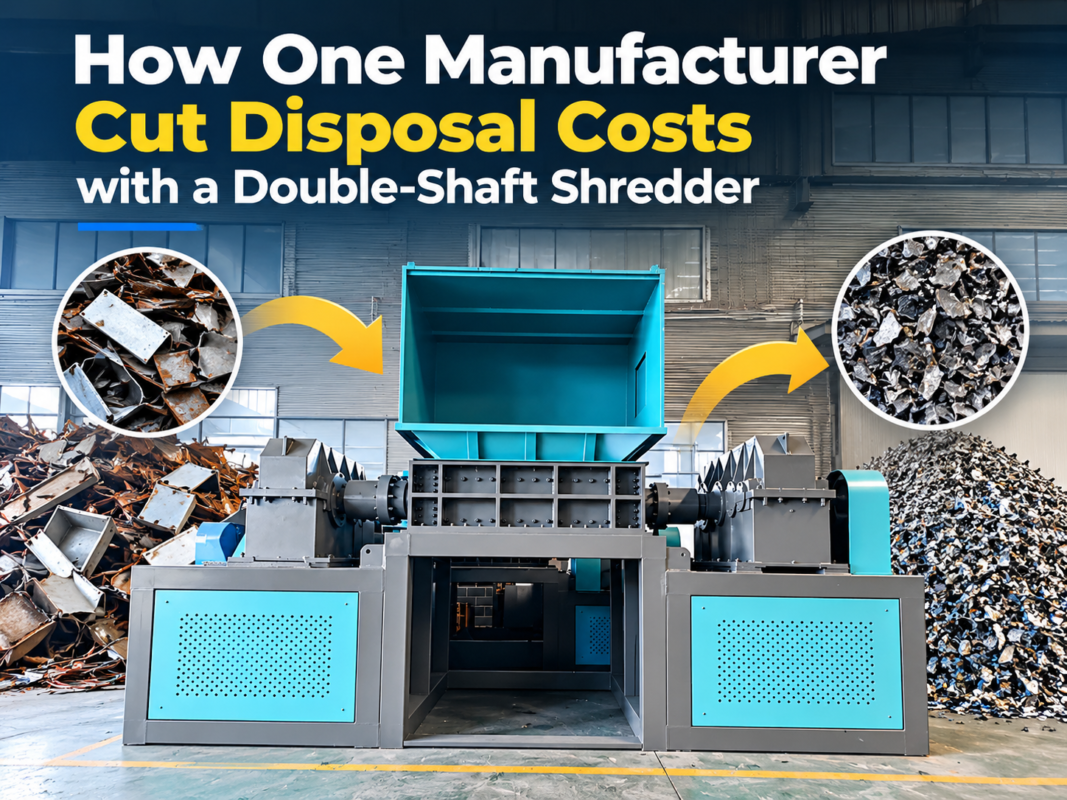
Comprehensive Guide: How to Diagnose and Fix Hydraulic Pressure Drops in an Industrial Shredder

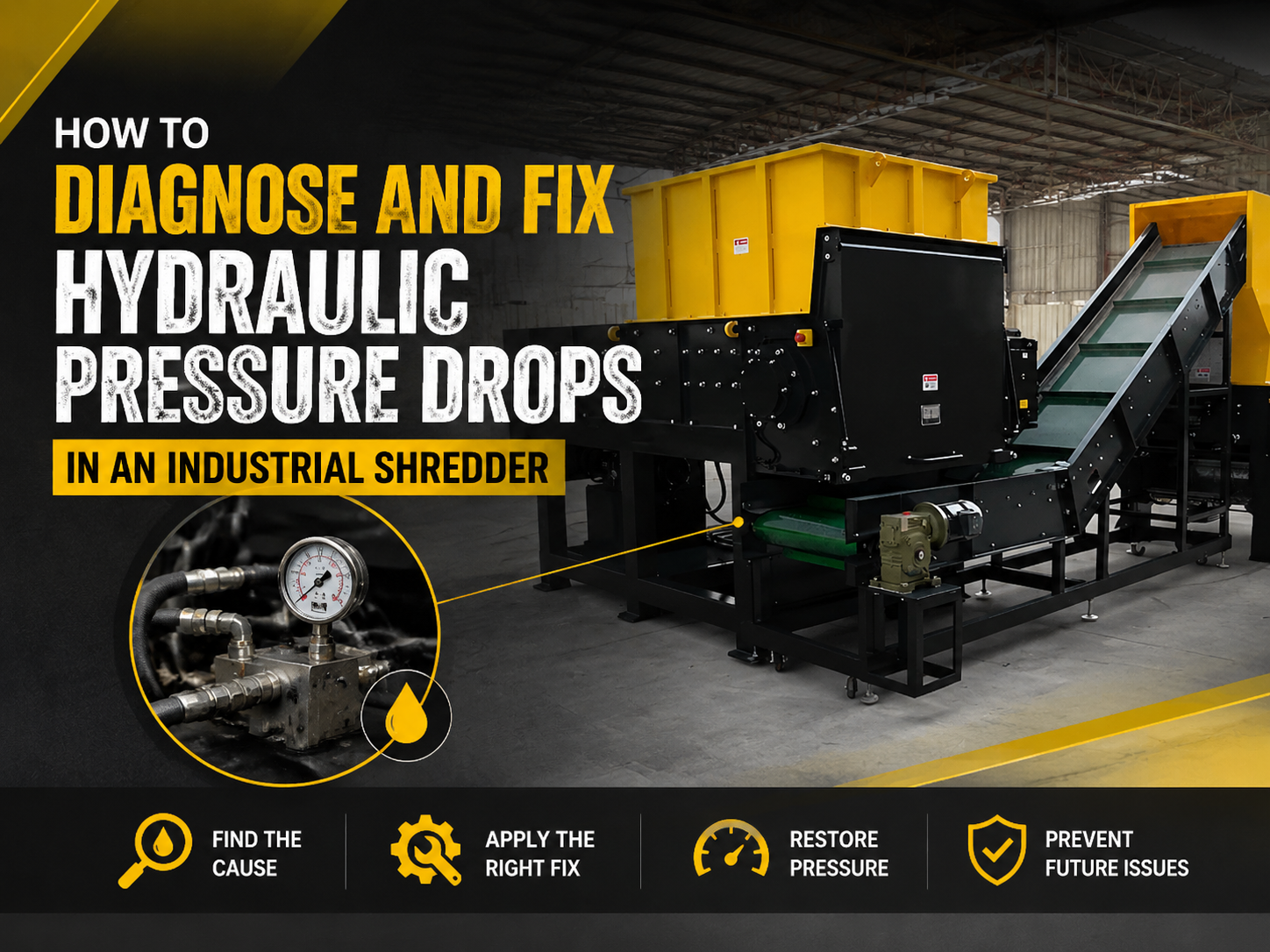
Introduction to Hydraulic Pressure Dynamics in Industrial Shredders
In the world of heavy-duty recycling and metal fabrication, the industrial shredder stands as a cornerstone of efficiency. These machines rely heavily on hydraulic systems to generate the massive torque required to tear through scrap metal, plastics, and rubber. However, a common and frustrating issue faced by operators is the sudden or gradual loss of hydraulic pressure. When you need to Diagnose Fix Hydraulic Pressure Drops In An Industrial Shredder, understanding the underlying mechanics is the first step toward restoring peak performance.
Hydraulic pressure is the lifeblood of the shredder’s drive system. It converts fluid power into mechanical force, allowing the rotors to crush stubborn materials. A drop in this pressure doesn’t just slow down production; it can lead to overheating, increased wear on mechanical components, and eventually, a total system failure. For HARSLE customers, maintaining the integrity of the hydraulic circuit is paramount to ensuring the longevity of their investment.
This guide is designed to provide a deep dive into the technical aspects of hydraulic pressure management. We will explore why these drops occur, how to identify the specific point of failure, and the corrective actions necessary to get your equipment back online. Whether you are dealing with a twin-shaft shredder or a high-torque single-shaft model, the principles of hydraulic diagnostics remain consistent across the board.
Key Considerations Before Beginning Diagnostics
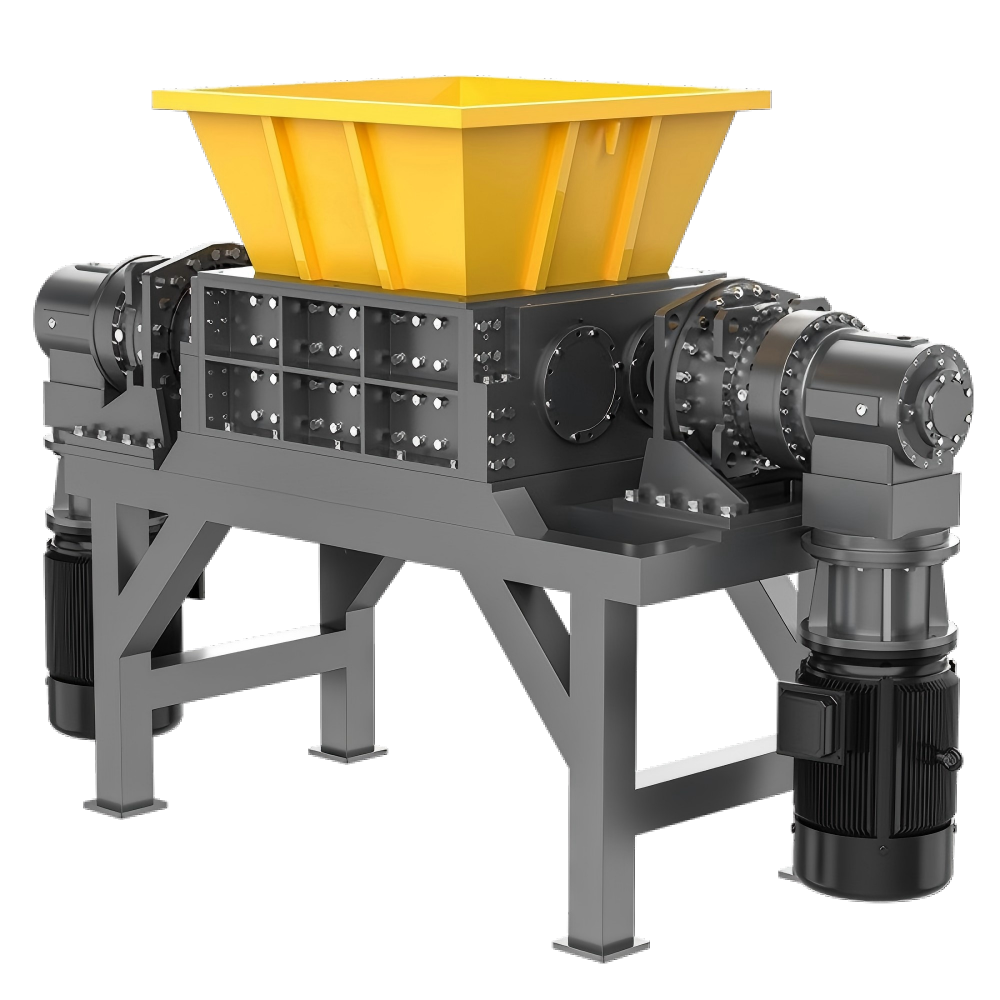
Before diving into the hardware, it is essential to approach the problem with a systematic mindset. Safety is the absolute priority. Industrial shredders operate under extreme pressures, often exceeding 3,000 PSI. Before attempting to Diagnose Fix Hydraulic Pressure Drops In An Industrial Shredder, ensure the machine is locked out and tagged out (LOTO). Relieve all residual pressure from the system, as trapped fluid can cause severe injury if a hose or fitting is loosened prematurely.
Another key consideration is the environment in which the shredder operates. Shredding facilities are often dusty, hot, and prone to vibration. These factors contribute significantly to hydraulic degradation. Dust can contaminate the fluid, heat can thin the oil, and vibration can loosen fittings. Recognizing these external stressors helps in narrowing down the potential causes of pressure loss.
Operators should also maintain a detailed log of the machine’s performance. Is the pressure drop constant, or does it only happen when the oil reaches a certain temperature? Does it occur only during heavy loading? Answering these questions can differentiate between a failing pump and a simple leaking seal. Documentation is a powerful tool in the diagnostic process, allowing maintenance teams to spot trends before they become catastrophic failures.
Technical Details: Identifying the Root Causes
1. Internal vs. External Leakage
Leakage is the most common cause of pressure drops. External leaks are easy to spot—puddles of hydraulic fluid under the machine or damp hoses are clear indicators. However, internal leaks are more insidious. An internal leak occurs when fluid bypasses a seal or valve within the system, returning to the reservoir without doing work. This often manifests as excessive heat, as the energy intended for shredding is instead converted into thermal energy through friction.
2. Hydraulic Pump Efficiency
The pump is the heart of the system. Over time, the internal tolerances of the pump (whether gear, vane, or piston type) begin to widen due to wear. As these tolerances increase, the pump becomes less efficient at moving fluid against high resistance. If your shredder struggles to maintain pressure specifically during high-torque demands, the pump may be reaching the end of its service life. Testing the pump’s flow rate at various pressures is the standard way to diagnose this issue.
3. Relief Valve Malfunction
Relief valves are designed to protect the system from over-pressurization. If a relief valve is stuck open or has a weakened spring, it will allow fluid to bypass the work circuit at a lower pressure than intended. This results in a significant drop in the force available to the shredder rotors. Inspecting the valve for debris or signs of mechanical fatigue is a critical step in the diagnostic checklist.
4. Cylinder and Motor Seal Degradation
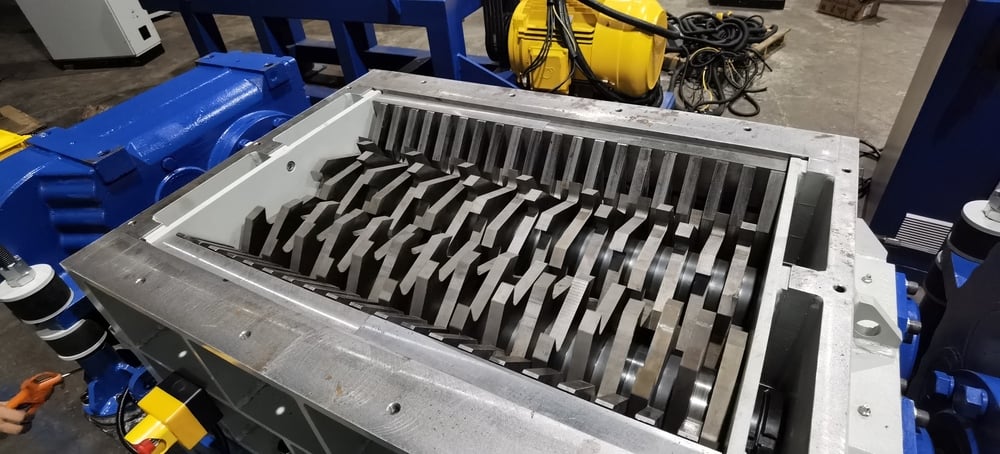
In shredders that use hydraulic cylinders for ram feeding or hydraulic motors for rotor drive, seal integrity is vital. If the piston seals in a cylinder are worn, fluid will leak from the high-pressure side to the low-pressure side, causing the cylinder to “drift” or lose pushing force. Similarly, internal wear in a hydraulic motor will lead to a loss of torque and a corresponding drop in system pressure as the fluid takes the path of least resistance.
5. Fluid Contamination and Viscosity Issues
Hydraulic fluid is not just a medium for power; it is also a lubricant and a coolant. If the fluid is contaminated with metal shavings or dirt, it acts as an abrasive, wearing down every component it touches. Furthermore, if the oil’s viscosity is too low (often due to overheating), it will leak through seals and clearances more easily, leading to a noticeable pressure drop. Regular oil analysis is the best defense against these invisible killers.
Step-by-Step Guide to Fix Hydraulic Pressure Drops
Once you have identified the likely culprit, the process to Diagnose Fix Hydraulic Pressure Drops In An Industrial Shredder follows a logical progression. Start with the simplest solutions and move toward the more complex component replacements.
- Step 1: Inspect and Clean: Begin by cleaning the entire hydraulic unit. This makes it easier to spot external leaks. Check all hoses, fittings, and manifolds for signs of weeping or cracks. Tighten any loose connections, but be careful not to over-torque them, which can damage the threads.
- Step 2: Check Fluid Levels and Quality: Ensure the reservoir is full. Low fluid levels can cause aeration, where air is sucked into the pump, leading to erratic pressure and a noisy operation. If the oil looks milky or smells burnt, it must be replaced along with all system filters.
- Step 3: Test the Relief Valve: Use a calibrated pressure gauge to check the relief valve setting. If the pressure is lower than the manufacturer’s specification, try adjusting the valve. If the pressure does not respond to adjustment, the valve likely needs to be cleaned or replaced.
- Step 4: Evaluate the Pump: Perform a flow test. If the pump is producing the correct flow at low pressure but the flow drops significantly as pressure increases, the pump is worn and requires a rebuild or replacement.
- Step 5: Inspect Actuators: For cylinders, perform a “bypass test” by extending the cylinder fully and checking if fluid continues to flow from the return port. For motors, check the case drain flow; excessive flow here indicates internal wear.
Selection Advice for High-Performance Shredder Components
When purchasing a new industrial shredder or upgrading an existing one, the quality of the hydraulic components is the most significant factor in long-term reliability. HARSLE recommends looking for machines equipped with reputable pump brands and high-quality valve blocks. A well-designed system will include integrated cooling solutions, such as air or water-cooled heat exchangers, to keep the hydraulic fluid within its optimal temperature range.
Consider the modularity of the system. Can the pump be easily accessed for maintenance? Are the filters positioned for quick replacement? A machine that is easy to service is much more likely to receive the preventative maintenance it needs. Additionally, look for shredders that utilize advanced filtration systems, including magnetic separators, to remove fine metallic particles that can devastate hydraulic pumps.
Finally, ensure the hydraulic system is sized correctly for the application. An undersized system will constantly run at its maximum limit, leading to premature wear and frequent pressure drops. Investing in a slightly higher-capacity system than currently required provides a “safety margin” that pays off in reduced downtime and longer component life.
Frequently Asked Questions (FAQ)
Why does my shredder lose pressure only after an hour of operation?
This is typically a sign of oil thinning due to heat. As the hydraulic fluid heats up, its viscosity drops. If there is internal wear in the pump or valves, the thinner oil bypasses these components more easily, leading to a pressure drop. Check your cooling system and ensure you are using the correct grade of hydraulic oil.
Can a clogged filter cause a pressure drop?
Yes, indirectly. A clogged suction filter can cause pump cavitation, which prevents the pump from generating pressure and can lead to rapid pump failure. A clogged return filter can increase backpressure, which might interfere with the operation of certain valves, though it usually doesn’t cause a primary pressure drop in the work circuit.
How often should I change the hydraulic oil in my industrial shredder?
Generally, hydraulic oil should be changed every 2,000 to 4,000 hours of operation, or at least once a year. However, this depends heavily on the operating environment. Regular oil analysis is the best way to determine the exact interval for your specific machine.
What is the difference between a pressure drop and a flow drop?
Pressure is the force available to do work (torque), while flow is the speed at which that work is done. A pressure drop means the shredder can’t crush the material; a flow drop means the rotors turn slowly. Often, they are related, as a leak will cause both pressure and flow to decrease at the work point.
Is it safe to adjust the relief valve to get more power?
No. Relief valves are set to the maximum safe operating pressure of the system’s weakest component. Increasing the pressure beyond the manufacturer’s specifications can lead to hose bursts, structural failure of the shredder, or catastrophic pump failure.
Conclusion: Maintaining Peak Shredder Performance
Successfully learning how to Diagnose Fix Hydraulic Pressure Drops In An Industrial Shredder is a vital skill for any facility manager or maintenance technician. By understanding the relationship between pumps, valves, and fluid dynamics, you can transform a complex problem into a manageable series of checks and repairs. Remember that the goal is not just to fix the current drop, but to prevent the next one through proactive maintenance and high-quality component selection.
HARSLE remains committed to providing robust industrial machinery that stands up to the rigors of the recycling industry. By following the guidelines outlined in this article—monitoring heat, ensuring fluid cleanliness, and addressing leaks immediately—you can ensure your industrial shredder remains a productive and profitable asset for years to come. Consistent pressure leads to consistent performance, and in the world of metal fabrication, consistency is the key to success.