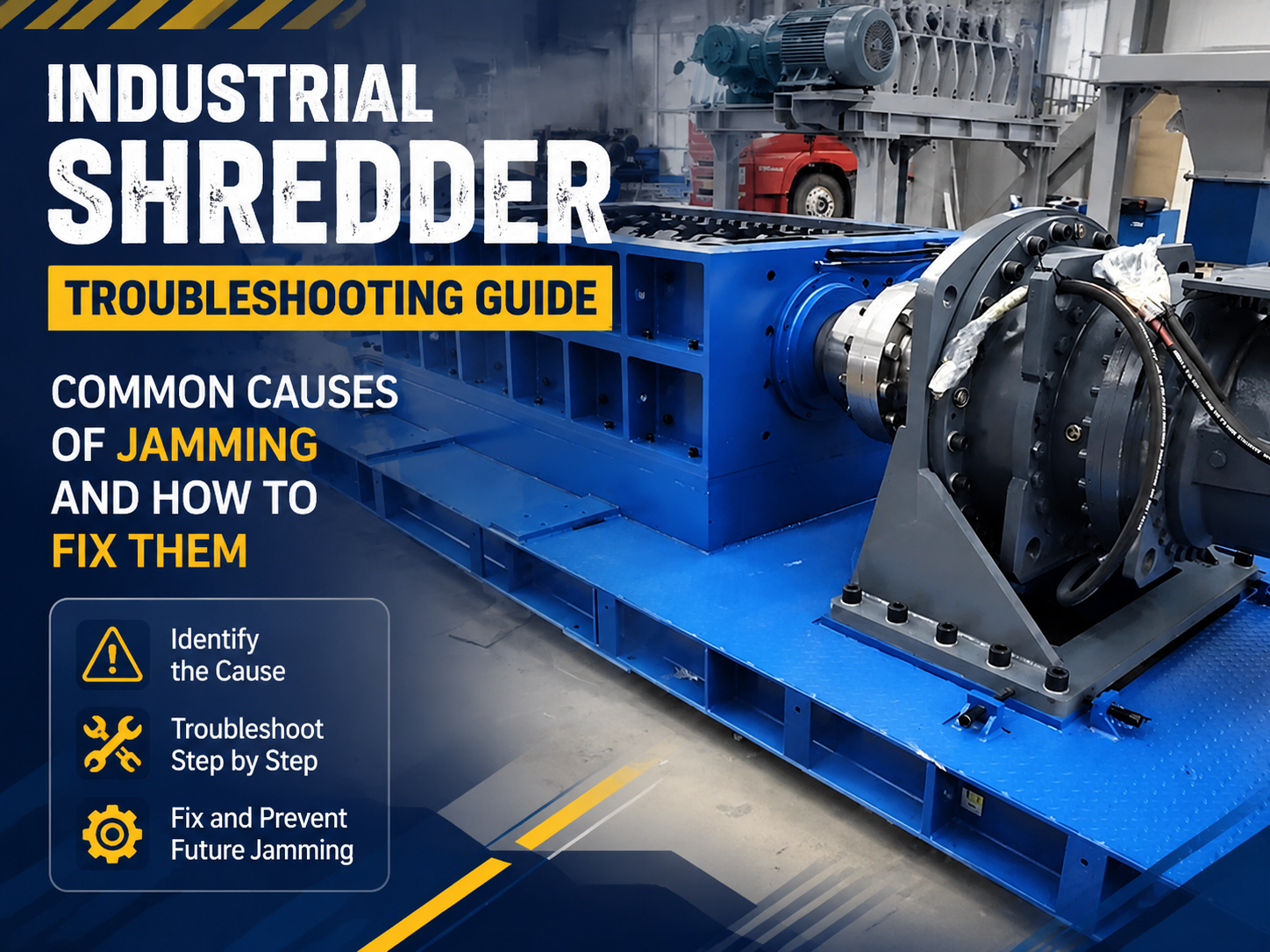
Industrial Shredder Troubleshooting Guide: Common Causes of Jamming and How to Fix Them

Introduction to Industrial Shredder Reliability
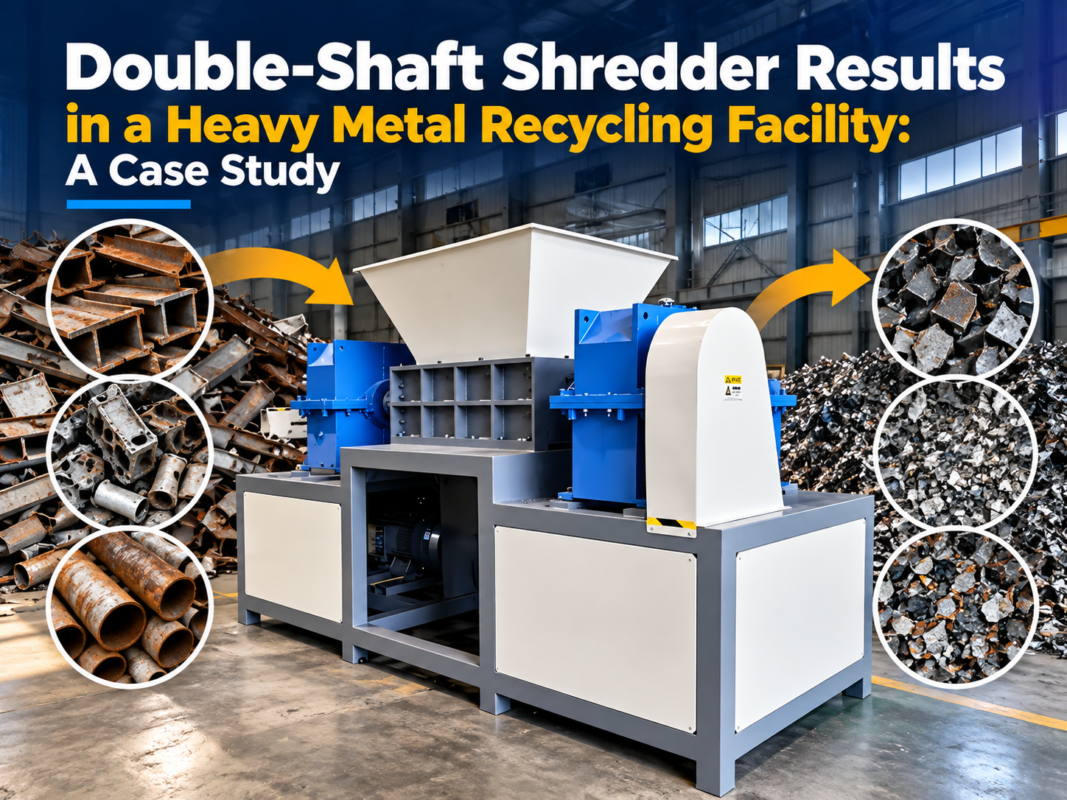
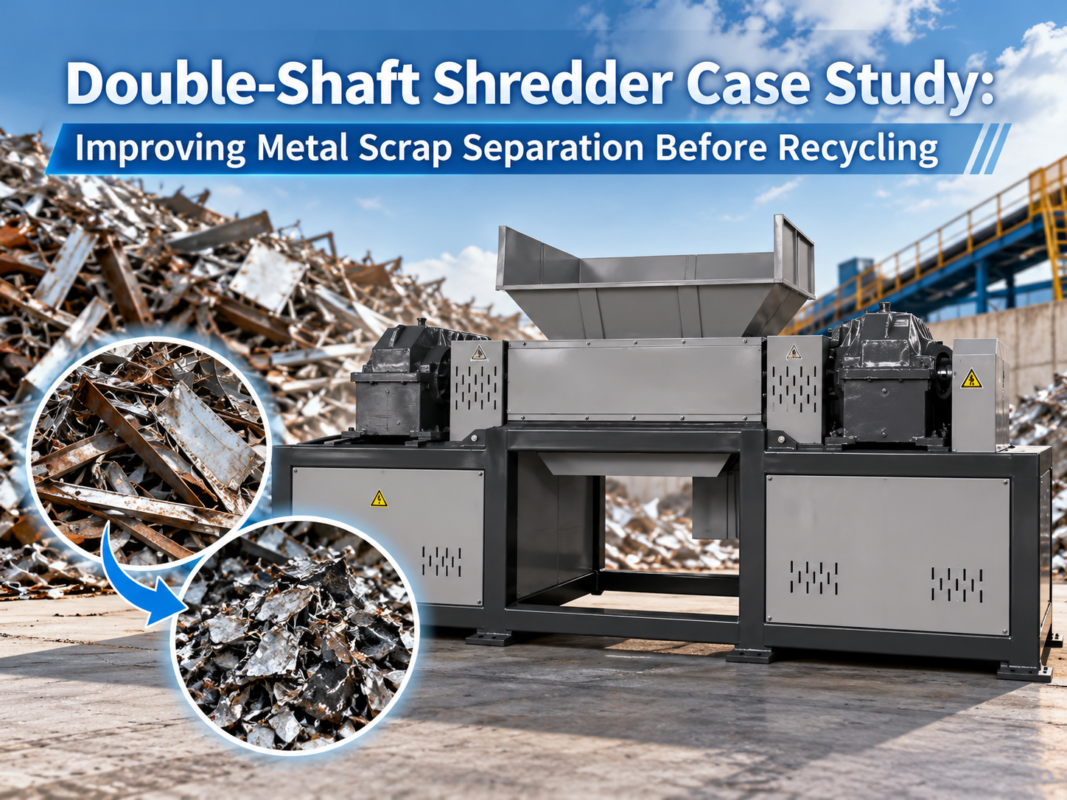
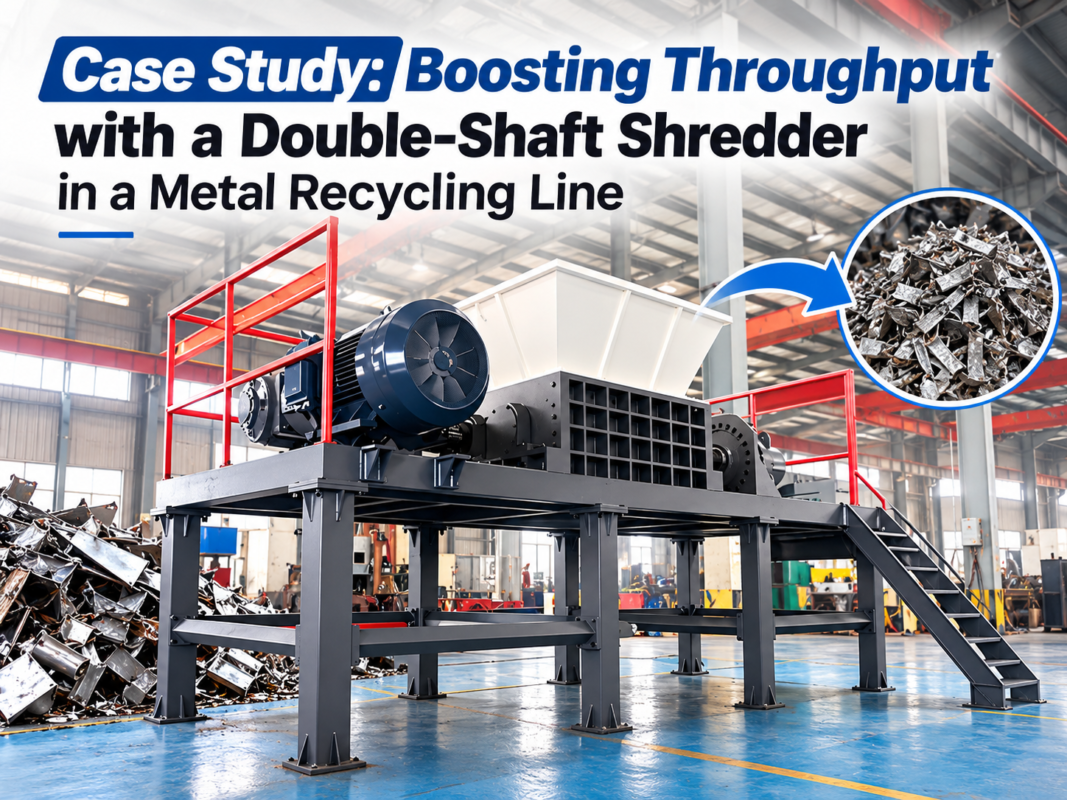
In the modern landscape of waste management, metal recycling, and material processing, the industrial shredder stands as a cornerstone of efficiency. These robust machines are designed to reduce the volume of bulky waste, prepare materials for secondary processing, and facilitate the recycling of metals, plastics, and wood. However, the high-torque nature of these operations means that even the most advanced equipment, such as those manufactured by HARSLE, can encounter operational hurdles. The most frequent and disruptive of these issues is jamming.
Understanding Industrial Shredder Troubleshooting : Common Causes Of Jamming Fix Them is essential for any facility manager or machine operator. A jam is not merely a pause in production; it represents potential mechanical strain, electrical stress, and lost revenue. When a shredder stops due to an overload or a physical obstruction, the immediate response determines whether the machine returns to service quickly or suffers long-term damage. This guide provides a deep dive into the technicalities of shredder jams, offering actionable solutions and preventative strategies to keep your fabrication line moving.
HARSLE industrial shredders are engineered with sophisticated PLC controls and high-strength components to minimize downtime. Yet, the diversity of materials processed—ranging from scrap aluminum to reinforced polymers—presents unique challenges. By mastering the art of troubleshooting, operators can extend the lifespan of their equipment and ensure a safer working environment. This article explores the mechanical, electrical, and operational factors that lead to jamming and provides a comprehensive roadmap for resolution.
Key Considerations for Shredder Performance
Before diving into specific fixes, it is crucial to understand the variables that influence shredder performance. Not all jams are caused by machine failure; many are the result of external factors or improper application. The first consideration is material compatibility. Every industrial shredder has a specific design capacity regarding material hardness, thickness, and elasticity. Attempting to process materials that exceed these specifications—such as high-tensile steel in a machine designed for light plastics—will inevitably lead to frequent jamming.
Feed rate and consistency also play a vital role. Overfeeding the hopper is a primary cause of “bridging,” where material becomes wedged above the cutting shafts, preventing the blades from grabbing and shearing the load. Conversely, inconsistent feeding can cause surges in torque that trigger the machine’s safety shut-off. Operators must be trained to maintain a steady flow of material, allowing the machine to process each batch within its optimal torque curve.
Environmental factors, such as moisture content and temperature, can also affect shredding efficiency. For instance, wet organic waste or damp paper can become “mushy,” clogging the gaps between blades and spacers. In cold environments, certain plastics become brittle and may shatter in ways that jam the discharge screen. Understanding these nuances allows for better preparation and adjustment of the machine settings to suit the specific material profile being processed.
Technical Details: Mechanical and Electrical Causes of Jamming
1. Blade Wear and Clearance Issues
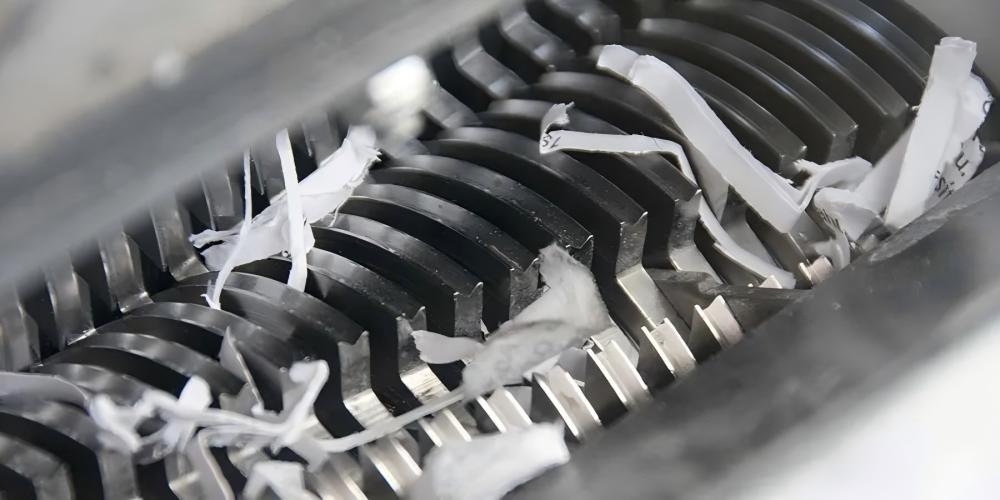
The heart of any industrial shredder is its cutting system. Over time, the sharp edges of the blades (or knives) naturally dull due to the abrasive nature of the materials being processed. When blades lose their edge, they no longer “bite” into the material cleanly. Instead of shearing, the machine begins to tear or crush the material, which requires significantly more torque. This increased resistance often leads to the PLC (Programmable Logic Controller) sensing an overload and stopping the motor.
Furthermore, the clearance between the blades and the counter-knives (or spacers) is critical. If this gap becomes too wide due to wear or loose mounting bolts, material can become wedged in the space rather than being cut. This “wedging” effect creates immense lateral pressure on the shafts, which can lead to bearing failure if not addressed. Regular inspection of blade sharpness and tightening of the shaft assembly are fundamental steps in Industrial Shredder Troubleshooting : Common Causes Of Jamming Fix Them.
2. Gearbox and Drive Train Stress
The gearbox is responsible for converting the high-speed rotation of the motor into the high-torque force needed for shredding. If the gearbox is under-lubricated or if the internal gears have suffered fatigue, the machine may struggle to overcome the resistance of a heavy load. A failing gearbox often manifests as unusual noise, excessive vibration, or a sudden drop in output torque, all of which contribute to frequent jamming.
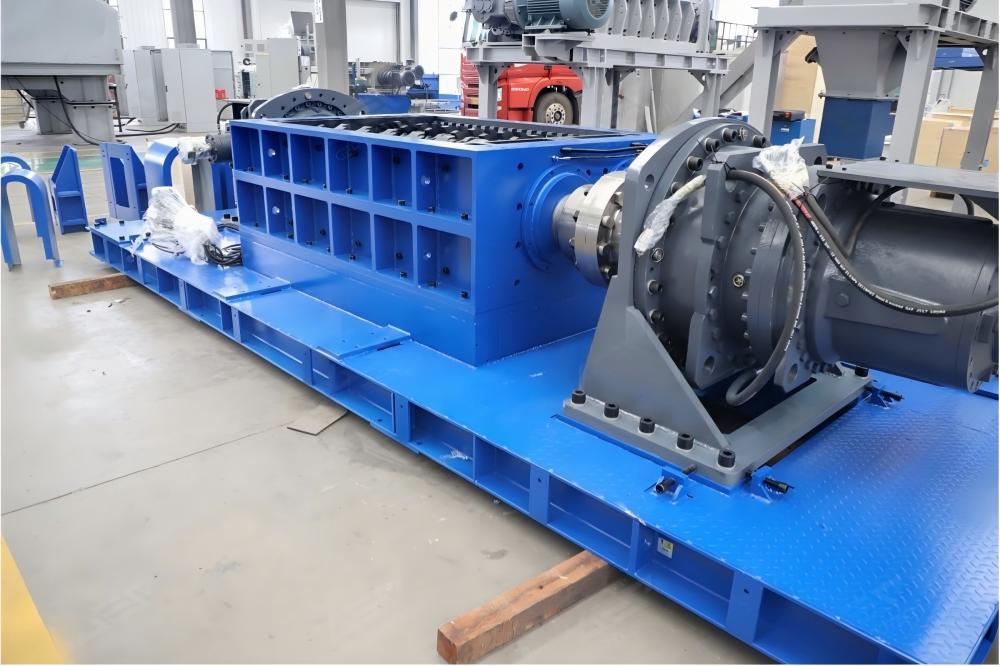
In many HARSLE models, the drive train includes a fluid coupling or a mechanical shear pin designed to protect the motor from catastrophic failure during a jam. If these safety features are triggered, the machine will stop. Troubleshooting involves checking the integrity of the coupling and ensuring that the gearbox oil is at the correct level and free of metal shavings, which would indicate internal wear.
3. Electrical Overload and PLC Logic
Modern industrial shredders utilize sophisticated electrical systems to manage the shredding process. The PLC monitors the current (amperage) drawn by the motor. When the blades encounter a tough object, the amperage spikes. To prevent the motor from burning out, the PLC is programmed with an “Auto-Reverse” function. This function stops the shafts and rotates them in the opposite direction for a few seconds to reposition the material before attempting to shred again.
If the machine is constantly reversing, it is a sign of a “soft jam” or an impending “hard jam.” A hard jam occurs when the material is so dense that even the auto-reverse cannot clear it. In these cases, the electrical system will trip the circuit breaker or trigger an emergency stop. Troubleshooting here requires checking the PLC settings—sometimes the sensitivity is set too high, or the reverse duration is too short to effectively clear the blades.
4. Hydraulic System Failures
For shredders that utilize hydraulic drives or hydraulic rammers (to push material into the blades), the hydraulic system is a common point of failure. Low hydraulic pressure can result in the rammer failing to retract, or the drive motors lacking the power to push through a dense load. Leaks in the hydraulic lines or a malfunctioning pressure relief valve can cause the machine to stall under loads it would normally handle with ease. Monitoring pressure gauges and inspecting seals is a vital part of the technical maintenance routine.
Selection Advice: Choosing a Shredder to Minimize Jams
When purchasing a new industrial shredder, selecting the right specifications is the best way to prevent future jamming issues. At HARSLE, we recommend a thorough analysis of your waste stream before finalizing a machine choice. Here are the key factors to consider:
- Motor Power and Torque: Ensure the motor has sufficient horsepower and, more importantly, high torque at low speeds. Dual-motor systems often provide better redundancy and power distribution for heavy-duty metal shredding.
- Blade Geometry: Different materials require different blade profiles. For example, “hooked” blades are excellent for grabbing plastic film, while “square” or “notched” blades are better for thick timber or light metals.
- Shaft Configuration: Single-shaft shredders are ideal for uniform output size, but twin-shaft or four-shaft shredders offer superior “grabbing” capability for bulky items, significantly reducing the risk of bridging and jamming.
- PLC Customization: Look for machines that allow you to adjust the auto-reverse parameters. Being able to fine-tune how the machine reacts to an overload can save hours of manual clearing time.
- Ease of Maintenance: Choose a design that allows for easy access to the cutting chamber. If a hard jam does occur, you want to be able to clear it safely and quickly without dismantling the entire machine.
By investing in a machine that is slightly over-specified for your current needs, you create a buffer that accommodates variations in material density, thereby reducing the frequency of jams and extending the service life of the equipment.
Comprehensive Troubleshooting Checklist
When a jam occurs, follow this systematic approach to Industrial Shredder Troubleshooting : Common Causes Of Jamming Fix Them:
| Step | Action Item | Technical Detail |
|---|---|---|
| 1 | Safety Lockout | Ensure the machine is powered down and locked out (LOTO) before any physical inspection. |
| 2 | Visual Inspection | Check for “Tramp Metal” (unshreddable items like thick steel plates or engine blocks) wedged in the blades. |
| 3 | Manual Reverse | Use the control panel to manually pulse the machine in reverse to see if the obstruction dislodges. |
| 4 | Clear the Hopper | Remove excess material from the hopper to reduce the weight and pressure on the cutting shafts. |
| 5 | Check Blade Gap | Measure the distance between blades. If it exceeds manufacturer specs, the blades may need tightening or replacement. |
| 6 | Inspect Drive Belts/Couplings | Check for slippage or broken components in the drive train that might prevent torque transfer. |
| 7 | Monitor Amperage | Observe the control panel during restart. If amps spike immediately without material, there is a mechanical bind. |
FAQ: Frequently Asked Questions
What is the most common cause of a hard jam?
The most common cause of a hard jam is the introduction of “tramp material”—objects that the shredder was not designed to process. This often includes heavy steel bolts, thick rebar, or solid metal chunks that exceed the shearing capacity of the blades. These items become wedged between the blades and the frame, requiring manual removal.
How often should I sharpen my industrial shredder blades?
The frequency of sharpening depends entirely on the material being processed. For abrasive materials like glass-filled plastics or sandy wood, blades may need attention every few hundred hours. For cleaner materials, they may last thousands of hours. A good rule of thumb is to monitor the output quality; if the material looks torn rather than cut, it is time to inspect the blades.
Can I fix a jam by just pouring lubricant into the chamber?
No, this is not recommended. Lubricants can contaminate the material being recycled and may cause the blades to lose their grip on the material, making the problem worse. Jams should be cleared mechanically or through the machine’s built-in reverse cycles.
Why does my shredder keep reversing even when the hopper isn’t full?
This usually indicates that the PLC’s overload threshold is set too low, or there is a mechanical drag in the system. Check for wrapped material (like wire or plastic film) around the shafts or bearings, which creates constant resistance even when no new material is being fed.
Is it safe to clear a jam while the motor is humming?
Absolutely not. A humming motor indicates it is stalled but still energized. This is a high-risk situation where the motor could suddenly overcome the jam or burn out. Always engage the emergency stop and follow LOTO procedures before reaching into the cutting chamber.
Conclusion: Proactive Maintenance for Maximum Uptime
Mastering Industrial Shredder Troubleshooting : Common Causes Of Jamming Fix Them is an ongoing process of observation and maintenance. While jams are an inherent risk in high-volume shredding, they do not have to be a daily occurrence. By focusing on proper material feeding, maintaining blade sharpness, and ensuring the electrical and hydraulic systems are tuned correctly, you can significantly reduce downtime.
HARSLE remains committed to providing the metal fabrication and recycling industries with the most durable and intelligent shredding solutions. Our machines are designed with the operator in mind, featuring intuitive controls and robust mechanical designs that simplify the troubleshooting process. Remember, the key to a productive facility is not just having the right machine, but knowing how to maintain it. Regular inspections, operator training, and a proactive approach to wear-and-tear will ensure your HARSLE industrial shredder continues to perform at its peak for years to come.