Why Is My Industrial Shredder Consuming Too Much Power?

Introduction to Industrial Shredder Power Consumption
In the modern landscape of metal fabrication and waste management, the industrial shredder stands as a cornerstone of efficiency. However, many operators eventually find themselves asking: Is My Industrial Shredder Consuming Too Much Power? High energy consumption is not merely a financial burden; it is often a symptom of underlying mechanical or operational issues that, if left unaddressed, can lead to catastrophic equipment failure and significant downtime. At HARSLE, we understand that optimizing power usage is critical for maintaining a competitive edge in the industry.
Industrial shredders are designed to handle immense loads, processing everything from aluminum scrap to heavy-duty plastics and electronic waste. Because these machines rely on high-torque motors and complex gear systems, their energy profile is naturally higher than lighter machinery. However, when power bills spike or the motor consistently runs at its thermal limit, it indicates that the system is working harder than it was designed to. This inefficiency can stem from various factors, including blade wear, improper material feeding, or electrical imbalances.
Understanding the nuances of power consumption requires a deep dive into the physics of shredding. It is not just about the motor’s horsepower; it is about how that power is transmitted to the cutting shafts and how effectively the blades penetrate the material. In this comprehensive guide, we will explore the technical reasons behind excessive power draw and provide actionable advice on how to restore your shredder to peak efficiency.

Key Considerations for High Power Consumption
The Impact of Blade Condition and Geometry
The most common culprit behind excessive power draw is the condition of the shredder blades. As blades dull, they lose their ability to cleanly shear or tear through material. Instead of cutting, the blades begin to crush or rub against the waste, which requires significantly more force. This increased resistance translates directly into higher amperage draw from the motor. Operators often overlook the gradual degradation of blade edges, but even a slight rounding of the cutting profile can increase energy consumption by 20% to 30%.
Furthermore, the gap between the blades (the clearance) plays a vital role. If the clearance is too wide, material can become wedged between the shafts rather than being cut, leading to a phenomenon known as “material packing.” This creates immense friction and forces the motor to work against the internal resistance of the jammed material. Regular inspection and sharpening of blades are essential to ensure that the machine operates within its intended power parameters.
Material Characteristics and Feed Rates
Not all materials are created equal. The physical properties of the input material—such as tensile strength, elasticity, and density—directly dictate the power required for processing. For instance, shredding thin-gauge aluminum requires far less energy than processing high-carbon steel or reinforced rubber tires. If your facility has recently changed the type of material being processed without adjusting the shredder settings, you may notice a surge in power usage.
Feeding habits also contribute to energy spikes. Overloading the hopper or “slug feeding” (dumping large volumes of material at once) forces the shredder to operate at its peak torque capacity for extended periods. This not only consumes more electricity but also generates excessive heat in the motor windings. A consistent, metered feed rate is always more energy-efficient than intermittent, heavy loading. Implementing automated feeding systems can help maintain a steady flow and prevent the motor from constantly cycling between idle and peak load.
Mechanical Friction and Lubrication
An industrial shredder is a symphony of moving parts, including bearings, gears, and drive chains. Any increase in internal friction will inevitably lead to higher power consumption. If bearings are worn or improperly lubricated, they create a drag on the drive system. Similarly, if the gearbox oil is contaminated or has lost its viscosity, the efficiency of power transmission from the motor to the shafts is compromised.
Mechanical misalignment is another factor. If the motor and gearbox are not perfectly aligned, or if the shafts have developed a slight bend due to processing non-shreddable items, the system must overcome additional parasitic loads. Regular vibration analysis and thermal imaging can help identify these friction points before they manifest as a massive increase in the utility bill. Maintenance teams should adhere to a strict lubrication schedule using high-quality, high-pressure lubricants designed for heavy industrial use.
Technical Details of Shredder Power Dynamics
Understanding Torque and Rotational Speed
The relationship between torque and speed is fundamental to shredder efficiency. Most industrial shredders are high-torque, low-speed machines. This configuration is achieved through heavy-duty gear reduction. The power (P) consumed by the motor is proportional to the product of torque (T) and angular velocity (ω). If the shredder encounters a tough material that requires more torque, the motor must draw more current to maintain its speed. If the motor cannot provide enough torque, it may stall or trigger a reverse cycle.
Reverse cycles are particularly energy-intensive. When a shredder detects an overload, it stops, reverses the shafts to clear the jam, and then moves forward again. Each time the motor reverses and restarts, it experiences an “inrush current” that can be several times higher than its nominal operating current. Frequent reversing is a clear sign that the machine is either underpowered for the application or that the material is not being processed efficiently, leading to massive energy waste.
The Role of Variable Frequency Drives (VFD)
One of the most effective ways to manage power consumption is through the use of Variable Frequency Drives (VFDs). A VFD allows the operator to control the speed of the motor by adjusting the frequency of the electrical supply. Without a VFD, a motor typically runs at a constant speed, regardless of the load. This means that even when the shredder is idling or processing light material, it may be consuming more power than necessary.
VFDs provide several energy-saving benefits. First, they allow for “soft starts,” which eliminate the massive current spikes associated with starting large motors. Second, they can automatically adjust the shaft speed based on the resistance encountered. If the material is easy to shred, the VFD can increase the speed; if a tough object is detected, it can increase torque while slowing down, preventing a full stall and the need for an energy-heavy reverse cycle. For many HARSLE customers, retrofitting an older shredder with a modern VFD is the single most effective way to reduce operational costs.
Power Factor and Electrical Efficiency
Power factor is a measure of how effectively electrical power is being converted into useful work. In systems with large inductive loads, like the motors found in industrial shredders, the power factor can often be low (below 0.8). A low power factor means that the system is drawing more “reactive power” from the grid, which does not perform work but still puts a strain on the electrical infrastructure and often results in penalties from utility companies.
Improving the power factor can be achieved through the installation of capacitor banks or by ensuring that motors are not significantly oversized for their task. An oversized motor running at low load typically has a very poor power factor. By monitoring the power factor of your shredder during operation, you can determine if the electrical system is optimized or if you are paying for “wasted” electricity that never actually helps shred a single piece of metal.
Selection Advice: Choosing the Right Shredder for Efficiency
Sizing the Motor Correcty
When purchasing a new industrial shredder, the temptation is often to choose the highest horsepower available to “future-proof” the operation. However, an oversized motor is inherently less efficient when running at partial loads. Conversely, an undersized motor will constantly run at its peak, leading to overheating and premature failure. The key is to match the motor’s power curve to the specific density and volume of the material you intend to process.
At HARSLE, we recommend conducting a material test before finalizing a purchase. By shredding a sample of your specific waste stream, engineers can calculate the exact torque requirements and select a motor and gearbox combination that operates within its “sweet spot” of efficiency (typically 70-85% load). This ensures that you have enough power for occasional tough items without wasting energy during standard operation.
Single-Shaft vs. Dual-Shaft Power Profiles
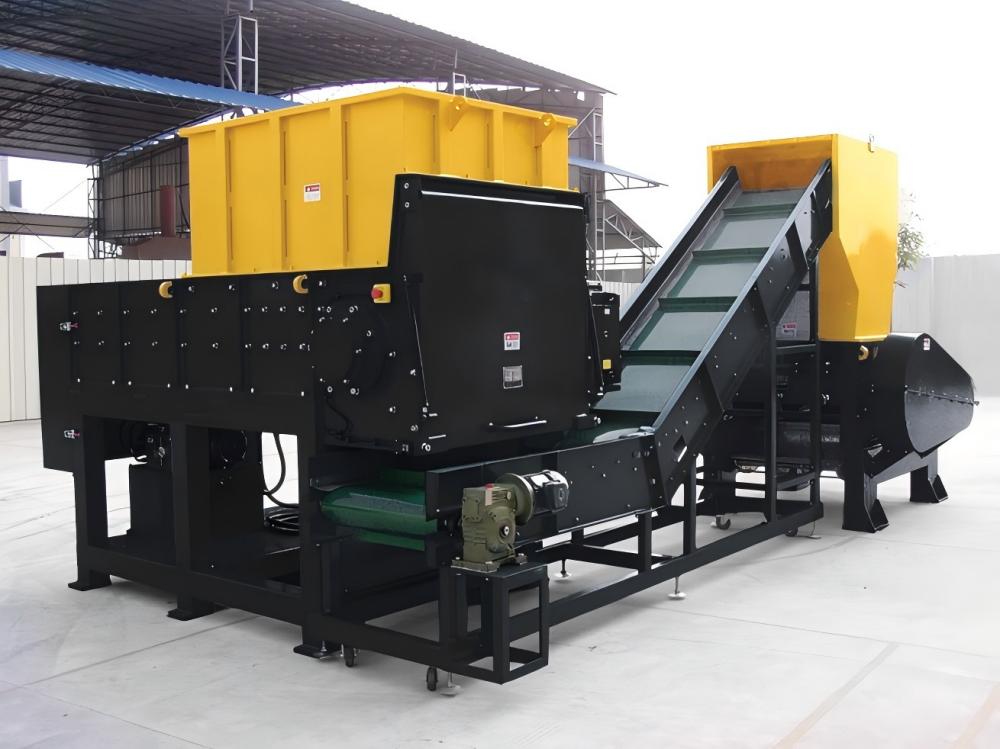
The architecture of the shredder also influences its power consumption. Single-shaft shredders typically use a hydraulic ram to push material against a high-speed rotating rotor. This design is excellent for achieving a specific particle size but can be energy-intensive due to the constant operation of the hydraulic system. Dual-shaft shredders, on the other hand, use two counter-rotating shafts at lower speeds. They rely on high torque to shear material and are generally more energy-efficient for bulk reduction of heavy scrap.
| Feature | Single-Shaft Shredder | Dual-Shaft Shredder |
|---|---|---|
| Primary Power Draw | High-speed rotor + Hydraulic ram | Low-speed, high-torque shafts |
| Energy Efficiency | Moderate (best for small sizes) | High (best for bulk scrap) |
| Heat Generation | Higher due to friction | Lower due to shearing action |
| Typical Application | Plastics, wood, uniform waste | Metal scrap, tires, bulky e-waste |
Maintenance Strategies to Reduce Energy Costs
To keep power consumption in check, a proactive maintenance strategy is non-negotiable. First, establish a baseline for power consumption when the machine is new or newly refurbished. Use a clamp-on ammeter to record the current draw under various load conditions. If you notice a steady increase in these numbers over several months, it is a clear indicator that maintenance is required.
Second, prioritize the cutting system. Sharpening blades might seem like a chore, but the energy savings often pay for the labor costs within weeks. For machines with replaceable inserts, ensure they are rotated or replaced according to the manufacturer’s schedule. Third, check the tension of drive belts. Loose belts can slip, wasting energy as heat, while overly tight belts put excessive radial load on motor bearings, increasing friction and power draw.
Finally, keep the electrical cabinet clean and cool. Dust buildup on heat sinks or within the VFD can lead to overheating, which reduces the efficiency of electronic components. Ensure that cooling fans are operational and that the ambient temperature around the motor is within the specified range. A motor running hot is a motor wasting electricity.
Frequently Asked Questions (FAQ)
1. Why does my shredder reverse so often?
Frequent reversing is usually caused by overloading the hopper, dull blades, or trying to shred material that exceeds the machine’s torque capacity. Each reverse cycle consumes a significant amount of energy and reduces overall throughput. Check your blade sharpness and consider reducing the feed rate.
2. Can a VFD really save that much money?
Yes. In many industrial applications, a VFD can reduce energy consumption by 20% to 50% by allowing the motor to run at lower speeds during idle periods and optimizing torque delivery during the shredding process. It also reduces mechanical wear, leading to lower long-term maintenance costs.
3. How often should I sharpen my shredder blades?
The frequency depends on the material being processed. For abrasive materials like glass-filled plastics or sandy scrap metal, blades may need attention every few hundred hours. For cleaner materials, they may last much longer. Monitor the motor’s amperage; when it starts to climb for the same material load, it’s time to sharpen.
4. Does the temperature of the machine affect power usage?
Yes. As motors and gearboxes heat up, their efficiency typically drops. High temperatures can also cause lubricants to thin out, increasing mechanical friction. Ensuring proper cooling and using the correct grade of oil for your operating environment is crucial for energy efficiency.
5. Is it better to run the shredder continuously or stop/start it?
Generally, it is better to run the shredder continuously with a steady feed. The inrush current required to start a large motor is very high. If you have gaps in your material supply, a VFD can slow the machine down to a “sleep” mode rather than shutting it off completely, which is much more efficient.
Conclusion: Optimizing Your Industrial Shredder
In conclusion, if you are asking Is My Industrial Shredder Consuming Too Much Power?, the answer is likely found in a combination of mechanical maintenance and operational strategy. By focusing on blade sharpness, proper lubrication, and the implementation of modern control technologies like VFDs, you can significantly reduce your energy footprint. High power consumption is not just a cost—it is a signal that your machine is under stress.
At HARSLE, we are committed to providing not only the highest quality metal fabrication equipment but also the technical knowledge required to run it efficiently. Whether you are processing scrap metal, plastic, or electronic waste, understanding the relationship between your material and your machine’s electrical draw is the first step toward a more sustainable and profitable operation. Regular audits of your shredder’s performance will ensure that it remains a productive asset rather than an energy-draining liability.
By following the selection and maintenance advice outlined in this guide, you can extend the life of your industrial shredder, reduce downtime, and keep your operational costs as low as possible. Efficiency in shredding is not just about the strength of the machine; it is about the precision of its operation.