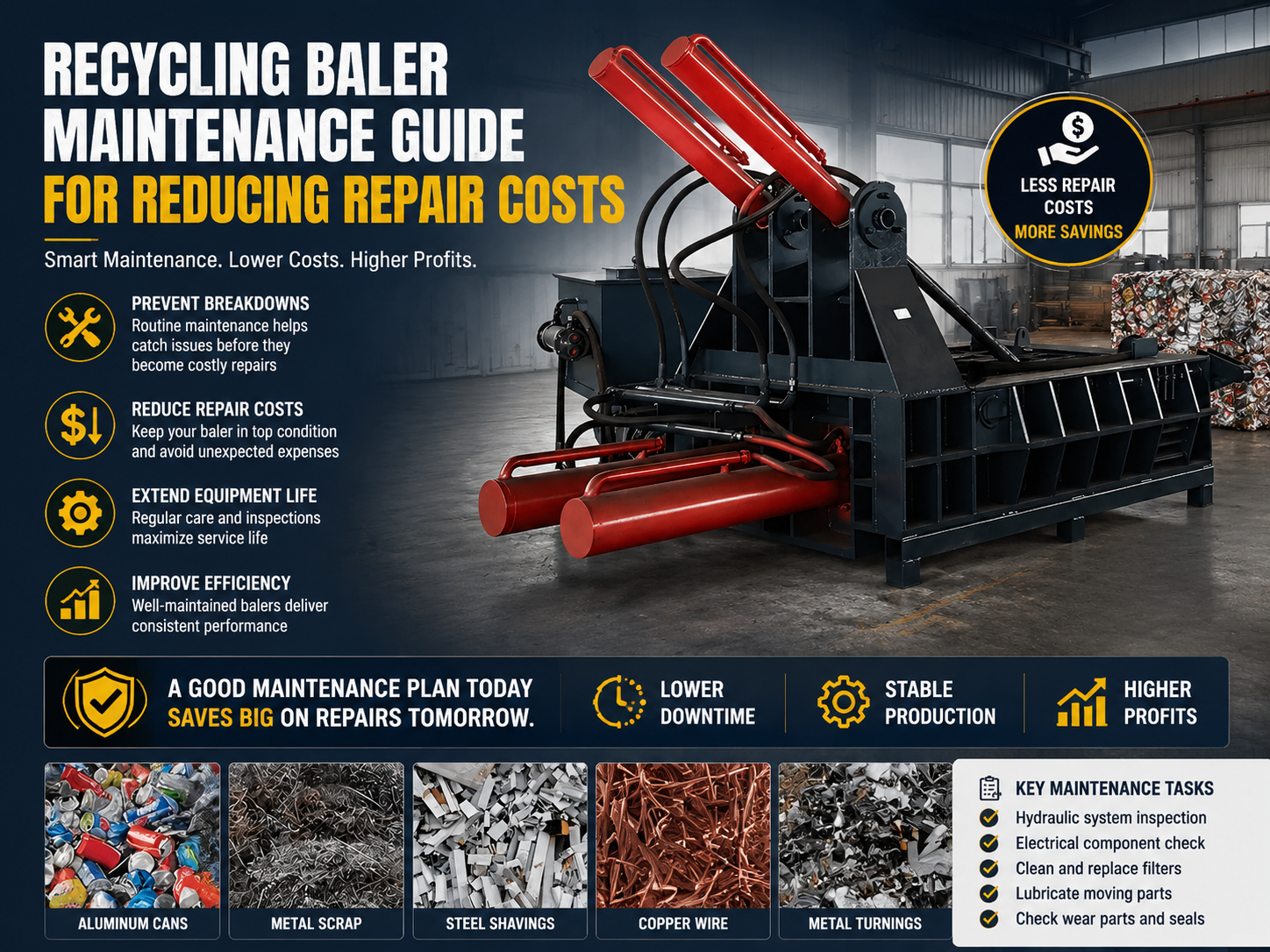
Comprehensive Recycling Baler Maintenance Guide for Reducing Repair Costs

The Critical Role of Maintenance in Industrial Recycling
In the high-intensity world of scrap metal processing and waste management, the recycling baler stands as the workhorse of the facility. Whether you are operating a vertical baler for cardboard or a heavy-duty horizontal scrap metal baler, the efficiency of your operation is directly tied to the health of your machinery. This Recycling Baler Maintenance Guide for Reducing Repair Costs is designed to provide facility managers and operators with a technical roadmap to ensure peak performance while minimizing the financial burden of unexpected breakdowns.
The primary objective of a robust maintenance strategy is to transition from a reactive mindset to a proactive one. Reactive maintenance—fixing things only when they break—is often three to five times more expensive than preventative maintenance. These costs are not just limited to spare parts and technician labor; they include the catastrophic loss of productivity, missed shipping deadlines, and potential safety hazards for the workforce. By implementing the strategies outlined in this guide, HARSLE users can significantly extend the service life of their equipment.
Modern recycling balers are complex systems integrating high-pressure hydraulics, precision mechanical components, and sophisticated electronic controls. Each of these subsystems requires specific attention. A failure in a single $50 seal, if left unaddressed, can lead to the contamination of an entire hydraulic reservoir, resulting in a repair bill reaching tens of thousands of dollars. Understanding the interconnectedness of these components is the first step in reducing long-term operational costs.
Why Proactive Maintenance is Essential for Reducing Repair Costs
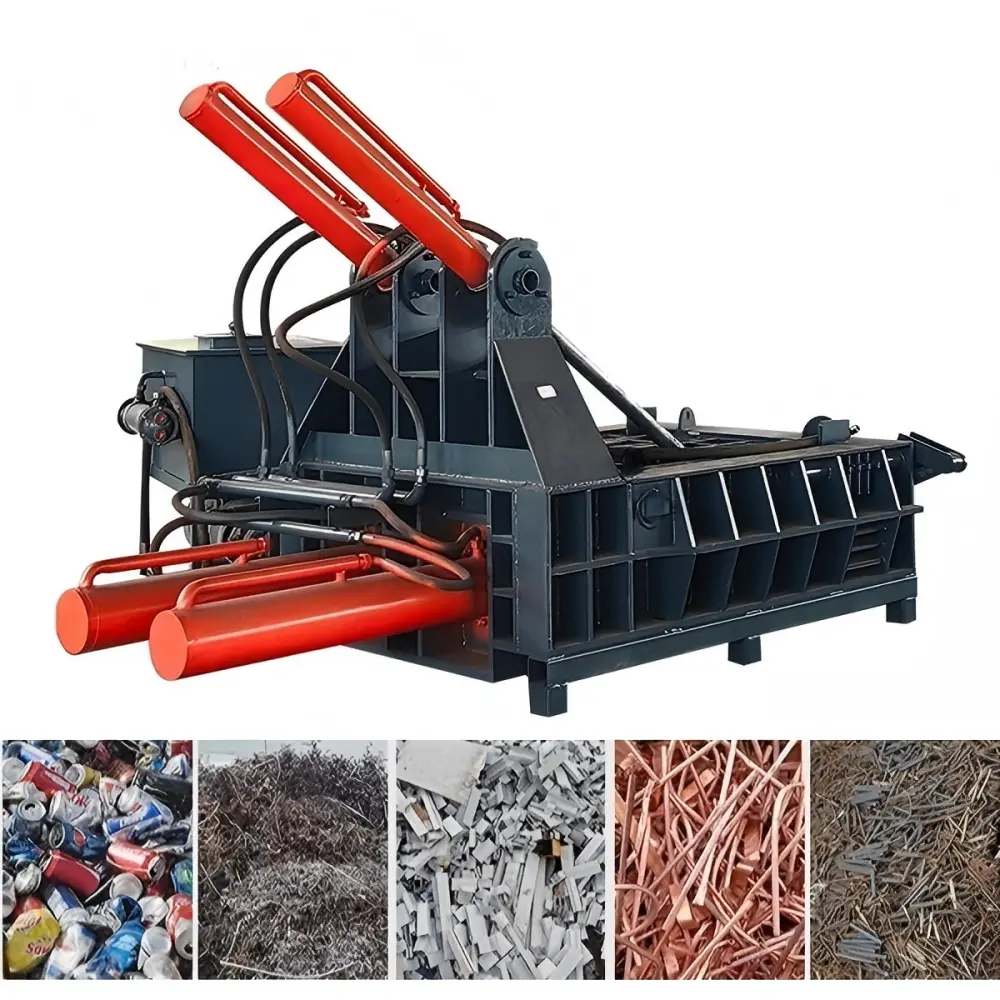
The financial logic behind Recycling Baler Maintenance Reducing Repair Costs is undeniable. When a machine is maintained according to manufacturer specifications, it operates at its designed efficiency. This means the motor draws less current, the hydraulic pumps work under less strain, and the structural frame is not subjected to the uneven stresses caused by misaligned rams or worn-out wear plates.
Furthermore, consistent maintenance preserves the resale value of the machinery. In the industrial equipment market, a well-documented maintenance log is as valuable as the machine itself. It proves to future buyers that the internal components have been protected from the abrasive dust and extreme pressures typical of recycling environments. For HARSLE customers, this translates to a lower total cost of ownership (TCO) over the machine’s lifecycle.
Safety is another paramount concern that overlaps with cost reduction. A malfunctioning baler is a dangerous baler. Unexpected movements, structural failures, or high-pressure oil leaks can lead to severe workplace injuries. The legal and insurance costs associated with a single accident can far outweigh a decade’s worth of maintenance expenses. Therefore, maintaining your baler is not just a financial decision; it is a fundamental responsibility to your team.
Daily Inspection: The First Line of Defense
The most effective way to prevent major repairs is through a rigorous daily inspection routine. This should be performed at the start of every shift before the machine is under load. Operators should be trained to use their senses—sight, sound, and smell—to detect early warning signs of trouble. A clean machine is easier to inspect; therefore, the first step of any daily routine should be the removal of debris from the ram path and the surrounding work area.
Visual checks should focus on hydraulic hoses and fittings. Look for signs of “weeping” or dampness, which indicate a failing seal or a loose connection. Even a small drip can lead to significant oil loss over time and, more importantly, allows contaminants to enter the system. Check the oil level in the sight glass; if the oil appears milky, it indicates water contamination, while a dark, burnt smell suggests overheating and oxidation.
Mechanical fasteners are also a priority. The vibrations inherent in baling metal can loosen even the most secure bolts. Pay close attention to the bolts securing the wear plates and the shearing blades. If these components become loose, they can cause catastrophic damage to the ram or the main chamber. Finally, test all safety devices, including emergency stop buttons and interlock switches on the doors. If a safety feature is not functioning perfectly, the machine must be locked out until it is repaired.
Hydraulic System Maintenance: The Heart of the Baler
The hydraulic system is the most critical and often the most expensive part of a recycling baler. To achieve Recycling Baler Maintenance Reducing Repair Costs, one must prioritize hydraulic health. The hydraulic oil serves multiple purposes: it transmits power, lubricates moving parts, and carries heat away from the system. Over time, the oil breaks down due to heat and pressure, and it becomes contaminated with microscopic metal particles and dust.
Regular oil analysis is a highly recommended practice for large-scale operations. By sending a small sample of oil to a lab, you can detect the presence of specific metals that indicate which internal components are wearing out. For example, high levels of brass might suggest a failing pump, while high iron levels could point to cylinder wall wear. This allows you to replace a single component during scheduled downtime rather than waiting for a total system failure.
Filter management is equally vital. Most HARSLE balers are equipped with high-efficiency return-line filters and suction strainers. These filters must be changed according to the manufacturer’s hourly schedule, or sooner if the bypass indicator shows they are clogged. Never operate a baler with a clogged filter, as this allows unfiltered oil to circulate through the sensitive valves and pumps, causing rapid abrasive wear. Additionally, ensure the cooling system (whether air-cooled or water-cooled) is clean and functioning to prevent the oil from exceeding its maximum operating temperature, typically around 60°C (140°F).
Electrical and Control System Checks
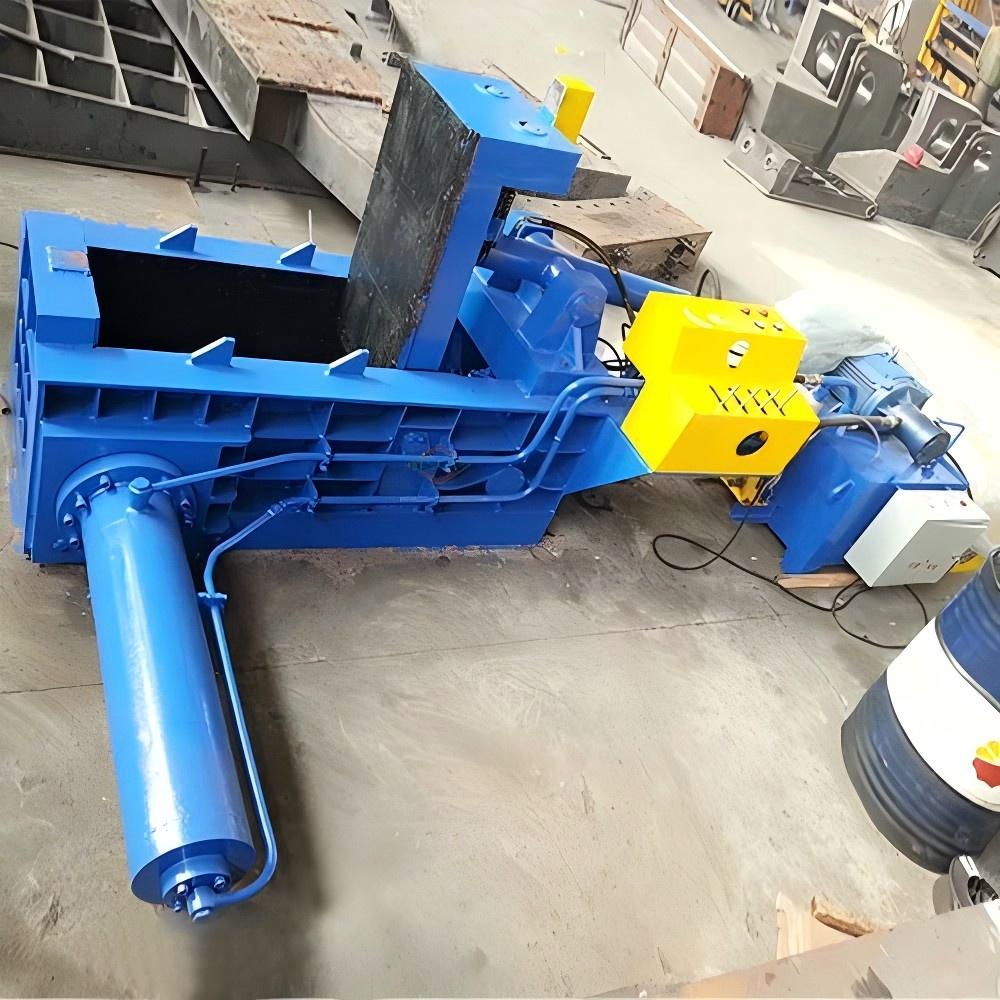
While the mechanical and hydraulic systems do the heavy lifting, the electrical system provides the intelligence. Modern balers utilize Programmable Logic Controllers (PLCs) and various sensors to manage the baling cycle. Dust, vibration, and heat are the primary enemies of electrical components. Periodically open the control cabinet (after ensuring the power is disconnected) and use compressed air to blow out any accumulated dust, which can cause overheating or short circuits.
Check all wiring for signs of fraying or heat damage. Vibrations can cause wires to rub against sharp metal edges, eventually wearing through the insulation. Ensure that all terminal screws are tight, as loose connections create resistance, which leads to heat and potential fire hazards. Sensors, such as limit switches and pressure transducers, should be checked for proper alignment and cleanliness. A dirty proximity sensor might fail to detect the ram’s position, leading to a mechanical collision.
Software and calibration also play a role. If your baler features a touch-screen HMI, ensure it is responsive and that the pressure settings are calibrated correctly. Over-pressurizing the system to achieve denser bales might seem productive, but it puts unnecessary strain on every component, from the motor to the frame, significantly increasing the likelihood of a major failure.
Mechanical Components and Structural Integrity
The mechanical structure of a recycling baler is subjected to immense forces. The ram, the chamber walls, and the shearing blades must be kept in optimal condition. One of the most important mechanical tasks is maintaining the proper clearance between the ram and the chamber walls. This is managed by adjustable wear plates. As these plates wear down, the ram can begin to tilt or twist, leading to uneven wear on the hydraulic cylinder’s rod and seals.
Shearing blades, found in many scrap metal balers, must be kept sharp. Dull blades do not cut cleanly; instead, they tear and wedge material between the blades, which requires significantly more hydraulic pressure and can cause the frame to flex. Regularly inspect the blades for chips or rounding. Depending on the material being processed, blades may need to be rotated or sharpened every few months. Proper blade maintenance can reduce the energy consumption of the machine by up to 20%.
Finally, inspect the structural welds of the machine. Look for hairline cracks in the corners of the baling chamber or around the cylinder mounts. If caught early, these cracks can be ground out and re-welded by a professional. If ignored, they will propagate until the frame suffers a structural failure, which is often the point at which a machine becomes a total loss.
The Lubrication Plan: Reducing Friction and Wear
Lubrication is the simplest yet most frequently neglected aspect of Recycling Baler Maintenance Reducing Repair Costs. Anywhere two metal surfaces move against each other, there must be a layer of lubricant. For a recycling baler, this includes the ram guides, door hinges, and pivot points of the linkage systems. Without proper lubrication, friction generates heat, which leads to galling and rapid material loss.
A professional lubrication plan specifies the type of lubricant to be used (e.g., EP2 grease), the method of application, and the frequency. Some HARSLE models come equipped with automatic lubrication systems. These systems must be checked daily to ensure the reservoir is full and that the distribution lines are not blocked or broken. If you are lubricating manually, ensure that you clean the grease fittings before attaching the grease gun to prevent pumping dirt into the bearing.
Over-lubrication can be just as problematic as under-lubrication. Excess grease can attract abrasive dust and grit, creating a grinding paste that accelerates wear. The goal is to maintain a clean, consistent film of lubricant. In environments with extreme temperatures, you may need to switch to a different grade of lubricant for summer and winter to ensure proper flow and protection.
Troubleshooting Signals: Listening to Your Machine
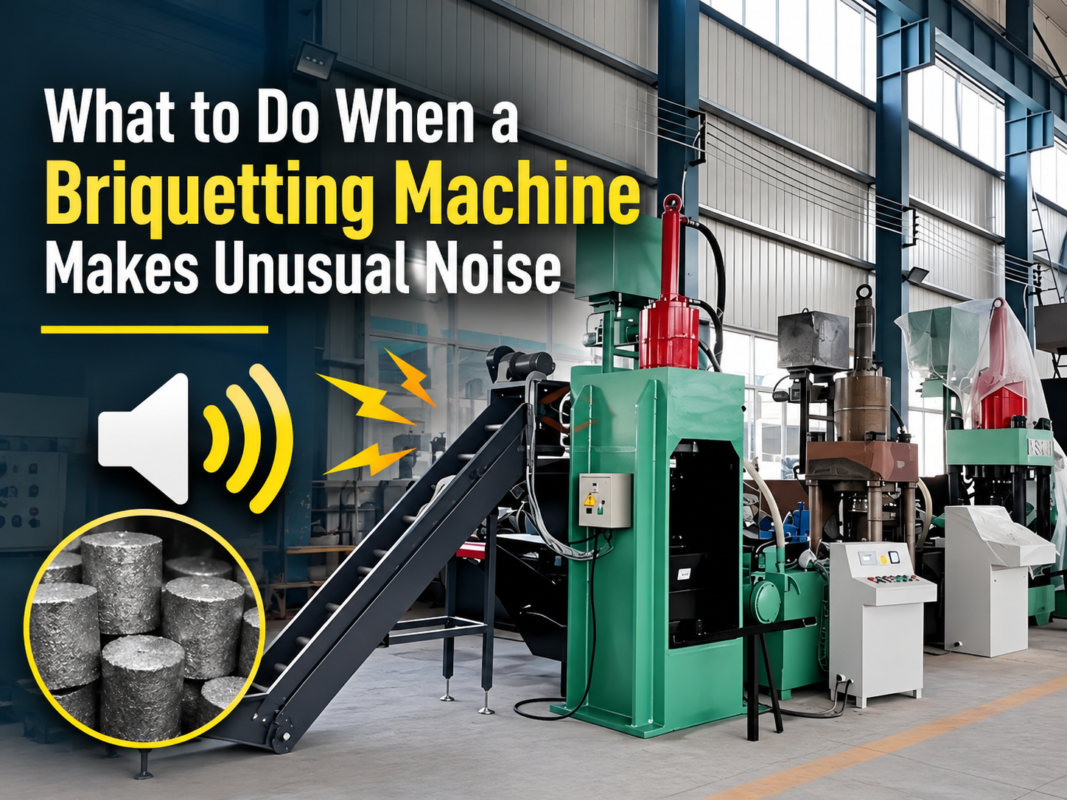
Experienced operators can often tell if a baler is failing just by the sound it makes. A high-pitched whining noise often indicates pump cavitation, which occurs when the pump is starved of oil—usually due to a clogged suction strainer or a leak in the intake line. Cavitation can destroy a hydraulic pump in a matter of hours. A banging or clunking sound during the cycle might indicate a loose wear plate or a mechanical obstruction in the ram path.
Heat is another major signal. If the hydraulic tank feels excessively hot to the touch, the system is working too hard or the cooling system has failed. Excessive heat thins the oil, reducing its lubricating properties and damaging seals. Slow cycle times are also a red flag. If the ram is moving slower than usual, it could indicate internal leakage in the cylinder or a pump that is losing efficiency. Monitoring these signals allows for “just-in-time” maintenance that prevents a total breakdown.
Maintenance Schedule Table
To simplify your Recycling Baler Maintenance Reducing Repair Costs strategy, use the following table as a baseline for your facility’s schedule.
| Frequency | Task Description | Component Focus |
|---|---|---|
| Daily | Visual inspection for leaks, debris removal, and safety test. | Hoses, Ram, E-Stops |
| Weekly | Check oil levels, inspect wear plates, and lubricate pivot points. | Hydraulic Tank, Guides |
| Monthly | Inspect electrical connections and clean cooling fans/heat exchangers. | Control Cabinet, Cooler |
| Quarterly | Check blade sharpness and tighten all structural bolts. | Shear Blades, Frame |
| Annually | Full hydraulic oil analysis and comprehensive system calibration. | Complete System |
Frequently Asked Questions (FAQ)
How often should I change the hydraulic oil in my recycling baler?
Generally, hydraulic oil should be changed every 2,000 to 4,000 operating hours. However, this depends heavily on the operating environment and oil quality. The best practice is to perform annual oil analysis and change the oil only when the additives have depleted or contamination levels are too high, which can save money on unnecessary oil changes.
What is the most common cause of baler failure?
Contamination of the hydraulic system is the leading cause of failure. Dust, moisture, and metal particles can damage sensitive valves and pumps. Keeping the oil clean through regular filter changes and ensuring the reservoir breather is functional are the best ways to combat this.
Can I use any type of hydraulic oil?
No. You must use the oil viscosity and type recommended by HARSLE, typically an ISO 46 or ISO 68 anti-wear (AW) hydraulic oil. Using the wrong oil can lead to poor performance, overheating, and premature component wear, especially in extreme temperature environments.
Why is my baler making a loud vibrating noise?
Vibration is often caused by air entering the hydraulic system (aeration), a misaligned pump-motor coupling, or loose mechanical components. Check for leaks on the suction side of the pump and ensure all mounting bolts are tightened to the correct torque specifications.
How do I know when to replace the wear plates?
Wear plates should be replaced when they reach the minimum thickness specified in your HARSLE manual or when you can no longer adjust them to maintain the proper ram clearance. Operating with worn plates will eventually damage the main structure of the baling chamber.
Conclusion
Implementing a comprehensive Recycling Baler Maintenance Guide for Reducing Repair Costs is an investment in the future of your business. By dedicating time to daily inspections, prioritizing hydraulic health, and maintaining a strict lubrication schedule, you can avoid the high costs of emergency repairs and unplanned downtime. Remember that a well-maintained HARSLE baler is not just a piece of machinery; it is a reliable asset that drives the profitability and safety of your recycling operations. Stay proactive, keep your equipment clean, and always follow the manufacturer’s guidelines to ensure your baler serves you for decades to come.