Seasonal Maintenance Tips for Recycling Balers in Heavy-Duty Production

The Critical Role of Seasonal Maintenance in Heavy-Duty Recycling
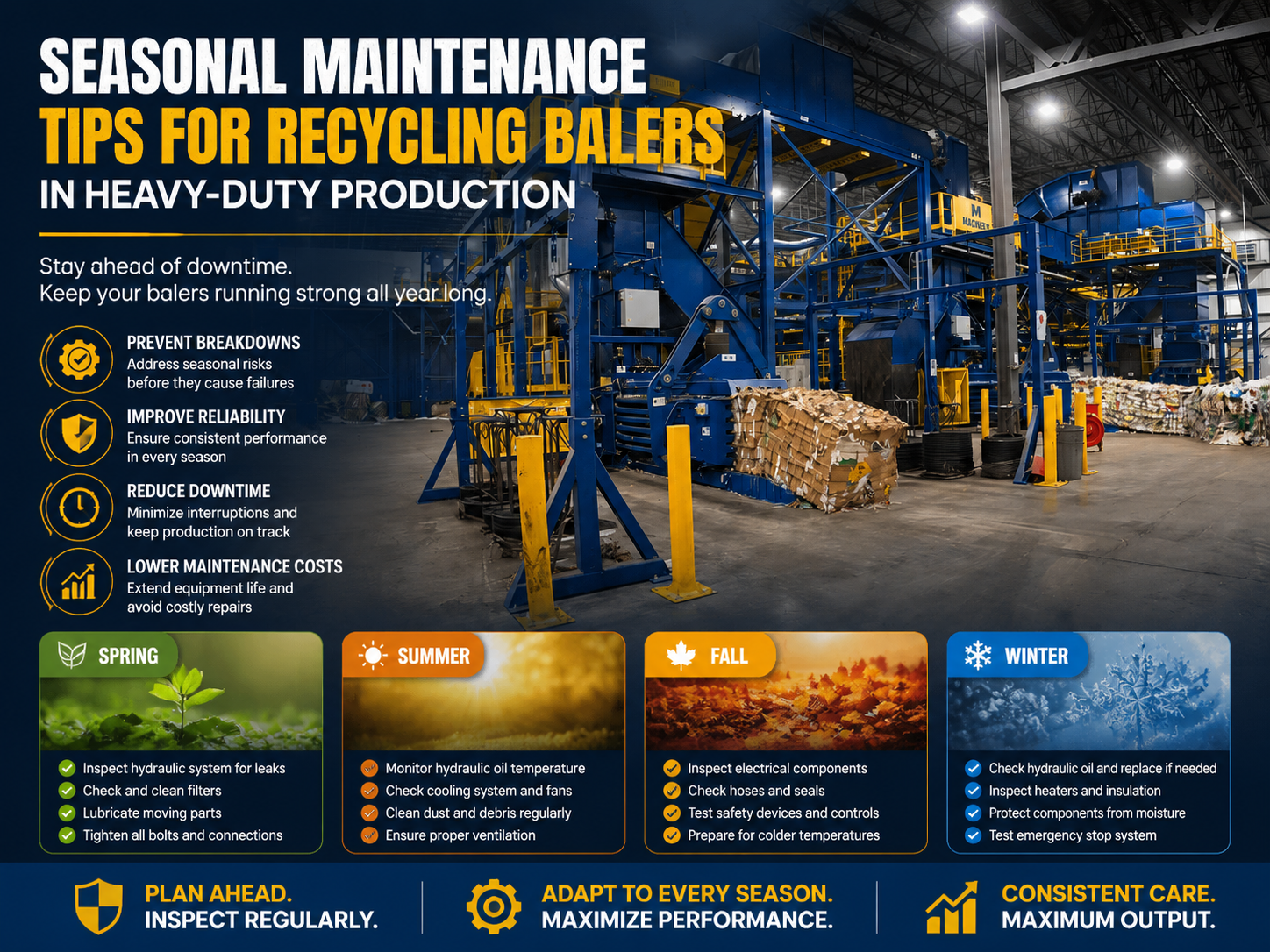
In the demanding world of waste management and metal fabrication, the recycling baler stands as a cornerstone of operational efficiency. However, the transition between seasons—from the blistering heat of summer to the bone-chilling cold of winter—presents unique challenges to these robust machines. Implementing Seasonal Maintenance Tips Recycling Balers In Heavy-Duty Production is not merely a suggestion; it is a necessity for facilities aiming to minimize downtime, protect their capital investment, and ensure the safety of their operators. Heavy-duty production environments subject machinery to high-cycle stress, which is compounded by environmental variables like humidity, temperature fluctuations, and airborne contaminants.
Seasonal maintenance goes beyond the standard daily checks. It involves a deep dive into the machine’s core systems to adjust for thermal expansion, fluid viscosity changes, and the wear patterns that emerge over months of continuous use. For instance, a baler operating in a facility without climate control will experience significant hydraulic oil thinning in the summer, potentially leading to pump cavitation or seal failure. Conversely, winter brings the risk of thickened oil that can strain motors and cause sluggish cycle times. By adhering to a structured seasonal plan, managers can preempt these issues before they escalate into costly repairs.
Furthermore, the financial implications of neglecting seasonal care are profound. A sudden breakdown during a peak production season can result in thousands of dollars in lost revenue and emergency repair fees. Beyond the financial aspect, a well-maintained baler is a safer baler. Components that are regularly inspected and calibrated are less likely to fail catastrophically, protecting the workforce from high-pressure hydraulic leaks or mechanical structural failures. This guide provides a comprehensive roadmap for maintaining your HARSLE recycling balers and similar industrial equipment throughout the year.
Ultimately, the goal of seasonal maintenance is to achieve ‘predictive’ rather than ‘reactive’ care. By understanding how your equipment reacts to the changing environment, you can schedule interventions during planned shutdowns, ensuring that when the production floor is at its busiest, your recycling baler is performing at its peak. Let us explore the specific steps required to keep your heavy-duty baler in top-tier condition regardless of the weather outside.
Daily Inspection: The First Line of Defense
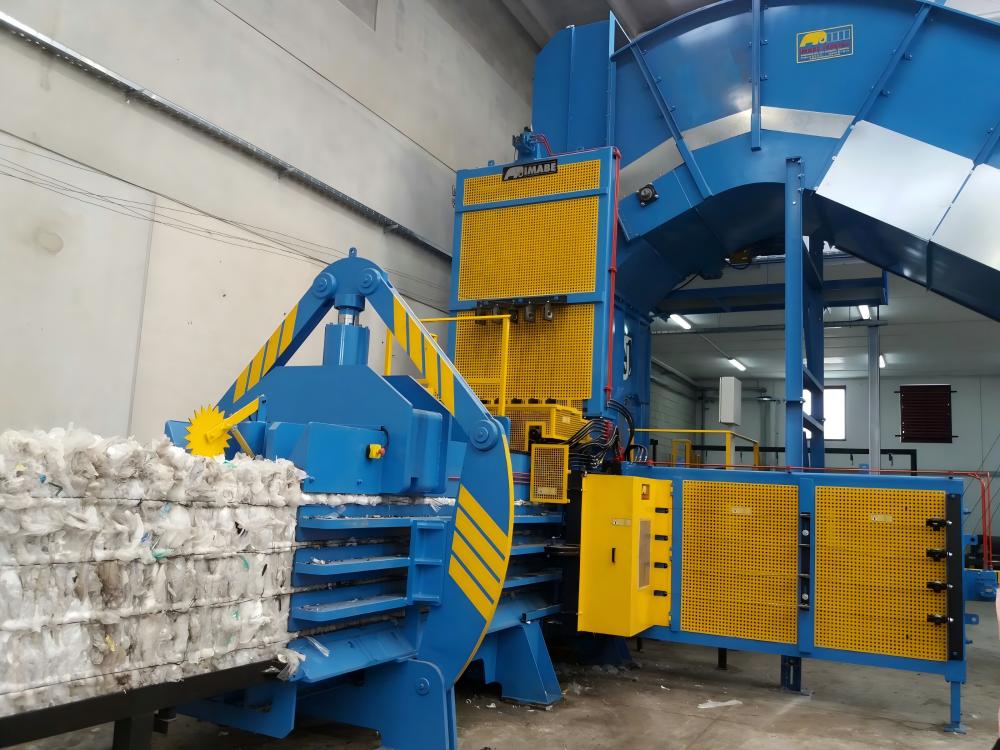
Before diving into seasonal specifics, it is vital to establish a rigorous daily inspection routine. In heavy-duty production, the sheer volume of material processed—whether it be OCC, plastics, or scrap metal—creates an environment where debris can quickly accumulate in sensitive areas. Daily inspections act as an early warning system, allowing operators to catch minor issues like loose bolts or small hydraulic seeps before they become major failures. Every shift should begin with a visual walk-around of the machine, checking for any obvious signs of distress or obstruction.
The first priority during a daily check is the removal of debris. Material can often find its way behind the ram or near the limit switches, which can cause the machine to misread its position or lead to structural damage over time. Operators should use compressed air or specialized brushes to clear out the bale chamber and the area around the hydraulic cylinders. This simple act prevents the ‘grinding’ effect that occurs when dust and grit mix with lubricants, creating an abrasive paste that accelerates the wear of bushings and pins.
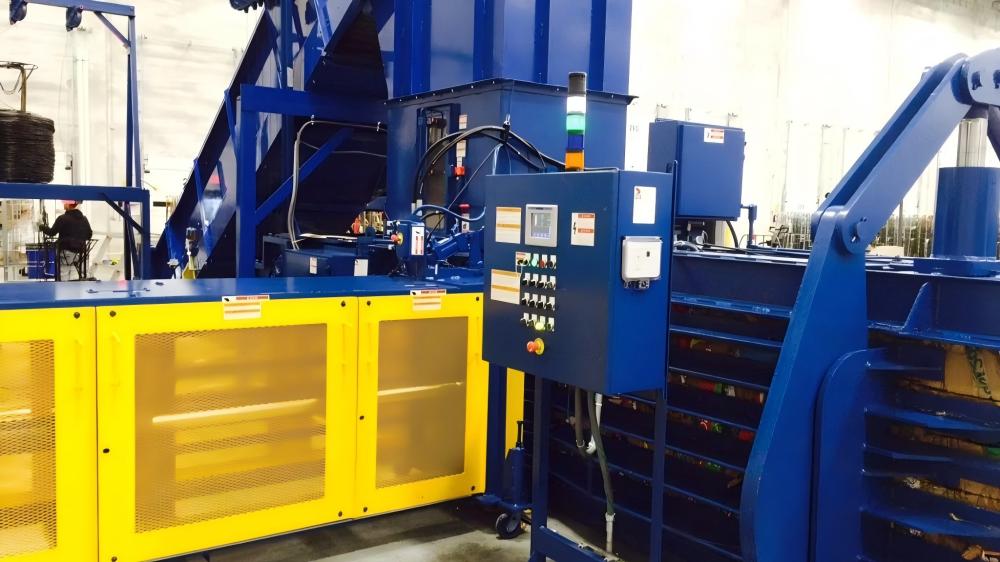
Safety systems must also be verified daily. This includes checking the functionality of emergency stop buttons, safety gates, and light curtains. In a heavy-duty environment, the vibration of the machine can occasionally loosen electrical connections or misalign sensors. Ensuring these systems are operational is non-negotiable. Additionally, operators should listen for unusual noises—such as high-pitched squeals from the pump or clunking sounds from the ram—which often indicate that a component is nearing the end of its service life or requires immediate lubrication.
Finally, the daily inspection should include a check of the hydraulic fluid levels and the condition of the hoses. Look for ‘weeping’ at the fittings or any signs of abrasion on the hose jackets. In heavy-duty production, hoses are frequently subjected to pressure spikes; a small nick in the outer casing can quickly lead to a high-pressure burst. By documenting these daily checks in a logbook, maintenance managers can track the ‘health’ of the machine over time, making the transition to more intensive seasonal maintenance much smoother.
Hydraulic System: Managing Fluid Dynamics and Temperature
The hydraulic system is the heart of the recycling baler, and it is the system most affected by seasonal changes. The primary concern is the viscosity of the hydraulic oil. In heavy-duty production, the oil must maintain a specific thickness to lubricate the pump and provide the force necessary to compress dense materials. During the summer, high ambient temperatures can cause the oil to exceed its optimal operating range (typically 100°F to 140°F). When oil becomes too thin, it loses its lubricating properties, leading to increased friction and heat, which further degrades the oil in a destructive cycle.
To combat summer heat, ensure that the oil cooling system—whether air-cooled or water-cooled—is functioning perfectly. Clean the heat exchanger fins to remove dust and lint, which act as insulation and prevent heat dissipation. If your facility experiences extreme heat, consider switching to a higher viscosity oil (such as ISO 68) for the summer months, but always consult the manufacturer’s guidelines before making a change. Monitoring the oil temperature gauge should be a priority for operators during long shifts in the summer.
Winter presents the opposite challenge. Cold temperatures cause hydraulic oil to thicken, which can lead to pump cavitation—a condition where the pump cannot pull enough oil from the reservoir, creating vacuum bubbles that implode and damage internal components. To prevent this, many heavy-duty balers are equipped with tank heaters. Ensure these heaters are operational before the first frost. It is also advisable to allow the machine to run in a ‘warm-up’ mode, cycling the ram without material for several minutes to circulate the oil and bring it up to a safe operating temperature before starting full production.
Regardless of the season, hydraulic oil filtration is paramount. Heavy-duty production generates significant internal contaminants. Seasonal maintenance should include a thorough inspection of all filters. If the bypass indicator is active, the filter must be changed immediately. Furthermore, consider performing an annual oil analysis. This laboratory test can detect microscopic metal particles that indicate internal component wear, as well as moisture content and chemical breakdown of the fluid, allowing for a data-driven approach to oil changes rather than relying on guesswork.
Electrical and Control Systems: Precision in Harsh Environments
Modern recycling balers rely on sophisticated PLC (Programmable Logic Controller) systems and a network of sensors to manage the complex baling cycles. These electrical components are sensitive to the environmental extremes found in heavy-duty production. One of the most common issues during seasonal transitions is moisture. In the spring and autumn, rapid temperature changes can cause condensation to form inside electrical cabinets. This moisture can lead to short circuits, corrosion of terminals, and erratic behavior of the PLC.
To mitigate moisture issues, ensure that all electrical cabinet seals are intact and that the doors are kept closed at all times. Some high-end balers utilize cabinet heaters or desiccant packs to maintain a dry internal environment. During your seasonal check, inspect all wiring for signs of thermal damage or brittle insulation. In heavy-duty applications, the heat generated by the motors and the vibration of the frame can cause wires to rub against sharp edges or loosen from their terminal blocks. Tightening these connections can prevent ‘ghost’ faults that are difficult to diagnose.
Sensors and limit switches require special attention. These components are often located in areas where they are exposed to dust and physical impact. A misaligned limit switch can cause the ram to over-travel, leading to catastrophic mechanical damage. Seasonally, these sensors should be cleaned and their mounting brackets checked for rigidity. For balers used in scrap metal recycling, magnetic dust can accumulate on inductive proximity sensors, causing false readings. Wiping these sensors down with a non-conductive cleaner is a simple but effective maintenance step.
Finally, the cooling fans for the main motors and the electrical drive systems must be checked. In the summer, these fans are critical for preventing motor burnout. Ensure the intake grilles are not blocked by plastic wrap or paper dust. If the baler uses a Variable Frequency Drive (VFD), check the cooling fans on the drive unit itself. These small fans are often overlooked but are essential for protecting the expensive power electronics that regulate the baler’s performance. A failure here can bring the entire production line to a standstill.
Mechanical Integrity: Shear Blades and Structural Wear
The mechanical components of a recycling baler—the ram, the shear blades, and the chamber liners—bear the brunt of the force in heavy-duty production. Seasonal maintenance must focus on the ‘wear and tear’ that occurs when processing thousands of tons of material. The most critical mechanical check is the clearance between the ram’s shear blade and the stationary frame blade. As these blades wear down, the gap between them increases. A wide gap causes the material to ‘fold’ rather than ‘cut,’ which significantly increases the load on the hydraulic system and can lead to jams.
During your seasonal inspection, measure the blade gap using feeler gauges and compare it to the manufacturer’s specifications. If the blades are dull or chipped, they should be removed and sharpened or replaced. Many heavy-duty balers feature reversible blades, allowing you to flip them to a fresh edge before needing a full replacement. While the blades are being serviced, inspect the bolts that hold them in place. These bolts are subjected to immense shear forces and should be replaced if they show any signs of stretching or thread damage.
The floor and side liners of the bale chamber are also subject to extreme abrasion, especially when processing abrasive materials like glass-contaminated plastics or sandy scrap metal. Check the thickness of these liners. If they wear through, the structural frame of the baler will begin to erode, leading to permanent and expensive damage. Seasonal maintenance is the perfect time to weld in replacement wear plates. Additionally, inspect the ram’s guide shoes or rollers. If the ram is not traveling straight, it will cause uneven wear on the seals and liners. Adjusting the guide system ensures the ram remains centered throughout its stroke.
Structural integrity extends to the frame and the pivot points of the bale door. Look for stress cracks in the welds, particularly around the cylinder mounts and the main compression bulkhead. Heavy-duty production involves repetitive stress cycles that can eventually lead to metal fatigue. Catching a small crack early allows for a simple weld repair; ignoring it can lead to a structural failure that renders the machine a total loss. Use a flashlight to inspect hard-to-reach areas and ensure the machine’s foundation bolts remain tight, as a shifting machine can cause internal misalignments.
Lubrication Plan: The Key to Longevity
Lubrication is the simplest yet most frequently overlooked aspect of Seasonal Maintenance Tips Recycling Balers In Heavy-Duty Production. In a machine that exerts hundreds of tons of force, the thin film of grease between moving parts is all that prevents metal-on-metal contact. For heavy-duty balers, a standard ‘grease it when it squeaks’ approach is insufficient. A formal lubrication plan must be established, detailing the type of lubricant, the location of the grease points, and the frequency of application based on the season.
In the summer, grease tends to thin out and may run out of the bearings more quickly. Using a high-temperature, Extreme Pressure (EP) grease (typically NLGI Grade 2) is recommended. This type of grease contains additives that maintain a protective barrier even under high heat and heavy loads. In the winter, standard grease can become too stiff, preventing it from reaching the inner surfaces of a bearing or bushing. In extremely cold environments, a Grade 1 or even a synthetic low-temperature grease may be necessary to ensure proper flow through automatic lubrication lines.
Automatic lubrication systems are common in heavy-duty balers and are a fantastic tool for ensuring consistency. However, they are not ‘set and forget’ systems. Seasonally, you must inspect the distribution blocks and the individual lines to ensure they are not blocked or broken. A broken line will result in one bearing being starved of grease while the floor is coated in excess lubricant. Manually ‘purge’ the system during your seasonal check to ensure that fresh grease is reaching every point. If your baler relies on manual lubrication, ensure that the grease zerks are cleaned before the grease gun is applied to prevent pumping dirt into the bearing.
Don’t forget the non-grease lubrication points. The chains on the bale tier (if applicable) should be cleaned and treated with a dedicated chain lube that penetrates the rollers. The pivot pins on the safety gates and the hinges on the access doors should also receive a light oiling to prevent rust and ensure smooth operation. A well-lubricated machine runs quieter, cooler, and requires less energy to operate, directly impacting your facility’s bottom line and the machine’s overall lifespan.
Troubleshooting Signals: Identifying Early Warning Signs
Even with a perfect maintenance schedule, components will eventually wear out. The key to successful heavy-duty production is the ability to recognize the early warning signals of failure. One of the most common signals is a change in the ‘cycle time.’ If the baler is taking longer to complete a single bale than it did a month ago, it usually indicates a loss of hydraulic efficiency. This could be due to a worn pump, internal leaking in a cylinder, or a clogged suction filter. Monitoring cycle times seasonally provides a benchmark for the machine’s performance.
Unusual vibrations are another red flag. In a recycling baler, vibration often stems from mechanical misalignment or a failing bearing. If the vibration is accompanied by a rhythmic knocking sound, it may indicate that the ram guide shoes are worn out, allowing the ram to ‘slap’ against the side of the chamber. Ignoring these vibrations will lead to secondary failures in the electrical system (due to loosened connections) and the hydraulic system (due to stressed fittings). Using a handheld vibration meter can help maintenance teams quantify these changes over time.
Heat is perhaps the most telling troubleshooting signal. Using an infrared thermometer, maintenance staff can quickly scan the hydraulic pump, the motor bearings, and the valve manifolds. If one component is significantly hotter than the others, it is likely failing. For example, a hot spot on a hydraulic cylinder barrel often indicates that the internal piston seal has failed, allowing high-pressure oil to bypass the piston and generate heat through friction. Identifying these ‘hot spots’ during a seasonal audit allows for targeted repairs during scheduled downtime.
Finally, pay attention to the quality of the bales. If the bales are becoming ‘looser’ or are unevenly shaped, it may indicate a problem with the pressure settings or the bale-end tensioning system. In heavy-duty production, bale density is critical for maximizing transport efficiency. If the baler cannot reach its target pressure, it is a clear sign that the hydraulic system or the structural integrity of the compression chamber needs attention. By training operators to report these subtle changes, you create a culture of proactive maintenance that keeps the facility running smoothly.
Comprehensive Maintenance Schedule Table
To help manage your facility’s efforts, the following table outlines a recommended maintenance schedule for recycling balers in heavy-duty production environments. This schedule should be adjusted based on your specific machine’s manual and the intensity of your production cycles.
| Frequency | System | Task Description | Seasonal Note |
|---|---|---|---|
| Daily | Safety | Test E-Stops, light curtains, and interlocks. | Check for ice/debris interference in winter. |
| Daily | Cleanliness | Clear debris from ram area and sensors. | Critical in high-dust summer environments. |
| Weekly | Hydraulic | Check oil levels and inspect hoses for leaks. | Monitor for condensation in oil during spring. |
| Weekly | Mechanical | Inspect shear blade gap and sharpness. | Adjust for thermal expansion in summer. |
| Monthly | Lubrication | Grease all pivot points and ram guides. | Use EP2 grease for high-heat production. |
| Monthly | Electrical | Vacuum dust from control cabinets and fans. | Ensure cooling fans are clear for summer. |
| Quarterly | Structural | Inspect frame welds and foundation bolts. | Check for stress cracks after peak seasons. |
| Quarterly | Hydraulic | Clean heat exchanger and check oil heaters. | Prepare heaters for winter / coolers for summer. |
| Annually | Comprehensive | Perform hydraulic oil analysis and PLC backup. | Best performed during a planned annual shutdown. |
| Annually | Mechanical | Replace or rotate shear blades and liners. | Plan based on processed tonnage. |
Frequently Asked Questions (FAQ)
1. How often should I change the hydraulic oil in my recycling baler?
In heavy-duty production, oil should typically be changed every 2,000 to 4,000 operating hours. However, the best practice is to rely on annual oil analysis. If the analysis shows high levels of oxidation or metal contamination, the oil should be changed regardless of the hour count. Seasonal changes in viscosity may also necessitate an oil change if the machine is moving between extreme temperature environments.
2. Why is my baler running slower in the winter?
The most common cause is cold hydraulic oil. As oil cools, its viscosity increases, making it harder for the pump to move. This increases the load on the motor and slows down the cycle time. Ensure your tank heaters are working and allow the machine to perform a warm-up cycle before starting production. If the problem persists, you may need to switch to a multi-grade hydraulic oil designed for cold weather.
3. Can I sharpen the shear blades myself?
While some facilities have the equipment to grind shear blades in-house, it is often better to have them professionally sharpened by a machine shop. The blades must be perfectly flat and ground to a specific angle to ensure a clean cut. Improper sharpening can lead to uneven gaps, which increases the stress on the baler’s frame and hydraulic system. Always keep a spare set of blades on hand to minimize downtime during the sharpening process.
4. What is the most common cause of baler failure in heavy-duty environments?
The leading cause of failure is a lack of cleanliness and lubrication. Debris accumulation leads to sensor errors and mechanical wear, while a lack of grease causes catastrophic bearing and bushing failures. Implementing a strict daily cleaning and weekly lubrication schedule can prevent over 70% of common baler breakdowns.
5. How do I know if my hydraulic pump is failing?
Signs of a failing pump include increased noise (whining or growling), increased cycle times, and excessive heat generation. If you notice metallic flakes in the hydraulic filters, this is a definitive sign that the pump’s internal components are disintegrating. Immediate replacement is necessary to prevent these metal particles from damaging the valves and cylinders throughout the rest of the system.
6. Is it necessary to check the electrical connections seasonally?
Yes. The vibrations inherent in heavy-duty baling can loosen screw terminals over time. Furthermore, the expansion and contraction of wires due to seasonal temperature changes can cause connections to ‘creep’ out of their blocks. Tightening these connections once a quarter prevents intermittent faults and reduces the risk of electrical fires caused by high-resistance connections.
7. How can I extend the life of my baler’s wear plates?
The best way to extend liner life is to ensure the ram is properly aligned and that you are not processing highly abrasive materials without proper protection. Regularly cleaning the chamber to remove grit and ensuring the ram’s guide shoes are adjusted will prevent the ram from ‘dragging’ across the liners, which is the primary cause of premature wear.