Comprehensive Recycling Baler Ram and Cylinder Maintenance Guide

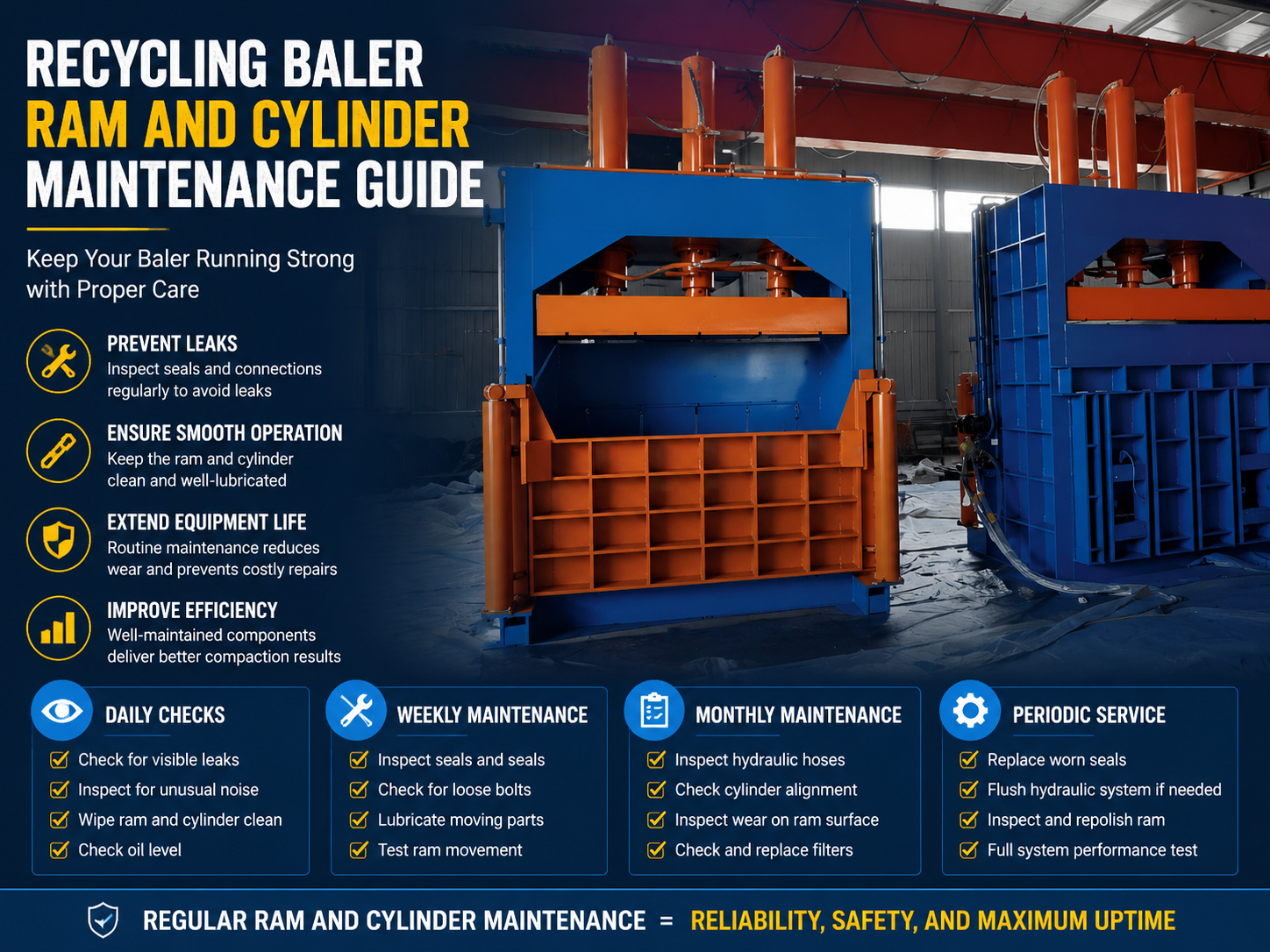
The Critical Importance of Recycling Baler Ram and Cylinder Maintenance
In the world of waste management and material recovery, the recycling baler stands as a cornerstone of efficiency. At the heart of this powerful machine lies the hydraulic ram and cylinder assembly. This component is responsible for exerting the massive force required to compress paper, plastic, metal, and cardboard into dense, transportable bales. However, because the ram and cylinder operate under extreme pressure and often in dusty, demanding environments, they are susceptible to wear and tear that can lead to catastrophic failure if neglected. Proper Recycling Baler Ram Cylinder Maintenance is not merely a suggestion; it is a fundamental requirement for operational longevity and safety.
Neglecting maintenance leads to a domino effect of industrial inefficiencies. When a cylinder begins to leak or a ram becomes misaligned, the machine must work harder to achieve the same output, leading to increased energy consumption and overheating. Furthermore, unplanned downtime in a high-volume recycling facility can cost thousands of dollars per hour in lost productivity and missed shipping deadlines. By implementing a rigorous maintenance protocol, operators can ensure that their HARSLE equipment remains a reliable asset for decades rather than years.
Safety is perhaps the most compelling reason for diligent maintenance. A failing hydraulic cylinder can lead to unpredictable ram movements or high-pressure fluid injections, both of which pose significant risks to operators. A well-maintained machine is a predictable machine. By focusing on the health of the ram and cylinder, you are investing in the safety of your workforce and the structural integrity of your entire facility. This guide provides a deep dive into the technical requirements for keeping your recycling baler in peak condition.
Daily Inspection Protocols for Maximum Uptime
The first line of defense against machine failure is the daily visual inspection. Before the start of every shift, operators should perform a walk-around to identify obvious signs of distress. This begins with checking for hydraulic fluid leaks around the cylinder rod and the hose connections. Even a small ‘weep’ of oil can indicate a failing seal that could blow out under full load. Operators should also inspect the ram’s surface for any scoring, pitting, or debris buildup. Dust and grit are the enemies of hydraulic seals; if they settle on the ram, they can be pulled into the cylinder, causing internal damage.
Beyond leaks, the daily check should include an auditory assessment. Listen for unusual hissing, grinding, or shuttering sounds during the ram’s extension and retraction cycles. These sounds often precede mechanical failure. Additionally, ensure that the ram is traveling smoothly along its guide rails. Any jerky movement or ‘stick-slip’ behavior suggests a lack of lubrication or a misalignment issue that needs immediate attention. Keeping the area around the ram clear of loose debris is also vital, as stray materials can wedge themselves between the ram and the chamber wall, causing unnecessary friction and heat.
In-Depth Hydraulic System Checks
The hydraulic system is the lifeblood of the recycling baler. To maintain the ram and cylinder, one must look closely at the fluid and the components that move it. Hydraulic oil should be checked daily for level and clarity. If the oil appears milky, it indicates water contamination; if it looks dark or smells burnt, it has undergone thermal degradation. Both conditions require an immediate oil change and an investigation into the source of the problem. High-quality hydraulic oil with the correct viscosity index is essential for the ram to exert maximum force without damaging the internal valves.
Filters play a crucial role in protecting the cylinder. Most modern balers utilize a series of suction and return line filters to catch microscopic contaminants. These filters must be replaced according to the manufacturer’s schedule, or sooner if the bypass indicator is triggered. A clogged filter allows dirty oil to circulate through the cylinder, where abrasive particles can score the polished inner walls and degrade the piston seals. Furthermore, check the hydraulic hoses for any signs of bulging, cracking, or abrasion. A hose failure under the high pressures typical of baling operations is extremely dangerous and will cause an immediate environmental hazard due to oil spillage.
Electrical and Control System Integration
While the ram and cylinder are mechanical and hydraulic components, their movement is dictated by the electrical control system. Maintenance must include an inspection of the limit switches and proximity sensors that define the ram’s stroke limits. If a limit switch is loose or faulty, the ram may over-extend or fail to retract fully, potentially damaging the cylinder end-caps or the baler frame. Ensure that all wiring is secure and free from the vibrations that are common in heavy machinery environments.
The control panel and PLC (Programmable Logic Controller) should also be monitored for error codes. Modern HARSLE balers often feature diagnostic displays that can alert operators to pressure drops or cycle time inconsistencies. These electronic ‘early warning systems’ are invaluable for identifying issues with the ram’s performance before they manifest as physical damage. Regularly testing the emergency stop buttons and safety interlocks is also mandatory, ensuring that the ram can be halted instantly in the event of an obstruction or mechanical glitch.
Mechanical Integrity and Ram Alignment
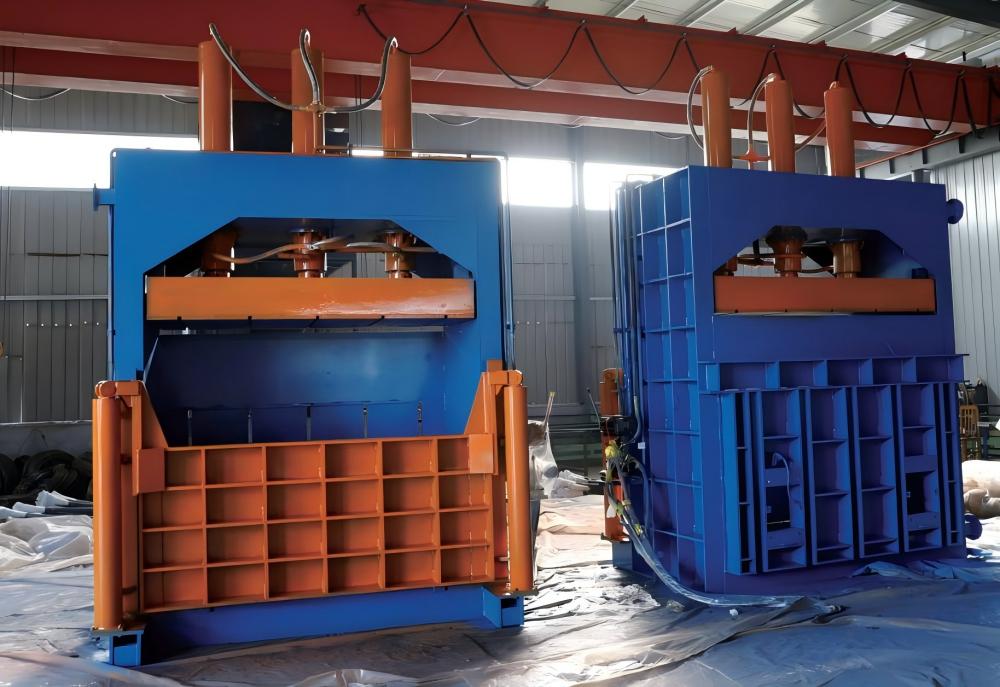
The physical alignment of the ram within the baling chamber is critical for preventing uneven wear. Over time, the wear plates (or liners) that guide the ram can become thin. When this happens, the ram may begin to tilt or shift to one side during the compression stroke. This ‘cocking’ action puts immense lateral pressure on the cylinder rod and the internal bushings, leading to premature seal failure and potential bending of the rod itself. Maintenance teams should measure the gap between the ram and the chamber walls regularly to ensure it remains within the manufacturer’s specifications.
Bolts and fasteners are often overlooked but are vital for mechanical integrity. The vibration and repetitive force of baling can loosen the bolts that secure the cylinder to the frame and the ram to the cylinder rod. A loose mounting bolt can lead to a slight shift in the cylinder’s position, which compounds into significant alignment issues. Periodically torqueing these bolts to the correct specification is a simple yet effective way to prevent major structural repairs. Additionally, inspect the ram head for any cracks or deformations, especially if the baler is used for dense materials like non-ferrous metals.
The Essential Lubrication Plan
Lubrication is the most effective way to reduce friction and heat in the ram assembly. A comprehensive lubrication plan should identify every grease point on the machine, particularly the ram guide tracks and the cylinder pivot pins. Using the correct type of grease is paramount; typically, an Extreme Pressure (EP) grease with molybdenum disulfide is recommended for the high-load environments of recycling balers. This type of lubricant stays in place even under the intense pressure of the compression cycle.
The frequency of lubrication depends on the machine’s usage. For high-volume facilities running multiple shifts, daily lubrication of the guide rails may be necessary. For lower-volume operations, a weekly schedule might suffice. However, the goal is always to maintain a thin, consistent film of lubricant that prevents metal-on-metal contact. Automated lubrication systems are an excellent investment for HARSLE balers, as they deliver precise amounts of grease at set intervals, removing the risk of human error and ensuring that the ram always moves with minimal resistance.
Troubleshooting Signals: What to Watch For
Being proactive means recognizing the signs of trouble before a breakdown occurs. One of the most common signals of a ram or cylinder issue is a change in cycle time. If the ram takes longer than usual to complete a full stroke, it may indicate internal bypassing in the cylinder (where oil leaks past the piston seal) or a failing hydraulic pump. Another red flag is ‘spongy’ operation, where the ram seems to bounce or hesitate. This is often caused by air trapped in the hydraulic lines, which can lead to cavitation and severe internal damage if not bled out immediately.
Excessive heat is another critical troubleshooting signal. If the hydraulic tank or the cylinder body feels unusually hot to the touch, the system is working too hard. This could be due to a blockage, a malfunctioning relief valve, or simply old oil that has lost its cooling properties. Finally, keep an eye on the ‘wiper seal’ at the front of the cylinder. If you see excessive oil bypass or if the seal appears cracked, it must be replaced immediately to prevent contaminants from entering the cylinder and destroying the more expensive internal components.
Comprehensive Maintenance Schedule Table
| Frequency | Component | Action Required |
|---|---|---|
| Daily | Cylinder Rod | Wipe clean, check for leaks and scoring. |
| Daily | Hydraulic Oil | Check level and temperature; inspect for clarity. |
| Daily | Safety Systems | Test E-stops and interlock sensors. |
| Weekly | Ram Guide Rails | Clean and apply fresh EP grease. |
| Weekly | Hoses & Fittings | Inspect for wear, cracks, and tightness. |
| Monthly | Wear Plates | Measure thickness and check for even wear. |
| Monthly | Mounting Bolts | Check torque on cylinder and ram fasteners. |
| Quarterly | Hydraulic Filters | Replace suction and return line filters. |
| Annually | Hydraulic Fluid | Perform full oil change and tank cleaning. |
| Annually | Cylinder Seals | Professional inspection; replace if any leakage is noted. |
Frequently Asked Questions (FAQ)
1. How often should I change the hydraulic oil in my recycling baler?
Generally, hydraulic oil should be changed every 2,000 operating hours or once a year, whichever comes first. However, if you operate in a very dusty or hot environment, you may need to change it more frequently. Always perform an oil analysis if you suspect contamination.
2. What causes the ram to move slowly?
A slow ram is usually caused by a drop in hydraulic pressure or flow. This can be due to a clogged filter, a worn-out pump, a leaking piston seal inside the cylinder, or a malfunctioning relief valve that is opening too early.
3. Can I use any type of grease for the ram guides?
No. You should use a high-quality Extreme Pressure (EP) grease. Standard greases may be squeezed out of the contact area under the heavy loads of the baling process, leading to metal-on-metal wear and potential seizing of the ram.
4. Why is my hydraulic cylinder leaking from the rod end?
This is typically caused by a failure of the rod seal or the wiper seal. It can happen due to normal wear, or because debris (like metal shards or grit) has scratched the rod and damaged the seal as it retracted. Replacing the seals and ensuring the rod is clean is the standard fix.
5. How do I know if my wear plates need replacing?
You should replace wear plates when they reach the minimum thickness specified in your HARSLE manual, or if you notice the ram is no longer traveling straight. Uneven bale shapes are often a sign that the ram is shifting due to worn liners.
6. Is it normal for the hydraulic system to get hot?
It is normal for the oil to warm up during operation, but it should not exceed 140°F (60°C). If the system is too hot to touch, it indicates an efficiency problem that is generating excess friction or a cooling system failure.
Conclusion
Effective Recycling Baler Ram Cylinder Maintenance is a combination of daily vigilance and scheduled technical interventions. By treating the ram and cylinder as the precision instruments they are, you ensure the continued success of your recycling operations. From the simple act of wiping down a cylinder rod to the complex task of a full hydraulic oil change, every step taken contributes to a safer, more productive, and more profitable facility. Trust HARSLE’s engineering, but support it with world-class maintenance practices to get the most out of your industrial investment.