How to Reduce Downtime with Proper Recycling Baler Maintenance

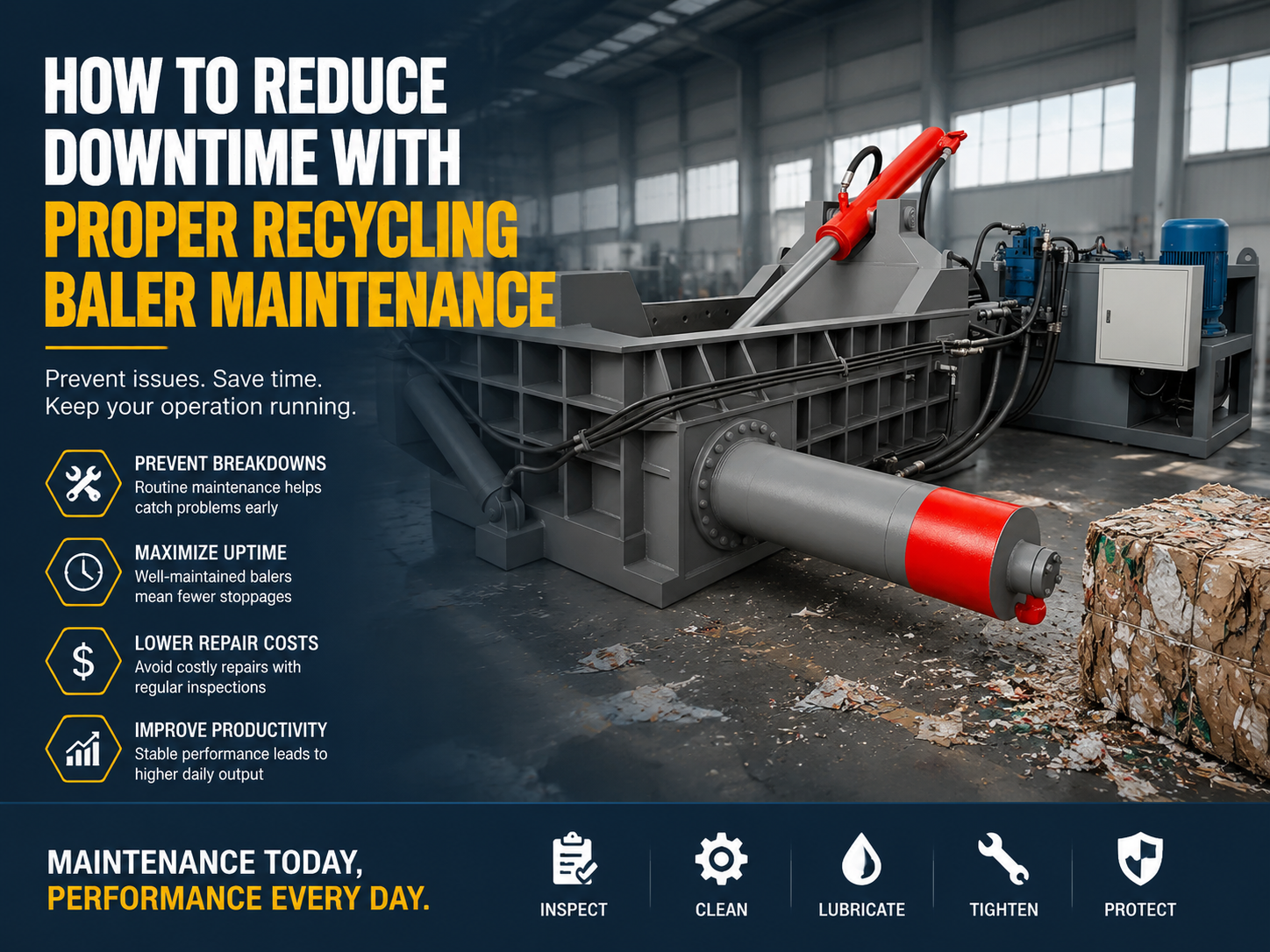
The Critical Importance of Recycling Baler Maintenance
In the high-intensity world of waste management and metal fabrication, the recycling baler stands as a cornerstone of operational efficiency. Whether you are processing scrap metal, cardboard, or plastics, the reliability of your baler directly impacts your bottom line. When a machine goes offline, the ripple effects are felt immediately: piles of unprocessed material accumulate, labor costs rise as workers wait for repairs, and shipping schedules are missed. Understanding how to reduce downtime with proper recycling baler maintenance is not just a technical necessity; it is a strategic business advantage.
Preventive maintenance is the practice of performing regularly scheduled inspections and servicing to prevent unexpected equipment failure. For industrial machinery like HARSLE recycling balers, this means moving away from a ‘run-to-fail’ mentality. A run-to-fail approach is often three to ten times more expensive than a proactive maintenance strategy due to the cost of emergency repairs, expedited shipping for parts, and the lost opportunity cost of idle production lines. By investing time in routine checks, operators can identify minor issues—such as a frayed seal or a loose bolt—before they escalate into catastrophic failures that require weeks of downtime.
Furthermore, a well-maintained baler operates with higher energy efficiency. When hydraulic systems are clean and mechanical parts are properly lubricated, the motor doesn’t have to work as hard to achieve the required pressure. This results in lower utility bills and a smaller carbon footprint, aligning your maintenance goals with broader corporate sustainability initiatives. Safety is another paramount concern; a neglected machine is a dangerous machine. Regular inspections ensure that safety interlocks, emergency stops, and structural components are in top condition, protecting your most valuable asset: your employees.
Ultimately, the goal of this guide is to provide a comprehensive roadmap for operators and facility managers. By following a structured maintenance protocol, you can extend the lifespan of your HARSLE equipment by years, ensuring that your investment continues to deliver high-density bales and consistent performance. Let’s dive into the specific steps required to keep your recycling baler running at peak performance.
Daily Inspection: The First Line of Defense
The most effective way to reduce downtime with proper recycling baler maintenance is to implement a rigorous daily inspection routine. This should be performed at the start of every shift, ideally by the operator who will be using the machine. A fresh set of eyes can often spot subtle changes that occurred during the previous day’s operation. The daily check is not meant to be a deep dive into the mechanics but rather a ‘walk-around’ to ensure the machine is safe and ready for work.
Start by clearing any debris from the baling chamber and around the ram. Material buildup is one of the leading causes of mechanical strain. If scrap metal or cardboard gets wedged behind the ram or near the sensors, it can cause the machine to misalign or trigger a false error code. Use a broom or compressed air to keep the area clean. While cleaning, look for signs of hydraulic fluid leaks on the floor. Even a small puddle can indicate a loose fitting or a weeping hose that could burst under high pressure later in the shift.
Next, verify the functionality of all safety devices. This includes testing the emergency stop buttons, checking that the safety gates trigger the automatic shut-off, and ensuring that all warning lights are operational. Never bypass a safety sensor to keep production moving; this is a recipe for disaster. Additionally, check the oil level in the hydraulic reservoir via the sight glass. The oil should be at the recommended level and appear clear. If the oil looks milky or dark, it indicates contamination or overheating, which requires immediate attention.
Finally, listen to the machine as it starts up. An experienced operator knows the ‘song’ of their baler. Any unusual whistling, grinding, or thumping sounds should be investigated immediately. Check the control panel for any active alerts or history logs. Documenting these daily findings in a logbook creates a paper trail that can be invaluable for troubleshooting future issues or during professional service visits.
Hydraulic System Checks: The Heart of the Baler
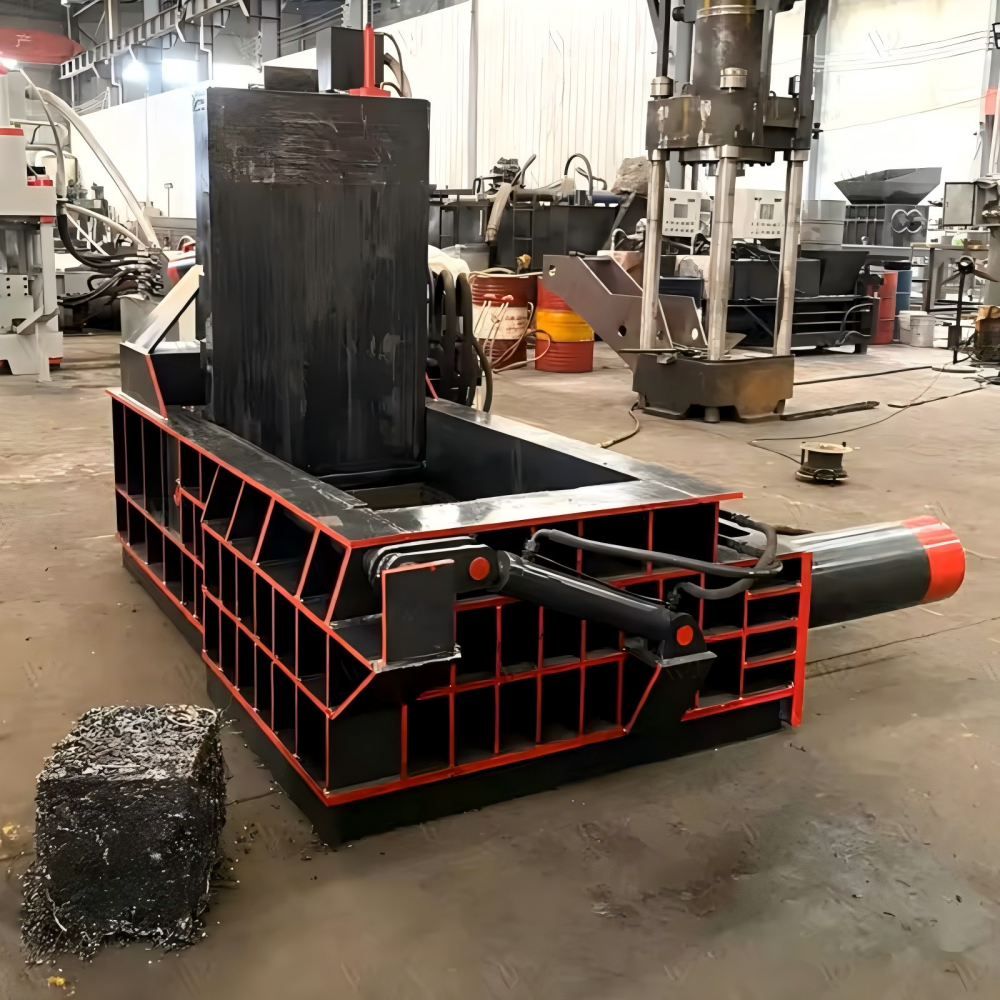
The hydraulic system is the lifeblood of any recycling baler. It provides the massive force necessary to compress bulky materials into dense, manageable bales. Because these systems operate under extreme pressure, they are susceptible to wear and tear that can lead to significant downtime if not monitored closely. To reduce downtime with proper recycling baler maintenance, you must prioritize the health of your hydraulic fluid and components.
Fluid contamination is the number one cause of hydraulic failure. Microscopic particles of metal, dust, or water can act as an abrasive, wearing down pump vanes and scarring cylinder walls. Regularly check and replace hydraulic filters according to the manufacturer’s schedule—or sooner if you operate in a particularly dusty environment. It is also wise to perform an annual oil analysis. This laboratory test can detect the presence of wear metals and chemical breakdown, allowing you to change the oil before it causes damage to the system.
Temperature management is another critical factor. Hydraulic oil has an ideal operating temperature range, usually between 100°F and 140°F (38°C to 60°C). If the oil gets too hot, its viscosity drops, leading to poor lubrication and accelerated seal wear. Ensure that the oil cooler (heat exchanger) is clean and that the cooling fans are functioning. Conversely, in cold climates, the oil may need to be pre-heated before the machine is put under full load to prevent cavitation in the pump.
Inspect hoses and cylinders for signs of wear. Look for ‘weeping’ at the cylinder rods, which suggests that the seals are beginning to fail. Check hoses for cracks, kinks, or abrasions. A hose that bursts under 3,000 PSI is not just a maintenance headache; it is a severe safety hazard. Ensure that all hydraulic fittings are tight, but avoid over-tightening, which can strip threads or crack housings. By maintaining a clean, cool, and leak-free hydraulic system, you ensure the ram moves smoothly and consistently.
Electrical and Control System Maintenance
Modern recycling balers, like those manufactured by HARSLE, rely on sophisticated electrical systems and Programmable Logic Controllers (PLCs) to manage the baling cycles. While these systems are generally robust, they are sensitive to environmental factors like vibration, heat, and dust. Electrical failures can be difficult to diagnose, often leading to prolonged periods of downtime while waiting for a specialist.
The first step in electrical maintenance is keeping the control cabinet clean and dry. Dust accumulation on circuit boards and contactors can lead to overheating or short circuits. Use a vacuum or low-pressure canned air to clean the interior of the cabinet periodically. Ensure that the door seals are intact to prevent moisture and contaminants from entering. While the cabinet is open (and the power is safely locked out), check for loose wiring. Industrial machinery vibrates, and over time, these vibrations can loosen terminal screws. A loose wire can cause intermittent faults that are notoriously hard to track down.
Monitor the performance of the electric motor. Excessive heat or a burning smell is a sign of trouble. Check the motor’s cooling vents for blockages and ensure the mounting bolts are secure. If your baler uses a variable frequency drive (VFD), check the cooling fans on the drive unit as well. These components are expensive to replace, so early detection of cooling issues is vital.
Software and sensors also require attention. Ensure that limit switches and proximity sensors are clean and properly aligned. If a sensor is bumped out of position, the PLC may think the ram hasn’t reached its full extension, causing the cycle to hang. Regularly back up the PLC program if possible, and keep a record of the machine’s parameter settings. If a component fails and needs to be replaced, having these settings on hand will significantly speed up the recovery process.
Mechanical Components and Structural Integrity
The mechanical structure of a recycling baler undergoes immense stress during every cycle. To reduce downtime with proper recycling baler maintenance, you must inspect the physical ‘bones’ of the machine. This includes the ram, the bale chamber, the shear blades, and the structural frame. Over time, the constant pressure can lead to metal fatigue, warping, or misalignment.
One of the most critical mechanical components is the shear blade system. In many balers, a blade on the leading edge of the ram shears off excess material as it enters the chamber. If these blades become dull or the gap between them becomes too wide, the machine will struggle to cut through material. This puts unnecessary strain on the hydraulic system and the motor, and can lead to ‘jamming’ where material gets wedged between the ram and the frame. Regularly sharpen or rotate the blades and adjust the clearance to the manufacturer’s specifications.
Inspect the ram glides or wear plates. These components allow the ram to slide smoothly within the chamber. If they become excessively worn, the ram may begin to tilt or ‘cock’ during the stroke, leading to uneven bale density and potential damage to the hydraulic cylinder rod. Most wear plates are designed to be replaceable; changing them before they wear through to the main frame is a much cheaper alternative to structural welding repairs.
Finally, examine the frame for cracks, especially around high-stress areas like the cylinder mounts and the door hinges. If you spot a crack in the paint or the metal itself, it needs to be addressed by a certified welder immediately. Structural failure during a high-pressure cycle can be catastrophic. Keeping the machine clean allows you to see these issues more easily. A baler covered in grease and dirt can hide a multitude of structural sins.
The Lubrication Plan: Reducing Friction and Wear
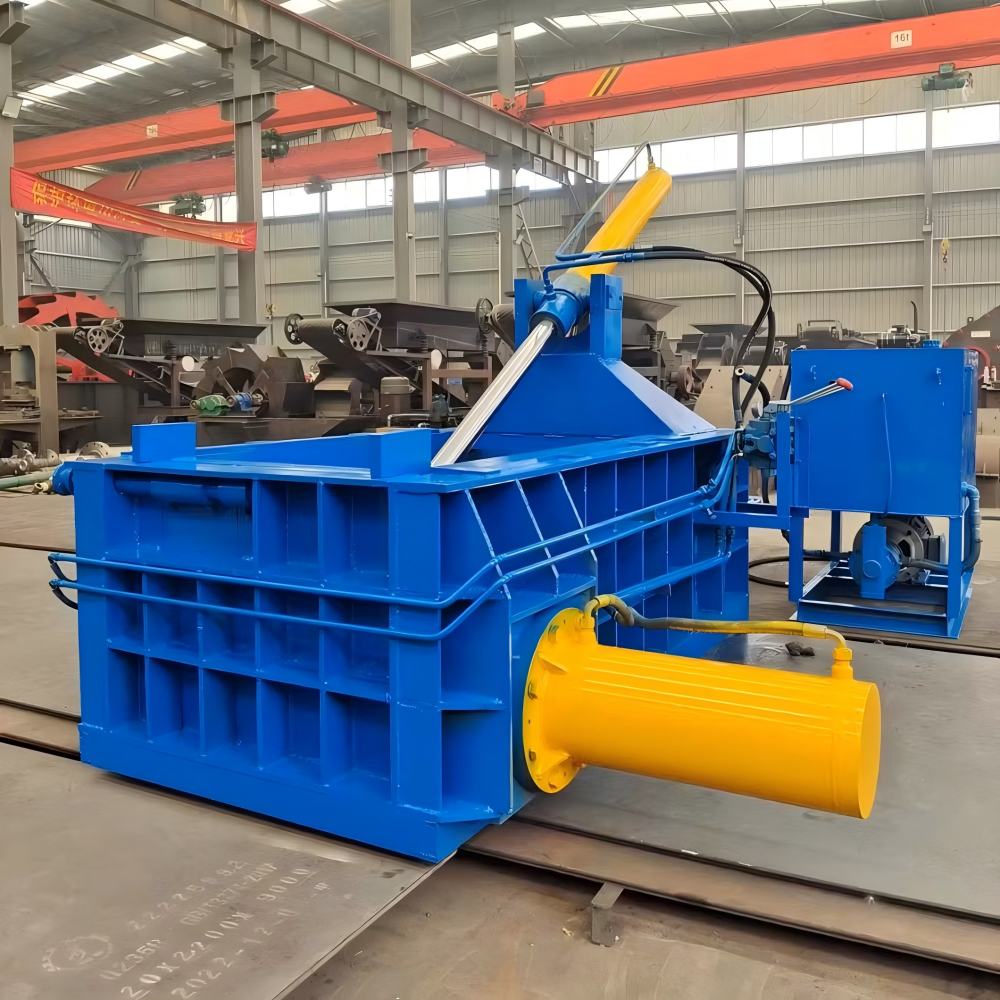
Friction is the enemy of any mechanical system. Without proper lubrication, moving parts will grind against each other, generating heat and rapidly wearing down surfaces. A comprehensive lubrication plan is a simple yet highly effective way to reduce downtime with proper recycling baler maintenance. However, lubrication is about more than just applying grease; it’s about using the right lubricant, in the right amount, at the right time.
Identify all grease points on your HARSLE baler. These typically include the ram pivots, door hinges, cylinder trunnions, and any moving parts of the bale tying mechanism. Refer to your owner’s manual for a lubrication map. Using the wrong type of grease can be as bad as using no grease at all. For example, high-pressure areas may require a molybdenum-disulfide (moly) grease, while other areas might need a general-purpose lithium-based grease.
Consistency is key. Establish a schedule—whether it’s daily, weekly, or based on the number of bales produced—and stick to it. Over-lubrication can also be a problem, as excess grease can attract dust and grit, creating an abrasive paste that actually accelerates wear. Wipe away old, dirty grease before applying new grease to ensure that contaminants aren’t being pushed deeper into the bearings.
If your baler is equipped with an automatic lubrication system, your job is easier, but not finished. You must regularly check the lubricant reservoir and ensure that all lines are intact and delivering grease to the intended points. A blocked line in an auto-lube system can lead to a ‘silent’ failure where a bearing receives no lubrication while the operator assumes everything is fine. Regular manual verification is still necessary.
Troubleshooting Signals: Identifying Problems Early
Even with the best maintenance, parts will eventually wear out. The key to minimizing downtime is recognizing the early warning signs of failure. Training your operators to be ‘machine-sensitive’ can save thousands of dollars in repair costs. Here are some common troubleshooting signals to watch for:
- Slow Cycle Times: If the ram is moving slower than usual, it often indicates a hydraulic issue. This could be a worn pump, a clogged filter, or an internal leak in a valve or cylinder.
- Unusual Noises: A high-pitched whine often points to pump cavitation (air in the oil) or a clogged suction strainer. A banging sound might indicate a loose mechanical component or a hydraulic shock issue.
- Excessive Heat: If the hydraulic tank or the motor feels unusually hot to the touch, the system is working too hard. This could be due to dull shear blades, low oil levels, or a failing cooling system.
- Erratic Movement: If the ram stutters or moves unevenly, there may be air trapped in the hydraulic lines or significant wear on the ram glides.
- Bale Quality Issues: If bales are coming out loose, misshapen, or inconsistent in weight, check the pressure settings and the condition of the chamber sensors.
When these signals appear, do not ignore them. Stop the machine and perform a targeted inspection. Often, a small adjustment or a quick part replacement at this stage can prevent a total breakdown later in the week. Encourage a culture where operators feel empowered to report even minor anomalies without fear of slowing down production.
Comprehensive Maintenance Schedule Table
To help you stay organized, use the following table as a baseline for your recycling baler maintenance program. Note that high-volume operations may need to perform these tasks more frequently.
| Frequency | Component | Action Required |
|---|---|---|
| Daily | Safety Systems | Test E-stops, gates, and sensors. |
| Daily | Bale Chamber | Clear debris and check for material buildup. |
| Daily | Hydraulic Oil | Check level and color via sight glass. |
| Weekly | Lubrication | Grease all manual points (hinges, pivots). |
| Weekly | Hydraulic Hoses | Inspect for leaks, cracks, or abrasions. |
| Monthly | Shear Blades | Check sharpness and clearance; tighten bolts. |
| Monthly | Electrical Cabinet | Clean dust and check for loose connections. |
| Quarterly | Hydraulic Filters | Replace return and suction filters. |
| Quarterly | Wear Plates | Measure thickness and check for uneven wear. |
| Annually | Hydraulic Oil | Perform oil analysis and change if necessary. |
| Annually | Structure | Professional inspection for frame cracks/fatigue. |
Frequently Asked Questions (FAQ)
1. How often should I change the hydraulic oil in my recycling baler?
Generally, hydraulic oil should be changed every 2,000 to 4,000 operating hours, or once a year. However, the best practice is to perform an oil analysis. This will tell you exactly when the oil has lost its lubricating properties or become too contaminated, potentially saving you the cost of a premature oil change or the damage from an overdue one.
2. Why is my baler making a loud screeching noise when the ram moves?
A screeching or whining noise is usually related to the hydraulic pump. It often indicates ‘cavitation,’ which happens when the pump is starved of oil. Check for low oil levels, a clogged suction strainer, or a leak in the suction line that is allowing air into the system. It could also indicate that the pump is reaching the end of its service life.
3. Can I use any type of grease for the lubrication points?
No. You should always use the lubricant specified in your HARSLE manual. Different parts of the machine require different properties, such as water resistance or high-pressure additives. Using the wrong grease can lead to premature bearing failure or gumming up of the lubrication lines.
4. What is the most common cause of baler downtime?
The most common causes are material jams and hydraulic leaks. Both of these are largely preventable through daily cleaning and regular inspection of hoses and seals. Dull shear blades are also a frequent culprit, as they cause the machine to work harder and eventually jam or overheat.
5. How do I know if my shear blades need sharpening?
If you notice that the material is being ‘folded’ or ‘smeared’ rather than cleanly cut, or if the ram seems to struggle at the top of the stroke, the blades are likely dull. You should also check the gap between the blades; if it exceeds the manufacturer’s specification, the shearing action will be ineffective.
Conclusion: Maximizing ROI through Diligence
In conclusion, the path to reduce downtime with proper recycling baler maintenance is paved with consistency and attention to detail. By treating your HARSLE recycling baler as a precision instrument rather than just a piece of heavy iron, you ensure its longevity and reliability. From the daily walk-around to the annual structural audit, every step in the maintenance process contributes to a safer, more efficient, and more profitable operation.
Remember that maintenance is an investment, not an expense. The time spent tightening a bolt or changing a filter today is time you won’t spend dealing with a broken machine and a frustrated crew tomorrow. Keep your logs updated, train your operators well, and never hesitate to reach out to professional technicians for complex issues. With a proactive approach, your recycling baler will remain a productive workhorse for many years to come, delivering the high-density bales your business depends on.