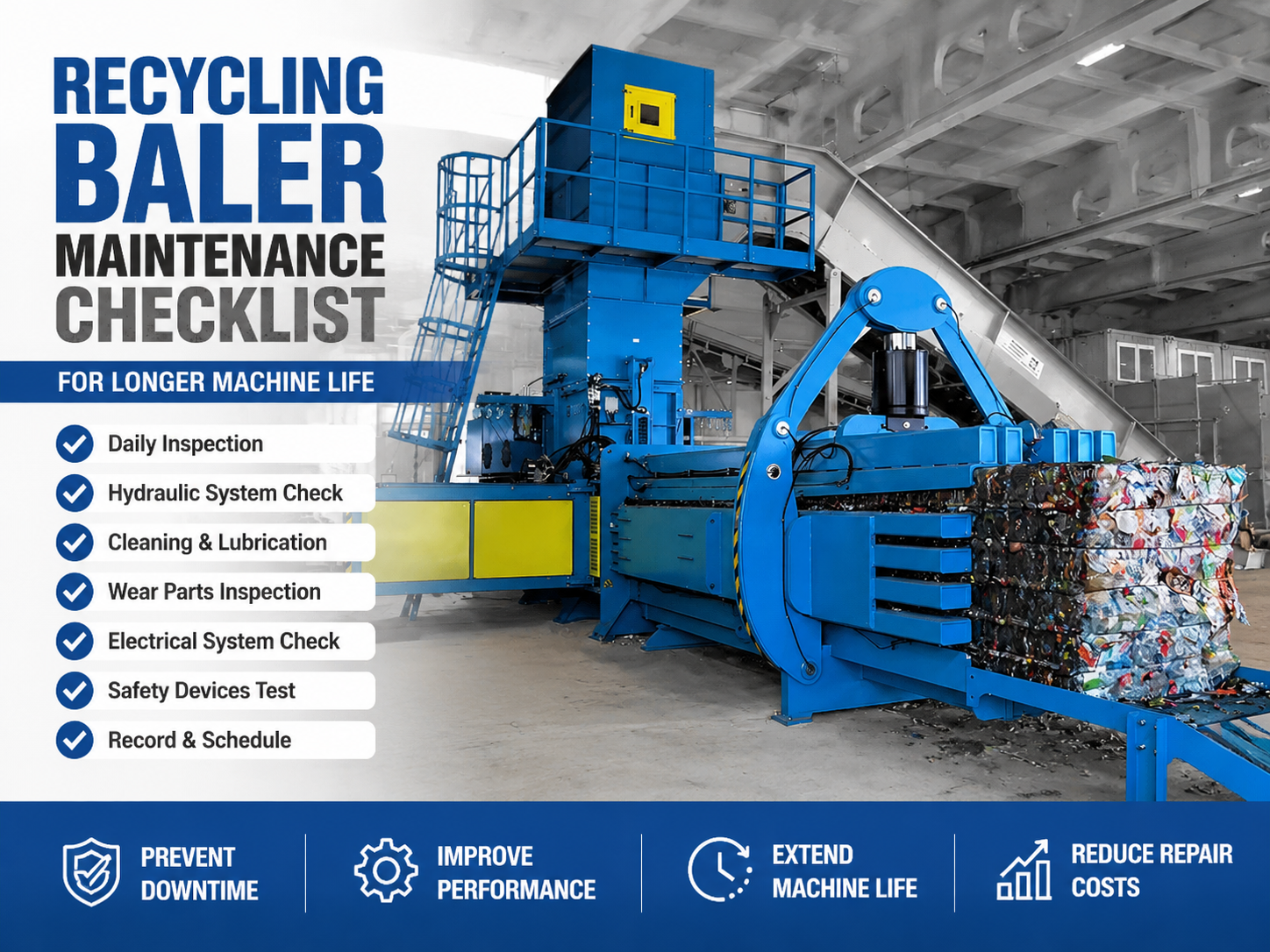
Recycling Baler Maintenance Checklist for Longer Machine Life

The Critical Role of Maintenance in Recycling Baler Longevity
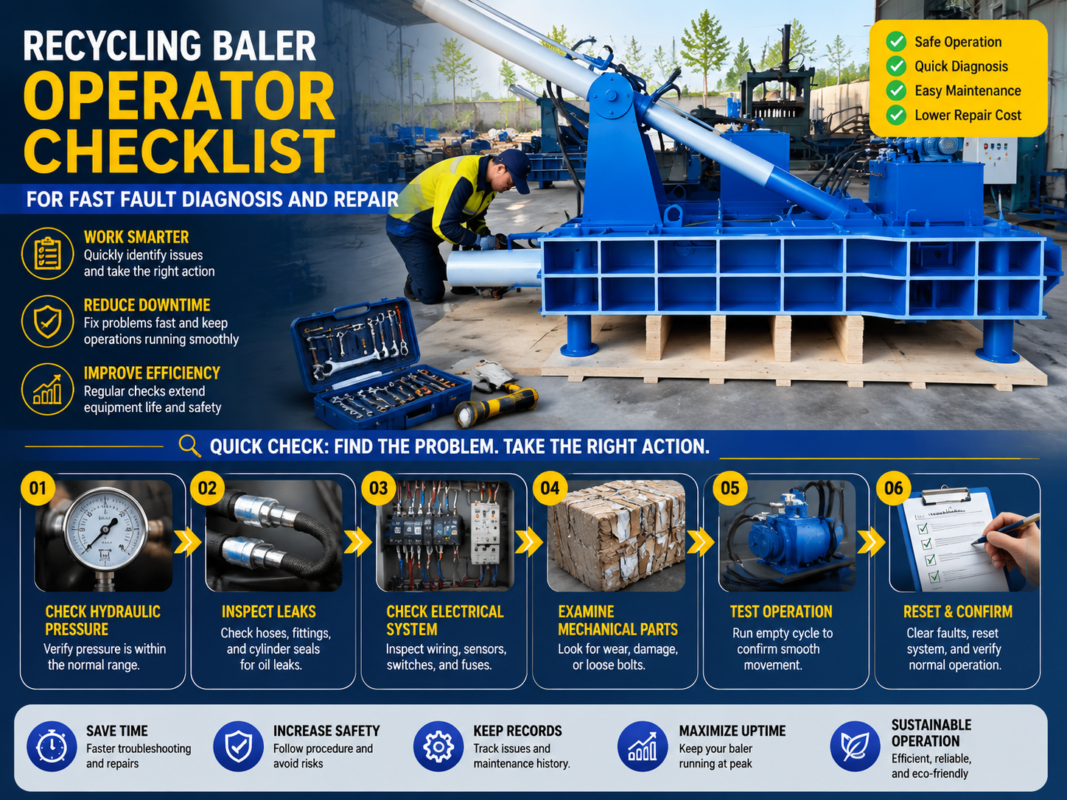
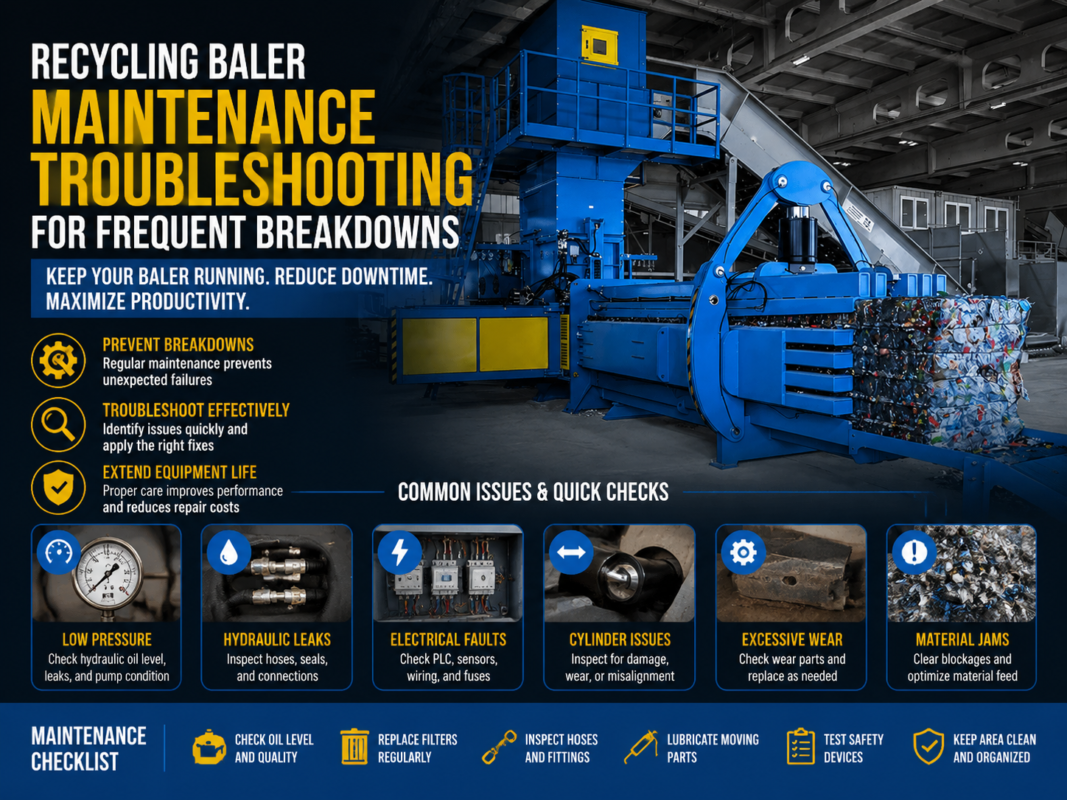
In the high-demand world of waste management and metal fabrication, the recycling baler stands as a cornerstone of operational efficiency. Whether you are processing scrap metal, cardboard, or plastics, these machines are subjected to immense pressure and harsh working environments. Implementing a Recycling Baler Maintenance Checklist for Longer Machine Life is not merely a suggestion; it is a financial necessity. A well-maintained baler ensures consistent bale density, reduces energy consumption, and, most importantly, prevents the catastrophic failures that lead to expensive downtime.
At HARSLE, we understand that industrial machinery is a significant investment. The lifespan of a recycling baler can vary significantly based on how it is treated. A machine that is neglected may see its performance degrade within five years, whereas a meticulously maintained unit can serve a facility for decades. Maintenance is the bridge between a machine that is a liability and one that is a high-performing asset. By following a structured protocol, operators can identify minor wear and tear before it escalates into a system-wide breakdown.
Beyond the mechanical benefits, maintenance is a core component of workplace safety. Recycling balers utilize high-pressure hydraulics and powerful mechanical rams. Any failure in these systems poses a direct risk to the operators. A comprehensive checklist ensures that safety interlocks, emergency stops, and structural components are always in peak condition, fostering a culture of safety and reliability within the facility. This guide provides an exhaustive breakdown of the steps necessary to keep your HARSLE recycling baler running at peak performance.
Daily Inspection: The First Line of Defense
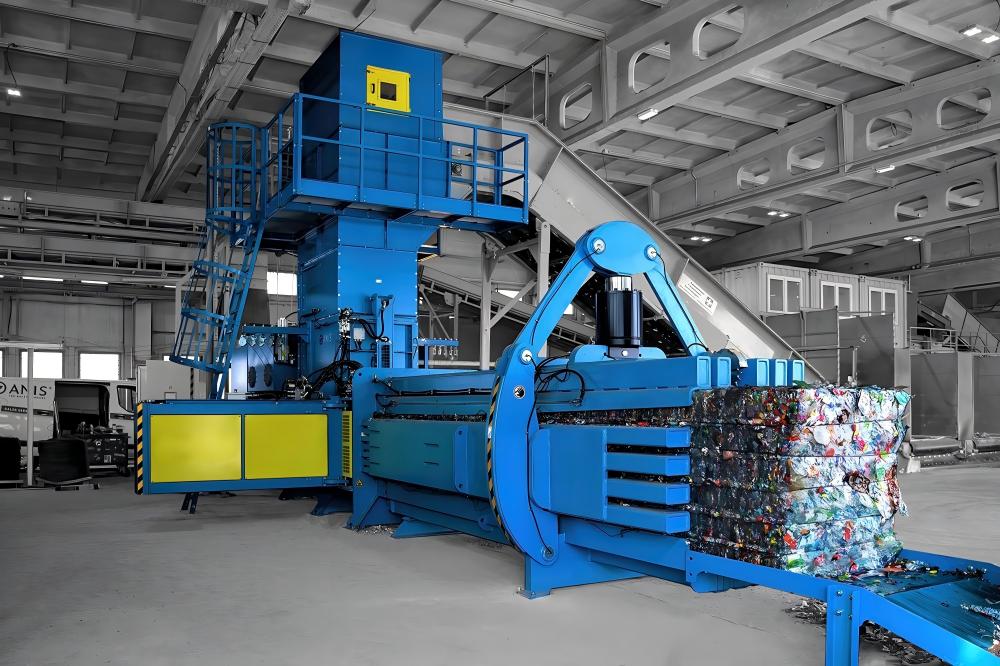
The daily inspection is the most effective way to catch issues before they disrupt production. This routine should be performed at the start of every shift. Operators should begin with a visual sweep of the entire machine, looking for any obvious signs of damage, such as bent metal plates, loose bolts, or debris accumulation around the ram. Cleaning the machine daily is vital; dust and scrap fragments can migrate into sensitive areas, causing premature wear on seals and bearings.
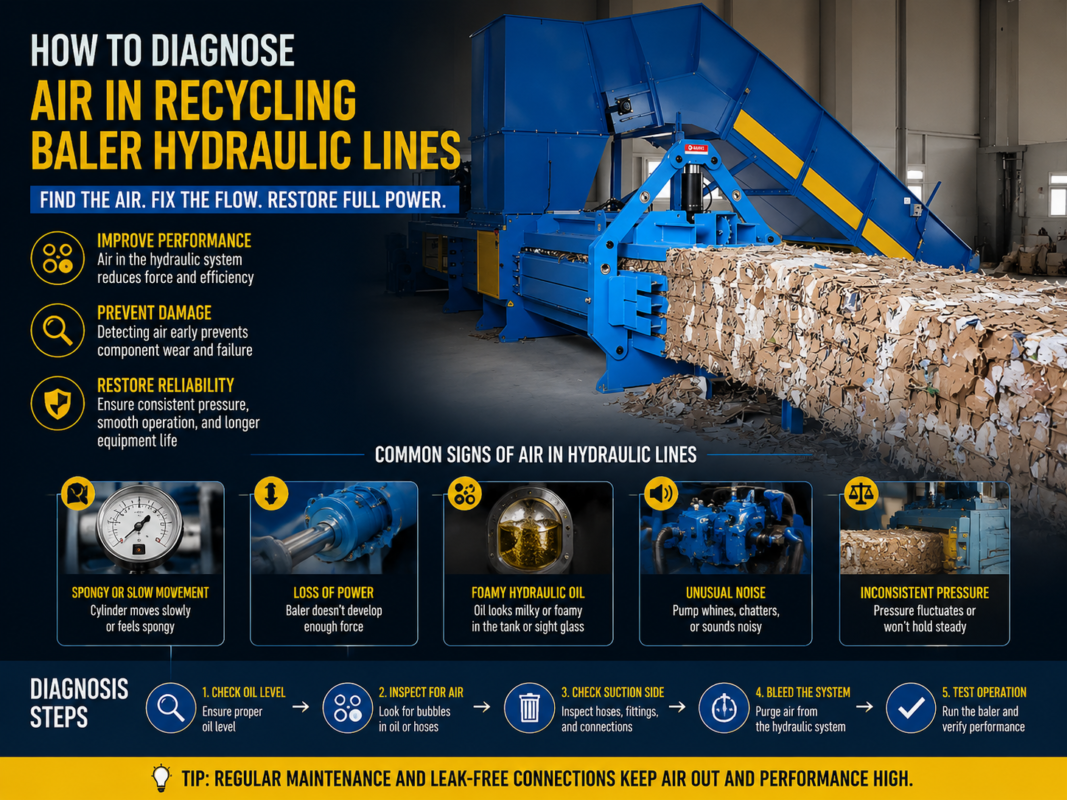
Checking fluid levels is the next critical step. Hydraulic oil is the lifeblood of the recycling baler. If the oil level is low, it can lead to pump cavitation, which introduces air into the system and causes permanent damage to internal components. Operators should also inspect the oil color; if it appears milky, it indicates water contamination, while a dark, burnt smell suggests overheating. Both conditions require immediate attention to prevent a total hydraulic failure.
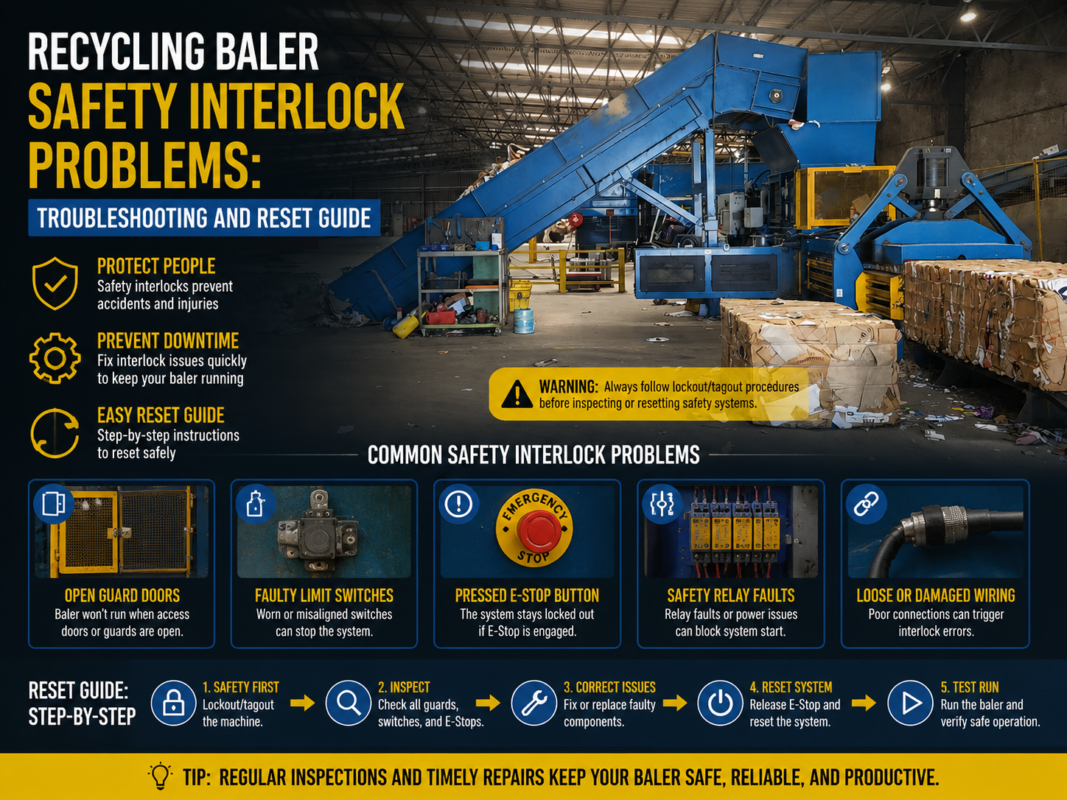
Safety features must be tested every single day. This includes the emergency stop buttons, safety gates, and infrared sensors. If a safety gate is bypassed or a sensor is covered in dust, the machine becomes a hazard. Furthermore, check for any hydraulic leaks. Even a small drip can indicate a failing hose or a loose fitting. Addressing these leaks early prevents environmental hazards and maintains the system’s pressure integrity. Finally, ensure the bale chamber is clear of any residual material from the previous shift that might interfere with the ram’s initial movement.
Hydraulic System Maintenance: Pressure and Purity
The hydraulic system is the heart of the recycling baler, responsible for generating the massive force required to compress materials. Maintenance of this system focuses on two main pillars: pressure management and fluid purity. Over time, hydraulic oil breaks down and loses its lubricating properties. It also accumulates microscopic metal particles and dust. Using high-quality filters and replacing them according to the manufacturer’s schedule is non-negotiable. A clogged filter will trigger a bypass valve, allowing unfiltered oil to circulate through the sensitive valves and pumps.
Hose integrity is another major concern. Hydraulic hoses are subjected to constant flexing and high-pressure surges. Inspect hoses for cracks, abrasions, or “weeping” at the fittings. A burst hose not only stops production but can also cause serious injury due to high-pressure fluid injection. It is recommended to replace hoses every few years as a preventive measure, even if they appear fine externally, as the inner lining can degrade over time.
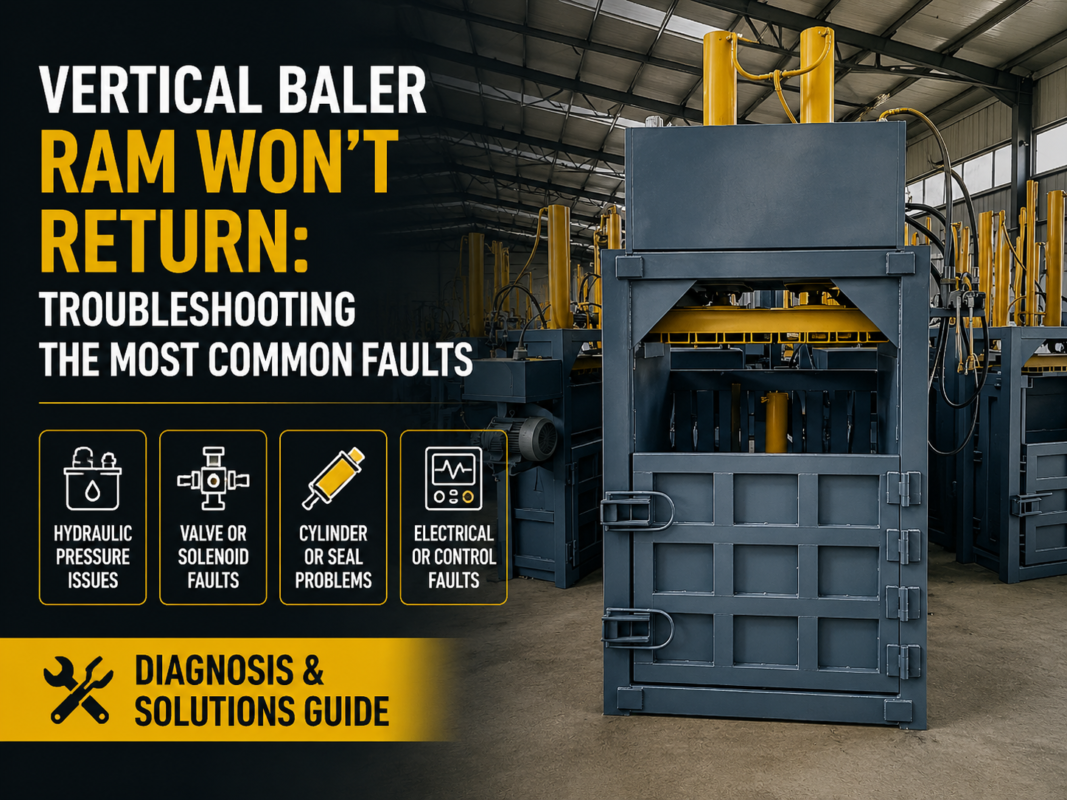
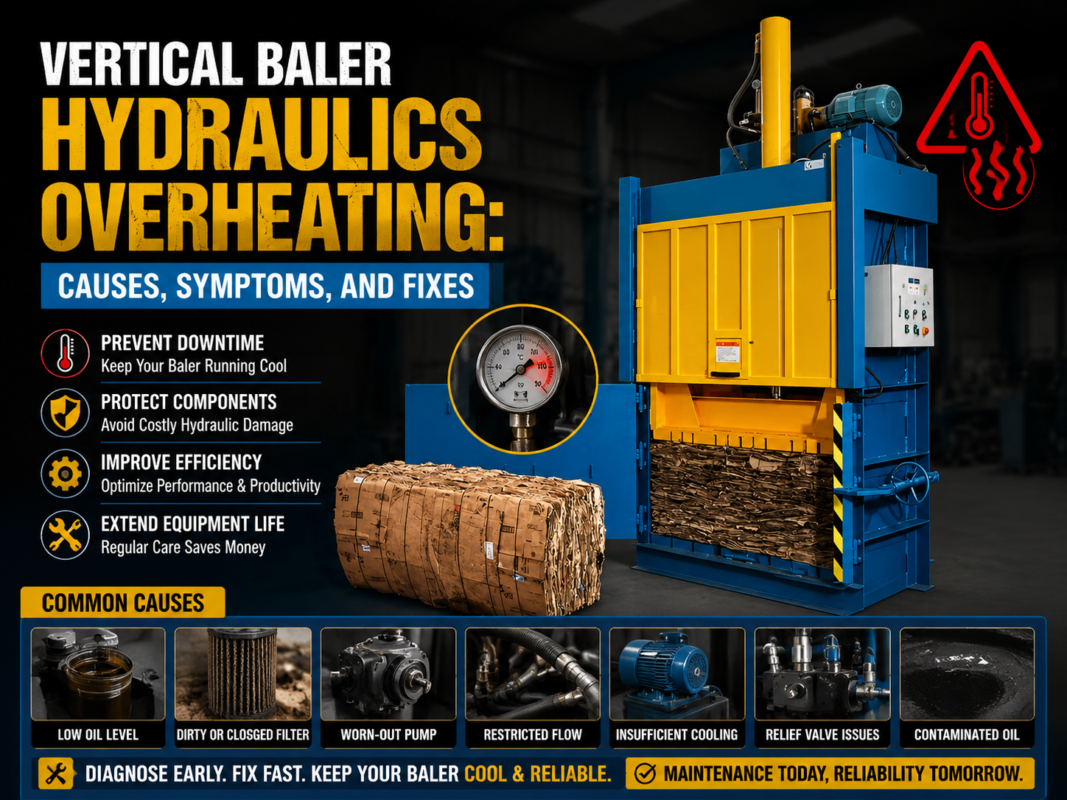
The hydraulic pump and cylinders also require monitoring. Listen for unusual noises such as whining or knocking, which could indicate that the pump is struggling or that there is air in the lines. Ensure that the cylinder rods are clean and free of scores or scratches. A damaged rod will quickly destroy the cylinder seals, leading to internal bypassing and a loss of compression force. Regularly checking the operating temperature of the oil is also essential; if the oil exceeds 60°C (140°F), the cooling system may be failing, or the pump may be working inefficiently.
Electrical System and Control Logic Checks
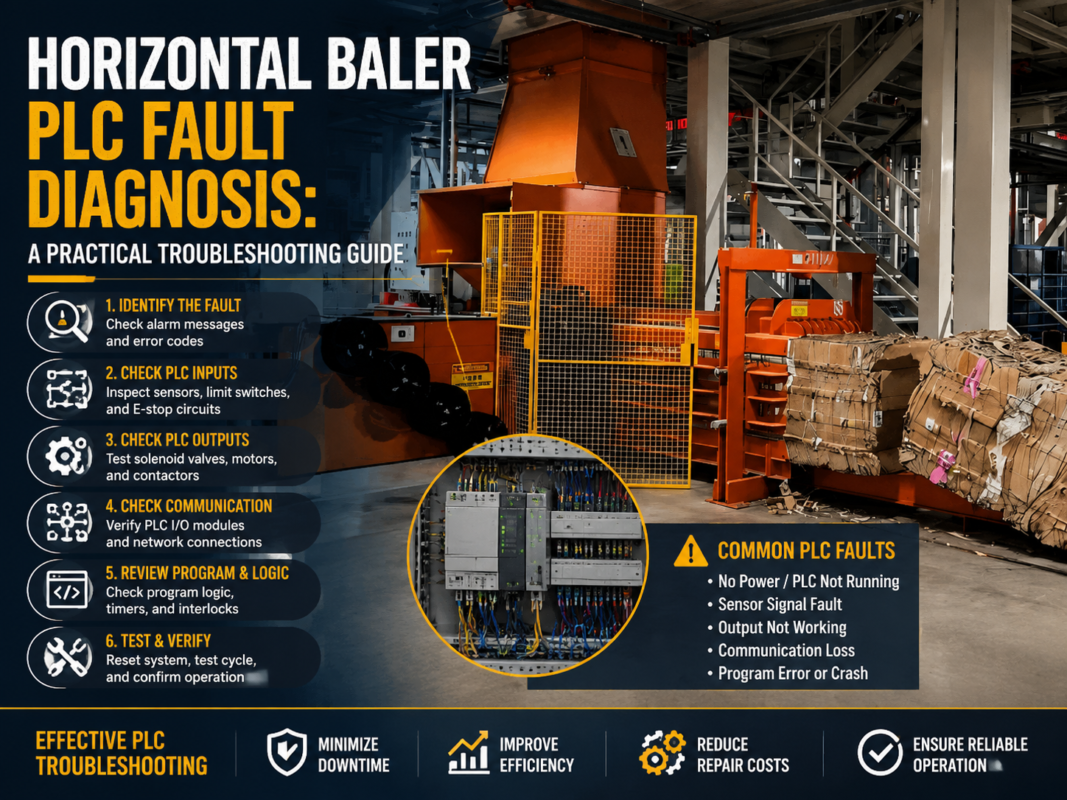
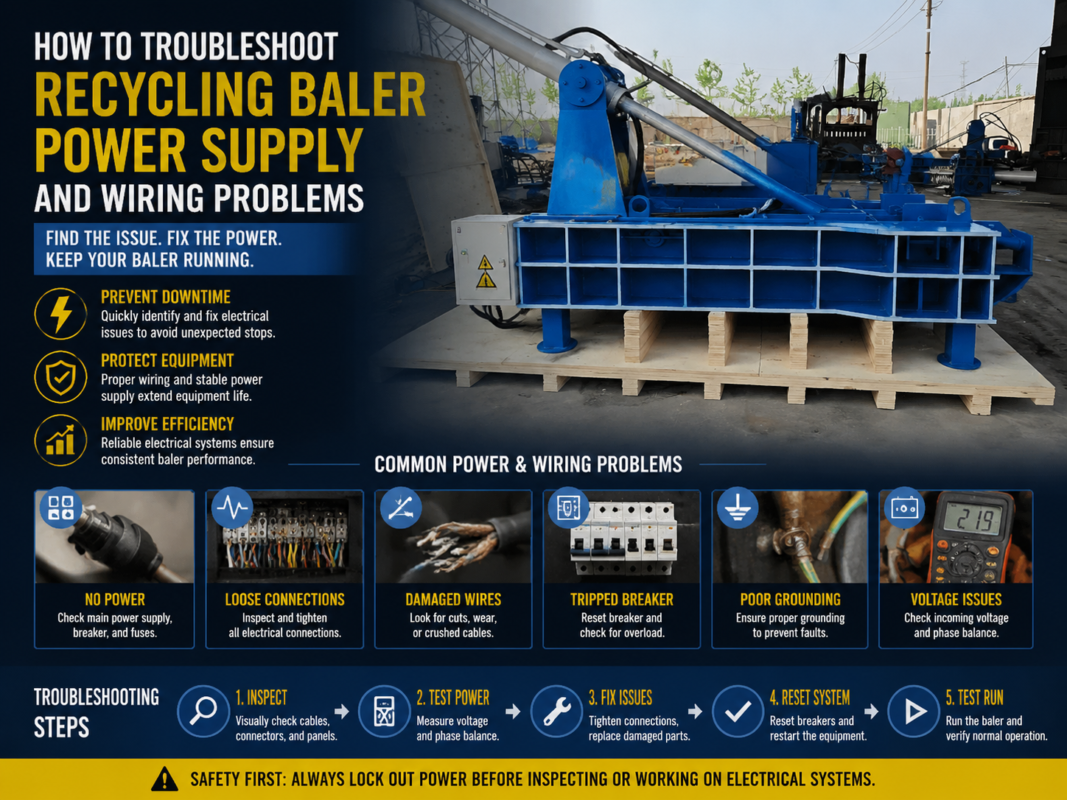
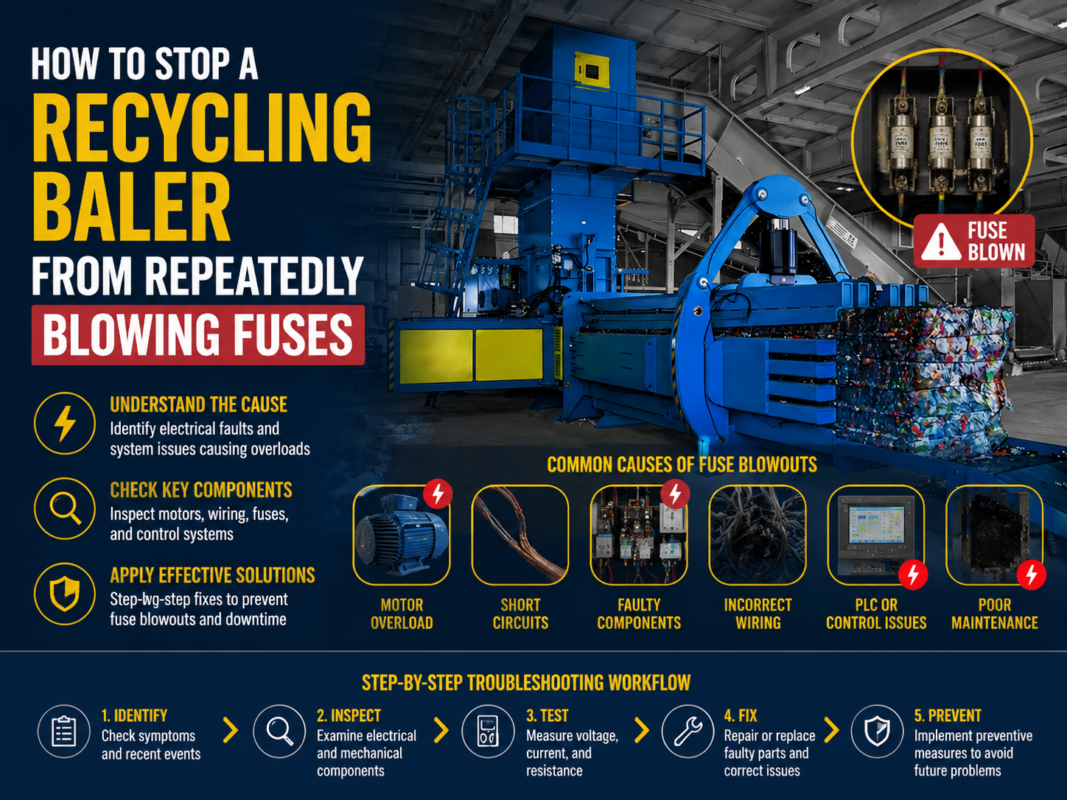
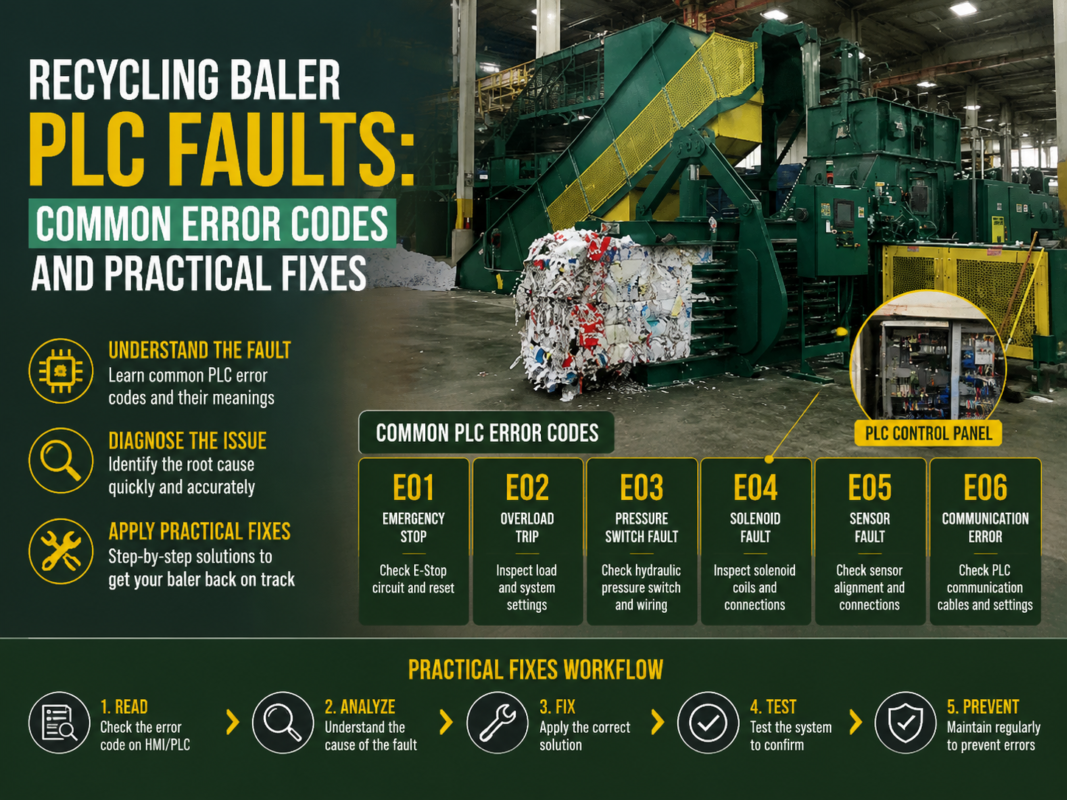
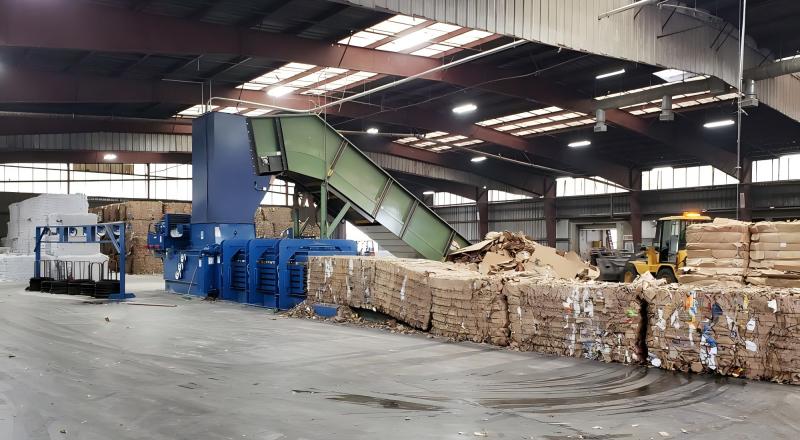
Modern recycling balers rely on complex electrical systems and Programmable Logic Controllers (PLCs) to manage the baling cycles. The electrical cabinet should be kept clean and dry. Dust accumulation on electrical components can lead to overheating or short circuits. Periodically, a qualified technician should check all terminal connections to ensure they are tight. Vibrations from the machine’s operation can loosen wires over time, leading to intermittent faults that are difficult to diagnose.
Sensors and limit switches are the “eyes” of the machine. In a recycling environment, these components are often exposed to vibration and debris. Ensure that limit switches are securely mounted and that their actuators are not bent. If your baler uses photo-eye sensors to detect material levels, keep the lenses clean. A dirty sensor might cause the machine to cycle unnecessarily or fail to start when the chamber is full, reducing overall efficiency.
Monitoring the motor’s performance is also part of electrical maintenance. Check the motor’s amperage draw during a full compression cycle. If the motor is drawing more current than its rated capacity, it could indicate a mechanical bind or a failing hydraulic pump. Additionally, ensure that the cooling fans on the motor and inside the electrical cabinet are functioning correctly. Heat is the primary enemy of electrical longevity, and proper ventilation is the best defense.
Mechanical Components: Structure and Shear Blades
The mechanical structure of a recycling baler must withstand repetitive, high-stress cycles. The ram, which does the heavy lifting, moves on wear liners or guides. These liners are designed to be sacrificial components that protect the main frame of the machine. Check the clearance between the ram and the chamber walls. If the gap becomes too wide, material can get wedged behind the ram, causing damage to the structure and the hydraulic cylinders. Adjust or replace wear liners as soon as they reach the manufacturer’s wear limit.
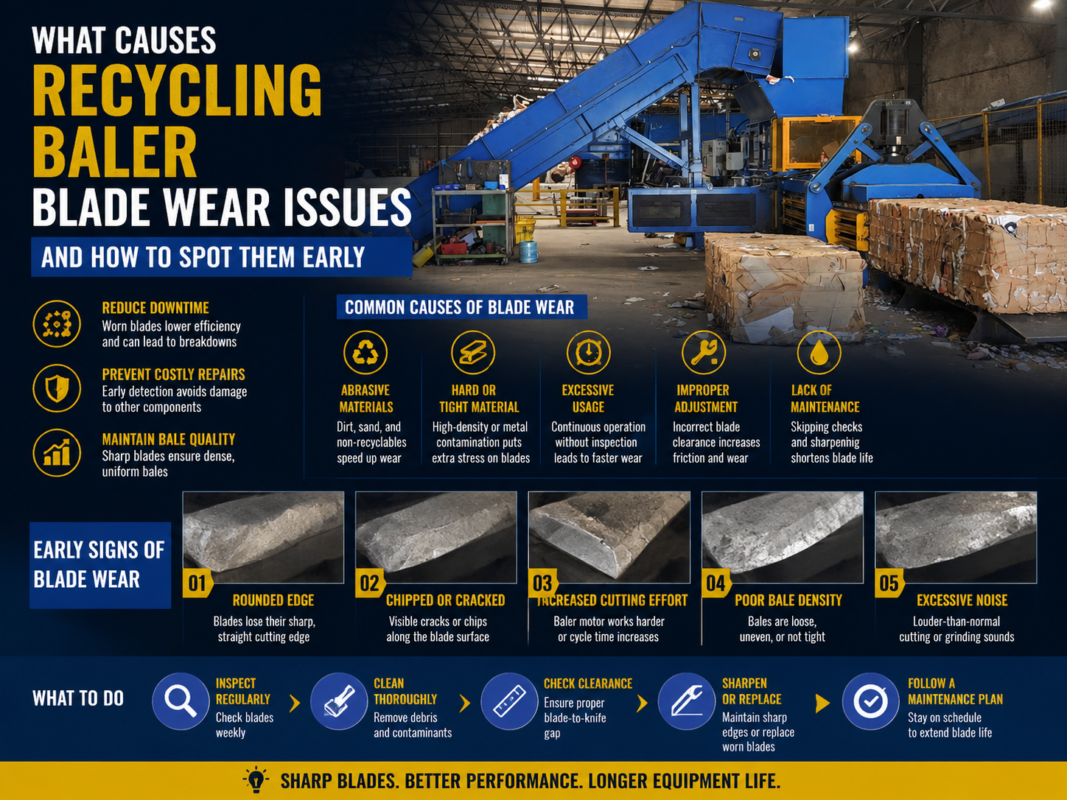
For balers equipped with shear blades (common in scrap metal and paper balers), blade maintenance is paramount. Dull blades increase the load on the hydraulic system and result in messy, poorly cut bales. Inspect the blades for chips or rounding of the edges. Most blades can be rotated or sharpened several times before needing replacement. Maintaining the proper gap between the moving and stationary blades is critical for a clean cut and to prevent the blades from clashing, which can cause catastrophic mechanical failure.
The bale chamber itself should be inspected for structural cracks, especially around the door hinges and locking mechanisms. The immense pressure of the baling process can cause fatigue in the welds over time. If you notice any hairline cracks, they should be professionally repaired immediately. The door locking pins and hydraulic door locks must also be checked for smooth operation. A failure in the door locking mechanism during a cycle can lead to a dangerous release of stored energy.
Comprehensive Lubrication Plan
Lubrication is the simplest yet most frequently overlooked aspect of the Recycling Baler Maintenance Checklist for Longer Machine Life. Without proper lubrication, metal-on-metal contact will rapidly destroy bearings, pins, and slides. A dedicated lubrication plan should identify every grease point on the machine, the type of lubricant required, and the frequency of application. Most industrial balers require an Extreme Pressure (EP) grease that can withstand the high loads found in recycling applications.
Key lubrication points typically include the ram guide tracks, door hinges, cylinder clevis pins, and any moving parts in the bale tying or wrapping mechanism. Over-lubrication can be just as harmful as under-lubrication, as excess grease can attract grit and abrasive dust, creating a grinding paste that accelerates wear. Wipe away old grease before applying new lubricant to ensure that contaminants are not forced into the bearing surfaces.
For automated balers, the wire-tier or strapping mechanism requires specific attention. These systems have many small, fast-moving parts that must be kept lubricated to prevent jams. Use the specific oil or grease recommended by the manufacturer for these components, as the wrong lubricant can gum up the works or interfere with the knotting process. Consistent lubrication not only extends the life of the parts but also ensures that the machine operates quietly and smoothly.
Troubleshooting Signals: What Your Baler is Telling You
Experienced operators can often “sense” when a machine is beginning to fail. Unusual sounds are the most common warning signs. A high-pitched squeal often points to a hydraulic restriction or a pump issue. A heavy clunking sound might indicate a loose mechanical component or a problem with the ram alignment. If the machine begins to vibrate excessively, it could be a sign of motor imbalance or structural instability. Never ignore these signals; they are the machine’s way of asking for maintenance.
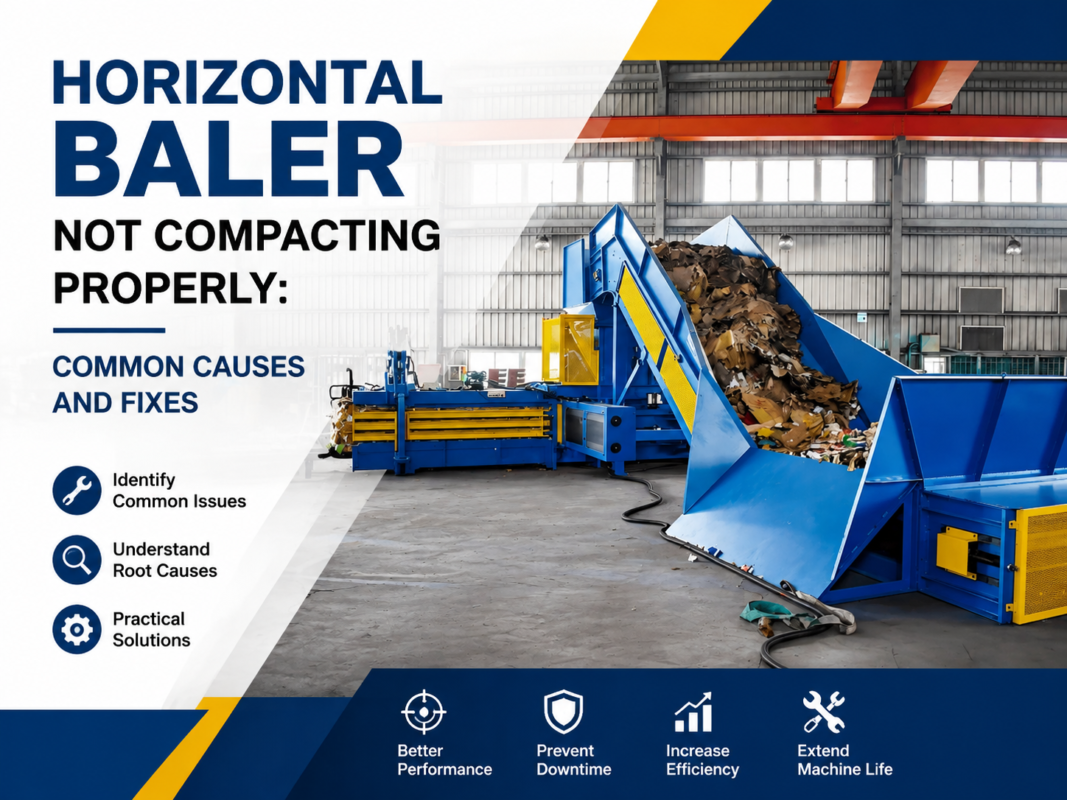
Performance changes are another key indicator. If the cycle time begins to slow down, it suggests that the hydraulic pump is losing efficiency or that there is an internal leak in a valve or cylinder. If the bales are not as dense as they used to be, the system may not be reaching its full relief pressure. Monitoring the pressure gauges during a cycle can help diagnose whether the issue is hydraulic or related to the material being processed. Heat is also a major signal; if the tank or the cylinders feel excessively hot to the touch, the system is working too hard or the cooling system is compromised.
Finally, look for changes in the finished product. If the bales are misshapen or the ties are frequently breaking, it indicates a problem with the chamber geometry or the tying mechanism. Consistent monitoring of these factors allows for proactive maintenance. Instead of waiting for the machine to stop, you can schedule a repair during a planned shutdown, saving time and money.
Maintenance Schedule Table
| Frequency | Task Description | Component Focus |
|---|---|---|
| Daily | Check oil levels and look for leaks | Hydraulic System |
| Daily | Test E-stops and safety interlocks | Safety Systems |
| Daily | Clean debris from ram and sensors | General Cleanliness |
| Weekly | Inspect hoses and fittings for wear | Hydraulics |
| Weekly | Grease ram guides and door hinges | Lubrication |
| Monthly | Check oil filter indicators and replace if needed | Hydraulic Filtration |
| Monthly | Inspect shear blade sharpness and gap | Mechanical/Cutting |
| Quarterly | Tighten electrical terminals and clean cabinet | Electrical System |
| Quarterly | Check wear liner thickness | Mechanical/Ram |
| Annually | Complete hydraulic oil analysis or change | Fluid Health |
| Annually | Structural weld inspection | Frame/Chamber |
Frequently Asked Questions (FAQ)
1. How often should I change the hydraulic oil in my recycling baler?
Generally, hydraulic oil should be changed every 2,000 to 4,000 operating hours, or at least once a year. However, the best practice is to perform annual oil analysis. This test determines the oil’s viscosity, oxidation levels, and contaminant count, allowing you to change the oil only when necessary, which is both cost-effective and environmentally friendly.
2. Why is my baler losing compression force?
Loss of force is usually caused by one of three things: a failing hydraulic pump, an internal leak in the hydraulic cylinder (bypassing), or a pressure relief valve that is stuck open or set too low. Check the system pressure with a manual gauge to isolate whether the problem is the pump or the cylinder.
3. Can I use any type of grease for the lubrication points?
No. You should use the specific lubricant recommended in your HARSLE manual. Most recycling balers require an EP2 (Extreme Pressure) lithium-based grease. Using a general-purpose grease may not provide enough film strength to protect the components under the massive loads generated during the baling cycle.
4. What should I do if I find a crack in the bale chamber?
Stop using the machine immediately. A crack in the chamber indicates structural fatigue. Continuing to operate the baler can cause the crack to propagate rapidly, leading to a violent structural failure. The crack should be ground out and welded by a certified technician experienced in heavy machinery repair.
5. How do I prevent the wire-tier from jamming?
The most common causes of wire-tier jams are accumulated debris and lack of lubrication. Clean the tying mechanism daily with compressed air to remove dust and small fragments. Ensure the wire path is smooth and that the cutters are sharp. Regular lubrication of the moving parts in the tier is also essential for reliable operation.
Conclusion: Investing in the Future of Your Equipment
Following a Recycling Baler Maintenance Checklist for Longer Machine Life is the most effective strategy for ensuring the productivity and safety of your facility. While it may seem like a significant time commitment, the cost of preventive maintenance is a fraction of the cost of emergency repairs and lost production. A well-maintained HARSLE baler is a testament to a well-run facility, providing reliable service and high-quality bales for years to come.
By focusing on the hydraulic, electrical, and mechanical systems through daily, weekly, and monthly checks, you create a robust defense against the wear and tear of industrial operations. Remember that maintenance is an ongoing process, not a one-time event. Train your operators to be the first line of defense, encourage them to report anomalies, and always prioritize safety. With the right care, your recycling baler will remain a powerful and profitable part of your business for the long haul.