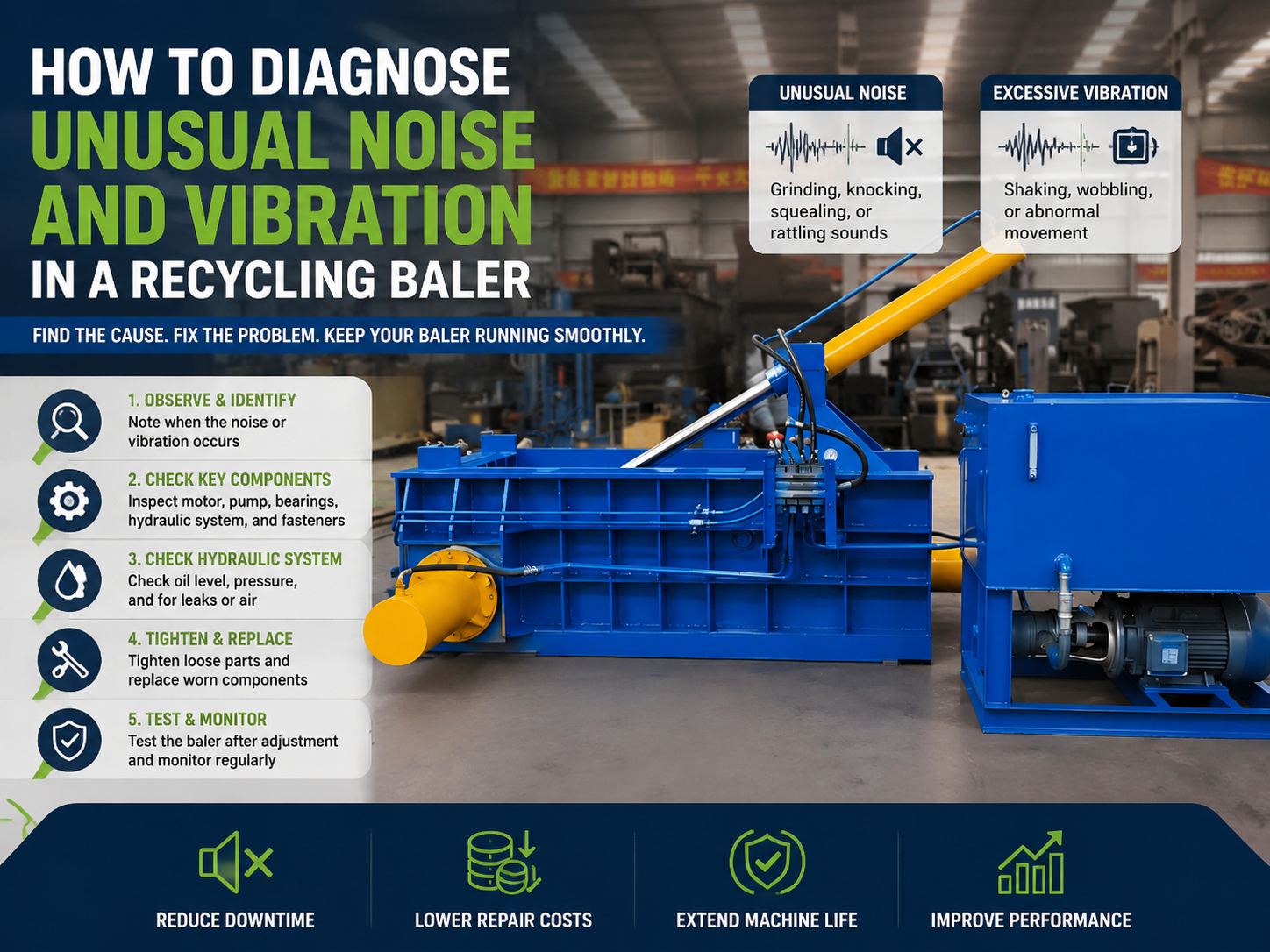
Comprehensive Guide: How to Diagnose Unusual Noise and Vibration in a Recycling Baler

The Critical Importance of Maintenance in Recycling Balers
In the demanding world of scrap metal processing and waste management, the recycling baler stands as a cornerstone of operational efficiency. However, because these machines operate under immense hydraulic pressure and handle abrasive materials, they are subject to significant wear and tear. Understanding how to diagnose unusual noise and vibration in a recycling baler is not merely a matter of convenience; it is a vital skill for preventing catastrophic mechanical failure, ensuring operator safety, and protecting your capital investment.
When a baler begins to emit sounds that deviate from its standard rhythmic hum, it is communicating a specific internal distress. Ignoring these signals often leads to a domino effect where a minor issue—such as a loose bolt or a slightly clogged filter—escalates into a major hydraulic pump failure or a cracked structural frame. Proactive maintenance and diagnostic vigilance allow facilities to transition from reactive ‘firefighting’ to a planned, predictive maintenance strategy that maximizes uptime.
Furthermore, excessive vibration can lead to the loosening of electrical connections and the fatigue of hydraulic seals. Over time, a vibrating machine will literally shake itself apart, leading to leaks that pose environmental hazards and fire risks. By mastering the art of diagnosis, maintenance teams can identify the root cause of these issues early, ensuring that the HARSLE recycling baler continues to perform at peak capacity for decades.
Daily Inspection: The First Line of Defense
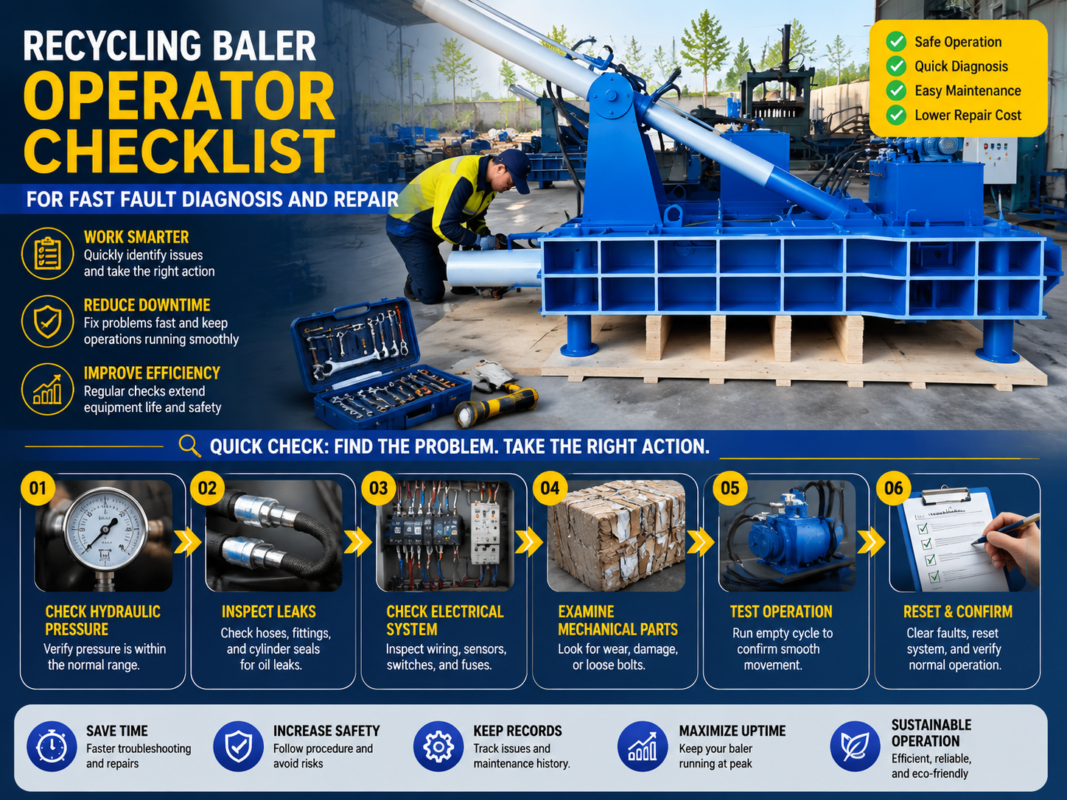
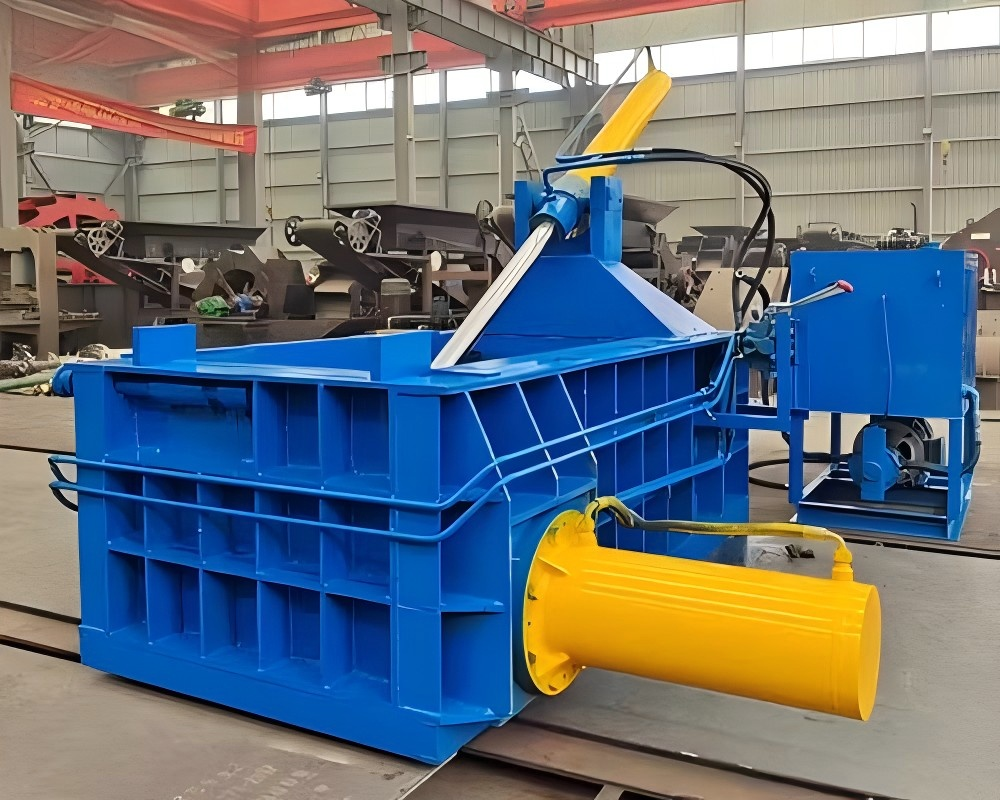
The most effective way to diagnose unusual noise and vibration in a recycling baler is to establish a baseline of ‘normal’ operation through daily inspections. Every shift should begin with a visual and auditory walkthrough. Operators should be trained to listen for the specific cadence of the hydraulic cycle—the smooth transition of the ram, the steady drone of the motor, and the crisp click of the solenoid valves. Any deviation from this baseline should be logged and investigated immediately.
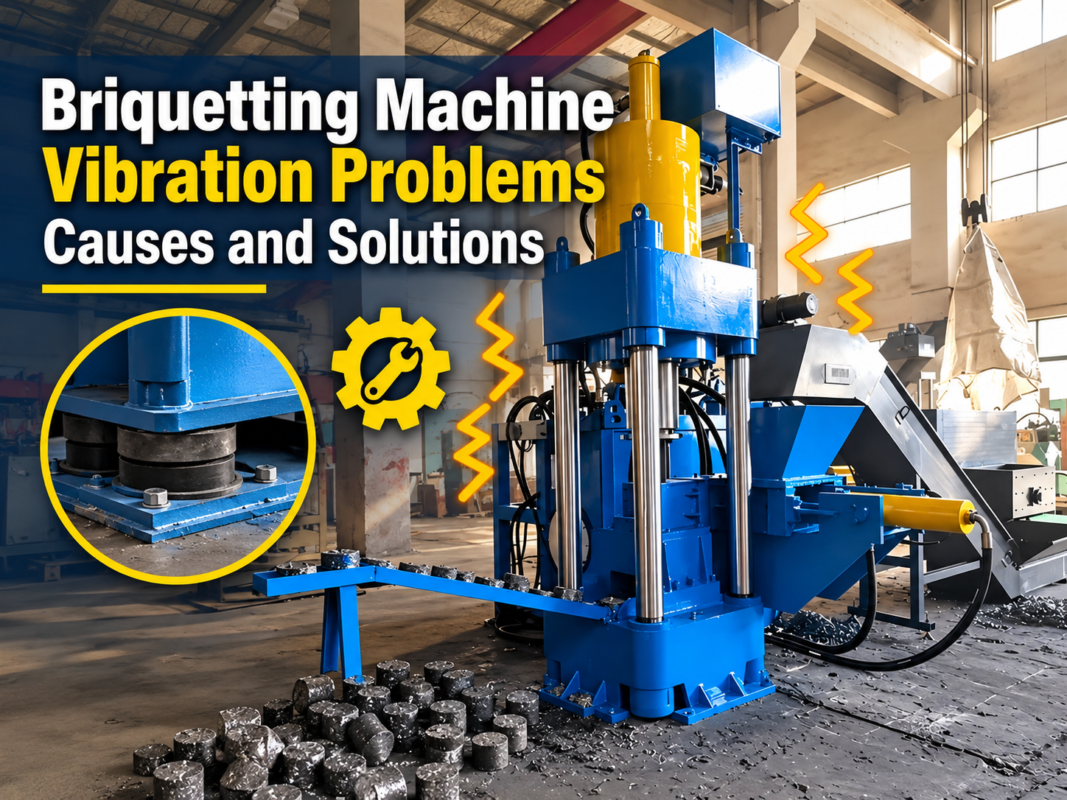
Daily inspections should focus on the external components first. Check for loose mounting bolts on the motor and pump assembly. A motor that has shifted even a few millimeters out of alignment will produce a distinct high-pitched vibration that can eventually destroy the coupling. Additionally, inspect the floor anchors; if the baler is not perfectly level or if the anchors have loosened, the entire chassis may vibrate during the high-pressure compression phase.
Beyond the mechanical structure, daily checks must include the hydraulic fluid levels and temperature. Low oil levels often lead to the introduction of air into the system, which is a primary cause of ‘knocking’ or ‘banging’ noises. Similarly, if the oil is too hot, its viscosity drops, leading to poor lubrication and increased friction noise. By catching these symptoms during a morning walkthrough, you prevent the damage that would occur during a full eight-hour shift.
Hydraulic System Checks: Identifying Fluid Power Issues
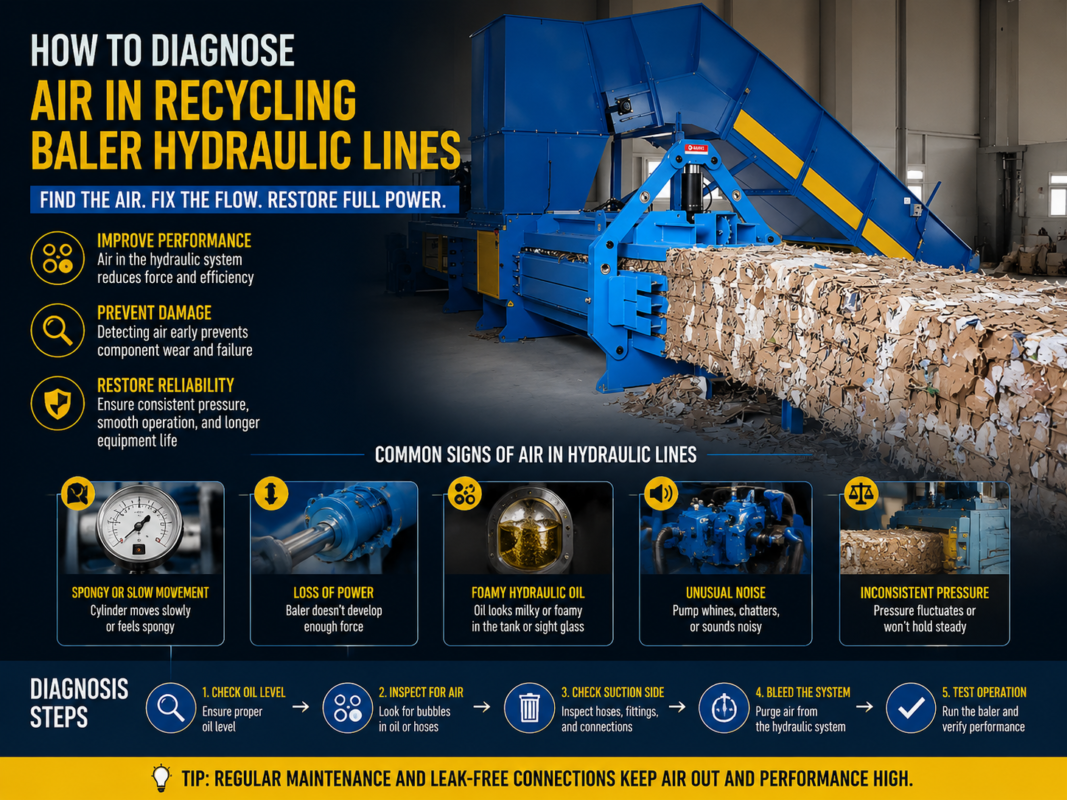
The hydraulic system is the heart of the recycling baler, and it is also the most common source of unusual noises. One of the most frequent sounds reported is a high-pitched whining or screaming, which usually indicates pump cavitation. Cavitation occurs when the pump cannot get enough oil, creating a vacuum that causes vapor bubbles to form and then implode violently. This not only creates noise but also pits the internal surfaces of the pump, leading to rapid failure.
Another common hydraulic issue is aeration, which sounds like a ‘crackling’ or ‘gravel-in-a-blender’ noise. Unlike cavitation, aeration happens when air enters the system from the suction side, often through a loose fitting or a worn shaft seal. This air becomes compressed and decompressed, causing erratic ram movement and significant vibration. If you see foam in the hydraulic reservoir, aeration is almost certainly the culprit.
Valve chatter is another diagnostic signal to watch for. If a relief valve is set too low or if its internal spring is weakened, it may open and close rapidly as the system reaches peak pressure. This creates a rapid-fire vibrating sound. To diagnose this, technicians should use pressure gauges to verify that all valves are operating within the manufacturer’s specified PSI range. Consistent pressure monitoring is key to ensuring the hydraulic circuit remains stable and quiet.
Electrical System Checks: Motors and Controls
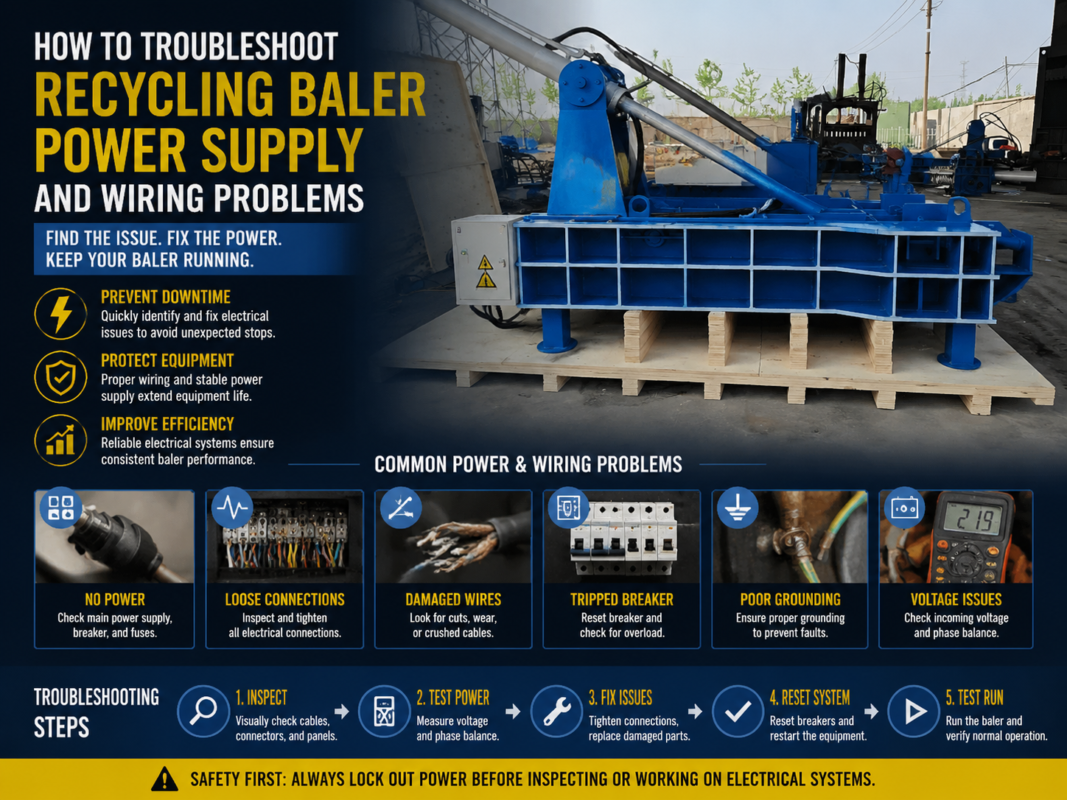
While recycling balers are primarily hydraulic and mechanical, the electrical system can also produce noise and vibration. An electric motor that is ‘humming’ louder than usual may be experiencing a phase imbalance or a failing bearing. If the motor is running on two phases instead of three (single-phasing), it will vibrate excessively and generate intense heat, which can burn out the windings in a matter of minutes.
Loose electrical connections in the control cabinet can also lead to audible issues. A buzzing contactor or relay often indicates that the coil is failing or that there is dust and debris preventing the contacts from seating properly. While this might seem minor, a failing contactor can cause the hydraulic pumps to cycle on and off rapidly, leading to ‘water hammer’ effects in the hydraulic lines, which manifest as loud, rhythmic thumping throughout the machine.
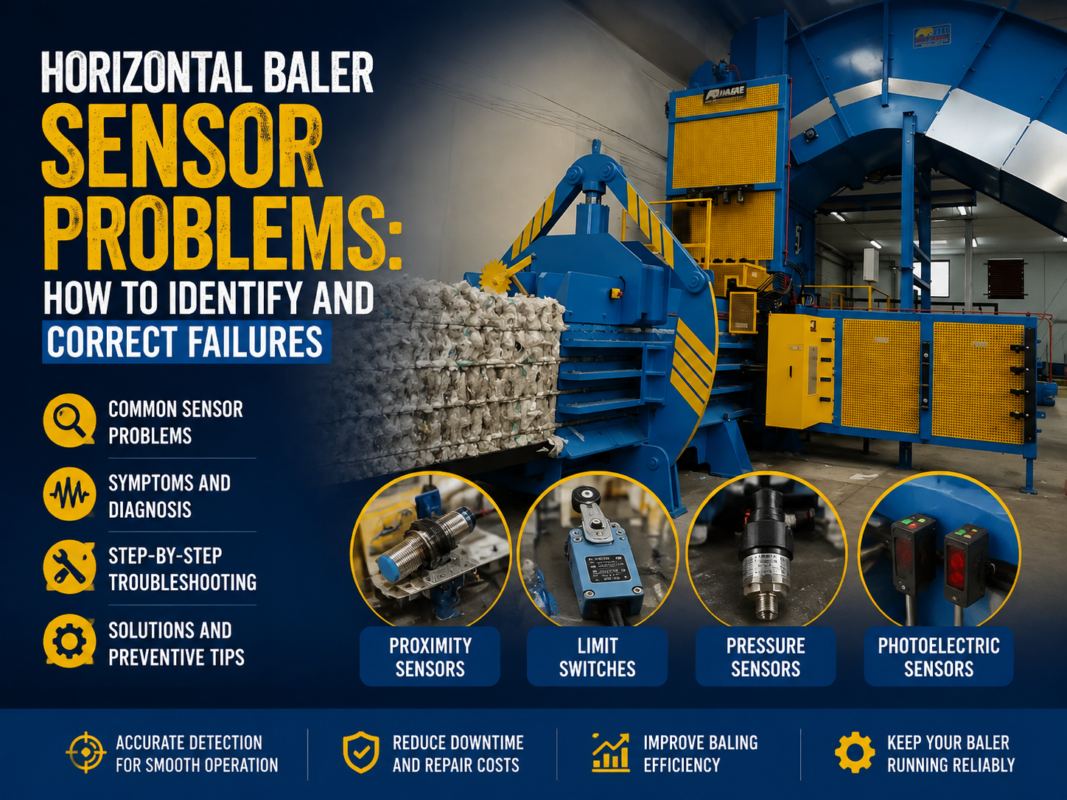
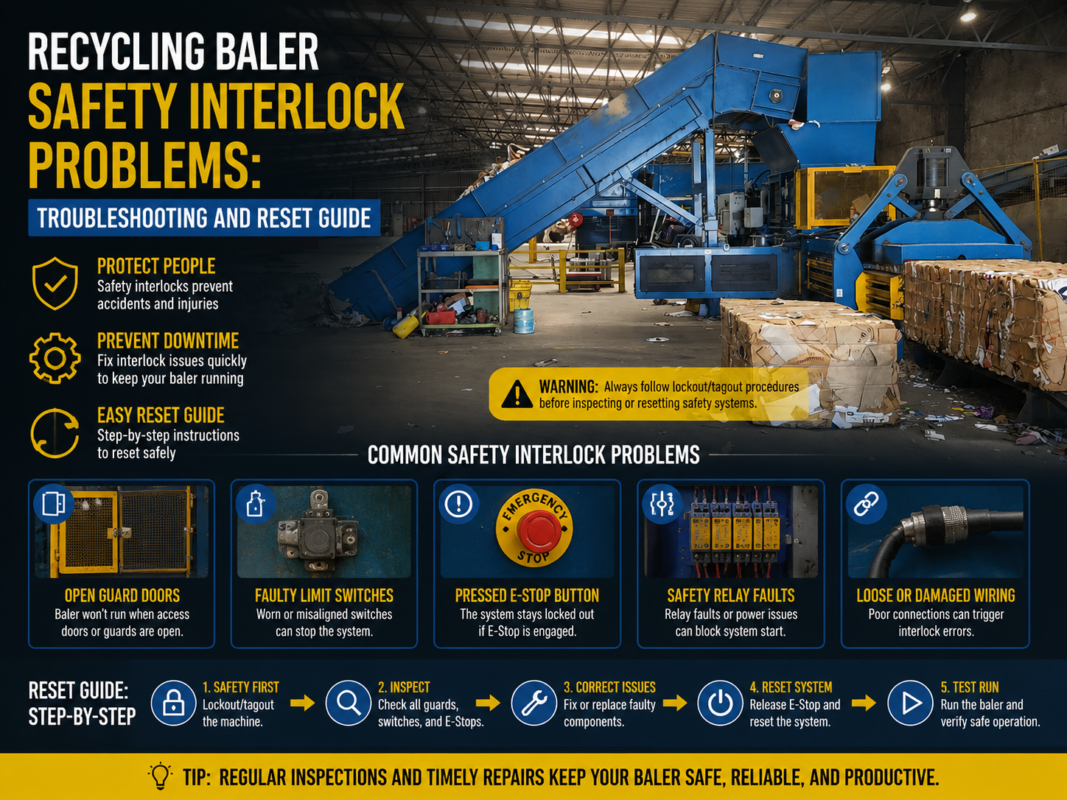
Furthermore, modern HARSLE balers utilize various sensors and PLCs (Programmable Logic Controllers) to manage the baling cycle. If a proximity sensor is loose or misaligned, it may send flickering signals to the PLC, causing the ram to stutter. This stuttering creates a jarring vibration that can be mistaken for a mechanical jam. Ensuring that all sensors are securely mounted and free of metal shavings is a critical step in the electrical diagnostic process.
Mechanical Components: Bearings, Guides, and Structure
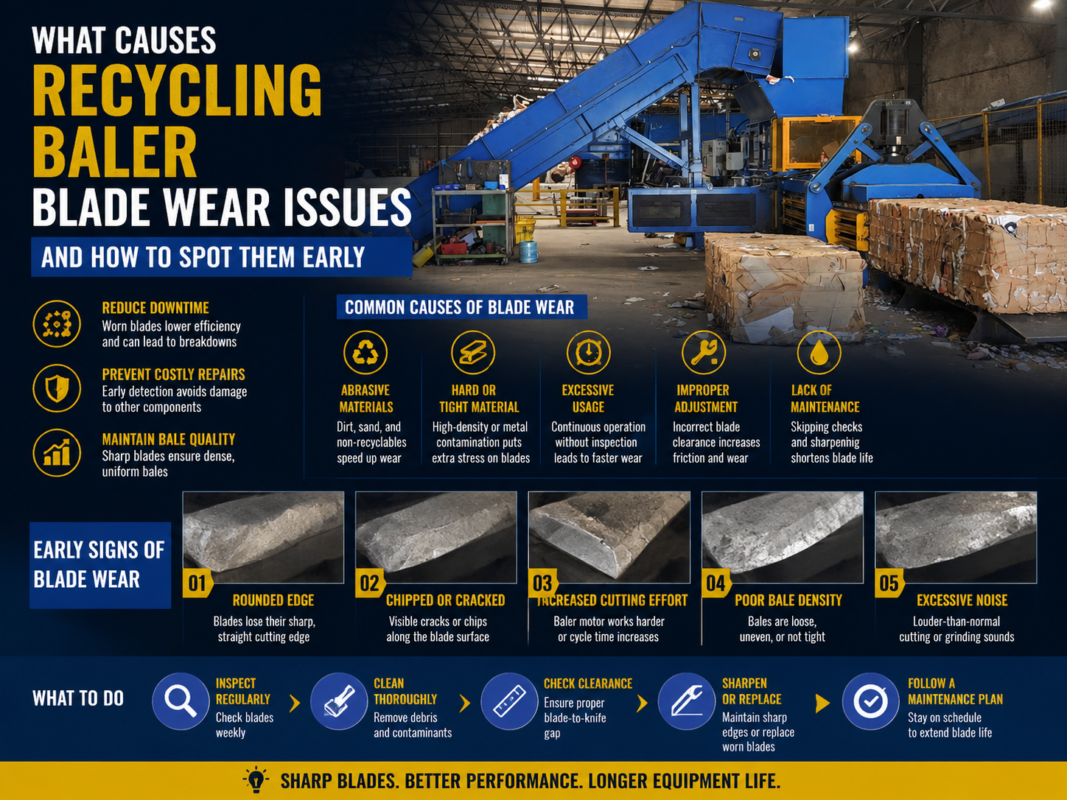
Mechanical noise in a recycling baler is often the most ‘violent’ sounding, involving grinding, scraping, or heavy thudding. The ram, which travels back and forth within the baling chamber, relies on wear plates and guides. If these plates become excessively worn or if debris gets trapped behind them, the ram may ‘cock’ at an angle. This leads to a heavy grinding sound as metal-on-metal contact occurs between the ram and the chamber walls.
Bearings in the pivot points of the bale door or the main cylinder pins are also common failure points. A dry or seized bearing will produce a piercing squeal during the door opening or closing cycle. To diagnose unusual noise and vibration in a recycling baler related to bearings, technicians should use a stethoscope or a long screwdriver held to the ear to pinpoint the exact location of the friction. If the vibration is localized to a specific joint, the bearing or pin likely requires immediate attention.
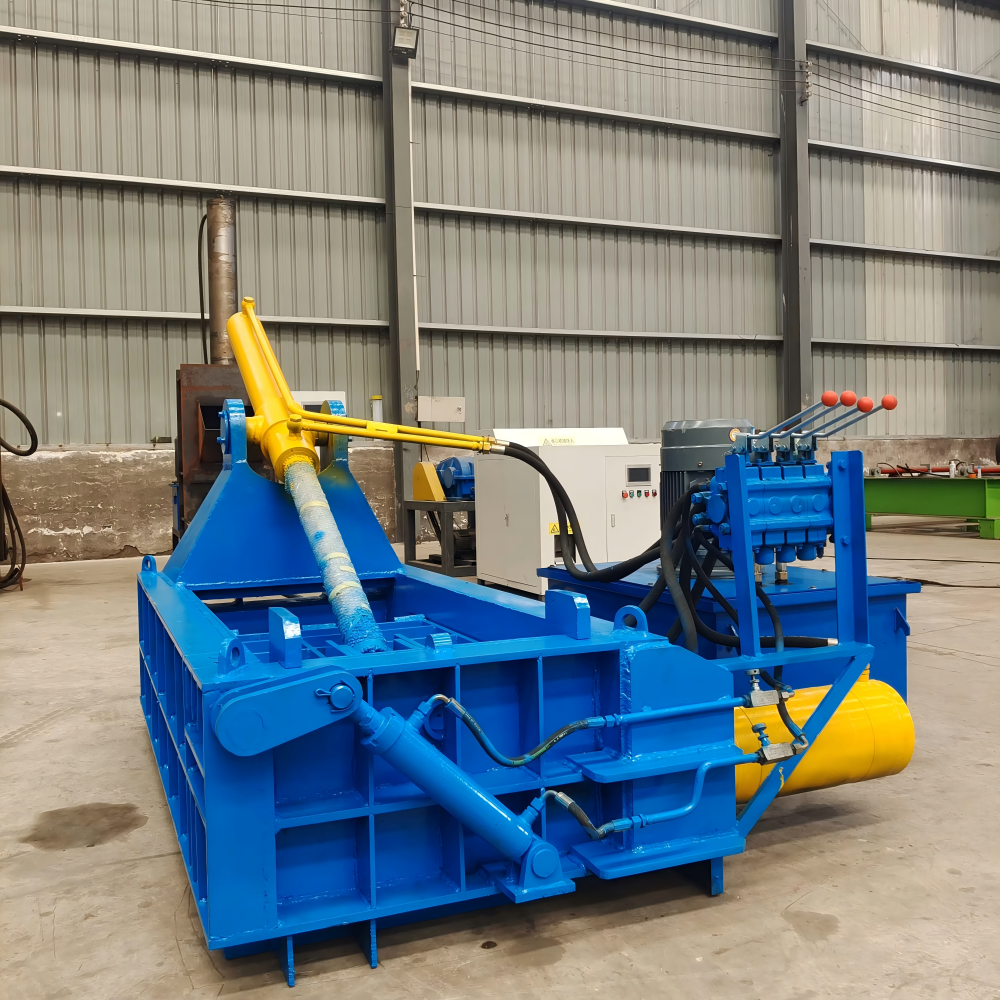
Structural integrity is the final mechanical check. Over years of service, the intense pressure of baling scrap metal can cause stress cracks in the welds of the main frame. These cracks allow the frame to flex during compression, creating a ‘groaning’ or ‘creaking’ sound. If you hear these deep structural noises, it is imperative to perform a dye-penetrant test on the main welds to ensure the machine is still safe to operate. A structural failure under pressure can be catastrophic.
The Lubrication Plan: Reducing Friction and Noise
A significant percentage of noise and vibration issues can be traced back to inadequate lubrication. In a recycling baler, lubrication serves two purposes: it reduces friction between moving parts and acts as a cushion that dampens vibration. Without a consistent lubrication plan, the machine will inevitably become louder and less efficient.
The lubrication plan should specify the type of grease or oil required for each component. For example, the high-pressure environment of the ram guides requires an Extreme Pressure (EP) grease that won’t be squeezed out under load. If the wrong lubricant is used, the guides will ‘chatter,’ creating a rhythmic vibration as the ram moves. This ‘stick-slip’ phenomenon is a classic sign that the lubricant film has broken down.
Automated lubrication systems are highly recommended for HARSLE recycling balers. These systems deliver small, precise amounts of grease at regular intervals, ensuring that bearings and guides are always protected. If your machine is equipped with an auto-lube system, part of your diagnosis should involve checking the lines for blockages. A single clogged line can leave a critical bearing dry, leading to a localized noise that eventually spreads to the rest of the machine.
Troubleshooting Signals: A Sound Dictionary
To help operators and maintenance staff quickly diagnose unusual noise and vibration in a recycling baler, it is helpful to categorize sounds into a ‘troubleshooting dictionary’:
- High-Pitched Whining: Usually indicates hydraulic pump cavitation or a clogged suction filter. Check oil levels and filter indicators.
- Rhythmic Thumping: Often points to a loose ram guide or a ‘water hammer’ effect in the hydraulic lines caused by a faulty valve.
- Grinding/Scraping: Metal-on-metal contact. Check the wear plates in the baling chamber and ensure no scrap metal is wedged in the guides.
- Squealing: Typically a dry bearing or a slipping drive belt (if applicable). Check all pivot points and tensioners.
- Chattering: Likely ‘stick-slip’ motion in the cylinders or guides due to improper lubrication or air in the hydraulic fluid.
- Buzzing: Electrical in nature. Check contactors, relays, and the motor’s cooling fan for debris.
By identifying the specific ‘flavor’ of the noise, technicians can skip the guesswork and go straight to the most likely source of the problem. This reduces downtime and prevents the unnecessary replacement of functional parts.
Maintenance Schedule Table
Following a structured maintenance schedule is the best way to prevent noise and vibration from developing in the first place. Below is a recommended schedule for a heavy-duty recycling baler.
| Frequency | Component | Action Required |
|---|---|---|
| Daily | Hydraulic Reservoir | Check oil level and temperature; look for foam (aeration). |
| Daily | Main Frame & Anchors | Inspect for loose bolts and floor stability. |
| Weekly | Filters | Check pressure gauges on suction and return filters; replace if needed. |
| Weekly | Ram Guides | Clean debris and verify lubrication film thickness. |
| Monthly | Electrical Cabinet | Vacuum dust, tighten terminals, and inspect contactors. |
| Monthly | Hydraulic Hoses | Inspect for ‘sweating,’ cracks, or vibration-induced rubbing. |
| Quarterly | Oil Analysis | Send a sample to a lab to check for metal particles and acidity. |
| Quarterly | Structural Welds | Visual inspection for stress cracks in high-load areas. |
| Annually | Pump & Motor | Perform a full alignment check and efficiency test. |
Frequently Asked Questions (FAQ)
1. Why does my baler vibrate only when the ram is retracting?
Vibration during the retraction stroke often indicates that the ‘cushioning’ at the end of the cylinder stroke is failing, or there is a vacuum being created in the rod end of the cylinder. It could also mean the return line filter is clogged, creating backpressure that causes the system to shudder.
2. Can the type of material being baled cause unusual noises?
Yes. Baling extremely hard materials like stainless steel or heavy structural scrap will produce more ‘protest’ noise from the machine than baling aluminum cans. However, the noise should still be consistent. If the noise changes while baling the same type of material, the issue is with the machine, not the scrap.
3. How often should I change the hydraulic oil to prevent noise?
Oil should generally be changed every 2,000 to 4,000 operating hours, but this depends on the environment. In dusty or hot scrap yards, more frequent changes are necessary. Using oil analysis is the best way to determine the exact timing, as degraded oil is a leading cause of pump noise.
4. Is a little bit of vibration normal for a large recycling baler?
Some vibration is inherent in any high-pressure hydraulic machine. However, it should never be enough to loosen bolts, crack welds, or cause visible ‘shaking’ of the hydraulic hoses. If the vibration is felt through the floor several feet away, it is likely excessive and needs diagnosis.
5. What is the quickest way to stop a ‘screeching’ noise from the ram?
The quickest temporary fix is often applying a high-quality spray lubricant to the guides. However, this is only a diagnostic step. If the screeching stops, you have confirmed the guides are the problem, and you must then address the underlying lubrication system failure or replace the worn plates.
Conclusion
Learning to diagnose unusual noise and vibration in a recycling baler is an essential part of industrial literacy for any scrap yard manager or maintenance technician. By paying close attention to the hydraulic, mechanical, and electrical signals your HARSLE equipment provides, you can ensure a safer work environment and a much longer service life for your machinery. Remember: a quiet baler is a happy baler, and a happy baler is a profitable one. Regular inspections, a strict lubrication regime, and immediate response to unusual sounds are the keys to operational excellence in the metal fabrication and recycling industry.