Essential Electrical Maintenance Tips for Recycling Baler Machines: A Comprehensive Guide for Industrial Longevity

Introduction to Electrical Maintenance in Recycling Balers
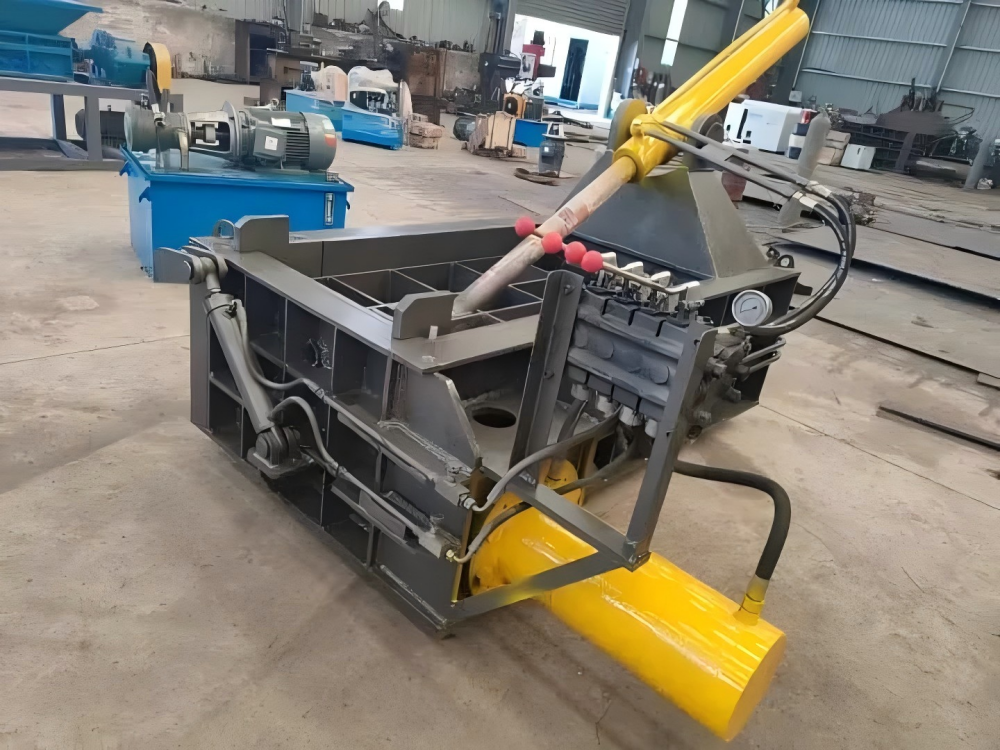
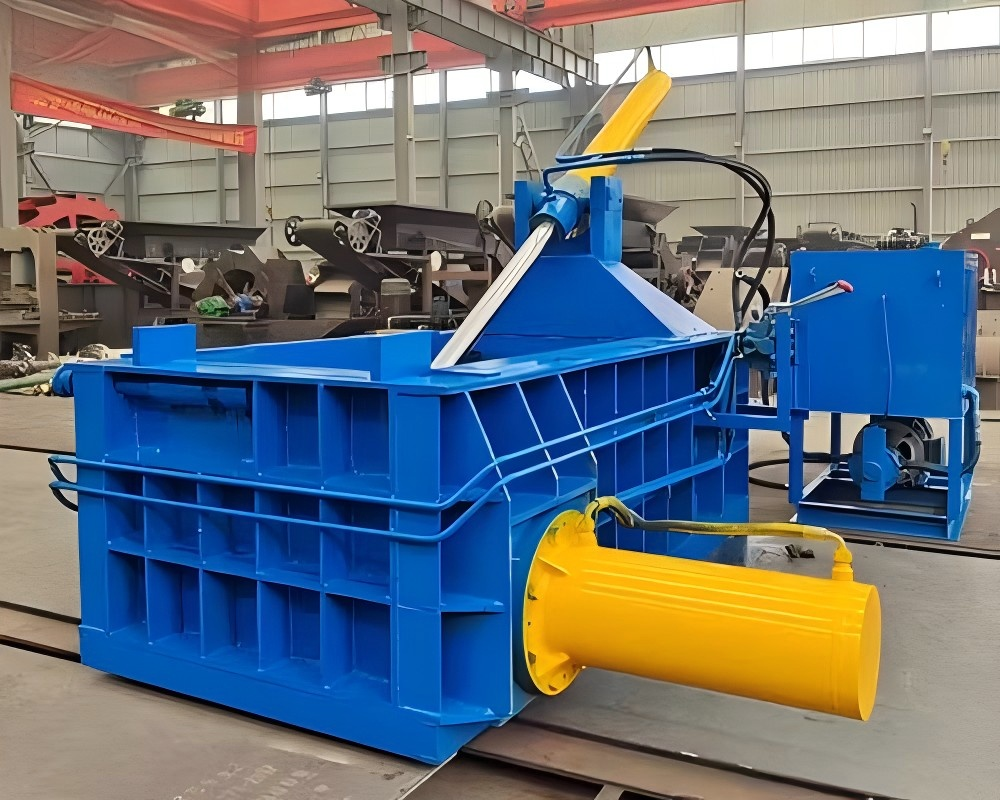
In the modern recycling industry, the efficiency of operations hinges on the reliability of heavy-duty machinery. Among these, the recycling baler stands as a cornerstone, responsible for compressing vast quantities of scrap metal, plastic, and paper into manageable units. While many operators focus heavily on the hydraulic and mechanical aspects of these machines, the electrical system is arguably the most critical component. It serves as the ‘brain’ of the operation, coordinating every movement, pressure adjustment, and safety protocol. Implementing Essential Electrical Maintenance Tips Recycling Baler Machines is not just about preventing breakdowns; it is about optimizing performance and ensuring the safety of the workforce.
Electrical systems in industrial balers are complex, involving Programmable Logic Controllers (PLCs), intricate wiring harnesses, high-voltage motors, and sensitive sensors. Because these machines often operate in harsh environments—characterized by dust, vibration, and temperature fluctuations—the electrical components are under constant stress. Neglecting these systems can lead to erratic behavior, unexpected downtime, and even hazardous electrical fires. This guide provides a deep dive into the necessary steps to keep your baler’s electrical heart beating strong.
The Critical Importance of Regular Maintenance
The primary goal of any maintenance program is to maximize the Return on Investment (ROI) of the equipment. For recycling balers, this means ensuring the machine can handle high-volume throughput without interruption. Electrical failures are often the most difficult to diagnose and the most expensive to repair if left to escalate. By following essential electrical maintenance tips for recycling baler machines, facilities can transition from reactive repairs to proactive care, significantly extending the machine’s service life.
Safety is another paramount concern. Recycling balers exert immense force, and the electrical system controls the emergency stop functions and safety interlocks. A malfunction in the electrical circuit could lead to a failure in these safety mechanisms, posing a severe risk to operators. Furthermore, efficient electrical systems consume less power. Loose connections or failing components often lead to increased resistance, which manifests as heat and wasted energy, driving up operational costs. Regular inspections ensure that the machine operates at peak electrical efficiency.
Daily Inspection: The First Line of Defense
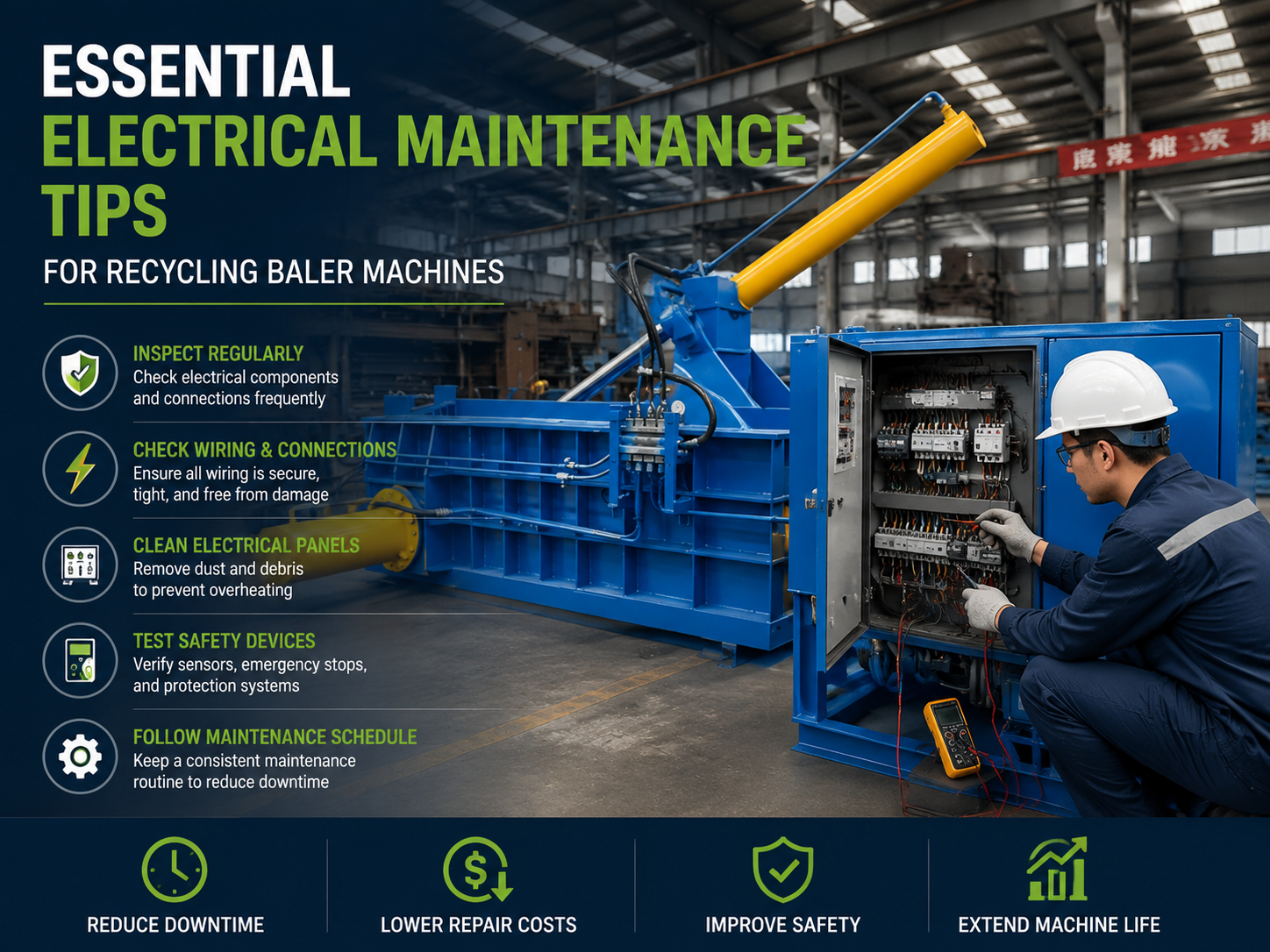
Daily inspections are the most effective way to catch minor issues before they evolve into major failures. Every shift should begin with a visual and functional check of the electrical system. Operators should look for any signs of physical damage to conduits, cables, and the main control cabinet. In a recycling environment, debris can easily snag on exposed wires, leading to fraying or disconnection. Ensuring that all protective coverings are intact is a simple yet vital step.
Functional testing of the control panel is equally important. Check that all buttons, switches, and indicator lights are responsive. The emergency stop (E-stop) button must be tested daily to ensure it immediately cuts power to the drive systems. Additionally, monitor the display screen for any unusual error codes or warnings. Modern PLCs are designed to provide diagnostic feedback; ignoring these early warnings is a common mistake that leads to avoidable downtime. If the machine sounds different during startup—such as a humming or buzzing from the electrical cabinet—it may indicate a failing contactor or transformer that needs immediate attention.
Deep Dive: Electrical, Hydraulic, and Mechanical Synergy
Electrical System Checks
The core of the electrical system is the control cabinet. This area must be kept clean and dry. Dust accumulation is a major enemy of electrical components; it can act as an insulator, causing parts to overheat, or in some cases, it can become conductive and cause short circuits. Use low-pressure compressed air or a specialized vacuum to clean the cabinet regularly. While inside, check for loose terminals. Vibration from the baling process can cause screws to back out over time. A loose wire creates high resistance, which generates heat and can eventually melt the insulation or the terminal block itself.
Sensors and limit switches are the ‘eyes’ of the baler. They detect the position of the ram, the door, and the material levels. These components are often located in high-impact areas and can become misaligned or coated in grime. Cleaning and recalibrating these sensors ensures the PLC receives accurate data, preventing the machine from over-traveling or failing to complete a cycle. Furthermore, inspect the grounding system. Proper grounding is essential for protecting the sensitive electronics from power surges and ensuring operator safety in the event of a short circuit.
Hydraulic and Mechanical Integration
While this guide focuses on electrical tips, the electrical system does not operate in a vacuum. It is deeply integrated with the hydraulic system. For instance, the solenoid valves are electrically actuated. If a valve is sticking mechanically, the electrical coil may overheat as it tries to force the valve open. Monitoring the amperage draw of the main motor can provide insights into the health of the hydraulic pump. If the motor is drawing more current than usual to achieve the same pressure, it may indicate a mechanical blockage or a failing hydraulic component.
Comprehensive Lubrication and Cooling Plan
Lubrication is typically associated with mechanical gears and bearings, but it plays a role in electrical health as well. Specifically, the main drive motor contains bearings that require precise lubrication. An unlubricated bearing increases friction, which forces the motor to work harder, drawing more electrical current and generating excess heat. This heat can degrade the motor’s internal winding insulation, leading to a premature burnout. Following the manufacturer’s lubrication schedule for the motor is a critical electrical maintenance task.
Cooling systems for the electrical cabinet must also be maintained. Many large balers use fans or even air conditioning units to keep the PLC and VFD (Variable Frequency Drive) within safe operating temperatures. Check that filters are clean and that fans are spinning freely. If the cabinet gets too hot, the electronic components will experience ‘thermal drift,’ leading to erratic behavior or total system shutdown to prevent permanent damage.
Troubleshooting Signals and Warning Signs
Recognizing the early warning signs of electrical distress can save thousands of dollars in repairs. One of the most common signals is an intermittent fault. If the machine stops for no apparent reason but restarts fine, there is likely a loose connection, a failing relay, or a sensor that is just on the edge of its detection range. These ‘ghost’ issues should never be ignored, as they always worsen over time.
Another sign is the smell of ozone or burning plastic. This indicates an electrical arc or an overheating wire. If an operator detects such a smell, the machine should be shut down immediately and inspected by a qualified electrician. Additionally, keep an eye on the cycle times. If the electrical system is struggling to communicate with the hydraulic valves, the cycle time may become inconsistent. Monitoring these subtle changes allows for scheduled maintenance rather than emergency repairs.
Maintenance Schedule Table
To ensure consistency, follow this structured maintenance schedule for your recycling baler’s electrical components.
| Frequency | Task Description | Component Focus |
|---|---|---|
| Daily | Test Emergency Stop and safety interlocks. | Safety Circuits |
| Daily | Check control panel for error codes and light functionality. | HMI / PLC |
| Weekly | Inspect external cables and conduits for physical damage. | Wiring |
| Weekly | Clean dust and debris from motor cooling fins and cabinet vents. | Cooling System |
| Monthly | Tighten terminal screws in the main control cabinet. | Connections |
| Monthly | Inspect and clean all limit switches and proximity sensors. | Input Devices |
| Quarterly | Check motor insulation resistance (Megger test). | Drive Motor |
| Quarterly | Inspect contactors for signs of pitting or carbon buildup. | Switchgear |
| Annually | Full system calibration and PLC battery replacement. | Control Logic |
Frequently Asked Questions (FAQ)
1. Why does my baler keep tripping the circuit breaker?
A tripping breaker is a safety response to an overcurrent situation. This can be caused by a short circuit in the wiring, a failing motor winding, or the machine being overloaded beyond its mechanical capacity. It can also happen if the breaker itself has become weak over years of service. A qualified technician should measure the current draw to identify the root cause.
2. How often should I replace the PLC battery?
Most industrial PLCs have a backup battery to maintain the program memory during power outages. These typically last 2-5 years. However, it is best practice to replace them every 12-24 months as part of annual maintenance to prevent the loss of critical machine parameters and logic.
3. Can I use any lubricant for the baler motor?
No. You must use the specific grade of grease recommended by the motor manufacturer. Using the wrong type can lead to chemical reactions that harden the lubricant, causing bearing failure and subsequent electrical overload of the motor.
4. What should I do if the HMI screen goes blank?
First, check the power supply to the HMI. Often, this is a 24V DC circuit. Check for blown fuses or tripped miniature circuit breakers (MCBs) inside the cabinet. If power is present, the issue may be the backlight or the internal processor of the HMI itself.
5. How does dust affect the electrical system?
Dust can be highly problematic. In recycling facilities, dust often contains metallic particles which are conductive. If this dust settles on circuit boards or between terminals, it can cause short circuits. Even non-conductive dust acts as an insulator, trapping heat and causing components to fail prematurely.
6. Why are my solenoid valves not firing even though the PLC says they are?
This is often an electrical-to-mechanical disconnect. The PLC may be sending the signal, but the relay or output card might be failed, or the solenoid coil itself could be burnt out. Use a multimeter to check for voltage at the solenoid coil when the command is given.
Conclusion
Adhering to Essential Electrical Maintenance Tips Recycling Baler Machines is the most effective way to ensure your recycling operation remains profitable and safe. By treating the electrical system with the same rigor as the hydraulic and mechanical components, you prevent the majority of common failure modes. Remember that electrical work should always be performed by trained professionals, following proper Lockout/Tagout (LOTO) procedures to ensure the safety of all personnel. With consistent care, your HARSLE recycling baler will provide years of reliable service, turning scrap into value with maximum efficiency.