Recycling Baler Troubleshooting Guide for Common Maintenance Problems

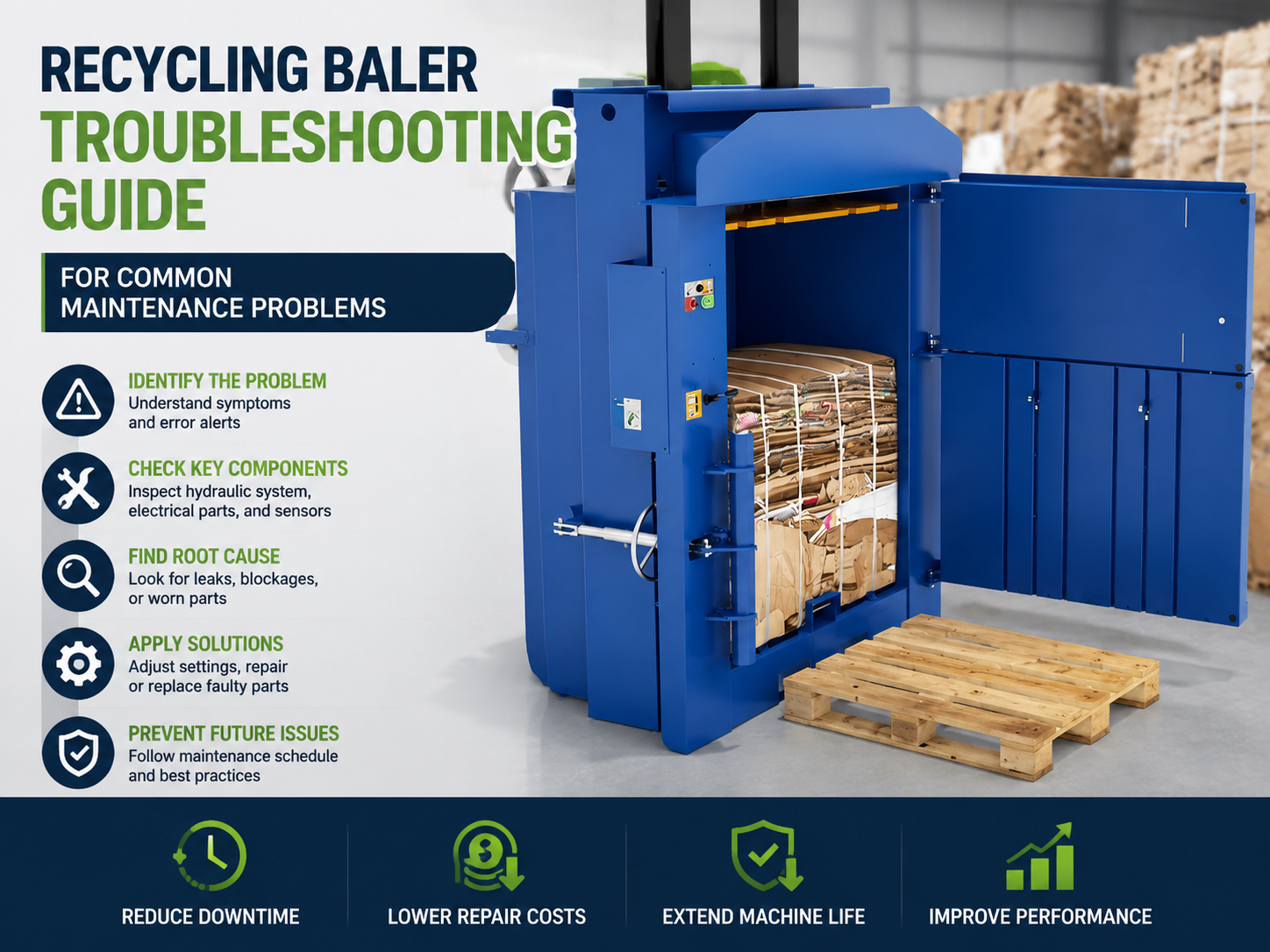
Introduction to Recycling Baler Maintenance
In the modern industrial landscape, the recycling baler stands as a cornerstone of efficient waste management and material recovery. Whether processing cardboard, plastics, or scrap metal, these machines are subjected to immense pressure and harsh operating environments. For facilities utilizing HARSLE equipment, maintaining peak performance is not just about productivity; it is about ensuring safety and maximizing the return on investment. This comprehensive guide focuses on Recycling Baler Troubleshooting Common Maintenance Problems, providing operators and maintenance teams with the technical knowledge required to keep their machinery running smoothly.
A recycling baler is a complex integration of hydraulic power, electrical control, and mechanical force. When one component fails, the entire workflow can grind to a halt. Understanding the nuances of these systems allows for proactive intervention rather than reactive repairs. By following a structured maintenance and troubleshooting protocol, companies can reduce downtime by up to 40% and extend the service life of their equipment by several years. This article delves deep into the specific areas where problems typically arise and offers actionable solutions for common industrial challenges.
The Critical Importance of Regular Maintenance
The primary reason for Recycling Baler Troubleshooting Common Maintenance Problems is often the neglect of routine upkeep. Industrial balers operate under high-stress conditions where hydraulic pressures can exceed 3000 PSI and mechanical components endure repetitive cycles of extreme force. Regular maintenance acts as a preventative shield, identifying minor wear before it escalates into a catastrophic failure. For instance, a small hydraulic leak, if ignored, can lead to pump cavitation, which is a significantly more expensive repair.
Beyond the financial implications, maintenance is a matter of workplace safety. Balers involve moving parts, high-voltage electricity, and pressurized fluids. A malfunctioning safety interlock or a frayed electrical wire poses a direct threat to the operator. Furthermore, a well-maintained machine produces consistent, high-density bales, which are essential for optimizing transport costs and meeting the requirements of recycling mills. Inconsistent bale density or size often points back to underlying maintenance issues that have been overlooked.
Daily Inspection Protocols: The First Line of Defense
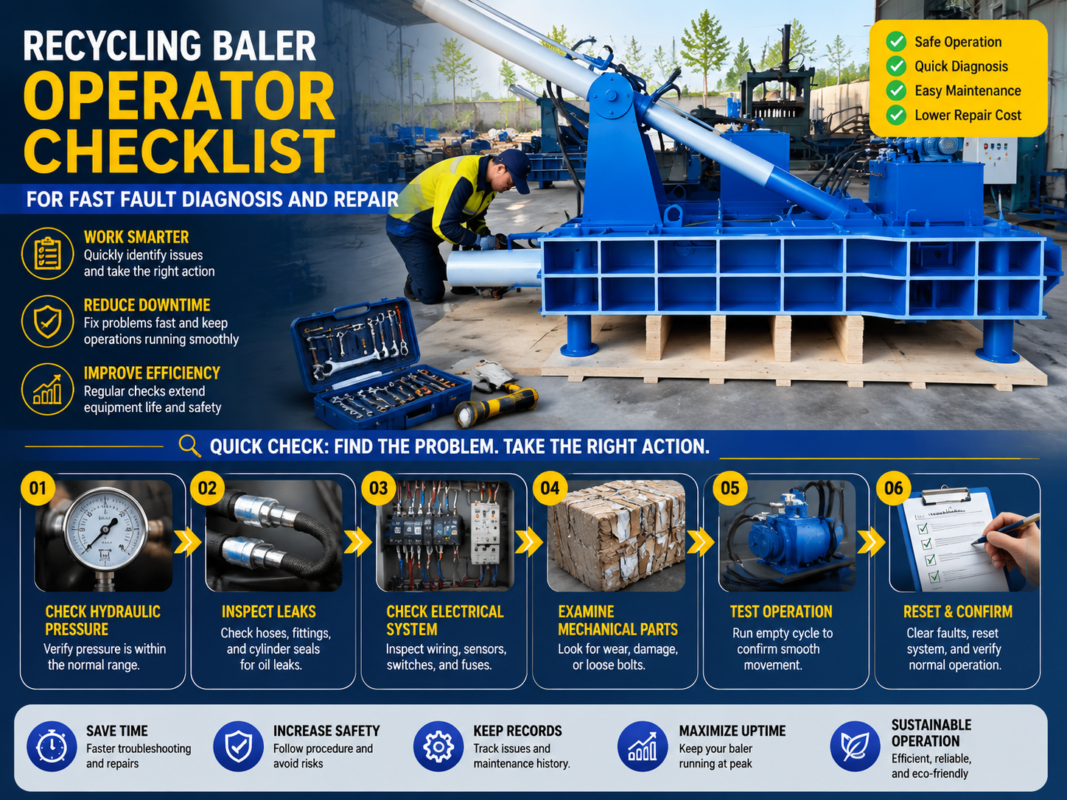
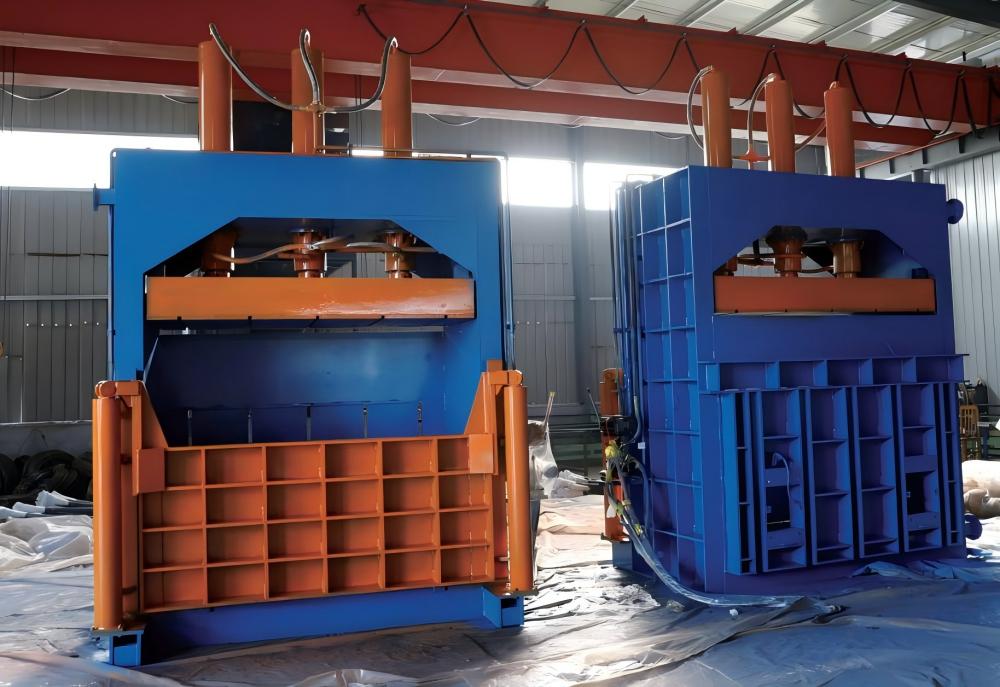
Effective Recycling Baler Troubleshooting Common Maintenance Problems starts with a daily inspection routine. Before the machine is even powered on, a visual walk-around can reveal a wealth of information. Operators should look for signs of oil puddles on the floor, which indicate seal failures or loose fittings. They should also check the bale chamber for any debris or foreign objects that could jam the ram or damage the liner plates. Ensuring that the work area is clean prevents dust and grit from entering the hydraulic reservoir or the electrical cabinet.
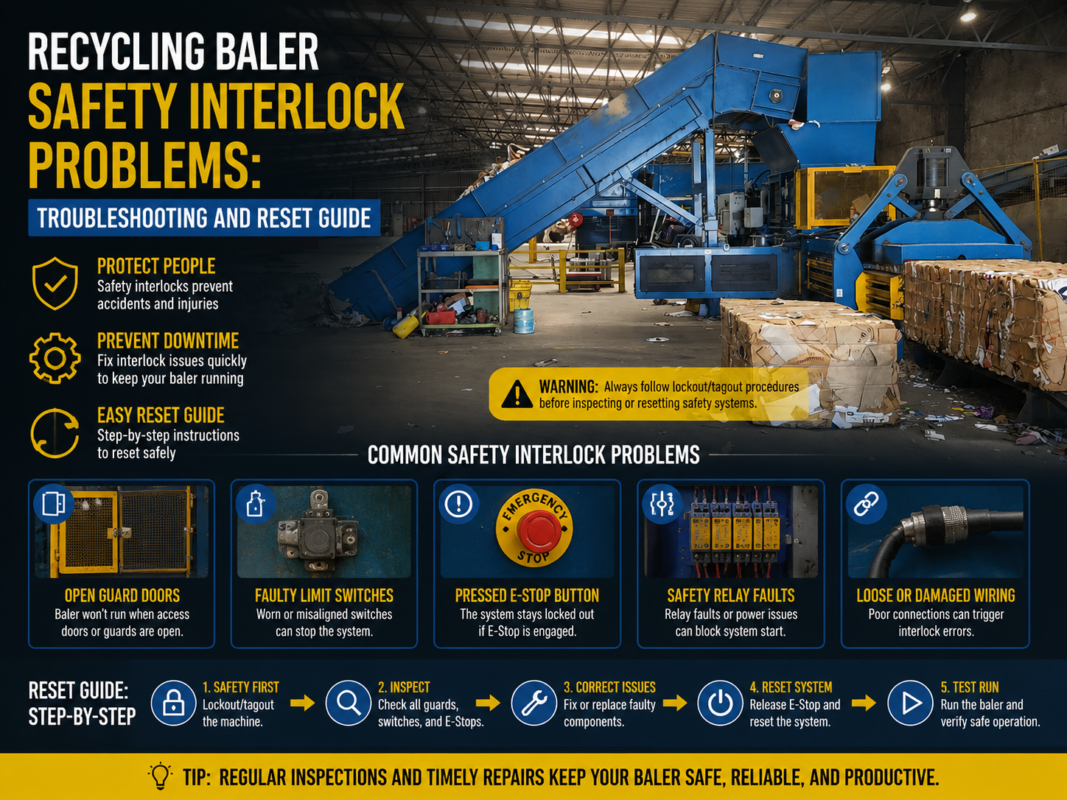
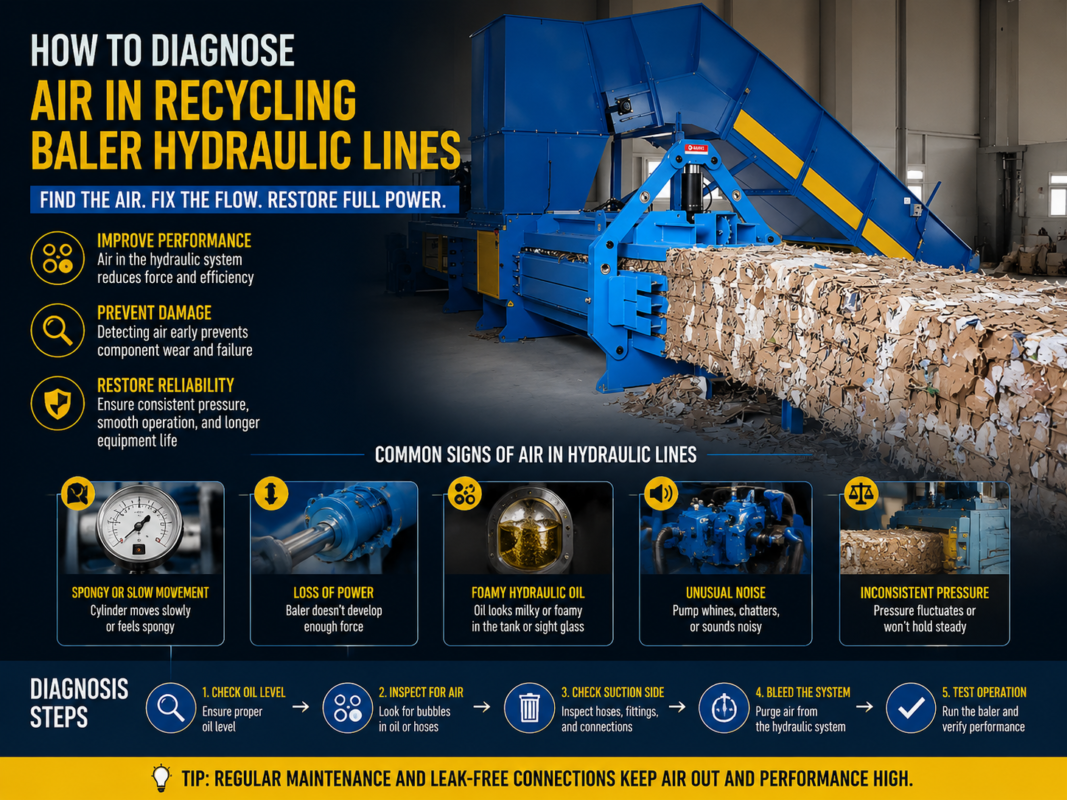
Once the machine is powered, the daily check should include testing all emergency stop buttons and safety gates. If a safety sensor is bypassed or malfunctioning, the machine must be locked out immediately. Listen for unusual sounds during the initial cycles; a high-pitched whine often indicates air in the hydraulic lines, while a grinding noise might suggest a lack of lubrication on the ram guides. These daily observations form the data set that maintenance teams use to predict and prevent larger mechanical failures.
Hydraulic System Troubleshooting and Care
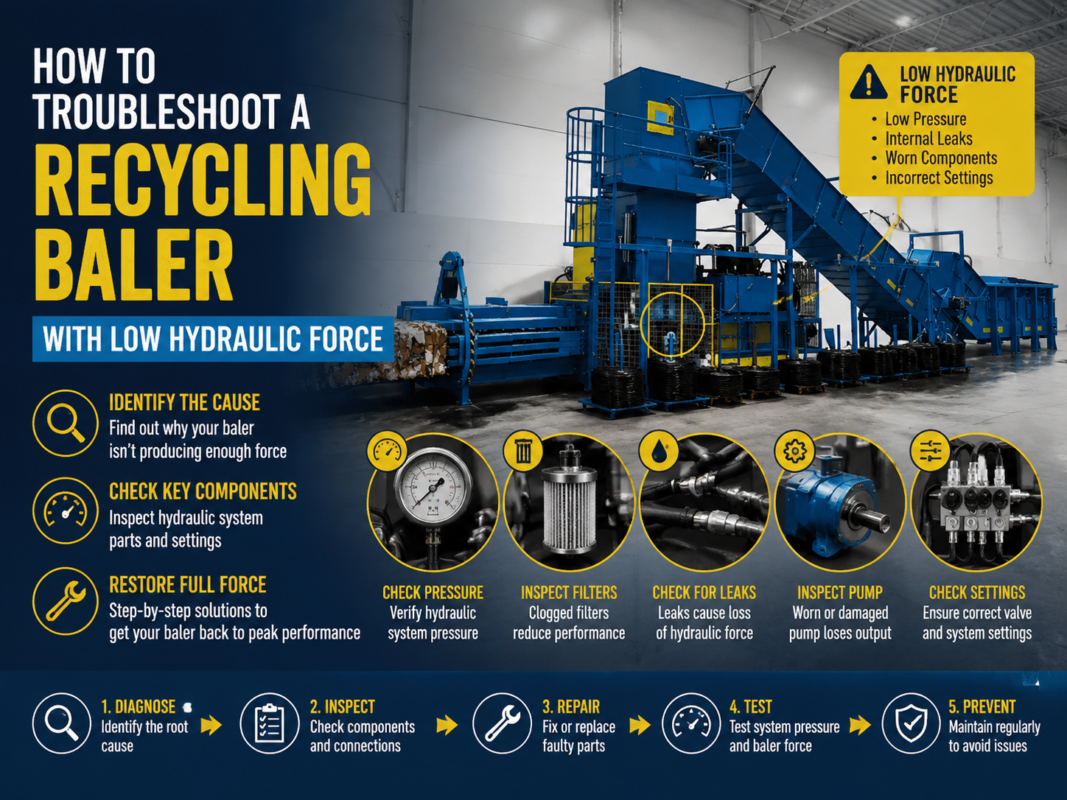
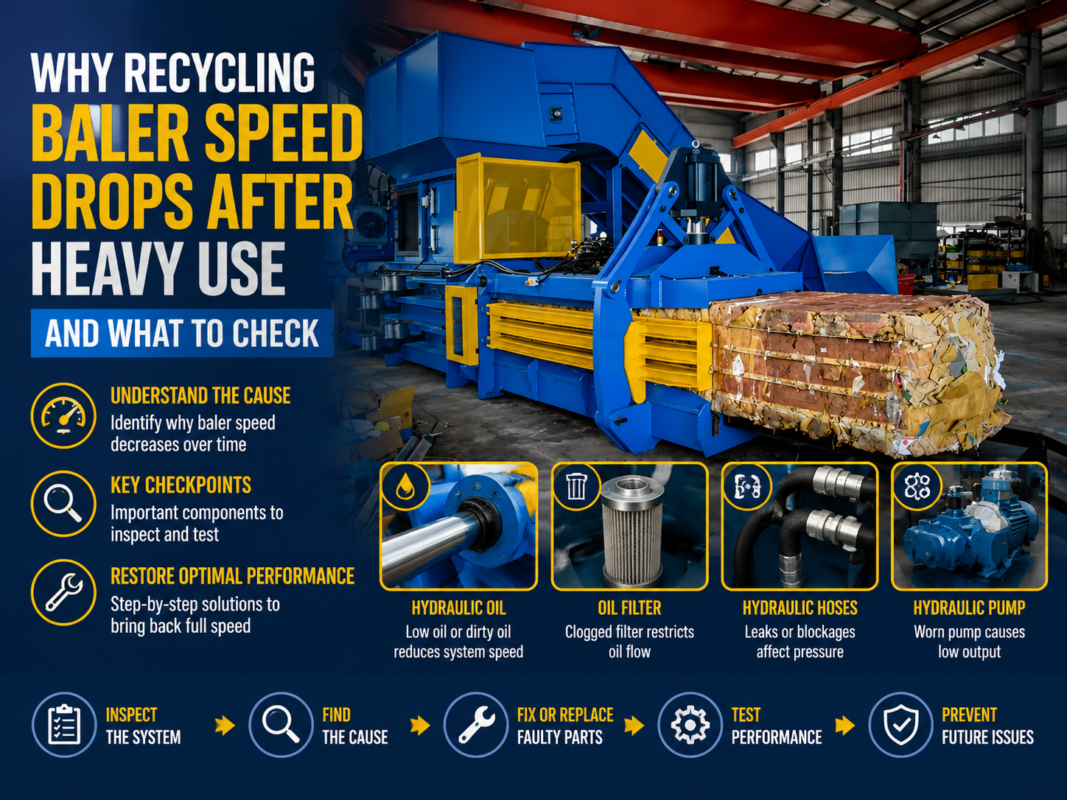
The hydraulic system is the heart of the recycling baler. Most Recycling Baler Troubleshooting Common Maintenance Problems originate here. Common issues include overheating, slow cycle times, and loss of pressing force. Overheating is frequently caused by low oil levels or a clogged oil cooler. When hydraulic fluid exceeds its optimal temperature range (usually 40°C to 60°C), it loses its viscosity, leading to increased internal friction and accelerated wear on the pump and valves.
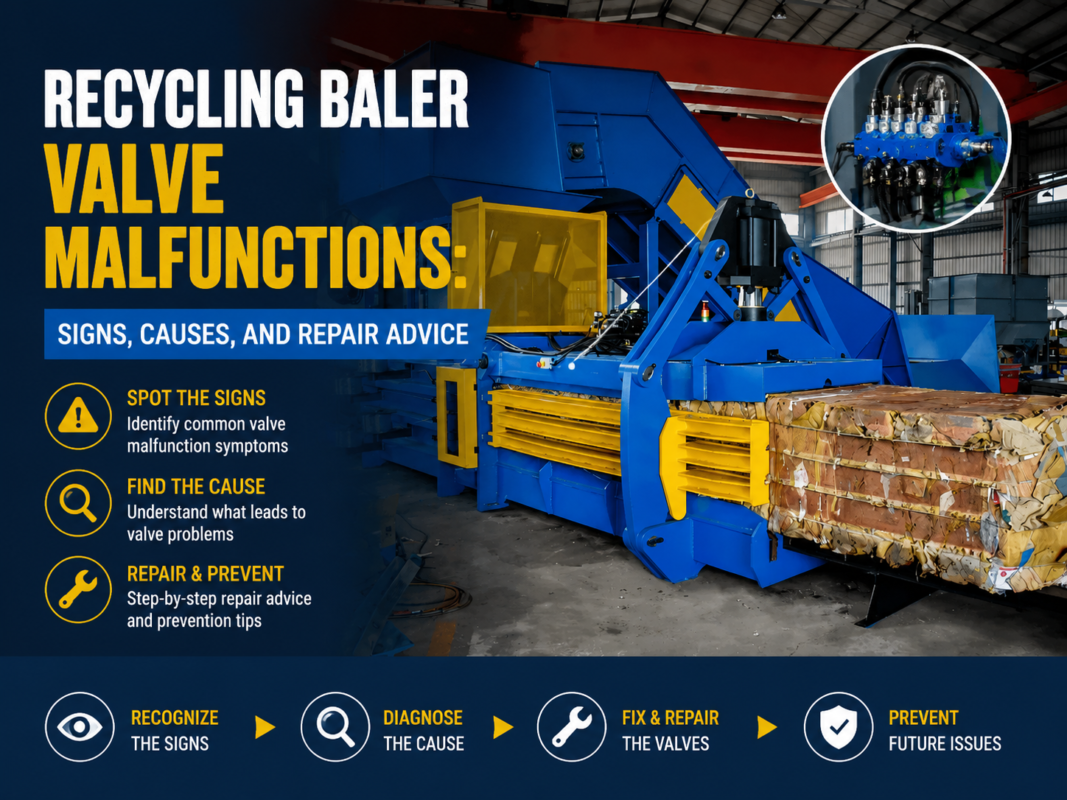
Slow cycle times are often a symptom of pump inefficiency or a restricted suction line. If the ram moves sluggishly, check the hydraulic filters. A bypass indicator on the filter housing is a clear signal that the element is saturated with contaminants. Furthermore, if the baler fails to reach full pressure, the relief valve may be stuck open or improperly adjusted. It is crucial to use the correct grade of hydraulic oil as specified by HARSLE, as incorrect fluid can lead to seal swelling or chemical breakdown of the internal components.
Electrical System Diagnostics
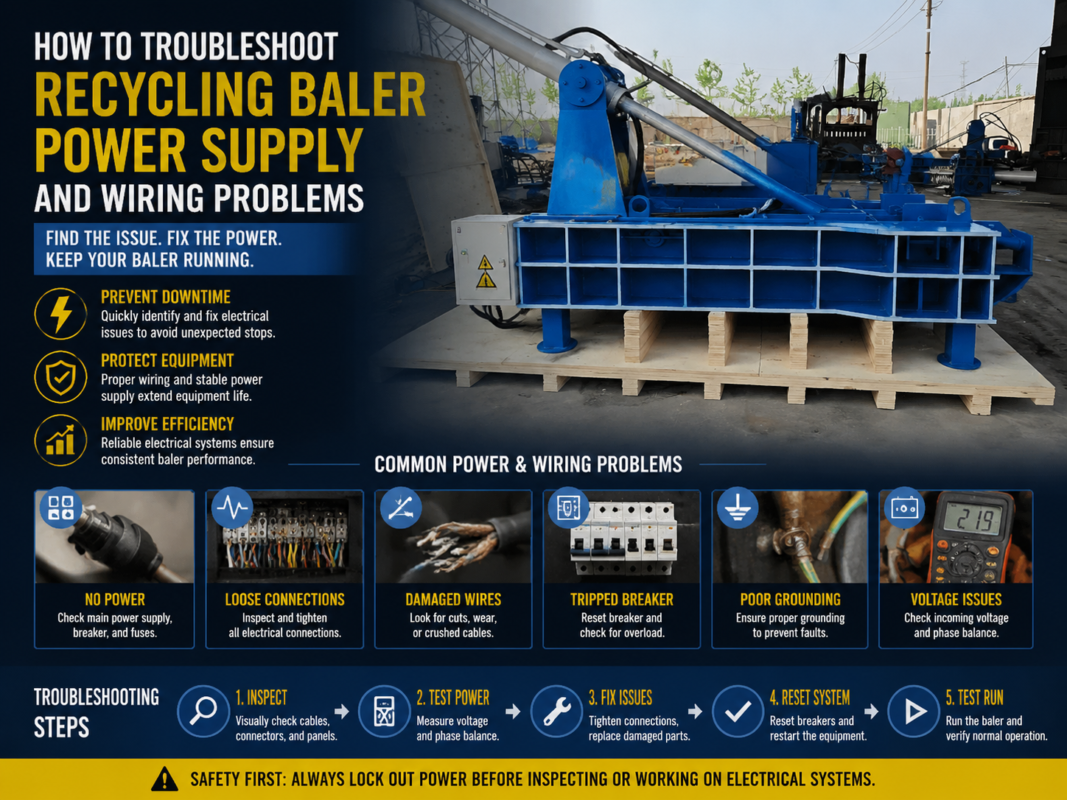
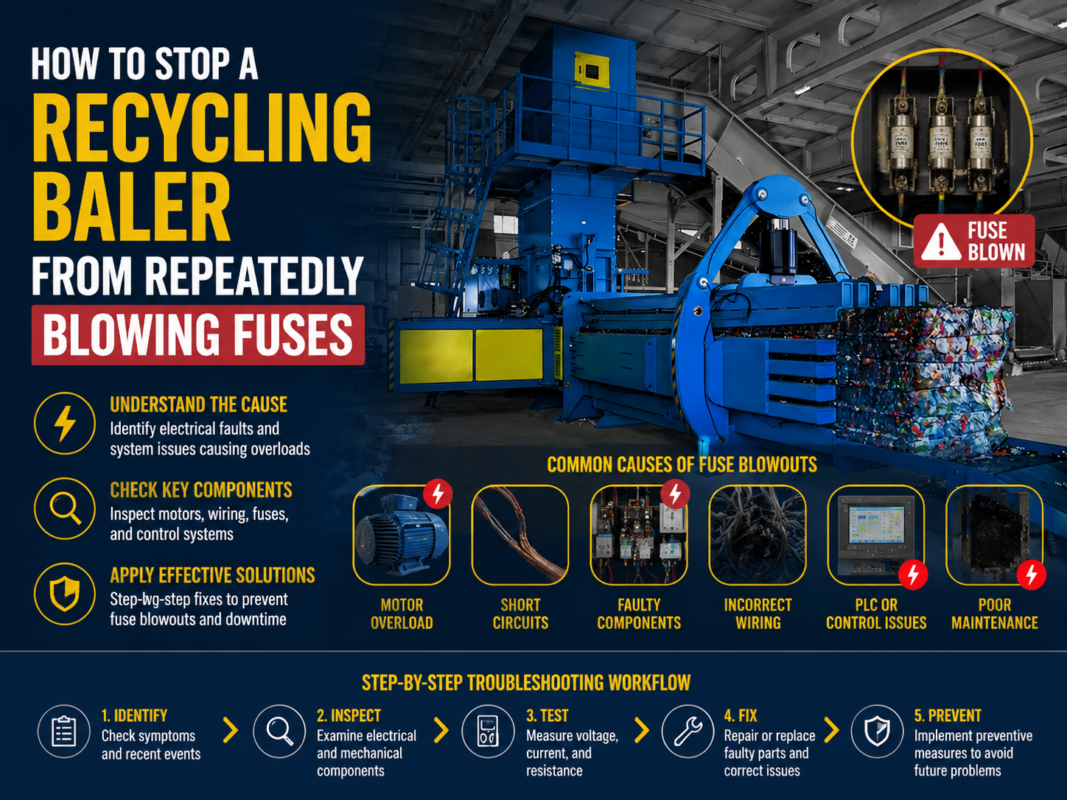
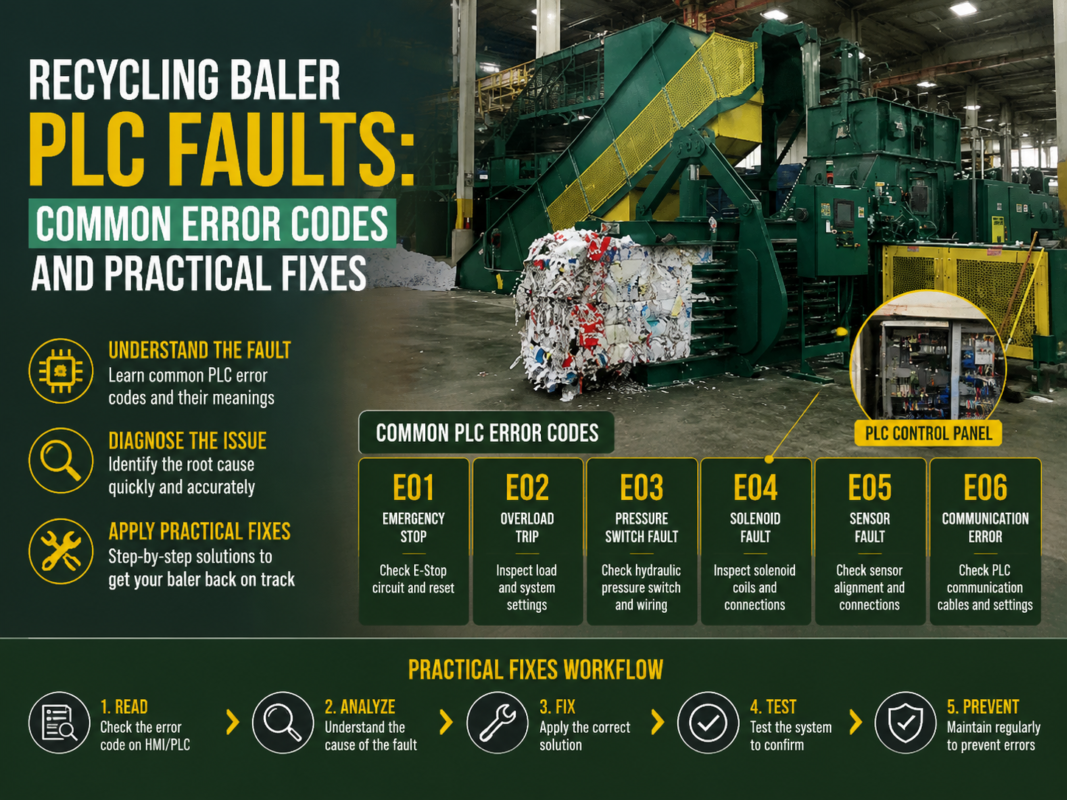
Modern recycling balers rely on Programmable Logic Controllers (PLCs) and a network of sensors to manage the baling cycle. Electrical issues can be frustrating because they are often intermittent. When Recycling Baler Troubleshooting Common Maintenance Problems related to electronics, the first step is to inspect the control panel for loose wiring or burnt components. Vibration from the machine can, over time, loosen terminal screws, leading to poor connections and erratic behavior.
Sensors, such as proximity switches and limit switches, are prone to damage from flying debris or heavy vibration. If the ram fails to retract or stop at the correct position, a misaligned or dirty sensor is the likely culprit. Additionally, motor starters and contactors should be inspected for signs of pitting or arcing. In environments with high dust levels, ensuring the electrical cabinet remains sealed and the cooling fans are functional is vital to prevent overheating of the sensitive PLC modules.
Mechanical Components and Structural Integrity
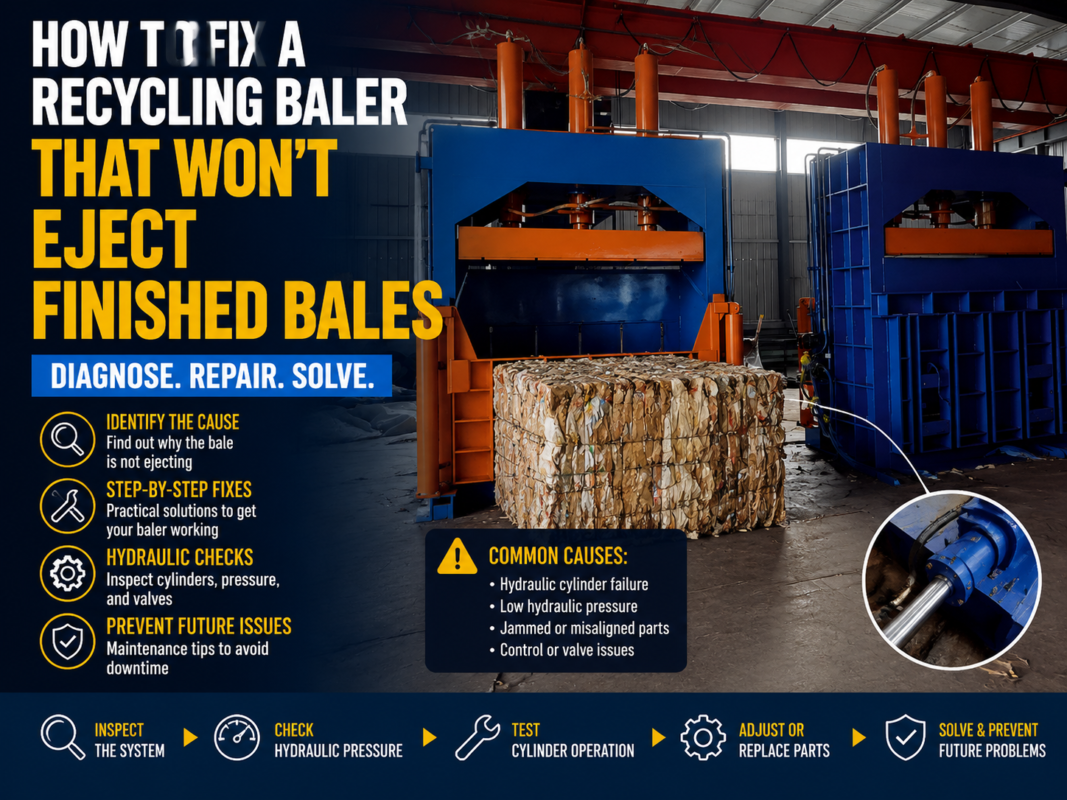
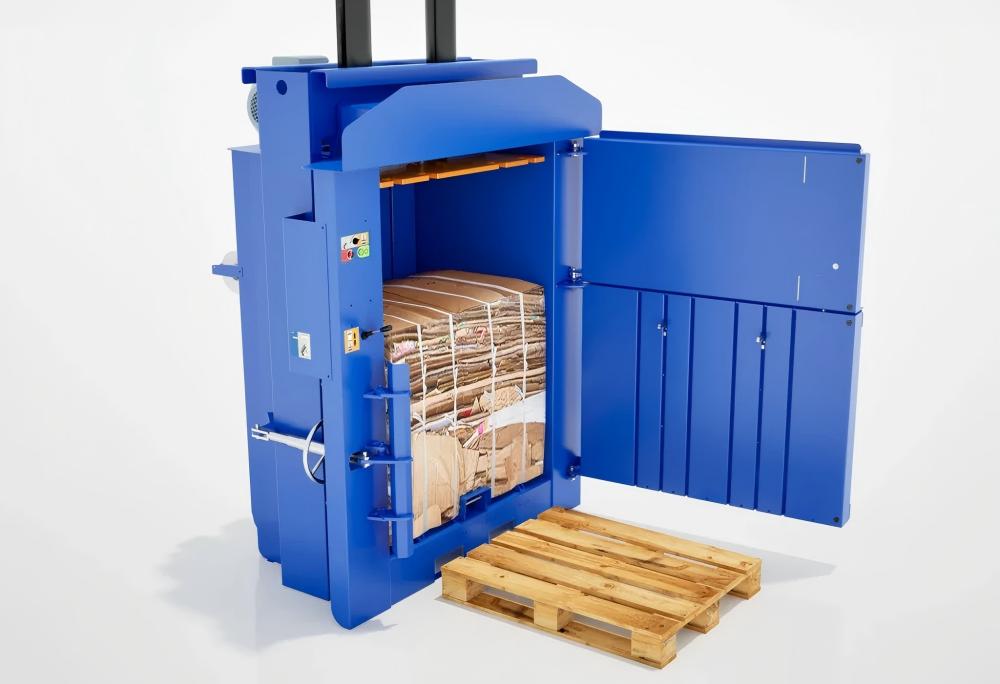
The mechanical structure of a baler must withstand millions of pounds of force over its lifetime. The ram, which performs the actual compression, moves on guide tracks or wear slides. If these slides are not properly adjusted or lubricated, the ram can become misaligned. A misaligned ram causes uneven wear on the chamber walls and can eventually lead to structural cracking. Recycling Baler Troubleshooting Common Maintenance Problems often involves checking the clearance between the ram and the chamber liners; if the gap is too wide, material can get wedged behind the ram, causing a jam.
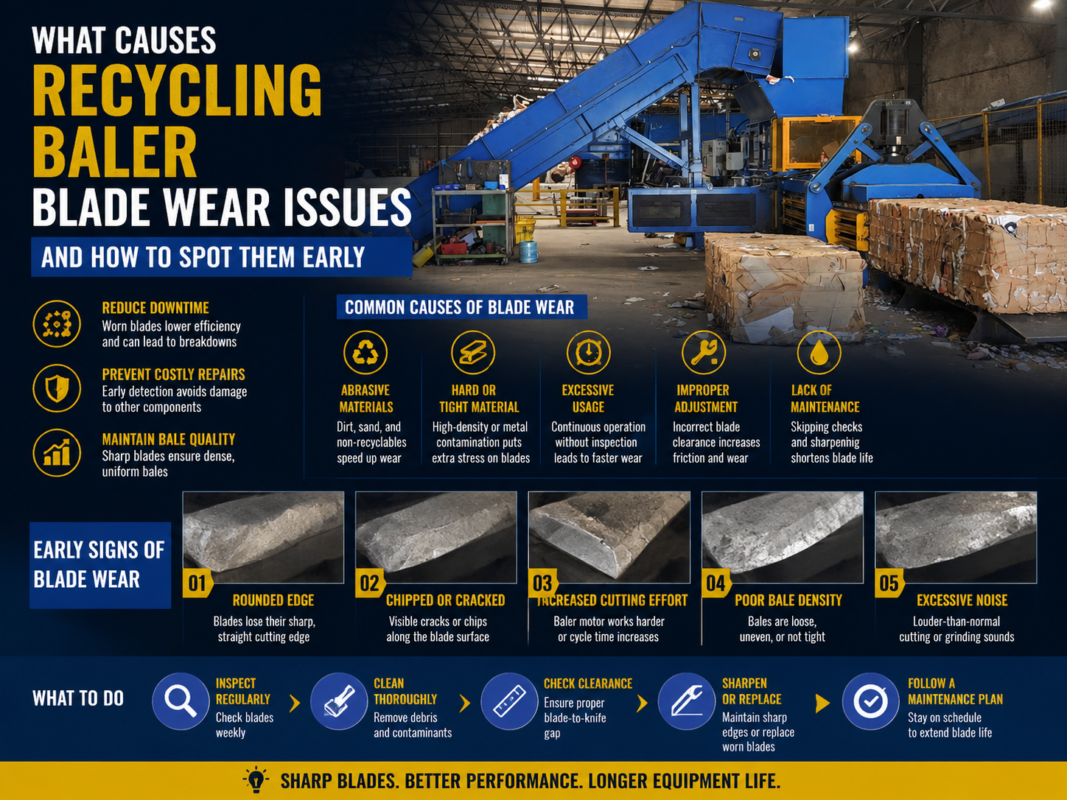
Shear blades are another critical mechanical component, especially in horizontal balers. These blades cut off excess material as the ram moves forward. If the blades are dull or the gap between them is too large, the machine will struggle to complete the cycle, leading to increased energy consumption and potential mechanical stalls. Regularly sharpening or rotating the shear blades is a fundamental maintenance task that ensures clean cuts and dense, well-formed bales.
The Lubrication Plan: Reducing Friction and Wear
Lubrication is the simplest yet most frequently ignored aspect of Recycling Baler Troubleshooting Common Maintenance Problems. Without adequate grease, metal-on-metal contact leads to rapid degradation of moving parts. A comprehensive lubrication plan should identify every grease point on the machine, including the ram guides, pivot pins, and door hinges. Using a high-quality, extreme-pressure (EP) grease is recommended for the high-load areas of a baler.
Automated lubrication systems are available on many HARSLE models, but they still require monitoring to ensure the reservoir is full and the delivery lines are not blocked. For manual systems, a strict schedule must be followed. Over-lubrication can be just as harmful as under-lubrication, as excess grease can attract dust and grit, creating an abrasive paste that wears down components. A clean, thin film of lubricant is the goal for most sliding surfaces.
Troubleshooting Signals: Identifying Warning Signs
Operators should be trained to recognize the early warning signals of machine distress. Recycling Baler Troubleshooting Common Maintenance Problems can often be resolved before they cause a shutdown if these signals are caught early:
- Unusual Vibrations: Often indicates a loose motor mount, a failing bearing, or an unbalanced pump.
- Erratic Pressure Gauges: If the needle flickers or fails to reach the set point, there is likely air in the system or a failing pressure transducer.
- Burning Odors: A sign of electrical overheating or excessive friction in mechanical parts.
- Discolored Hydraulic Oil: Milky oil indicates water contamination, while dark, burnt-smelling oil indicates oxidation from overheating.
- Inconsistent Bale Weights: Suggests issues with the hydraulic pressure settings or the material feed system.
Comprehensive Maintenance Schedule Table
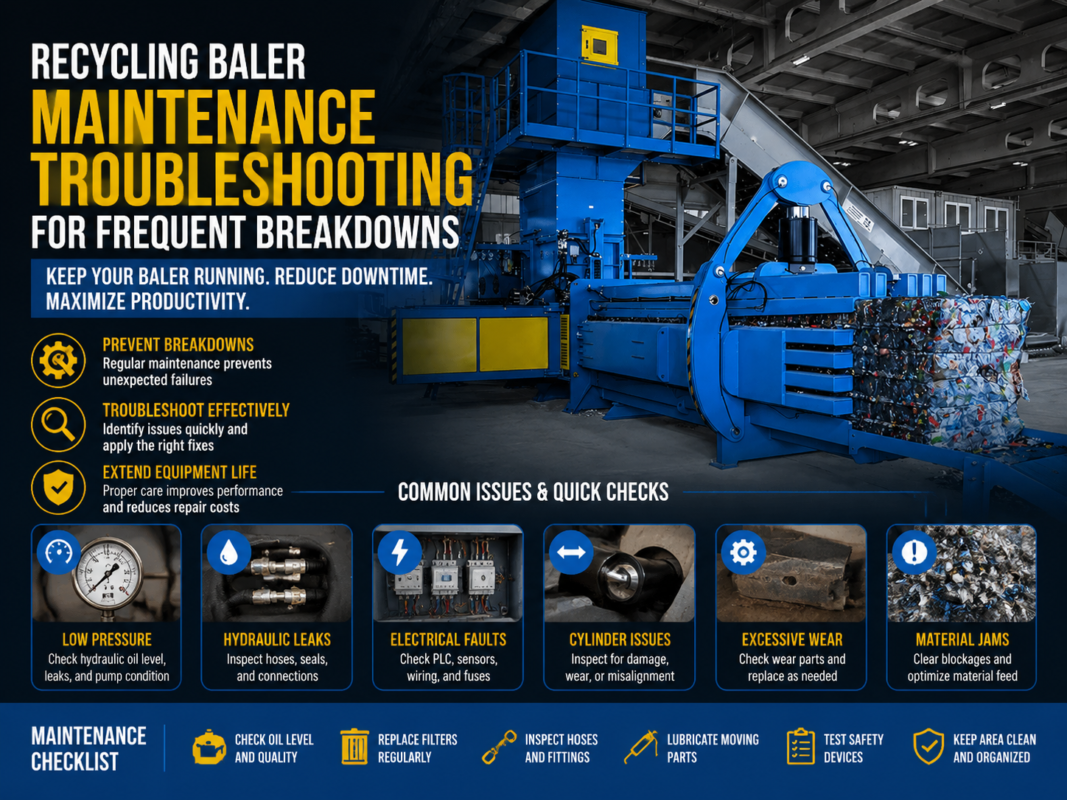
To effectively manage Recycling Baler Troubleshooting Common Maintenance Problems, a structured schedule is essential. Below is a recommended maintenance framework for industrial balers.
| Frequency | Component | Action Required |
|---|---|---|
| Daily | Safety Systems | Test E-stops, interlocks, and light curtains. |
| Daily | Hydraulic Fluid | Check oil level and look for visible leaks. |
| Daily | Bale Chamber | Clean out debris and check for obstructions. |
| Weekly | Ram Guides | Inspect for wear and apply grease if necessary. |
| Weekly | Filters | Check hydraulic filter indicators; replace if red. |
| Monthly | Electrical Cabinet | Vacuum dust, check for loose wires, and inspect contactors. |
| Monthly | Shear Blades | Check sharpness and blade gap clearance. |
| Quarterly | Hydraulic Oil | Perform oil analysis for contamination and acidity. |
| Quarterly | Structural Bolts | Torque all major structural and mounting bolts. |
| Annually | Full System Flush | Drain hydraulic tank, clean suction strainers, and refill with fresh oil. |
Frequently Asked Questions (FAQ)
1. Why is my recycling baler losing pressure during the compression stroke?
Loss of pressure is one of the most common Recycling Baler Troubleshooting Common Maintenance Problems. It is usually caused by a faulty relief valve, worn pump internal components, or a leaking hydraulic cylinder seal (internal bypass). Check the relief valve settings first, as it may be bypassing oil back to the tank prematurely.
2. How often should I change the hydraulic oil in my HARSLE baler?
Generally, hydraulic oil should be changed every 2,000 to 4,000 operating hours, or once a year. However, this depends on the operating environment. In dusty or hot conditions, more frequent changes or at least quarterly oil analysis is recommended to ensure the fluid’s integrity.
3. What causes the baler ram to move jerkily or vibrate?
This is often caused by “stick-slip” motion due to inadequate lubrication on the ram guides or air trapped in the hydraulic system. Bleeding the air from the cylinders and applying the correct EP grease to the wear slides usually resolves this issue.
4. Why are my bales coming out misshapen or loose?
Misshapen bales are often the result of uneven feeding of material into the chamber or a failure of the hydraulic system to maintain constant pressure at the end of the stroke. Ensure the chamber is filled evenly and check that the pressure switches are correctly calibrated.
5. Can I use any type of hydraulic oil in my recycling baler?
No. You must use the oil viscosity and type recommended in the HARSLE manual (typically ISO 46 or 68 anti-wear hydraulic oil). Using the wrong oil can lead to pump failure, seal leaks, and poor performance in extreme temperatures.
Conclusion: Partnering with HARSLE for Long-Term Success
Mastering Recycling Baler Troubleshooting Common Maintenance Problems is an ongoing process of education and vigilance. By implementing the daily checks, hydraulic diagnostics, and mechanical inspections outlined in this guide, you can ensure that your recycling operations remain profitable and safe. HARSLE is committed to providing not only high-quality machinery but also the technical support necessary to keep that machinery in peak condition. Remember that a well-maintained baler is a reliable asset that contributes directly to your facility’s efficiency and environmental goals. For complex repairs or genuine replacement parts, always consult with authorized HARSLE technicians to maintain the integrity of your equipment.