Comprehensive Guide: How to Maintain a Recycling Baler for Long-Term Stable Performance

The Critical Importance of Maintenance for Recycling Balers
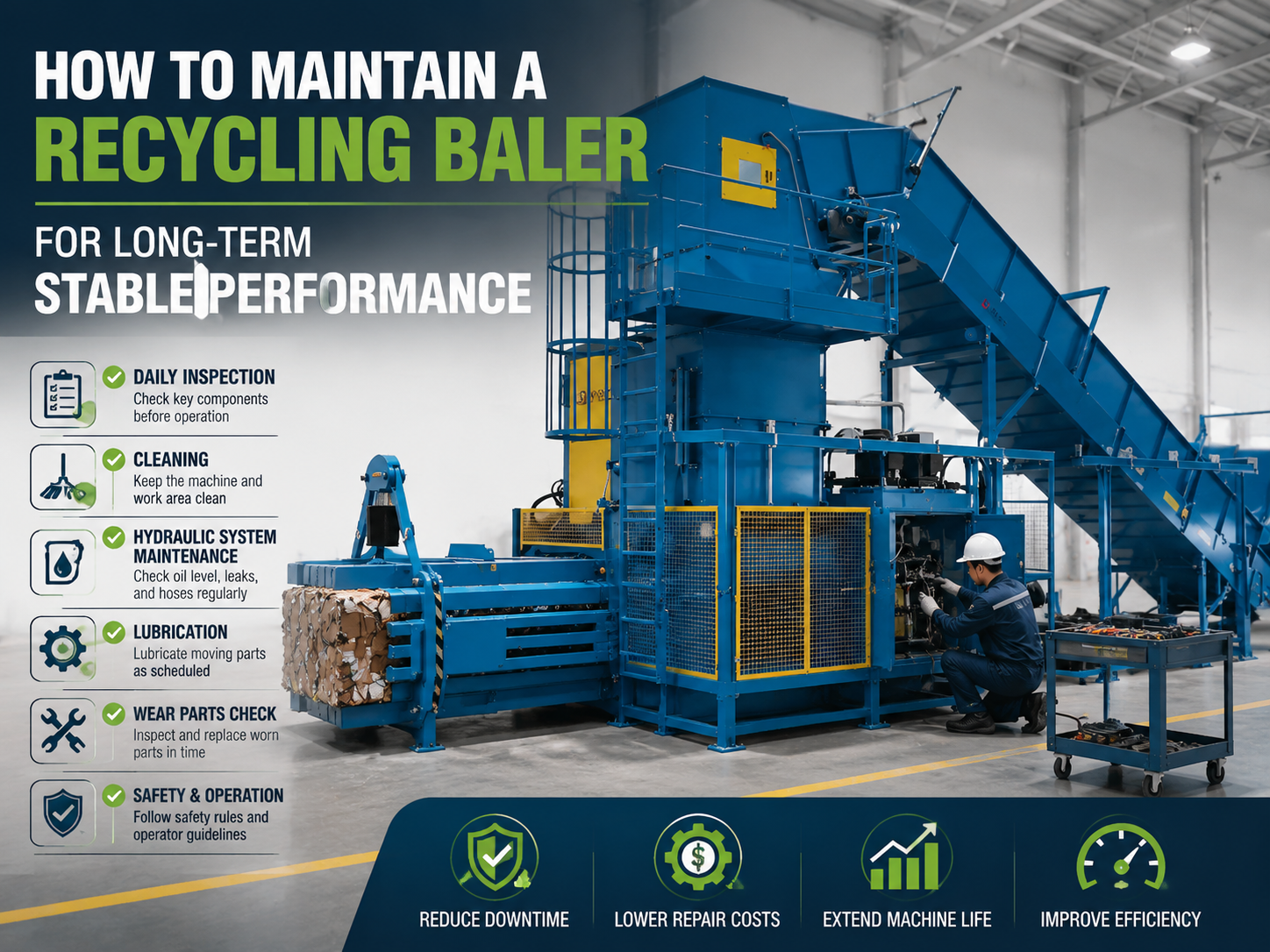
In the high-stakes world of waste management and metal recycling, the recycling baler stands as a cornerstone of operational efficiency. Whether you are processing scrap metal, cardboard, or plastics, the ability to maintain a recycling baler for long-term stable performance is directly linked to your facility’s profitability and safety. A well-maintained baler ensures that materials are compressed into dense, manageable units, optimizing transport logistics and maximizing the value of the recycled material. Conversely, a neglected machine becomes a liability, prone to unexpected breakdowns that can halt production for days.
Maintenance is not merely a reactive response to a broken part; it is a proactive strategy designed to preserve the structural integrity and functional precision of the machine. Industrial balers operate under immense hydraulic pressure, often exceeding hundreds of tons. This force, while necessary for compaction, places significant stress on every component, from the heavy-duty steel frame to the intricate seals within the hydraulic cylinders. Without a rigorous maintenance schedule, the friction, heat, and vibration inherent in the baling process will inevitably lead to premature wear and catastrophic failure.
Furthermore, the financial implications of maintenance are profound. The cost of a routine oil filter change or a set of replacement wear plates is negligible compared to the cost of replacing a main hydraulic pump or repairing a cracked cylinder. By focusing on how to maintain a recycling baler for long-term stable performance, operators can extend the lifespan of their HARSLE equipment by years, if not decades. This longevity ensures a higher return on investment (ROI) and provides a competitive edge in an industry where margins are often tight.
Safety is perhaps the most compelling reason to prioritize maintenance. Recycling balers are powerful machines with numerous pinch points and high-pressure systems. A failure in a safety interlock or a burst hydraulic hose can lead to severe workplace injuries. A comprehensive maintenance program includes regular testing of all safety features, ensuring that the machine operates within its designed parameters and that operators are protected from harm. In the following sections, we will delve into the specific steps required to keep your recycling baler in peak condition.
Daily Inspection Protocols: The First Line of Defense
The foundation of any successful maintenance program is the daily inspection. These checks should be performed at the start of every shift before the machine is powered on. The goal of a daily inspection is to identify minor issues before they escalate into major problems. Operators should be trained to look for visual cues of wear, listen for unusual sounds, and feel for excessive vibrations. A simple checklist can ensure that no critical component is overlooked during this process.
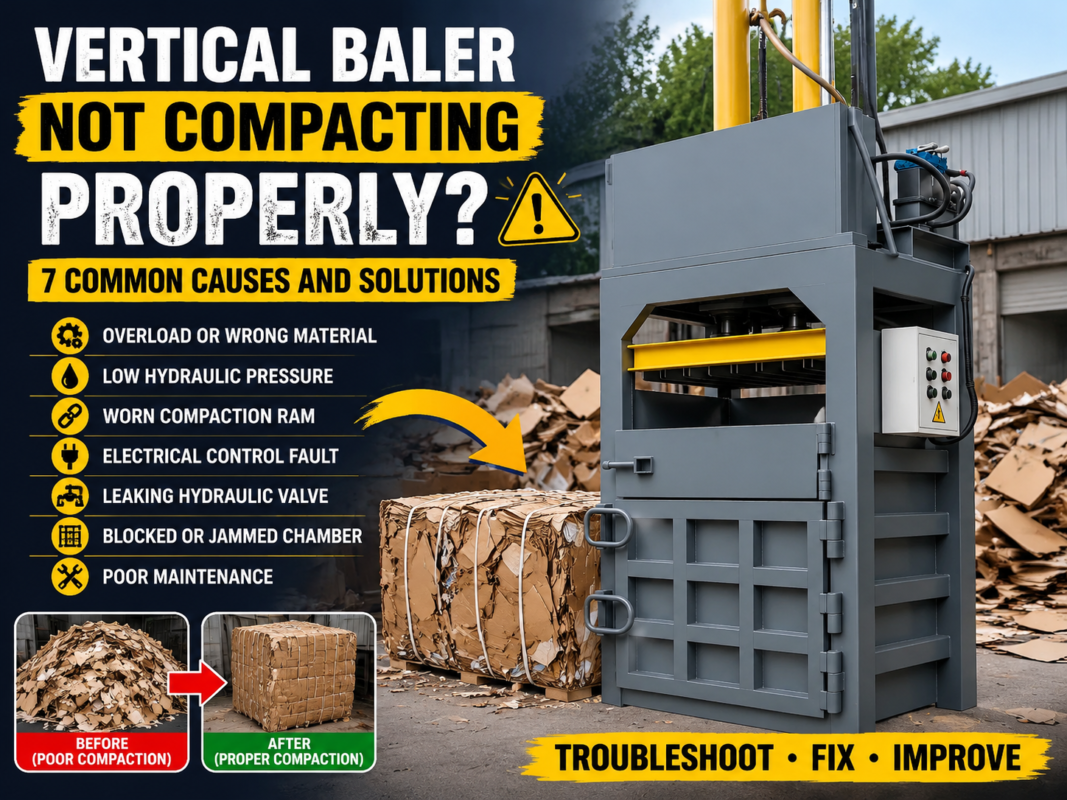
Start by examining the area around the baler for any signs of hydraulic fluid leaks. Even a small puddle can indicate a loose fitting or a failing seal. Hydraulic fluid is the lifeblood of the baler, and maintaining the correct level and pressure is vital. Next, inspect the compression chamber. Remove any debris, wire scraps, or dust that may have accumulated. Debris trapped behind the ram or in the tracks can cause misalignment and increase friction, leading to unnecessary wear on the motor and hydraulic system.
Check the condition of the bale ties or wire-tier system if your baler is equipped with one. Ensure that the wire is feeding correctly and that the twisting mechanism is free of obstructions. A malfunction in the tying system can lead to “bale bursts,” which are not only messy but can also damage the machine’s exit gate. Additionally, verify that all emergency stop buttons and safety gates are functioning perfectly. Test the interlocks to ensure the machine will not operate if a safety door is open.
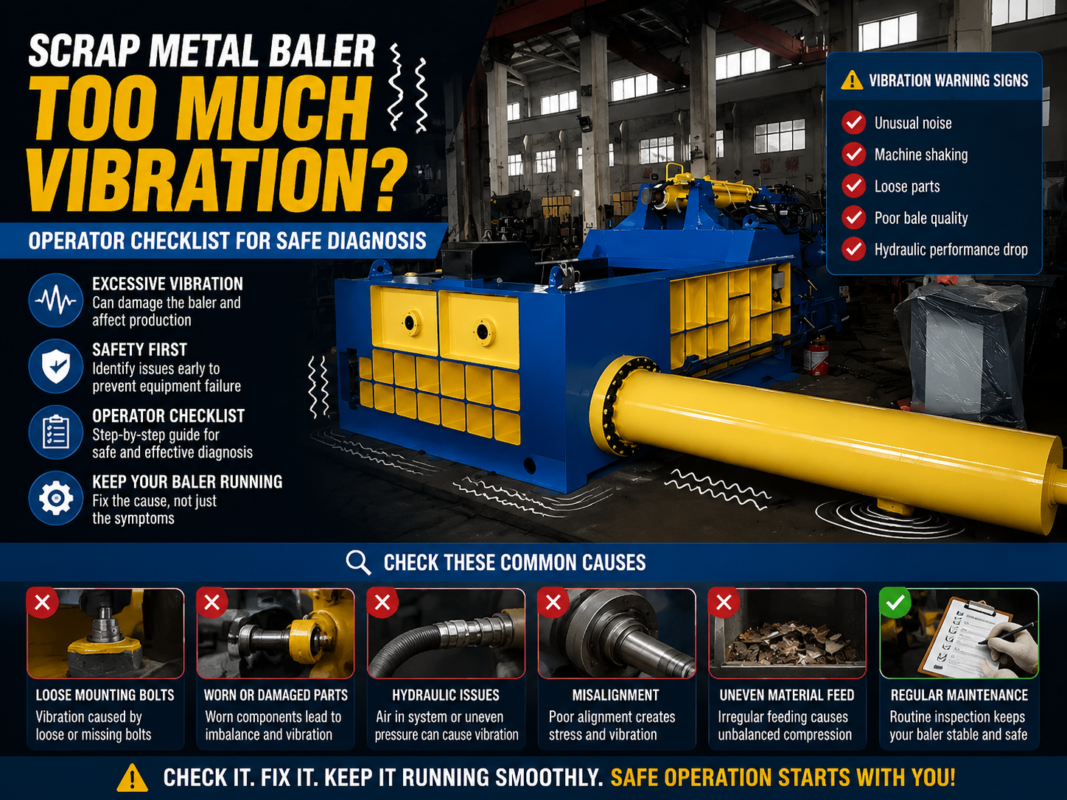
Finally, observe the machine during its first few cycles of the day. Listen for any high-pitched squealing, which could indicate a pump cavitation issue, or heavy clunking, which might suggest a loose mechanical component. Pay attention to the cycle time; if the ram is moving slower than usual, it may be a sign of a clogged filter or a failing valve. Documenting these daily observations in a logbook allows maintenance managers to track the machine’s health over time and schedule repairs during planned downtime.
Hydraulic System Maintenance: The Heart of the Baler
The hydraulic system is the most critical and complex part of a recycling baler. It converts electrical energy into the massive mechanical force required to crush metal and other materials. To maintain a recycling baler for long-term stable performance, the hydraulic system must be kept clean, cool, and properly pressurized. Contamination is the leading cause of hydraulic failure, with microscopic particles of dust, metal, and water causing internal erosion of valves and pumps.
Regular oil analysis is a highly recommended practice for industrial baler owners. By taking a small sample of the hydraulic fluid and sending it to a lab, you can detect the presence of contaminants and monitor the chemical breakdown of the oil. Most HARSLE balers use high-quality anti-wear hydraulic oil (such as ISO 46 or 68), but even the best oil degrades over time due to heat and oxidation. Changing the oil according to the manufacturer’s recommendations—or when the analysis suggests—is essential for protecting the expensive internal components.
Filters play a crucial role in maintaining oil purity. Most balers feature suction filters, return line filters, and sometimes high-pressure filters. These should be replaced at regular intervals, typically every 500 to 1,000 hours of operation, or whenever the filter bypass indicator triggers. A clogged filter forces the oil to bypass the filtration element, allowing contaminants to circulate freely through the system. This leads to “sandblasting” of the valve spools and cylinder walls, significantly reducing the machine’s efficiency.
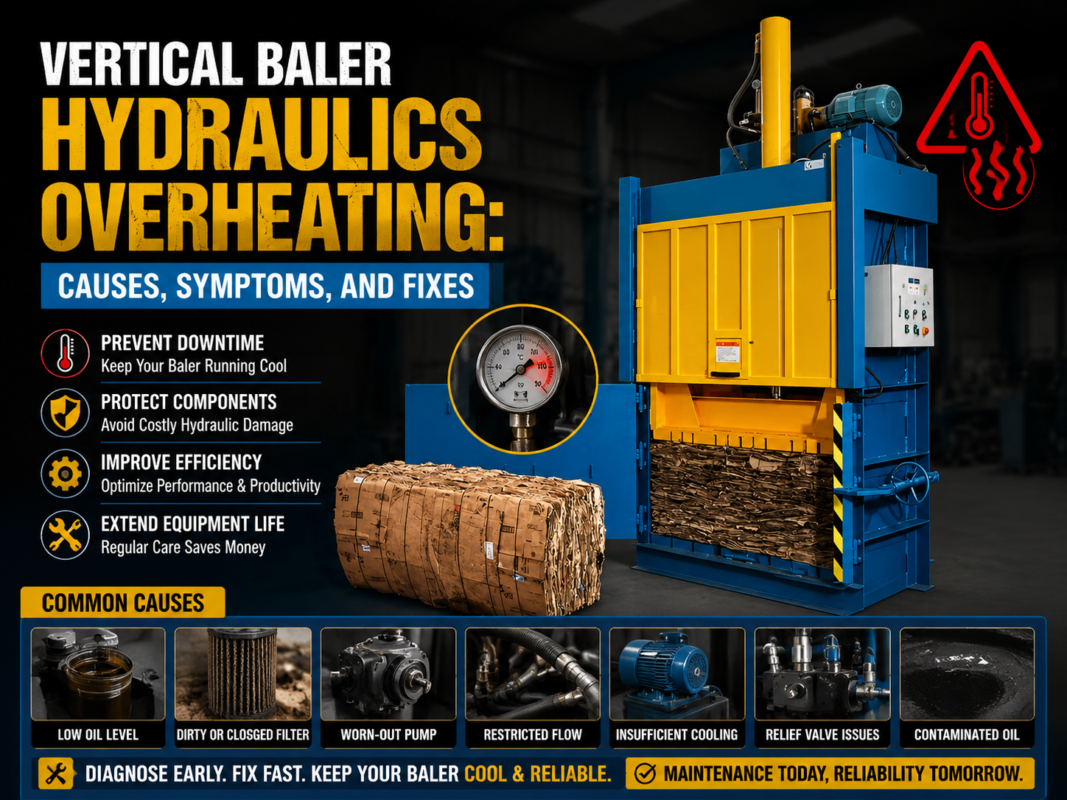
Temperature control is another vital aspect of hydraulic maintenance. Hydraulic systems generate heat during operation, and if the oil becomes too hot (typically above 60°C or 140°F), it loses its viscosity and lubricating properties. This can lead to seal failure and increased wear. Ensure that the oil cooler or heat exchanger is clean and that the cooling fans are operational. If your baler is located in a particularly hot environment, consider upgrading the cooling system to maintain stable performance during peak summer months.
Electrical System Integrity and Control Logic
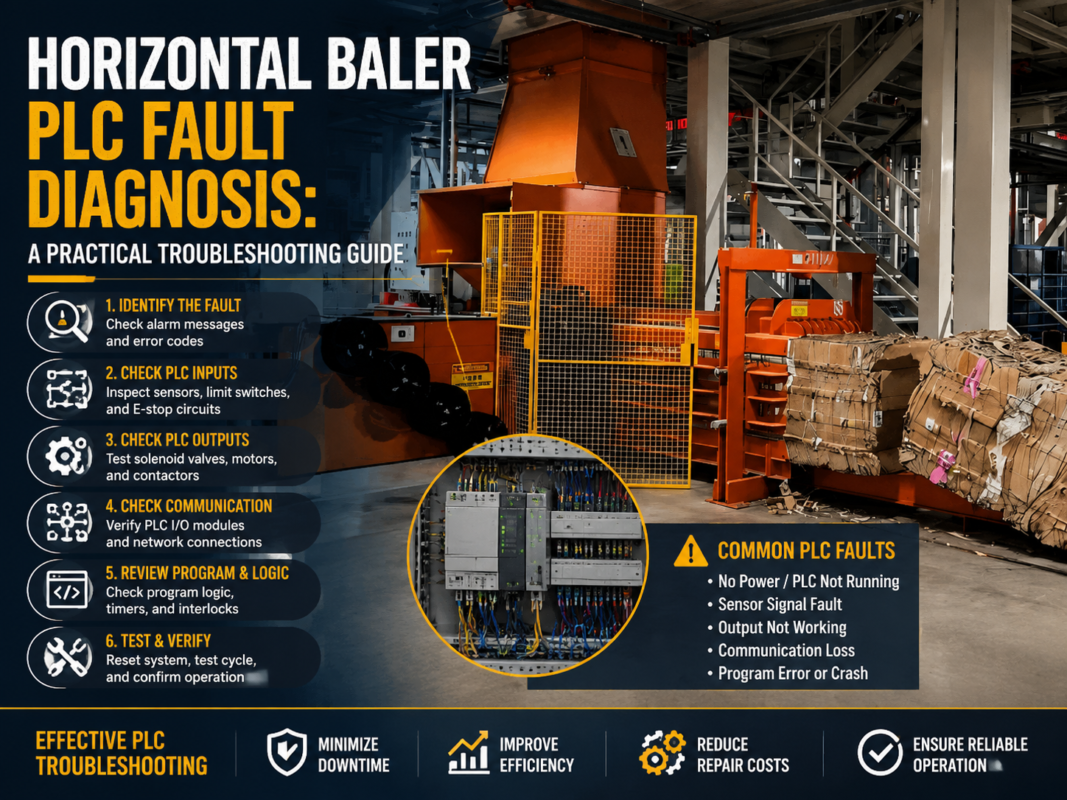
Modern recycling balers rely heavily on sophisticated electrical systems and Programmable Logic Controllers (PLCs) to manage the complex sequences of compression, tying, and ejection. Maintaining the electrical system is just as important as the mechanical side, as a single loose wire or a faulty sensor can bring the entire operation to a standstill. The primary enemies of electrical components in a recycling environment are vibration, dust, and moisture.
Monthly inspections should include a thorough cleaning of the electrical control cabinet. Use compressed air or a specialized vacuum to remove dust, which can cause overheating and short circuits. Check all terminal connections for tightness; the constant vibration of the baler can cause wires to wiggle loose over time. A loose connection creates resistance, which generates heat and can eventually melt the insulation or damage the PLC modules. If you notice any discolored wires or a smell of burning plastic, investigate immediately.
Sensors and limit switches are the “eyes” of the baler. They tell the PLC where the ram is located and when the chamber is full. In a recycling plant, these sensors are often exposed to harsh conditions. Ensure they are securely mounted and free from buildup. A misaligned limit switch can cause the ram to overtravel, potentially damaging the hydraulic cylinders or the frame. Regularly calibrate the pressure transducers to ensure the baler is reaching its full compaction force without exceeding safe limits.
Software and firmware updates should also be considered. Manufacturers like HARSLE occasionally release updates that improve the efficiency of the control logic or add new safety features. Keeping your machine’s software up to date ensures you are benefiting from the latest engineering improvements. Additionally, always keep a backup of the PLC program on a secure drive. In the event of a lightning strike or a major electrical surge, having a backup can save weeks of reprogramming time.
Mechanical Components and Structural Integrity
The mechanical structure of a recycling baler is designed to withstand extreme forces, but it is not indestructible. The ram, the chamber walls, and the shear blades are all subject to intense friction and impact. To maintain a recycling baler for long-term stable performance, you must monitor the wear on these components and replace them before they cause collateral damage to the rest of the machine.
The shear blades (or knives) are critical for processing bulky materials. As the ram moves forward, these blades cut through the material to prevent it from jamming. Over time, the blades become dull or chipped. Dull blades require more hydraulic pressure to cut, which puts unnecessary strain on the pump and motor. Furthermore, the gap between the moving blade and the stationary blade must be maintained according to the manufacturer’s specifications. If the gap is too wide, material will wedge between the blades, causing the ram to twist and potentially scoring the chamber walls.
Wear plates are another essential mechanical feature. These are replaceable liners made of hardened steel (like Hardox) that protect the main frame of the baler from the abrasive action of the material being compressed. Check the thickness of these plates regularly. If they are allowed to wear through, the ram will begin to grind against the structural frame of the machine, leading to expensive and difficult repairs. Replacing wear plates is a standard maintenance task that significantly extends the life of the baler’s chassis.
Finally, inspect the structural welds and bolts of the machine. The repetitive stress of thousands of cycles can lead to fatigue cracks in the steel, especially around the cylinder mounts and the pivot points of the exit gate. Use a flashlight to look for hairline cracks in the paint, which often indicate a crack in the metal underneath. Ensure that all heavy-duty bolts are torqued to the correct specification. A loose bolt in a high-stress area can lead to a sudden and dangerous mechanical failure.
Comprehensive Lubrication Plan
Lubrication is the simplest yet most frequently overlooked aspect of industrial machinery maintenance. In a recycling baler, dozens of moving parts rely on a thin film of grease or oil to prevent metal-on-metal contact. A proper lubrication plan reduces friction, dissipates heat, and prevents the ingress of contaminants into bearings and bushings. Without adequate lubrication, components will overheat, seize, and fail prematurely.
Identify all lubrication points on your HARSLE baler. These typically include the main cylinder pins, the gate hinges, the ram guide rollers, and the wire-tier mechanism. Each point may require a different type of lubricant; for example, high-pressure grease is usually required for the main pivot pins, while a lighter oil might be used for the tying needles. Consult your owner’s manual for the specific grades of lubricant recommended for your model.
Frequency is key. Some points may need daily greasing, while others only require attention weekly or monthly. An automated lubrication system can be a worthwhile investment, as it delivers precise amounts of grease at set intervals, ensuring that no point is missed and reducing the labor required for manual maintenance. However, even with an automated system, you must regularly check the reservoir levels and ensure that the delivery lines are not blocked or broken.
When applying grease manually, always clean the grease fitting (zerk) before attaching the grease gun. This prevents you from pumping dirt and grit into the bearing. Pump grease until you see a small amount of fresh grease oozing from the seals; this indicates that the old, contaminated grease has been flushed out. Be careful not to over-lubricate electrical motors, as excess grease can find its way into the windings and cause a failure. A disciplined approach to lubrication is one of the most effective ways to maintain a recycling baler for long-term stable performance.
Troubleshooting Warning Signals
Even with the best maintenance, components will eventually wear out. The key to minimizing downtime is recognizing the early warning signals of failure. Operators and maintenance staff should be trained to identify these symptoms and take action before a total breakdown occurs. Ignoring a small noise today can lead to a massive repair bill tomorrow.
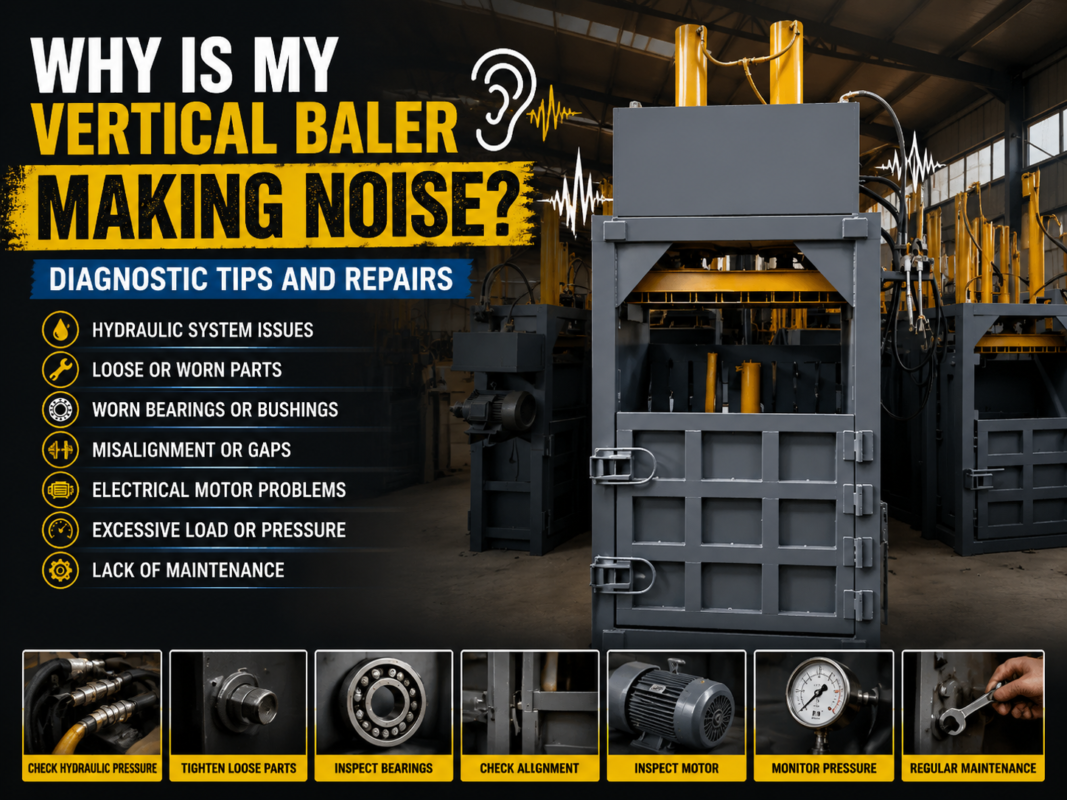
One of the most common signals is a change in the sound of the hydraulic pump. A high-pitched whining or growling sound often indicates cavitation, which occurs when air bubbles form in the oil. This can be caused by a low oil level, a clogged suction filter, or a leak in the intake line. Cavitation is extremely destructive to hydraulic pumps and must be addressed immediately. Another sound to watch for is a “hissing” noise near the valves, which usually indicates an internal leak where high-pressure oil is bypassing a seal.
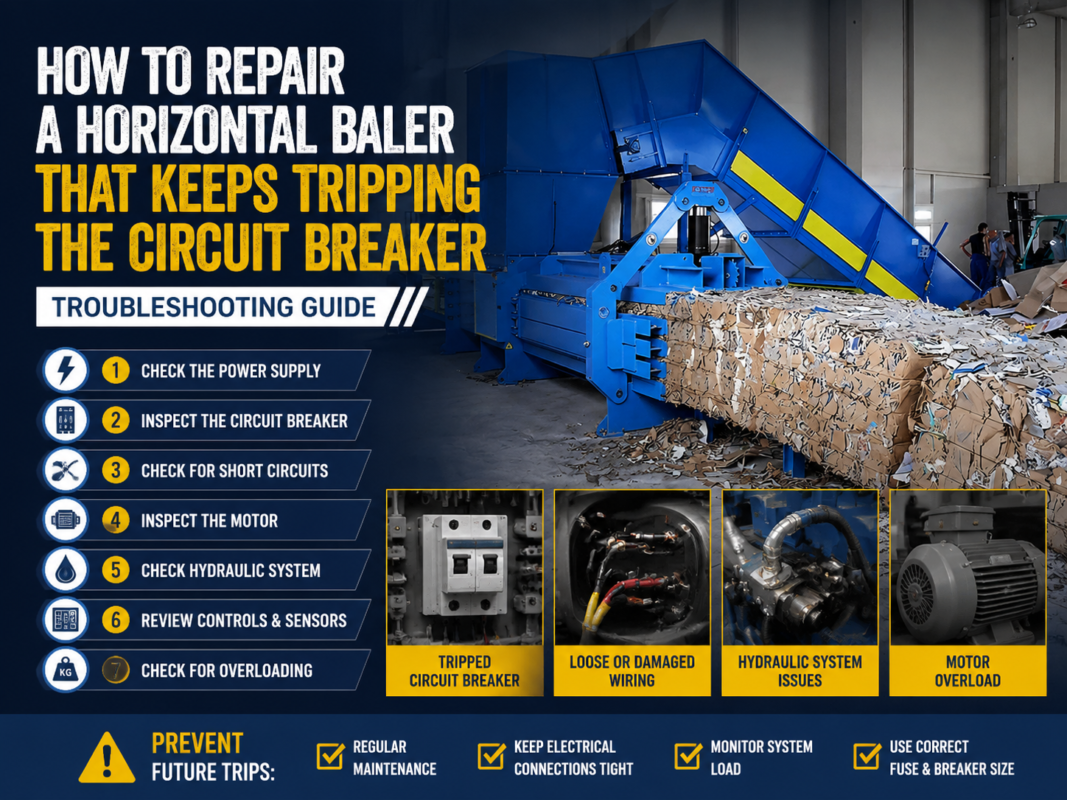
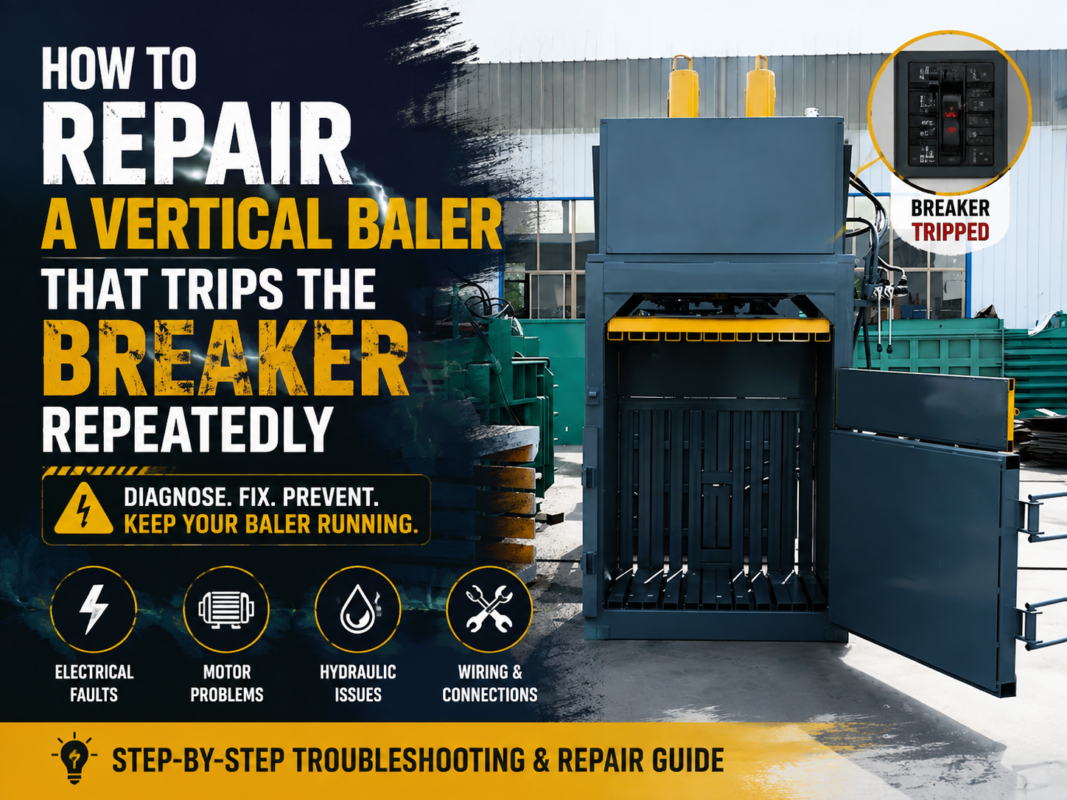
Watch for changes in operating temperature. If the hydraulic oil temperature begins to climb higher than usual during normal operation, it suggests that the system is working harder than it should. This could be due to internal wear in the pump, a malfunctioning relief valve, or a cooling system failure. Similarly, if the electric motor is running hot or frequently tripping the circuit breaker, it may be struggling against excessive mechanical friction or a phase imbalance in the power supply.
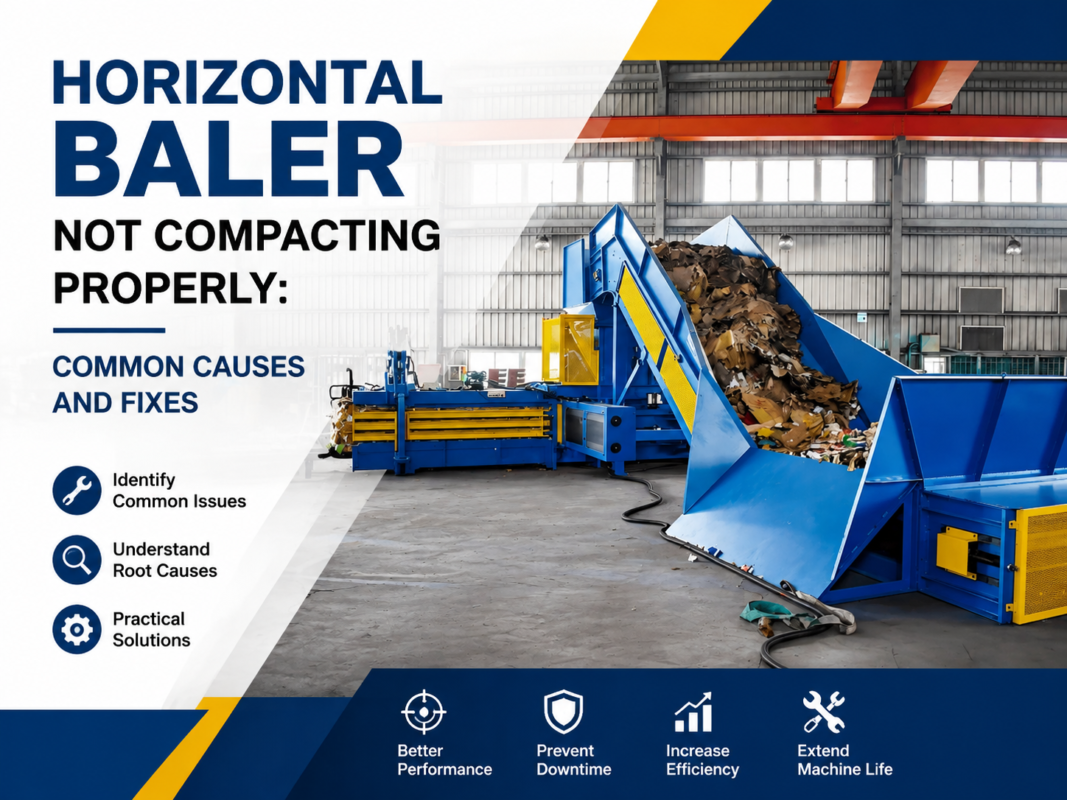
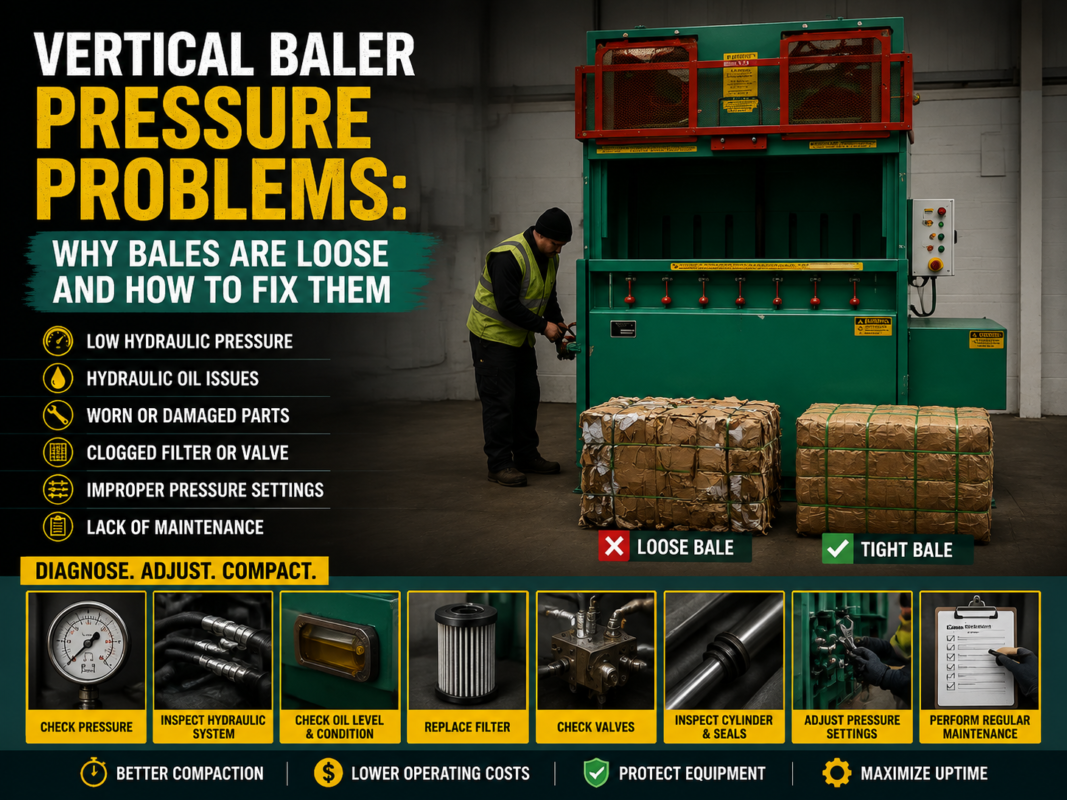
Finally, pay attention to the quality of the bales. If the bales are becoming loose, misshapen, or inconsistent in weight, it is a clear sign that the baler is not performing at its peak. This could be due to a drop in hydraulic pressure, dull shear blades, or a problem with the PLC timing. By treating these symptoms as urgent calls for inspection, you can maintain a recycling baler for long-term stable performance and avoid the chaos of unplanned outages.
Maintenance Schedule Table
To help you organize your efforts, use the following table as a baseline for your recycling baler maintenance schedule. Note that specific requirements may vary based on your HARSLE model and the intensity of your operations.
| Frequency | Component | Action Required |
|---|---|---|
| Daily | Hydraulic System | Check oil levels and look for visible leaks. |
| Daily | Safety Systems | Test E-stops, interlocks, and light curtains. |
| Daily | Chamber | Clear debris and dust from the ram and tracks. |
| Weekly | Lubrication | Grease all manual pivot points and hinges. |
| Weekly | Shear Blades | Inspect for sharpness and proper clearance. |
| Monthly | Electrical | Clean control cabinet and tighten terminals. |
| Monthly | Filters | Check filter indicators; replace if necessary. |
| Quarterly | Oil Analysis | Send oil sample to lab for contamination testing. |
| Quarterly | Structure | Inspect welds and high-stress bolts for cracks. |
| Yearly | Hydraulic Oil | Complete oil change and tank cleaning (or as per analysis). |
| Yearly | Wear Plates | Measure thickness and replace if below limits. |
Frequently Asked Questions (FAQ)
How often should I change the hydraulic oil in my recycling baler?
Generally, hydraulic oil should be changed every 2,000 to 4,000 hours of operation. However, this depends heavily on the operating environment and the quality of the oil. The best practice is to perform quarterly oil analysis and change the oil only when the additives are depleted or contamination levels are too high. This saves money and ensures the best protection for your machine.
What is the most common cause of baler failure?
Hydraulic contamination is the leading cause of failure. Small particles of dirt or metal act like sandpaper, wearing down the precision-machined surfaces of pumps and valves. This leads to internal leakage, loss of pressure, and eventually total system failure. Maintaining clean oil and changing filters regularly is the best way to prevent this.
Can I use any type of grease for the lubrication points?
No, you should use the specific type of lubricant recommended by HARSLE. Most heavy-duty balers require an EP2 (Extreme Pressure) lithium-based grease for the main pivot points. Using the wrong grease can lead to inadequate lubrication under high loads, causing bearings to seize or wear prematurely.
Why is my baler ram moving slower than it used to?
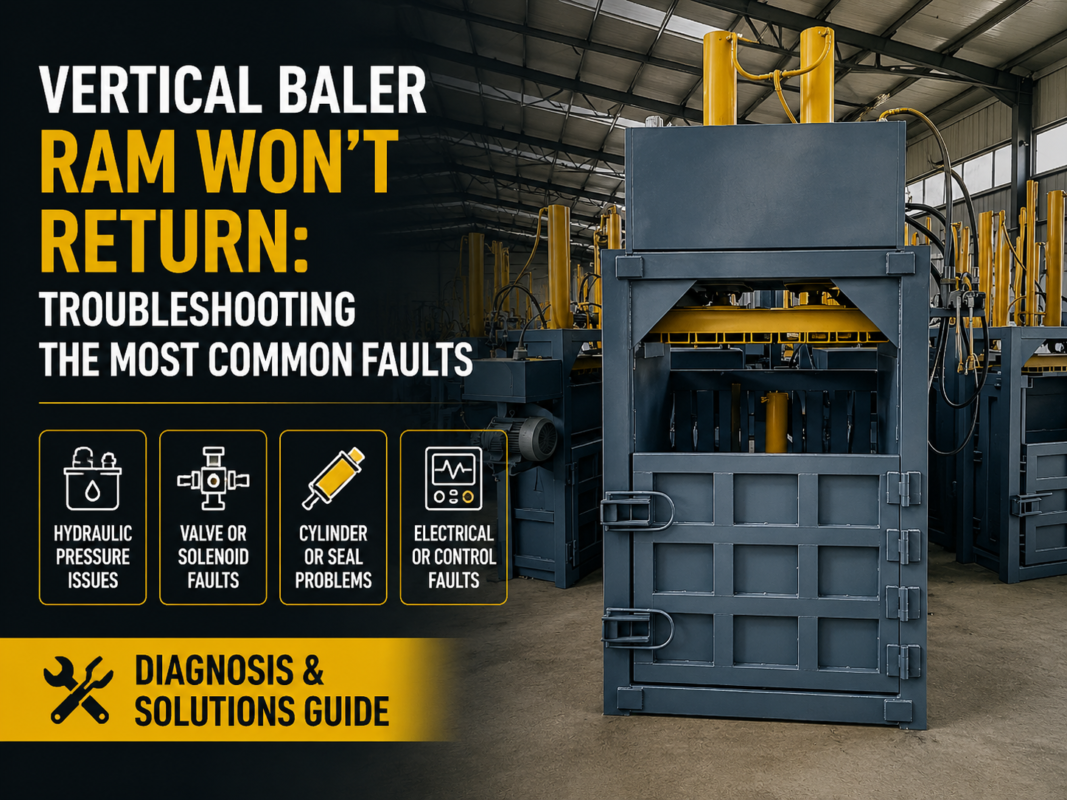
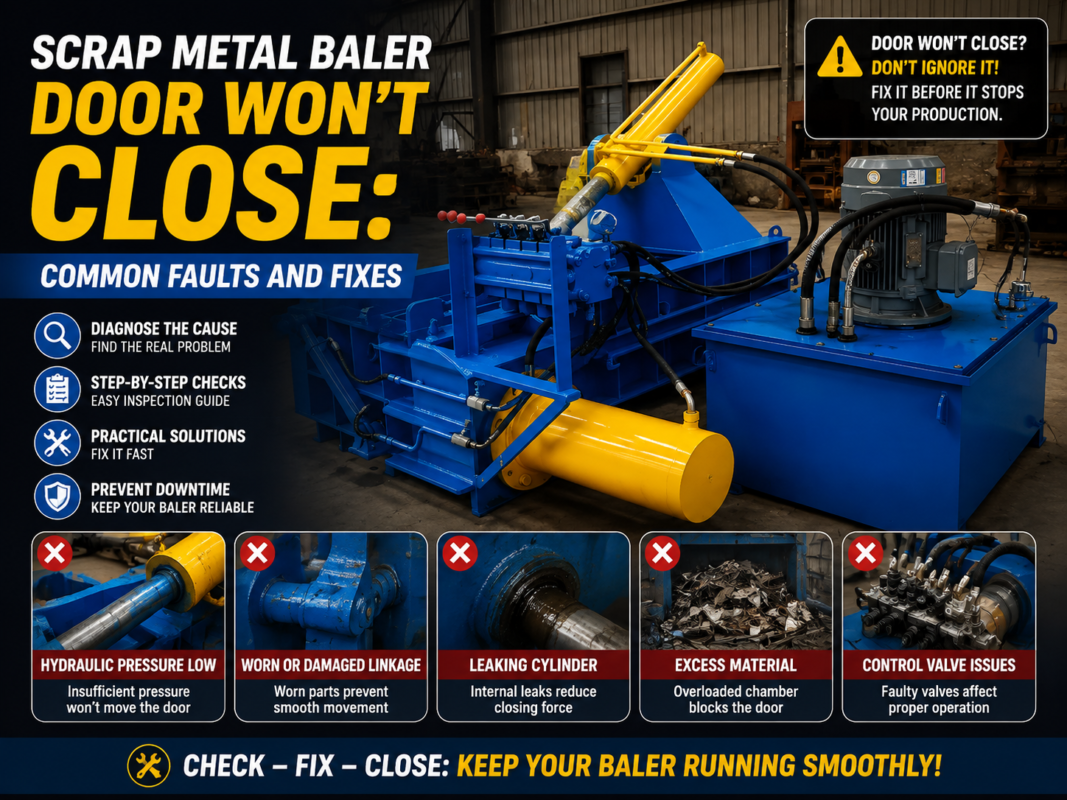
A slow ram is usually a sign of reduced hydraulic flow. This can be caused by a clogged suction filter, a worn-out hydraulic pump that can no longer maintain flow under pressure, or a bypass leak in the main cylinder or control valve. Start by checking the filters and the oil temperature.
How do I know when to replace the shear blades?
You should replace or sharpen the blades when you notice the material is being “folded” rather than cut, or when the hydraulic pressure required for the cutting stroke increases significantly. Visually inspect the blades for chips or rounded edges during your weekly maintenance check.
Is it necessary to clean the electrical cabinet?
Yes, absolutely. Dust in a recycling facility is often conductive (especially metal dust). If this dust accumulates on electrical components, it can cause tracking, short circuits, and even fires. Regular cleaning with a vacuum or dry compressed air is essential for electrical reliability.