Recycling Baler Maintenance Checklist to Reduce Downtime and Repair Costs

The Critical Role of Maintenance in Recycling Baler Operations
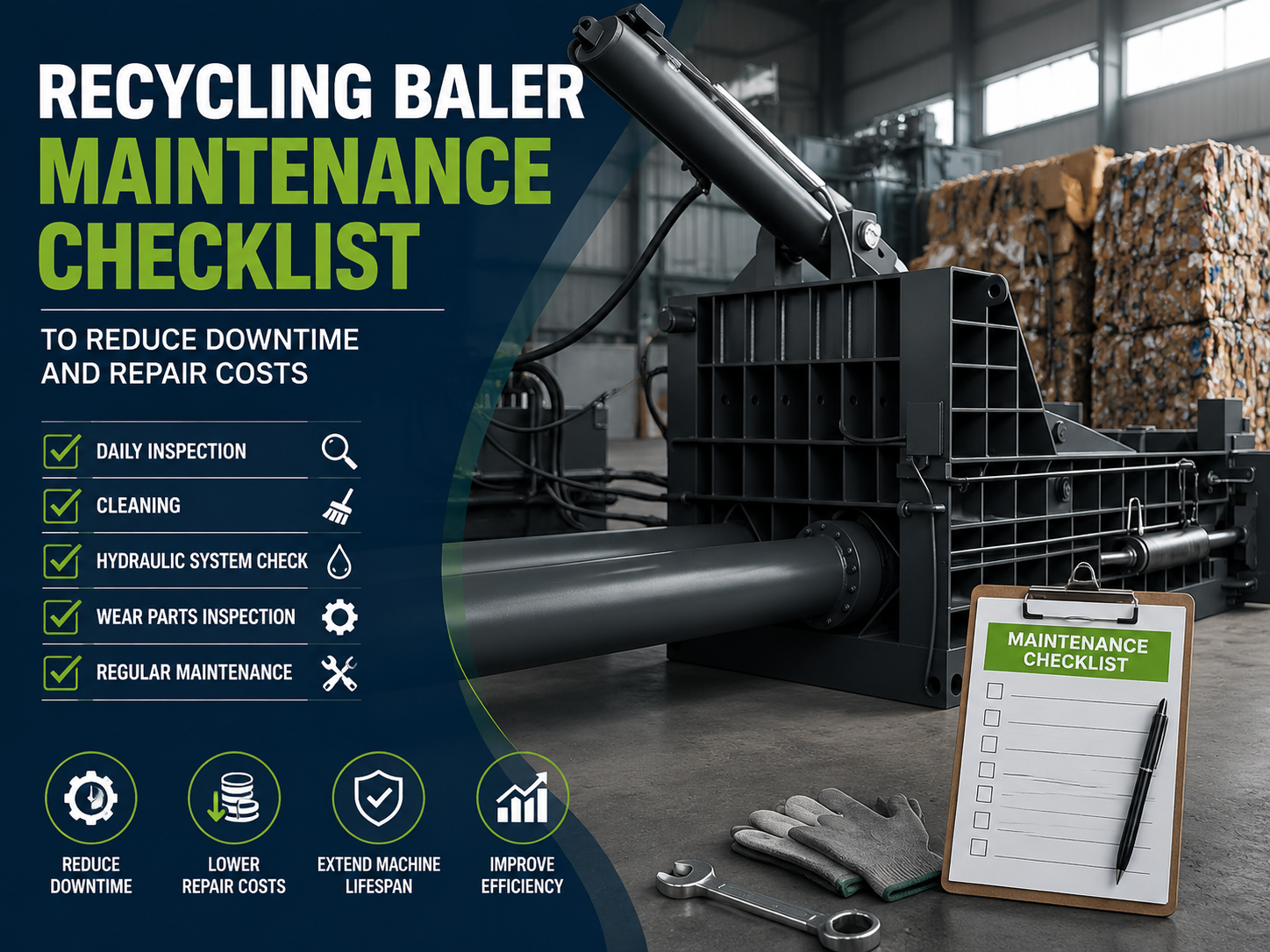
In the high-intensity world of scrap metal processing and waste management, the recycling baler stands as the workhorse of the facility. Whether you are processing aluminum cans, cardboard, or heavy-duty car bodies, the efficiency of your operation depends entirely on the reliability of this machine. However, many facility managers overlook the necessity of a structured Recycling Baler Maintenance Checklist to Reduce Downtime and Repair Costs until a catastrophic failure occurs. When a baler goes offline, the ripple effects are immediate: unprocessed material piles up, logistics are disrupted, and labor costs skyrocket as staff wait for repairs.
Implementing a proactive maintenance strategy is not merely about fixing things when they break; it is about preventing the break from happening in the first place. For HARSLE machinery users, understanding the synergy between mechanical components and hydraulic systems is key to longevity. A well-maintained baler operates at peak pressure, produces denser bales, and consumes less energy. Conversely, a neglected machine works harder to achieve the same results, leading to premature wear on expensive components like main cylinders and hydraulic pumps.
The financial implications of downtime are often underestimated. Beyond the direct cost of replacement parts and emergency technician fees, there is the ‘opportunity cost’ of lost production. In a volatile commodities market, the ability to process and ship material quickly can be the difference between profit and loss. By following a rigorous Recycling Baler Maintenance Checklist to Reduce Downtime and Repair Costs, companies can extend the service life of their equipment by years, ensuring a much higher return on investment (ROI) over the machine’s lifecycle.
Furthermore, safety is a paramount concern. A baler that is not properly maintained poses a significant risk to operators. Worn hydraulic hoses can burst under high pressure, and faulty electrical sensors can lead to unexpected machine movements. A comprehensive maintenance plan ensures that all safety interlocks and emergency stops are functioning correctly, protecting your most valuable asset: your employees. In the following sections, we will break down the essential checks required to keep your recycling baler in top-tier condition.
Daily Inspection: The First Line of Defense
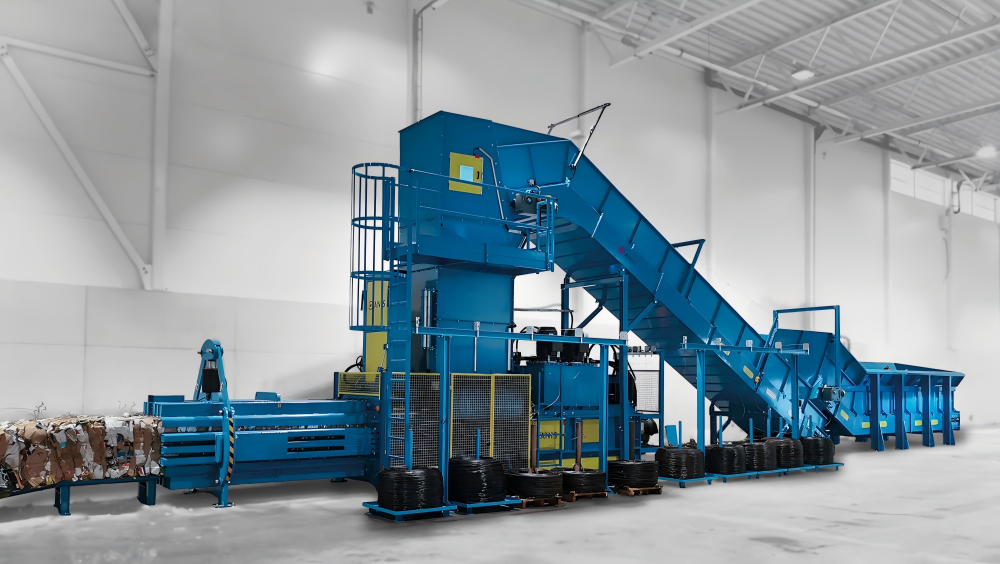
The daily inspection is perhaps the most important part of any Recycling Baler Maintenance Checklist to Reduce Downtime and Repair Costs. It requires no specialized tools—only a keen eye and a commitment to consistency. Before the start of every shift, operators should perform a walk-around inspection to identify any obvious signs of trouble. This includes looking for oil puddles on the floor, which indicate hydraulic leaks, or loose bolts on the access panels. Early detection of a small leak can prevent a massive hydraulic failure later in the day.
Cleaning is a vital component of the daily routine. Recycling environments are inherently dirty, filled with dust, metal shards, and debris. If this material is allowed to accumulate around the ram or the hydraulic tank, it can cause overheating or mechanical interference. Operators should ensure that the area around the limit switches and sensors is clear. Debris buildup on a sensor can cause the machine to stop mid-cycle, leading to unnecessary troubleshooting and lost time. A simple five-minute cleaning at the end of each shift can save hours of frustration.
Checking fluid levels is another non-negotiable daily task. Hydraulic oil is the lifeblood of the baler. If the oil level is too low, the pump may draw in air, leading to cavitation and permanent damage. Additionally, operators should check the oil temperature gauge during operation. If the oil is running too hot, it may indicate a failing cooling system or a pump that is working too hard due to an internal blockage. Monitoring these metrics daily allows for ‘predictive’ maintenance rather than ‘reactive’ repairs.
Finally, the daily check must include a verification of all safety devices. This includes testing the emergency stop buttons, ensuring that safety gates are properly latched, and verifying that the infrared light curtains (if equipped) are functioning. Never bypass a safety sensor to keep production moving; the risks far outweigh the rewards. By documenting these daily checks in a logbook, management can track the machine’s health and hold operators accountable for the equipment’s condition.
Hydraulic System Checks: Maintaining the Heart of the Machine
The hydraulic system is where the actual work of baling happens. It converts electrical energy into the massive force required to compress scrap metal. Because it operates under extreme pressure, the hydraulic system is often the first place where wear and tear manifest. A critical item on your Recycling Baler Maintenance Checklist to Reduce Downtime and Repair Costs is the inspection of hydraulic hoses and fittings. Look for signs of ‘weeping’ at the connections or abrasions on the hose jackets. A hose that looks slightly worn on the outside can fail spectacularly under 3,000 PSI of pressure.
Oil quality is just as important as oil quantity. Over time, hydraulic oil breaks down due to heat and shear forces. It can also become contaminated with water or microscopic metal particles. We recommend performing an oil analysis at least twice a year. This lab test can reveal the presence of contaminants that are invisible to the naked eye but can act like sandpaper on the internal valves and cylinders. If the oil appears milky, it likely contains water; if it smells burnt, it has been overheated. Replacing oil and filters according to the manufacturer’s specifications is the cheapest insurance policy you can buy for your baler.
The hydraulic pump and valves require periodic attention to ensure they are set to the correct pressures. If the relief valve is set too high, it can stress the structural frame of the baler; if it is too low, the machine will fail to produce dense, shippable bales. Technicians should use calibrated pressure gauges to verify that the system is operating within HARSLE’s recommended parameters. Listen for unusual sounds coming from the pump, such as whining or grinding, which can indicate that the internal components are reaching the end of their service life.
Lastly, don’t forget the cooling system. Most industrial balers use either an air-cooled or water-cooled heat exchanger to keep the hydraulic oil at an optimal temperature (usually between 100°F and 140°F). If the cooling fins are clogged with dust or the water flow is restricted, the oil will thin out, leading to internal leakage and reduced baling force. Cleaning the heat exchanger should be a monthly priority to ensure the system can handle the heat generated during high-volume shifts.
Electrical and Control System Maintenance
Modern recycling balers are sophisticated machines controlled by Programmable Logic Controllers (PLCs) and a network of sensors. While the mechanical parts are robust, the electrical system is often sensitive to the harsh vibrations and temperature fluctuations of a recycling yard. A key part of the Recycling Baler Maintenance Checklist to Reduce Downtime and Repair Costs involves inspecting the control cabinet. Ensure that the cabinet door is sealed tightly to prevent dust and moisture from entering. Dust on circuit boards can cause short circuits or overheating of sensitive components.
Vibration is the enemy of electrical connections. Over months of operation, the constant movement of the baler can cause wires to vibrate loose from their terminals. A loose wire can cause intermittent faults that are notoriously difficult to diagnose. Periodically, a qualified electrician should ‘tug-test’ the connections and tighten any that have come loose. This simple step can prevent the ‘ghost in the machine’ syndrome where the baler stops for no apparent reason and then starts working again after being restarted.
Sensors and limit switches are the ‘eyes’ of the baler. They tell the PLC where the ram is and when the chamber is full. In a scrap metal environment, these sensors are often hit by flying debris or knocked out of alignment. Check the mounting brackets of all limit switches to ensure they are secure. If your baler uses ultrasonic or laser sensors for bale length, ensure the lenses are clean. A dirty lens can lead to inconsistent bale sizes, which complicates transport and reduces the value of your processed material.
Software and firmware updates are also becoming a part of modern maintenance. If your HARSLE baler features advanced diagnostic software, ensure it is updated to the latest version. This can provide better error reporting and more efficient cycle times. Additionally, always keep a backup of the PLC program on a secure drive. In the rare event of a controller failure, having the program ready can reduce downtime from days to hours.
Mechanical Integrity and Shear Blade Maintenance
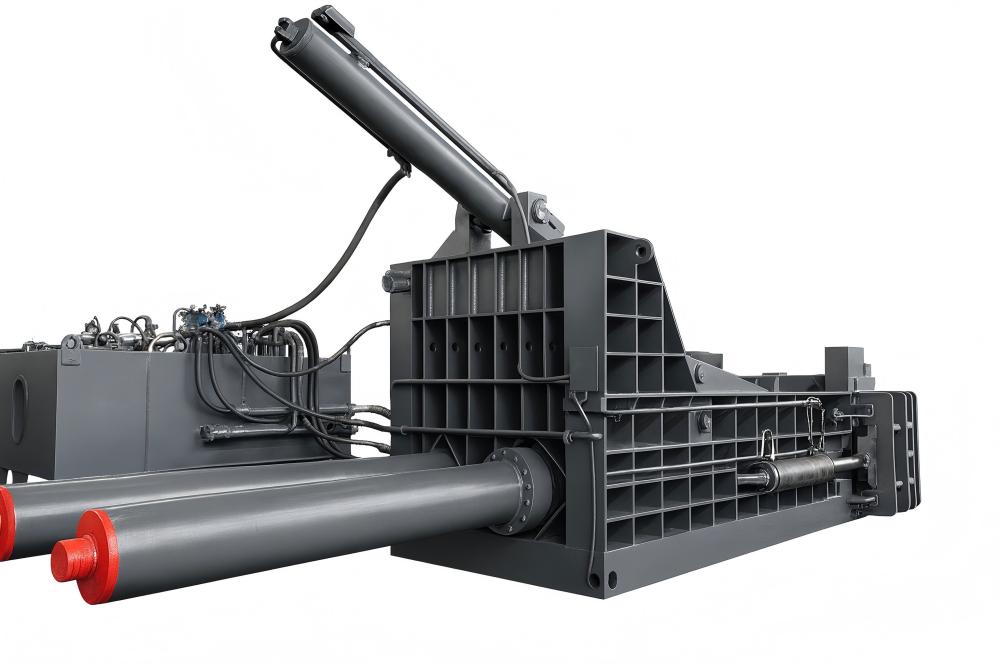
The mechanical structure of a recycling baler is designed to withstand millions of pounds of force, but it is not indestructible. The ram, the floor liners, and the shear blades are all subject to intense friction. One of the most critical mechanical tasks in the Recycling Baler Maintenance Checklist to Reduce Downtime and Repair Costs is monitoring the clearance between the shear blades. As the ram moves forward, the blades cut through excess material. If the gap between the blades becomes too wide due to wear or loose bolts, the material will ‘fold’ instead of ‘cut,’ causing the ram to jam and putting immense strain on the hydraulic system.
Regularly sharpening or rotating the shear blades is essential. Dull blades require more force to cut, which increases electricity consumption and generates more heat in the hydraulic oil. Most HARSLE balers feature reversible blades, allowing you to get double the life out of a single set. When the blades are removed for sharpening, it is also an excellent time to inspect the blade seats for any cracks or deformation. Ensuring a perfectly flat mounting surface is vital for the blades to function correctly.
The wear liners inside the baling chamber are another sacrificial component. These plates protect the main structural frame from the abrasive action of scrap metal. Once the liners wear down to a certain thickness, they must be replaced. If you wait too long, the scrap metal will begin to erode the main frame of the machine, leading to repairs that are significantly more expensive and time-consuming. Check the bolts holding the liners in place; if they become loose, material can get trapped behind the liner, causing it to bulge and interfere with the ram’s movement.
Finally, inspect the structural welds of the machine, especially around the cylinder mounts and the bale door. The repetitive stress of baling can eventually lead to fatigue cracks. If caught early, these cracks can be ground out and re-welded. If ignored, they can lead to a catastrophic structural failure. A quick visual check with a flashlight once a month is usually sufficient to spot these issues before they become dangerous.
Comprehensive Lubrication Plan
Lubrication is the simplest yet most frequently neglected aspect of industrial maintenance. Without proper lubrication, metal-on-metal contact will quickly destroy bushings, pins, and slides. A robust Recycling Baler Maintenance Checklist to Reduce Downtime and Repair Costs must include a detailed lubrication schedule. Most balers have specific grease points located on the pivot pins of the bale door, the ram guides, and the motor bearings. Using the correct type of grease—typically a high-pressure (EP2) lithium-based grease—is vital for these high-load applications.
Automatic lubrication systems are a popular feature on many HARSLE balers, as they take the guesswork out of the process. However, even an ‘auto-lube’ system requires maintenance. You must regularly check the reservoir level and ensure that the distribution lines are not pinched or clogged. If one line is blocked, that specific bearing will receive no grease, leading to failure while the rest of the machine appears well-lubricated. If your machine is manually lubricated, establish a ‘grease map’ so that operators don’t miss hidden grease zerks.
The frequency of lubrication depends on the intensity of your operation. A machine running three shifts a day will require much more frequent lubrication than one running a few hours a week. Over-lubrication can also be a problem, as excess grease can attract dust and grit, creating an abrasive paste that actually accelerates wear. The goal is to maintain a thin, clean film of lubricant on all moving surfaces. Always wipe the grease zerk clean before attaching the grease gun to prevent pushing dirt into the bearing.
Troubleshooting Signals: When to Stop the Machine
Operators should be trained to recognize the ‘early warning signs’ of equipment failure. Often, a machine will ‘tell’ you it is about to fail long before it actually stops. One of the most common signals is a change in the sound of the machine. A high-pitched squeal often indicates a restricted hydraulic line or a pump struggling with aeration. A deep growling sound might suggest that a bearing in the main electric motor is failing. If an operator hears something unusual, the instruction should be to stop and investigate immediately.
Slow cycle times are another red flag. If the baler is taking 60 seconds to complete a cycle that normally takes 45 seconds, something is wrong. This could be due to internal leakage in the cylinders, a failing pump, or a clogged suction filter. Ignoring slow cycle times not only reduces your daily throughput but also indicates that the machine is wasting energy and generating excessive heat. By including ‘cycle time monitoring’ in your Recycling Baler Maintenance Checklist to Reduce Downtime and Repair Costs, you can catch efficiency drops before they become total failures.
Irregular bale shapes or weights can also point to mechanical issues. If bales are consistently ‘wedged’ or lopsided, it may indicate that the ram is not traveling straight or that the shear blades are dull on one side. This affects the stackability of the bales and can lead to safety issues during transport. Monitoring the output quality is just as important as monitoring the machine’s internal components.
Recycling Baler Maintenance Schedule Table
To help you organize your efforts, use the following table as a template for your facility’s maintenance program. Adjust the frequencies based on your specific machine model and workload.
| Frequency | Component | Action Required |
|---|---|---|
| Daily | Hydraulic System | Check oil level and temperature; inspect for leaks. |
| Daily | Safety Systems | Test E-stops, safety gates, and light curtains. |
| Daily | General | Clean debris from ram area and sensors. |
| Weekly | Mechanical | Inspect shear blade clearance and sharpness. |
| Weekly | Lubrication | Grease all manual pivot points and check auto-lube levels. |
| Monthly | Electrical | Inspect control cabinet for dust; check for loose wires. |
| Monthly | Cooling System | Clean heat exchanger fins and check fan operation. |
| Quarterly | Hydraulic System | Replace return line filters; take oil sample for analysis. |
| Quarterly | Structural | Inspect main frame and cylinder mounts for stress cracks. |
| Annually | Full System | Complete hydraulic oil change; calibrate pressure settings. |
Frequently Asked Questions (FAQ)
1. How often should I change the hydraulic oil in my recycling baler?
Generally, hydraulic oil should be changed every 2,000 to 4,000 hours of operation, or once a year. However, the best practice is to rely on oil analysis. If the analysis shows the oil is still chemically stable and free of contaminants, you may be able to extend its life. Conversely, if the oil is oxidized or contaminated, it must be changed immediately regardless of the hours.
2. Why is my baler losing pressing force?
Loss of pressing force is usually caused by one of three things: internal leakage in the hydraulic cylinder (bypassing the piston seal), a worn hydraulic pump that can no longer reach maximum pressure, or a misadjusted or failing relief valve. A technician should perform a pressure test to isolate which component is at fault.
3. Can I use any type of grease for the ram guides?
No. You should use a high-pressure (EP) grease, typically Grade 2. Recycling balers exert massive loads on their guides, and standard multi-purpose grease may break down under the pressure, leading to metal-on-metal contact and rapid wear of the liners.
4. What is the most common cause of baler downtime?
The most common cause of preventable downtime is debris buildup. When metal scraps or dust interfere with sensors or limit switches, the machine’s logic system will trigger a fault and stop the machine. Regular cleaning is the most effective way to prevent these ‘nuisance’ stops.
5. How do I know when to replace the shear blades?
You should replace or rotate the blades when the gap between them exceeds the manufacturer’s specification (usually around 0.015 to 0.030 inches) or when you notice the machine is ‘folding’ material rather than cutting it. Visible chips or rounded edges on the blade also indicate it’s time for maintenance.
6. Is it necessary to warm up the baler in winter?
Yes. Cold hydraulic oil is much thicker (more viscous) and can cause pump cavitation if the machine is run at full speed immediately. Most HARSLE balers have a ‘warm-up’ cycle that circulates oil at low pressure to bring it up to operating temperature before full-load baling begins.