How Aluminium Extrusion Press Technology Benefits Cold Chain Equipment Manufacturing

Introduction to Aluminium Extrusion in the Cold Chain Sector
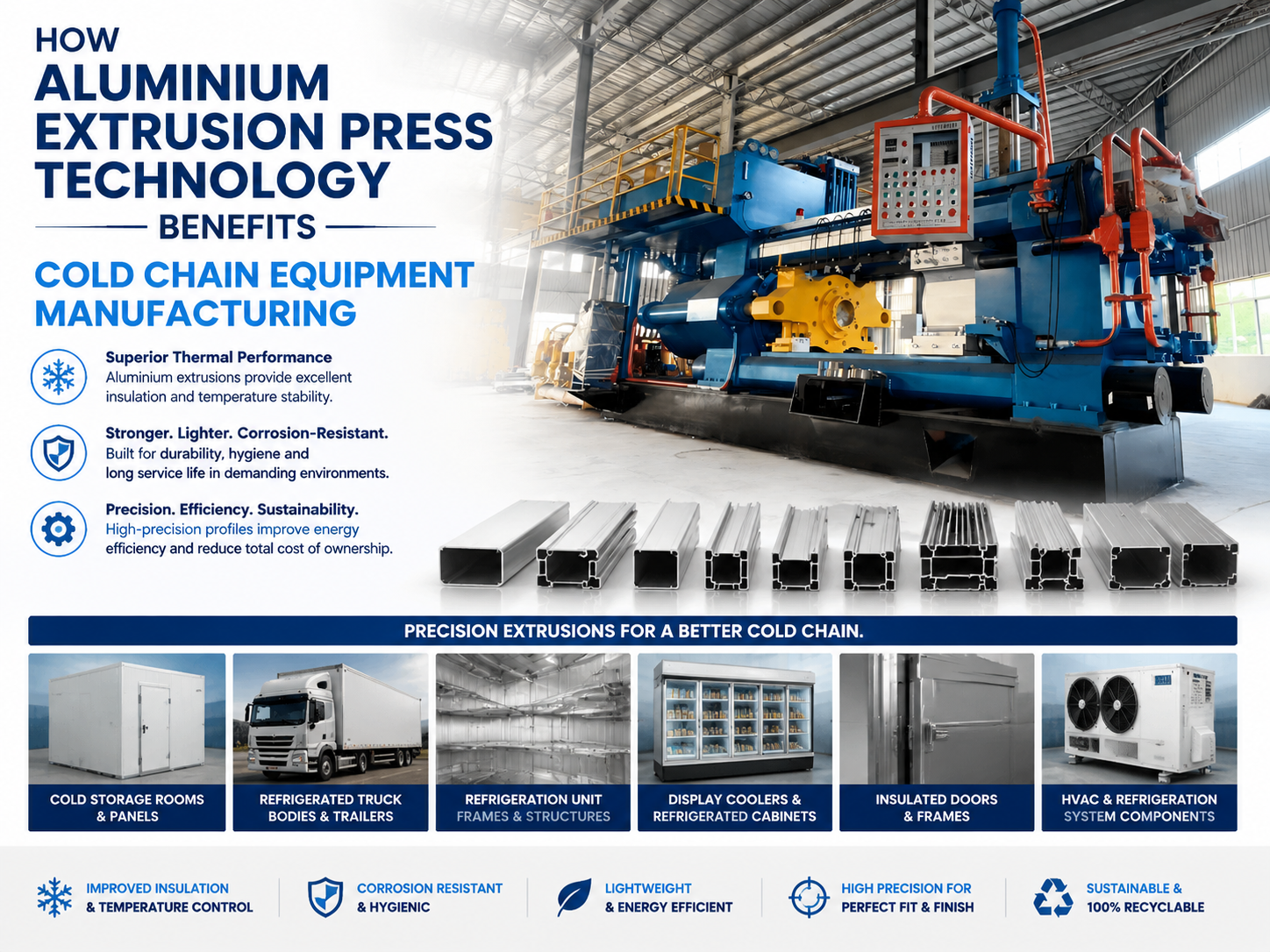
The global logistics industry is undergoing a massive transformation, driven by the increasing demand for temperature-sensitive goods such as pharmaceuticals, fresh produce, and frozen foods. At the heart of this transformation is the cold chain equipment manufacturing sector. To meet the rigorous demands of thermal efficiency, structural integrity, and weight reduction, manufacturers are increasingly turning to advanced metal fabrication techniques. Specifically, understanding How Aluminium Extrusion Press Technology Benefits Cold Chain Equipment Manufacturing has become a priority for industry leaders seeking a competitive edge.
Aluminium extrusion is a process where aluminium alloy material is forced through a die with a specific cross-sectional profile. A powerful hydraulic press pushes a solid billet through the die opening, resulting in a continuous length of the desired shape. In the context of the cold chain, this technology allows for the creation of complex, lightweight, and corrosion-resistant components that are essential for refrigerated containers, truck bodies, and cold storage facilities. The versatility of the extrusion process enables designers to integrate multiple functions into a single profile, such as interlocking joints, thermal breaks, and mounting tracks, which simplifies assembly and enhances performance.
HARSLE, a leader in metal fabrication machinery, provides state-of-the-art aluminium extrusion presses designed to meet the high-precision requirements of the cold chain industry. By leveraging high-tonnage hydraulic systems and precision control units, these machines ensure that every profile produced meets the exacting standards required for maintaining sub-zero temperatures over long distances. This article explores the deep integration of extrusion technology within the cold chain and why it is the preferred choice for modern manufacturers.
Application Scenarios in Cold Chain Equipment
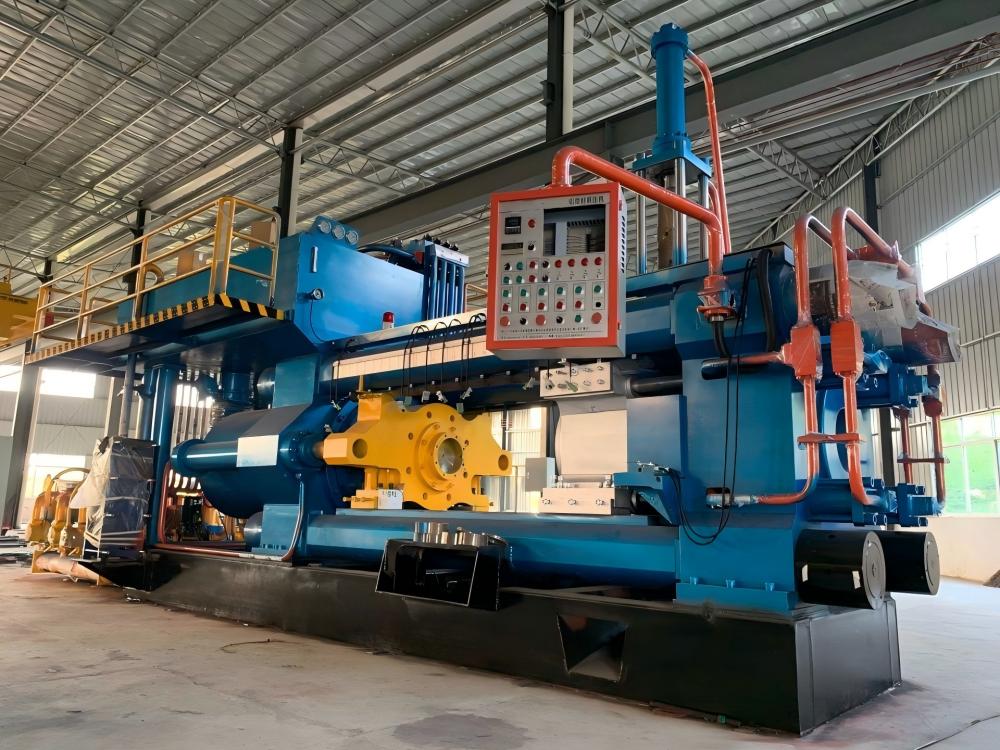
The application of aluminium extrusions in the cold chain is vast and varied. One of the most prominent scenarios is in the construction of refrigerated truck bodies and trailers. These vehicles require a delicate balance between structural strength and low weight to maximize payload capacity while ensuring the insulation remains intact. Extruded aluminium floor planks, side rails, and roof bows provide the necessary rigidity without the heavy weight penalty of steel. Furthermore, the natural corrosion resistance of aluminium is vital, as these vehicles are frequently exposed to moisture, road salt, and cleaning chemicals.
Another critical application is in cold storage warehouse racking and structural frames. Large-scale refrigeration facilities require shelving and support structures that can withstand extreme cold without becoming brittle. Aluminium extrusions maintain their ductility at low temperatures, unlike many grades of carbon steel. Additionally, the ability to create hollow profiles allows for the integration of refrigerant lines directly within the structural members, improving the overall cooling efficiency of the facility.
In the realm of medical and pharmaceutical transport, precision is paramount. Small, specialized cooling containers used for vaccine distribution rely on extruded aluminium heat sinks and internal frames. These components must be manufactured to extremely tight tolerances to ensure airtight seals and consistent thermal conductivity. The extrusion process allows for the mass production of these intricate parts with high repeatability, ensuring that every unit performs reliably in the field.
Finally, evaporators and condensers within refrigeration units often utilize extruded micro-port tubing. These profiles feature multiple tiny channels that increase the surface area for heat exchange, significantly boosting the efficiency of the cooling cycle. This is a prime example of how aluminium extrusion press technology directly contributes to the energy efficiency of cold chain equipment, reducing operational costs for logistics providers.
Material and Process Requirements
To achieve the benefits mentioned above, manufacturers must adhere to strict material and process requirements. The choice of alloy is the first critical decision. In cold chain manufacturing, the 6000 series aluminium alloys (such as 6061 and 6063) are the most common. These alloys offer an excellent combination of extrudability, strength, and corrosion resistance. 6063 is often preferred for its superior surface finish and ability to be extruded into complex shapes, while 6061 is chosen for structural components requiring higher mechanical properties.
The extrusion process itself must be tightly controlled. Temperature management is perhaps the most critical factor. The aluminium billet must be heated to a specific temperature (usually between 400°C and 500°C) to ensure it is soft enough to flow through the die but not so hot that it loses its structural integrity or causes surface defects. Similarly, the die must be preheated to prevent thermal shock and ensure a smooth flow of metal. Any fluctuation in temperature can lead to variations in the profile’s dimensions or mechanical properties, which is unacceptable in precision cold chain applications.
Surface treatment is another essential requirement. Many cold chain components undergo anodizing or powder coating after extrusion. Anodizing creates a hard, durable oxide layer that further enhances corrosion resistance and provides a clean, hygienic surface—critical for food and pharmaceutical transport. The extrusion process must produce a surface finish that is free of die lines, pick-up, or scratches to ensure the subsequent coating adheres perfectly and provides the intended protection.
Lastly, the tolerances required for cold chain equipment are often tighter than standard commercial extrusions. Interlocking floor planks, for instance, must fit together perfectly to create a water-tight and thermally efficient seal. This requires the extrusion press to have high structural rigidity and a precision hydraulic control system to maintain constant pressure and speed throughout the extrusion cycle. HARSLE’s machines are specifically engineered to provide this level of stability, ensuring that every millimeter of the profile is within specification.
Recommended Machine Configuration
When selecting an aluminium extrusion press for cold chain equipment, the configuration must be tailored to the specific types of profiles being produced. For general refrigerated truck components, a 1000-ton to 2500-ton press is typically recommended. This range provides enough force to extrude medium-to-large profiles like floor planks and side pillars while maintaining high production speeds.
Key components of a high-performance configuration include:
- Main Hydraulic System: Utilizing high-pressure pumps from reputable brands like Rexroth or Vickers ensures consistent force. A variable-frequency drive (VFD) on the pump motors can significantly reduce energy consumption during the idle phases of the cycle.
- PLC Control System: A modern Siemens or Mitsubishi PLC system allows for precise control over the extrusion speed, pressure, and billet temperature. This system should include a user-friendly HMI (Human Machine Interface) for real-time monitoring and data logging.
- Billet Heating Furnace: An induction or gas-fired furnace with multi-zone temperature control is essential for ensuring the billet is heated uniformly.
- Quenching System: For 6000 series alloys, a rapid air or water quench system is required immediately after the profile exits the die to lock in the mechanical properties.
- Handling System: An automated puller, cooling table, and stretcher are necessary to handle the long profiles without causing deformation and to ensure they are perfectly straight before cutting.
Workflow of the Aluminium Extrusion Process
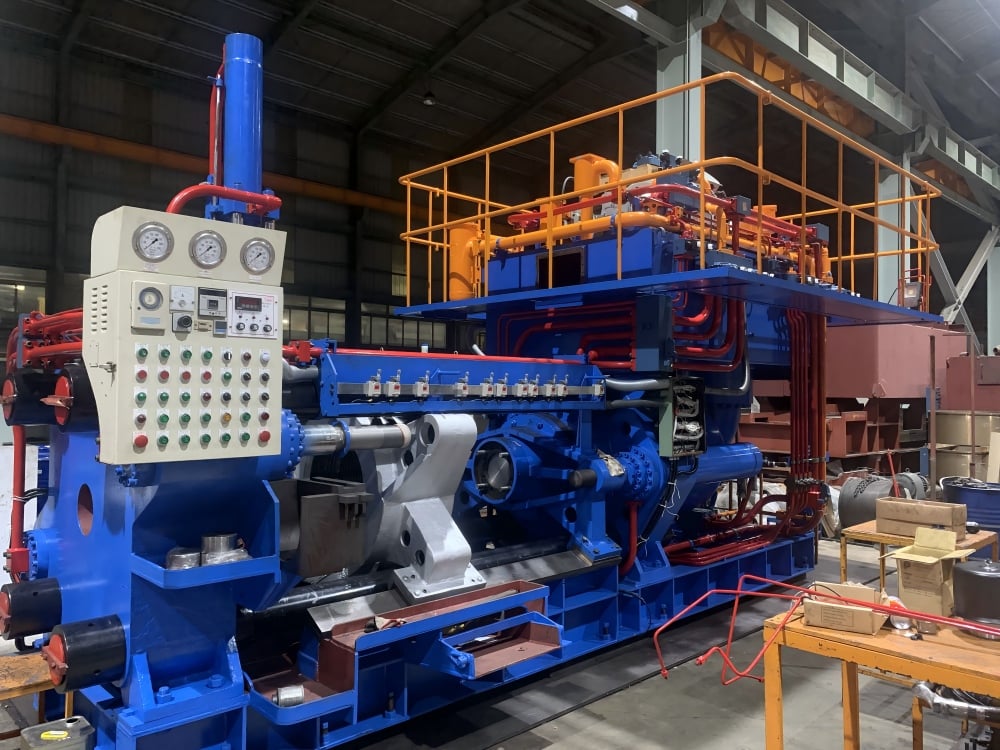
The workflow of producing cold chain components via extrusion is a highly synchronized operation. It begins with Billet Preparation, where cylindrical logs of aluminium alloy are cut to the required length. These billets are then fed into the Heating Furnace, where they reach the optimal extrusion temperature. Simultaneously, the Extrusion Die is preheated in a separate oven to ensure it matches the temperature of the incoming metal.
Once heated, the billet is transferred to the Press Container. The hydraulic ram then pushes the billet against the die. Under immense pressure, the aluminium becomes plastic and is forced through the die’s aperture, taking its shape. As the profile emerges, it is guided by a Puller, which maintains a slight tension to keep the profile straight and prevent twisting. This stage is critical for maintaining the dimensional accuracy of long components like truck side rails.
Immediately after exiting the die, the profile undergoes Quenching. This rapid cooling process is vital for achieving the desired hardness and strength. Following quenching, the profiles are moved to a Cooling Table. Once they reach room temperature, they are transferred to a Stretcher. The stretcher pulls the profiles from both ends to remove any residual stresses and ensure absolute straightness. Finally, the profiles are Cut to Length using a precision saw and placed in an Aging Oven, where they are heated for several hours to complete the precipitation hardening process, reaching their final T5 or T6 temper.
Productivity Benefits for Manufacturers
The primary benefit of using aluminium extrusion press technology in cold chain manufacturing is enhanced structural efficiency. By designing profiles that put metal only where it is needed, manufacturers can reduce the weight of a refrigerated trailer by hundreds of kilograms compared to steel. This weight saving translates directly into higher payload capacity or lower fuel consumption, providing a massive value proposition to the end-user. Furthermore, the ability to extrude complex shapes means that multiple parts can be combined into one, reducing the number of fasteners and welds required, which in turn reduces the risk of leaks and structural failure.
Corrosion resistance is another major productivity driver. Traditional steel components in cold chain equipment require frequent painting and maintenance to prevent rust, especially in the humid environments found inside refrigerated units. Aluminium extrusions, particularly when anodized, are virtually maintenance-free. This longevity reduces the total cost of ownership for the equipment and improves the manufacturer’s reputation for quality and durability.
From a manufacturing standpoint, the high production speed and repeatability of the extrusion process are unmatched. Once a die is perfected, a HARSLE extrusion press can produce thousands of meters of identical profiles with minimal waste. The automation integrated into modern presses reduces labor costs and minimizes the potential for human error. Additionally, aluminium is 100% recyclable. Any scrap generated during the extrusion process (such as the billet ends or “butts”) can be remelted and reused, making it a highly sustainable manufacturing choice.
Case Example: Optimizing Refrigerated Trailer Floors
A leading manufacturer of refrigerated trailers recently faced a challenge: their traditional multi-piece steel floor system was heavy, prone to corrosion at the weld points, and difficult to clean. They decided to transition to an extruded aluminium interlocking floor system using a HARSLE 2000-ton extrusion press. The new design featured a hollow-core profile with integrated “T-shaped” grooves for airflow and a knurled surface for slip resistance.
The results were immediate. The weight of the floor assembly was reduced by 35%, allowing the trailer to carry an additional 500kg of cargo. Because the profiles interlocked with a tongue-and-groove system, the assembly time was reduced by 40%, as the need for extensive welding was eliminated. The smooth, non-porous surface of the aluminium also made the trailers easier to sanitize, meeting the strict hygiene requirements of the food industry. This transition not only improved the product’s performance but also significantly boosted the manufacturer’s throughput and profit margins.
Frequently Asked Questions (FAQ)
Q: What is the typical lifespan of an aluminium extrusion press?
A: With proper maintenance, a high-quality press from HARSLE can last 20 to 30 years. Regular hydraulic oil filtration, seal replacement, and PLC updates are key to ensuring longevity.
Q: Can I use the same press for different alloys?
A: Yes, most presses can handle various 6000, 7000, and 2000 series alloys. However, the extrusion parameters (speed, pressure, temperature) must be adjusted for each specific material.
Q: How does extrusion help with thermal insulation?
A: Extrusion allows for the creation of “thermal break” profiles, where two aluminium sections are joined by a non-conductive material (like polyamide). This prevents heat from transferring through the metal frame, which is essential for cold storage efficiency.
Q: What is the ROI for switching to aluminium extrusion?
A: While the initial investment in dies and a press is significant, the ROI is usually realized within 18-24 months through reduced material waste, lower assembly costs, and the premium price that high-performance aluminium products command in the market.
Q: How do I choose the right tonnage for my application?
A: Tonnage depends on the circumscribing circle size of your profile and the complexity of the shape. HARSLE’s technical team provides detailed consultations to help you match the press capacity to your specific production goals.
Conclusion and Call to Action
In conclusion, Aluminium Extrusion Press Technology Benefits Cold Chain Equipment Manufacturing by providing a unique combination of strength, lightweight properties, and design flexibility. As the global demand for efficient and sustainable cold chain solutions continues to grow, the role of high-precision extrusion will only become more critical. Manufacturers who invest in advanced machinery and master the extrusion process will be well-positioned to lead the market.
Are you looking to upgrade your production capabilities or enter the cold chain manufacturing market? HARSLE offers a comprehensive range of aluminium extrusion presses and metal fabrication equipment tailored to your needs. Our team of experts is ready to assist you with machine selection, factory layout, and technical support. Contact HARSLE today to discover how our technology can drive your business forward and help you build the next generation of cold chain equipment.