How to Buy a Single-Shaft Shredder: A Practical Guide for Industrial Waste Reduction

Introduction to Industrial Waste Reduction
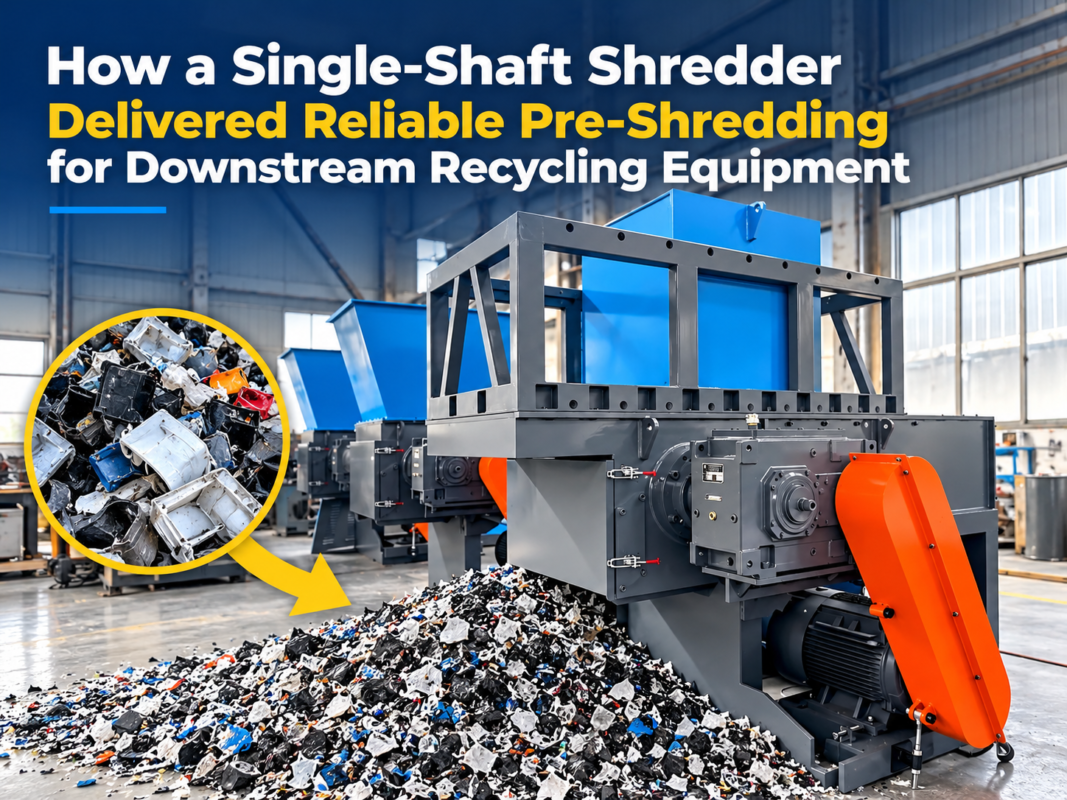
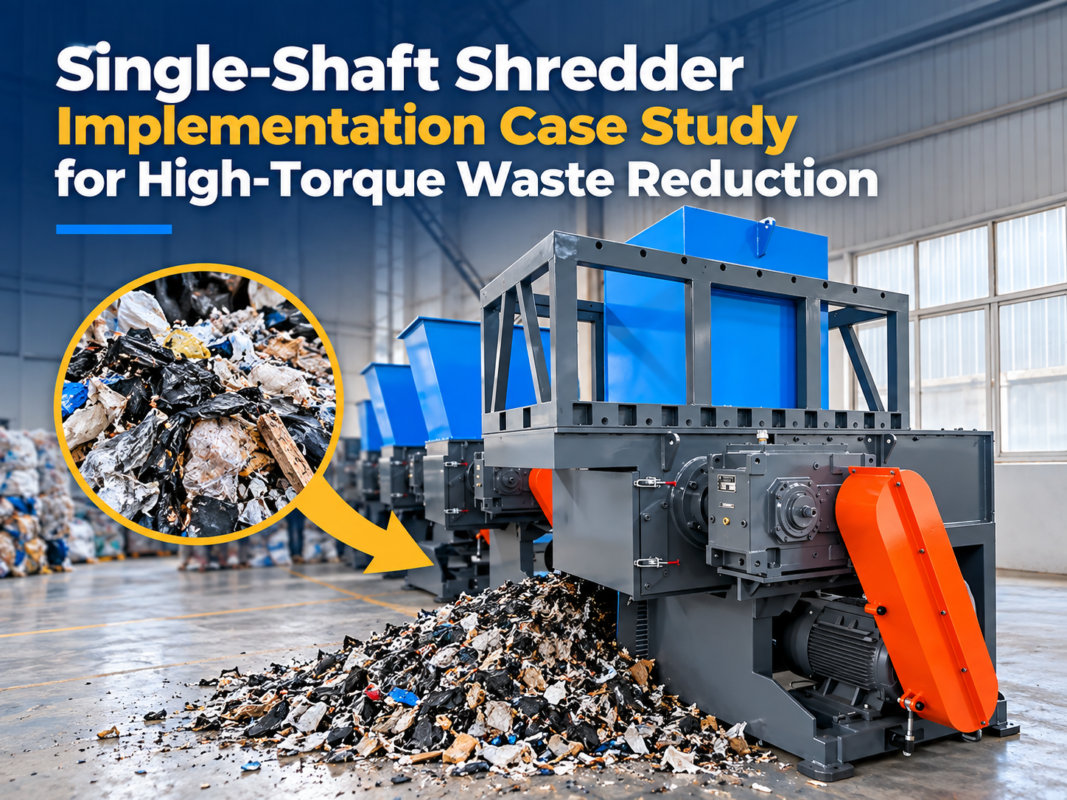
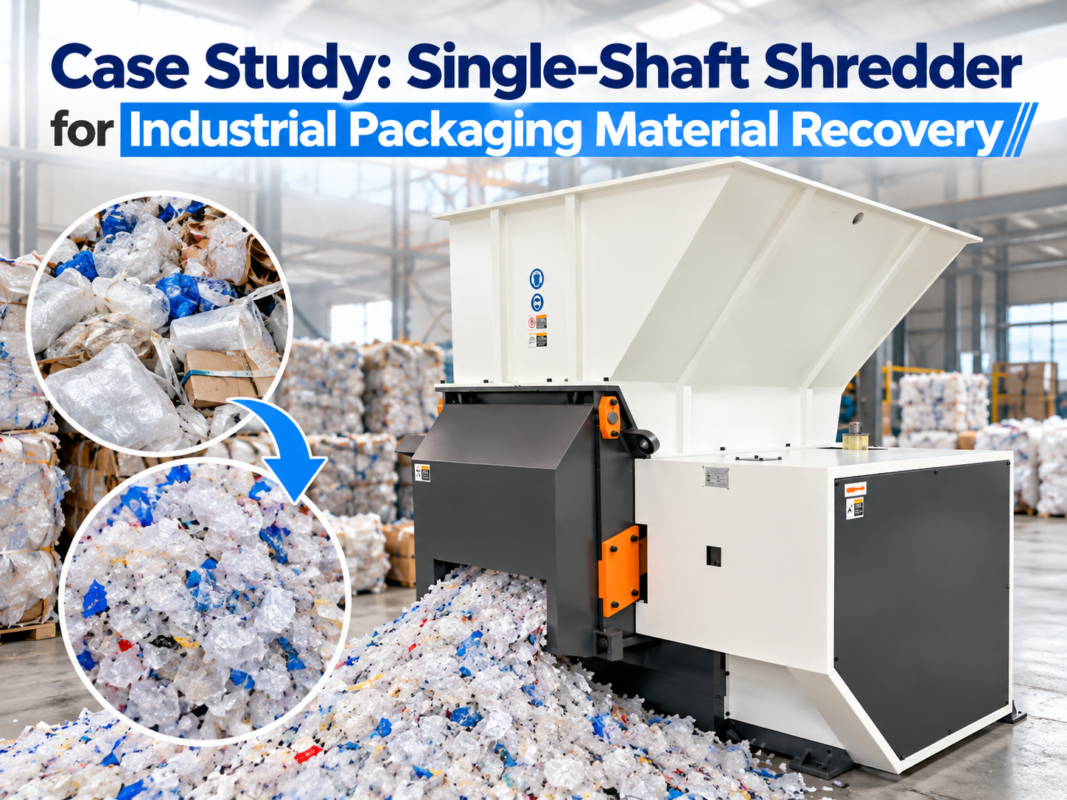
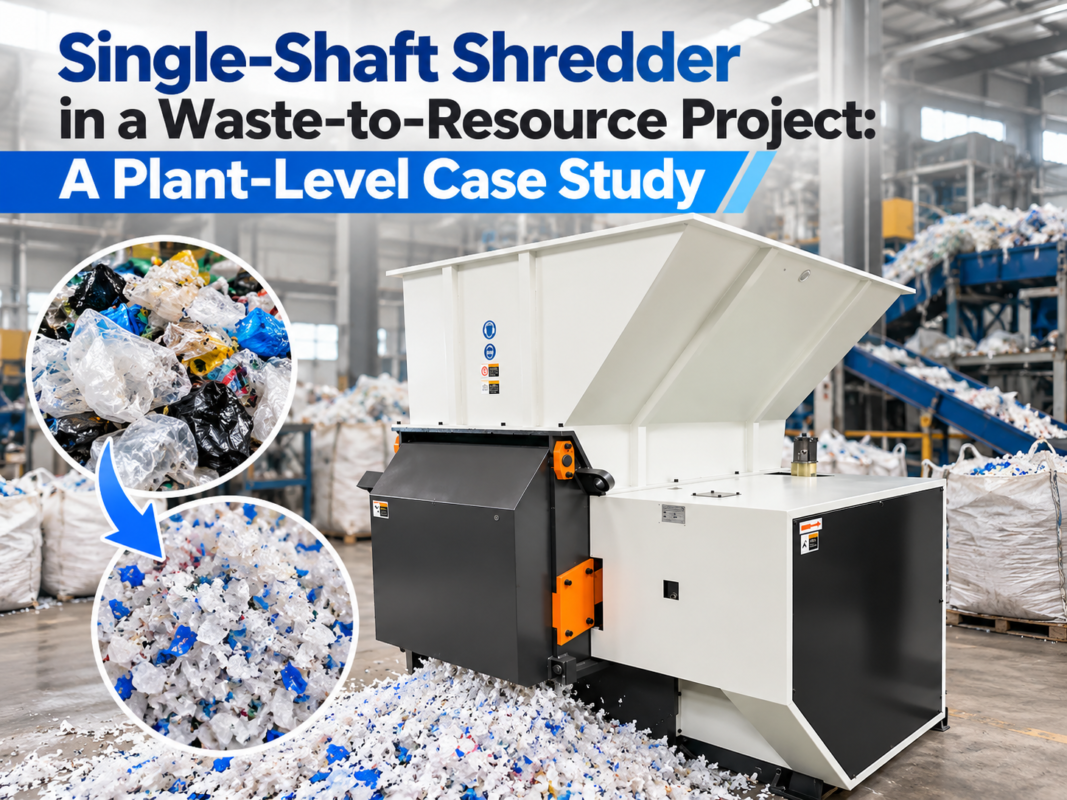
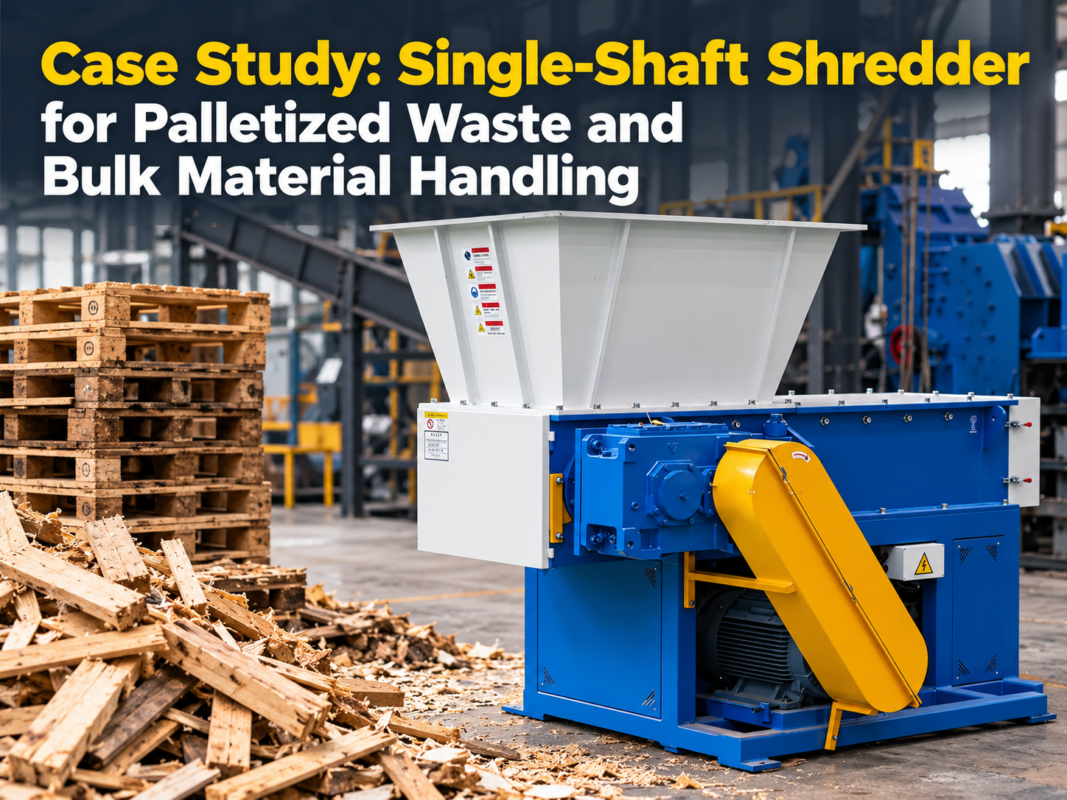
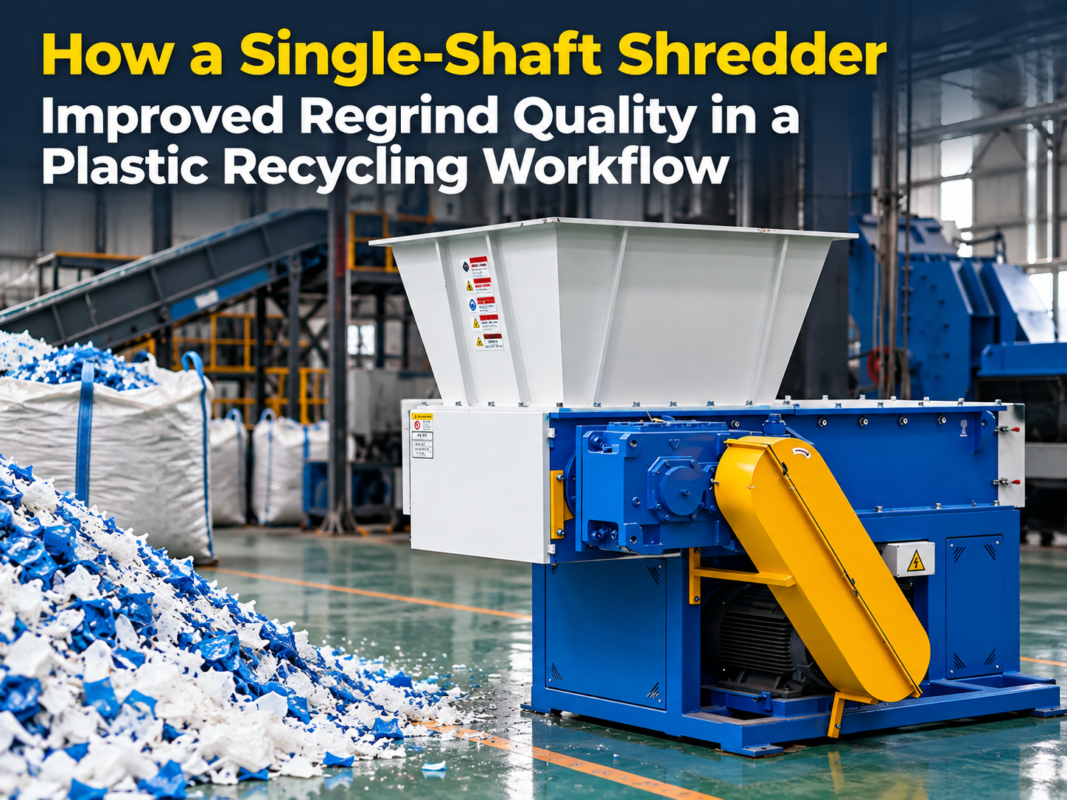
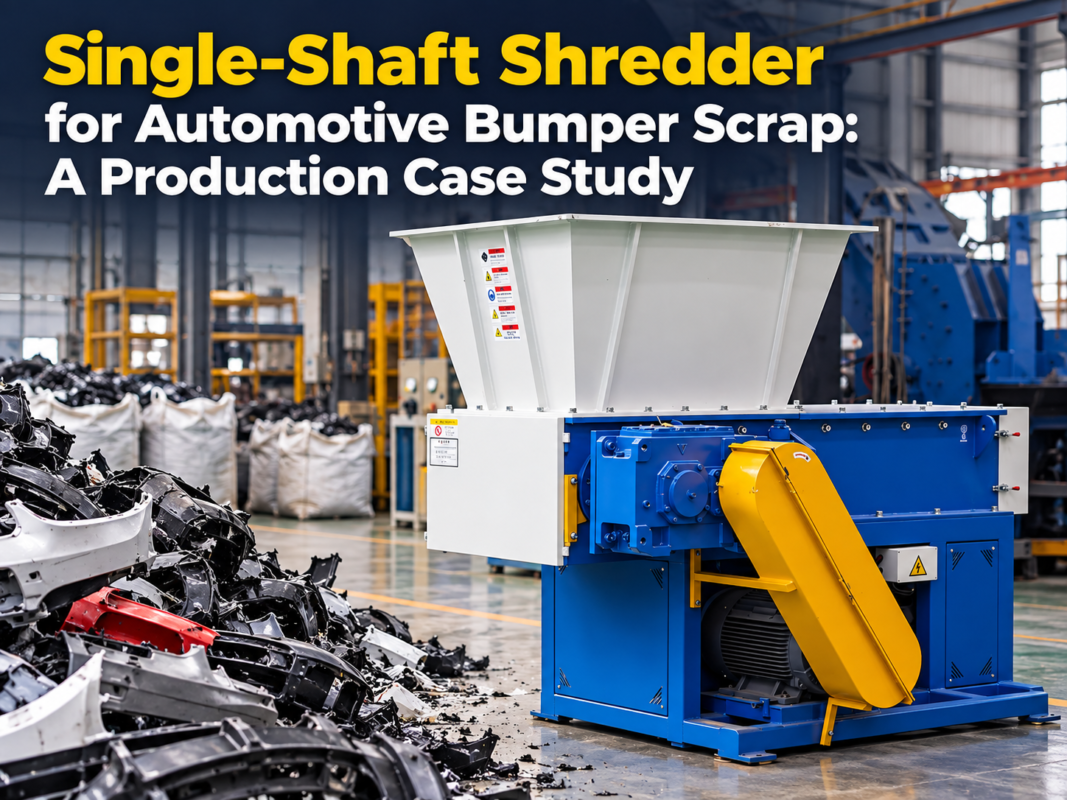
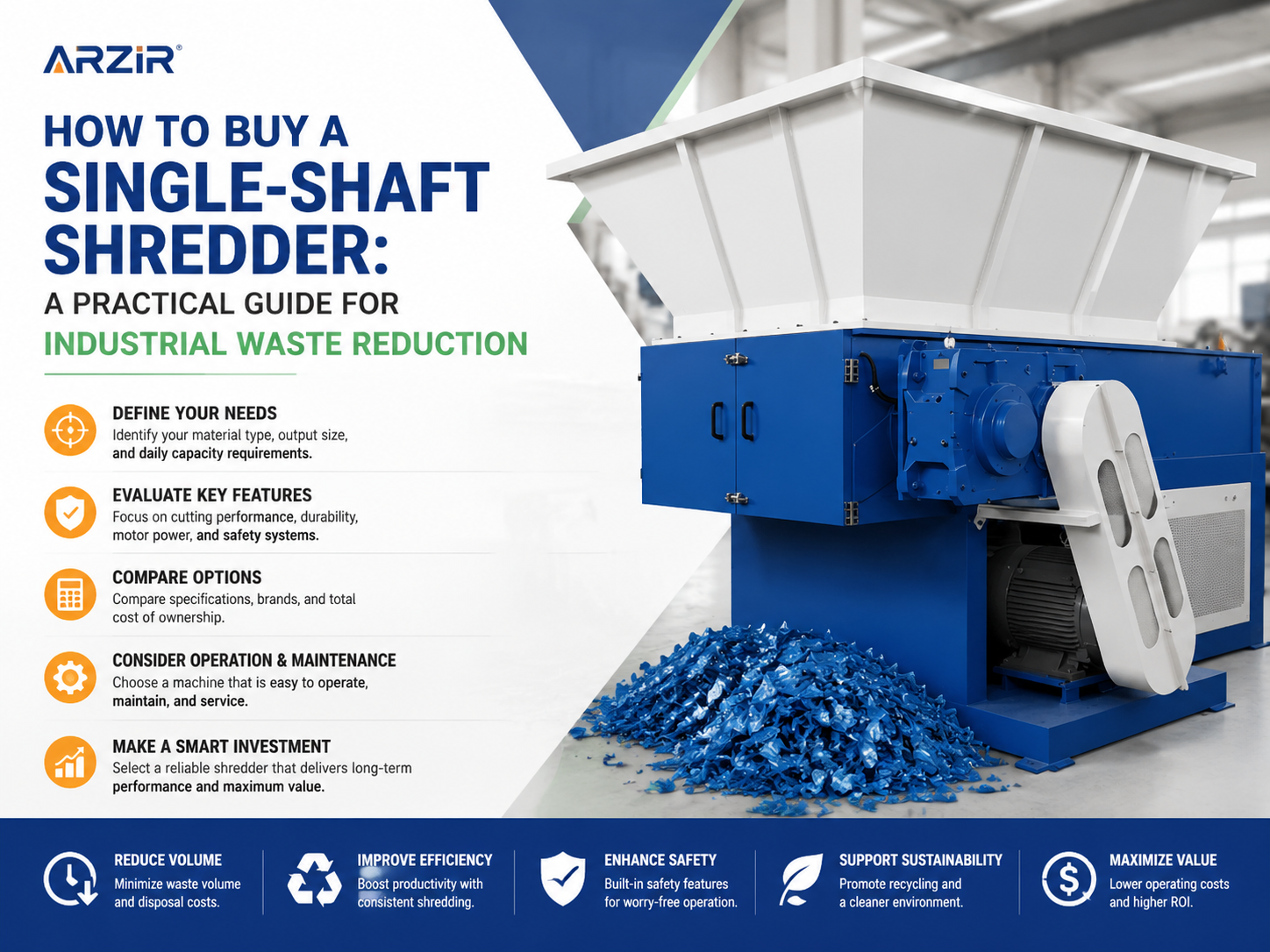
In the modern manufacturing landscape, the drive toward sustainability and efficiency has made waste management a top priority. For facilities dealing with large volumes of plastic, wood, paper, or light metal scrap, the decision to Buy A Single-Shaft Shredder: A Practical Industrial Waste Reduction strategy is often the most effective way to streamline operations. A single-shaft shredder is a versatile workhorse designed to reduce bulky waste into uniform, manageable particles. Unlike multi-shaft shredders that use high torque and low speed for massive destruction, the single-shaft variety offers precision and high-speed processing, making it ideal for materials that require a specific output size.
HARSLE has long been at the forefront of providing high-performance metal fabrication and recycling machinery. Understanding the nuances of these machines is critical for any procurement manager or business owner. This guide will walk you through the financial, technical, and operational aspects of acquiring a single-shaft shredder, ensuring your investment yields the highest possible return while meeting your environmental goals.
Price Range Overview: What to Expect
When you begin your journey to Buy A Single-Shaft Shredder: A Practical Industrial Waste Reduction solution, the first question is usually about the budget. The market for industrial shredders is broad, with prices varying significantly based on capacity, material compatibility, and build quality. Generally, the price range can be categorized into three main tiers.
Entry-level or small-scale shredders typically range from $15,000 to $35,000. These machines are designed for light-duty applications, such as processing plastic purgings, small wood offcuts, or paper waste. They usually feature smaller rotors (around 200mm to 300mm in diameter) and motors ranging from 11kW to 22kW. While affordable, they are limited in their throughput and the thickness of the material they can handle.
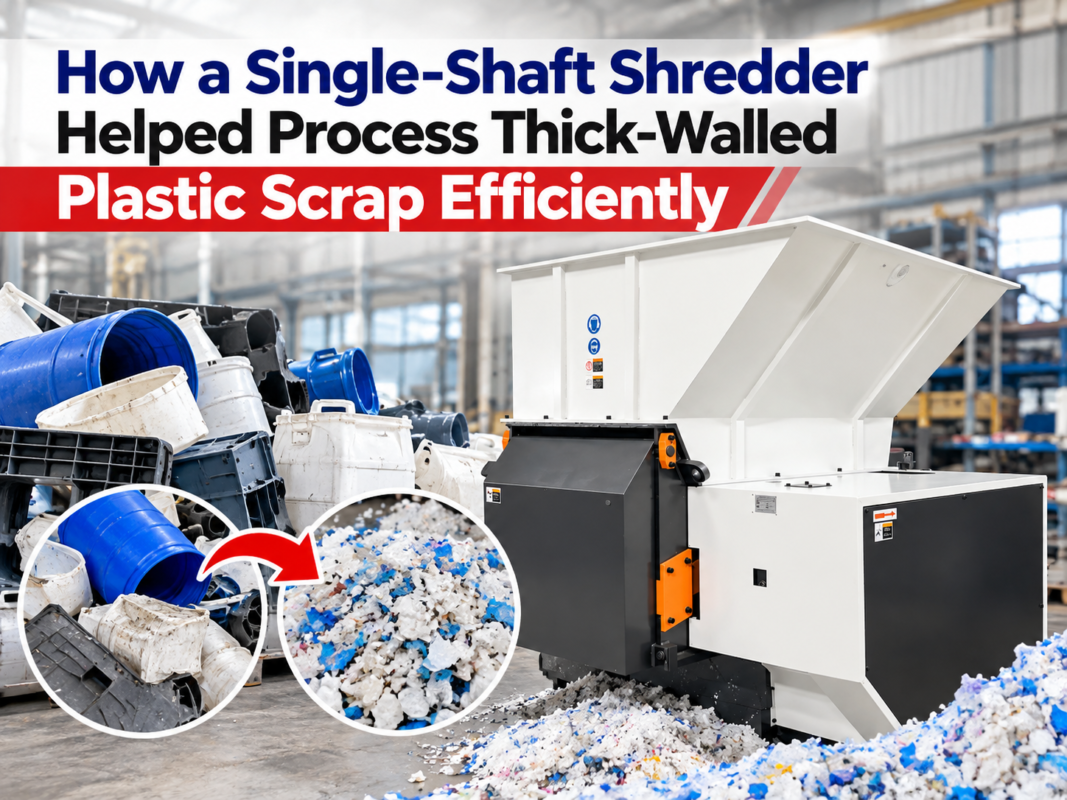
Mid-range shredders, which are the most common in industrial settings, fall between $40,000 and $85,000. These units are built for continuous operation and can handle tougher materials like thick-walled HDPE pipes, rubber, and light aluminum scrap. They feature reinforced frames, larger hydraulic pushers, and more sophisticated control systems. High-end, heavy-duty shredders can exceed $150,000. These are massive machines designed for high-tonnage recycling plants, featuring dual-drive motors, advanced cooling systems for the rotor, and specialized wear-resistant coatings for the entire cutting chamber.
Main Cost Drivers in Shredder Procurement
Understanding why one machine costs twice as much as another requires looking under the hood. Several key components drive the manufacturing cost and, consequently, the purchase price of a single-shaft shredder.
- Motor and Drive System: The heart of the shredder is its motor. High-quality motors from brands like Siemens or WEG add to the cost but provide better energy efficiency and longevity. Furthermore, the gearbox—the component that converts the motor’s speed into torque—must be robust enough to withstand the shocks of shredding hard materials.
- Rotor Design and Metallurgy: The rotor is the most stressed part of the machine. A solid steel rotor machined from a single block is more expensive than a hollow or fabricated one but offers superior durability. The type of steel used (such as DC53 or D2) for the blades also impacts the price. Specialized coatings for abrasive materials like glass-filled plastics can further increase costs.
- Hydraulic System: Single-shaft shredders use a hydraulic pusher (or ram) to force material against the rotating shaft. The complexity of this system—whether it uses a horizontal ram or a swing-arm design—significantly affects the price. High-speed hydraulics with proportional valves allow for smoother operation and higher throughput.
- Control Systems: Modern shredders utilize PLC (Programmable Logic Controller) systems, often from brands like Schneider or Mitsubishi. These systems manage the load on the motor, automatically reversing the rotor if a jam occurs, which prevents mechanical failure and reduces downtime.
Configuration Impact on Performance
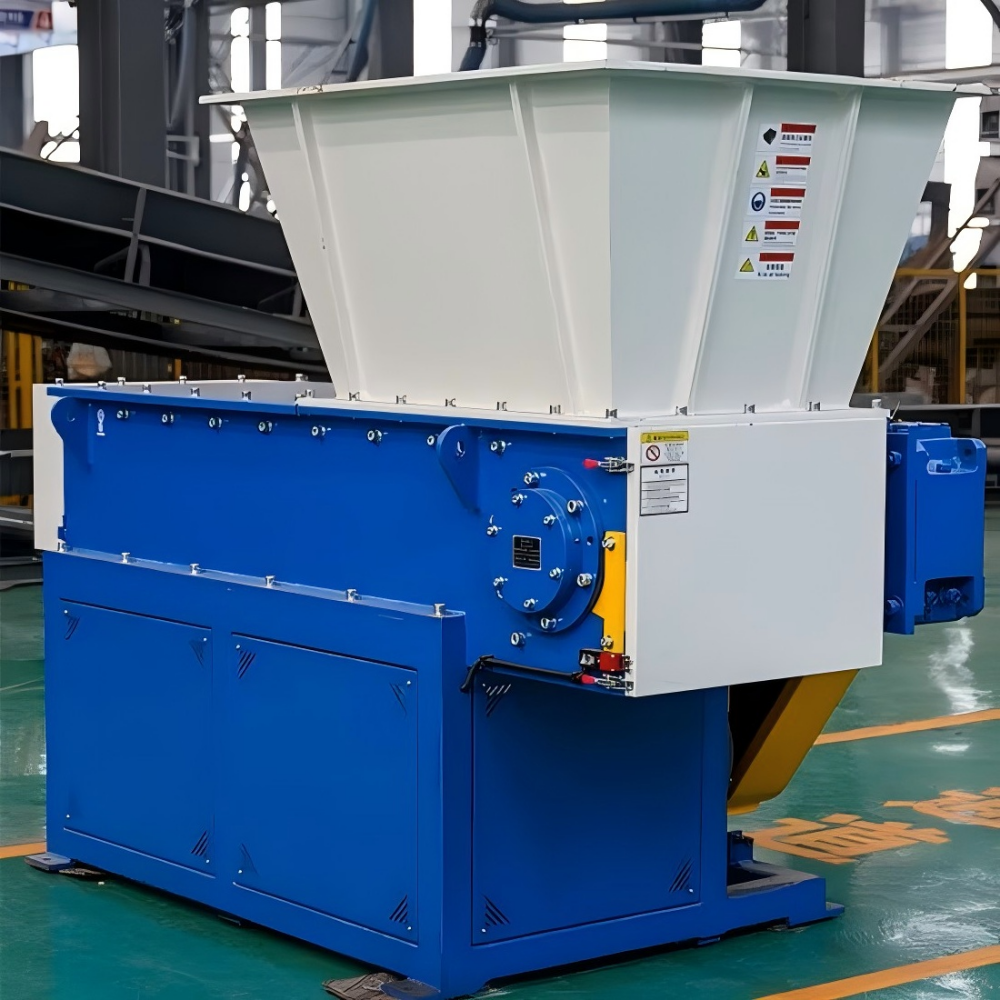
The configuration of your shredder should be dictated by the specific waste stream you intend to process. Choosing the wrong configuration can lead to inefficient shredding, excessive wear, or frequent clogging. One of the most critical choices is the rotor type. A ‘V’ rotor design is excellent for general-purpose shredding, as it pulls material toward the center, while a flat rotor might be better for thin films or fibers to prevent wrapping.
The screen size is another vital configuration. The screen sits beneath the rotor and determines the final particle size. If you need a 20mm output for a granulator, you must ensure the shredder’s motor and rotor can handle the increased friction of a smaller screen. Conversely, if you only need to reduce volume for transport, a larger 80mm or 100mm screen will allow for much higher throughput with less power consumption.
Additionally, consider the cooling system. If you are shredding materials with low melting points, such as certain plastics, the friction of the blades can cause the material to melt and fuse to the rotor. In such cases, a water-cooled rotor or a specialized air-cooling system is an essential configuration upgrade. HARSLE offers customizable configurations to ensure the machine matches the thermal and mechanical properties of your specific waste material.
Hidden Costs of Ownership
When you Buy A Single-Shaft Shredder: A Practical Industrial Waste Reduction tool, the invoice price is only part of the story. To avoid budget overruns, you must account for several hidden costs. First is the installation and site preparation. Industrial shredders require a level, reinforced concrete floor to handle the vibration and weight. You may also need to upgrade your electrical panel to handle the high startup current (inrush current) of the large motors.
Maintenance and wear parts represent a significant ongoing expense. Shredder blades are consumables. Depending on the abrasiveness of your material, you may need to rotate or replace blades every few hundred hours. The cost of a full set of blades and the labor to change them should be factored into your operational budget. Furthermore, there is the cost of hydraulic oil changes and gearbox lubrication.
Shipping and logistics can also be substantial, especially for international purchases. These machines are heavy and often require specialized flat-rack containers or break-bulk shipping. Finally, consider the cost of downtime. If your shredder is a critical link in your production or recycling line, the lack of a local spare parts inventory can be incredibly costly. Choosing a manufacturer like HARSLE, which provides robust support and readily available components, helps mitigate this risk.
ROI Calculation: Is the Investment Worth It?
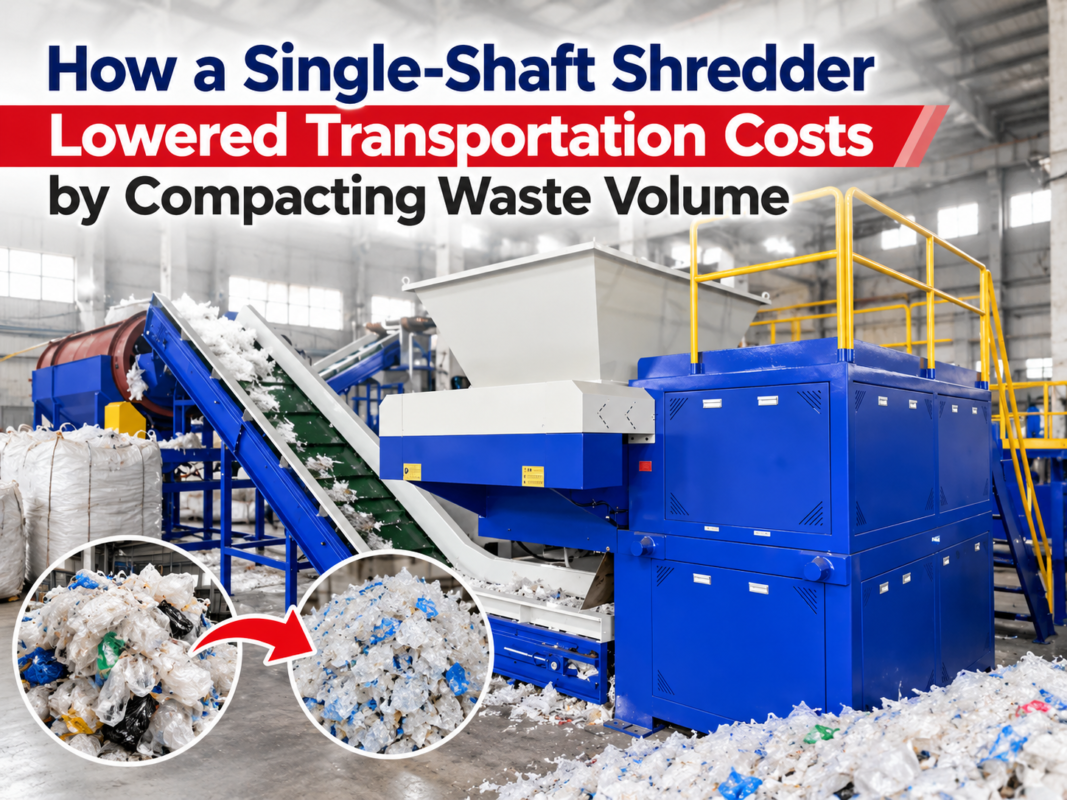
Calculating the Return on Investment (ROI) for a single-shaft shredder involves looking at both cost savings and potential revenue generation. The most immediate saving is in waste disposal fees. Many waste management companies charge by volume rather than weight. By shredding bulky waste, you can reduce its volume by a ratio of 3:1 or even 6:1, significantly cutting the number of dumpster hauls required.
Another factor is the resale value of the shredded material. Unprocessed plastic scrap might have little to no value, but clean, shredded regrind can be sold back to manufacturers or reused in-house, creating a circular economy. For example, if your facility produces 10 tons of plastic waste per month, and the price difference between raw scrap and shredded regrind is $200 per ton, the shredder generates $2,000 in value every month just from material appreciation.
Labor efficiency is the third pillar of ROI. Manually breaking down large items or constantly moving bulky waste takes time. An automated shredding system allows workers to focus on higher-value tasks. To calculate your ROI, use the following formula: (Annual Disposal Savings + Annual Material Resale Value + Annual Labor Savings) / (Total Purchase Price + Annual Maintenance Costs). Most industrial users find that a well-utilized HARSLE shredder pays for itself within 12 to 24 months.
Buying Advice: A Step-by-Step Checklist
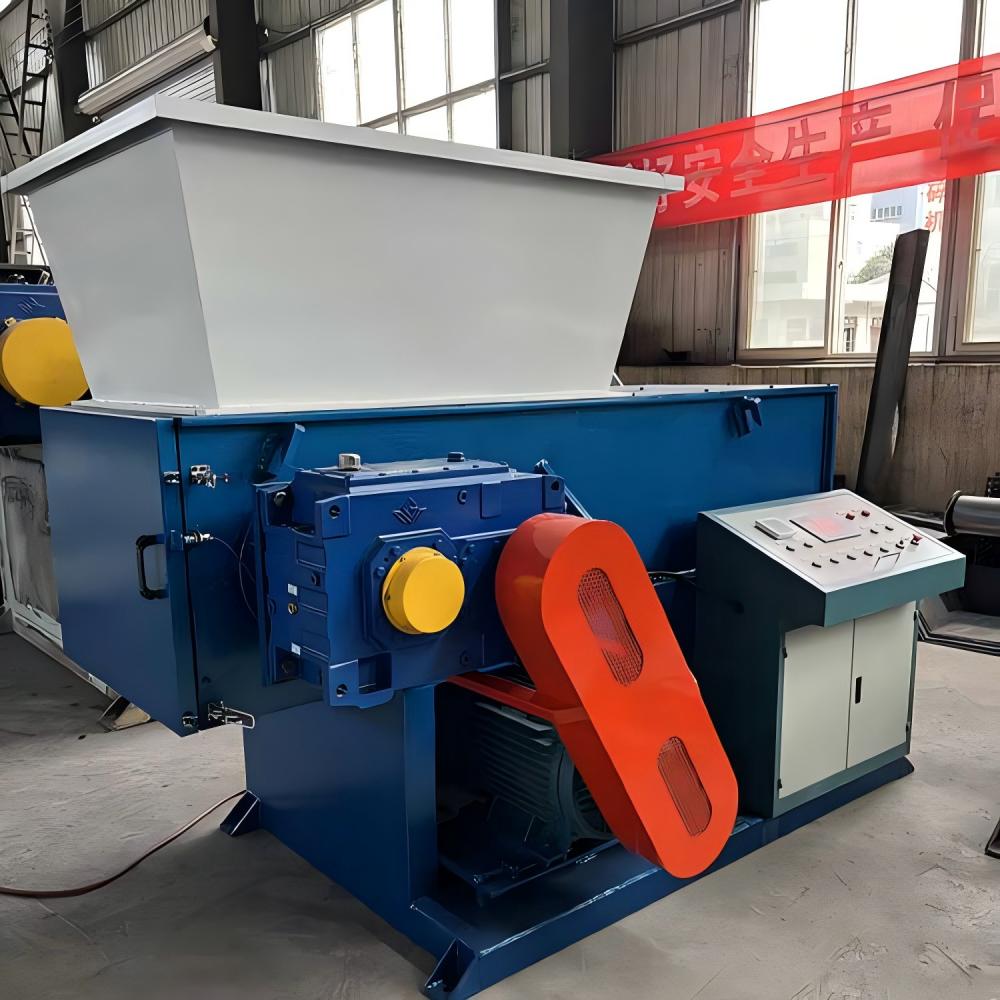
To ensure you Buy A Single-Shaft Shredder: A Practical Industrial Waste Reduction machine that actually works for your needs, follow this professional buying checklist:
- Define Your Material: Be specific. “Plastic” isn’t enough. Is it HDPE, PET, or PVC? Is it film, pipe, or solid blocks? Send samples to the manufacturer for testing if possible.
- Determine Required Throughput: Calculate how many kilograms or tons per hour you need to process. Always buy a machine with about 20% more capacity than your current peak requirement to allow for future growth.
- Check the Blade Access: Maintenance is inevitable. Look for machines with easy-access hoppers or hydraulic opening mechanisms that allow technicians to change blades safely and quickly.
- Verify Safety Features: Ensure the machine has emergency stop buttons, safety interlocks on all access panels, and a robust overload protection system in the PLC.
- Evaluate the Manufacturer: Research the manufacturer’s reputation. Do they provide detailed manuals? Do they have a track record in your specific industry? HARSLE, for instance, provides comprehensive technical documentation and video support for installation.
- Request a Video Trial: If you cannot visit the factory, request a live video demonstration of the machine shredding a material similar to yours. Pay attention to the noise levels, the stability of the machine, and the consistency of the output.
Frequently Asked Questions (FAQ)
What is the difference between a single-shaft and a double-shaft shredder?
A single-shaft shredder uses a high-speed rotor with small blades and a hydraulic pusher to grind material against a screen, producing a uniform particle size. A double-shaft shredder uses two low-speed, high-torque shafts with interlocking discs to shear and tear material. Double-shaft shredders are better for primary reduction of very large or tough items (like tires or metal drums), while single-shaft shredders are better for secondary processing where a specific output size is required.
How long do the blades last?
Blade life depends entirely on the material being shredded. For clean plastics, blades can last 500-800 hours before needing to be rotated (most blades have 4 cutting edges). If the material is contaminated with sand, metal, or glass, the lifespan can drop to less than 100 hours. Using high-quality alloys like DC53 can significantly extend this period.
Can a single-shaft shredder handle metal?
Standard single-shaft shredders are designed for plastics, wood, and paper. While they can handle very light non-ferrous metals like aluminum cans or thin extrusions, they are not intended for heavy steel scrap. Attempting to shred thick steel can shatter the blades and damage the rotor. For heavy metal recycling, specialized metal shredders or heavy-duty shears are required.
What power supply is needed?
Most industrial single-shaft shredders require a three-phase power supply (380V-480V). The amperage required depends on the motor size. It is essential to consult with an electrician to ensure your facility’s transformer and wiring can handle the load, especially during the machine’s startup phase.
Is it difficult to change the screen?
In modern HARSLE designs, the screen is mounted on a cradle that can be swung out or lowered hydraulically. This makes changing the screen for different output sizes a relatively simple task that takes about 30 to 60 minutes, depending on the size of the machine.
Conclusion
Deciding to Buy A Single-Shaft Shredder: A Practical Industrial Waste Reduction investment is a significant step toward operational excellence. By focusing on the right cost drivers, understanding the impact of configuration, and accurately calculating the ROI, you can transform your waste from a liability into a resource. HARSLE remains committed to providing the technical expertise and robust machinery needed to power this transformation. Whether you are a small recycling startup or a large-scale manufacturing plant, the right shredder will provide the efficiency, durability, and performance required to thrive in today’s competitive market.