
Why Your Container Shear Is Slowing Down: Troubleshooting Motor and Pump Issues

Introduction
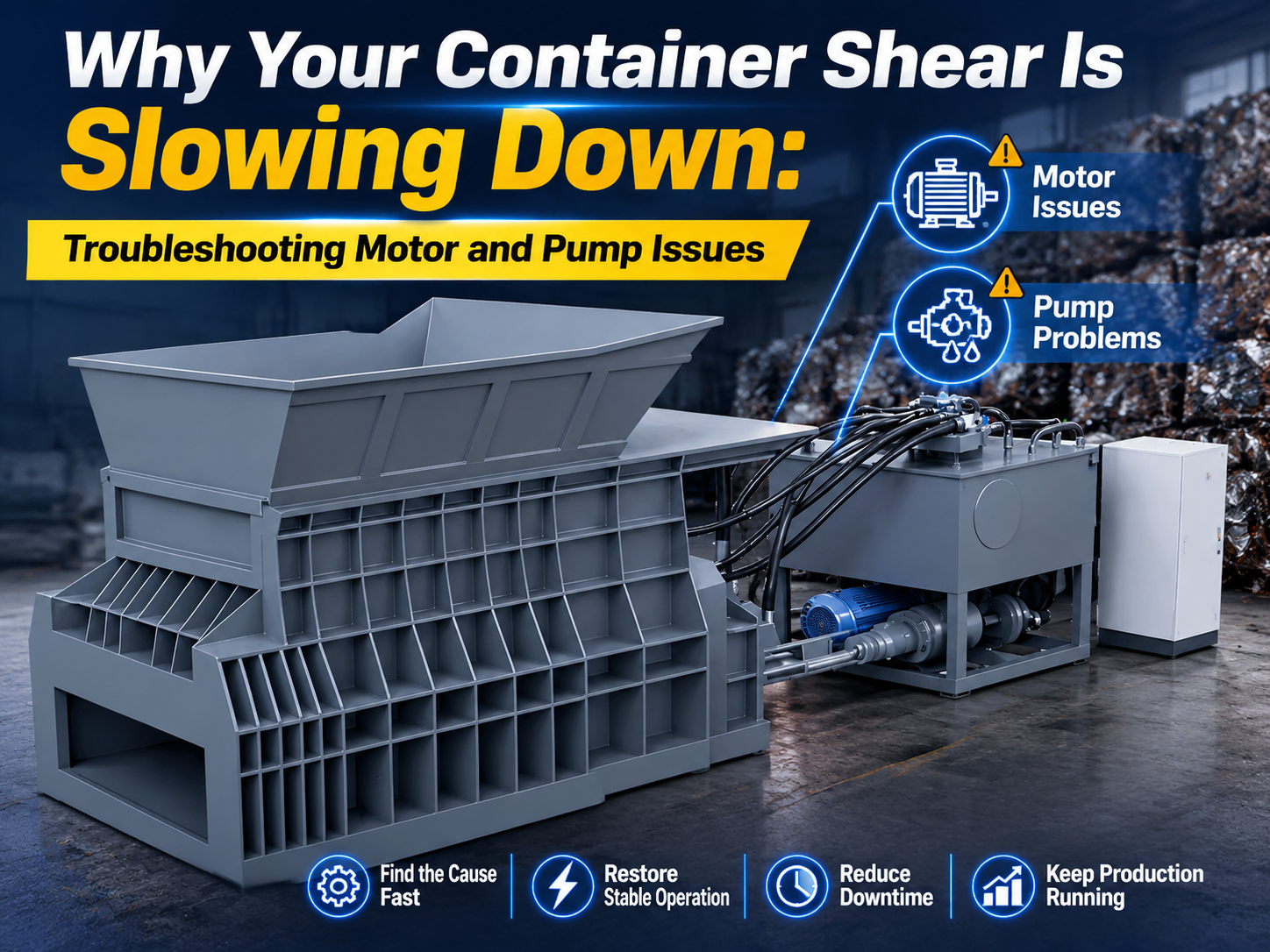
In the high-stakes environment of metal recycling and heavy-duty fabrication, the container shear is the backbone of your operation. When this machine begins to lose its cycle speed, it doesn’t just impact your daily throughput; it creates a bottleneck that ripples through your entire supply chain. Understanding why your container shear is slowing down: troubleshooting motor and pump issues is essential for any facility manager looking to maintain operational efficiency and extend the lifespan of their heavy machinery.
A slowing shear is often the first symptom of a deeper mechanical or hydraulic failure. While operators might be tempted to simply increase pressure settings or ignore the lag, these “quick fixes” often lead to catastrophic equipment failure. By systematically analyzing the relationship between the electric motor and the hydraulic pump, you can identify the root cause of the slowdown before it results in expensive downtime or permanent damage to the shear blades and structural frame.
This comprehensive guide explores the technical intricacies of container shear performance. We will break down the common failure points in the drive system, explain how to diagnose hydraulic inefficiencies, and provide actionable maintenance strategies to keep your HARSLE equipment running at peak capacity. Whether you are dealing with a gradual decline in speed or a sudden loss of force, this article provides the technical roadmap you need to restore your production speed.
Key Considerations for Shear Performance
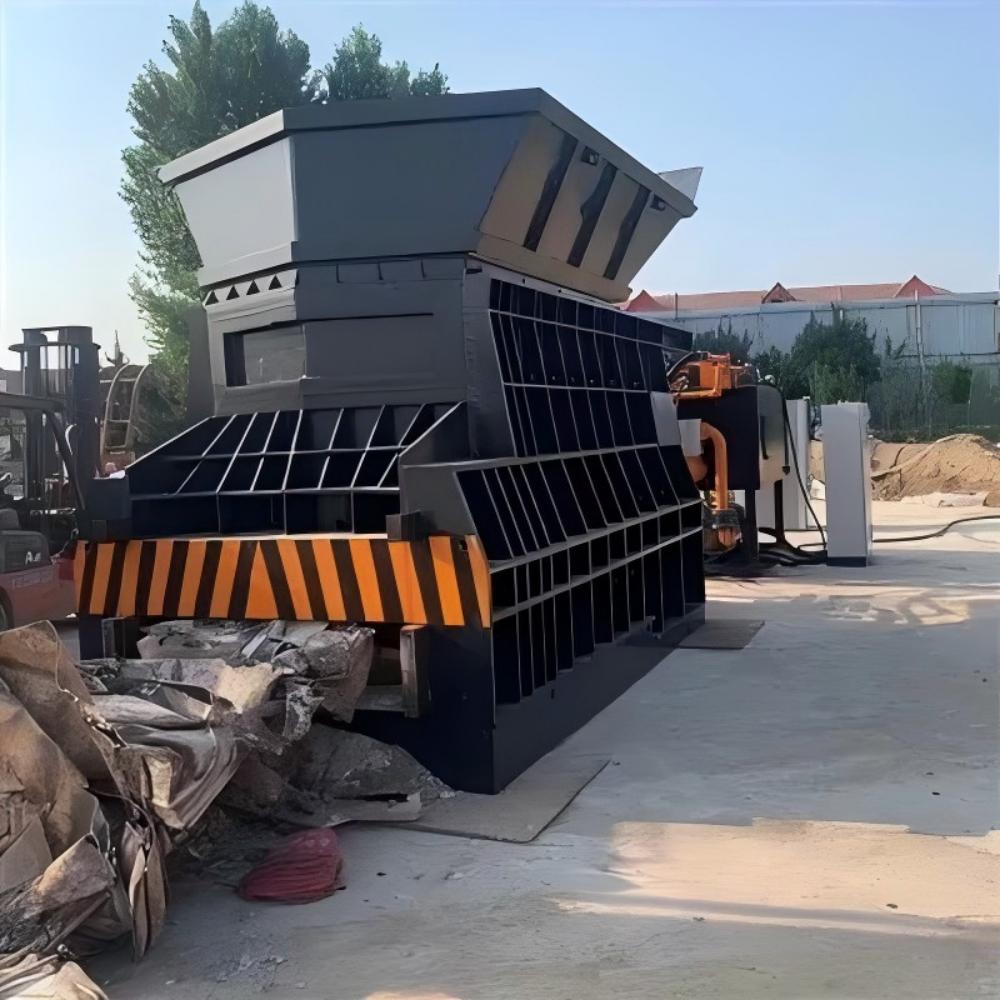
Before diving into the motor and pump, it is important to understand the operational environment of your container shear. Metal fabrication equipment is subjected to extreme stress, heat, and vibration. These factors naturally degrade components over time. When diagnosing a slowdown, you must first rule out external factors such as power supply fluctuations, ambient temperature, and the quality of the hydraulic fluid being used.
The hydraulic system of a container shear relies on a delicate balance of pressure and flow. If the motor is struggling to turn the pump, or if the pump is failing to move the required volume of oil, the shear will inevitably slow down. You should consider the age of your machine, the frequency of its maintenance cycles, and whether the current workload exceeds the original design specifications of the unit.
Another key consideration is the consistency of the material being processed. If your facility has recently switched to a denser or higher-grade alloy, the shear may be hitting its pressure relief limits more frequently. This causes the system to bypass oil, which generates heat and slows down the cycle. Always ensure that your material input matches the capacity ratings provided by HARSLE for your specific model.
Finally, consider the human element. Are operators reporting the slowdown during specific times of the day? If the machine slows down only after several hours of continuous operation, you are likely dealing with a thermal issue related to the hydraulic oil or the motor cooling system. Tracking these patterns is the first step in effective troubleshooting.
Technical Details: Motor and Pump Diagnostics
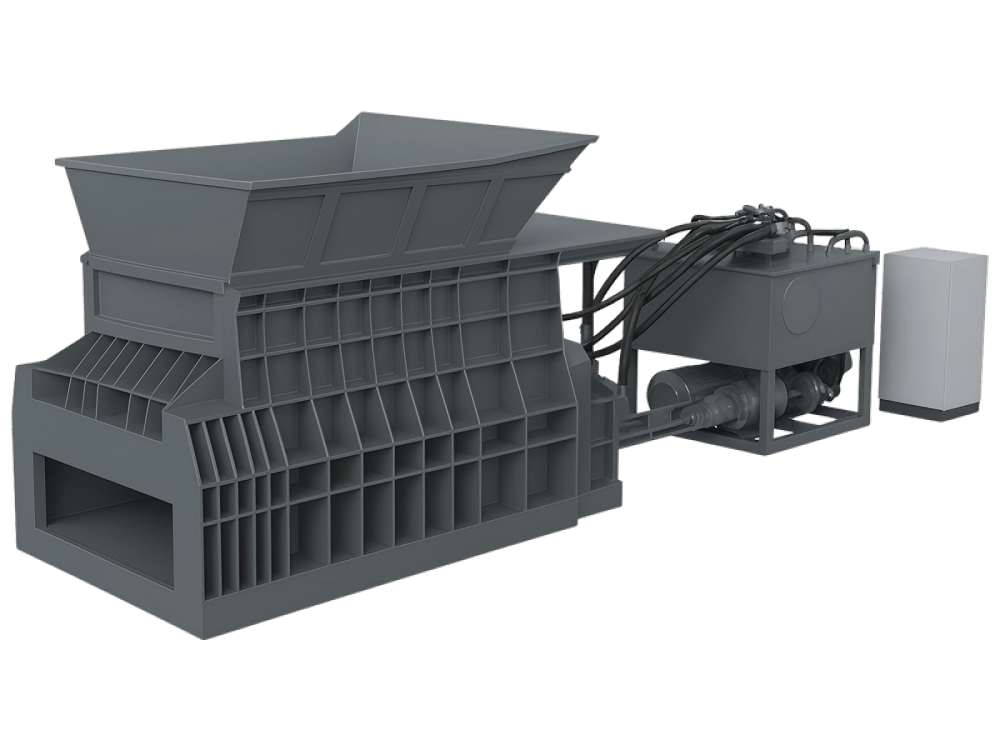
The electric motor is the heart of your container shear, providing the torque necessary to drive the hydraulic pump. If the motor is failing, you will often notice signs such as unusual vibration, a burning smell, or excessive heat in the motor housing. A motor that is drawing too much current (amperage) but failing to reach its rated RPM will cause the entire hydraulic cycle to drag.
The hydraulic pump, conversely, is responsible for converting that mechanical energy into fluid flow. In most container shears, axial piston pumps or gear pumps are used. Over time, internal wear—such as scoring on the pump plates or worn-out seals—leads to internal leakage. When internal leakage occurs, the pump continues to run, but the fluid is recirculated within the pump housing rather than being sent to the shear cylinder, resulting in a significant loss of speed.
To troubleshoot these components, you must utilize a flow meter and a pressure gauge. By measuring the flow rate at the pump outlet and comparing it to the manufacturer’s specifications, you can determine if the pump is “bypassing” internally. If the flow is significantly lower than the rated output, the pump is likely the culprit. If the flow is correct but the motor is struggling to maintain speed under load, the issue lies with the electrical supply or the motor windings.
Furthermore, check the coupling between the motor and the pump. A misaligned or worn-out spider coupling can cause energy loss through vibration and friction. Even a slight misalignment can put excessive strain on the pump shaft bearings, leading to premature failure. Regular inspection of this connection is a simple yet often overlooked maintenance task that can prevent major mechanical breakdowns.
Selection Advice: Upgrading Your System
If your troubleshooting reveals that your motor or pump has reached the end of its service life, you may be faced with the decision to repair or replace. For older container shears, replacing a pump with a modern, high-efficiency unit can often result in faster cycle times than the machine had when it was new. When selecting replacement parts, always prioritize components that meet or exceed the original HARSLE specifications.
Consider the benefits of variable displacement pumps if your current system uses a fixed displacement pump. Variable displacement pumps allow the system to adjust flow based on the load, which reduces heat buildup and saves energy. This is particularly beneficial for facilities that process a wide variety of metal thicknesses, as it prevents the system from working harder than necessary during lighter cycles.
When choosing a new motor, look for high-efficiency ratings (IE3 or higher). A more efficient motor will run cooler and provide more consistent torque, which directly translates to a more reliable shear cycle. Ensure that the motor frame size and mounting configuration are compatible with your existing setup to minimize installation time and costs.
Lastly, don’t forget the importance of the hydraulic oil and filtration system. Upgrading to a high-performance hydraulic fluid with better viscosity stability can significantly improve the responsiveness of your shear. Pair this with a high-quality filtration system that removes microscopic contaminants, as even small particles can cause the internal scoring that leads to pump failure.
Maintenance Checklist for Container Shears
- Daily Inspection: Check hydraulic oil levels and look for visible leaks around hoses and fittings.
- Weekly Checks: Monitor the motor temperature and listen for unusual grinding noises from the pump.
- Monthly Maintenance: Inspect the motor-to-pump coupling for wear and ensure all mounting bolts are tight.
- Quarterly Analysis: Perform an oil analysis to check for metal shavings, which indicate internal pump wear.
- Annual Service: Replace hydraulic filters and test the system pressure against the original factory settings.
FAQ: Troubleshooting Common Issues
Why does my shear slow down only when it gets hot?
This is typically a sign of internal leakage in the hydraulic pump or a failing hydraulic oil cooler. As the oil heats up, it becomes thinner, allowing it to leak past worn internal pump components more easily, which reduces the effective flow to the shear cylinder.
How often should I replace the hydraulic pump?
There is no set timeframe, as it depends on usage. However, if you notice a consistent 10-15% drop in cycle speed that cannot be attributed to electrical issues, it is time to have the pump flow-tested by a professional.
Can a bad motor cause the hydraulic pump to fail?
Yes. If a motor is running at an incorrect speed or vibrating excessively, it can cause premature wear on the pump shaft bearings and seals, leading to a cascading failure of the hydraulic system.
What is the most common cause of a slow container shear?
In most cases, the issue is either a clogged hydraulic filter or internal wear in the hydraulic pump. Start by replacing all filters and checking the oil condition before moving on to more complex mechanical diagnostics.
Conclusion
Maintaining the speed and efficiency of your container shear is a continuous process that requires vigilance and a proactive approach to maintenance. By understanding the critical relationship between your motor and pump, you can effectively diagnose why your container shear is slowing down and take the necessary steps to restore its performance. Whether it is a simple filter change or a complete pump overhaul, addressing these issues promptly will save your facility thousands in potential downtime and repair costs.
At HARSLE, we are committed to providing the industrial machinery and technical support necessary to keep your fabrication operations running smoothly. Remember that the longevity of your equipment is directly tied to the quality of the care you provide. Use the troubleshooting steps outlined in this guide to keep your shear operating at its peak, and don’t hesitate to consult with our technical team if you encounter persistent issues that require expert intervention. Investing in the health of your machinery today ensures the productivity of your business tomorrow.












