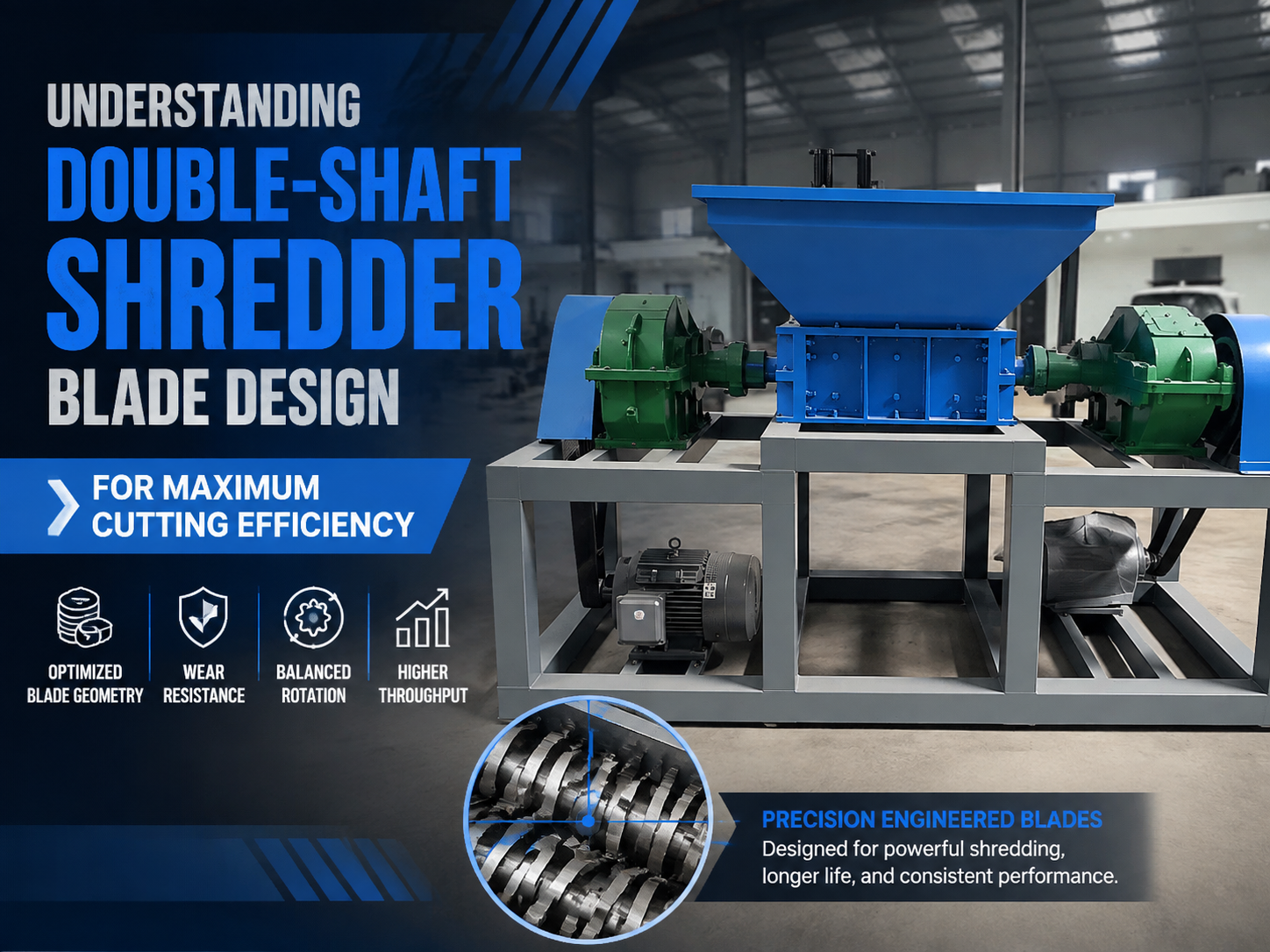
Understanding Double-Shaft Shredder Blade Design for Maximum Cutting Efficiency

Technical Overview: The Mechanics of Double-Shaft Shredding
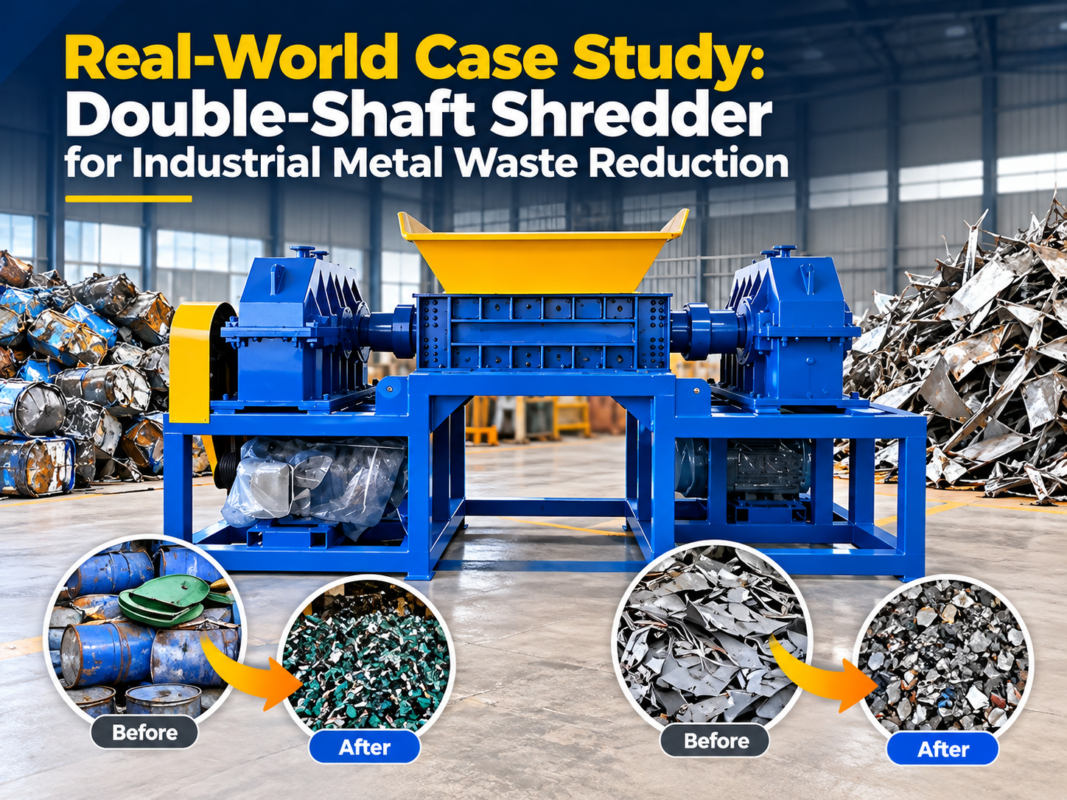
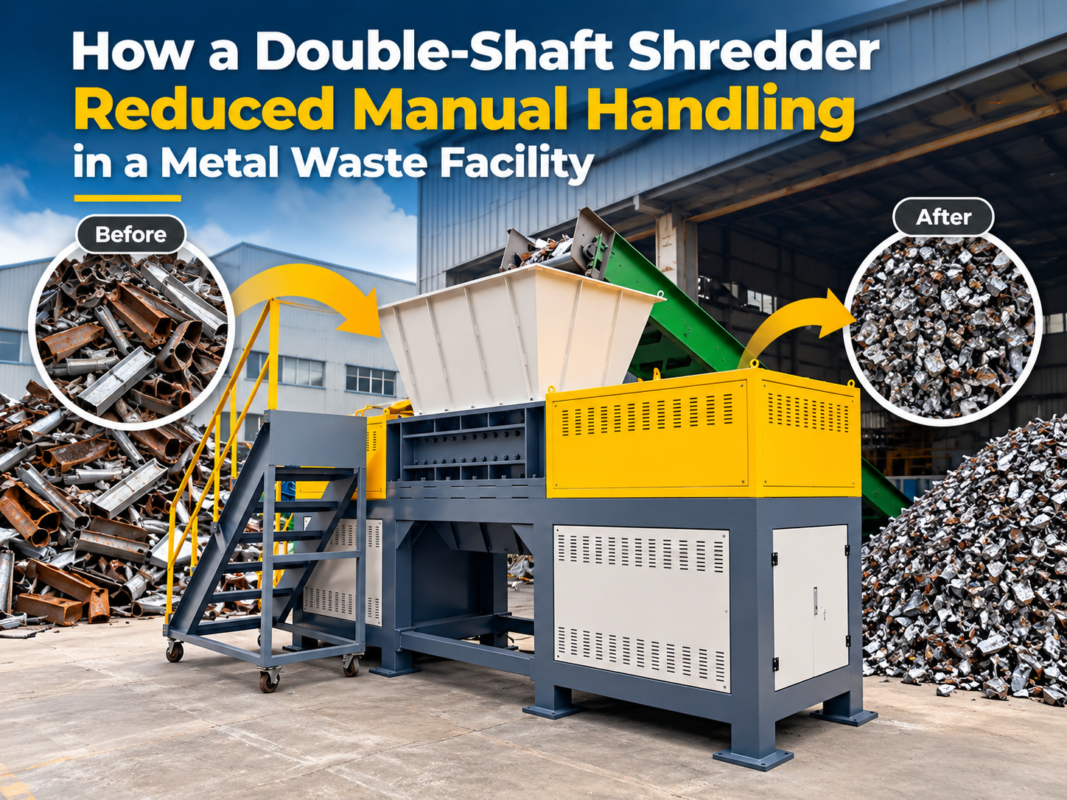
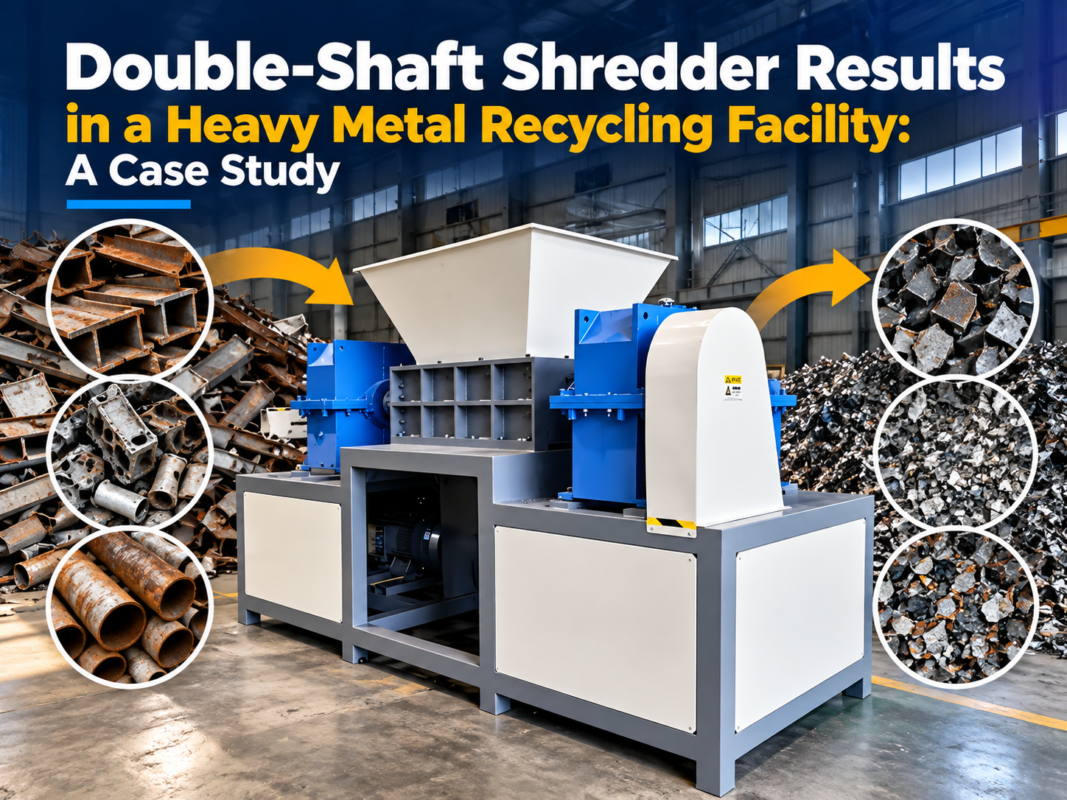
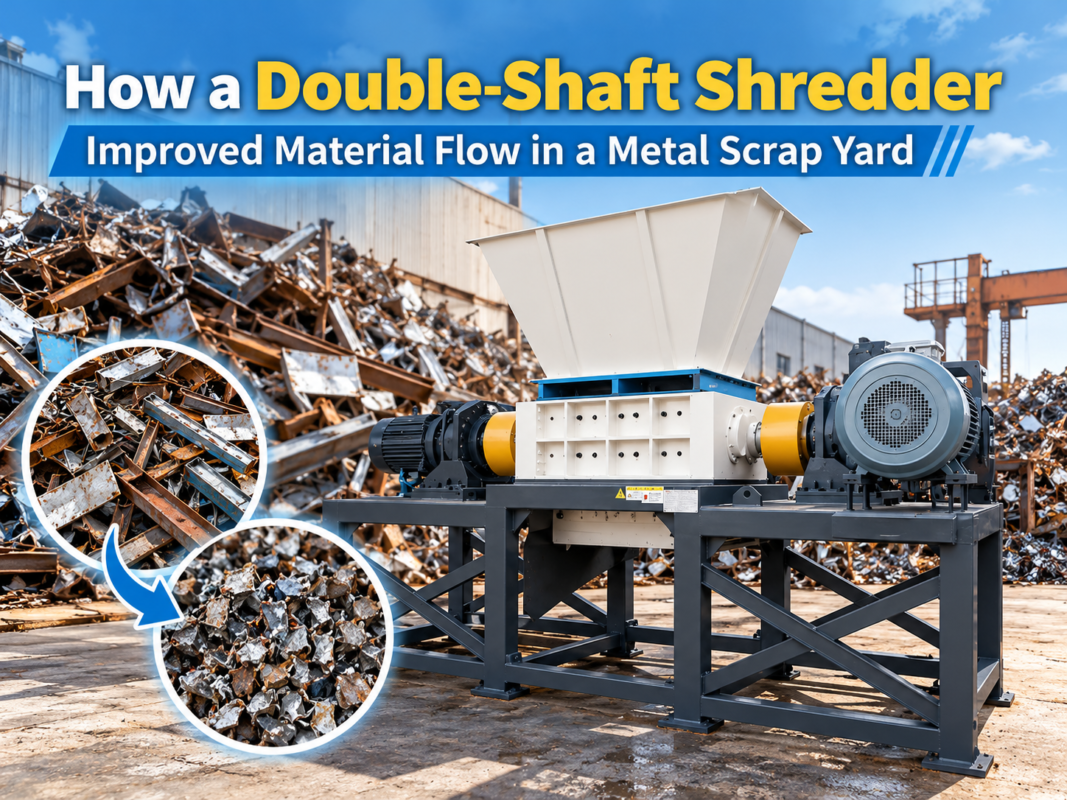
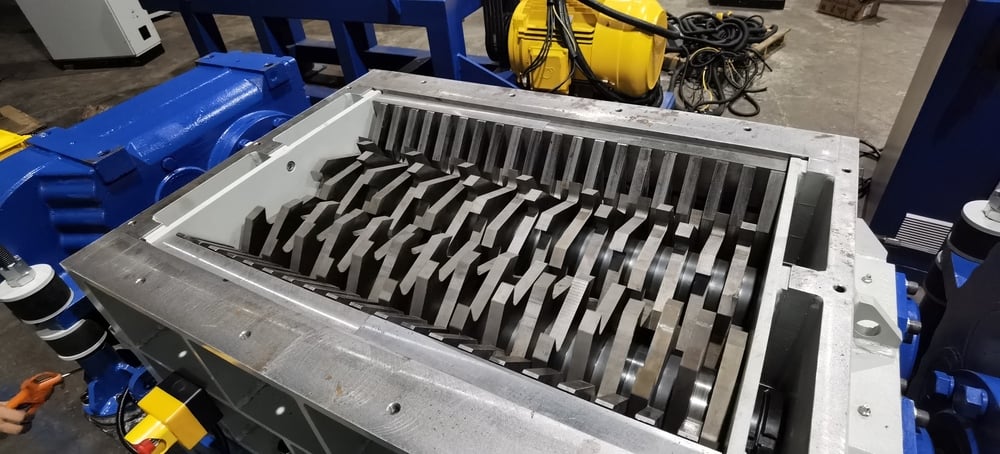
In the world of industrial recycling and waste management, the double-shaft shredder stands as a cornerstone of volume reduction and material processing. The efficiency of these machines is not merely a product of motor horsepower or gearbox torque, but is fundamentally rooted in the design and metallurgy of the blades. Understanding Double-Shaft Shredder Blade Design Maximum Cutting Efficiency requires a deep dive into how these components interact under extreme stress. Unlike single-shaft shredders that rely on high-speed impact and screens, double-shaft shredders utilize a low-speed, high-torque shearing mechanism. Two parallel shafts, equipped with interlocking blades, rotate toward each other, drawing material into the cutting chamber.
The shearing action occurs at the interface where the blades of the two shafts overlap. This process involves three distinct phases: gripping, piercing, and shearing. First, the “claws” or “hooks” of the blade must grab the material. Second, the sharp edges must pierce the surface, and finally, the lateral clearance between the opposing blades must be tight enough to shear the material cleanly rather than simply crushing or tearing it. This mechanical advantage allows double-shaft shredders to process incredibly tough materials, from scrap metal and car tires to electronic waste and bulky plastics, with significantly lower energy consumption per ton compared to high-speed grinders.
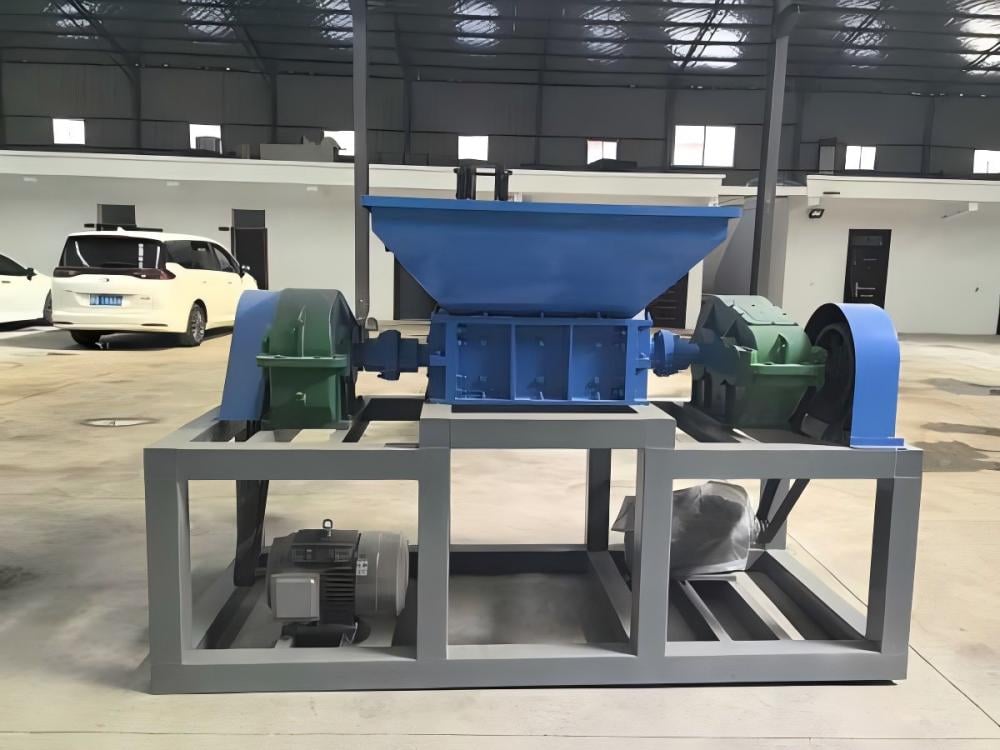
From an engineering perspective, the efficiency of this process is measured by the “specific energy consumption”—the amount of energy required to shred a unit of material to a specific size. A well-designed blade minimizes the friction and heat generated during the cut, directing the maximum amount of torque toward the actual shearing of the material. HARSLE engineers emphasize that the blade is the primary wear part, and its design directly influences the uptime and profitability of the entire recycling line. If the blade design is mismatched with the material, the machine will suffer from excessive vibration, premature bearing failure, and increased electrical costs.
Core Parameters of Shredder Blade Design
When we talk about Understanding Double-Shaft Shredder Blade Design Maximum Cutting Efficiency, we must categorize the design into four core parameters: Material Composition, Blade Geometry (Claw Count), Blade Thickness, and Surface Treatment. Each of these factors plays a critical role in how the machine handles different waste streams.
1. Material Selection and Metallurgy
The choice of steel is the most critical decision in blade design. The material must balance two opposing properties: hardness and toughness. Hardness (measured in HRC) ensures the blade maintains a sharp edge against abrasive materials, while toughness prevents the blade from cracking or chipping when it encounters non-shreddable items like thick steel plates or tramp metal. Common materials include:
- D2 (DIN 1.2379): A high-carbon, high-chromium tool steel. It offers excellent wear resistance and is the industry standard for general-purpose shredding.
- SKD11: Similar to D2, this Japanese standard steel is favored for its stability during heat treatment and its ability to hold a fine edge, making it ideal for thin plastics and films.
- H13 (DIN 1.2344): A hot-work tool steel that provides exceptional toughness. While it has lower wear resistance than D2, it is less likely to shatter under heavy impact, making it suitable for primary shredding of bulky metal scrap.
- DC53: A newer alloy that improves upon D2 by offering higher toughness and better fatigue resistance, reducing the risk of “spalling” or edge crumbling.
2. Blade Geometry and Claw Configuration
The number of “claws” or teeth on a blade determines the size of the output and the machine’s ability to grab material. A single-claw blade provides the most aggressive grip, making it perfect for large, hollow objects like plastic drums or tires. However, it produces a very coarse output. Conversely, multi-claw blades (3, 5, or even 8 claws) produce a smaller, more uniform output but require more torque to penetrate the material because the force is distributed across multiple points. The “hook angle” is also vital; a steeper angle improves grabbing but increases the risk of the hook snapping under extreme load.
3. Blade Thickness and Spacing
Blade thickness determines the width of the shredded strips. In a double-shaft system, the thickness of the blade on Shaft A must be perfectly matched with the spacer on Shaft B. The “clearance” or gap between the interlocking blades is usually kept between 0.5mm and 2mm. If the gap is too wide, thin materials like paper or plastic film will simply pass through without being cut. If it is too tight, the friction increases, leading to heat buildup and potential seizing of the shafts due to thermal expansion.
Calculation Method for Cutting Force and Torque
To achieve maximum cutting efficiency, the blade design must be synchronized with the machine’s mechanical output. The fundamental calculation involves determining the required cutting force (Fc) for a specific material and ensuring the gearbox can provide the necessary torque (T).
The formula for Torque is: T = F × r, where F is the force required to shear the material and r is the radius of the blade from the center of the shaft to the tip of the claw. However, in a shredder, we must account for the number of blades engaged simultaneously. The total required torque is the sum of the torque required for each blade currently in contact with the material.
Engineers also use the Shear Strength (τ) of the material to calculate the force: F = τ × A, where A is the cross-sectional area being cut (Blade Thickness × Depth of Cut). For example, shredding a 5mm thick steel plate requires significantly more force than a 5mm thick plastic sheet because the shear strength of steel is much higher. If the calculated torque exceeds the motor’s capacity, the blade design must be adjusted—either by reducing the blade thickness, reducing the number of claws, or increasing the gearbox ratio (which reduces shaft speed).
Another critical calculation is the Shaft Speed (RPM). While higher speeds increase throughput, they also increase the impact force on the blades. For most double-shaft shredders, a speed of 10-25 RPM is the “sweet spot” for balancing throughput with blade longevity. Calculating the tip speed (V = 2 π r n) helps in understanding the kinetic energy involved in each strike, which is vital for preventing catastrophic blade failure in heavy-duty applications.
Blade Parameter Table for Different Applications
Choosing the right configuration is essential for Understanding Double-Shaft Shredder Blade Design Maximum Cutting Efficiency. The following table provides a general guideline for blade selection based on the material being processed.
| Material Type | Recommended Steel | Claw Count | Blade Thickness (mm) | Hardness (HRC) |
|---|---|---|---|---|
| Plastic Drums / Pallets | D2 / SKD11 | 1 – 2 Claws | 20 – 40 | 56 – 58 |
| Car Tires (TDF) | D2 / DC53 | 3 – 5 Claws | 30 – 50 | 55 – 57 |
| Electronic Waste (WEEE) | D2 / H13 | 5 – 8 Claws | 10 – 20 | 54 – 56 |
| Light Metal Scrap | H13 / Hardox | 1 – 3 Claws | 40 – 60 | 50 – 54 |
| Paper / Cardboard | SKD11 | Multi-claw | 10 – 15 | 58 – 60 |
Common Engineering Mistakes in Blade Design
Even with high-quality materials, poor engineering choices can lead to inefficiency. One of the most common mistakes is improper heat treatment. If the blades are through-hardened too aggressively, they become brittle. In a double-shaft shredder, where lateral forces are high, a brittle blade will snap at the base of the claw. HARSLE recommends a vacuum heat treatment process followed by multiple tempering cycles to ensure a uniform molecular structure.
Another frequent error is neglecting the spacer design. Spacers are not just placeholders; they provide the lateral support for the blades. If the spacers are made of soft steel, they will compress over time, causing the blades to wobble. This wobble increases the gap between the shafts, leading to “material bypass” where the shredder stops cutting and starts jamming. Furthermore, using spacers with the same diameter as the blade root is crucial for preventing material from wrapping around the shaft, which creates parasitic drag and wastes energy.
Finally, many operators fail to account for thermal expansion. During continuous operation, blades can reach temperatures of 60-80°C. If the initial clearance was set too tight without considering the expansion coefficient of the tool steel, the blades will begin to rub against each other. This metal-on-metal contact quickly dulls the edges and can lead to a catastrophic “lock-up” of the drive system. Proper design includes a calculated “cold gap” that optimizes to a “working gap” once the machine reaches operating temperature.
Selection Checklist for Maximum Efficiency
When purchasing or designing replacement blades for a double-shaft shredder, use this checklist to ensure you are optimizing for maximum cutting efficiency:
- Material Match: Is the blade steel appropriate for the abrasiveness and toughness of the waste stream? (e.g., D2 for plastic, H13 for metal).
- Claw Geometry: Does the claw count provide the right balance between material intake (grabbing) and output size?
- Hardness Verification: Has the manufacturer provided a hardness test report (HRC) for the specific batch of blades?
- Clearance Optimization: Is the lateral gap between blades appropriate for the thinnest material in the waste stream?
- Surface Coating: For highly abrasive materials (like glass-filled plastics), consider TiN (Titanium Nitride) or Chrome plating to extend edge life.
- Shaft Fitment: Ensure the internal hex or keyway of the blade has a precision fit to the shaft to prevent “backlash” during reversals.
- Ease of Maintenance: Are the blades designed to be easily removed, or can they be sharpened in-situ (though in-situ sharpening is rarely recommended for double-shaft systems)?
Frequently Asked Questions (FAQ)
How often should double-shaft shredder blades be sharpened?
The frequency depends entirely on the material. For clean plastics, blades may last 1,000+ hours. For contaminated waste or abrasive materials like tires with steel belts, they may need attention every 200-400 hours. Efficiency drops significantly once the leading edge radius exceeds 1-2mm.
Can I mix different blade thicknesses on the same shaft?
Technically yes, but it is not recommended unless the shredder was specifically engineered for a non-uniform output. Mixing thicknesses can create unbalanced loads on the shaft and bearings, leading to uneven wear and potential vibration issues.
What is the advantage of a “detachable” claw design?
Some large-scale shredders use blades with bolt-on claws. The advantage is that you only replace the wear part (the claw) rather than the entire blade disk. This is cost-effective for very large machines but can be a point of mechanical failure if the bolts loosen under high vibration.
Why is my shredder jamming even though the blades are sharp?
This is often due to “material wrapping.” If the material is elastic (like film or long fibers) and the spacers are not designed with cleaning fingers (scrapers), the material wraps around the shaft and creates a cushion that prevents the blades from engaging. Check your scraper bar adjustment.
Does blade color matter?
The color is usually a result of the tempering process or a protective coating. A straw or blue tint indicates the temperature at which the steel was tempered. However, most professional blades are ground after heat treatment, so they should appear as bright, clean steel unless a specific functional coating has been applied.
In conclusion, Understanding Double-Shaft Shredder Blade Design Maximum Cutting Efficiency is about the harmony between metallurgy, geometry, and mechanical force. By selecting the right materials and maintaining precise tolerances, operators can significantly extend the life of their equipment while reducing operational costs. HARSLE continues to innovate in this field, providing high-performance shredding solutions tailored to the most demanding industrial environments.