How to Select the Best Briquetting Machine for Aluminum Chip Recycling: A Comprehensive Engineering Guide

Technical Overview: The Mechanics of Aluminum Chip Briquetting
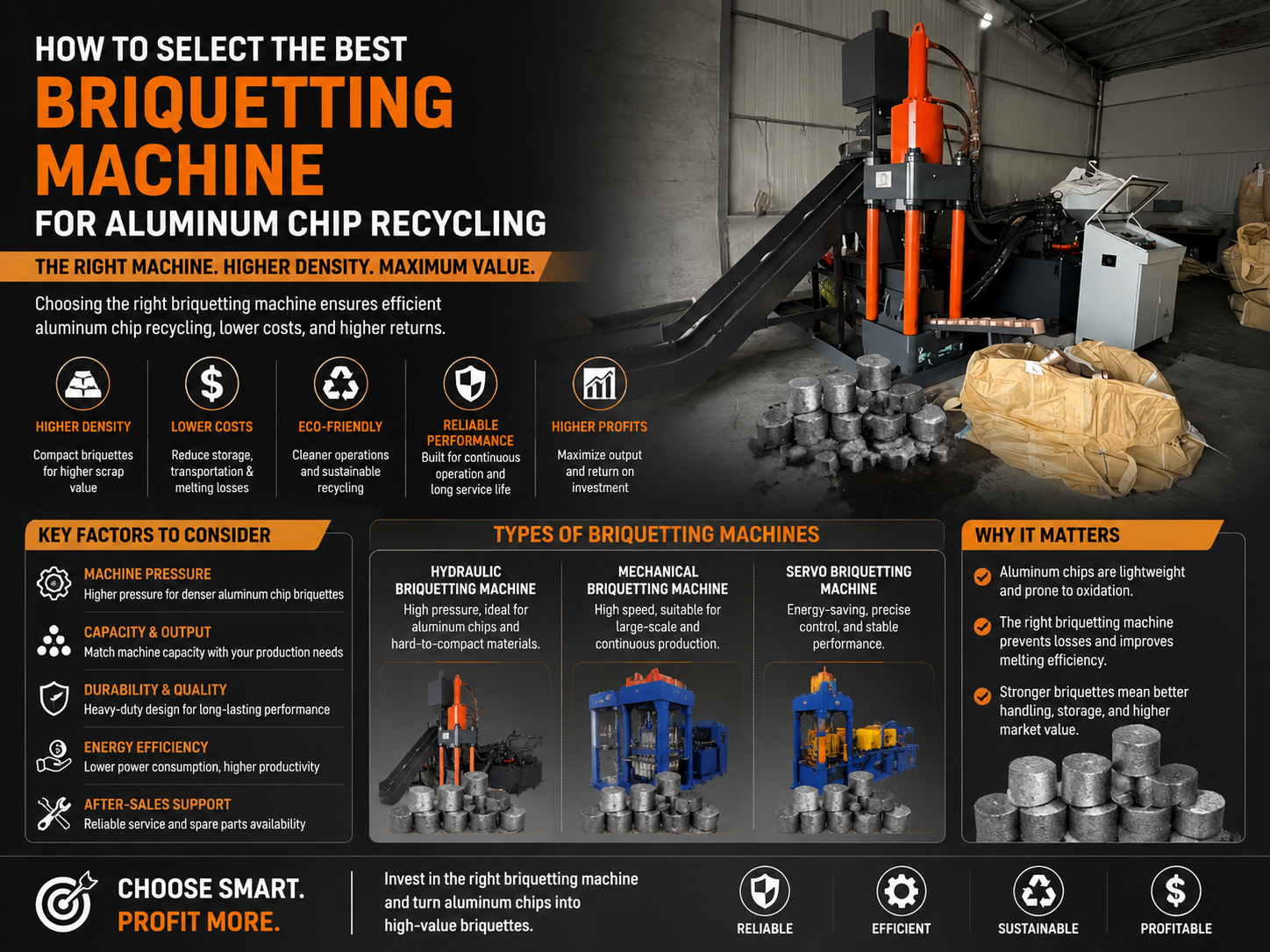
In the modern metal fabrication landscape, the efficient management of aluminum waste is not merely an environmental concern but a critical economic strategy. Aluminum chips, often referred to as swarf, are a byproduct of milling, turning, and drilling processes. When left loose, these chips occupy significant floor space, pose fire hazards due to cutting fluid saturation, and suffer from oxidation, which drastically reduces their resale value. The briquetting process transforms these loose, voluminous chips into dense, high-purity pucks, effectively turning waste into a valuable commodity.
A briquetting machine operates on the principle of cold-pressing. By applying extreme hydraulic pressure, the machine forces the aluminum chips into a compact form without the need for binders or heat. This process achieves two primary goals: the recovery of expensive cutting oils and the creation of a furnace-ready product. When you select the best briquetting machine for aluminum chip recycling, you are essentially investing in a system that minimizes material loss and maximizes the efficiency of your smelting operations.
The technology behind these machines has evolved significantly. Modern HARSLE briquetting systems utilize advanced PLC controls and high-performance hydraulic circuits to ensure consistent density. The structural integrity of the machine is paramount, as the forces required to compress aluminum—which has a high strength-to-weight ratio—are immense. Understanding the mechanical stress distribution within the press chamber is the first step for any facility manager looking to optimize their scrap handling workflow.
Furthermore, the integration of automated feeding systems has revolutionized the industry. By utilizing conveyors and magnetic separators, modern briquetting lines can operate continuously with minimal human intervention. This shift toward automation not only improves safety by reducing manual handling of sharp metal shards but also ensures that the briquettes produced are uniform in size and density, which is a critical requirement for high-end aluminum foundries.
Core Parameters: Defining Performance Metrics
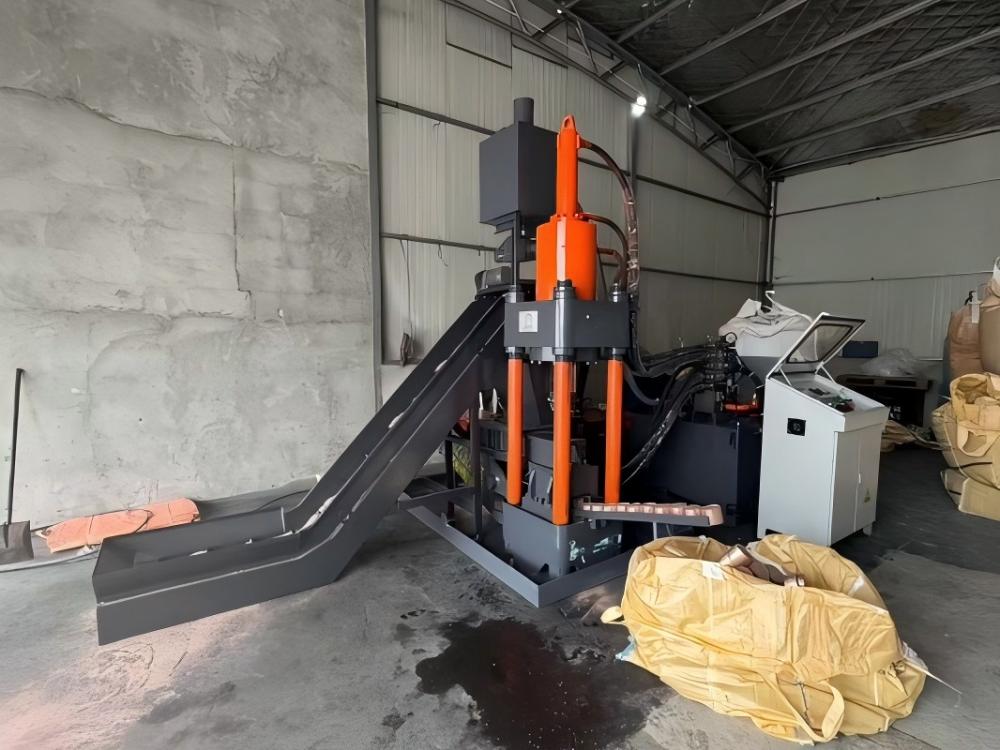
When you set out to select the best briquetting machine for aluminum chip recycling, you must first understand the core parameters that dictate performance. The most critical factor is the specific pressure exerted by the main cylinder. Aluminum is a relatively soft metal, but it work-hardens during the machining process. Therefore, the press must be capable of delivering sufficient force to overcome the elastic memory of the metal, ensuring the briquette does not expand or crumble after ejection.
The second core parameter is the cycle time. In a high-volume production environment, the throughput—measured in kilograms per hour—is the primary driver of ROI. You must evaluate the machine’s ability to handle the specific volume of chips generated by your CNC machines. If the briquetting machine cannot keep up with your chip generation rate, you will face bottlenecks that lead to overflowing scrap bins and increased logistics costs.
Density control is another vital parameter. The density of the final briquette determines its behavior in the melting furnace. A low-density briquette will float on the surface of the molten aluminum, leading to excessive oxidation and material loss. A high-density briquette, conversely, sinks into the melt, protecting the metal from atmospheric exposure. Your machine selection should allow for adjustable pressure settings to achieve the target density required by your specific smelting process.
Finally, consider the fluid recovery capability. Aluminum chips are often coated in cutting fluids. A high-quality briquetting machine features a specialized drainage system that captures these fluids, filters them, and returns them to the machine tool coolant tank. This not only saves on fluid costs but also ensures that the briquettes are dry and clean, which is a requirement for many secondary aluminum smelters who pay a premium for low-moisture scrap.
Calculation Method: Determining Your Capacity Needs
To accurately select the best briquetting machine for aluminum chip recycling, you must perform a rigorous capacity calculation. Start by measuring the total volume of aluminum chips generated per shift. Since chips are loose, you cannot rely on weight alone; you must account for the bulk density of the swarf. A typical loose aluminum chip density ranges from 150 to 300 kg/m³, whereas a briquette can reach densities of 2,000 to 2,500 kg/m³.
Use the following formula to estimate your required throughput: Required Throughput (kg/h) = (Total Daily Chip Volume in m³ × Bulk Density) / Operating Hours per Day. Once you have this figure, apply a safety factor of 1.2 to account for peak production times and maintenance downtime. This ensures that your chosen machine is not constantly running at its absolute maximum capacity, which can lead to premature wear and tear on hydraulic seals and valves.
Another calculation involves the compression ratio. This is the ratio between the volume of the loose chips and the volume of the final briquette. For aluminum, this ratio is typically between 6:1 and 10:1. If your machine has a chamber volume of 5 liters, you can expect to process roughly 30 to 50 liters of loose chips per cycle. By multiplying this by the cycles per hour, you can verify if the machine’s specifications align with your facility’s output.
Do not forget to calculate the potential cost savings. Factor in the price difference between loose scrap and briquetted scrap, the value of recovered cutting fluid, and the reduction in labor and logistics costs. A well-sized machine should pay for itself within 18 to 24 months. If your calculations show a longer payback period, you may need to reconsider the machine’s throughput capacity or look for ways to optimize the scrap collection logistics within your plant.
Parameter Table: HARSLE Briquetting Series Comparison
| Model | Pressing Force (kN) | Briquette Diameter (mm) | Throughput (kg/h) | Motor Power (kW) |
|---|---|---|---|---|
| HARSLE-B100 | 1000 | 60-80 | 150-200 | 11 |
| HARSLE-B200 | 2000 | 80-100 | 300-450 | 18.5 |
| HARSLE-B400 | 4000 | 100-120 | 600-800 | 30 |
| HARSLE-B600 | 6000 | 120-150 | 1000-1200 | 45 |
Common Engineering Mistakes in Selection
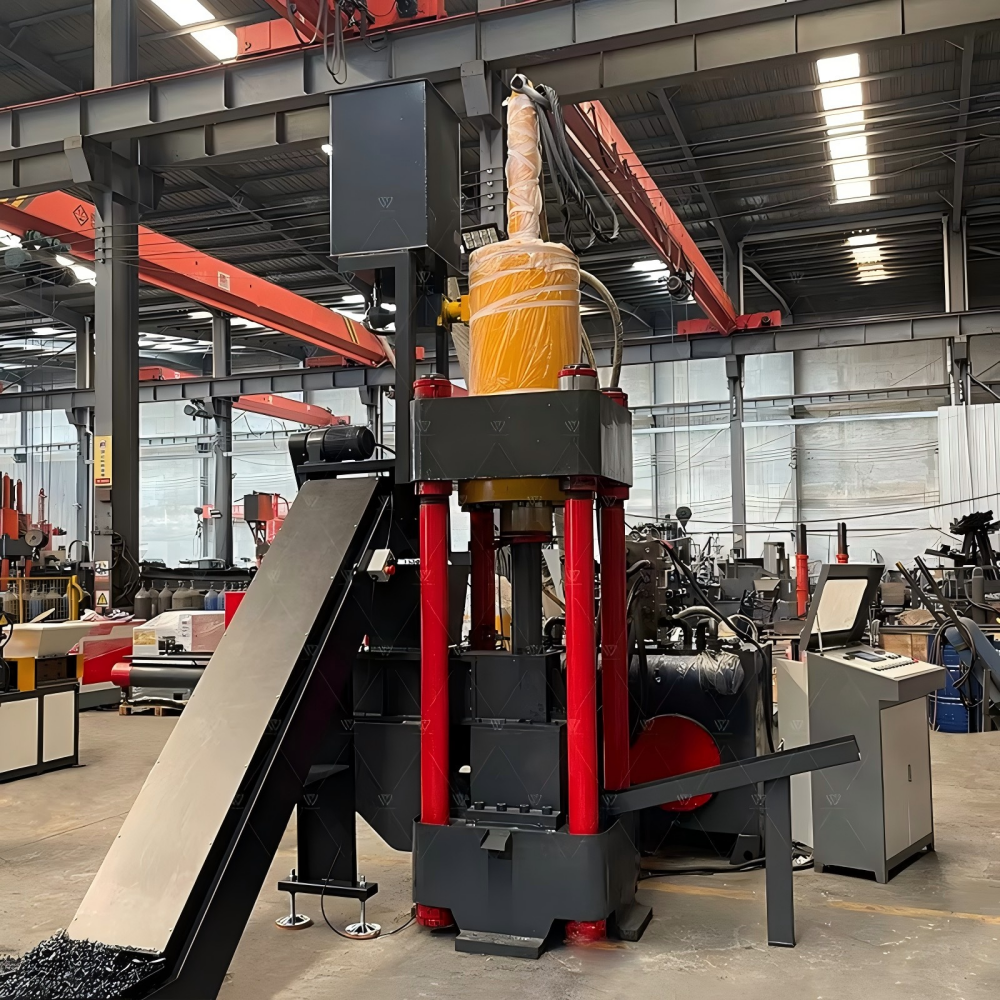
One of the most frequent mistakes when attempting to select the best briquetting machine for aluminum chip recycling is ignoring the chip morphology. Aluminum chips come in various forms: long, stringy turnings; short, broken chips; and fine dust. A machine designed for short chips may jam repeatedly if fed long, stringy turnings. Always ensure that your machine is equipped with a pre-crusher or shredder if your machining process produces long, tangled scrap.
Another common error is underestimating the importance of the hydraulic system’s cooling. Briquetting is a high-pressure, high-friction process that generates significant heat. If the hydraulic oil temperature exceeds the recommended operating range, the viscosity of the oil drops, leading to internal leakage and a loss of pressing force. Ensure your machine has an oversized oil cooler, especially if you plan to operate in a multi-shift environment.
Many facilities also fail to account for the integration of the briquetting machine into their existing floor plan. The machine requires a stable, vibration-dampened foundation. Placing a high-tonnage press on a standard concrete slab without proper reinforcement can lead to structural cracks and misalignment of the press cylinders. Always consult with the manufacturer regarding the specific foundation requirements for the model you are considering.
Finally, neglecting the maintenance accessibility is a critical oversight. Briquetting machines operate in harsh environments filled with metal dust and oil mist. If the machine is tucked into a corner where access to the hydraulic manifold, electrical cabinet, or filter elements is restricted, your maintenance team will likely skip routine checks. Prioritize machines with modular designs that allow for easy access to all critical components, ensuring that your preventative maintenance schedule is actually followed.
Selection Checklist for Facility Managers
- Material Analysis: Identify the specific alloy and chip type (long vs. short) to determine if a pre-shredder is required.
- Throughput Verification: Calculate your peak hourly chip generation and select a machine with a 20% capacity buffer.
- Fluid Recovery Needs: Evaluate the percentage of cutting fluid in your chips and ensure the machine has an adequate drainage and filtration system.
- Space and Foundation: Measure the available floor space and verify the load-bearing capacity of your factory floor.
- Automation Level: Decide if you need a manual feed, a hopper-fed system, or a fully automated conveyor-fed line.
- After-Sales Support: Confirm the availability of spare parts and the proximity of technical service engineers.
- Energy Efficiency: Look for machines with variable frequency drives (VFDs) to reduce power consumption during idle periods.
FAQ: Frequently Asked Questions
Can a briquetting machine handle mixed metal chips?
While it is technically possible, it is highly discouraged. Mixing aluminum with steel or brass chips will contaminate your scrap, significantly reducing its resale value. It is best to use dedicated machines for each metal type or ensure thorough cleaning between batches.
How often should I change the hydraulic oil?
Under normal operating conditions, hydraulic oil should be changed every 2,000 to 3,000 operating hours. However, if the machine is exposed to high levels of contaminants, you should perform oil analysis every 500 hours to check for degradation and particulate matter.
What is the typical lifespan of a briquetting mold?
The mold (die) is a wear part. Depending on the abrasiveness of the aluminum alloy and the frequency of use, a high-quality mold can last between 5,000 and 10,000 cycles before requiring resurfacing or replacement. Using hardened steel alloys for the mold can extend this life.
Does the briquetting process remove all cutting fluid?
The process is highly effective, typically recovering 85-95% of the surface-adhered fluid. However, it cannot remove fluid that is trapped inside the porous structure of the chip itself. The resulting briquette will be “dry” to the touch but may still contain trace amounts of moisture.
Is it necessary to use a pre-shredder?
If your machining process produces long, curly turnings, a pre-shredder is essential. Without it, the chips will bridge in the hopper, preventing them from entering the compression chamber and causing the machine to stall or produce low-density, inconsistent briquettes.