Scrap Metal Baler Blade Wear and Cutting Issues: Maintenance and Troubleshooting

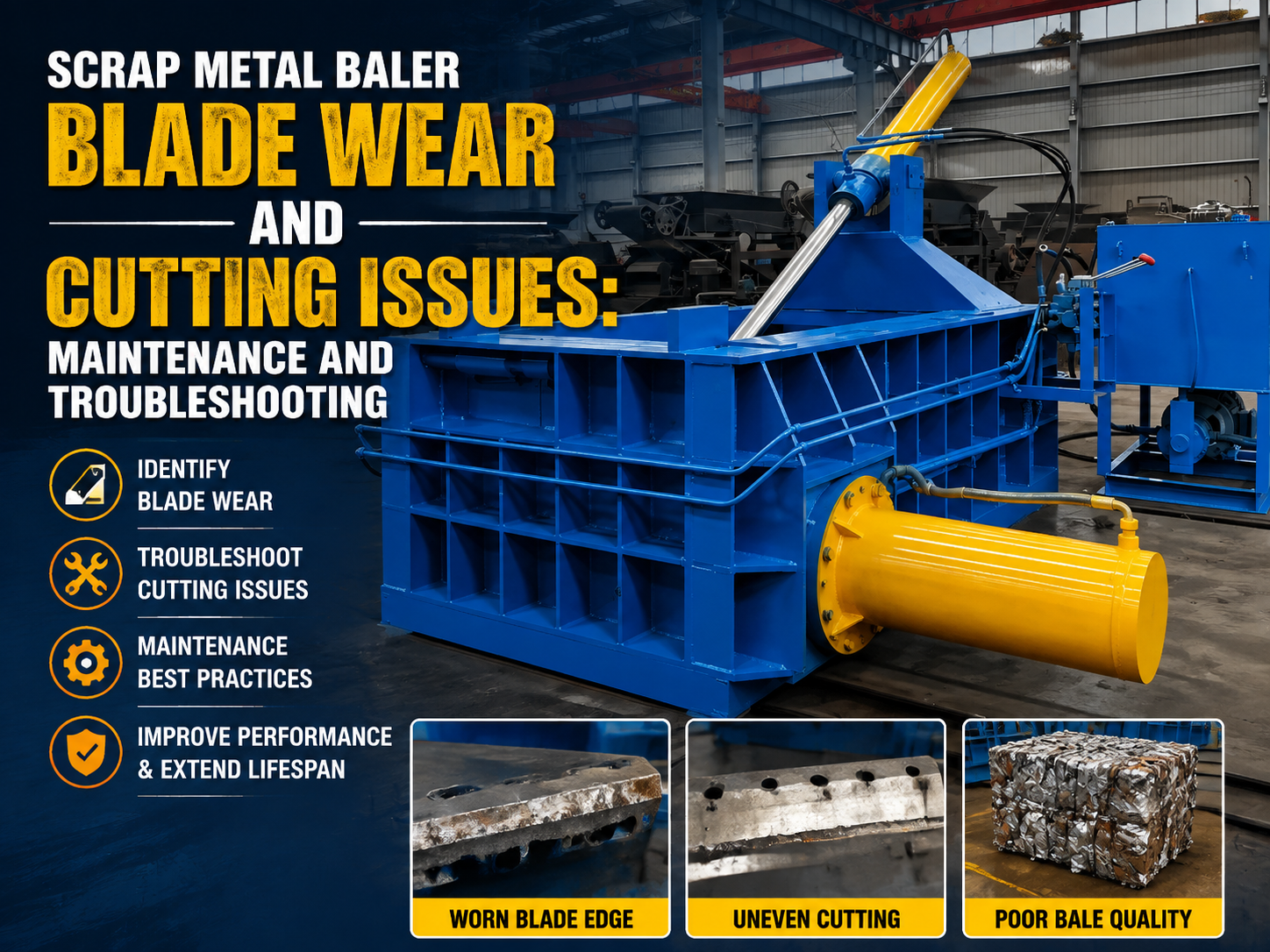
Introduction to Scrap Metal Baler Blade Wear and Cutting Issues: Maintenance and Troubleshooting
In the high-stakes environment of metal recycling and fabrication, the scrap metal baler serves as the backbone of operational efficiency. However, even the most robust HARSLE machinery is subject to the harsh realities of metal processing. Among the most critical components are the shear blades, which are responsible for cutting through dense, irregular scrap metal. When these blades begin to wear, the entire baling process suffers, leading to increased energy consumption, machine strain, and potential downtime. Understanding the nuances of Scrap Metal Baler Blade Wear and Cutting Issues: Maintenance and Troubleshooting is essential for any facility manager looking to maximize ROI.
The cutting mechanism of a scrap metal baler is a precision-engineered system that relies on tight tolerances and high-grade materials. Over time, the abrasive nature of ferrous and non-ferrous metals inevitably leads to dulling, chipping, or misalignment of the blades. Ignoring these early warning signs can lead to catastrophic failure of the hydraulic cylinders or the main frame of the baler. This guide provides a comprehensive look at how to identify, mitigate, and resolve these issues to keep your production line moving at peak performance.
Effective maintenance is not merely about reactive repairs; it is about establishing a proactive culture of inspection. By monitoring the quality of the cut and the sound of the machine during the compression cycle, operators can often predict blade failure before it occurs. This article will delve into the technical specifications of blade materials, the impact of clearance settings, and the best practices for sharpening and replacement, ensuring your HARSLE equipment remains a reliable asset for years to come.
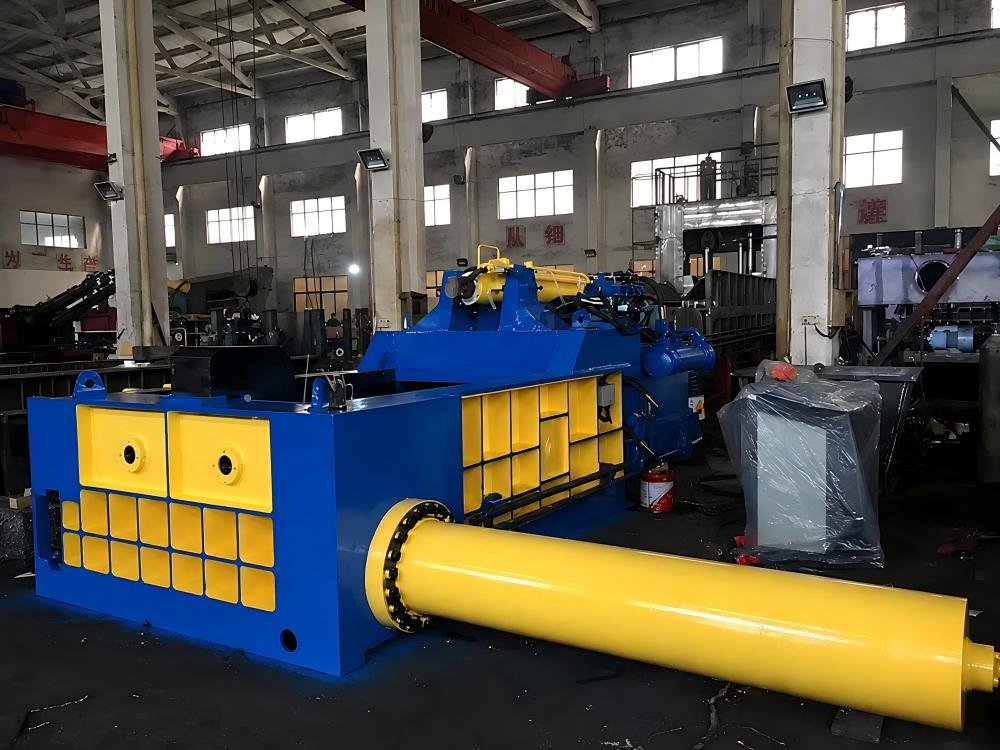
Key Considerations for Baler Blade Longevity
The longevity of your baler blades is dictated by several factors, starting with the material composition of the scrap being processed. High-tensile steel, hardened alloys, and contaminated scrap can accelerate wear significantly compared to standard mild steel. It is vital to categorize your scrap input and ensure that the baler is not being pushed beyond its design specifications. Overloading the chamber or attempting to cut materials that exceed the shear capacity of the blades will lead to premature edge degradation.
Another key consideration is the frequency of lubrication and cleaning. Metal dust, grit, and small debris can act as an abrasive paste between the blade and the shear housing. If this debris is not cleared regularly, it creates friction that generates excessive heat. Heat is the enemy of hardened steel; it can draw the temper out of the blade, making it softer and more susceptible to chipping. Implementing a daily cleaning schedule is the simplest yet most effective way to extend the life of your cutting components.
Operator training plays a pivotal role in blade health. Operators should be trained to listen for “chatter” or uneven resistance during the cutting stroke. When a blade is dull, the machine must work harder to complete the cut, which is often audible through the hydraulic system’s strain. Furthermore, ensuring that the scrap is loaded evenly within the chamber prevents side-loading of the blade, which is a common cause of uneven wear patterns and structural stress on the blade mounting bolts.
Finally, environmental factors such as ambient temperature and humidity can influence the performance of hydraulic fluids and the expansion of metal components. In extreme cold, hydraulic oil viscosity changes, which can affect the speed and force of the shear stroke. Ensuring that your HARSLE baler is operated within the recommended environmental parameters will prevent unnecessary stress on the cutting assembly. Always consult your machine manual for specific temperature operating ranges and fluid viscosity requirements.
Technical Details: Understanding Shear Clearance and Alignment
The most technical aspect of baler maintenance is the adjustment of shear clearance. The clearance is the microscopic gap between the stationary blade and the moving blade. If this gap is too wide, the metal will fold or “bend” rather than shear, leading to incomplete cuts and massive strain on the hydraulic system. If the gap is too tight, the blades may collide, resulting in catastrophic chipping or even blade breakage. Achieving the “sweet spot” is a skill that requires precision measurement and patience.
To adjust the clearance, technicians must use feeler gauges to ensure uniformity across the entire length of the blade. It is not enough to check the clearance at one point; the gap must be consistent from the start of the stroke to the end. Any deviation indicates either a warped blade or a misalignment in the shear housing. HARSLE balers are designed with adjustable shims and mounting bolts to facilitate these fine-tuned adjustments, allowing for precise control over the cutting interface.
Material selection for replacement blades is equally important. Not all blades are created equal. Depending on your specific application, you may require blades made from high-chromium tool steel or shock-resistant alloys. High-chromium blades offer superior wear resistance for abrasive materials, while shock-resistant alloys are better suited for heavy-duty applications where the risk of impact damage from oversized scrap is high. Choosing the right material for your specific waste stream is a critical step in reducing maintenance frequency.
The mounting hardware itself should also be inspected during every blade change. Bolts, washers, and locking mechanisms are subject to immense vibration and force. Over time, these components can stretch or lose their tension. Always replace mounting hardware when installing new blades to ensure that the blade remains firmly seated. A loose blade will vibrate, leading to uneven wear and potential damage to the blade seat, which is a much more expensive component to repair than the blade itself.
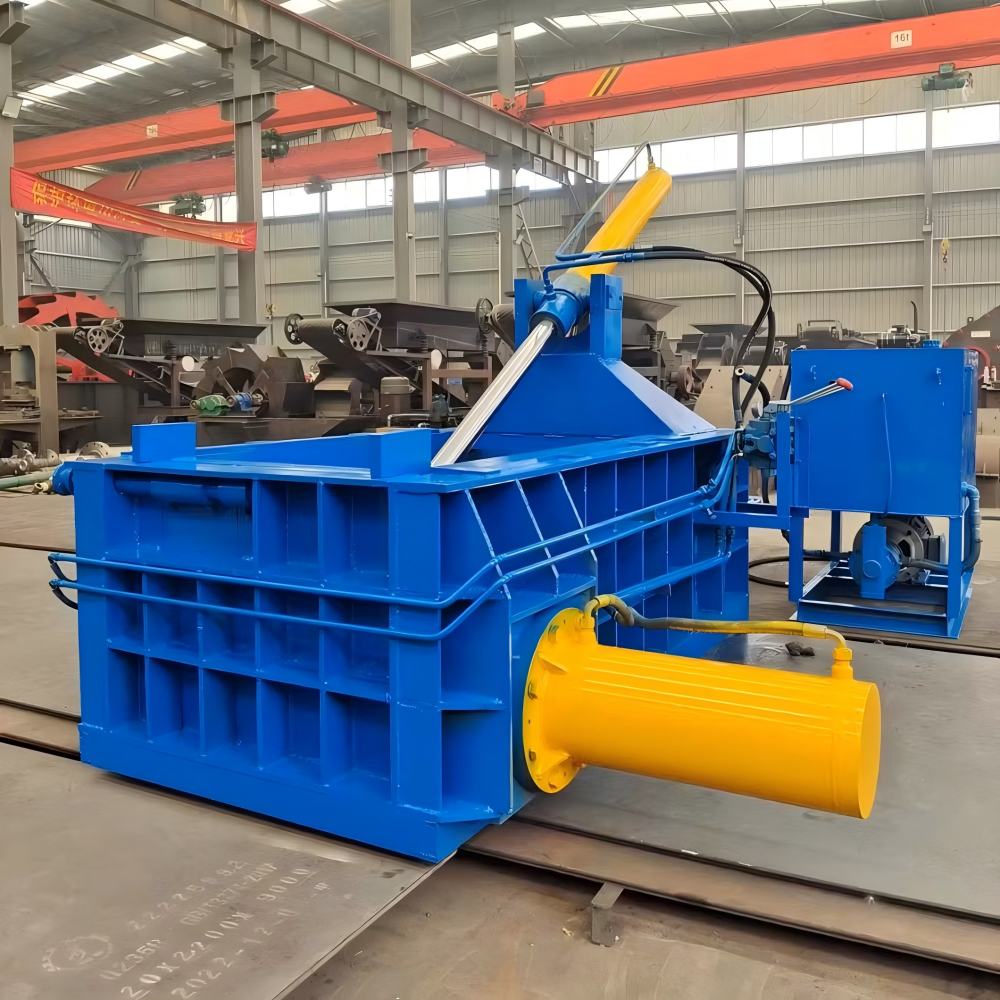
Troubleshooting Common Cutting Issues
When a baler fails to cut through material cleanly, the first step is to perform a visual inspection of the blade edges. Look for “rounding” or “chipping.” A rounded edge indicates that the blade has lost its sharpness and is effectively trying to crush the metal rather than slice it. Chipping, on the other hand, is usually the result of hitting a hardened object or having the clearance set too tightly. If the blade is chipped, it must be removed and reground or replaced immediately, as the chip will act as a stress concentrator and cause further damage.
Another common issue is the “jamming” of the shear stroke. This often occurs when the material is not properly compressed before the shear cycle begins. If the material is too loose, it can get caught between the blades, causing the machine to stall. Ensure that your pre-compression cycle is fully engaging the material. If the problem persists, check the hydraulic pressure settings. A drop in pressure can prevent the shear from completing its full stroke, leaving material trapped in the cutting zone.
Uneven cutting across the width of the baler is another symptom of misalignment. This is often caused by a buildup of material behind the stationary blade. Over time, fines and small metal shards can pack into the gap between the blade and the housing, pushing the blade out of alignment. A thorough cleaning of the blade seat is required. If the blade seat itself has become deformed due to impact, it may need to be machined flat by a professional to restore proper alignment.
Finally, consider the role of the hydraulic system in cutting performance. If the shear cylinder is leaking internally, it will not be able to maintain the force required for a clean cut. Perform a drift test on the cylinder to ensure it is holding pressure. If the cylinder is sound, check the hydraulic valves. A faulty relief valve could be bypassing pressure, preventing the shear from reaching its full cutting force. Troubleshooting these systems requires a systematic approach, starting with the mechanical components and moving to the hydraulic and electrical controls.
Selection Advice: Choosing the Right Blades for Your HARSLE Baler
When the time comes to replace your baler blades, the selection process should be guided by your specific operational needs. Start by reviewing the manufacturer’s specifications for your HARSLE model. While aftermarket blades may be cheaper, they often lack the metallurgical consistency of OEM parts. OEM blades are heat-treated to specific hardness levels that match the design parameters of the machine, ensuring that the blade wears predictably and does not damage the shear housing.
Consider the hardness (HRC) of the blade material. A harder blade will stay sharp longer but will be more brittle. If your scrap stream is relatively clean, a higher HRC blade is an excellent choice. However, if your scrap stream is unpredictable and contains hardened steel or heavy castings, a slightly softer, tougher blade may be more appropriate to prevent snapping. Discuss your typical scrap composition with your HARSLE representative to get a recommendation tailored to your facility.
Think about the long-term maintenance cycle. Some facilities prefer to keep a spare set of blades on hand, allowing them to swap out a dull set and send it for professional regrinding while the machine remains in operation. This “hot swap” strategy minimizes downtime. When selecting blades, ensure they are compatible with your regrinding process. Some blades can be reground multiple times, while others have a limited depth of hardening that restricts the number of times they can be resurfaced.
Finally, evaluate the warranty and support provided by the supplier. A high-quality blade is an investment in the productivity of your entire facility. Look for suppliers who provide technical support and guidance on installation. Proper installation is just as important as the quality of the steel. If the blades are not shimmed correctly or if the bolts are not torqued to the manufacturer’s specifications, even the most expensive blade will fail prematurely. Always prioritize quality and compatibility over initial cost savings.
Frequently Asked Questions (FAQ)
How often should I inspect my scrap metal baler blades?
We recommend a visual inspection at the start of every shift. A more thorough measurement of the shear clearance should be performed weekly or after every 100 hours of operation, depending on the volume of material processed.
What are the signs that my baler blades need sharpening?
Signs include increased noise during the cutting cycle, the machine stalling or struggling to complete the cut, jagged or “ragged” edges on the baled material, and visible rounding or dullness on the blade edge.
Can I sharpen the blades myself?
While minor touch-ups can be done in-house, professional regrinding is recommended to ensure the blade maintains its correct geometry and hardness. Improper grinding can overheat the steel, ruining its temper.
Why does my baler jam during the shear stroke?
Jamming is usually caused by improper material loading, insufficient compression, or a dull blade that is failing to cut through the material. Check your clearance and ensure your hydraulic pressure is within the recommended range.
Is it necessary to replace the mounting bolts when changing blades?
Yes, it is highly recommended. Mounting bolts are subject to significant stress and vibration. Reusing old bolts can lead to fatigue failure, which could cause the blade to come loose and cause severe damage to the baler.
Conclusion
Managing Scrap Metal Baler Blade Wear and Cutting Issues: Maintenance and Troubleshooting is a fundamental aspect of maintaining a profitable and safe metal recycling operation. By understanding the technical requirements of your HARSLE equipment, implementing a rigorous maintenance schedule, and making informed decisions regarding blade selection, you can significantly extend the life of your machinery and reduce costly downtime. Remember that the baler is a system; the health of the blades is inextricably linked to the performance of the hydraulic system, the structural integrity of the frame, and the skill of the operator. Treat your equipment with the care it deserves, and it will continue to deliver consistent, high-quality results for your business. For further technical support or to order genuine HARSLE replacement parts, consult your service manual or contact our support team today.