Preventive Maintenance Checklist for Aluminium Extrusion Press Equipment: A Comprehensive Guide

Technical Overview
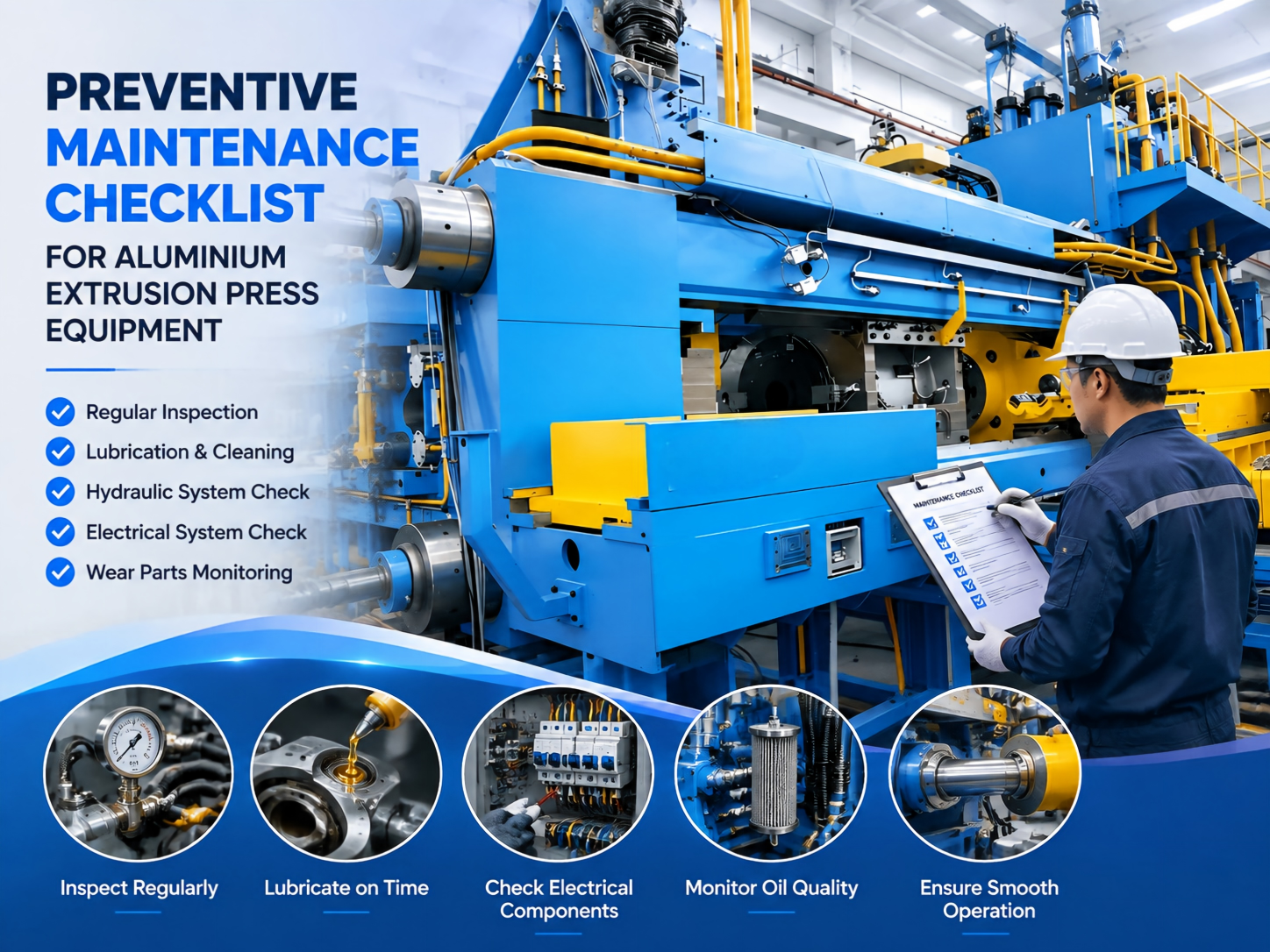
The aluminium extrusion process is a cornerstone of modern metal fabrication, transforming aluminium billets into complex profiles through high-pressure hydraulic force. At the heart of this operation lies the aluminium extrusion press, a sophisticated piece of industrial machinery that demands rigorous care. Understanding the mechanical, hydraulic, and electrical synergy of these machines is the first step in implementing an effective Preventive Maintenance Checklist for Aluminium Extrusion Press Equipment.
An extrusion press operates by pushing a heated aluminium billet through a shaped steel die. This process involves extreme temperatures, immense hydraulic pressures, and precise mechanical alignment. Because the machine is subjected to such high-stress cycles, even minor deviations in component health can lead to catastrophic failure or significant product defects. HARSLE emphasizes that maintenance is not merely a reactive task but a proactive strategy to ensure operational continuity.
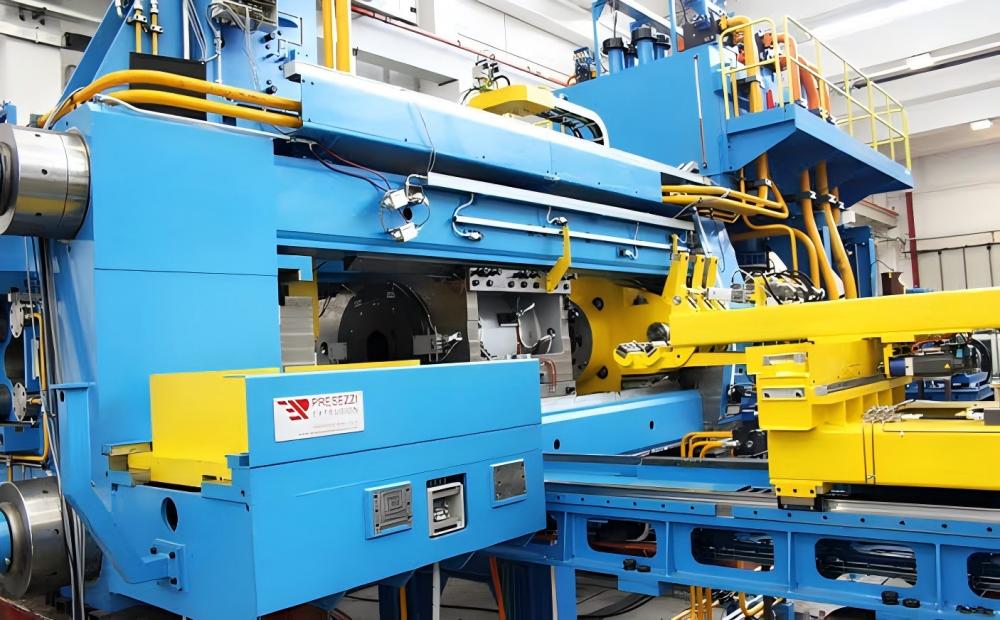
The primary systems within an extrusion press include the main hydraulic cylinder, the billet loader, the container assembly, the die slide, and the shear mechanism. Each of these components requires specific lubrication, calibration, and inspection intervals. By adhering to a structured maintenance schedule, operators can mitigate the risks of downtime, extend the lifespan of critical components, and maintain the high-quality standards required in the competitive aluminium market.
Furthermore, modern extrusion presses are increasingly integrated with PLC (Programmable Logic Controller) systems and advanced sensor arrays. These digital components monitor pressure fluctuations, temperature gradients, and cycle times in real-time. Integrating these digital insights into your Preventive Maintenance Checklist for Aluminium Extrusion Press Equipment allows for predictive maintenance, where potential issues are identified and addressed before they manifest as mechanical failures.
Core Parameters
To maintain an extrusion press effectively, one must understand the core parameters that dictate its performance. The most critical parameter is hydraulic pressure. The main cylinder must maintain consistent pressure to ensure the billet flows uniformly through the die. Variations in pressure often indicate leaks, pump degradation, or valve malfunctions. Monitoring these pressures against the manufacturer’s specifications is essential for safety and efficiency.
Temperature control is another vital parameter. Aluminium extrusion typically occurs at temperatures between 400°C and 500°C. If the billet heating furnace or the container heating system fails to maintain these temperatures, the material flow will be compromised, leading to surface defects or structural weaknesses in the final profile. Regular calibration of thermocouples and heating elements is a non-negotiable aspect of your maintenance routine.
Mechanical alignment, specifically the concentricity between the ram, the container, and the die, is paramount. Any misalignment can cause uneven wall thickness in the extruded profile and excessive wear on the die and container liner. Periodic checks using laser alignment tools ensure that the press remains within the tight tolerances required for high-precision manufacturing.
Finally, cycle time and production speed are key performance indicators. While pushing for higher speeds can increase throughput, it also accelerates wear on moving parts. Maintaining a balance between production targets and machine health is critical. By logging these parameters daily, maintenance teams can establish a baseline of ‘normal’ operation, making it easier to spot anomalies that signal the need for intervention.
Calculation Method
Calculating the maintenance intervals for your extrusion press involves a combination of manufacturer recommendations and actual machine usage data. A common method is the ‘Duty Cycle Analysis.’ By tracking the total hours of operation and the number of cycles performed, you can determine the wear rate of critical components like seals, O-rings, and hydraulic fluids.
The formula for determining the maintenance interval (I) is generally expressed as: I = (MTBF / S) * F, where MTBF is the Mean Time Between Failures for a specific component, S is the severity factor of the operation (based on pressure and temperature), and F is the safety factor. This calculation helps in scheduling replacements before a component reaches its predicted failure point.
For hydraulic fluid, the calculation involves monitoring the viscosity and contamination levels. Fluid life can be calculated by tracking the number of operating hours against the degradation rate observed through oil analysis. If the oil’s viscosity drops below the recommended threshold, it must be replaced, regardless of the time elapsed, to prevent damage to the hydraulic pumps and valves.
Additionally, calculating the ‘Die Life’ is essential for cost management. By tracking the total tonnage extruded through a specific die, you can predict when the die will require refurbishment or replacement. This data-driven approach prevents the production of scrap material caused by worn-out tooling, thereby optimizing the overall efficiency of the extrusion line.
Parameter Table
| Component | Check Frequency | Key Parameter | Acceptable Range |
|---|---|---|---|
| Hydraulic Fluid | Weekly | Viscosity/Contamination | Per ISO Standards |
| Main Cylinder Seals | Monthly | Pressure Drop | < 2% per hour |
| Heating Elements | Daily | Temperature Variance | ± 5°C |
| Die Slide Alignment | Quarterly | Concentricity | < 0.05mm |
| Lubrication System | Daily | Flow Rate | Manufacturer Spec |
Common Engineering Mistakes
One of the most frequent mistakes in maintaining aluminium extrusion presses is the neglect of the hydraulic filtration system. Many operators assume that as long as the machine is running, the oil is fine. However, microscopic metal particles can act as an abrasive, destroying hydraulic pumps and valves from the inside out. Failing to change filters at the recommended intervals is a recipe for expensive, long-term damage.
Another common error is ignoring the ‘warm-up’ period. Starting a cold press and immediately applying full pressure can cause thermal shock to the components, particularly the container and the ram. A proper Preventive Maintenance Checklist for Aluminium Extrusion Press Equipment should mandate a gradual heating cycle to ensure all metal components expand uniformly, preventing stress fractures and alignment issues.
Over-tightening bolts and fasteners is also a significant issue. While it might seem like a good idea to ensure everything is ‘extra tight,’ over-torquing can strip threads or cause bolts to snap under the thermal expansion cycles inherent in extrusion. Always use a calibrated torque wrench and follow the manufacturer’s torque specifications precisely.
Finally, failing to document maintenance activities is a critical oversight. Without a detailed log, it is impossible to track the history of the machine or identify recurring problems. A digital maintenance management system (CMMS) is highly recommended to keep track of all inspections, repairs, and part replacements, ensuring that no task is overlooked and that the maintenance history is always accessible for audits or troubleshooting.
Selection Checklist
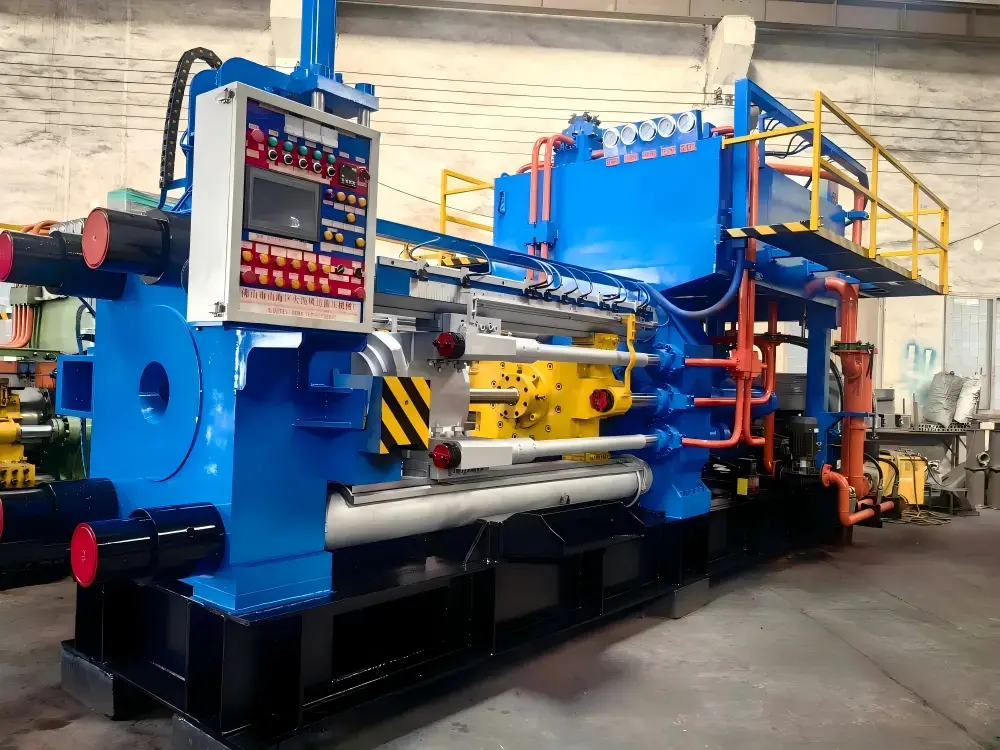
When selecting a new aluminium extrusion press or upgrading your existing equipment, consider the following factors to ensure long-term maintainability. First, evaluate the accessibility of critical components. A machine that requires major disassembly to reach the hydraulic valves or the main cylinder will inevitably lead to higher maintenance costs and longer downtime.
Second, look for machines that feature advanced diagnostic capabilities. Modern presses should offer real-time monitoring of pressure, temperature, and vibration. These features are invaluable for a Preventive Maintenance Checklist for Aluminium Extrusion Press Equipment, as they provide the data necessary to predict failures before they occur.
Third, consider the availability of spare parts and technical support. HARSLE recommends choosing a manufacturer with a robust supply chain and a local service network. If a critical component fails, you need to know that a replacement can be sourced quickly and that expert support is available to assist with installation and calibration.
Finally, assess the build quality and the reputation of the manufacturer. An extrusion press is a long-term investment. While a lower initial price might be attractive, the total cost of ownership—including maintenance, energy consumption, and potential downtime—is a much more accurate reflection of the machine’s true value. Always prioritize durability and engineering excellence over short-term savings.
FAQ
How often should I perform a full inspection of my extrusion press?
A comprehensive inspection should be performed at least annually, while daily, weekly, and monthly checks should be integrated into your routine Preventive Maintenance Checklist for Aluminium Extrusion Press Equipment to catch smaller issues early.
What is the most important part of the press to maintain?
The hydraulic system is generally considered the most critical, as it provides the power for the entire process. Maintaining clean oil and functional seals is essential for the longevity of the machine.
Can I use generic hydraulic oil in my extrusion press?
No, you should always use the hydraulic fluid recommended by the manufacturer. Using the wrong viscosity or grade can cause pump failure and void your warranty.
How do I know if my press is misaligned?
Signs of misalignment include uneven wall thickness in the extruded profiles, excessive wear on the container liner, and unusual vibrations during the extrusion cycle.
Is it necessary to keep a digital maintenance log?
Yes, a digital log is highly recommended. It allows for better tracking of maintenance history, easier identification of recurring issues, and improved compliance with safety and quality standards.
What should I do if the press pressure fluctuates unexpectedly?
Immediately stop the machine and check for hydraulic leaks, air in the system, or a malfunctioning pressure relief valve. Do not attempt to continue production until the cause is identified and resolved.