Industrial Shredder Hydraulic Failure: Diagnosis and Repair Tips

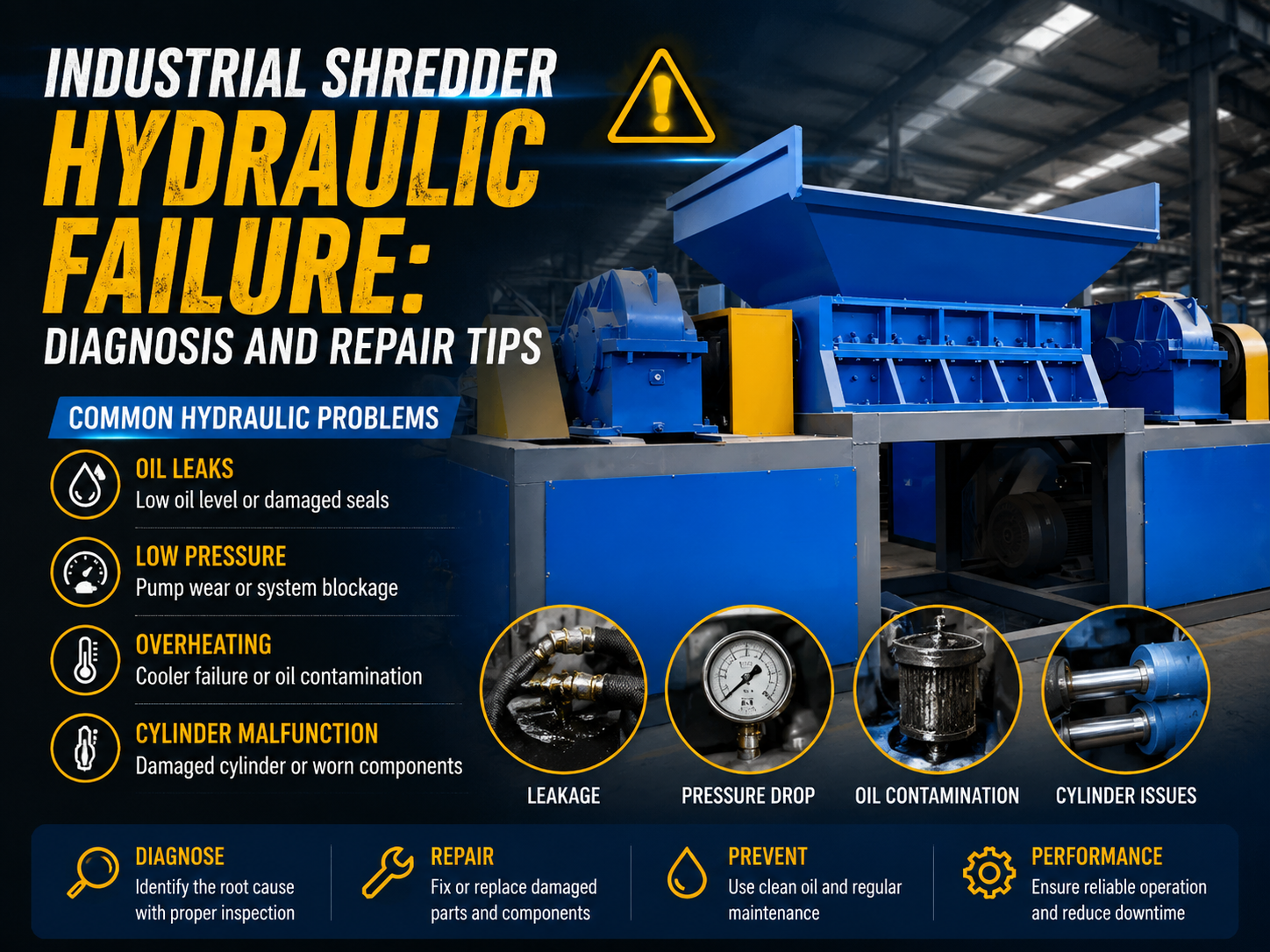
Introduction to Industrial Shredder Hydraulic Systems
Industrial shredders are the workhorses of the recycling and waste management industries. These massive machines are designed to tear through everything from scrap metal and plastics to rubber tires and electronic waste. At the heart of most heavy-duty shredders lies a complex hydraulic system. This system provides the immense torque and force required to drive the cutting shafts through resistant materials. However, because these systems operate under extreme pressure and in harsh environments, they are susceptible to wear and tear. Understanding Industrial Shredder Hydraulic Failure: Diagnosis Repair Tips is essential for any facility manager or maintenance technician looking to minimize downtime and extend the lifespan of their equipment.
Hydraulic failure in an industrial shredder is rarely a sudden, unexplainable event. It is usually the result of cumulative stress, contamination, or neglected maintenance. When a hydraulic system fails, the entire production line often grinds to a halt, leading to significant financial losses. HARSLE, a leader in metal fabrication and industrial machinery, emphasizes the importance of a proactive approach to hydraulic health. By identifying the early warning signs of failure, operators can intervene before a minor leak becomes a catastrophic pump failure. This guide provides a deep dive into the technical aspects of diagnosing and repairing these critical systems.
The complexity of modern hydraulic circuits, featuring proportional valves, high-displacement pumps, and sophisticated cooling systems, requires a structured diagnostic approach. Whether you are dealing with a dual-shaft shredder or a single-shaft granulator, the principles of fluid power remain the same. In the following sections, we will explore the key considerations for maintaining these systems, the technical details of component failure, and practical advice for selecting replacement parts and performing repairs.
Key Considerations for Hydraulic Health
Before diving into specific repairs, it is crucial to understand the environmental and operational factors that influence hydraulic performance. Industrial shredders often operate in dusty, temperature-fluctuating environments. These conditions are the primary enemies of hydraulic fluid and seals. One of the first considerations in Industrial Shredder Hydraulic Failure: Diagnosis Repair Tips is the quality and cleanliness of the hydraulic oil. Contamination by particulates or moisture can lead to abrasive wear in pumps and sticking valves.
Temperature regulation is another critical factor. Hydraulic systems generate heat through friction and pressure drops. If the cooling system—whether air-cooled or water-cooled—is inefficient, the oil’s viscosity will drop, leading to poor lubrication and increased internal leakage. Conversely, operating a shredder in extremely cold conditions without preheating the oil can cause cavitation, where the pump cannot pull the thick oil quickly enough, creating vacuum bubbles that implode and erode metal surfaces. Monitoring the operating temperature range is a fundamental step in preventing premature failure.
Furthermore, the duty cycle of the shredder plays a significant role. Shredders used for continuous, 24/7 operations experience much higher thermal and mechanical stress than those used intermittently. This requires a more aggressive maintenance schedule. Operators must also be trained to recognize the “language” of the machine. Changes in the sound of the pump, a slight decrease in shaft speed, or an increase in the vibration of hydraulic hoses are all indicators that the system is struggling. Ignoring these signs is the most common cause of expensive repairs.
Finally, consider the mechanical interface. Sometimes, what appears to be a hydraulic failure is actually a mechanical jam in the shredding chamber. If the cutters are dull or the clearance between blades is incorrect, the hydraulic system must work significantly harder to achieve the same throughput. This extra load increases pressure and heat, eventually leading to a hydraulic breakdown. Therefore, a holistic view of the machine—both mechanical and hydraulic—is necessary for accurate diagnosis.
Technical Details: Diagnosing Common Failures
1. Hydraulic Pump Issues: Cavitation and Aeration
The hydraulic pump is the heart of the shredder. When it fails, the machine loses its power. Two of the most common pump issues are cavitation and aeration. Cavitation occurs when the pump cannot get enough oil, often due to a clogged suction strainer or a restricted intake line. This creates vapor bubbles that collapse violently when they reach the high-pressure side of the pump, pitting the metal surfaces. It produces a distinct, high-pitched metallic “marbles in a can” sound.
Aeration, on the other hand, is the introduction of air into the fluid from the outside, usually through a leak in the suction line or a low oil level in the reservoir. Aeration causes the oil to foam, leading to spongy operation and erratic movement of the shredder shafts. Diagnosing these requires checking the oil level, inspecting suction hoses for cracks, and ensuring that all fittings are airtight. If the pump has already sustained internal damage, a flow test compared against the manufacturer’s specifications will reveal a drop in efficiency.
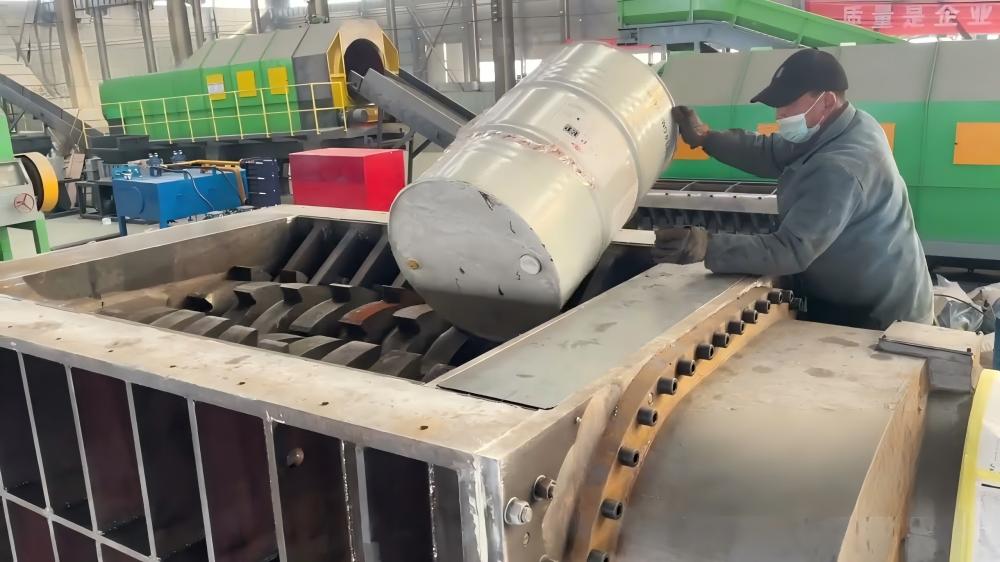
2. Control Valve Malfunctions
Control valves, including directional, pressure relief, and proportional valves, manage the flow and pressure of the oil. In an industrial shredder, these valves are responsible for reversing the shafts when a jam is detected. A common failure point is the solenoid coil, which can burn out due to electrical surges or excessive heat. If the shredder fails to reverse or move in one direction, the solenoid and the valve spool should be the first items inspected.
Internal leakage within a valve is more difficult to diagnose. Over time, the precision-machined surfaces of the spool and housing wear down, allowing oil to bypass the intended path. This results in a loss of pressure and heat generation. Using a thermal imaging camera can help identify “hot spots” in the valve manifold, indicating where internal leakage is occurring. Cleaning the valve body and replacing worn spools or seals is often necessary to restore performance.
3. Cylinder and Motor Leakage
Depending on the design, shredders use either hydraulic motors to drive the shafts or hydraulic cylinders for auxiliary functions like ram feeders. External leaks are easy to spot—puddles of oil or wet spots on the rod. However, internal bypass in a cylinder (where oil leaks past the piston seal) will cause the ram to lose pushing force or “drift” when it should be stationary. For hydraulic motors, internal wear leads to a loss of torque, meaning the shredder will stall more easily under load. Measuring the case drain flow of the motor is the standard technical method to determine its internal health; excessive flow indicates the motor needs a rebuild.
4. Fluid Contamination and Filtration
Statistically, over 70% of hydraulic failures are related to fluid contamination. In the context of Industrial Shredder Hydraulic Failure: Diagnosis Repair Tips, monitoring the ISO 4406 cleanliness code of the oil is vital. Particulates like metal shavings, dust, and rubber bits act as grinding paste, destroying pumps and valves. Regular oil analysis should be performed to check for water content, oxidation, and additive depletion. If the oil appears milky, it is contaminated with water; if it smells burnt, it has been overheated. Upgrading to high-efficiency synthetic fluids and installing better filtration units can drastically reduce these risks.
Selection Advice for Hydraulic Components and Maintenance
When it comes to repairing or upgrading your industrial shredder, selecting the right components is as important as the diagnosis itself. Not all hydraulic parts are created equal. For high-torque applications like metal shredding, HARSLE recommends using heavy-duty piston pumps and motors rather than lighter-duty gear pumps. Piston units offer higher efficiency and better durability under the pulsating loads typical of shredding operations.
When selecting replacement hoses, always ensure they meet or exceed the system’s peak operating pressure. Shredders often experience “pressure spikes” when the blades hit a particularly hard object. Using a hose with an insufficient pressure rating or a low-quality crimp can lead to dangerous blowouts. Furthermore, consider the use of “smart” hydraulic components. Modern proportional valves with integrated electronics allow for finer control over the shredder’s speed and torque, which can prevent mechanical jams and reduce the overall stress on the hydraulic system.
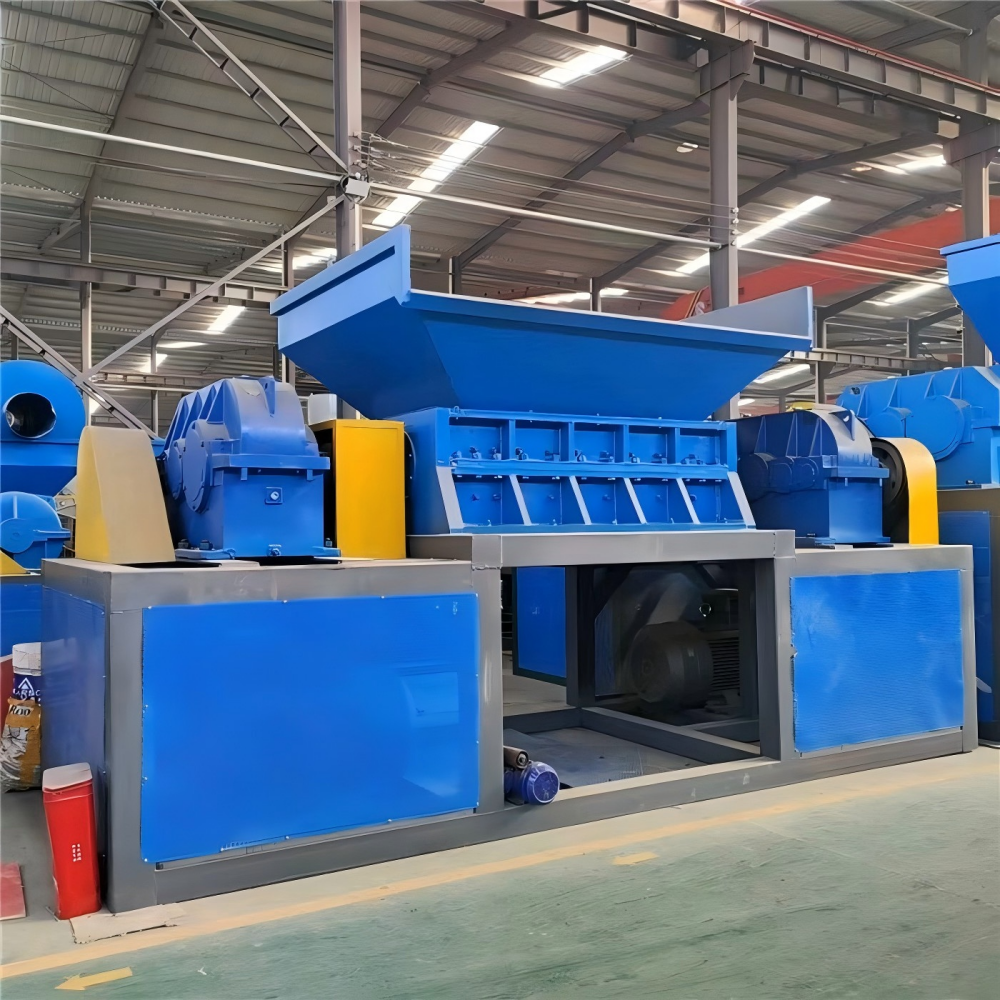
Maintenance scheduling is the final piece of the puzzle. A robust preventative maintenance (PM) program should include daily, weekly, and monthly checklists. Daily checks should focus on oil levels, temperature, and visual inspections for leaks. Weekly tasks should include cleaning the heat exchangers and checking the integrity of electrical connections to the valves. Monthly or quarterly tasks should involve oil sampling and checking the accumulator pre-charge. By following a strict PM schedule, you can transition from reactive “firefighting” to a controlled, predictive maintenance model.
| Component | Common Failure Sign | Recommended Action |
|---|---|---|
| Hydraulic Pump | High-pitched whining or loss of pressure | Check for cavitation; perform flow test |
| Control Valves | Shredder won’t reverse or stalls | Inspect solenoids; check for internal bypass |
| Hydraulic Fluid | Dark color, burnt smell, or milky appearance | Perform oil analysis; replace fluid and filters |
| Hoses & Fittings | Visible leaks or bulging | Replace immediately with rated components |
| Heat Exchanger | System overheating | Clean fins or check cooling water flow |
Frequently Asked Questions (FAQ)
What is the most common cause of hydraulic failure in shredders?
The most common cause is fluid contamination. Small particles of dust, metal, or moisture enter the system and cause abrasive wear on precision components like pump vanes and valve spools. Regular filter changes and oil analysis are the best defenses against this.
How can I tell if my hydraulic pump is cavitating?
Cavitation produces a very distinct noise, often described as marbles rattling inside the pump. You may also notice a lack of power and increased vibration in the hydraulic lines. It is usually caused by a blocked suction filter or a restricted inlet pipe.
Why does my shredder lose power as the day goes on?
This is often a sign of overheating. As the hydraulic oil gets hotter, its viscosity decreases. This leads to increased internal leakage in the pump and motors, meaning less energy is converted into mechanical work. Check your cooling system and ensure the oil type is correct for your environment.
Can I mix different brands of hydraulic oil?
It is generally not recommended to mix different brands or types of hydraulic oil. Different manufacturers use different additive packages which may not be compatible. Mixing can lead to foaming, additive precipitation, or reduced lubrication properties. Always stick to the manufacturer’s recommended fluid.
How often should I replace hydraulic filters?
Filter replacement should be based on the indicator gauges on the filter housing. However, as a general rule for industrial shredders, filters should be replaced every 500 to 1,000 operating hours, or more frequently in very dusty environments.
Conclusion: Ensuring Long-Term Reliability
Mastering Industrial Shredder Hydraulic Failure: Diagnosis Repair Tips is a journey of continuous learning and observation. The hydraulic system is the lifeblood of the shredder, and its health is directly tied to the productivity of your facility. By understanding the technical nuances of pump cavitation, valve sticking, and fluid degradation, you can move beyond simple repairs to true system optimization. HARSLE remains committed to providing not only high-quality machinery but also the technical knowledge required to keep that machinery running at peak performance.
In conclusion, remember that the best repair is the one you never have to make. Investing in high-quality filtration, performing regular oil analysis, and training operators to recognize early warning signs will save thousands of dollars in the long run. When failures do occur, a systematic diagnostic approach—starting from the reservoir and moving through the pump, valves, and actuators—will ensure that the root cause is addressed, not just the symptom. With the right care, your HARSLE industrial shredder will provide years of reliable service in even the most demanding recycling applications.