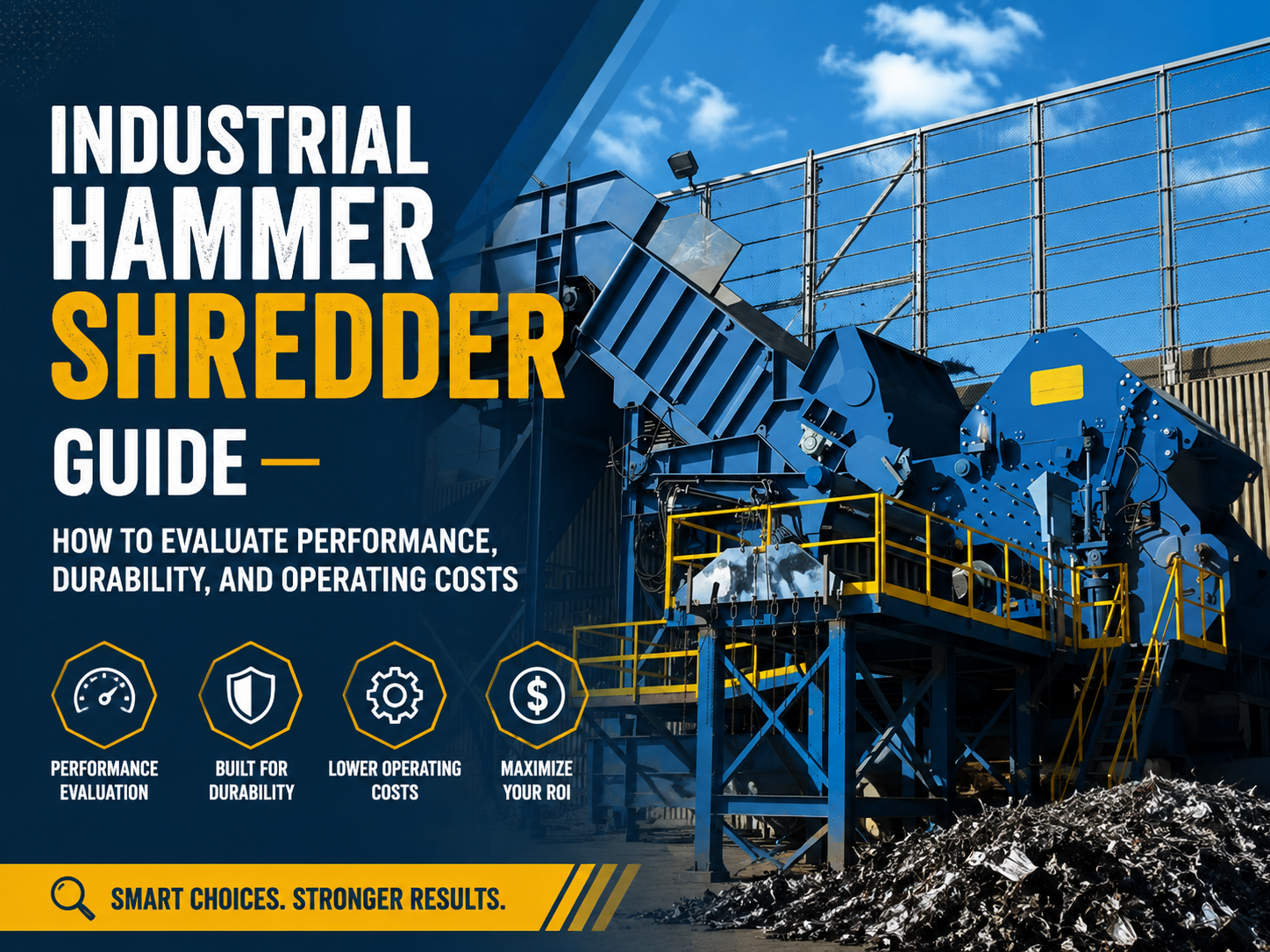
Industrial Hammer Shredder Guide: How to Evaluate Performance, Durability, and Operating Costs

Introduction to Industrial Hammer Shredders
In the world of metal recycling and industrial waste management, the industrial hammer shredder stands as a cornerstone of efficiency. These robust machines are designed to reduce large volumes of scrap metal, electronic waste, and industrial byproducts into smaller, more manageable, and highly marketable fractions. However, investing in a hammer shredder is a significant capital expenditure. To ensure a positive return on investment, stakeholders must look beyond the initial sticker price and conduct a deep dive into performance metrics, structural durability, and long-term operating costs.
HARSLE has long been at the forefront of manufacturing high-performance shredding solutions. Understanding the nuances of how these machines operate—and where the costs truly lie—is essential for any facility manager or business owner. This guide provides a comprehensive framework for evaluating industrial hammer shredders, ensuring that your equipment choice aligns with your production goals and budgetary constraints over a 10-to-15-year lifecycle.
Price Range Overview: Understanding the Market Landscape
The price of an industrial hammer shredder can vary wildly based on its scale, motor power, and intended application. Generally, the market is divided into three primary tiers: entry-level/light-duty, mid-range industrial, and heavy-duty high-capacity systems. Understanding where your needs fall within these tiers is the first step in the evaluation process.
Entry-level units, often used for light electronic waste or thin-gauge aluminum, typically range from $30,000 to $80,000. These machines feature smaller rotors and lower horsepower motors, making them suitable for low-volume operations. Mid-range industrial shredders, which are the workhorses of the scrap metal industry, usually fall between $100,000 and $350,000. These units are capable of processing heavier materials like car parts, appliances, and mixed metal scrap at rates of 5 to 15 tons per hour.
At the top of the spectrum are heavy-duty systems designed for auto-shredding and large-scale industrial recycling. These systems can exceed $1,000,000 when factoring in peripheral equipment like magnetic separators, conveyors, and dust suppression systems. When reviewing price ranges, it is vital to remember that the machine itself is only part of the investment; the infrastructure required to support it—such as reinforced concrete foundations and high-voltage electrical supply—must also be budgeted for.
Main Cost Drivers: What Determines the Price?
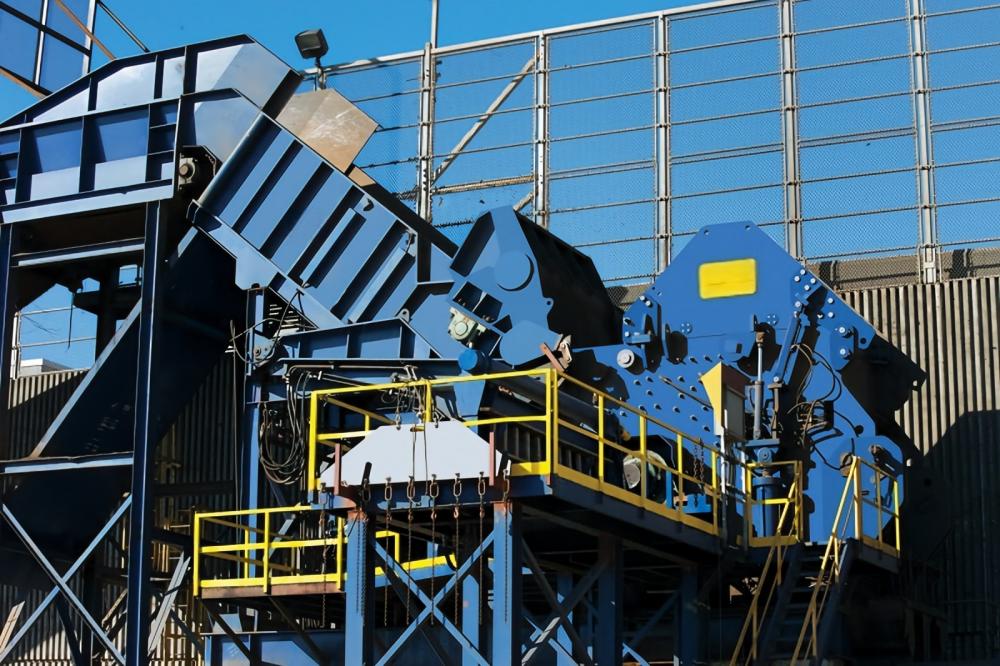
Several technical factors drive the cost of an industrial hammer shredder. The most significant of these is the Rotor Assembly. The rotor is the heart of the machine, subjected to immense centrifugal forces and constant impact. High-quality rotors are typically forged from high-strength alloy steel and precision-balanced to prevent vibration. A cheaper machine often cuts costs here, using cast components that are prone to stress fractures under heavy loads.
The Motor and Drive System is another major cost driver. Industrial shredders require high-torque motors, often paired with sophisticated hydraulic couplings or frequency drives (VFDs). A high-efficiency motor might have a higher upfront cost but will significantly reduce electricity bills over time. Furthermore, the inclusion of a heavy-duty gearbox designed to withstand shock loads adds to the initial price but prevents catastrophic failures during operation.
Material quality throughout the machine also dictates price. For instance, the use of Manganese Steel or specialized Hardox liners in the shredding chamber ensures that the machine can withstand the abrasive nature of scrap metal. Machines built with standard carbon steel liners will be cheaper initially but will require frequent, expensive replacements. Finally, the level of automation—including PLC controls, remote monitoring, and auto-reverse functions to prevent jams—adds to the cost but enhances safety and throughput.
Configuration Impact: Tailoring the Machine to Your Needs
The configuration of a hammer shredder significantly impacts both its performance and its price. One of the primary choices is between Fixed Hammers and Swing Hammers. Swing hammers are mounted on pins and can retract when they hit an un-shreddable object, protecting the rotor from damage. Fixed hammers offer more aggressive cutting but require a more robust drive system to handle the shocks. Your choice here depends entirely on the consistency of your feed material.
The Discharge Grate Design is another critical configuration point. The size and shape of the holes in the grate determine the final particle size of the shredded material. Smaller holes produce a finer product, which often fetches a higher price on the scrap market, but they also reduce the overall throughput of the machine and increase wear on the hammers. A well-designed machine allows for relatively easy grate changes to adapt to different market demands.
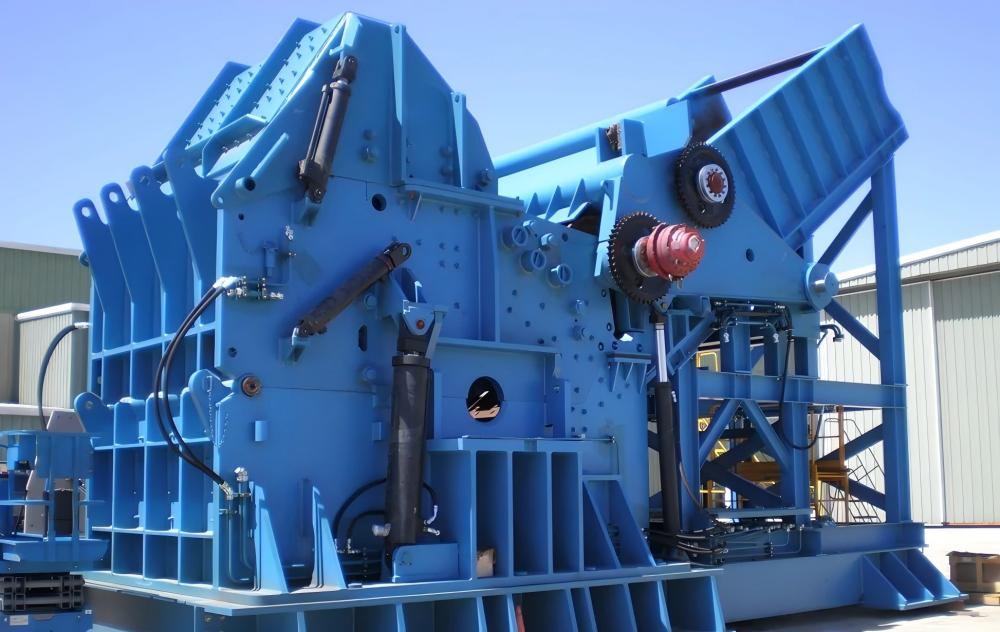
Hydraulic systems also play a role in configuration. Modern industrial shredders often feature hydraulic opening mechanisms for the upper housing, allowing for rapid access to the rotor and hammers for maintenance. While this adds to the machine’s complexity and cost, it can reduce maintenance downtime from days to hours, which is a critical factor in high-volume operations.
Hidden Costs: Beyond the Initial Purchase
When evaluating an industrial hammer shredder, the “hidden” costs often determine whether the operation is profitable. The most prominent hidden cost is Wear Parts Consumption. Hammers, liners, and grates are sacrificial components. Depending on the abrasiveness of the material being processed, hammers may need to be rotated or replaced every few hundred tons. If a machine uses proprietary or hard-to-source wear parts, your operating costs will skyrocket.
Energy Consumption is another significant ongoing expense. A shredder running a 400HP motor for 10 hours a day consumes a massive amount of electricity. Evaluating the “cost per ton” in terms of kilowatt-hours is essential. Machines that are underpowered for their task will actually consume more energy as they struggle to process material, leading to longer run times and higher heat generation.
Maintenance labor and downtime are often overlooked. A machine that is difficult to service will require more man-hours for every hammer change. Furthermore, every hour the machine is down for repairs is an hour of lost revenue. This is why HARSLE emphasizes “serviceability” in its designs—ensuring that all wear components are easily accessible. Finally, consider the cost of Residual Waste Management. Shredding produces “fluff” or non-metallic waste that must be disposed of, often at a cost per ton. Efficient shredders do a better job of separating clean metal from this fluff, reducing disposal costs and increasing the value of the output.
ROI Calculation: Measuring Success
To calculate the Return on Investment (ROI) for an industrial hammer shredder, you must look at the total cost of ownership (TCO) versus the value added to the scrap material. The formula generally looks like this:
ROI = (Increased Value of Processed Material – Operating Costs) / Total Investment
For example, if raw mixed scrap is worth $150 per ton, but shredded and sorted scrap is worth $250 per ton, the shredder adds $100 of value per ton. If the operating costs (electricity, wear parts, labor) are $30 per ton, the net profit is $70 per ton. If the machine processes 5,000 tons per year, the annual gain is $350,000. Against a $700,000 total investment (machine + installation), the ROI period is roughly two years.
However, this calculation must also account for the Recovery Rate. A high-quality shredder with integrated magnetic and eddy-current separators will recover a higher percentage of non-ferrous metals (like copper and aluminum) which are significantly more valuable than steel. Improving your recovery rate by even 2% can result in tens of thousands of dollars in additional annual revenue, drastically shortening the ROI period.
Buying Advice: How to Choose the Right Shredder
Choosing the right industrial hammer shredder requires a balance of technical scrutiny and business foresight. Here is a checklist of advice for prospective buyers:
- Define Your Feedstock: Be extremely specific about what you are shredding. A machine optimized for aluminum cans will fail miserably if fed heavy steel plate.
- Test Before You Buy: Always request a material test. Send a sample of your typical scrap to the manufacturer and have them process it. Analyze the throughput and the quality of the output.
- Check the Metallurgy: Ask for the specific alloy grades used in the hammers and liners. Ensure they are appropriate for your material’s hardness and abrasiveness.
- Evaluate the Support Network: An industrial shredder is only as good as the support behind it. Ensure the manufacturer (like HARSLE) has a robust supply of spare parts and technical experts who can assist with troubleshooting.
- Look at the Frame Construction: The frame should be heavy and vibration-dampened. A light frame will eventually crack under the constant pounding of the hammers.
- Consider Future Expansion: If you expect your volume to grow, consider a machine with a slightly higher capacity than you currently need. It is much cheaper to buy a larger machine now than to replace a small one in two years.
| Feature | Standard Shredder | HARSLE High-Performance |
|---|---|---|
| Rotor Material | Cast Steel | Forged Alloy Steel |
| Liner Type | Carbon Steel | Manganese / Hardox |
| Control System | Manual Switches | PLC with Remote Monitoring |
| Maintenance Access | Bolted Panels | Hydraulic Tilt-Open Housing |
Frequently Asked Questions (FAQ)
1. How often do the hammers need to be replaced?
Hammer life depends entirely on the material being shredded. For soft metals like aluminum, hammers might last 500-800 hours. For heavy steel scrap or abrasive materials, they may need rotation every 40-60 hours and replacement every 120-150 hours. Using high-manganese alloys can extend this life significantly.
2. Can a hammer shredder handle “un-shreddables” like engine blocks?
Only if it is specifically rated for it. Heavy-duty auto shredders are designed for this, featuring massive rotors and swing hammers that can deflect. Attempting to shred an engine block in a light-duty machine will likely result in a broken shaft or destroyed grates.
3. What is the difference between a hammer mill and a hammer shredder?
While the terms are often used interchangeably, a “shredder” usually refers to a machine designed for heavy-duty metal reduction with larger clearances, while a “mill” often implies a machine used for finer grinding of softer materials or minerals. In the scrap industry, “hammer shredder” is the standard term for metal processing.
4. How do I reduce the noise levels of an industrial shredder?
Shredders are inherently noisy. Noise can be mitigated by installing the machine in a sound-dampened enclosure, using rubber vibration mounts for the foundation, and ensuring that the feed and discharge chutes are lined with sound-absorbing materials. Proper maintenance of bearings also prevents excess mechanical noise.
5. Is a vertical or horizontal shredder better?
Horizontal shredders (the most common type) are excellent for high-volume throughput and varied scrap. Vertical shredders are often used for specialized applications where a very dense, nugget-like end product is required, as the material stays in the chamber longer. For most metal fabrication and recycling needs, the horizontal hammer shredder is the preferred choice.
6. What kind of electrical infrastructure is required?
Industrial shredders require a stable, high-voltage power supply. Depending on the motor size, you may need a dedicated transformer. It is also highly recommended to use a Soft Starter or VFD to prevent massive current spikes when the motor starts, which can lead to penalties from utility companies.
7. How does HARSLE ensure the durability of its shredders?
HARSLE utilizes advanced finite element analysis (FEA) during the design phase to identify stress points in the frame and rotor. By using premium materials like manganese steel and implementing strict quality control in the welding and machining processes, HARSLE machines are built to withstand the rigors of 24/7 industrial operation.