How to Fix a Horizontal Baler That Keeps Jamming During Operation: A Comprehensive HARSLE Maintenance Guide

Introduction
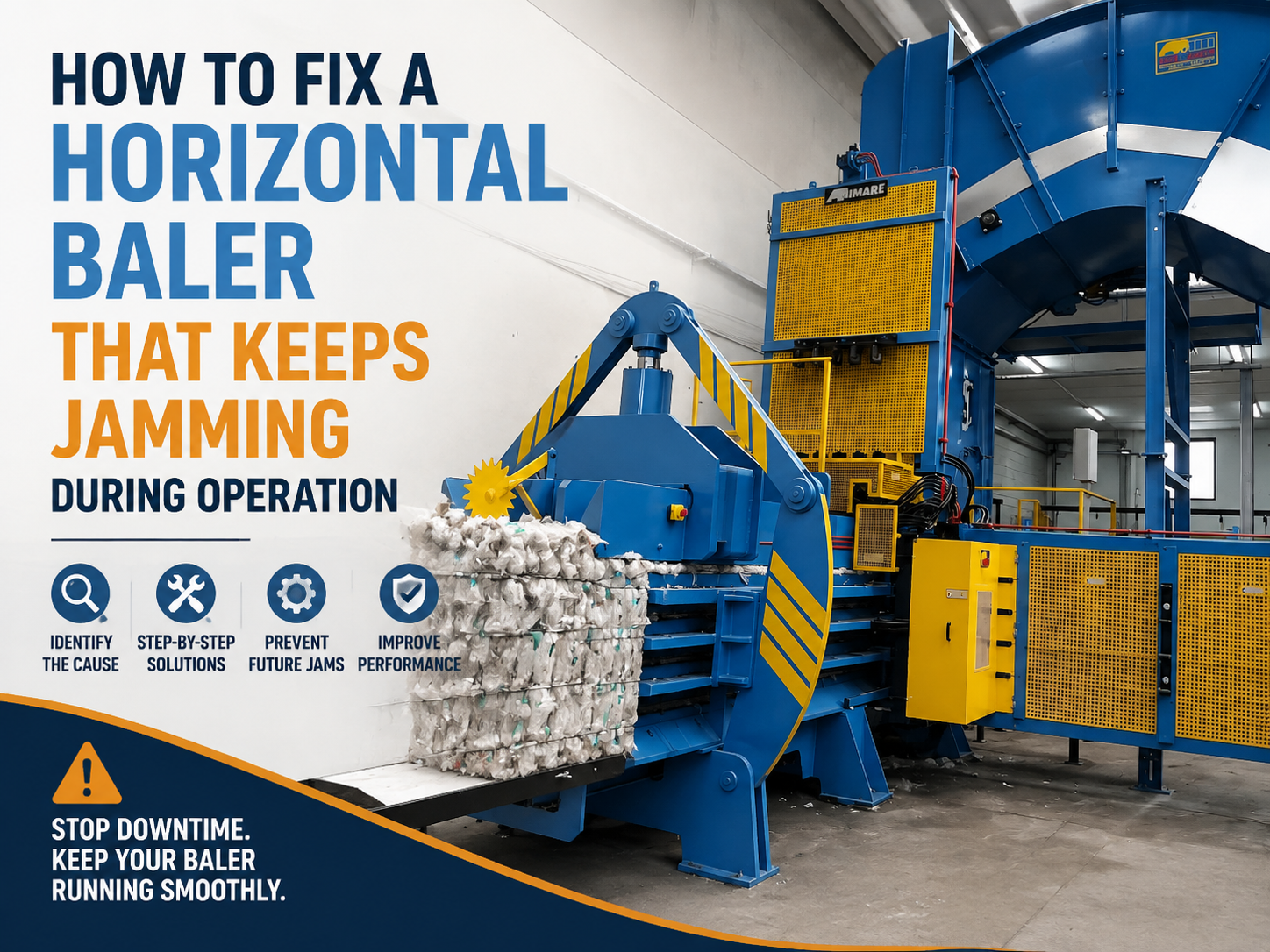
In the high-pressure environment of industrial recycling and metal fabrication, downtime is the enemy of profitability. A horizontal baler is the backbone of waste management, designed to compress bulky materials into manageable, transportable bales. However, when you encounter a situation where you need to fix a horizontal baler that keeps jamming during operation, the entire production line can grind to a halt. At HARSLE, we understand that efficiency is paramount, and understanding the root causes of these jams is the first step toward restoring operational excellence.
Jamming is rarely a random occurrence; it is almost always a symptom of an underlying mechanical, electrical, or operational issue. Whether you are dealing with oversized material, hydraulic pressure inconsistencies, or worn-out shear blades, the ability to diagnose and resolve these issues quickly is a critical skill for any facility manager. This guide provides a deep dive into the technical aspects of horizontal baler maintenance and troubleshooting.
By following a systematic approach to maintenance, you can significantly reduce the frequency of jams and extend the lifespan of your HARSLE equipment. We will explore the common culprits behind baler jams, the technical adjustments required to keep the ram moving smoothly, and the preventive measures that ensure your facility remains productive. Let’s look at how to maintain your equipment to avoid the frustration of constant downtime.
Key Considerations for Baler Performance
Before diving into repairs, it is essential to understand the operational environment of your horizontal baler. The most common cause of jamming is the introduction of material that exceeds the machine’s design specifications. If your baler is rated for cardboard but is being fed heavy-gauge sheet metal or oversized plastic drums, the internal resistance will inevitably lead to a jam. Always verify that the material density aligns with the manufacturer’s guidelines.
Another key consideration is the feed rate. Overloading the hopper is a frequent mistake. When too much material is forced into the compression chamber at once, the ram cannot complete its stroke, leading to a “bridge” or a jam. Operators must be trained to maintain a consistent, steady feed rate rather than dumping large volumes of material in a single cycle. This simple operational adjustment can prevent the majority of jamming incidents.
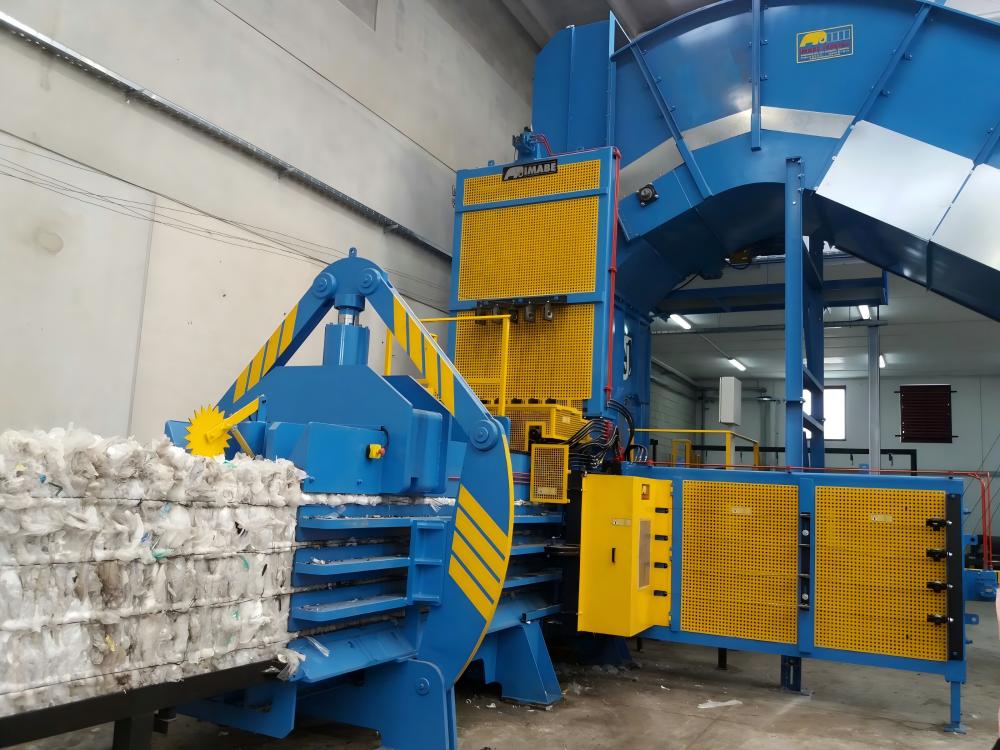
Environmental factors also play a significant role. In metal fabrication facilities, dust, metal shavings, and debris can accumulate in the tracks of the ram. Over time, this debris acts as an abrasive, increasing friction and causing the ram to struggle during its compression cycle. Regular cleaning of the tracks and lubrication of moving parts are non-negotiable tasks for any maintenance team looking to keep their baler running at peak performance.
Finally, consider the condition of your shear blades. A horizontal baler relies on sharp shear blades to cut through excess material that protrudes from the chamber. If these blades become dull, the ram will experience increased resistance as it attempts to force the material past the shear point. This resistance often triggers the machine’s safety sensors, causing it to stop mid-cycle—a classic symptom of a jam that is actually a maintenance issue.
Technical Details: Diagnosing and Resolving Jams
When you need to fix a horizontal baler that keeps jamming during operation, you must start with the hydraulic system. The hydraulic pressure is what drives the ram; if the pressure is too low, the ram lacks the force to compress the material. Check the hydraulic fluid levels and the condition of the filters. Contaminated fluid can cause the valves to stick, leading to erratic ram movement and frequent jams.
Next, inspect the ram guides and wear plates. These components are designed to keep the ram aligned within the chamber. If the wear plates are excessively thin or damaged, the ram may tilt slightly during the compression stroke. This misalignment causes the ram to bind against the walls of the chamber, resulting in a jam. Replacing these wear plates is a standard maintenance procedure that can restore the machine’s original efficiency.
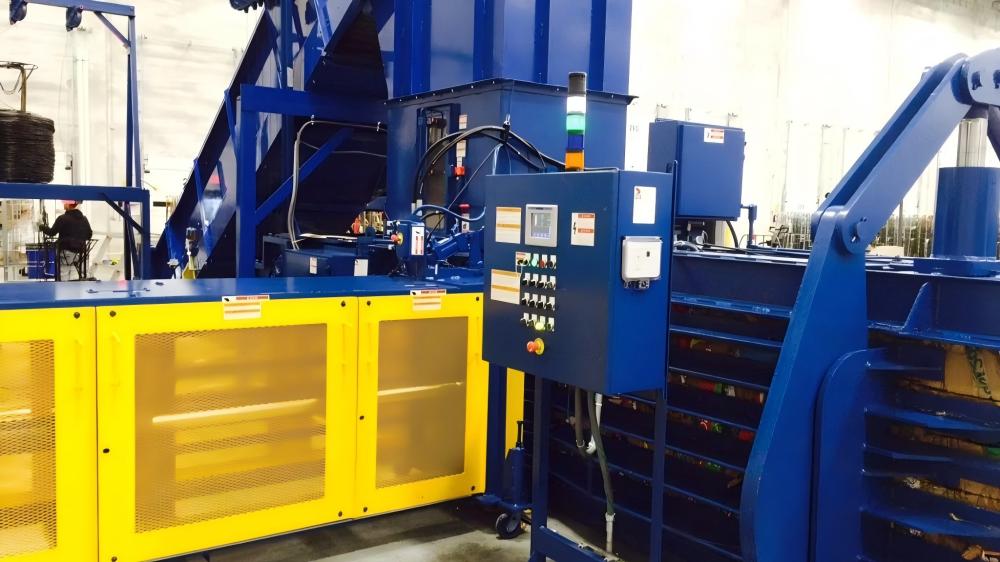
Electrical sensors and limit switches are the “eyes” of your baler. If a sensor is misaligned or covered in debris, it may incorrectly signal that the chamber is full or that the ram has reached its limit, causing the machine to stop prematurely. Regularly clean these sensors and verify their positioning. If the machine stops at the same point in the cycle every time, it is highly likely that a limit switch is faulty or needs adjustment.
The PLC (Programmable Logic Controller) settings should also be reviewed. In some cases, the timing of the compression cycle may be slightly off, causing the ram to retract before the material has been fully compressed. If you have recently updated your software or experienced a power surge, the PLC settings may have been reset. Consult your HARSLE manual to ensure that the cycle times are configured correctly for the specific material you are processing.
Selection Advice: Choosing the Right Equipment
If you find that you are constantly struggling to fix a horizontal baler that keeps jamming during operation, it may be time to evaluate whether your current machine is the right fit for your facility. A common mistake is selecting a baler based on initial cost rather than throughput capacity. If your production volume has increased since the initial purchase, your current baler may simply be undersized for your needs.
Consider the material type when selecting your next machine. Metal fabrication equipment requires different structural integrity than machines used for paper or plastic. Look for balers with reinforced chambers and high-tensile steel construction. HARSLE offers a range of horizontal balers specifically engineered to handle the rigors of industrial metal waste, providing the durability needed to minimize jamming.
Automation features can also play a role in reducing jams. Modern balers come equipped with advanced monitoring systems that can detect resistance before a jam occurs. These systems automatically reverse the ram to clear the obstruction and then resume the cycle, saving operators from having to manually intervene. Investing in a machine with these smart features can pay for itself in reduced downtime and labor costs.
Lastly, consider the availability of spare parts and technical support. A machine is only as good as the service behind it. When you choose HARSLE, you are choosing a partner that provides comprehensive documentation, readily available spare parts, and expert technical support to ensure that your equipment remains operational for years to come.
Frequently Asked Questions (FAQ)
Why does my baler stop mid-cycle?
A baler stopping mid-cycle is usually caused by a safety sensor trip, a jam due to oversized material, or a hydraulic pressure drop. Check for obstructions in the chamber and ensure your material is within the rated size limits.
How often should I sharpen the shear blades?
The frequency of blade sharpening depends on the volume and type of material processed. For metal fabrication, we recommend inspecting the blades monthly. If you notice the baler struggling to cut through material, it is time for maintenance.
Can I fix a jam myself?
Minor jams caused by material buildup can often be cleared by operators following strict lockout/tagout procedures. However, if the jam is caused by hydraulic failure or structural misalignment, it is best to contact a certified technician to avoid injury or further damage.
What is the most common cause of horizontal baler jams?
The most common cause is overfeeding the hopper. When the volume of material exceeds the chamber’s capacity, the ram cannot complete its stroke, leading to a jam.
Conclusion
Learning how to fix a horizontal baler that keeps jamming during operation is an essential part of managing a productive metal fabrication or recycling facility. By focusing on proper material handling, regular maintenance of hydraulic and mechanical components, and ensuring your equipment is correctly sized for your throughput, you can eliminate the majority of jamming issues. Remember that safety is the top priority; always follow established lockout/tagout procedures before attempting any repairs. With the right approach and the support of reliable equipment from HARSLE, you can keep your operations running smoothly and efficiently.