How to Choose the Right Horizontal Baler at the Best Price for Your Factory

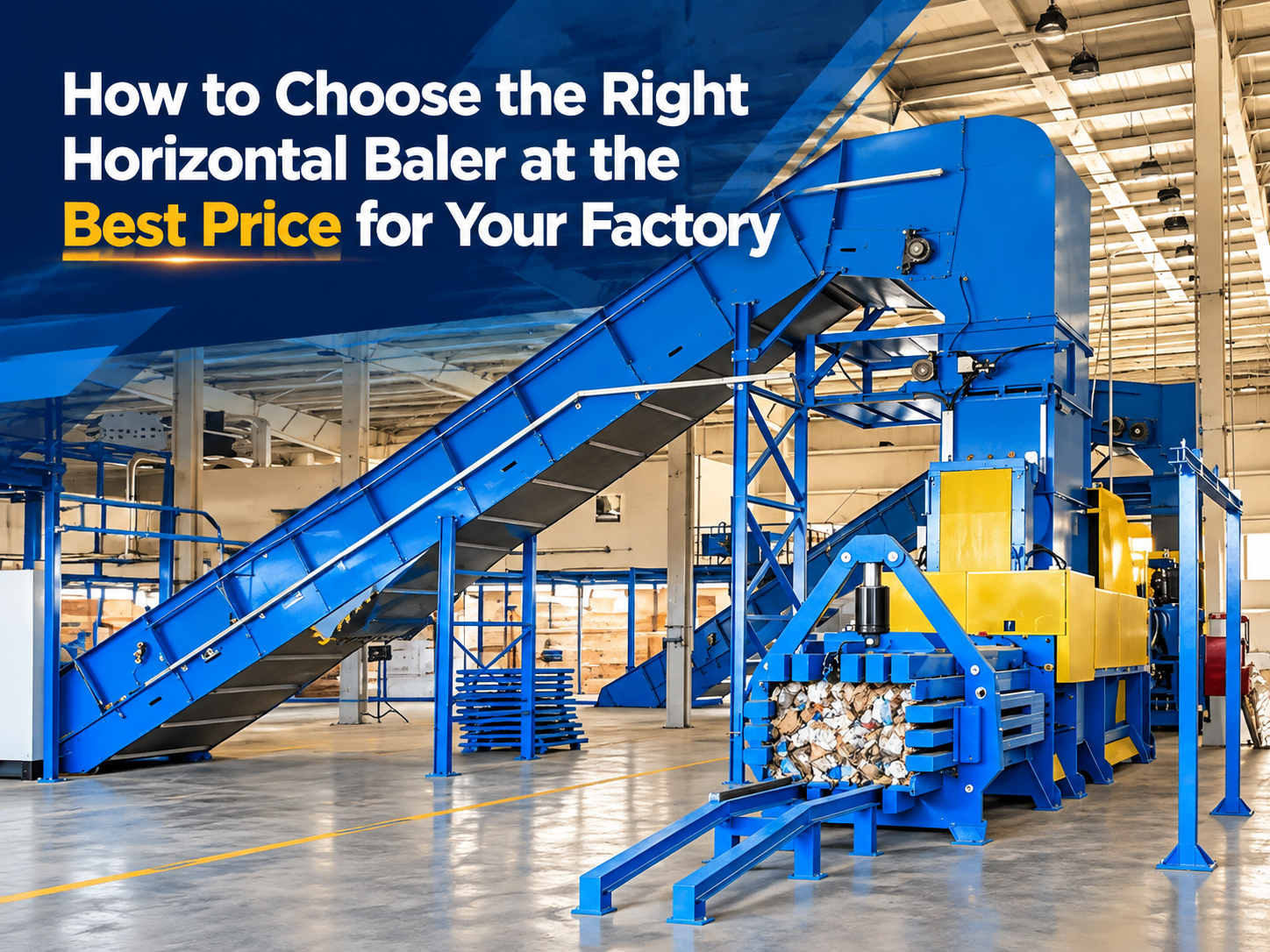
Price Range Overview
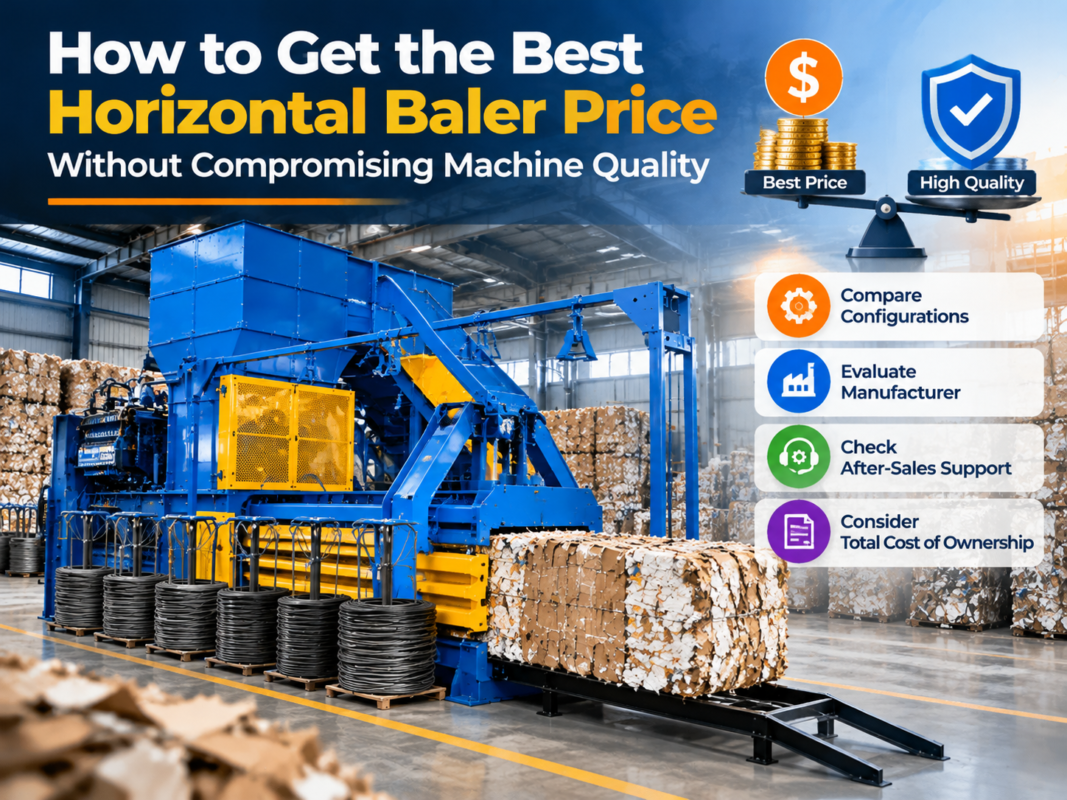
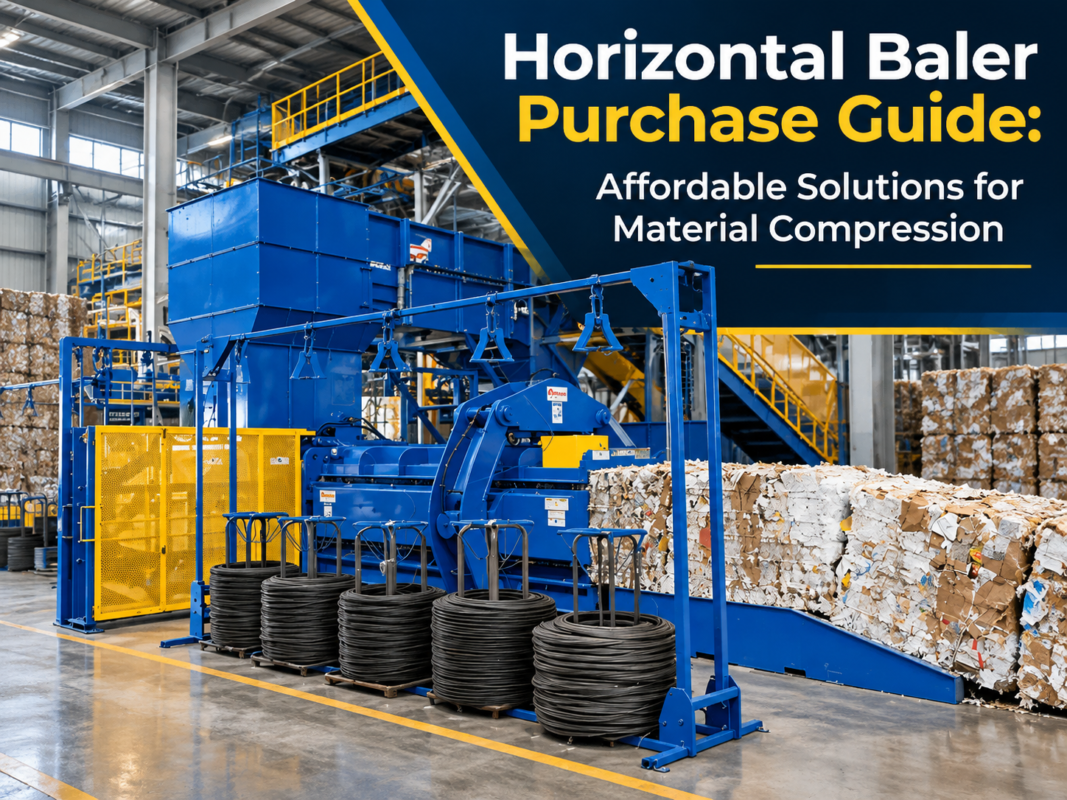
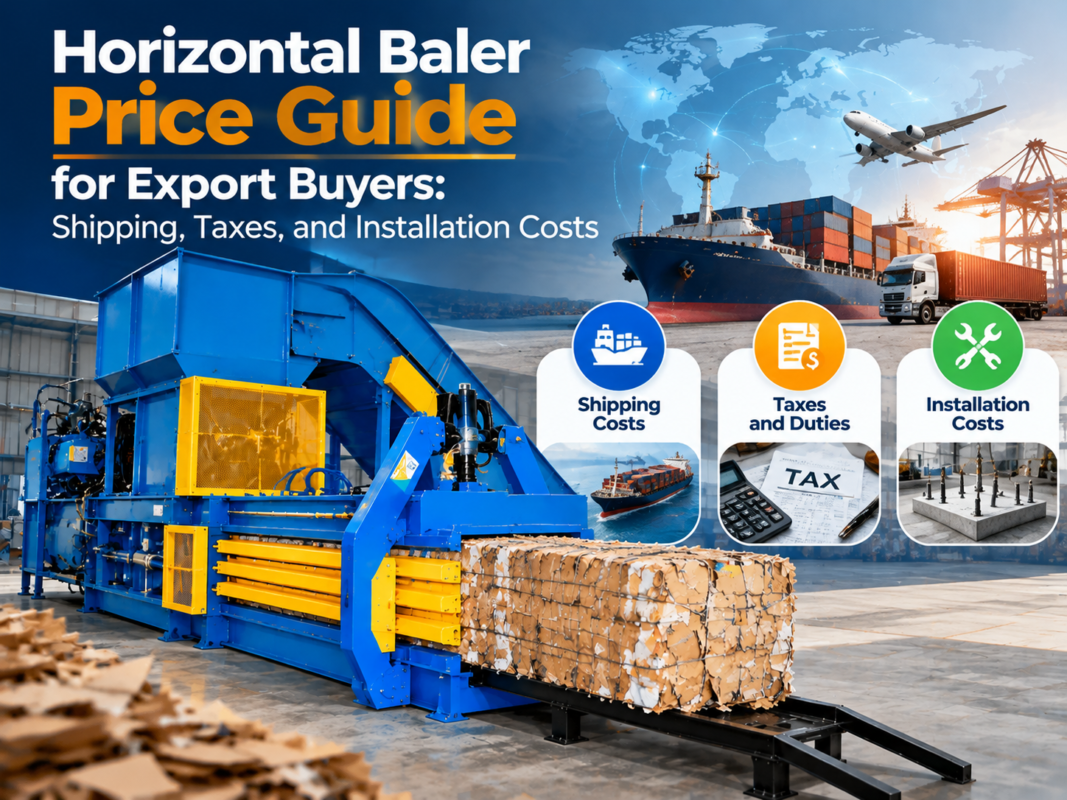
When you begin the process to choose the right horizontal baler at the best price for your factory, understanding the market landscape is the first critical step. Horizontal balers are significant capital investments, and their pricing is rarely a flat rate. Generally, entry-level semi-automatic horizontal balers can range from $15,000 to $30,000, catering to small-to-medium facilities with moderate waste output. These machines offer essential compression capabilities but may require more manual intervention during the tying process.
Moving into the mid-range tier, you will find fully automatic horizontal balers priced between $40,000 and $85,000. These machines are designed for high-volume operations where efficiency and throughput are paramount. They feature automated tying systems, conveyor belt integration, and advanced PLC controls that significantly reduce labor costs. This price bracket is often the sweet spot for growing manufacturing plants looking to optimize their waste management workflows.
For large-scale industrial applications, high-capacity horizontal balers can exceed $100,000. These heavy-duty systems are engineered for continuous operation, handling massive volumes of cardboard, plastic, or non-ferrous metals. When evaluating these prices, it is essential to look beyond the sticker price and consider the total cost of ownership, including power consumption, maintenance schedules, and the expected lifespan of the hydraulic components.
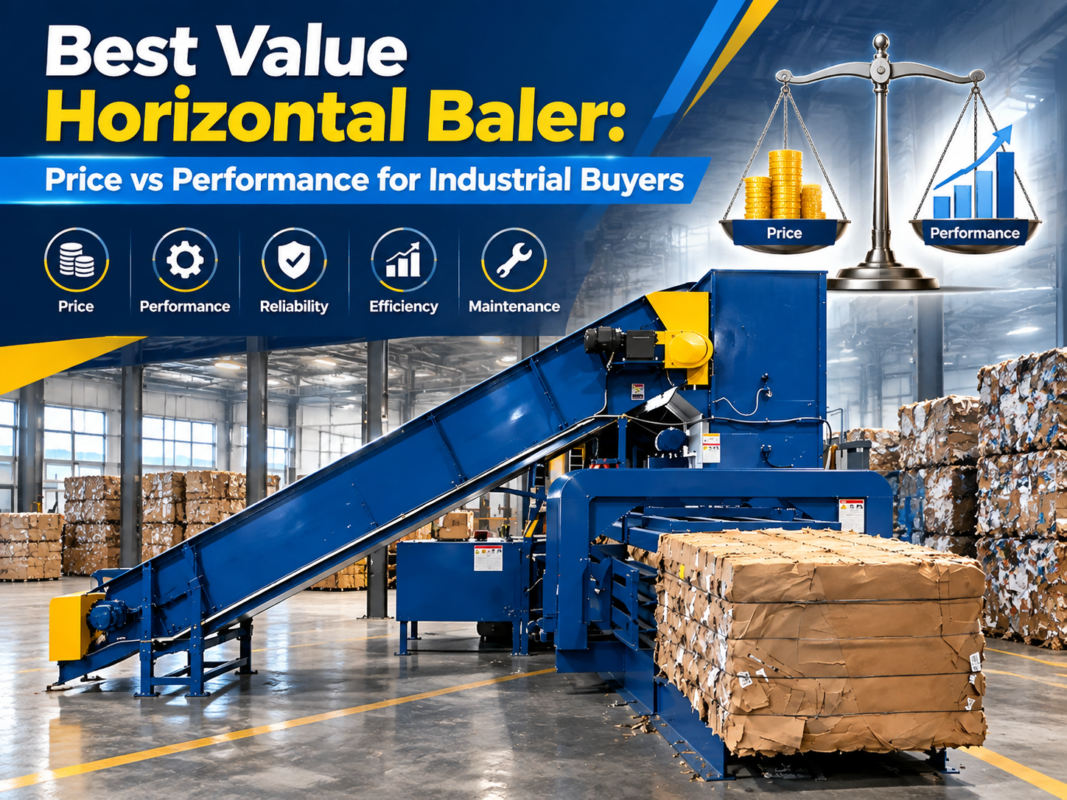
It is also important to note that market fluctuations in steel prices and hydraulic component availability can influence these ranges. HARSLE recommends requesting customized quotes based on your specific material density and volume requirements. By understanding these tiers, you can better align your budget with the operational demands of your factory, ensuring you do not overspend on features you do not need or underspend on equipment that will bottleneck your production line.
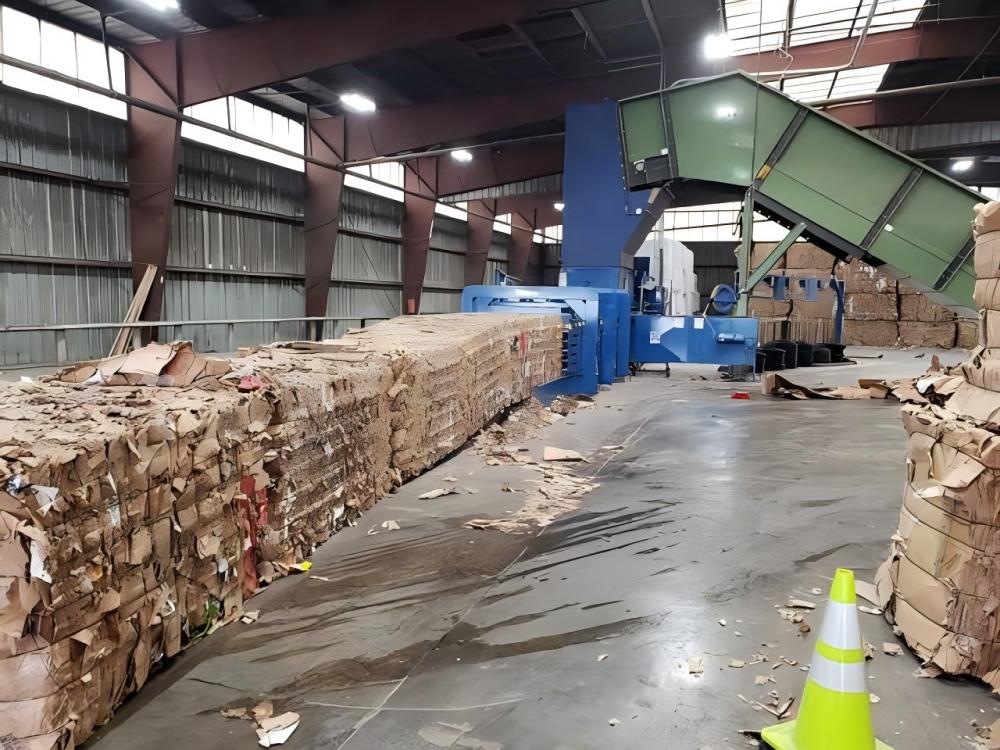
Main Cost Drivers
The primary factor influencing the cost of a horizontal baler is the force capacity, measured in tons. A machine with a higher pressing force requires a more robust structural frame, larger hydraulic cylinders, and a more powerful motor. Consequently, as you scale up the force to handle denser materials like aluminum or thick corrugated cardboard, the manufacturing cost increases significantly due to the sheer volume of high-grade steel required to prevent structural fatigue.
Automation level is another major cost driver. A manual-tie baler is significantly cheaper than an auto-tie system because it eliminates the complex mechanical arms, sensors, and knotting mechanisms required to bind bales without human assistance. While the upfront cost of an auto-tie system is higher, the long-term savings in labor hours often justify the investment for factories processing more than 50 tons of material per month.
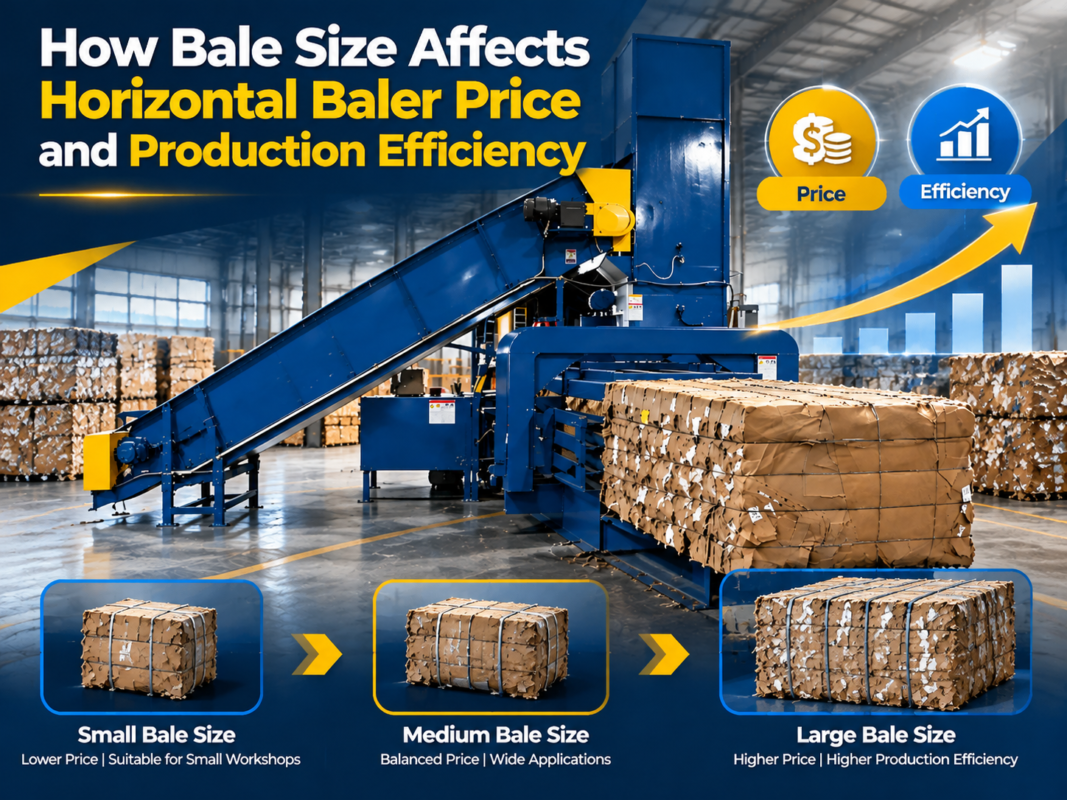
The size of the feed opening and the chamber dimensions also dictate the price. Larger openings allow for the processing of bulky items without the need for pre-shredding, which saves on additional equipment costs. However, larger chambers require more powerful hydraulic pumps to maintain cycle times, which in turn increases the energy consumption and the cost of the hydraulic power unit (HPU). Balancing chamber size with your actual material throughput is key to avoiding unnecessary expenditure.
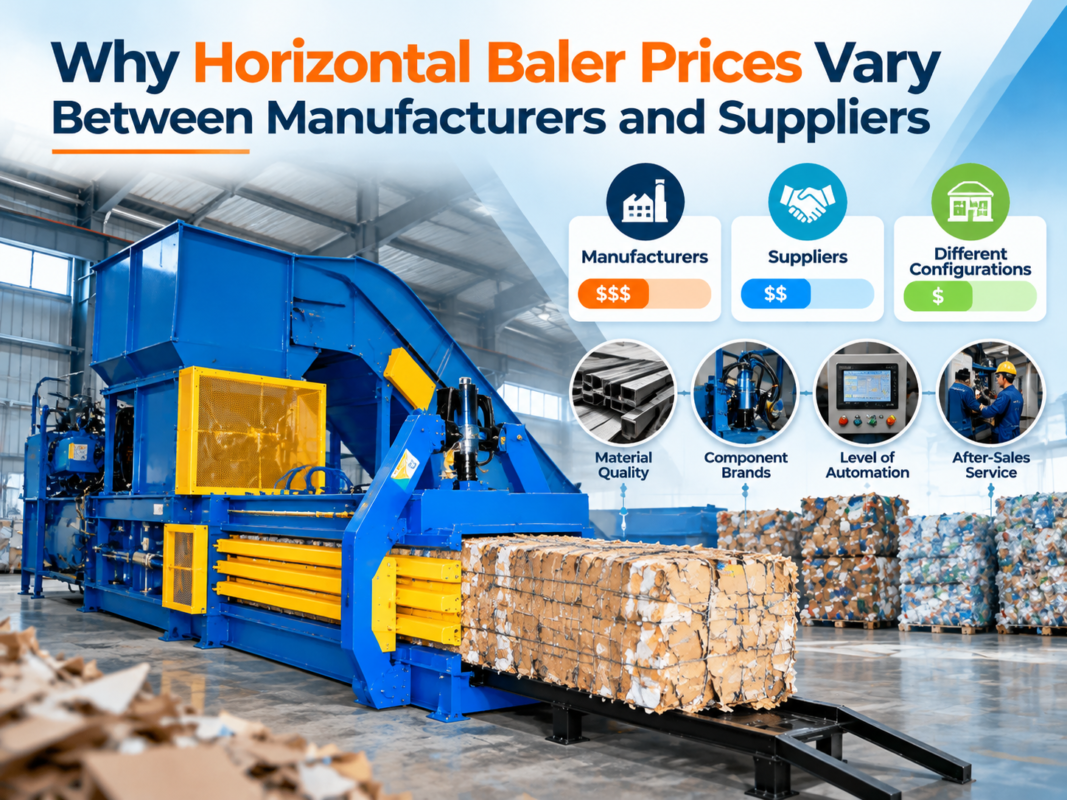
Finally, the brand reputation and the quality of the control systems play a role. HARSLE utilizes high-precision PLC (Programmable Logic Controller) systems that allow for remote diagnostics and optimized cycle times. While cheaper, generic control systems might save money initially, they often lack the diagnostic capabilities that prevent costly downtime. Investing in reputable, high-quality components ensures that your machine remains operational for years, protecting your initial investment.
Configuration Impact
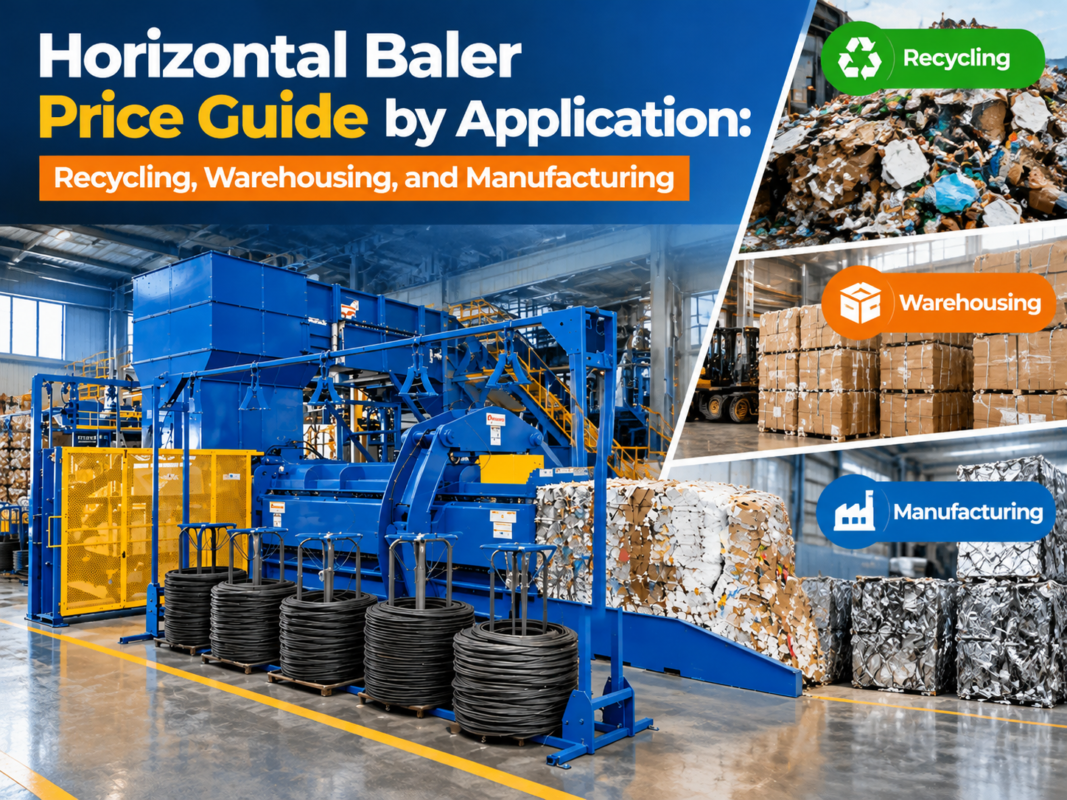
When you choose the right horizontal baler at the best price for your factory, the configuration of the machine must be tailored to your specific material stream. For instance, if your factory primarily processes cardboard, you need a baler with a high compression ratio and a specific ram stroke length to ensure the bales are dense enough for efficient transport. Conversely, if you are baling plastic bottles or aluminum cans, you need a machine with a reinforced chamber and specialized wear-resistant liners.
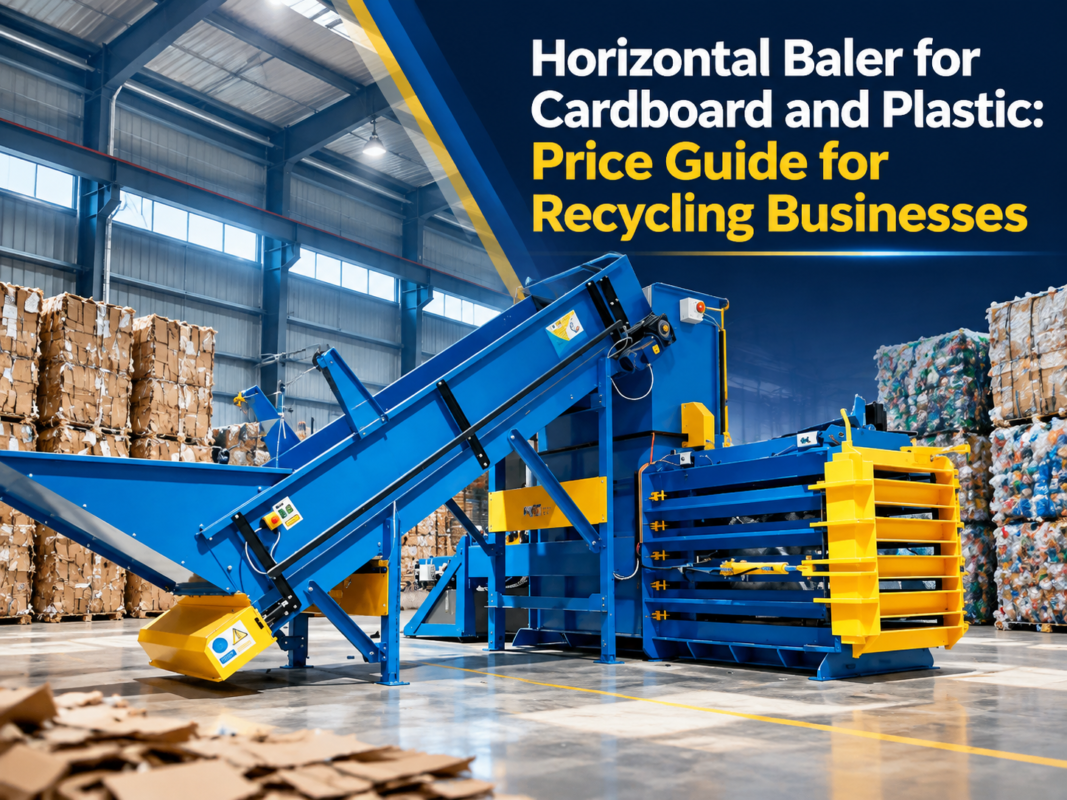
Conveyor integration is a critical configuration choice. A baler fed by a conveyor belt is significantly more efficient than one fed by a forklift or manual labor. While adding a conveyor increases the initial price, it drastically improves the safety and speed of your factory floor. You must consider the length and width of the conveyor, as well as the speed synchronization with the baler’s cycle time to prevent jams and ensure a smooth flow of material.
The tying system configuration—whether it is a horizontal or vertical tie—also impacts the price and performance. Horizontal tying is generally faster and better suited for high-volume, automated lines. Vertical tying is often found on smaller, more compact machines. Choosing the wrong tying orientation can lead to bale expansion or breakage during transport, which can negate the cost savings you achieved during the purchase phase.
Lastly, consider the power supply and energy efficiency features. Modern horizontal balers often come with variable frequency drives (VFDs) that adjust the motor speed based on the load. While this adds to the upfront cost, it can reduce electricity consumption by up to 30%. In a factory setting, these energy savings accumulate rapidly, making the machine cheaper to operate over its five-to-ten-year lifecycle compared to a standard, non-VFD model.
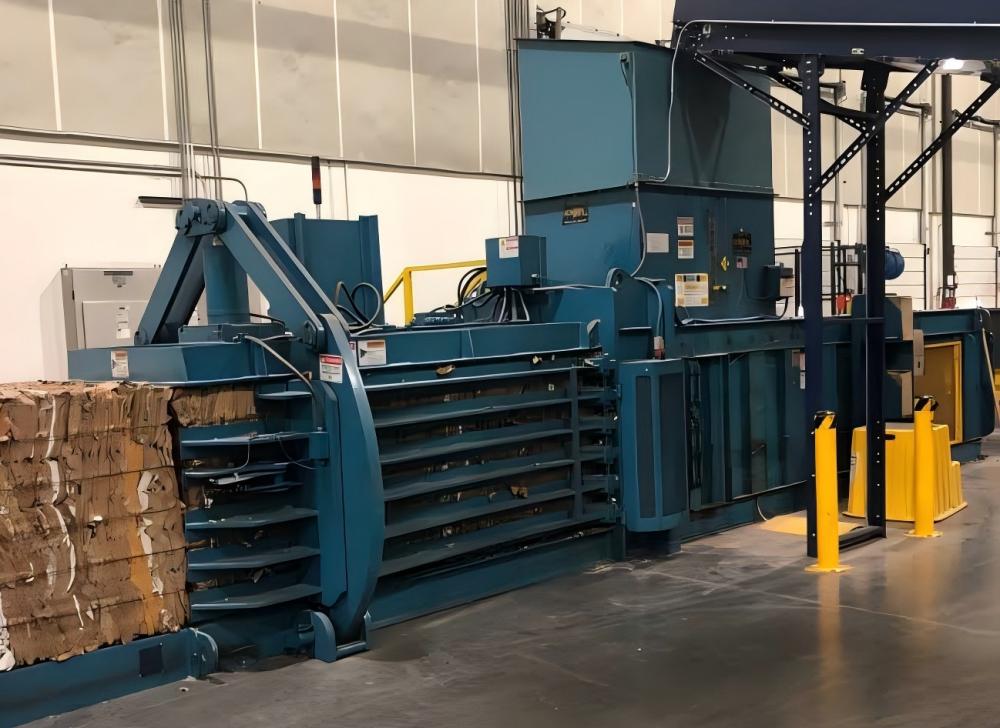
Hidden Costs
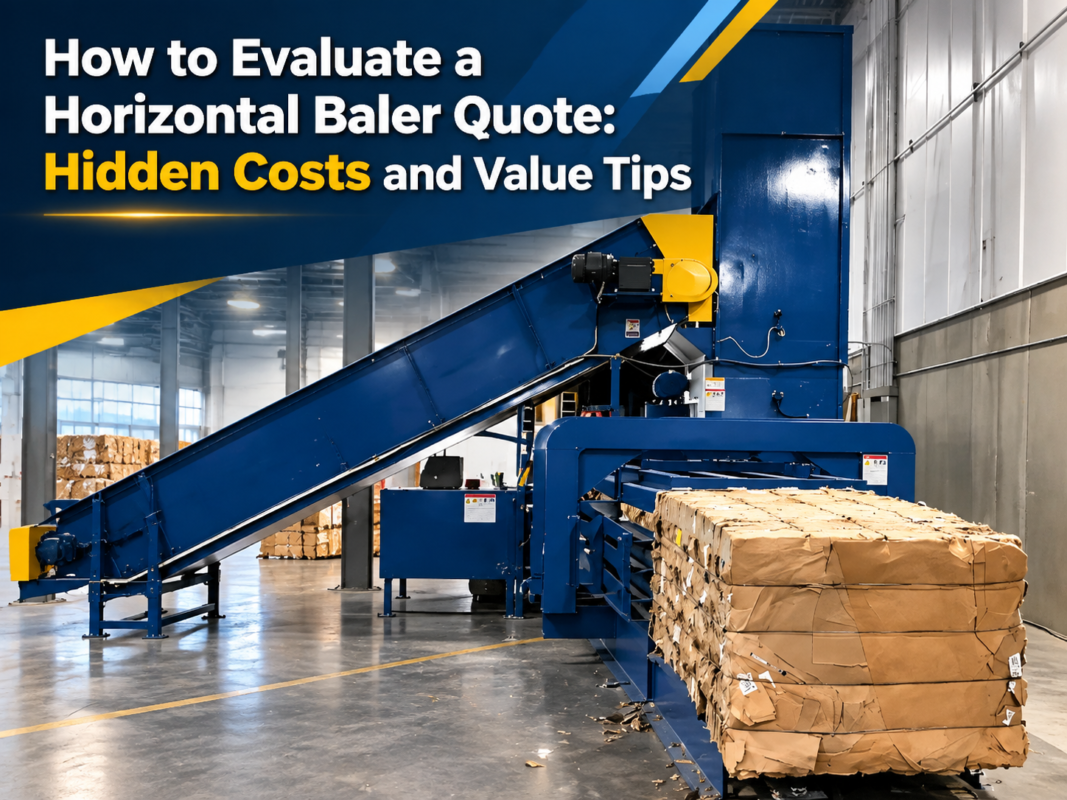
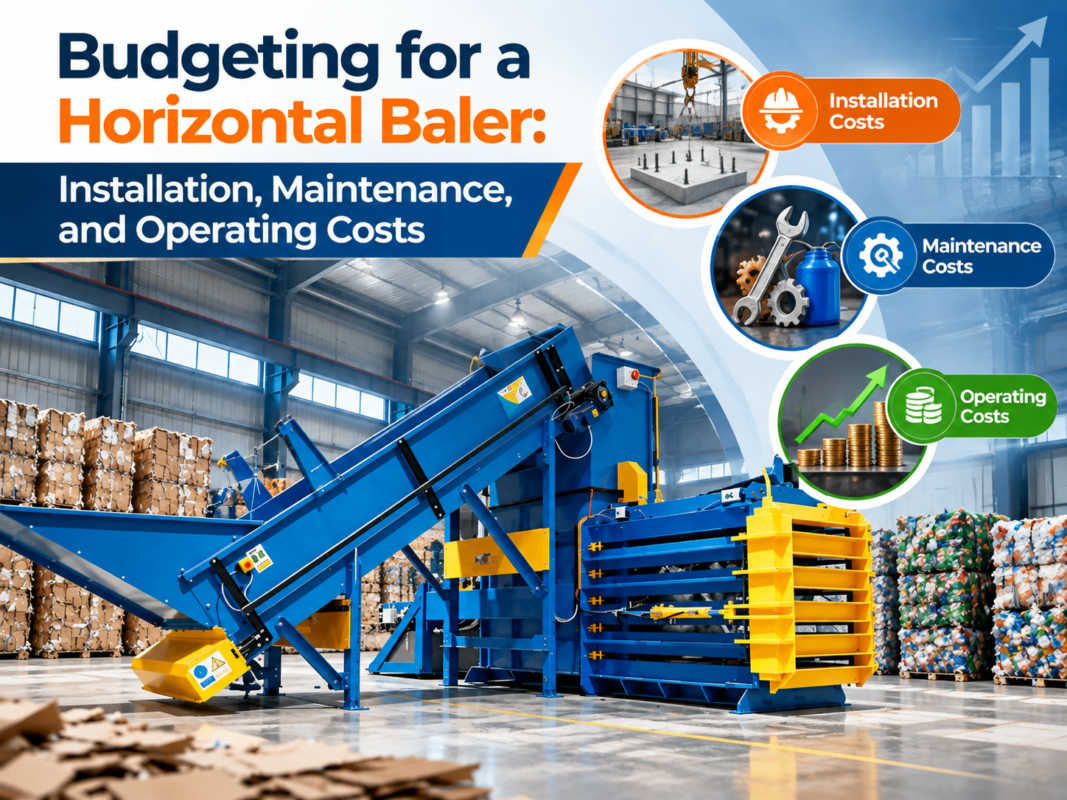
Many buyers focus solely on the purchase price, but the total cost of ownership includes several hidden expenses that can catch a factory manager off guard. Installation is the first hidden cost. Depending on the size of the baler, you may need to pour a reinforced concrete pad, install heavy-duty electrical wiring, or even modify your factory layout to accommodate the machine’s footprint. Always factor in the cost of professional installation and site preparation.
Maintenance and spare parts are ongoing expenses. Hydraulic oil, filters, seals, and wire for the tying system are recurring costs. When choosing a machine, investigate the availability of these parts. If a machine requires proprietary parts that must be shipped from overseas, your downtime could be weeks instead of days. HARSLE emphasizes the importance of choosing machines with standardized, globally available components to minimize these risks.
Training and labor costs should also be considered. An overly complex machine might require specialized training for your staff, increasing your payroll expenses. Conversely, a machine that is too difficult to operate might lead to frequent errors, damaged components, and safety hazards. Ensure that the price you pay includes comprehensive training for your operators, as this is an investment in the longevity of the machine.
Finally, consider the cost of waste disposal and logistics. If your baler produces bales that are not standard sizes, you may face higher shipping costs from recycling companies. By choosing a baler that produces industry-standard bale dimensions, you ensure that your output is always marketable and easy to transport, effectively turning your waste into a revenue stream rather than a disposal cost.
ROI Calculation
To justify the investment, you must calculate the Return on Investment (ROI). Start by determining the current cost of your waste management. This includes dumpster rental fees, hauling charges, and the labor hours spent manually breaking down boxes or moving waste. Once you have this baseline, estimate the savings generated by the baler. Baled material is often purchased by recycling centers, whereas loose waste is a cost to dispose of.
Calculate the revenue potential of your baled material. For example, if you process 10 tons of cardboard per month, and the market price for baled cardboard is $100 per ton, you generate $1,000 in monthly revenue. Subtract the cost of electricity, wire, and maintenance from this figure. The remaining amount is your net monthly benefit. Divide the total cost of the baler by this net monthly benefit to find your payback period.
Consider the indirect ROI as well. A cleaner factory floor leads to improved safety, which reduces the risk of workplace accidents and potential insurance premiums. Furthermore, the space saved by baling waste can be repurposed for production equipment, effectively increasing the revenue-generating capacity of your factory floor. These intangible benefits are often just as valuable as the direct cash flow from recycled materials.
HARSLE recommends performing this calculation over a three-year period. If the payback period is less than 24 months, the investment is generally considered highly favorable. If it exceeds 36 months, you may want to re-evaluate your throughput requirements or look for a more cost-effective model that still meets your basic operational needs without unnecessary bells and whistles.
Buying Advice
When you are ready to choose the right horizontal baler at the best price for your factory, start by conducting a thorough audit of your waste stream. Measure the volume and weight of your daily waste. Do not guess; use a scale to get accurate data. This information is the foundation of your conversation with any machinery supplier. A supplier who tries to sell you a machine without asking for your material density data is likely not prioritizing your long-term success.
Request quotes from at least three reputable manufacturers. When comparing these quotes, ensure you are comparing “apples to apples.” Look at the motor horsepower, the cycle time, the bale size, and the warranty terms. A lower price might be tempting, but if it comes with a shorter warranty or lower-grade steel, it will cost you more in the long run. Ask for references from other factories in your industry that have used the equipment for at least two years.
Prioritize safety features. In the metal fabrication and recycling industry, safety is non-negotiable. Ensure the baler includes emergency stop buttons, safety interlocks on all doors, and light curtains if necessary. A machine that is safe to operate will have fewer insurance issues and higher employee morale. HARSLE machines are built with international safety standards as a core design principle, ensuring peace of mind for factory owners.
Finally, negotiate the service contract. A good supplier will offer a comprehensive service package that includes regular inspections and priority support. Having a dedicated technician who understands your specific machine can save you thousands in lost production time. When you choose the right horizontal baler at the best price for your factory, you are not just buying a piece of metal; you are entering into a partnership that should support your growth for years to come.
FAQ
- What is the typical lifespan of a horizontal baler? With proper maintenance, a high-quality horizontal baler can last between 10 to 15 years, or even longer in moderate-use environments.
- How often should I perform maintenance on my baler? Daily checks of the hydraulic levels and weekly inspections of the tying mechanism are recommended. A professional service should be performed every 6 months.
- Can one baler handle multiple types of materials? Yes, many horizontal balers are versatile, but you must ensure the hydraulic pressure is adjustable to accommodate the different densities of materials like plastic versus cardboard.
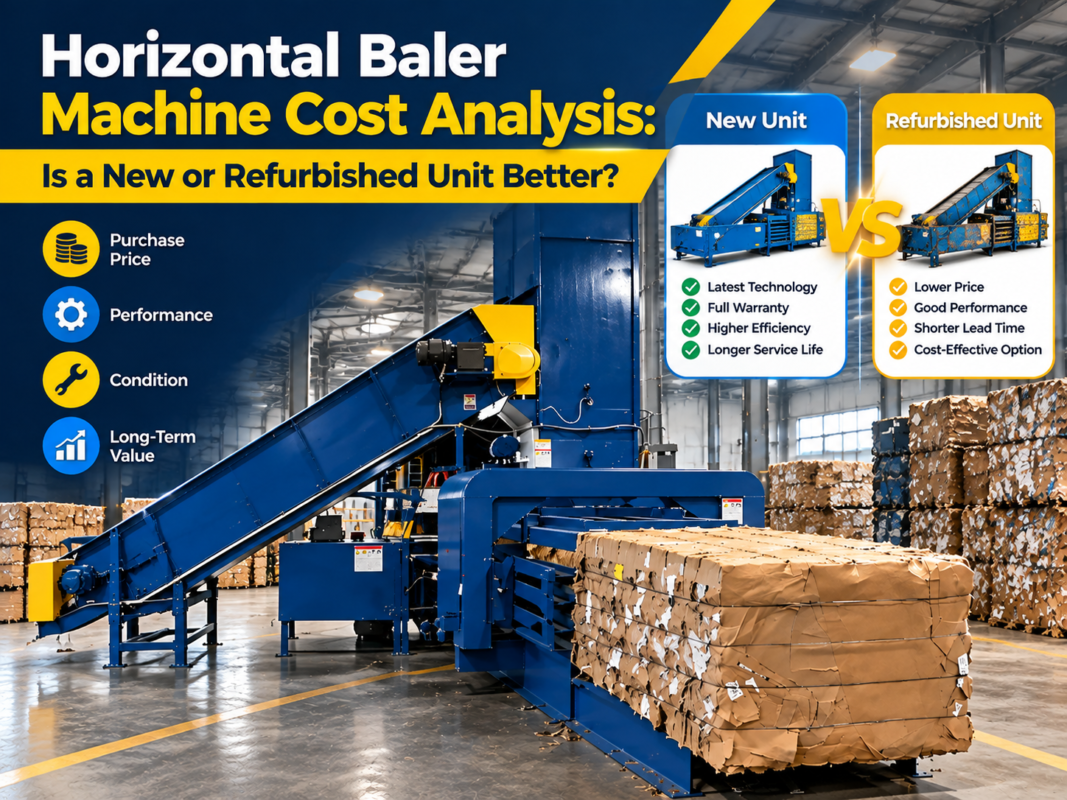
- Is it better to buy new or used? While used balers are cheaper, they often come with hidden mechanical issues and no warranty. For critical factory operations, new equipment is almost always the better investment for long-term reliability.
- What should I do if my baler jams? Always follow the lockout/tagout (LOTO) procedure before attempting to clear any jam. Never reach into the chamber while the machine is powered on.
- How do I know if I need an auto-tie or manual-tie baler? If your daily output exceeds 50 tons per month, an auto-tie system is usually more cost-effective due to the significant labor savings.