How an Industrial Briquetting Machine Supports Sustainable Metal Recycling

Introduction: The Evolution of Metal Waste Management
In the modern era of metal fabrication, the efficiency of a workshop is no longer measured solely by the precision of its cuts or the speed of its production. Instead, sustainability has become a critical pillar of operational success. As manufacturers face increasing pressure to reduce their carbon footprint and optimize raw material usage, the role of waste management has shifted from a logistical burden to a strategic advantage. This is where the question of how an industrial briquetting machine supports sustainable metal recycling becomes central to the conversation.
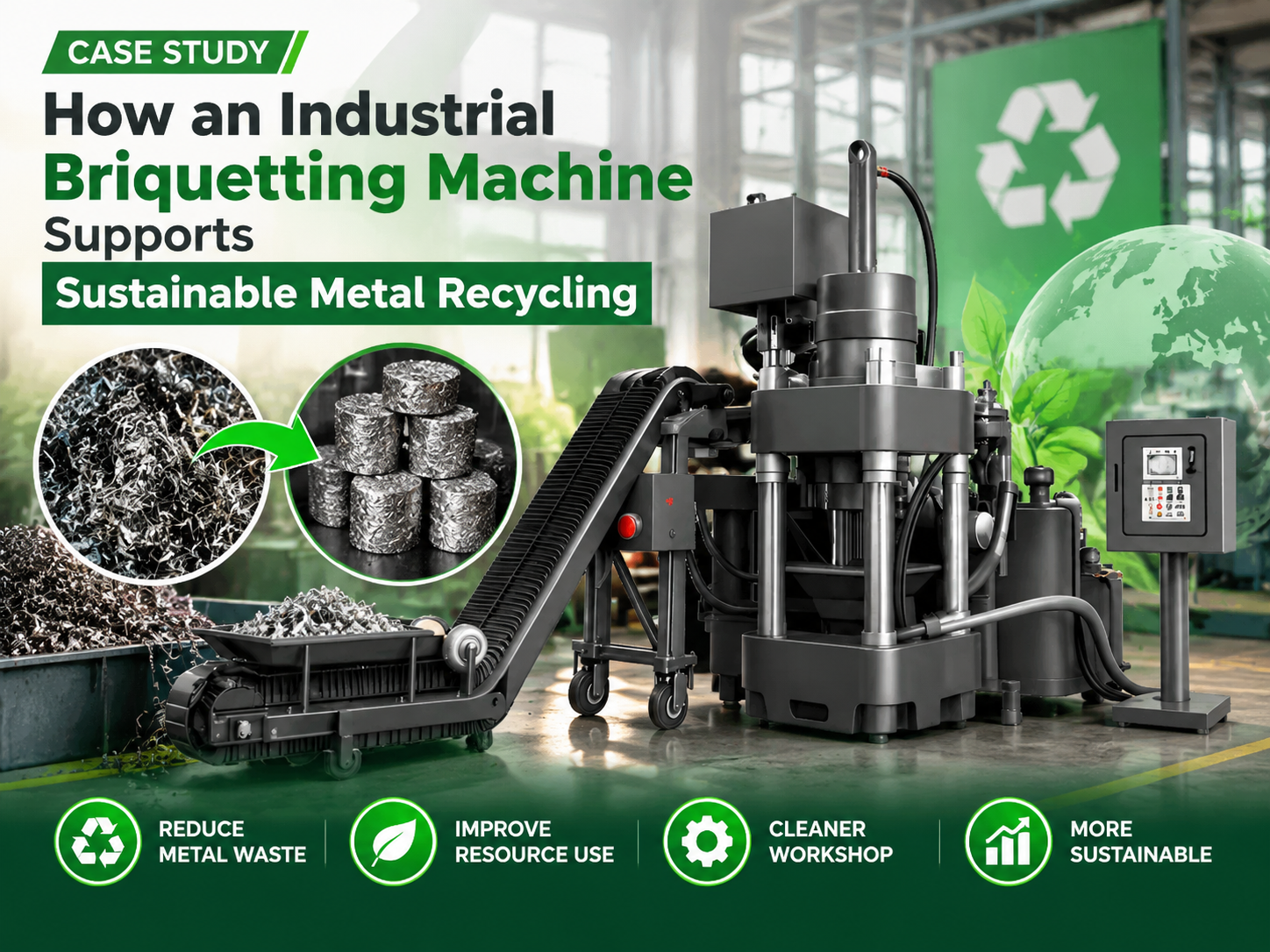
Metal fabrication processes, such as milling, turning, and drilling, inevitably generate significant volumes of metal chips, turnings, and swarf. Traditionally, these byproducts were treated as low-value scrap, often occupying vast amounts of floor space and creating environmental hazards due to residual cutting fluids. By integrating an industrial briquetting machine into the production line, manufacturers can transform these loose, bulky materials into dense, high-value briquettes. This process not only streamlines waste handling but also aligns with circular economy principles.
HARSLE, as a leader in metal fabrication equipment, recognizes that the transition to sustainable manufacturing is not just an ethical choice but a financial one. By densifying metal waste, companies can significantly reduce transportation costs, minimize storage requirements, and command higher prices from recycling facilities. This article explores the technical and economic mechanisms through which an industrial briquetting machine supports sustainable metal recycling, providing a comprehensive guide for facility managers and shop owners looking to optimize their operations.
Key Considerations for Sustainable Metal Processing
When evaluating the implementation of a briquetting system, it is essential to understand the environmental and operational impact of loose metal scrap. Loose swarf is notoriously difficult to manage; it is light, voluminous, and often saturated with hazardous coolants. When left untreated, these materials pose a fire risk, occupy valuable shop floor space, and lead to significant fluid loss, which is both an economic drain and an environmental concern.
The first key consideration is the reduction of volume. Loose metal chips can have a volume-to-weight ratio that makes transportation inefficient. By compressing these chips into solid briquettes, the volume can be reduced by up to 90%. This drastic reduction means that fewer trucks are required to transport the same weight of material, directly lowering the carbon emissions associated with logistics. This is a primary way in which an industrial briquetting machine supports sustainable metal recycling.
Secondly, the recovery of cutting fluids is a major sustainability benefit. Metal chips are often coated in expensive synthetic or oil-based coolants. When these chips are stored in bins, the fluid drips onto the floor, creating slip hazards and potential soil contamination. A high-quality briquetting machine uses hydraulic pressure to squeeze these fluids out of the metal, allowing them to be filtered and reused in the production process. This closed-loop approach reduces the need for purchasing new coolant and minimizes hazardous waste disposal.
Thirdly, the purity of the scrap is significantly improved. Recyclers prefer clean, dense briquettes over loose, contaminated swarf. Briquettes are easier to melt down in furnaces, requiring less energy and producing less slag. This efficiency in the smelting process reduces the overall energy consumption of the metal supply chain, further cementing the role of briquetting in sustainable industrial practices.
Technical Details of Briquetting Technology
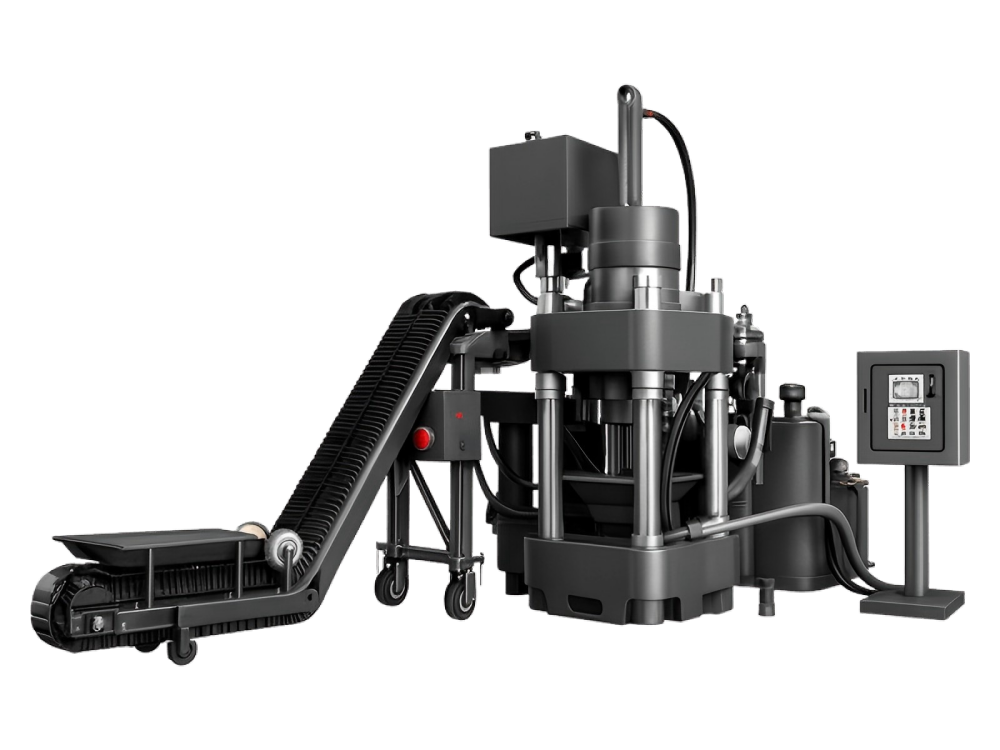
At the heart of the process is the hydraulic press mechanism. An industrial briquetting machine operates by feeding loose metal scrap into a hopper, where a pre-compression chamber prepares the material. A powerful hydraulic ram then exerts intense pressure on the scrap, forcing it into a die. This pressure is sufficient to overcome the elastic memory of the metal, causing it to bond into a solid, cylindrical, or rectangular shape without the need for binders or adhesives.
The technical specifications of these machines are designed to handle various types of metals, including aluminum, steel, copper, brass, and cast iron. Each metal has different physical properties, requiring specific pressure settings and cycle times. Modern HARSLE briquetting machines feature programmable logic controllers (PLCs) that allow operators to adjust these parameters based on the material being processed, ensuring optimal density and fluid extraction rates.
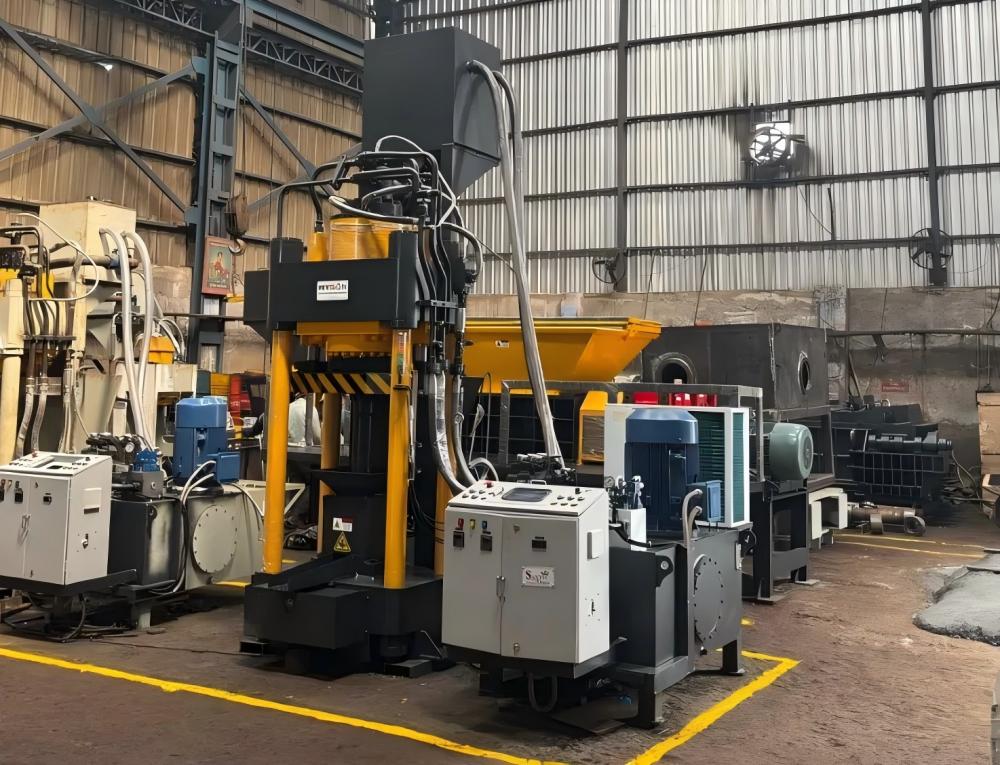
Fluid management is another critical technical component. The machine is equipped with a drainage system that collects the extracted coolant. This fluid is then directed to a filtration unit, where impurities are removed, and the clean coolant is returned to the machine tool’s reservoir. This automation ensures that the recovery process is continuous and does not interfere with the primary fabrication workflow.
Durability and maintenance are also key technical aspects. Because briquetting involves high-pressure metal-on-metal contact, the wear parts—such as the die and the ram—are manufactured from hardened, wear-resistant alloys. Regular maintenance schedules, including the inspection of hydraulic seals and the cleaning of the drainage channels, are essential to ensure the longevity of the equipment and the consistency of the briquette quality.
Selection Advice: Choosing the Right Machine
Selecting the right equipment is crucial for maximizing the return on investment. The first step is to analyze the volume and type of scrap generated by your facility. A high-volume production line may require a fully automated, continuous-feed briquetting system, while a smaller job shop might benefit from a more compact, semi-automatic unit. Understanding your throughput requirements is the foundation of a successful installation.
Consider the physical characteristics of your scrap. Are you dealing with long, stringy turnings or small, granular chips? Long turnings often require a shredder or a pre-crusher to be integrated into the briquetting line to ensure the material can flow into the hopper without clogging. Failing to account for the physical state of the scrap can lead to operational bottlenecks and increased maintenance costs.
Another factor is the type of coolant used. Some coolants are more difficult to extract than others. If your facility uses high-viscosity oils, you may need a machine with a longer dwell time or higher pressure capabilities to ensure maximum fluid recovery. Discussing your specific coolant chemistry with the manufacturer is vital to ensure the machine’s seals and filtration components are compatible.
Finally, look for a partner that offers comprehensive support. Installation, operator training, and the availability of spare parts are just as important as the machine’s specifications. HARSLE provides detailed guidance on how an industrial briquetting machine supports sustainable metal recycling by offering customized solutions tailored to the specific needs of each client, ensuring that the equipment integrates seamlessly into existing production environments.
Case Study: Improving Efficiency in a CNC Machining Facility
A mid-sized CNC machining facility specializing in aerospace components recently faced challenges with their waste management. They were generating tons of aluminum swarf every month, which was being collected in large, open-top bins. The facility was spending significant amounts on coolant replenishment, and the disposal costs for the oil-soaked scrap were rising due to environmental regulations.
After installing a HARSLE industrial briquetting machine, the facility saw an immediate transformation. The loose aluminum chips were converted into dense, dry briquettes. The coolant recovery system allowed them to reclaim over 80% of the cutting fluid that was previously lost to the scrap bins. This resulted in a 30% reduction in annual coolant purchasing costs within the first year.
Furthermore, the scrap metal recycler was able to offer a higher price per ton for the briquettes because they were clean and easy to handle. The facility also freed up 40% of their floor space previously occupied by scrap bins, allowing them to reorganize their production line for better workflow efficiency. This case study perfectly illustrates how an industrial briquetting machine supports sustainable metal recycling by turning a waste management problem into a profitable, eco-friendly process.
Frequently Asked Questions (FAQ)
1. How does an industrial briquetting machine support sustainable metal recycling?
It supports sustainability by reducing the volume of scrap, enabling efficient transportation, recovering valuable cutting fluids for reuse, and increasing the purity and market value of the metal, which reduces the energy required for smelting.
2. Can a briquetting machine handle all types of metal?
Most industrial briquetting machines can handle a wide range of metals, including aluminum, steel, copper, brass, and cast iron. However, the machine settings must be adjusted based on the material’s hardness and density.
3. Is the coolant recovery process automatic?
Yes, modern briquetting machines are designed with integrated drainage and filtration systems that automatically collect and clean the coolant, returning it to the production cycle.
4. How much space does a briquetting machine require?
The footprint varies depending on the model. Vertical briquetting machines are designed for smaller spaces, while horizontal, high-capacity systems require more room. HARSLE offers various configurations to fit different shop layouts.
5. What is the typical ROI for a briquetting machine?
The ROI is achieved through reduced waste disposal costs, increased revenue from high-quality scrap, and significant savings on coolant replacement. Many facilities see a full return on investment within 12 to 24 months.
Conclusion
The integration of an industrial briquetting machine is a transformative step for any metal fabrication business committed to sustainability. By addressing the challenges of waste volume, fluid loss, and scrap contamination, these machines provide a clear pathway to a more efficient and environmentally responsible operation. As we have explored, the answer to how an industrial briquetting machine supports sustainable metal recycling lies in its ability to turn waste into a resource, proving that economic growth and environmental stewardship can go hand in hand.
For manufacturers looking to stay competitive in an increasingly eco-conscious market, investing in high-quality metal fabrication equipment is essential. HARSLE remains dedicated to providing the technology and expertise necessary to help our clients achieve their sustainability goals. By choosing the right briquetting solution, you are not just managing waste; you are optimizing your entire production cycle for a cleaner, more profitable future.