How a Briquetting Machine Improved Chip Drying and Recycling Results in Manufacturing

How a Briquetting Machine Improved Chip Drying and Recycling Results in Manufacturing
In the modern metal fabrication landscape, efficiency is not just about production speed; it is about resource management and waste reduction. For many manufacturers, the accumulation of metal chips, turnings, and swarf represents a significant logistical and financial burden. However, the integration of a high-performance briquetting machine has fundamentally changed the game. By compressing loose metal waste into dense, manageable pucks, facilities are seeing a dramatic shift in their bottom line.
This article explores the technical and operational ways in which a briquetting machine improved chip drying and recycling results in manufacturing. From coolant recovery to logistics optimization, we will break down why this technology is becoming a standard requirement for sustainable metal fabrication plants.
Key Considerations for Metal Waste Management
Managing metal chips is often an overlooked aspect of the manufacturing process. When metal is machined, the resulting chips are coated in cutting fluids or coolants. These loose chips occupy a massive volume, making them difficult to store, transport, and recycle. Without proper processing, these chips are essentially a liability, taking up valuable floor space and creating environmental hazards due to leaking fluids.
The first consideration for any facility manager is the volume of waste generated. High-speed CNC operations produce tons of swarf annually. If this waste is not processed, the cost of disposal increases exponentially. Furthermore, the environmental regulations regarding the disposal of oil-soaked metal are becoming increasingly stringent. Facilities must ensure that their waste management practices comply with local and international environmental standards.
Another critical factor is the value of the scrap metal itself. Loose chips are often sold at a lower price because they are contaminated with coolants and are difficult to melt down efficiently. By briquetting these chips, manufacturers can significantly increase the purity of the scrap. High-density briquettes are much more attractive to foundries and recyclers, often commanding a premium price compared to loose, oily swarf.
Finally, the recovery of expensive cutting fluids is a major economic driver. Coolants are a significant operational expense. When chips are left loose, the fluid remains trapped within the mass of the metal. A briquetting machine acts as a mechanical separator, squeezing out the fluid so it can be filtered, treated, and reused in the machining process. This closed-loop system reduces the need for constant coolant replenishment.
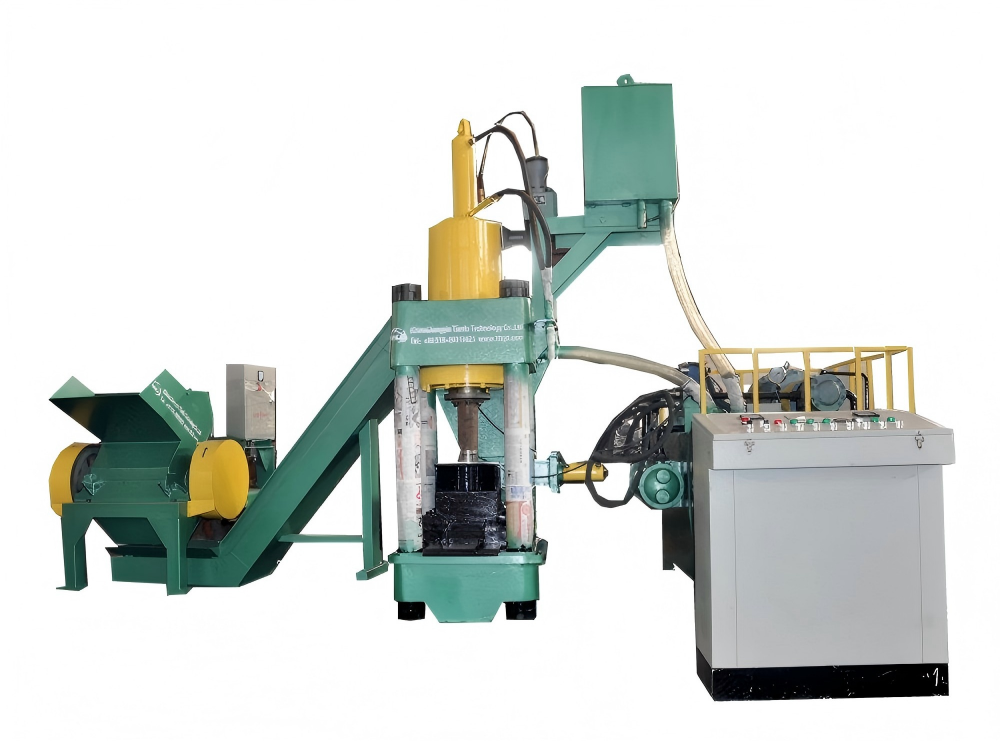
Technical Details: How Briquetting Works
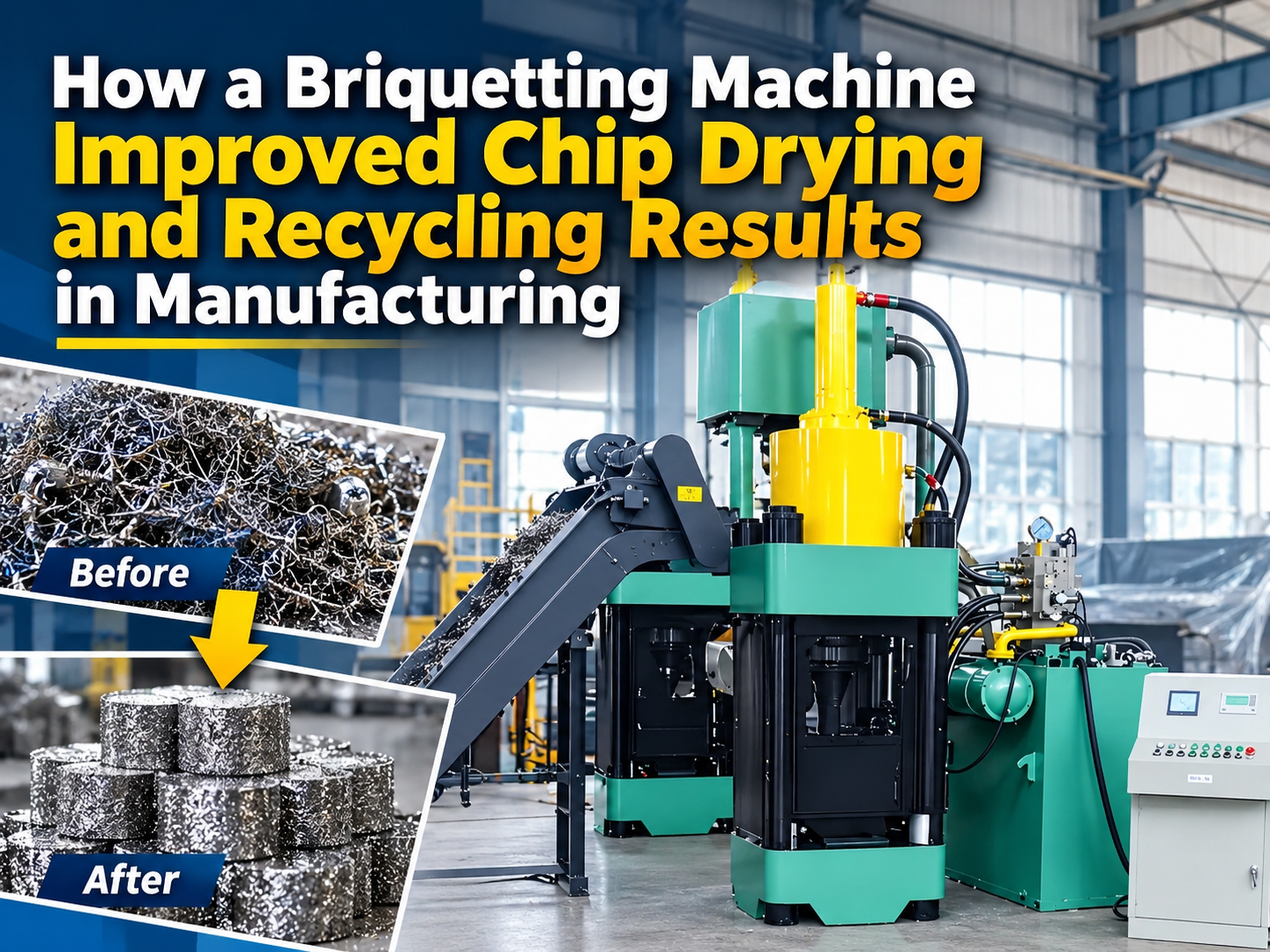
The mechanical process behind a briquetting machine is relatively straightforward but highly effective. The machine utilizes a high-pressure hydraulic system to compress metal chips into a solid, cylindrical, or rectangular form. This process is known as cold-pressing, which means it does not require heat, preserving the metallurgical properties of the metal.
The process begins with the feeding of loose chips into a hopper. An agitator or screw feeder ensures a consistent flow of material into the compression chamber. Once the chamber is filled, a hydraulic ram exerts immense pressure, forcing the chips together. During this compression, the trapped coolant is squeezed out through specialized drainage channels in the machine housing.
The resulting briquette is dense and dry. Because the surface area of the metal has been drastically reduced, the briquette is much less prone to oxidation. This is particularly important for reactive metals like aluminum or magnesium, which can pose fire risks if stored improperly in loose, oily chip form. The briquettes are stable, easy to stack, and can be transported using standard conveyor systems or forklifts.
Technically, these machines are designed for continuous operation. They are built with heavy-duty steel frames to withstand the constant pressure cycles. Advanced models include automated sensors that monitor the moisture content and density of the briquettes, ensuring that the output meets the specific requirements of the recycling facility or the internal melting furnace.
Case Study: Improving Drying and Recycling Results
Consider a mid-sized automotive parts manufacturer that was struggling with high disposal costs and coolant waste. By installing a HARSLE-grade briquetting system, the company was able to reduce the volume of their metal waste by up to 90%. This immediate reduction in volume meant that they required fewer waste containers and fewer trips for disposal trucks, directly impacting their logistics budget.
The drying results were equally impressive. Before the installation, the chips were so saturated with oil that they were classified as hazardous waste. After passing through the briquetting machine, the moisture content of the chips dropped to below 2%. This allowed the manufacturer to reclassify their scrap as non-hazardous, significantly reducing their compliance costs and environmental liability.
Furthermore, the recovery of coolant became a major success story. The facility was able to recover approximately 85% of the cutting fluid that was previously being thrown away with the chips. This recovery rate meant that the machine paid for itself within the first 18 months of operation through savings on coolant purchases alone.
The recycling results were also improved. Because the briquettes were clean and uniform, the local foundry was able to charge a lower processing fee for melting the metal. The high density of the briquettes meant that the melting process was more efficient, requiring less energy and producing less slag. This created a win-win scenario for both the manufacturer and the recycler.
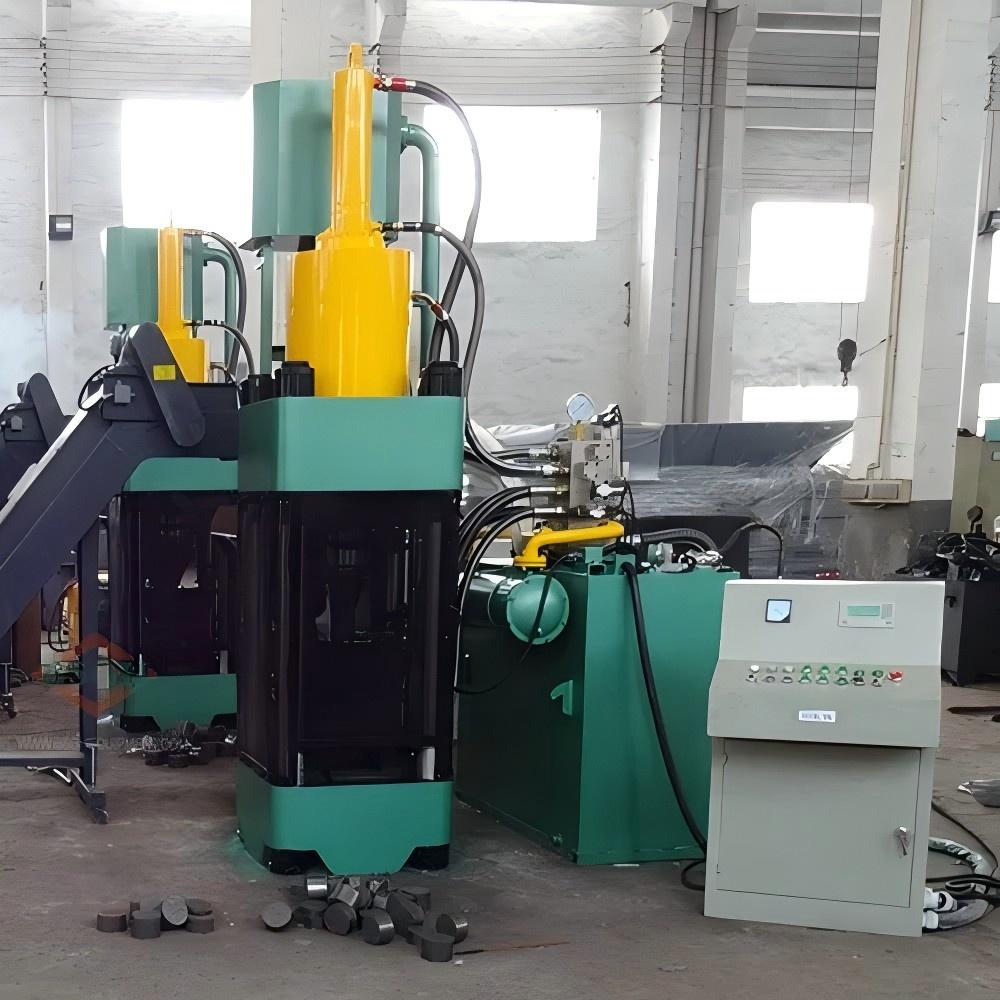
Selection Advice: Choosing the Right Machine
When selecting a briquetting machine, the first step is to analyze the type of metal you are processing. Aluminum, steel, copper, and brass all have different compression characteristics. A machine designed for soft aluminum may not have the pressure capacity required for hardened steel chips. Always consult with the manufacturer regarding the specific material density and chip size you are dealing with.
Consider the throughput capacity. You need a machine that can keep up with your machining center’s output. If the briquetting machine is too slow, you will end up with a bottleneck in your waste management process. Conversely, an oversized machine is an unnecessary capital expenditure. Calculate your daily chip production in kilograms or liters to determine the required hourly capacity.
Automation levels are another key factor. Modern briquetting machines can be fully integrated into existing conveyor lines. Look for features like automatic start/stop sensors, remote monitoring capabilities, and integrated coolant filtration systems. These features reduce the need for manual labor and ensure that the machine operates at peak efficiency throughout the shift.
Finally, look for a reputable manufacturer that offers robust after-sales support. A briquetting machine is a long-term investment. You need access to spare parts, technical support, and maintenance training. HARSLE and similar industry leaders provide comprehensive documentation and service packages that ensure your equipment remains operational for years to come.
Maintenance and Operational Best Practices
To ensure that a briquetting machine continues to provide optimal results, regular maintenance is non-negotiable. The hydraulic system is the heart of the machine; therefore, checking hydraulic fluid levels and ensuring the integrity of seals and hoses is critical. Contaminated oil can lead to premature wear of the pump and valves, leading to costly repairs.
The compression chamber and the ram face are subject to high levels of friction. These components should be inspected for wear and tear on a weekly basis. If the ram face becomes damaged, the density of the briquettes will decrease, and the coolant recovery rate will drop. Replacing these wear parts on a scheduled basis prevents unexpected downtime.
Cleaning the drainage channels is another essential task. Over time, fine metal particles can clog the channels designed to let the coolant escape. If these channels are blocked, the coolant will remain trapped in the briquette, defeating the purpose of the machine. A simple daily cleaning routine can prevent this issue entirely.
Finally, operator training is vital. Staff should be trained not only on how to operate the machine but also on how to identify potential issues before they become major problems. A well-trained operator can spot unusual noises, vibrations, or changes in briquette quality, allowing for proactive maintenance that keeps the system running smoothly.
FAQ: Common Questions About Briquetting
- Q: Can a briquetting machine handle mixed metals?
A: It is generally recommended to separate metals before briquetting. Mixing metals can reduce the value of the scrap and may cause issues during the melting process at the foundry. - Q: How much space does a briquetting machine require?
A: Modern machines are designed to be compact. Many can fit into a footprint of less than 4 square meters, making them suitable for most shop floors. - Q: Does the briquetting process affect the quality of the metal?
A: No, cold-pressing does not change the metallurgical properties of the metal. It simply changes the physical form, making it easier to handle and melt. - Q: How long does it take to see a return on investment?
A: Depending on the volume of waste and the cost of coolant, most facilities see a full return on investment within 12 to 24 months. - Q: Is the coolant recovery process automated?
A: Yes, most modern briquetting machines include an integrated drainage system that collects the recovered coolant and pumps it back into a filtration or storage tank.
Conclusion
The integration of a briquetting machine is a transformative step for any manufacturing facility looking to improve its environmental footprint and operational efficiency. By turning loose, oily chips into dense, dry briquettes, manufacturers can recover valuable coolants, reduce disposal costs, and command higher prices for their scrap metal. As we have explored, the benefits go beyond simple waste management; they touch upon every aspect of the production cycle, from logistics to resource sustainability.
Investing in the right equipment, such as a high-quality briquetting machine, is a strategic move that aligns with the modern demands of the metal fabrication industry. By focusing on proper selection, regular maintenance, and efficient operational practices, manufacturers can ensure that their investment yields long-term dividends. As the industry continues to move toward greener and more efficient practices, the briquetting machine stands out as an essential tool for success.