Horizontal Baler Price Guide: How Much Does a Horizontal Baling Machine Cost in 2026?

Price Range Overview: Understanding the 2026 Market
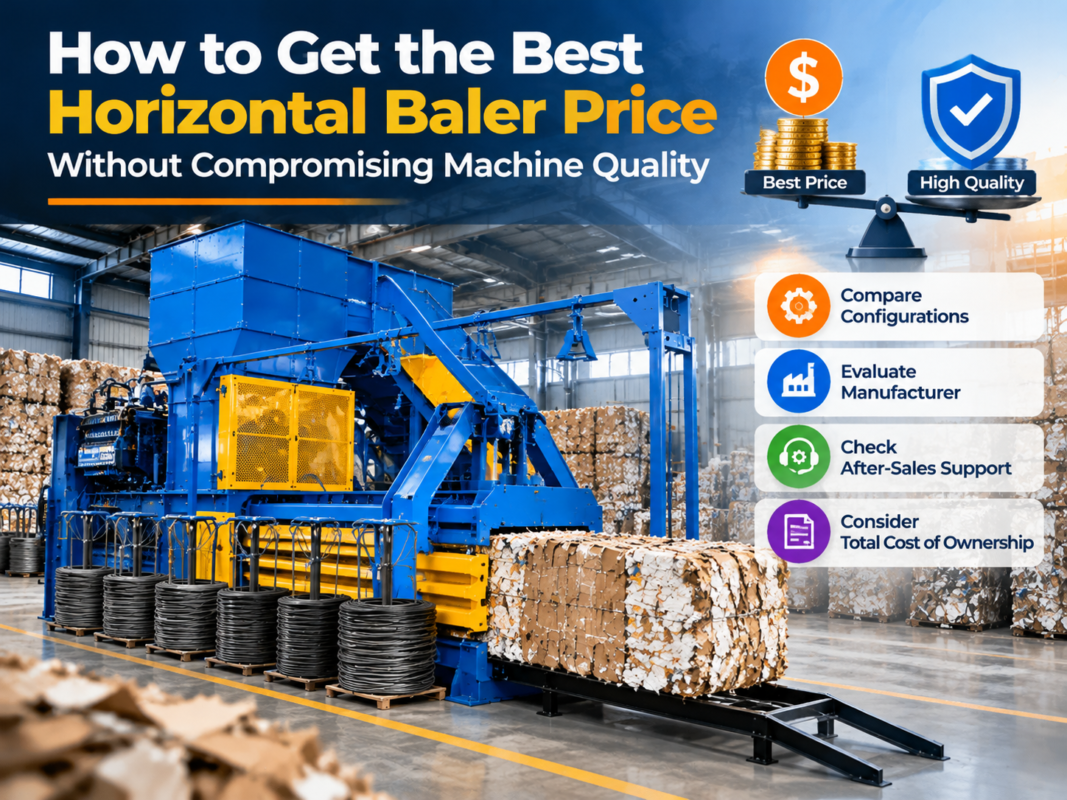
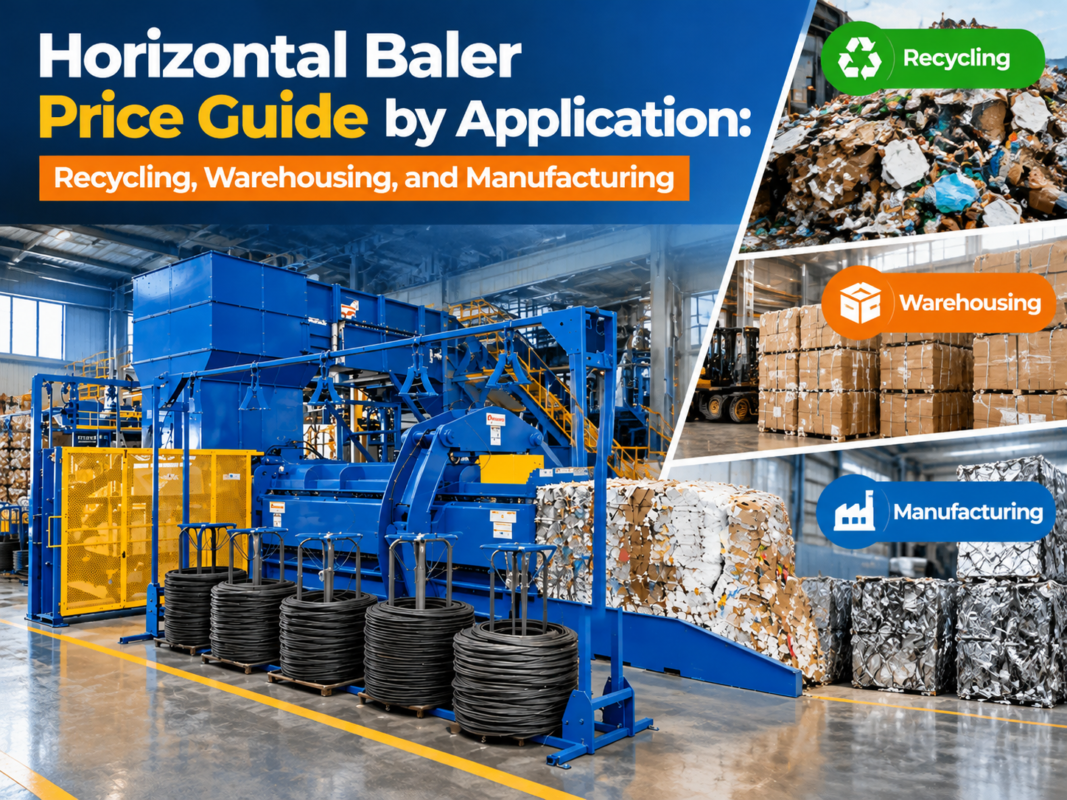
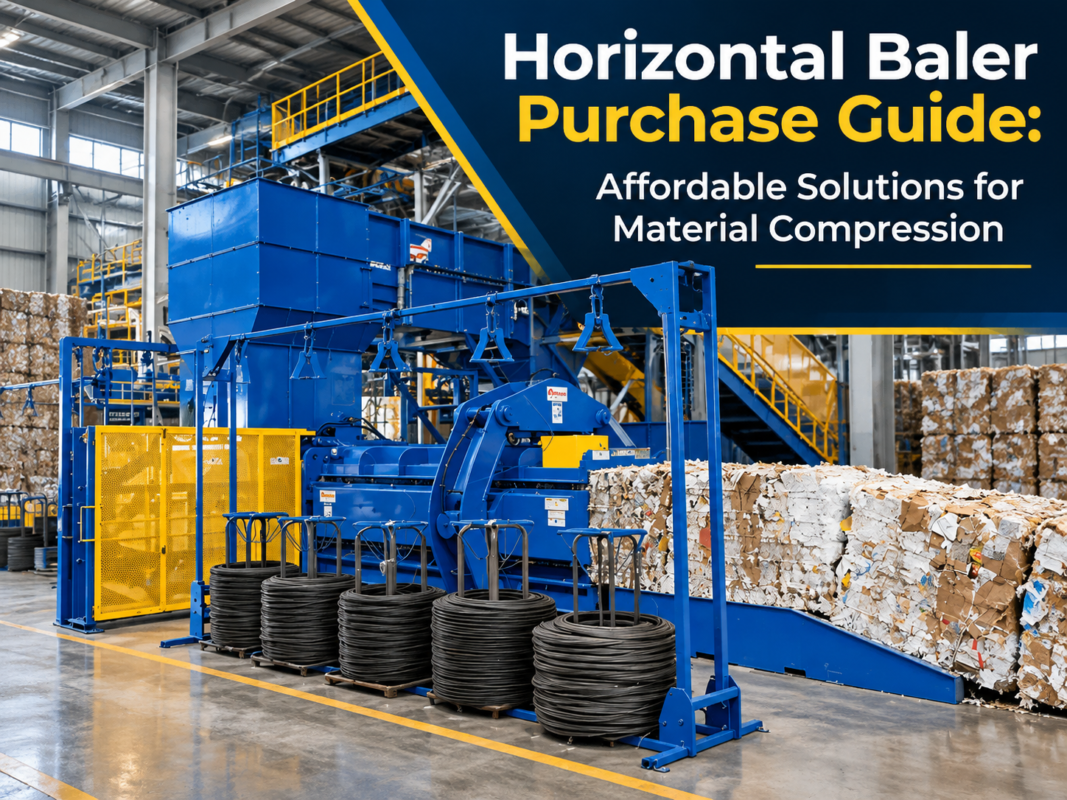
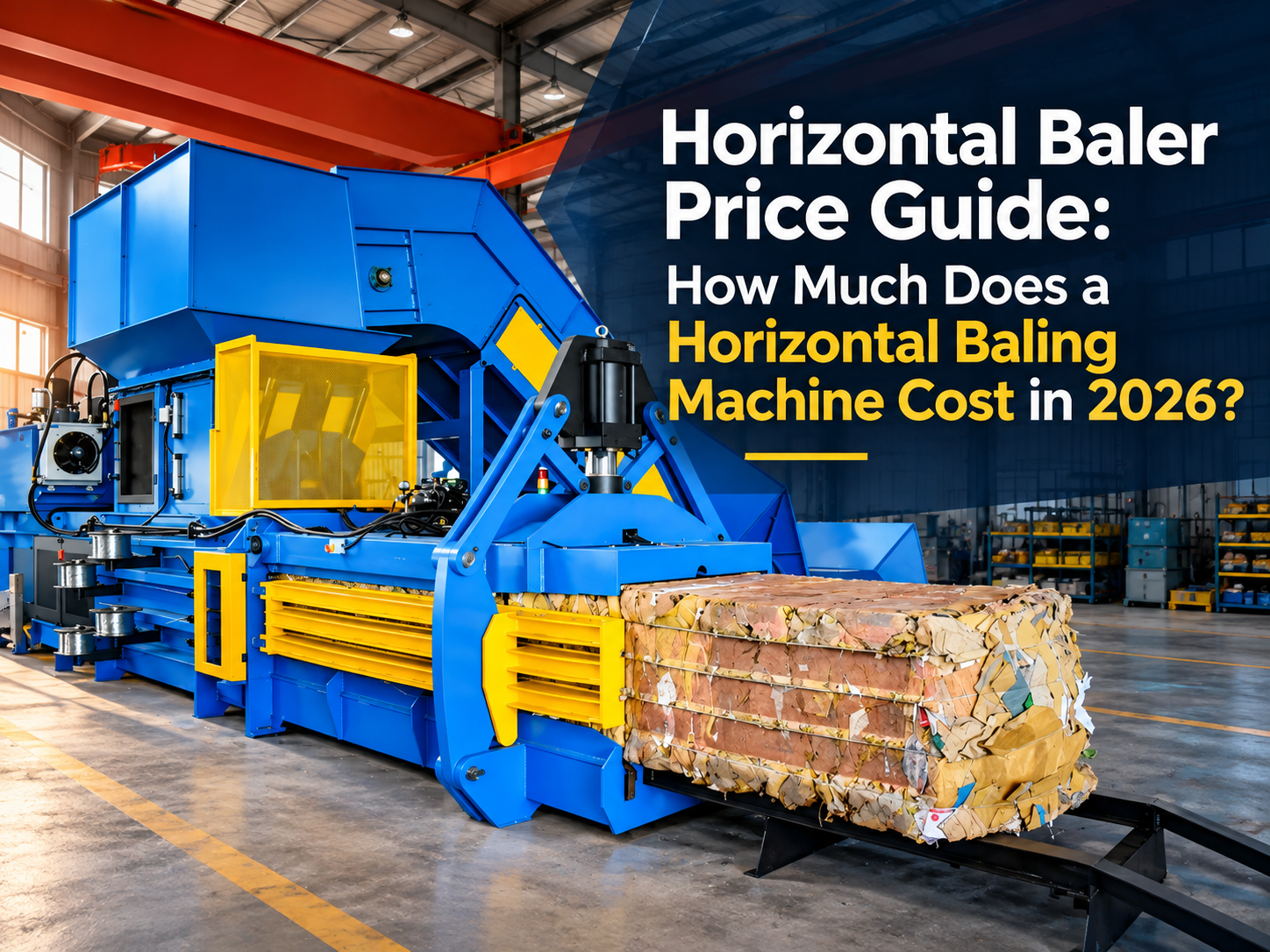
As we move further into 2026, the industrial recycling sector is seeing a significant shift in demand for automated waste management solutions. When asking, “Horizontal Baler Price: Much Does A Horizontal Baling Machine Cost In 2026?”, it is essential to recognize that there is no single price tag. Instead, the market is segmented by throughput capacity, automation level, and material density requirements.
Entry-level semi-automatic horizontal balers typically start in the range of $25,000 to $45,000. These units are ideal for mid-sized facilities that require consistent output but do not demand 24/7 continuous operation. They offer a balance between manual labor and automated efficiency, making them a popular choice for businesses transitioning from vertical to horizontal systems.
Mid-range, fully automatic horizontal balers generally fall between $60,000 and $120,000. These machines are the workhorses of the recycling industry, featuring conveyor feed systems, automatic tying mechanisms, and programmable logic controllers (PLCs). They are designed for high-volume environments where downtime is not an option.
At the top end of the spectrum, heavy-duty industrial balers designed for high-density materials like scrap metal, non-ferrous alloys, or massive volumes of cardboard can exceed $200,000 to $500,000. These systems often include custom-engineered feed hoppers, multi-stage hydraulic cylinders, and advanced telematics for remote monitoring and predictive maintenance.
Main Cost Drivers: What Influences the Price?
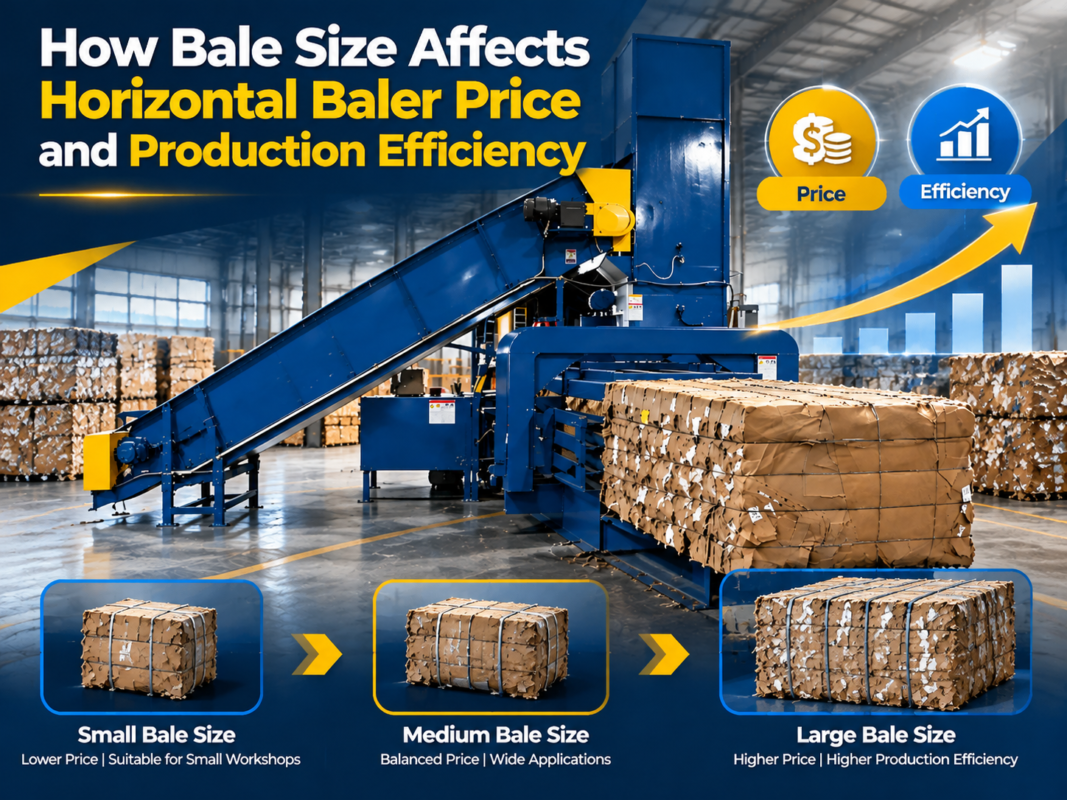
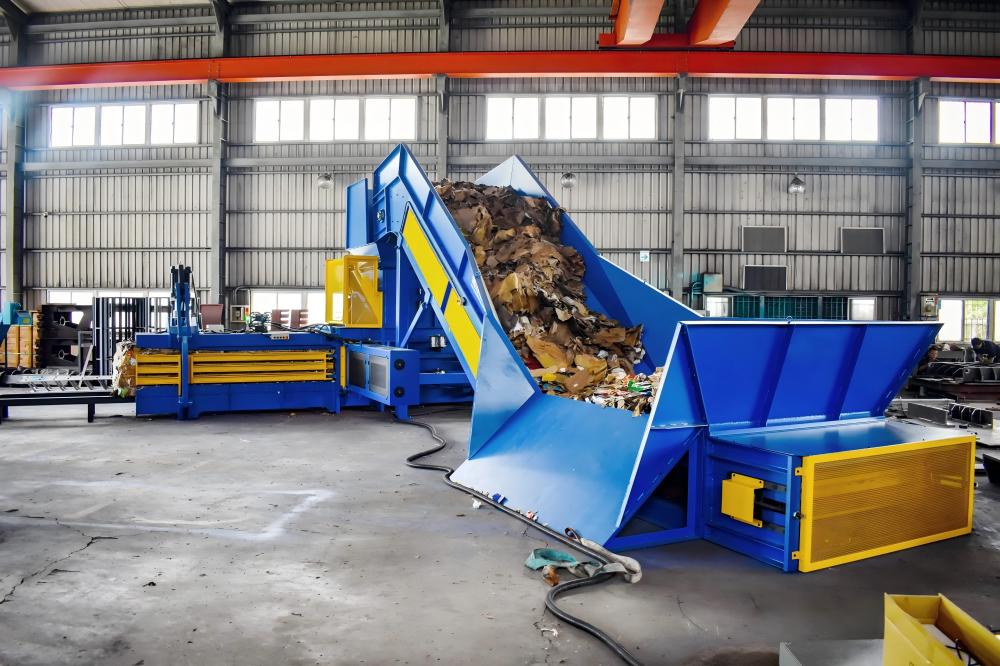
The primary factor driving the cost of a horizontal baler is the hydraulic system’s power. The force exerted by the main ram, measured in tons, dictates the machine’s ability to compress materials. A higher tonnage requirement necessitates larger hydraulic pumps, thicker steel plate construction, and more robust structural reinforcement, all of which drive up the manufacturing cost.
Automation level is the second major cost driver. A manual-tie baler is significantly cheaper than an automatic-tie system. However, the labor costs associated with manual tying often outweigh the initial savings over a two-year period. In 2026, the industry is heavily favoring automatic wire-tying systems due to the rising cost of skilled labor and the need for consistent bale density.
Material throughput capacity also plays a critical role. If your facility processes 5 tons of material per hour versus 20 tons per hour, the engineering requirements for the feed chamber, the shear blade design, and the cooling systems for the hydraulic oil change drastically. Larger throughput machines require more sophisticated sensors and faster cycle times.
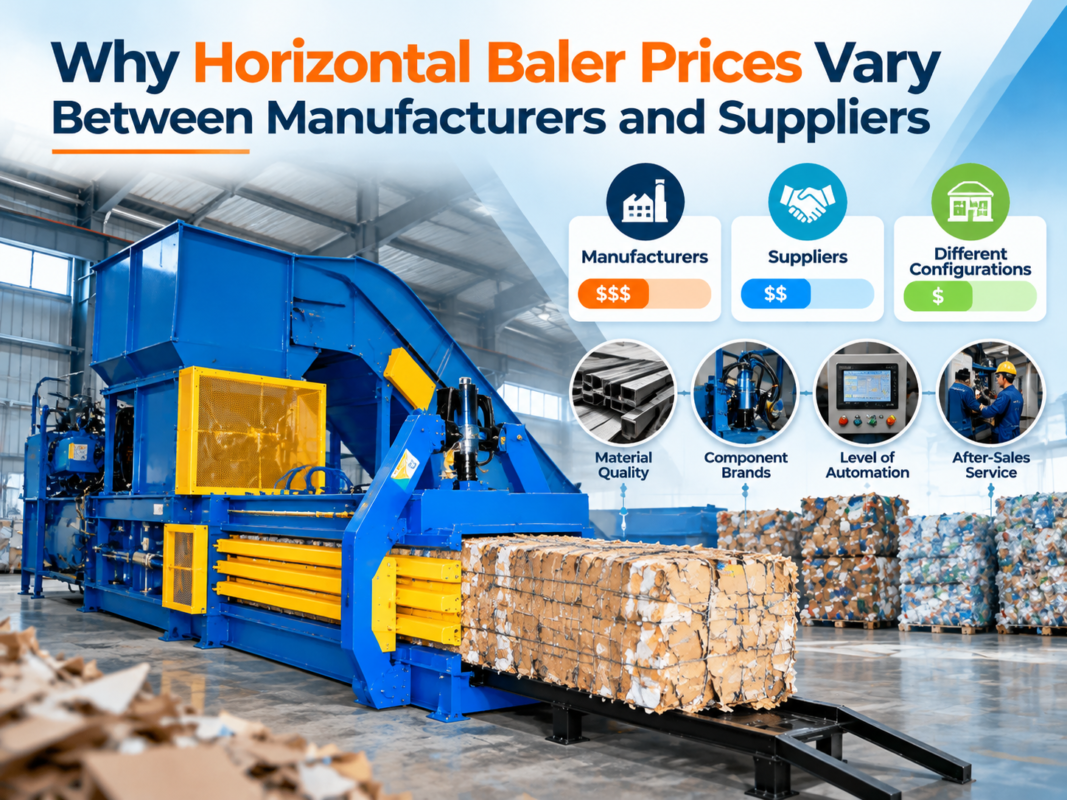
Finally, the quality of components—specifically the PLC, hydraulic valves, and wear-resistant liners—impacts the long-term price. HARSLE and other leading manufacturers utilize high-grade wear plates in the compression chamber to prevent abrasion. While these premium materials increase the upfront investment, they significantly reduce the total cost of ownership by extending the machine’s lifespan.
Configuration Impact: Customization and Efficiency
Customization is often necessary to integrate a baler into an existing production line. For instance, adding a specialized in-feed conveyor system can add $10,000 to $30,000 to the total project cost. These conveyors must be sized correctly to prevent bottlenecks, and they often require variable frequency drives (VFDs) to synchronize with the baler’s cycle time.
The type of bale tying system—whether it is a cross-tie or a single-direction tie—also affects the price. Cross-tie systems are more expensive but are essential for expanding materials like PET bottles or certain types of plastic film that tend to “spring back” after compression. Choosing the wrong tying configuration can lead to bale failure, which is a costly operational error.
Integration with dust extraction and air-conveying systems is another configuration factor. In facilities handling paper or light plastic, the baler must be integrated with a cyclone or air-conveying system to ensure the material enters the hopper evenly. This integration requires additional engineering and safety interlocks, which are factored into the final quote.
Safety features are non-negotiable in 2026. Modern horizontal balers come equipped with light curtains, emergency stop pull-cords, and interlocked access doors. While these are often standard, advanced safety packages that include remote diagnostic capabilities and automated fire suppression systems for high-risk materials (like lithium-ion battery recycling) will increase the base price.
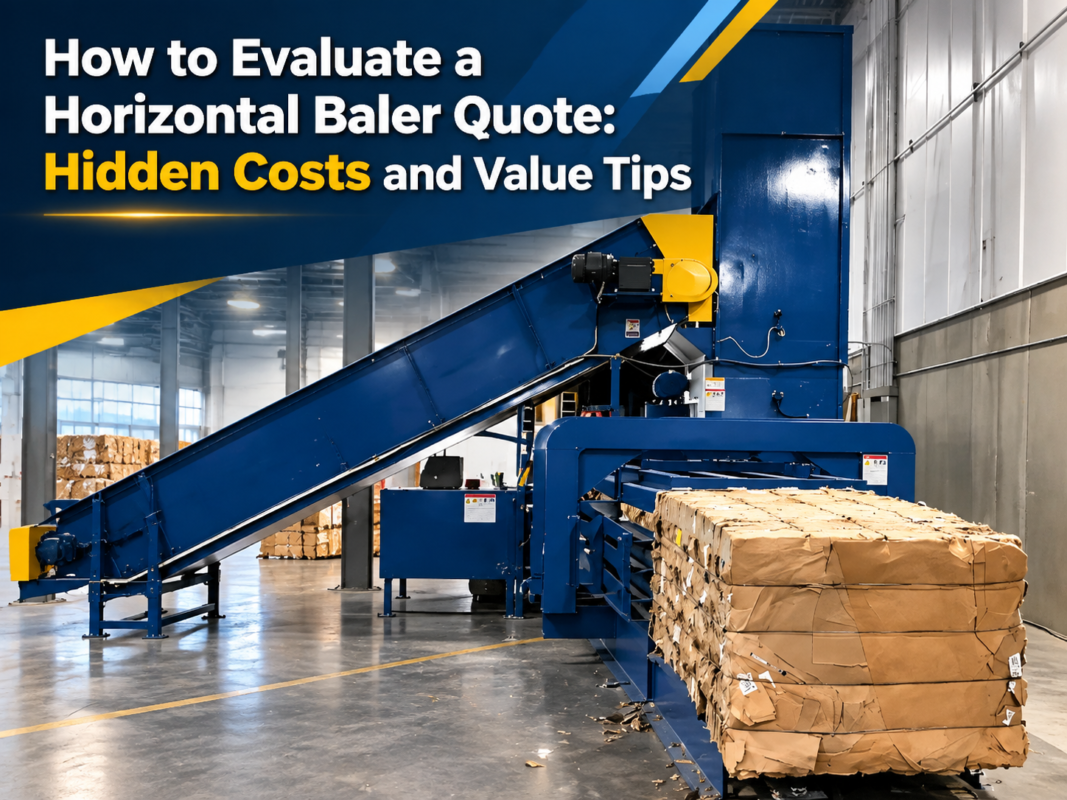
Hidden Costs: Beyond the Sticker Price
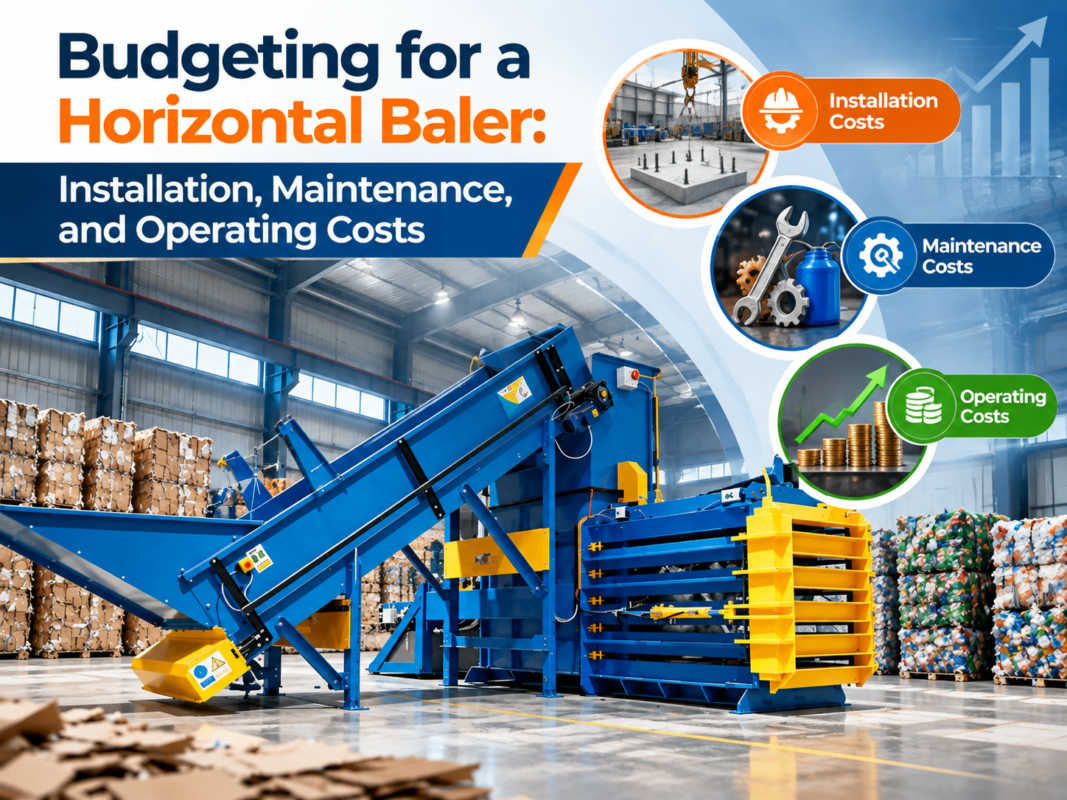
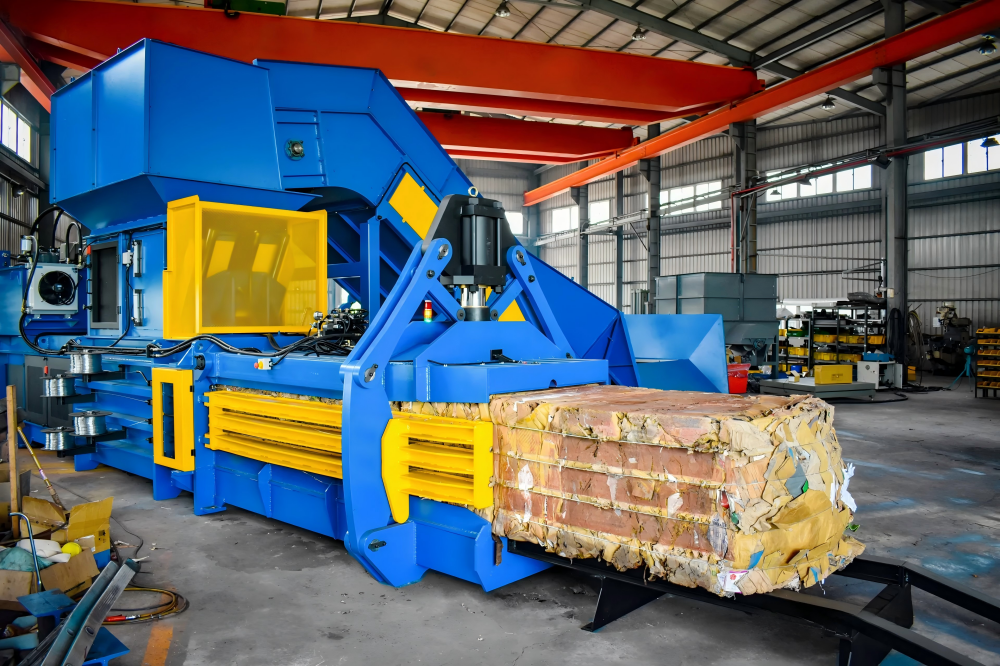
When budgeting for a horizontal baler, many buyers overlook the installation and site preparation costs. A heavy-duty baler requires a reinforced concrete pad, often 12 to 18 inches thick, to handle the weight and vibration of the machine. If your facility floor is not rated for this load, you will need to factor in civil engineering and construction costs.
Electrical infrastructure is another hidden cost. High-capacity balers often require 480V three-phase power. If your facility only has 208V or 240V, or if your current electrical panel is at capacity, you will need to hire an industrial electrician to upgrade your service. This can range from a few thousand dollars to over $20,000 depending on the distance from the transformer.
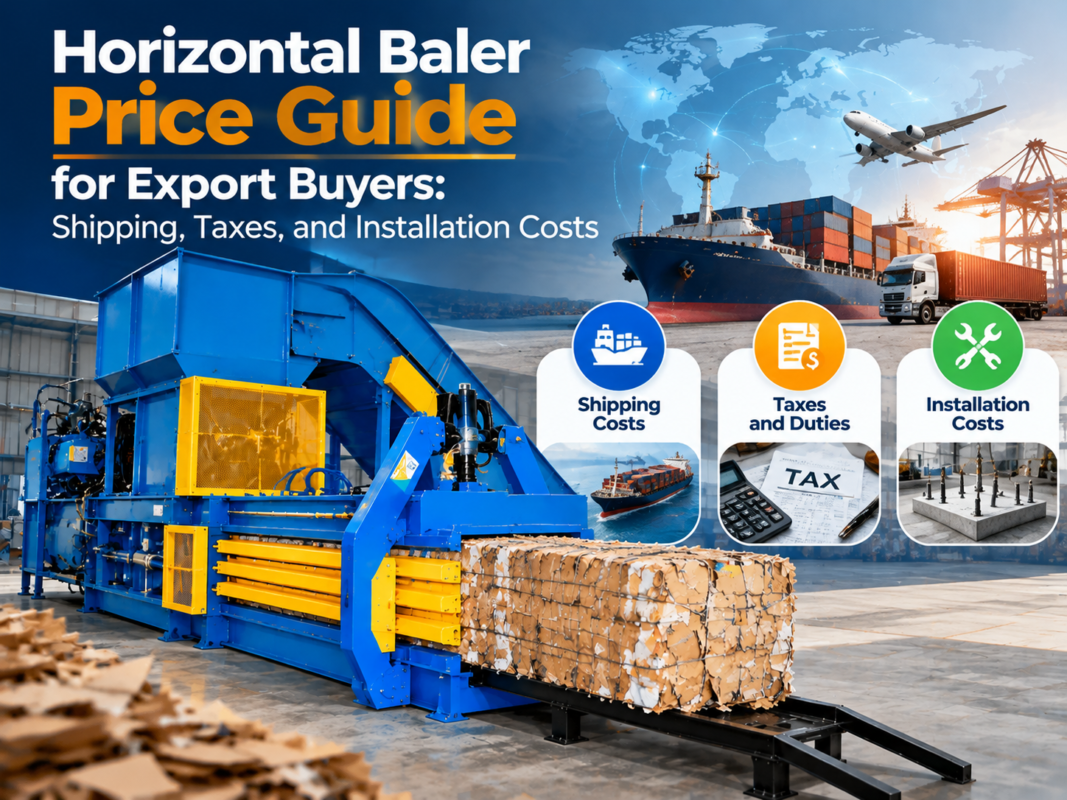
Shipping and logistics for industrial machinery are significant. Because horizontal balers are large and heavy, they often require specialized flatbed transport and crane services for offloading and positioning. It is crucial to get a “delivered and installed” quote from your supplier to avoid surprise logistics fees that can easily add 5-10% to the total cost.
Maintenance contracts and spare parts inventory are often ignored during the initial purchase. In 2026, supply chain stability for specialized hydraulic components is critical. Investing in a “critical spares kit”—which includes seals, proximity sensors, and shear blades—is a smart move that prevents expensive downtime. Budgeting for an annual service agreement with a certified technician is also recommended to maintain the manufacturer’s warranty.
ROI Calculation: Justifying the Investment
To calculate the ROI of a horizontal baler, start by evaluating the current cost of waste disposal. If you are paying for frequent “empty” dumpster hauls, you are essentially paying to ship air. A horizontal baler increases the density of your waste, meaning you can fit more material into a single truckload, drastically reducing your transportation costs.
Next, consider the revenue potential of baled recyclables. Baled cardboard, plastic, and aluminum command a higher market price than loose, un-sorted waste. By processing your waste into high-density, uniform bales, you transform a waste stream into a revenue stream. In many cases, the increased value of the material alone can pay for the machine in 18 to 36 months.
Labor savings are the third pillar of ROI. A manual baler requires an operator to spend significant time loading, tying, and ejecting. An automatic horizontal baler can often be operated by one person who only needs to monitor the system, freeing up labor for more productive tasks. Calculate the hourly rate of your staff and multiply by the hours saved per week to see the immediate impact on your bottom line.
Finally, consider the environmental and regulatory benefits. Many regions are implementing stricter waste diversion mandates. By utilizing a horizontal baler, your company can achieve higher recycling rates, potentially avoiding landfill taxes or fines. These “soft” savings are often the deciding factor for sustainability-focused organizations.
Buying Advice: How to Choose the Right Machine
Before contacting a manufacturer, conduct a thorough waste audit. Measure the volume of material you produce in a typical week and identify the peak production times. A machine that is undersized will lead to bottlenecks, while an oversized machine is a waste of capital. Aim for a baler that can handle your peak volume at 70% of its rated capacity.
Always request a test run with your specific material. Different materials have different “memory” and compression ratios. A baler that works perfectly for corrugated cardboard may struggle with thin plastic film or aluminum cans. Reputable manufacturers like HARSLE will often perform a material test to ensure the hydraulic pressure and shear blade configuration are optimized for your specific waste stream.
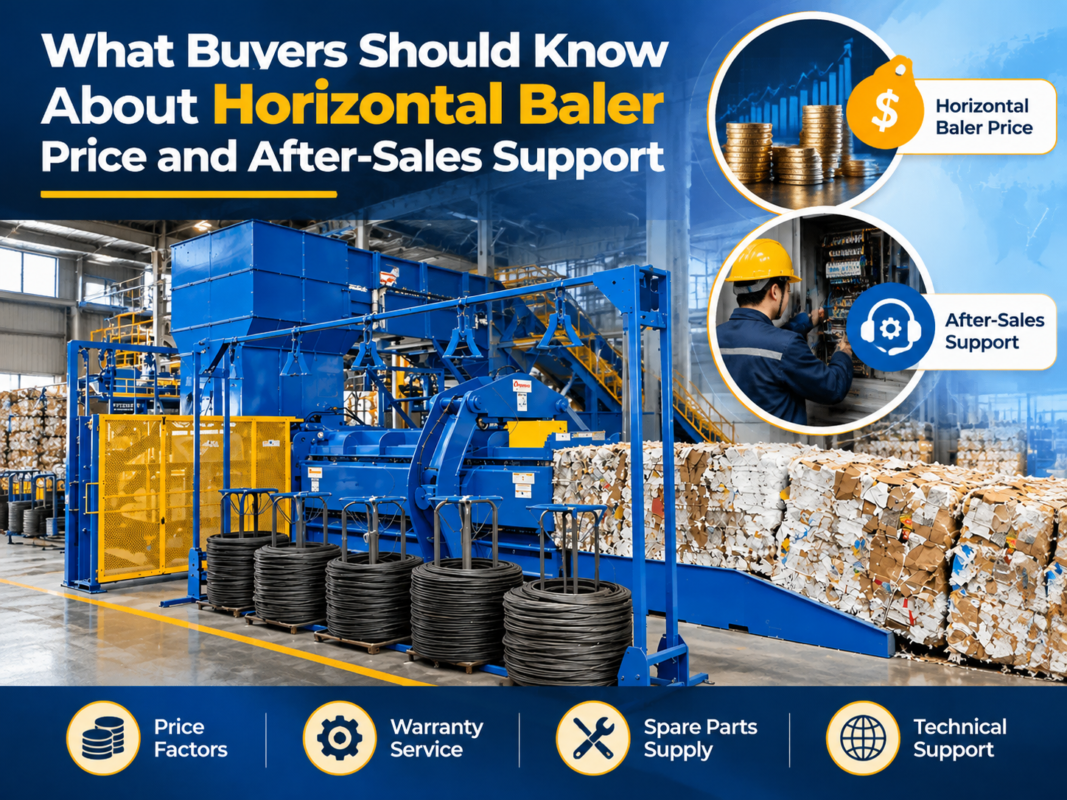
Evaluate the manufacturer’s support network. An industrial baler is a long-term asset. If the machine breaks down, how quickly can a technician arrive? Does the manufacturer offer remote troubleshooting? In 2026, the ability to connect to a machine via the cloud to diagnose a faulty sensor or a hydraulic pressure drop is a massive advantage that minimizes downtime.
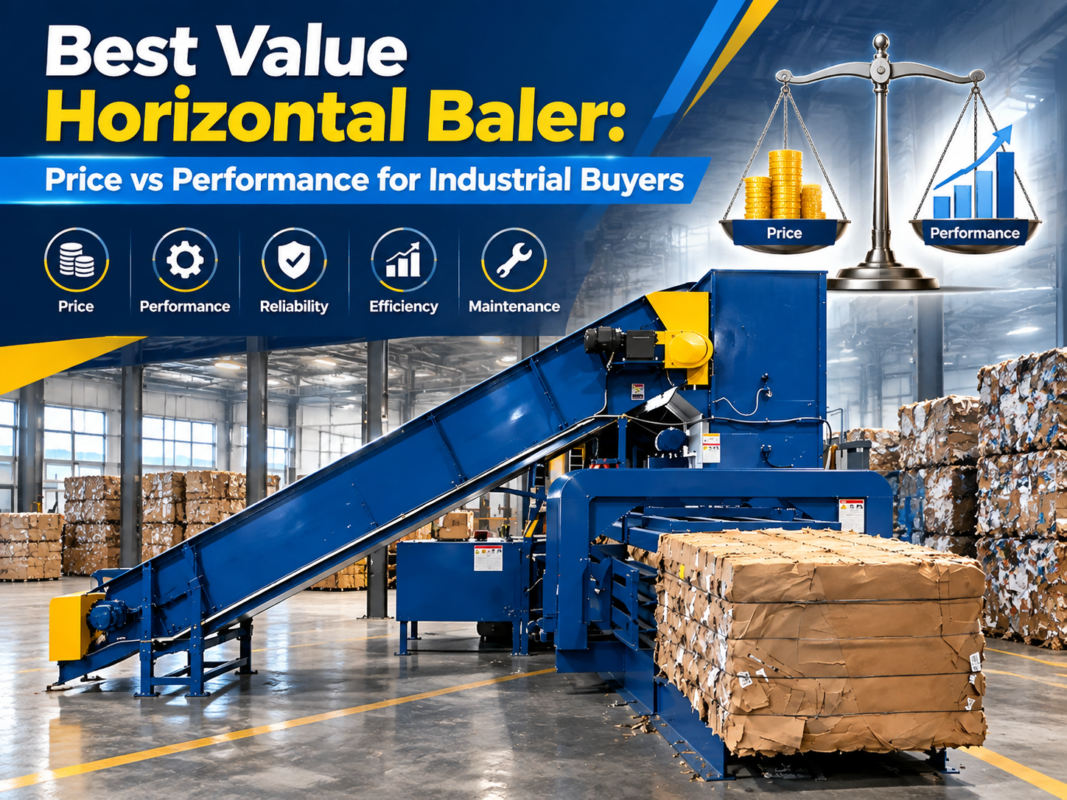
Finally, look at the total cost of ownership, not just the purchase price. Ask for a list of recommended maintenance tasks and the expected lifespan of wear parts. A cheaper machine that requires a new shear blade every three months will end up costing more than a premium machine that lasts for years. Prioritize build quality and reliability over the lowest initial bid.
FAQ: Common Questions About Horizontal Balers
Q: How long does a horizontal baler last?
A: With proper maintenance, a high-quality industrial horizontal baler can last 15 to 20 years. The hydraulic system and structural frame are designed for long-term durability, though wear parts like liners and blades will need periodic replacement.
Q: Can one baler handle multiple types of materials?
A: Yes, many horizontal balers are versatile. However, you must ensure the hydraulic pressure settings are adjustable. Some materials, like scrap metal, require significantly more force than cardboard. Always consult the manufacturer before switching material types.
Q: Is it better to buy new or used?
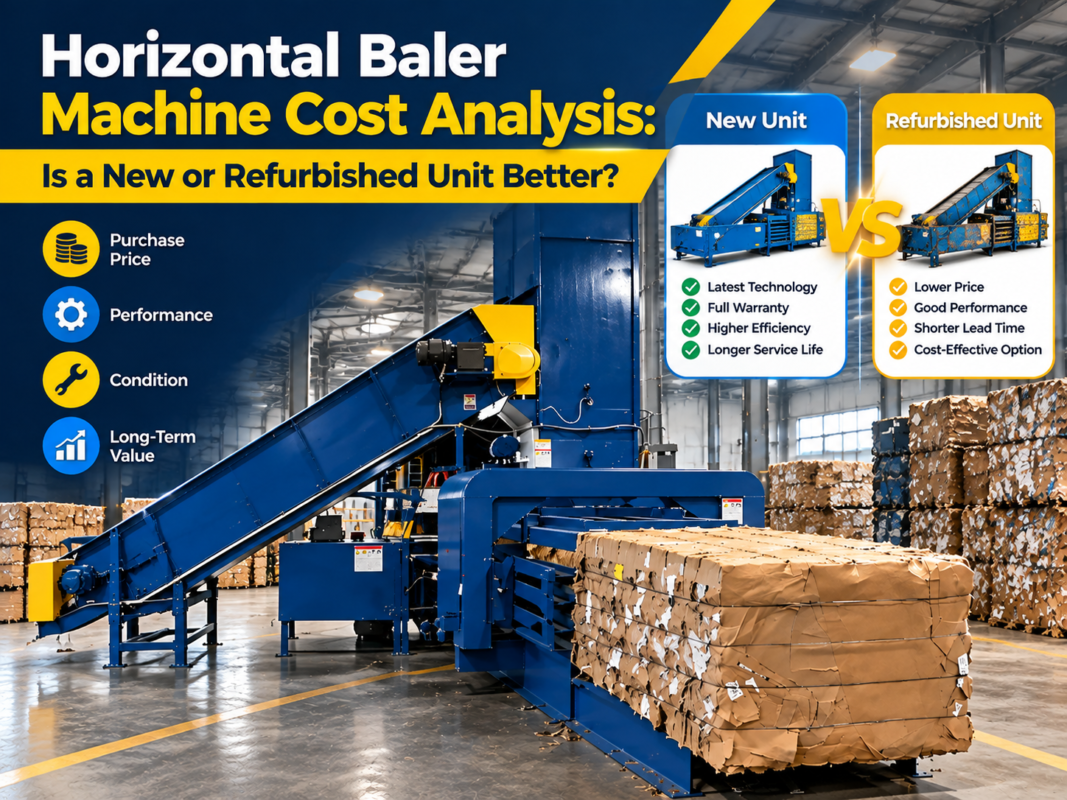
A: For critical production lines, new is almost always better due to the warranty, modern safety features, and the availability of parts. Used machines can be a good value for low-volume operations, but you risk inheriting someone else’s maintenance issues.
Q: How much space do I need for a horizontal baler?
A: You need to account for the machine footprint, the in-feed conveyor, the bale ejection area, and space for a forklift to maneuver. A typical installation requires at least 500 to 1,000 square feet of dedicated space.
Q: What is the most important maintenance task?
A: Keeping the hydraulic oil clean and at the correct temperature is the single most important task. Most hydraulic failures are caused by contaminated oil or overheating. Regular oil analysis and filter changes are essential.