Horizontal Baler Electrical Faults: How to Find and Fix the Problem

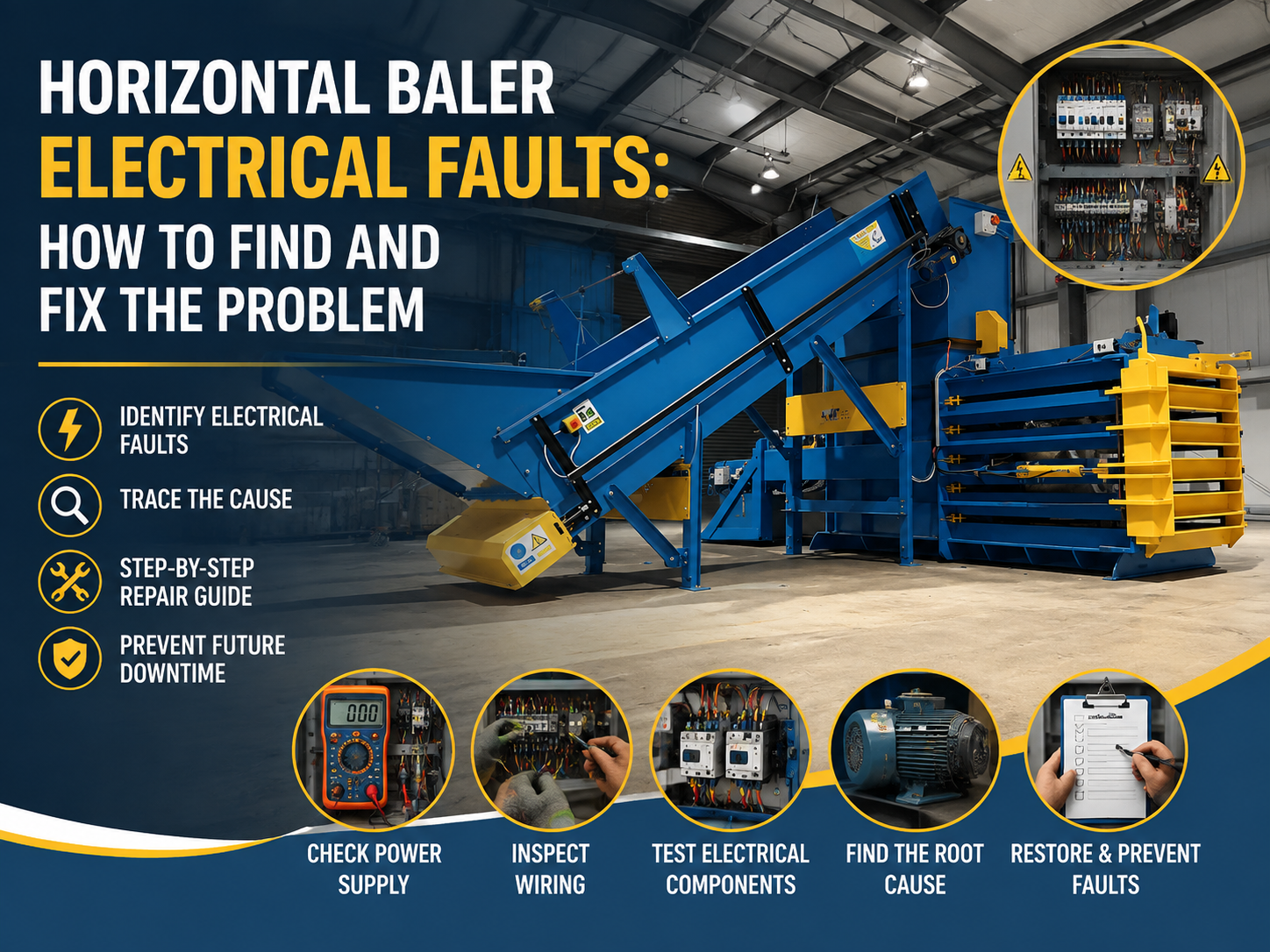
Introduction to Horizontal Baler Electrical Faults
In the high-pressure environment of metal fabrication and waste management, the horizontal baler serves as the backbone of operational efficiency. When these machines experience downtime, the entire production line often grinds to a halt. Understanding horizontal baler electrical faults: how to find and fix the problem is not just a maintenance task; it is a critical skill for facility managers and technicians aiming to maximize uptime. Electrical issues are often the most elusive problems to diagnose, as they can manifest as intermittent failures, sensor errors, or complete system shutdowns.
HARSLE recognizes that modern industrial balers are sophisticated pieces of equipment integrated with complex PLC (Programmable Logic Controller) systems, high-voltage motors, and sensitive safety interlocks. When an electrical fault occurs, the root cause could range from a simple loose wire to a complex software glitch or a failing contactor. This guide provides a comprehensive roadmap for identifying these issues systematically, ensuring that your team can restore operations safely and efficiently.
Before diving into the technical diagnostics, it is essential to emphasize safety. Electrical troubleshooting involves working with high-voltage components that can be lethal if handled incorrectly. Always ensure that the machine is locked out and tagged out (LOTO) before opening electrical cabinets or inspecting internal wiring. By following a structured approach, you can minimize the risk of injury while effectively addressing the underlying electrical faults that plague your horizontal baler.
Key Considerations for Electrical System Integrity
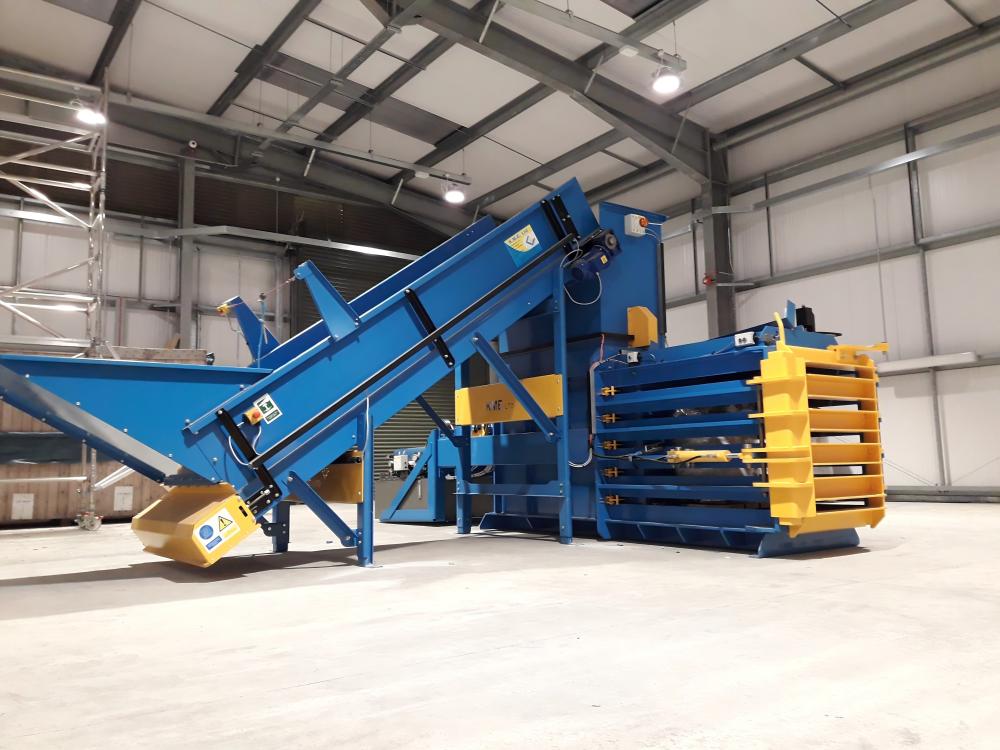
The electrical system of a horizontal baler is subjected to harsh conditions, including vibrations, dust, and fluctuating temperatures. These environmental factors are the primary contributors to premature component failure. To maintain system integrity, regular inspections of the electrical cabinet are mandatory. Ensure that the cabinet seals are intact to prevent the ingress of metallic dust or moisture, which can cause short circuits or tracking across terminal blocks.
Vibration is another silent killer of electrical connections. Over time, the constant cycling of the baler’s hydraulic pump and ram can cause terminal screws to loosen. A systematic maintenance schedule should include a “tightening pass” where every electrical connection is checked for security. Loose connections create high-resistance points, leading to heat buildup, which can melt insulation and eventually cause a total system failure or fire hazard.
Furthermore, the quality of the power supply is often overlooked. Industrial environments are prone to voltage spikes and sags, especially when heavy machinery starts up nearby. Installing surge protection and ensuring that the baler is connected to a stable, properly grounded power source is vital. If your facility experiences frequent power fluctuations, consider installing a voltage stabilizer to protect the sensitive PLC and control electronics from damage.
Finally, documentation is your best defense against electrical faults. Keep an updated set of electrical schematics near the machine at all times. When a fault occurs, having the original wiring diagrams allows your technicians to trace signals from the PLC outputs to the specific actuators or sensors. Without these documents, troubleshooting becomes a guessing game that wastes time and increases the risk of damaging expensive control components.
Technical Details: Diagnosing Common Faults
When addressing horizontal baler electrical faults: find fix problem, the first step is to interpret the PLC diagnostic codes. Most modern HARSLE balers feature an HMI (Human Machine Interface) that displays specific error codes when a fault occurs. These codes are your primary diagnostic tool. If the HMI indicates a “Safety Circuit Open” error, you know immediately that the issue lies within the emergency stop buttons, gate interlocks, or light curtains, rather than the motor starter or hydraulic valves.
If the machine fails to start, begin by checking the control circuit voltage. Use a digital multimeter to verify that the 24V DC or 110V AC control power is present at the PLC input modules. If the power is absent, trace the circuit backward through the emergency stop chain. Often, a single faulty limit switch or a depressed E-stop button is the culprit. Inspect the physical condition of these switches; they are frequently damaged by falling debris or accidental impact during the loading process.
Motor-related faults are another common category. If the main motor hums but fails to turn, or if it trips the thermal overload relay immediately, the issue is likely mechanical or electrical. Check the contactor for pitted or welded contacts. If the contacts are worn, they may not be providing full three-phase power to the motor, causing it to run on two phases—a condition that will quickly burn out the motor windings. Always measure the current draw on each phase to ensure balance.
Sensor failures are particularly frustrating because they can cause intermittent operation. Proximity sensors, which detect the position of the ram, are prone to misalignment or metal chip buildup. If the sensor is covered in conductive dust, it may register a constant “on” state, preventing the PLC from initiating the next cycle. Clean all sensors regularly and verify their operation by observing the status LEDs on the sensor body while manually triggering them with a metal object.
Selection Advice: Preventing Faults Through Quality
When selecting a horizontal baler, the quality of the electrical components is just as important as the hydraulic force. Investing in a machine built with high-quality, globally recognized electrical components—such as Siemens, Schneider, or Omron—can significantly reduce the frequency of electrical faults. These brands offer better reliability, easier availability of replacement parts, and superior documentation, which simplifies the troubleshooting process when issues do arise.
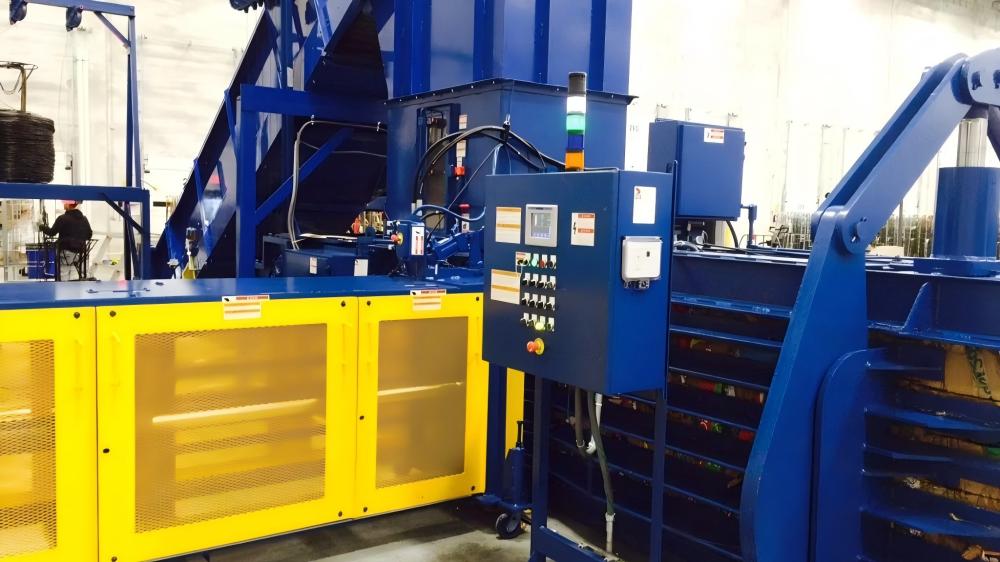
Consider the design of the control cabinet. A well-designed cabinet should be IP65 rated or higher, providing excellent protection against dust and moisture. Look for organized wiring layouts with clearly labeled terminal blocks and wire markers. A messy, unorganized cabinet is a nightmare for maintenance teams and often indicates poor manufacturing standards. HARSLE prioritizes clean, logical wiring layouts to ensure that your maintenance team can work safely and efficiently.
Another factor to consider is the level of automation. While fully automatic balers offer higher throughput, they also have more sensors and complex logic, which increases the potential for electrical faults. If your facility lacks a dedicated electrical technician, a semi-automatic model with simpler controls might be a more sustainable choice. Evaluate your team’s technical capabilities before committing to a highly complex system.
Finally, ask the manufacturer about their remote diagnostic capabilities. Many modern balers now include IoT (Internet of Things) modules that allow factory engineers to connect to your machine remotely. This can be a game-changer, as it allows experts to diagnose software-related faults or PLC logic errors without needing to be physically present on-site, saving you thousands in downtime costs.
FAQ: Frequently Asked Questions
Why does my horizontal baler keep tripping the main breaker?
Tripping the main breaker usually indicates a high-current draw or a short circuit. Check the motor for signs of overheating, inspect the contactors for welded points, and ensure that the hydraulic system isn’t over-pressurizing due to a faulty relief valve. If the motor is drawing excessive current, it may be nearing the end of its service life.
How do I test a proximity sensor on my baler?
Most proximity sensors have an LED indicator. When the sensor detects metal, the light should turn on. If the light doesn’t turn on, check the power supply to the sensor. If it stays on constantly, it may be dirty or faulty. Use a multimeter to check for a signal change at the PLC input terminal when the sensor is triggered.
What should I do if the HMI screen is blank?
A blank HMI screen suggests a power supply issue to the control panel. Check the 24V DC power supply unit (PSU) inside the cabinet. If the PSU is outputting the correct voltage, check the communication cable between the HMI and the PLC. If the cable is intact, the HMI unit itself may have failed.
How often should I perform electrical maintenance?
We recommend a comprehensive electrical inspection every 500 operating hours. This includes tightening all terminal connections, cleaning the interior of the cabinet, checking for signs of heat damage, and testing all safety interlocks to ensure they are functioning correctly.
Conclusion
Mastering the art of diagnosing horizontal baler electrical faults: find fix problem is essential for any industrial operation. By understanding the relationship between the PLC, sensors, and power components, you can transform your maintenance approach from reactive to proactive. Remember that the longevity of your HARSLE equipment depends on the care you provide to its electrical heart. Regular inspections, strict adherence to safety protocols, and the use of high-quality components will ensure that your baler remains a productive asset for years to come. If you encounter a fault that exceeds your team’s expertise, do not hesitate to reach out to HARSLE’s technical support team for professional guidance and support.