Hammer Shredder Uses for Improving Feed Consistency in Reprocessing Lines

Introduction to Hammer Shredder Uses for Improving Feed Consistency in Reprocessing Lines
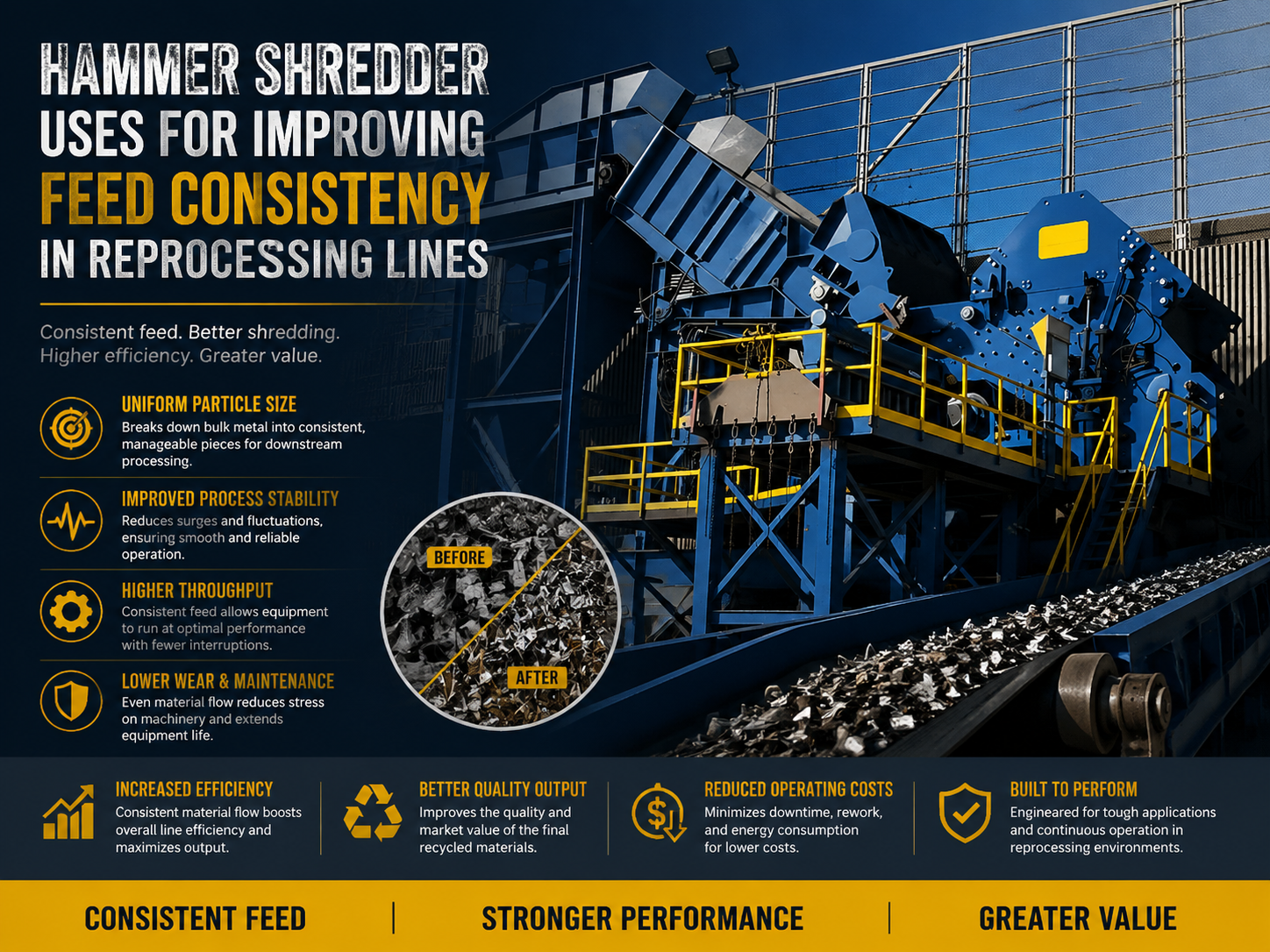
In the modern industrial landscape, the efficiency of a reprocessing line is often dictated by the quality and uniformity of the material entering the system. Hammer shredders, also known as hammer mills, have emerged as the cornerstone technology for achieving this uniformity. When we discuss hammer shredder uses for improving feed consistency in reprocessing lines, we are looking at a sophisticated mechanical process that transforms bulky, irregular scrap into a homogenous feedstock. This transformation is critical for downstream processes such as smelting, extrusion, or chemical recycling, where fluctuations in material size can lead to equipment failure or product defects.
HARSLE has long recognized that the primary challenge in metal and material recycling is the inherent variability of the input. Whether it is automotive scrap, electronic waste, or industrial offcuts, the raw material is rarely ready for immediate processing. A hammer shredder utilizes high-speed rotating hammers to impact the material, shattering it against internal liners and forcing it through a sizing screen. This process ensures that every particle exiting the machine falls within a specific dimensional range, thereby stabilizing the feed rate for the rest of the production line.
The importance of feed consistency cannot be overstated. In a continuous reprocessing line, downstream machines are calibrated for specific volumes and densities. If the feed is inconsistent—containing large chunks followed by fine dust—the system experiences surges and lulls. These fluctuations cause thermal instability in furnaces and mechanical stress on conveyors and separators. By utilizing a hammer shredder, operators can ensure a steady, predictable flow of material, which directly translates to higher throughput and lower energy consumption per ton of processed material.
Key Considerations for Implementing Hammer Shredders
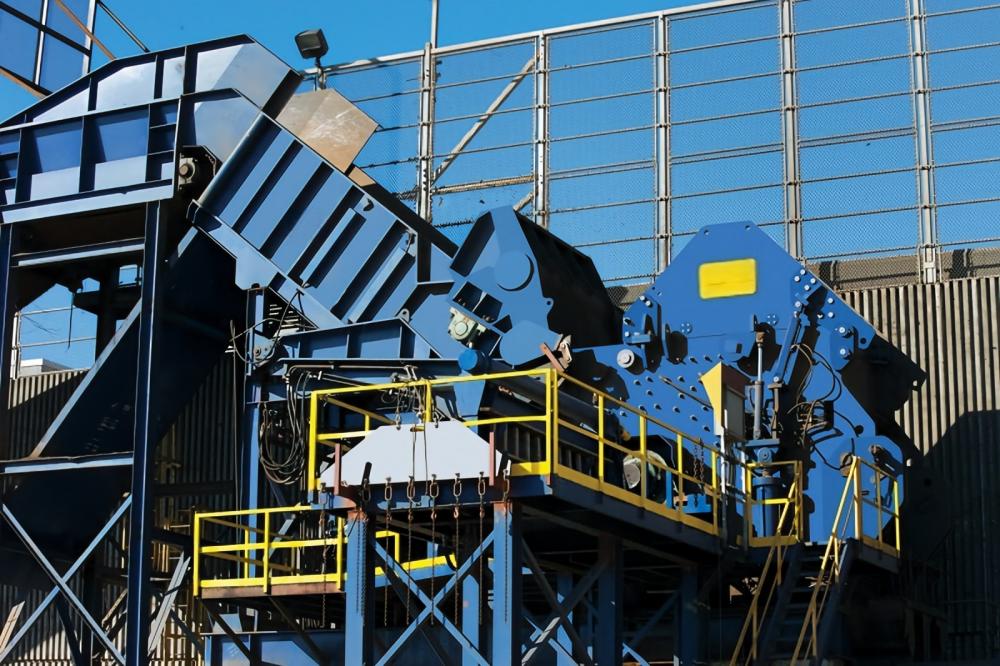
When integrating a hammer shredder into a reprocessing line, several key considerations must be addressed to maximize its effectiveness in improving feed consistency. The first is the nature of the input material. Different materials—ranging from brittle cast iron to ductile aluminum or tough polymers—react differently to high-velocity impacts. Understanding the friability of the material allows engineers to adjust the rotor speed and hammer weight to achieve the desired fragmentation without excessive wear on the machine components.
Another critical factor is the moisture content and contamination level of the feedstock. In many reprocessing lines, materials are stored outdoors or come from waste streams that include oils, plastics, or moisture. These contaminants can affect the flowability of the shredded material. A well-designed hammer shredder system must account for these variables, perhaps by incorporating air classification or magnetic separation immediately following the shredding stage to maintain the purity and consistency of the feed.
Throughput requirements also play a vital role in selection. A hammer shredder that is undersized for the line will become a bottleneck, while an oversized unit will operate inefficiently, consuming more power than necessary. To optimize hammer shredder uses for improving feed consistency in reprocessing lines, the machine must be matched to the peak capacity of the downstream equipment. This ensures that the shredder provides a continuous buffer of prepared material, preventing the ‘starve-and-feed’ cycle that plagues many poorly optimized recycling facilities.
Finally, the physical layout of the reprocessing line must be considered. The transition from the shredder to the next stage—usually via a vibrating feeder or belt conveyor—must be seamless. If the shredded material is allowed to clump or segregate by size during transport, the consistency gained in the shredding process will be lost. Therefore, the integration of the hammer shredder involves not just the machine itself, but the entire material handling ecosystem surrounding it.
Technical Details of Hammer Shredder Operation
The technical prowess of a hammer shredder lies in its rotor assembly. The rotor is the heart of the machine, consisting of a heavy-duty shaft equipped with several rows of hammers. These hammers are typically made from manganese steel or other high-alloy materials to withstand the extreme abrasive forces encountered during operation. As the rotor spins at high RPMs, the hammers extend due to centrifugal force, striking the incoming material with immense kinetic energy. This impact-based reduction is far more effective for creating consistent feed than shear-based shredding for many types of industrial scrap.
The internal geometry of the shredding chamber is equally important. The distance between the hammer tips and the breaker plates (or anvils) determines the initial reduction ratio. As the material is broken down, it moves toward the discharge screens. These screens act as the final gatekeeper for feed consistency. Only material that has been reduced to a size smaller than the screen openings can exit the chamber. By swapping out screens with different hole diameters, operators can precisely control the maximum particle size of the feedstock, tailoring it to the specific requirements of the reprocessing line.
Modern hammer shredders, such as those offered by HARSLE, often feature advanced control systems. These systems monitor the motor’s amperage and adjust the feed rate of the input conveyor automatically. If the shredder encounters a particularly tough piece of material that causes the motor to strain, the control system slows the input to prevent a jam. Once the material is processed and the amperage drops, the feed rate increases. This ‘smart feeding’ capability is a primary driver in improving feed consistency, as it prevents the surges that can disrupt downstream operations.
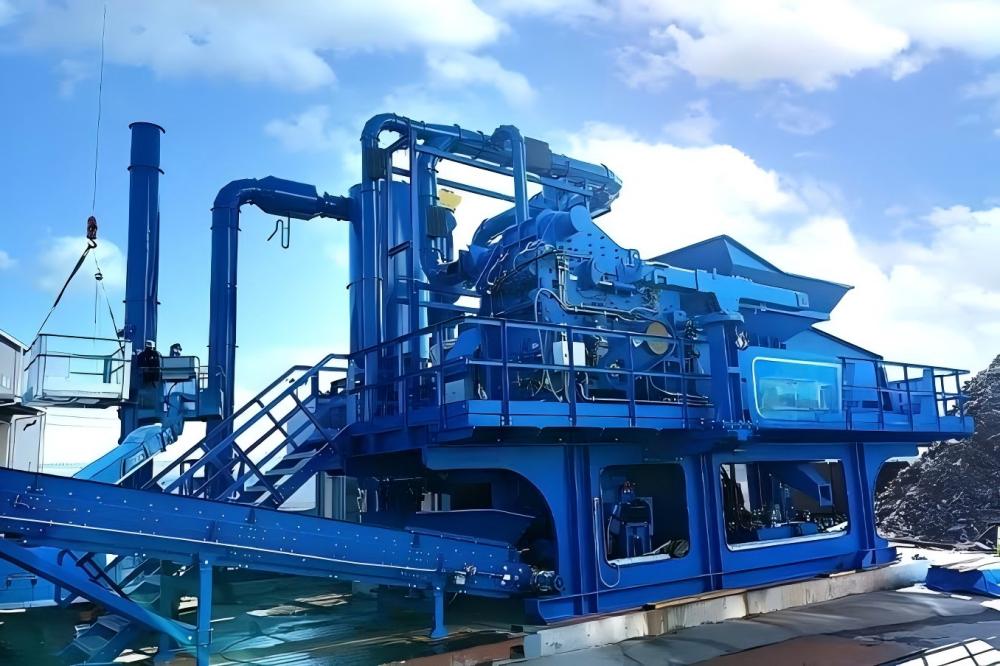
Wear management is a technical necessity in hammer shredder applications. Because the process relies on high-impact forces, the hammers and liners are sacrificial components. To maintain feed consistency over time, these parts must be inspected and replaced regularly. If hammers become too rounded or worn, they lose their ability to shatter material efficiently, leading to an increase in ‘overs’ (oversized particles) and a decrease in throughput. High-quality shredders are designed with easy-access housings to facilitate quick maintenance, ensuring that the machine returns to its optimal performance state with minimal downtime.
Selection Advice for Industrial Reprocessing Lines
Choosing the right hammer shredder requires a deep dive into the specific goals of your reprocessing line. The first piece of advice is to prioritize the ‘reduction ratio.’ If you are starting with large, bulky items and need a very fine output, you might require a two-stage shredding process rather than a single hammer mill. Attempting to achieve too much reduction in a single pass can lead to excessive heat generation and premature wear, which ultimately compromises the consistency of the feed.
Consider the drive system of the shredder. For heavy-duty metal reprocessing, a direct-drive or gear-driven system often provides the torque necessary to handle shock loads. For lighter applications, belt-driven systems might offer more flexibility and protection against sudden stalls. HARSLE engineers recommend evaluating the total cost of ownership, which includes not just the initial purchase price, but the cost of replacement hammers, screens, and the energy efficiency of the motor. A more expensive machine with higher energy efficiency and longer-lasting wear parts often proves more economical in high-volume reprocessing lines.
Safety and environmental factors are also paramount. Hammer shredders are inherently noisy and can generate significant dust. When selecting a unit for a reprocessing line, look for features such as acoustic enclosures and integrated dust suppression or extraction ports. Ensuring a clean and safe working environment is not just a regulatory requirement; it also protects the sensitive electronic components of the downstream line from dust infiltration, further contributing to overall system reliability and feed consistency.
Finally, always request a material test. Most reputable manufacturers, including HARSLE, allow potential buyers to send samples of their specific scrap material for test shredding. This provides empirical data on the particle size distribution, throughput, and power consumption you can expect. Seeing the actual output of your material is the best way to verify that the hammer shredder uses for improving feed consistency in reprocessing lines will meet your exact industrial standards.
Frequently Asked Questions (FAQ)
Q: How does a hammer shredder differ from a shear shredder in terms of feed consistency?
A: A shear shredder uses low-speed, high-torque blades to cut material into strips or chunks. While effective for volume reduction, the output size can vary significantly depending on how the material enters the blades. A hammer shredder uses high-speed impact and a discharge screen, which guarantees that no material larger than the screen size exits the machine, providing much higher feed consistency for fine-processing applications.
Q: Can hammer shredders handle non-metallic materials?
A: Yes, hammer shredders are incredibly versatile. They are widely used in the processing of wood waste, plastics, glass, and even agricultural products. The key is to adjust the hammer design and rotor speed to suit the specific density and brittleness of the non-metallic material to ensure a uniform output.
Q: What is the typical lifespan of hammers in a metal reprocessing line?
A: The lifespan varies greatly depending on the abrasiveness of the material. In clean aluminum recycling, hammers may last several weeks of continuous operation. In glass or high-carbon steel recycling, they may need flipping or replacement every few days. Using hard-faced or tungsten-carbide tipped hammers can significantly extend this interval.
Q: How does feed consistency impact the ROI of a recycling plant?
A: Feed consistency is a major driver of ROI. It allows downstream equipment to operate at peak efficiency, reduces the frequency of system-wide shutdowns caused by jams or surges, and ensures a higher quality end-product that can be sold at a premium. It also reduces energy waste by preventing the ‘idling’ of downstream machines when they are starved of material.
Q: Is it possible to automate the hammer shredder within a larger line?
A: Absolutely. Modern hammer shredders are designed to be integrated into SCADA (Supervisory Control and Data Acquisition) systems. They can communicate with upstream conveyors and downstream separators to balance the flow of the entire line automatically, which is the ultimate goal of improving feed consistency.
Conclusion: Maximizing Efficiency with HARSLE Solutions
In conclusion, the strategic application of hammer shredder uses for improving feed consistency in reprocessing lines is a transformative step for any industrial recycling operation. By converting unpredictable scrap into a uniform, high-quality feedstock, these machines serve as the vital link that enables downstream processes to function at their theoretical maximum efficiency. The mechanical precision of the rotor, the customizable nature of the discharge screens, and the robustness of the hammer alloys all work in concert to eliminate the variability that so often hinders industrial productivity.
HARSLE remains committed to providing the metal fabrication and recycling industries with the heavy-duty machinery required to meet these challenges. Our hammer shredders are engineered for durability and precision, ensuring that your reprocessing line remains consistent, profitable, and sustainable. As the global demand for recycled materials continues to grow, the ability to produce a consistent feed will become an even greater competitive advantage. Investing in high-quality shredding technology is not just an operational choice; it is a commitment to industrial excellence and resource efficiency.
Whether you are processing ferrous metals, electronic waste, or complex industrial composites, understanding and optimizing the role of the hammer shredder is key. By focusing on the technical details of impact reduction and the strategic integration of the machine into your workflow, you can achieve a level of feed consistency that sets your facility apart in the marketplace. Trust HARSLE to provide the expertise and equipment necessary to power your reprocessing success.