
Hammer Shredder Purchase Guide: What Buyers Need to Know About Throughput, Wear Parts, and Safety

Introduction to Industrial Hammer Shredders
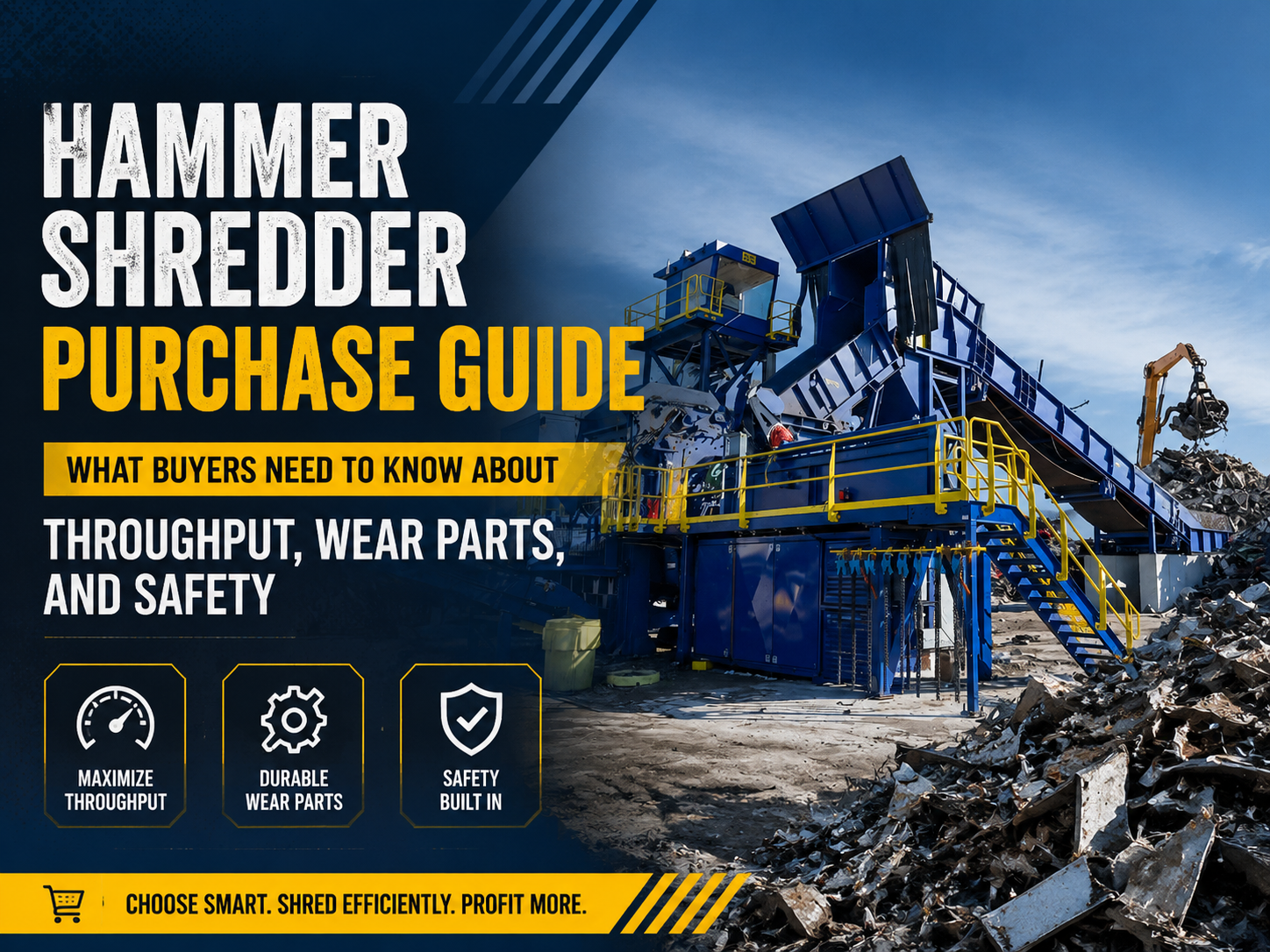
In the world of metal recycling and waste management, the hammer shredder stands as a cornerstone of efficiency. These robust machines are designed to pulverize, shatter, and reduce various materials—ranging from scrap metal and electronic waste to industrial plastics—into uniform, manageable pieces. However, making a Hammer Shredder Purchase : Buyers Need Know About Throughput, Wear Parts, Safety is not a decision to be taken lightly. The capital investment is significant, and the long-term operational costs can either make or break a facility’s profitability.
A hammer shredder operates on the principle of high-velocity impact. A heavy-duty rotor, equipped with free-swinging hammers, spins at high speeds. When material enters the crushing chamber, it is struck by these hammers and flung against breaker plates or grates until it is small enough to pass through the discharge screen. This process requires immense structural integrity and precision engineering. For buyers, understanding the nuances of machine configuration, the metallurgy of wear parts, and the integration of modern safety features is essential to ensuring a high return on investment (ROI).
As industrial demands evolve, manufacturers like HARSLE have integrated advanced automation and reinforced materials to meet the rigorous needs of modern scrap yards. This guide aims to provide a deep dive into the critical factors that influence the purchasing process, helping you navigate the complexities of throughput requirements, maintenance cycles, and safety compliance.
Price Range Overview: Setting Realistic Budget Expectations
The price of a hammer shredder varies wildly based on its scale, power, and intended application. For small-scale operations or specialized recycling (such as e-waste or aluminum cans), entry-level shredders typically range from $25,000 to $60,000. These machines are often compact, sometimes mobile, and feature motors ranging from 30kW to 75kW. While they offer lower throughput, they are ideal for businesses testing new markets or processing low volumes of material.
Mid-range industrial hammer shredders, which are the workhorses of the scrap metal industry, generally fall between $75,000 and $250,000. These units are designed for continuous operation and can handle heavier materials like light iron, white goods (appliances), and automotive components. They feature reinforced housings, sophisticated hydraulic opening mechanisms for maintenance, and motors exceeding 150kW. At this price point, buyers expect a balance between high throughput and manageable maintenance costs.
At the top end of the spectrum, heavy-duty car shredders and large-scale industrial plants can cost anywhere from $500,000 to over $2 million. These massive installations are capable of processing dozens of tons per hour and require significant infrastructure, including dedicated power substations and advanced conveyor systems. When considering a Hammer Shredder Purchase : Buyers Need Know About Throughput, Wear Parts, Safety, it is vital to align the budget not just with the initial sticker price, but with the projected volume of material to be processed over the machine’s lifespan.
Main Cost Drivers in Hammer Shredder Manufacturing
Several technical factors dictate the final price of a hammer shredder. The most prominent is the motor and drive system. High-torque, high-efficiency motors (often IE3 or IE4 rated) command a premium but significantly reduce long-term electricity bills. Furthermore, the inclusion of a frequency inverter (VFD) allows for soft starts and adjustable speeds, which protects the motor from surge damage and allows the operator to tune the machine to specific material types.
The quality of steel and metallurgy used in the construction is another major cost driver. The main housing must be thick enough to withstand constant internal bombardment. Many premium shredders use Hardox or similar abrasion-resistant liners. If a manufacturer uses standard mild steel for the internal liners, the machine will be cheaper upfront but will require frequent, expensive repairs. The rotor itself—the most critical component—must be dynamically balanced and forged from high-strength alloys to prevent catastrophic failure under load.
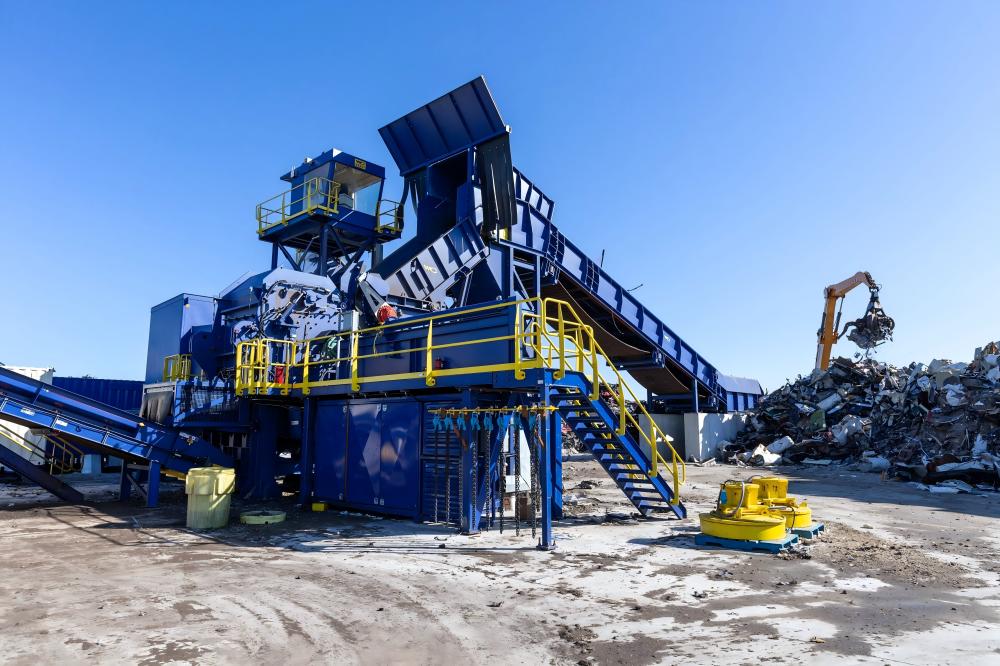
Automation and control systems also add to the cost. Modern shredders are equipped with PLC (Programmable Logic Controller) systems that monitor motor load, bearing temperature, and vibration levels. These systems can automatically reverse the feeder or slow down the input if a jam is detected, preventing downtime. While these features increase the initial purchase price, they are essential for protecting the machine and ensuring consistent throughput.
Configuration Impact: Throughput and Material Sizing
Throughput is the primary metric by which a shredder’s performance is judged. It is measured in tons per hour (TPH) and is influenced by the rotor width, the number of hammers, and the screen size. A wider rotor allows for more material to be processed simultaneously, but it requires more power to maintain the necessary RPM. When evaluating a Hammer Shredder Purchase : Buyers Need Know About Throughput, Wear Parts, Safety, you must define your target TPH based on your current supply chain and future growth projections.
The configuration of the discharge grate or screen is equally important. The screen determines the final size of the output material. Smaller holes produce a finer, more uniform product which often fetches a higher price in the recycling market, but it significantly slows down throughput because the material stays in the chamber longer. Conversely, larger holes allow for rapid processing but may result in a less refined product. Many HARSLE shredders offer interchangeable screens, allowing operators to switch configurations based on the specific contract they are fulfilling.
Feeding systems also play a role in configuration. A gravity-fed hopper is simple and cost-effective but can lead to “slugging” or uneven loading. A forced-feed system, utilizing a hydraulic pusher or a vibrating feeder, ensures a steady stream of material into the rotor. This consistency prevents motor spikes and maximizes the efficiency of the hammers, leading to a more stable throughput rate and less mechanical stress on the drive train.
The Critical Role of Wear Parts: Hammers, Liners, and Grates
In the world of shredding, wear parts are an unavoidable operational expense. The hammers are the primary contact point and experience extreme abrasion and impact. Buyers must choose between different metallurgical compositions: Manganese steel is excellent for high-impact applications as it work-hardens during use, while alloy steels with chrome or tungsten carbide inserts are better for highly abrasive materials that don’t necessarily provide heavy impact. Choosing the wrong hammer material can lead to them wearing out in days rather than weeks.
Internal liners protect the main frame of the shredder. These are typically bolt-on plates that can be replaced once they reach a certain level of thinness. A well-designed shredder will have a “zonal” liner system, where the areas of highest wear (near the feed entry and the bottom of the chamber) feature thicker or more durable plates. This allows for targeted maintenance, replacing only what is necessary rather than the entire liner set.
The cost of these parts must be factored into the “cost per ton” calculation. Buyers should ask potential suppliers for the expected lifespan of hammers under specific conditions (e.g., processing mixed light scrap). Furthermore, the ease of replacement is a hidden factor in throughput. A machine that requires 12 hours to change a set of hammers represents a significant loss in production compared to a machine designed with a hydraulic tilt-open housing that allows for a hammer change in 4 hours.
Hidden Costs of Ownership
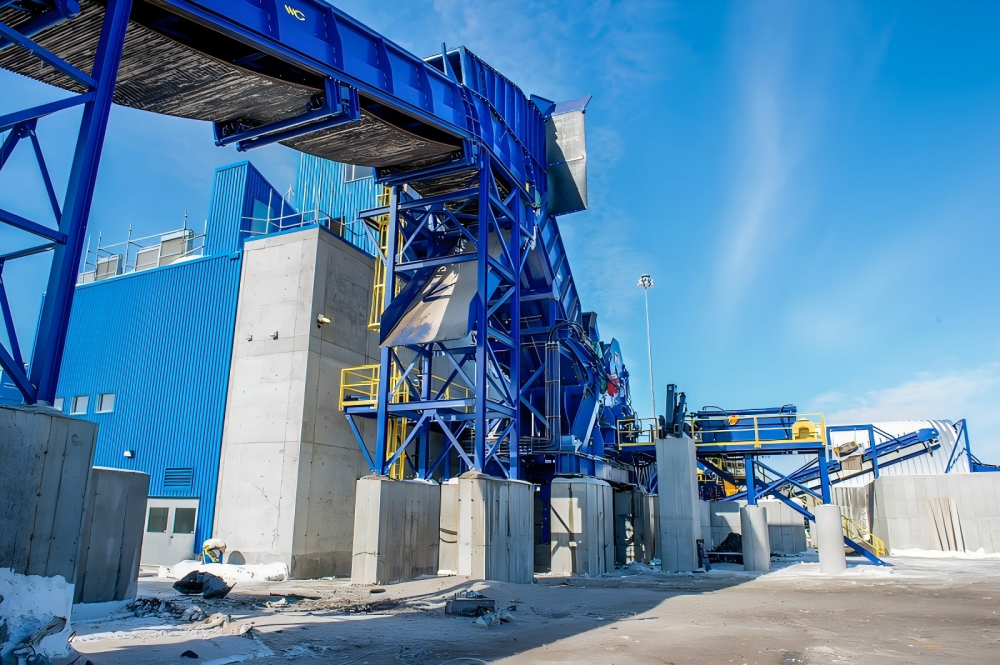
The purchase price is just the beginning. One often overlooked hidden cost is site preparation and installation. Large hammer shredders generate immense vibrations. They require specialized reinforced concrete foundations with vibration-dampening mounts. Failure to provide an adequate foundation can lead to structural damage to nearby buildings and premature failure of the shredder’s own bearings and frame.
Power consumption is another ongoing cost that can surprise buyers. A 200kW motor running 8 hours a day consumes a massive amount of electricity. If your local utility grid cannot handle the peak starting current of a large motor, you may need to invest in expensive capacitors or a dedicated transformer. Additionally, dust suppression and air filtration systems are often required by environmental regulations. These systems require their own power, maintenance, and filter replacements, adding to the total cost of ownership.
Finally, there is the cost of spare parts inventory. To minimize downtime, a buyer must keep a stock of hammers, pins, liners, and perhaps even a spare motor or bearings on-site. Tying up capital in spare parts is a necessity, but it should be planned for during the initial Hammer Shredder Purchase : Buyers Need Know About Throughput, Wear Parts, Safety phase. Working with a reliable manufacturer like HARSLE ensures that these parts are readily available and compatible, reducing the risk of long-term outages.
ROI Calculation: When Does the Investment Pay Off?
Calculating the ROI for a hammer shredder involves more than just subtracting the purchase price from the revenue. You must consider the value-add of the shredded material. For example, unprocessed scrap metal might sell for $150 per ton, but shredded, densified, and cleaned scrap might fetch $250 per ton. If the shredder processes 10 tons per hour, that is a value-add of $1,000 per hour.
| Factor | Estimated Cost/Value (Example) | Impact on ROI |
|---|---|---|
| Initial Investment | $150,000 | Capital Outlay |
| Throughput (TPH) | 8 Tons/Hour | Revenue Driver |
| Value-Add per Ton | $80 | Profit Margin |
| Operating Cost (Power/Labor) | $25/Hour | Ongoing Expense |
| Wear Parts Cost | $15/Ton | Maintenance Expense |
| Net Hourly Profit | $415/Hour | Payback Speed |
In this example, the machine would pay for itself in approximately 361 operating hours, or about 2-3 months of full-time operation. However, this assumes a consistent supply of raw material and a steady market for the output. Buyers must also account for the “yield loss”—the weight of dirt, plastics, and non-recoverable fines that are separated during the shredding process. A high-quality shredder maximizes the recovery of clean metal, thereby improving the ROI.
Buying Advice: Choosing the Right Partner
When you are ready to make a Hammer Shredder Purchase : Buyers Need Know About Throughput, Wear Parts, Safety, the choice of manufacturer is as important as the machine’s specs. Look for a company with a proven track record in your specific industry. Ask for references and, if possible, visit a site where the machine is currently in operation. Seeing how a shredder handles real-world scrap is far more valuable than reading a brochure.
Evaluate the manufacturer’s technical support capabilities. Do they offer remote diagnostics? How quickly can they ship wear parts? A cheaper machine from a vendor with no local support can become the most expensive mistake your company ever makes if it sits idle for weeks waiting for a specialized bearing. HARSLE, for instance, emphasizes after-sales service and provides detailed maintenance manuals and video guides to help operators keep their machines running at peak efficiency.
Finally, consider the machine’s versatility. The recycling market is volatile. A shredder that can be easily adjusted to process different materials—from aluminum siding one day to copper wire the next—provides a safety net against market fluctuations. Look for features like adjustable grate bars, variable speed rotors, and modular hammer designs that allow for quick reconfiguration.
Safety Standards and Operational Security
Safety is the most critical aspect of any industrial machinery operation. Hammer shredders are inherently dangerous due to the high speeds and forces involved. A primary safety feature is the ejection gate (or tramp metal trap). If an unshreddable object, like a solid steel shaft or a heavy engine block, enters the chamber, the hammers will attempt to strike it. Without an ejection gate, this could shatter the rotor or the housing. The gate allows the machine to safely eject the object before damage occurs.
Modern shredders must also feature comprehensive interlock systems. These ensure that the machine cannot be started while the maintenance doors are open and that the doors cannot be opened until the rotor has come to a complete stop. Given the high inertia of a shredder rotor, it can take several minutes to stop spinning even after the power is cut; therefore, electronic braking or timed locks are essential. Noise reduction is another safety concern; acoustic enclosures or dampened housings help protect the hearing of workers and ensure compliance with local noise ordinances.
Dust and explosion protection are also vital, especially when shredding materials that may contain residual fuels or fine dust (like e-waste). Spark detection systems and water misting nozzles inside the chamber can prevent fires and explosions. When discussing a Hammer Shredder Purchase : Buyers Need Know About Throughput, Wear Parts, Safety, always ask the manufacturer for a full list of safety certifications (such as CE or OSHA compliance) and ensure your staff is thoroughly trained on emergency stop procedures and lockout-tagout (LOTO) protocols.
Frequently Asked Questions (FAQ)
What is the average lifespan of a hammer shredder?
With proper maintenance and regular replacement of wear parts, the main frame and rotor of a high-quality hammer shredder can last 15 to 20 years. However, the internal liners and hammers are consumable and will need replacement every few hundred to thousand hours depending on the material processed.
Can a hammer shredder handle stainless steel?
Yes, but it is much harder on the machine than carbon steel or aluminum. Stainless steel is tough and work-hardens, meaning it requires more power and causes faster wear on the hammers. If you plan to process large amounts of stainless, you should opt for a more powerful motor and specialized alloy hammers.
How do I know which hammer weight to choose?
Hammer weight depends on the density and thickness of your feed material. Heavier hammers (50kg+) provide more kinetic energy for shattering thick castings and heavy scrap, while lighter hammers are more efficient for thin sheet metal and electronic waste. Many rotors allow for a mix of hammer weights to optimize performance.
What is the difference between a hammer mill and a hammer shredder?
While the terms are often used interchangeably, a “shredder” usually refers to a machine designed for heavy scrap and metal, featuring lower speeds and higher torque. A “mill” often refers to high-speed machines used for finer grinding of softer materials or minerals. For metal recycling, a heavy-duty hammer shredder is the standard choice.
How often should I grease the bearings?
Bearings are the lifeblood of the rotor. In a continuous shift environment, bearings should be checked daily and greased according to the manufacturer’s schedule—often every 8 to 24 hours of operation. Many modern HARSLE machines feature automated lubrication systems to ensure this critical task is never missed.


