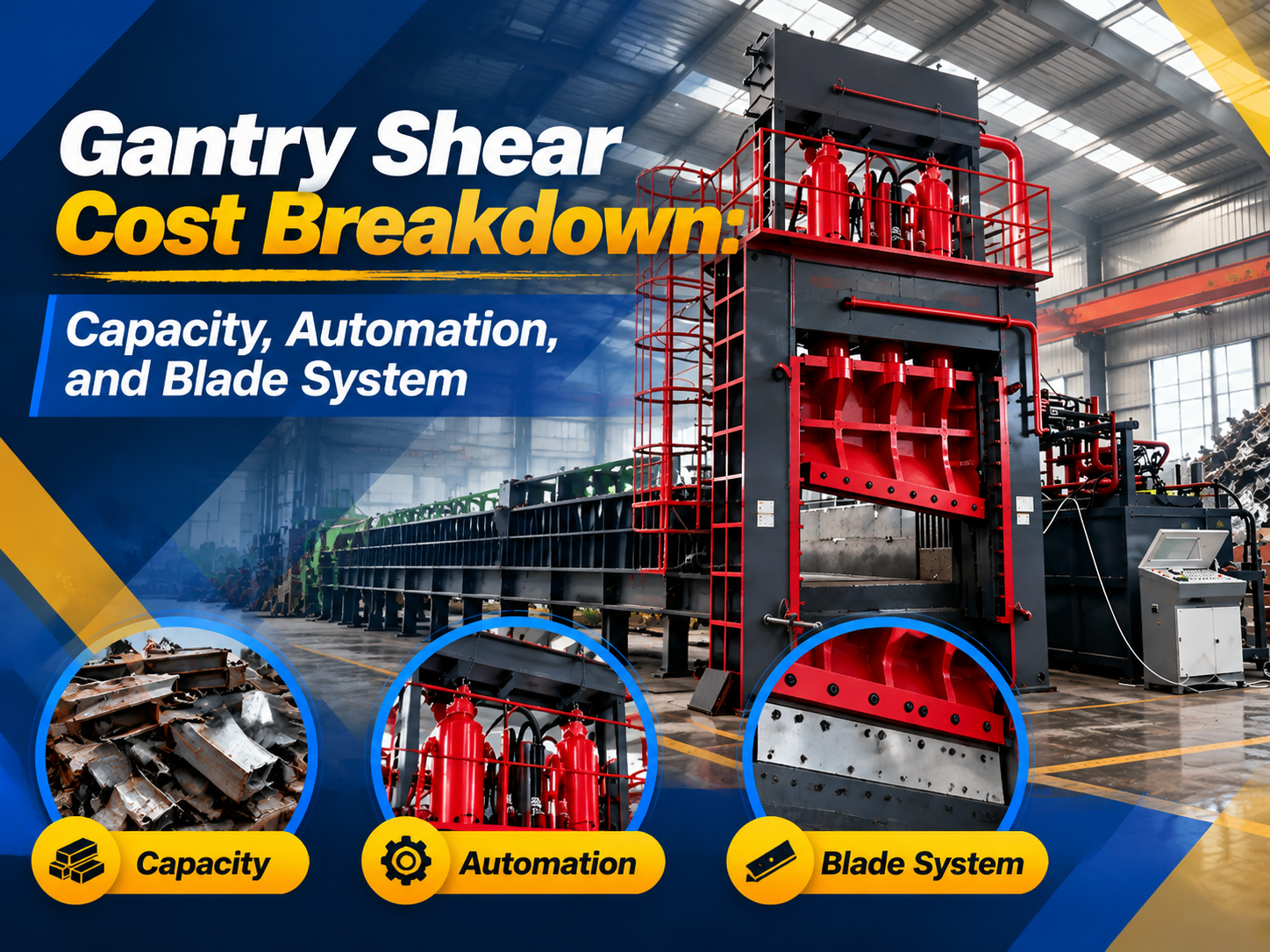
Gantry Shear Cost Breakdown: Capacity, Automation, and Blade System

Price Range Overview
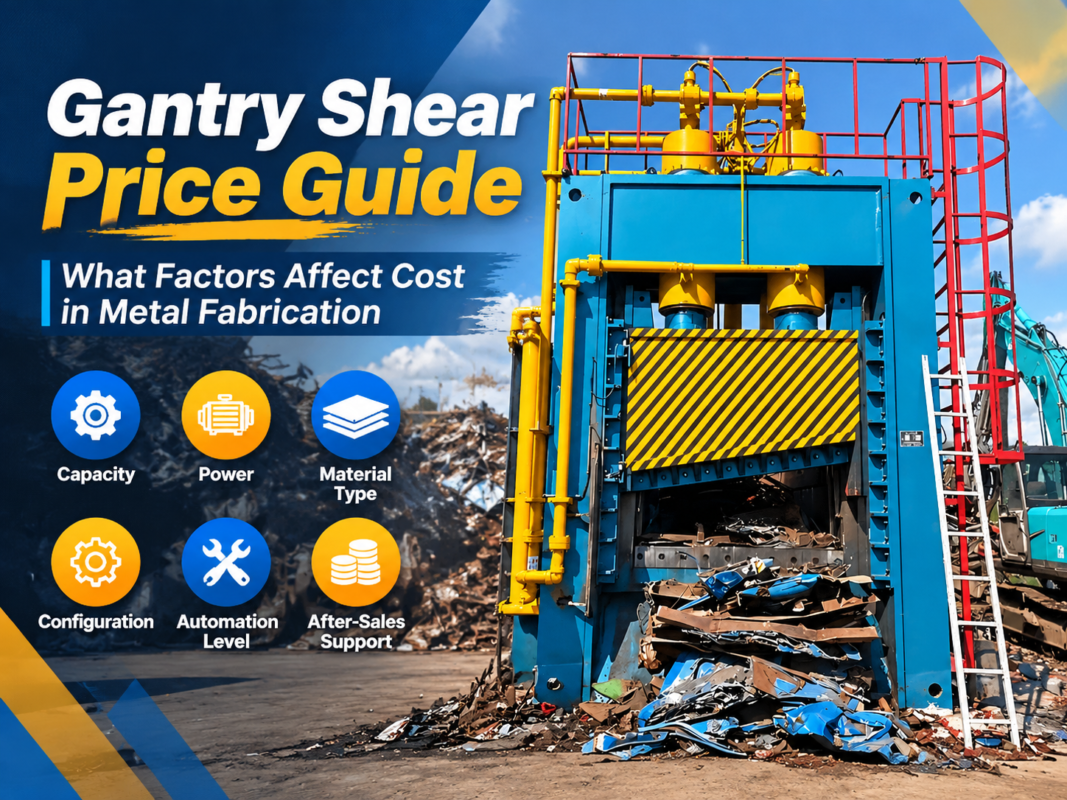
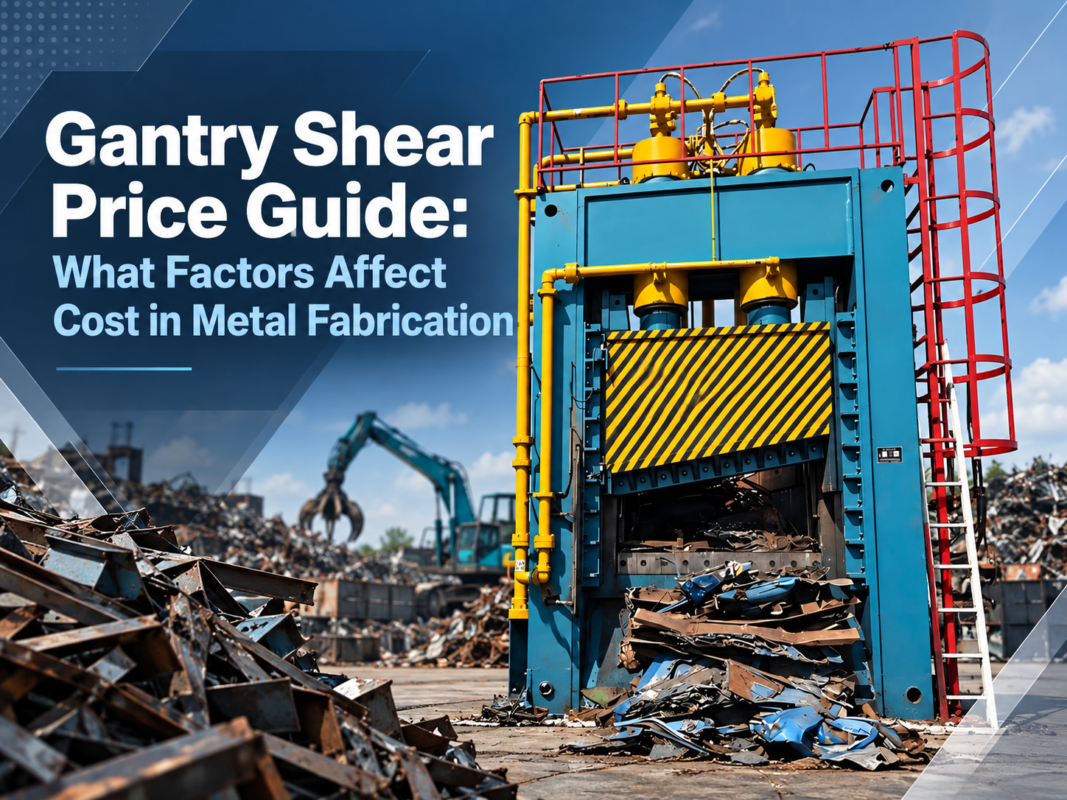
Investing in a gantry shear is a significant capital expenditure for any scrap processing or metal fabrication facility. Understanding the Gantry Shear Cost Breakdown: Capacity, Automation, and Blade System is essential for making an informed procurement decision. Generally, entry-level gantry shears designed for light-gauge materials start in the $80,000 to $120,000 range. Mid-range industrial models, which are the workhorses of most recycling yards, typically fall between $150,000 and $350,000. High-capacity, fully automated systems capable of processing heavy structural steel and thick plate can easily exceed $500,000 to $800,000 depending on the custom integration required.
The price variance is not merely a reflection of the brand name but is deeply rooted in the engineering specifications. A machine’s price is a direct function of its shearing force, which is measured in tons. As you move from a 400-ton shear to an 800-ton or 1000-ton unit, the structural steel requirements, hydraulic pump capacity, and cylinder size increase exponentially. This scaling effect means that doubling the capacity often leads to a non-linear increase in the total cost of ownership.
Furthermore, the market for gantry shears is divided between standardized production models and bespoke, custom-engineered solutions. Standardized models offer a lower initial price point due to economies of scale in manufacturing. However, custom-engineered solutions—which may include specialized in-feed conveyors, integrated sorting systems, or unique blade geometries—carry a premium. Buyers must weigh the immediate cost savings of a standard unit against the long-term operational efficiency gains of a customized system.
Geographic location and shipping logistics also play a role in the final price. Because gantry shears are massive, heavy-duty pieces of equipment, transportation costs can account for 5% to 15% of the total budget. When requesting quotes, it is vital to clarify whether the price includes freight, installation, and on-site commissioning. A seemingly low price tag can quickly become expensive if it excludes the specialized rigging and crane services required to place the machine on your shop floor.
Main Cost Drivers
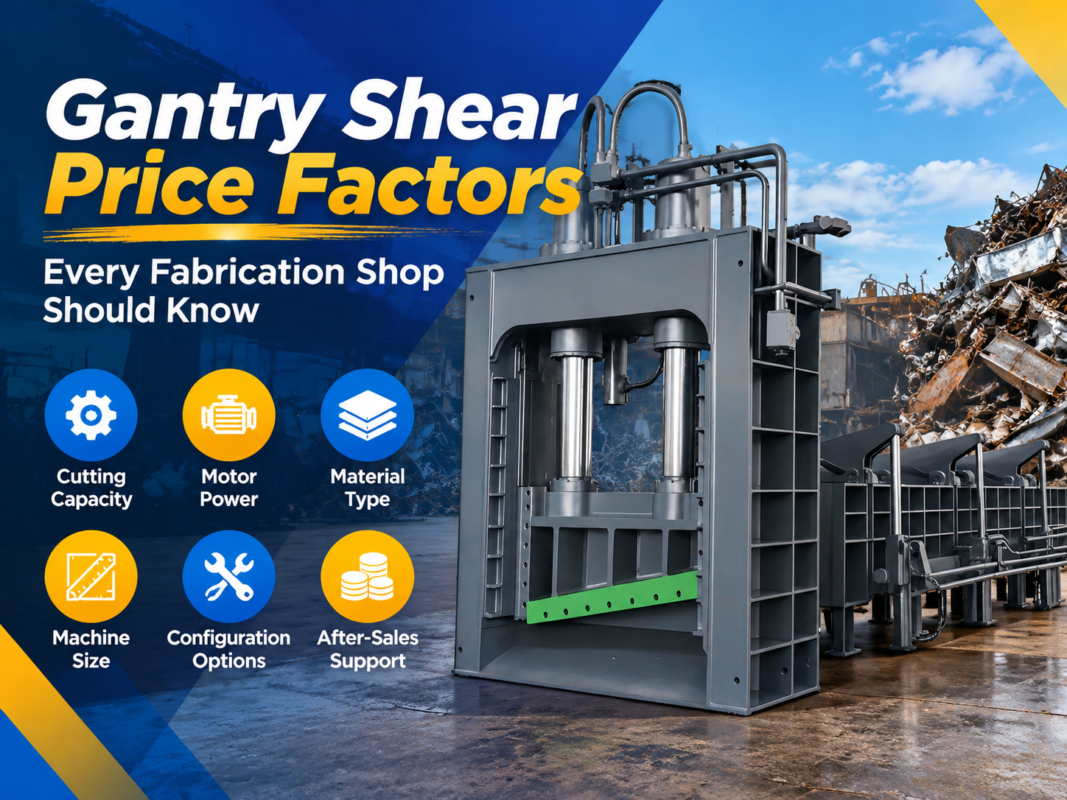
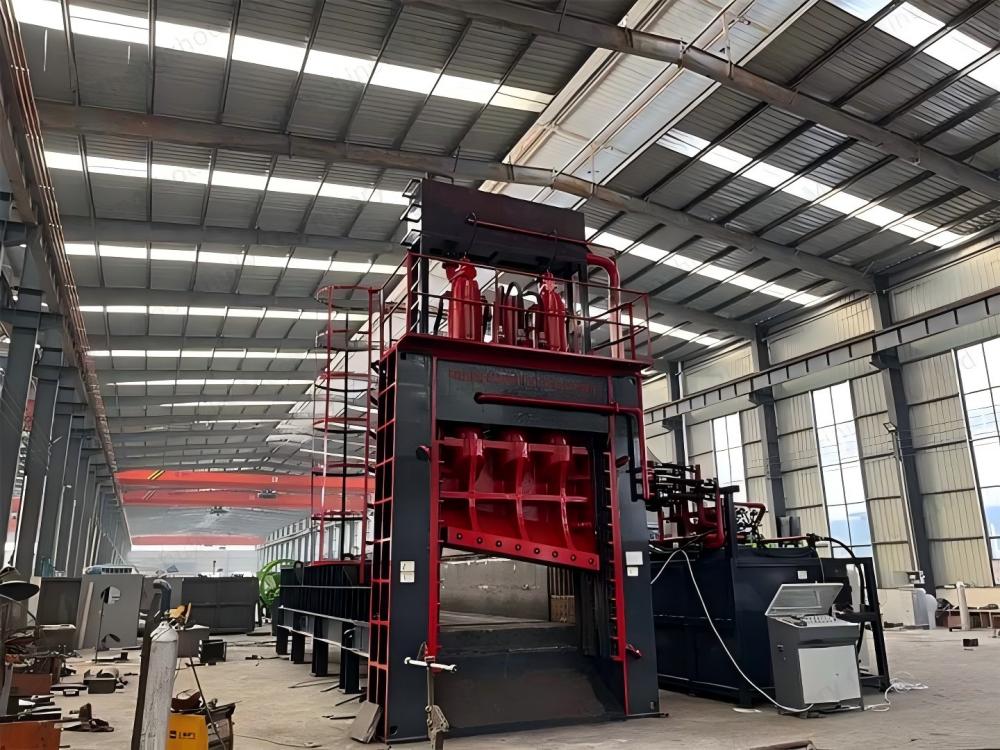
The primary driver of cost in any gantry shear is the shearing force capacity. The hydraulic system must be robust enough to handle the maximum rated thickness of the material. This requires high-pressure hydraulic pumps, heavy-duty cylinders, and reinforced frame structures. The cost of high-grade steel used in the frame construction is a major factor; a machine that is under-engineered will suffer from fatigue and structural failure, leading to massive repair costs down the line.
Another significant cost driver is the hydraulic system’s complexity. Modern gantry shears utilize sophisticated proportional valve technology to control the speed and force of the blade. These systems allow for “fast-approach” and “slow-shear” cycles, which optimize cycle times. While this increases the initial cost, it significantly improves throughput. Cheaper, non-proportional hydraulic systems may save money upfront but result in slower cycle times and higher energy consumption over the life of the machine.
The electrical and control systems represent an increasing portion of the total cost. Programmable Logic Controllers (PLCs) and Human Machine Interfaces (HMIs) are now standard in high-end units. These systems allow for remote diagnostics, automated cycle monitoring, and integration with other plant equipment. The software development and sensor integration required for these features add to the price but are essential for modern, data-driven manufacturing environments.
Finally, the quality of the hydraulic fluid management system—including cooling, filtration, and heating—is a hidden cost driver. Because gantry shears operate under extreme pressure, the oil temperature can rise rapidly. A high-quality cooling system prevents the hydraulic oil from degrading, which protects the seals and valves. Investing in a superior thermal management system is a cost-effective strategy to extend the lifespan of the machine’s most expensive internal components.
Configuration Impact
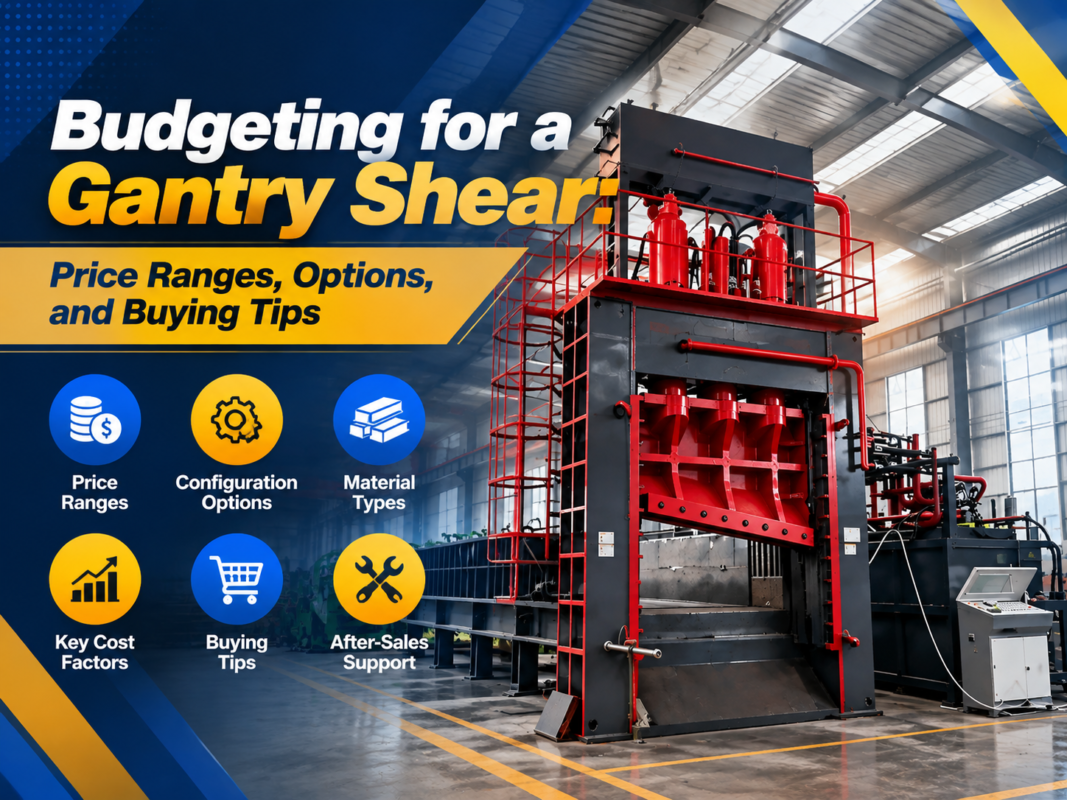
The configuration of the in-feed and out-feed systems significantly impacts the Gantry Shear Cost Breakdown: Capacity, Automation, and Blade System. A basic machine might rely on manual loading, which is labor-intensive and slow. Adding a heavy-duty conveyor system or a side-compression box can increase the price by $30,000 to $100,000. However, these additions are often necessary to achieve the throughput required to justify the machine’s purchase.
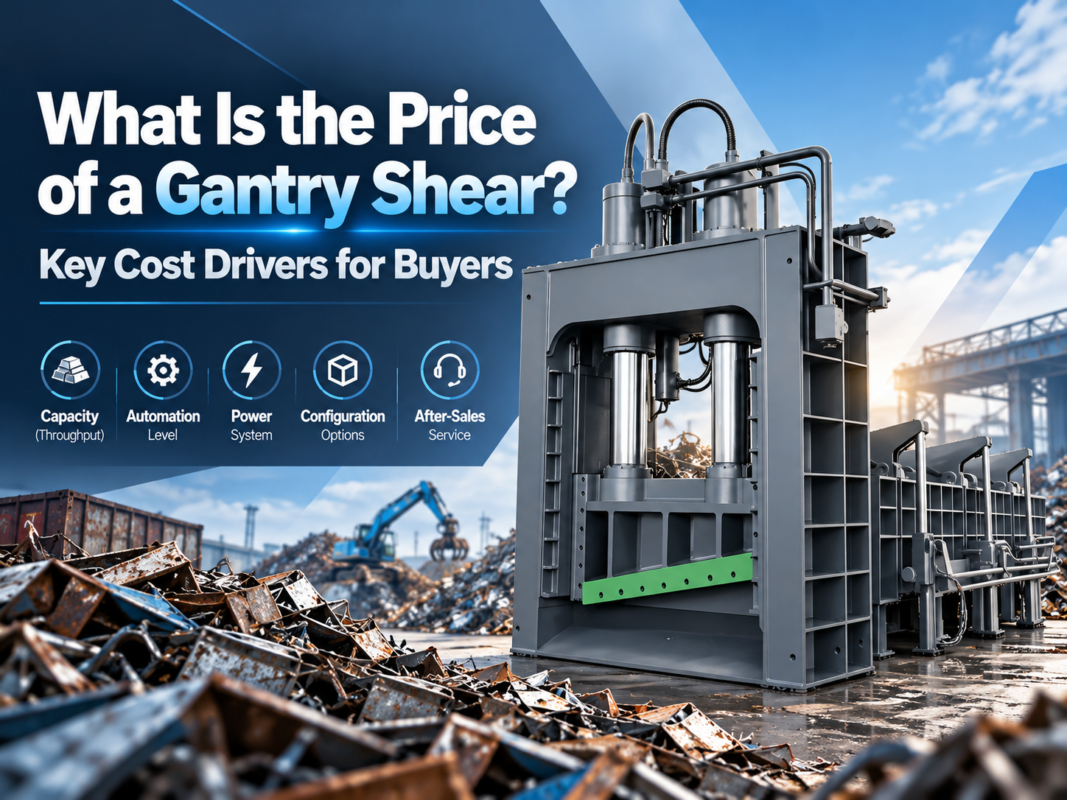
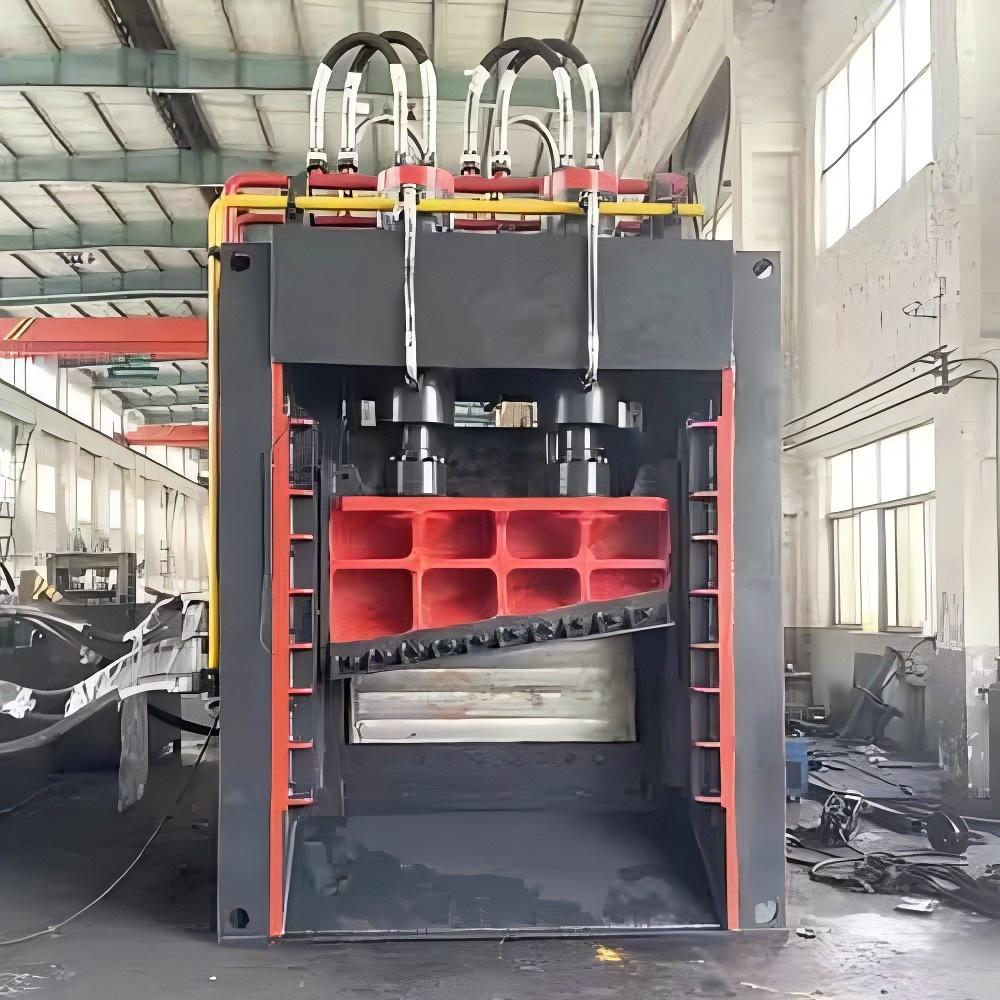
The blade system configuration is perhaps the most critical technical choice. There are various blade geometries, including straight, angled, and multi-piece designs. High-quality, wear-resistant tool steel blades are more expensive than standard carbon steel blades but offer significantly longer service intervals. The cost of the blade system also includes the adjustment mechanism; precision shims or hydraulic blade gap adjustment systems allow for cleaner cuts on varying material thicknesses, reducing the need for secondary processing.
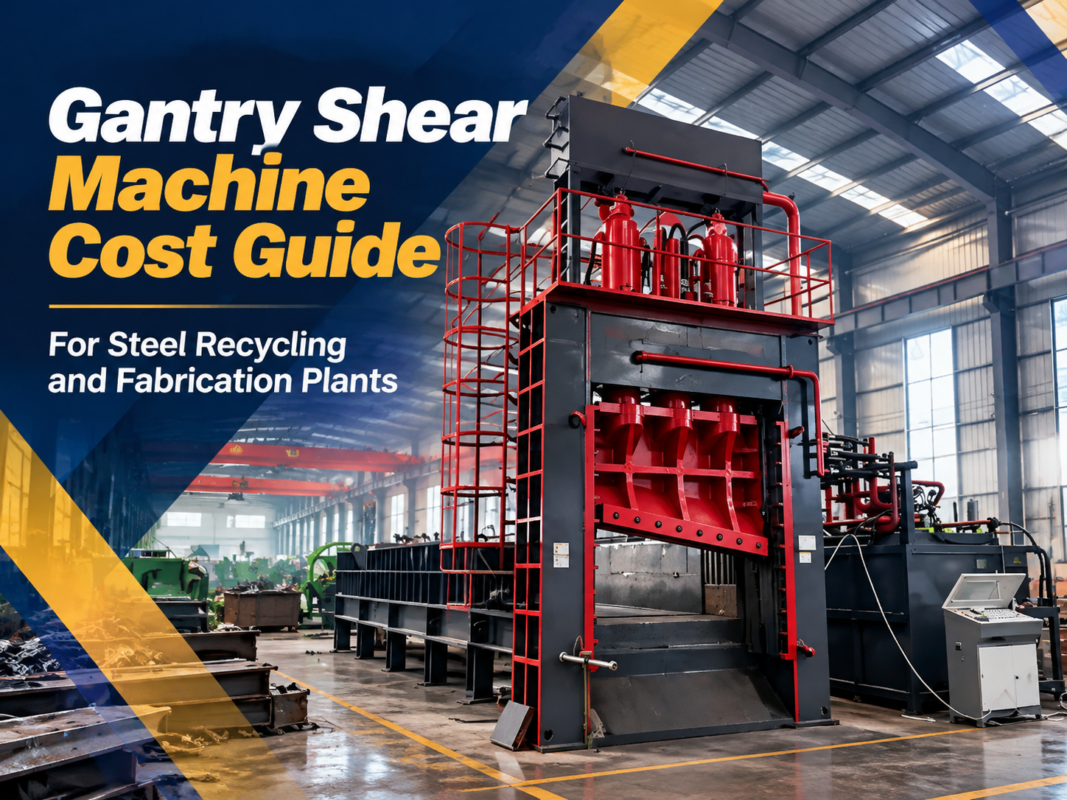
Automation levels define the operational cost. A fully automated gantry shear can operate with minimal human intervention, utilizing sensors to detect material position and automatically trigger the shearing cycle. This level of automation requires advanced safety light curtains, emergency stop systems, and automated material feeding sensors. While the initial investment is higher, the reduction in labor costs and the increase in safety compliance often provide a rapid return on investment.
Environmental and safety configurations also impact the final price. Noise suppression enclosures, oil mist collectors, and advanced safety guarding are becoming mandatory in many jurisdictions. These features add to the complexity of the machine’s design and the cost of materials. Ignoring these features to save money can lead to regulatory fines or increased insurance premiums, making them a necessary investment for any reputable fabrication facility.
Hidden Costs
When budgeting for a gantry shear, many buyers overlook the “hidden” costs associated with site preparation. A machine of this magnitude requires a reinforced concrete foundation, often several feet deep, to absorb the vibration and impact forces generated during the shearing process. Foundation engineering, excavation, and high-strength concrete pouring can cost tens of thousands of dollars before the machine even arrives on site.
Utility upgrades are another frequently underestimated expense. A high-capacity gantry shear requires a significant electrical supply, often necessitating a dedicated transformer or a major upgrade to the facility’s electrical panel. Additionally, if the facility does not have a compressed air system or a centralized hydraulic cooling loop, these must be installed. These infrastructure requirements are essential for the machine to operate within its rated specifications.
Maintenance and spare parts inventory represent an ongoing cost that should be factored into the initial budget. A comprehensive spare parts kit—including seals, filters, blade shims, and electronic sensors—is highly recommended. Relying on just-in-time delivery for critical components can lead to extended downtime, which is often more expensive than the cost of the parts themselves. Training staff to perform routine maintenance is also a cost that should be planned for during the procurement phase.
Finally, consider the cost of waste management and environmental compliance. If the shear is used for processing scrap that contains hazardous materials or fluids, you may need to invest in secondary containment systems or oil-water separators. Regulatory compliance is not optional, and the cost of retrofitting a machine to meet environmental standards after it has been installed is significantly higher than integrating those features during the manufacturing process.
ROI Calculation
Calculating the Return on Investment (ROI) for a gantry shear requires a thorough analysis of throughput, labor savings, and material value. The primary metric is the cost per ton of processed material. By dividing the total annual cost of ownership (including depreciation, maintenance, energy, and labor) by the total tonnage processed, you can determine the efficiency of your investment. A more expensive, automated machine often yields a lower cost per ton due to higher throughput and lower labor requirements.
Labor savings are the most immediate benefit of automation. If a manual process requires three operators to feed and manage the shear, and an automated system reduces this to one operator, the labor savings alone can pay for the automation premium within 18 to 24 months. Furthermore, the consistency of an automated system reduces the risk of operator error, which can lead to machine damage or safety incidents.
Material value optimization is another key factor. A high-quality blade system produces cleaner cuts, which can increase the market value of the processed scrap. In the recycling industry, “clean” scrap is worth significantly more than “dirty” or poorly sheared material. By investing in a machine that produces high-quality output, you are essentially increasing your revenue per ton, which accelerates the ROI significantly.
Finally, consider the resale value of the equipment. High-quality, well-maintained gantry shears from reputable manufacturers like HARSLE hold their value exceptionally well. When calculating ROI, it is prudent to estimate a residual value for the machine after 7 to 10 years of service. This residual value can offset the initial capital expenditure and provide a more accurate picture of the total cost of ownership over the machine’s lifecycle.
Buying Advice
When selecting a gantry shear, start by defining your material profile. Are you processing light sheet metal, heavy structural beams, or mixed scrap? The machine’s capacity must be matched to the toughest material you intend to process regularly. Buying a machine that is too small will lead to premature failure, while buying one that is too large is a waste of capital. Always consult with the manufacturer to ensure the shear’s force rating is appropriate for your specific material grades.
Prioritize manufacturers that offer robust after-sales support. A gantry shear is a long-term investment, and you will eventually need technical support, spare parts, or software updates. Check the manufacturer’s track record for response times and the availability of local service technicians. A machine that is down for weeks due to a lack of support is a liability, regardless of how well it performed when it was running.
Request a demonstration or visit a facility where a similar model is in operation. Seeing the machine in a real-world environment allows you to assess its cycle speed, noise levels, and ease of operation. Pay close attention to the blade change process; if it is overly complicated or requires specialized tools, it will increase your downtime. A well-designed machine should prioritize ease of maintenance and operator safety.
Finally, do not be afraid to negotiate for a comprehensive service package. Many manufacturers are willing to bundle training, extended warranties, and initial spare parts kits into the purchase price. This not only reduces your upfront risk but also ensures that your team is properly trained to operate and maintain the equipment from day one. A partnership-based approach to procurement will yield better results than simply looking for the lowest price.
FAQ
- What is the typical lifespan of a gantry shear? With proper maintenance and regular blade replacement, a high-quality gantry shear can last 15 to 20 years or more in a standard industrial environment.
- How often do the blades need to be sharpened or replaced? This depends on the material being cut. Harder materials will dull blades faster. Generally, blades should be inspected weekly and sharpened or shimmed every 3 to 6 months.
- Can a gantry shear be upgraded with more automation later? While some features like conveyors can be added later, core hydraulic and PLC systems are difficult and expensive to upgrade. It is almost always more cost-effective to purchase the desired level of automation upfront.
- What kind of foundation is required? A reinforced concrete pad is mandatory. The exact specifications depend on the machine’s weight and the impact forces, so always follow the manufacturer’s foundation drawing precisely.
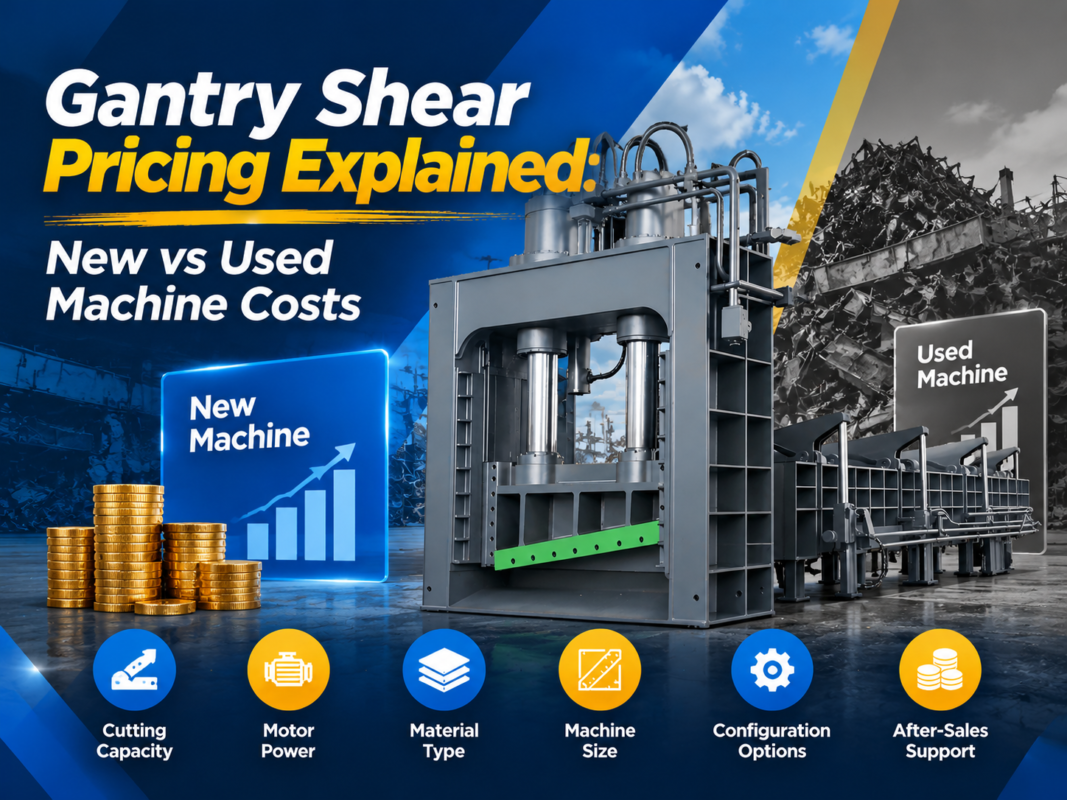
- Is it better to buy new or used? New machines offer warranties, the latest technology, and full support. Used machines can be a good value if they have been well-maintained, but they carry the risk of hidden mechanical issues and lack of manufacturer support.