How Container Shears Improve Scrap Yard Throughput and Material Handling Efficiency: A Technical Guide

Technical Overview of Container Shears in Modern Recycling
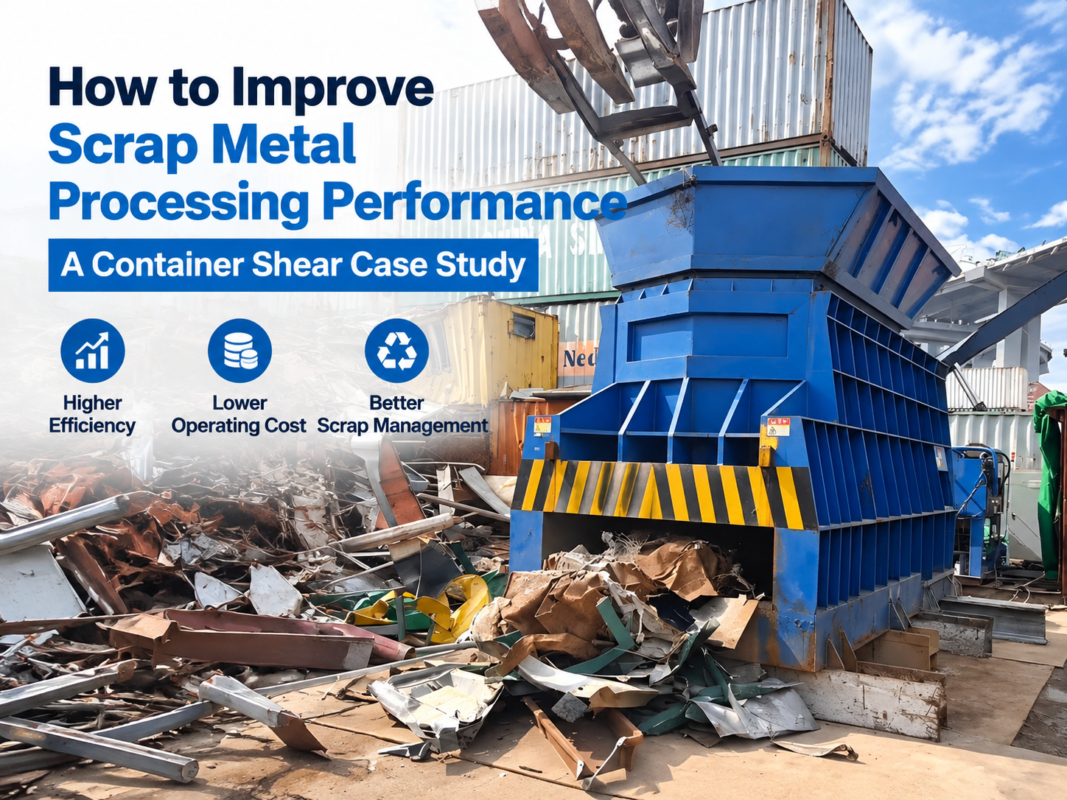
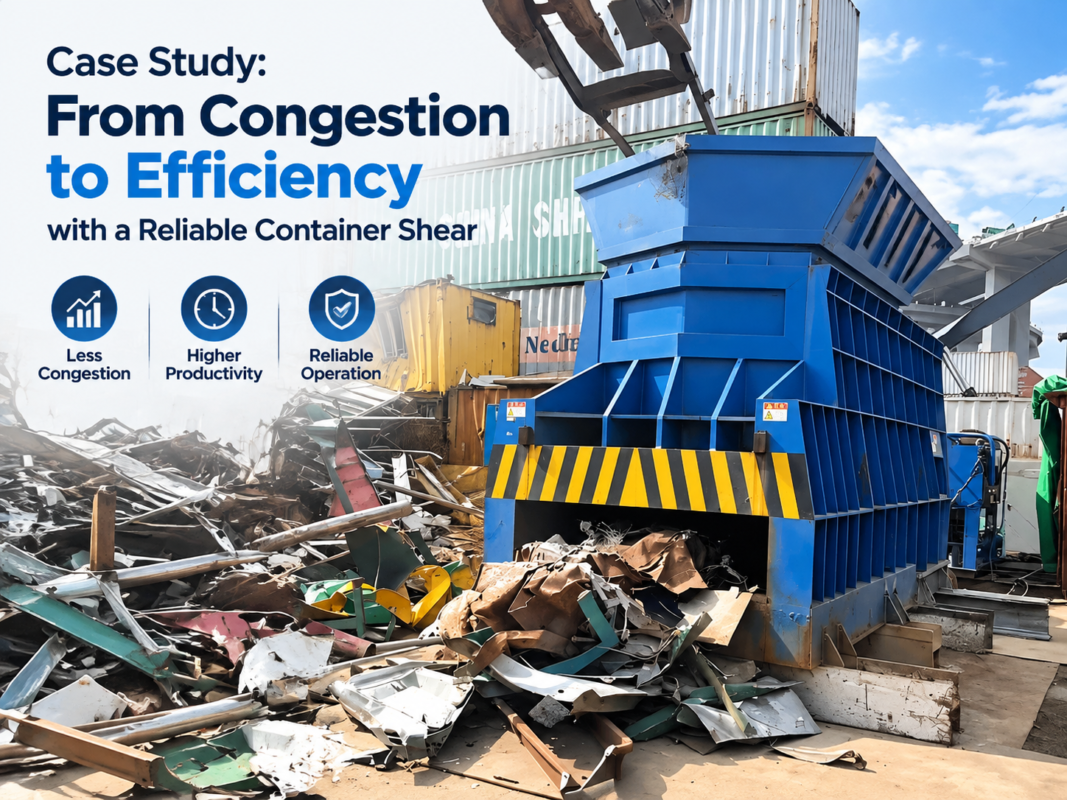
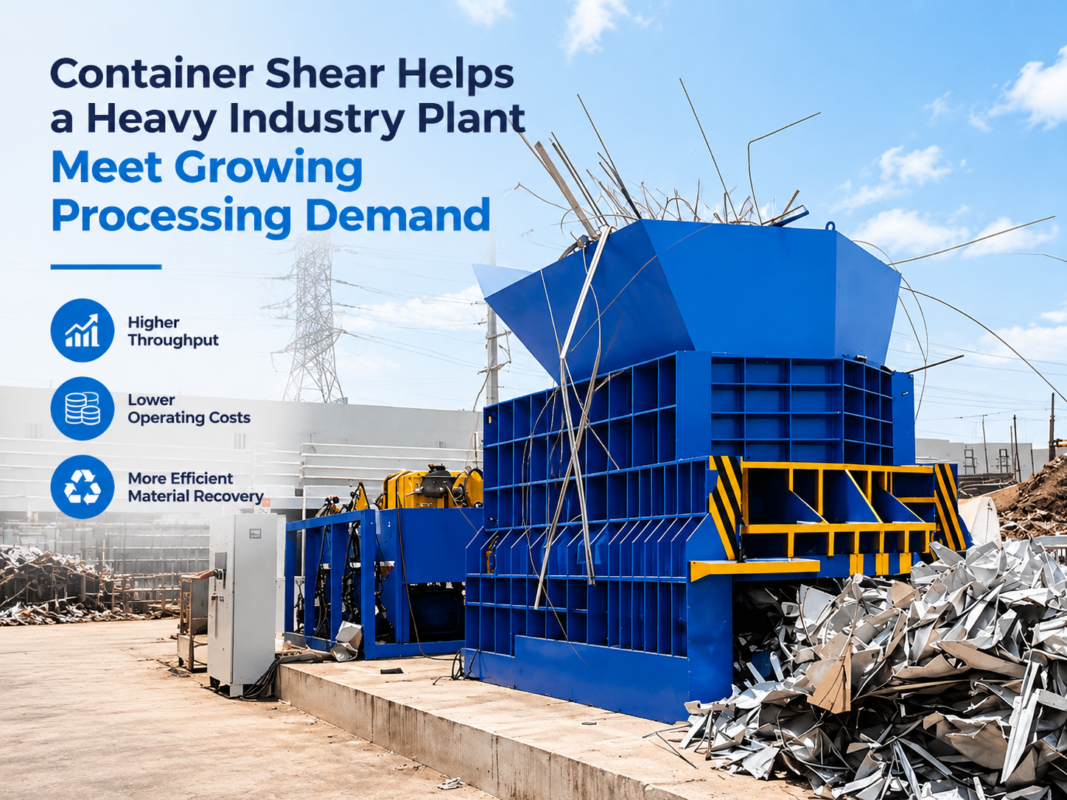
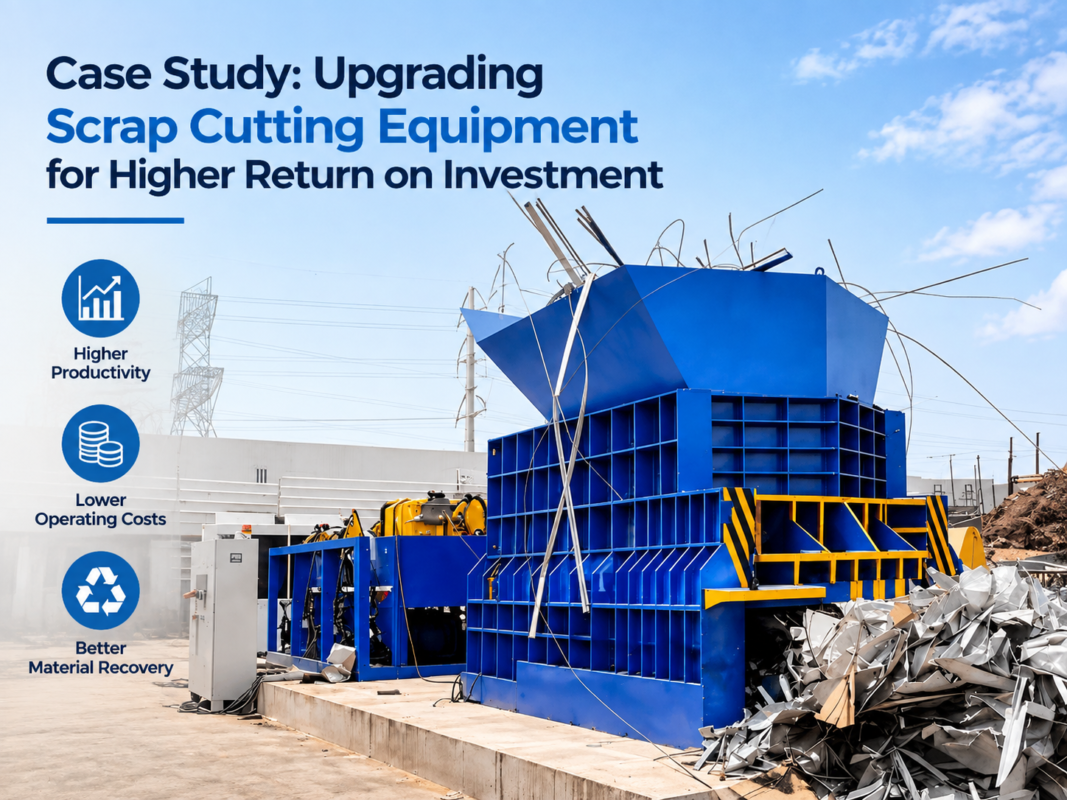
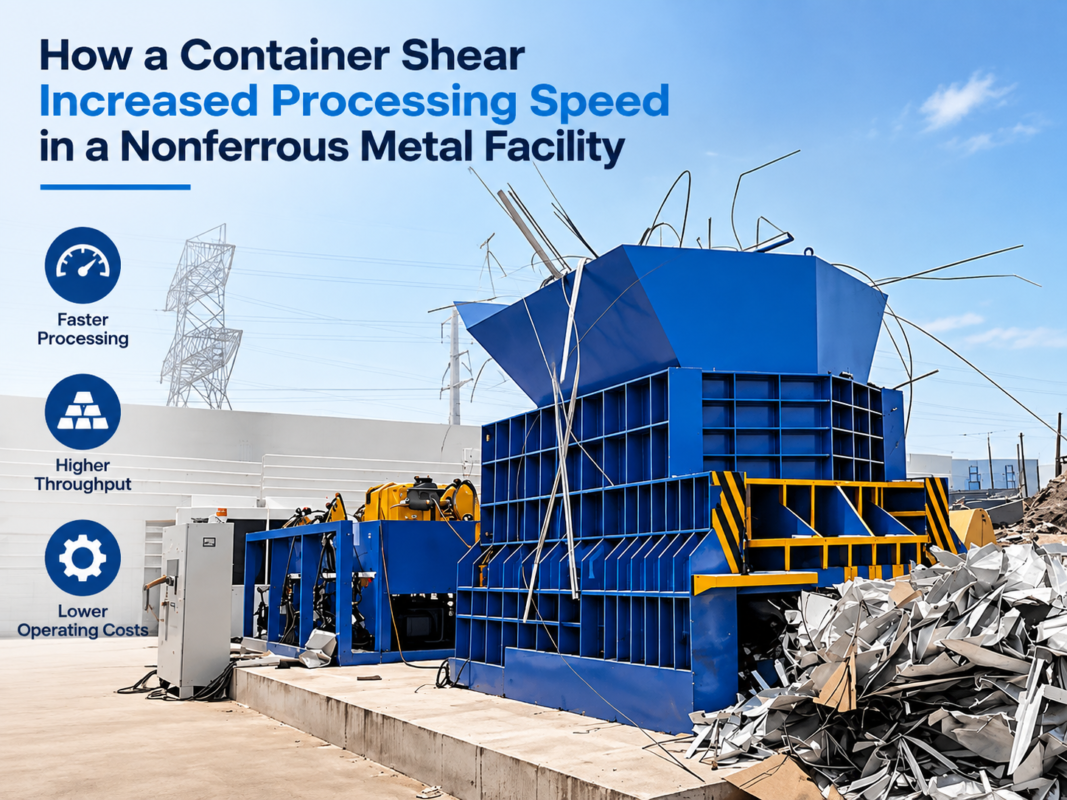
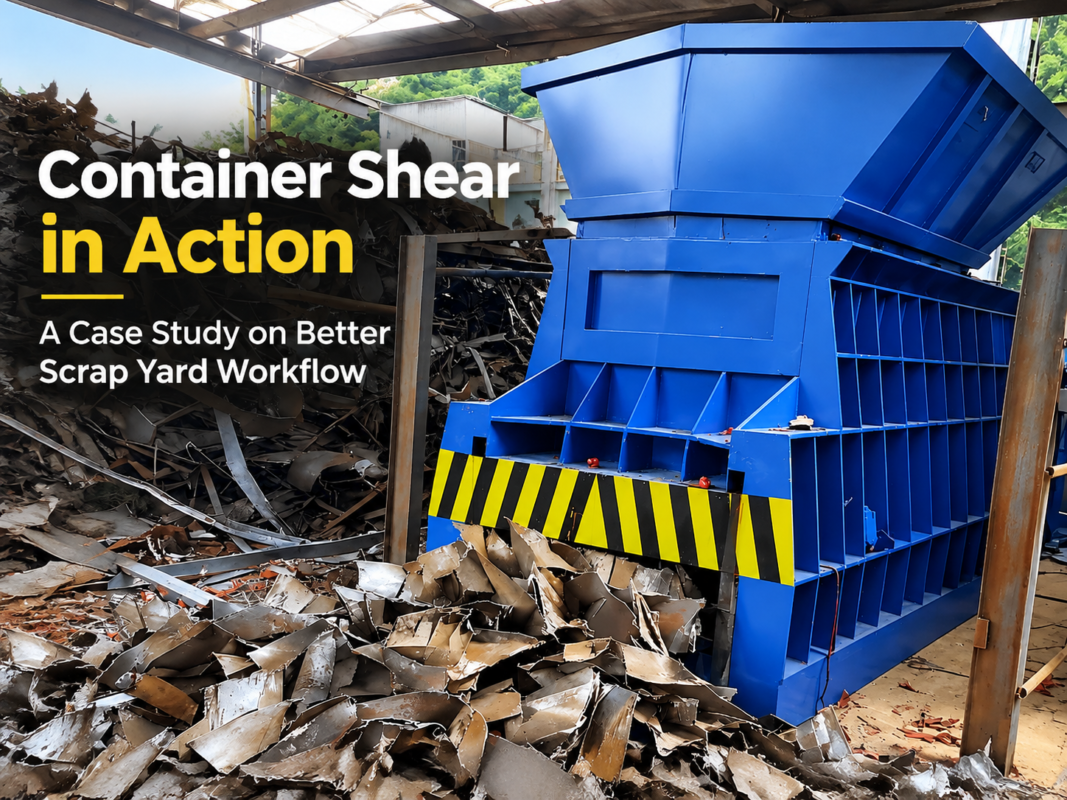
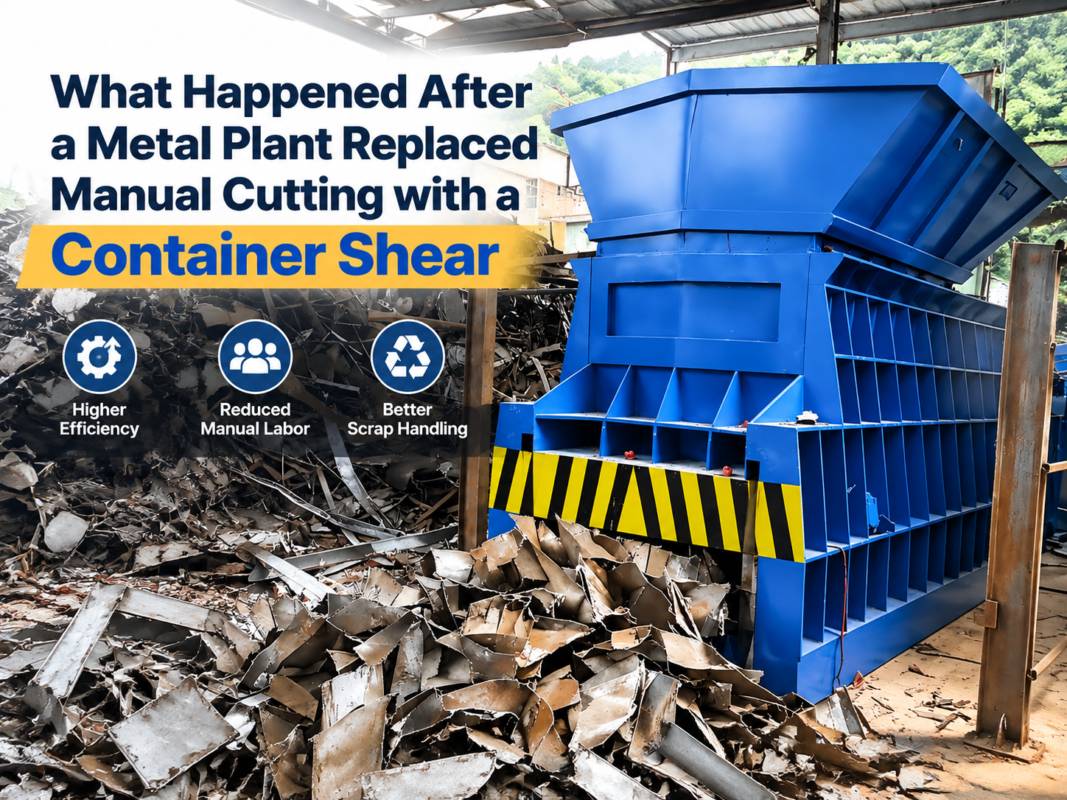
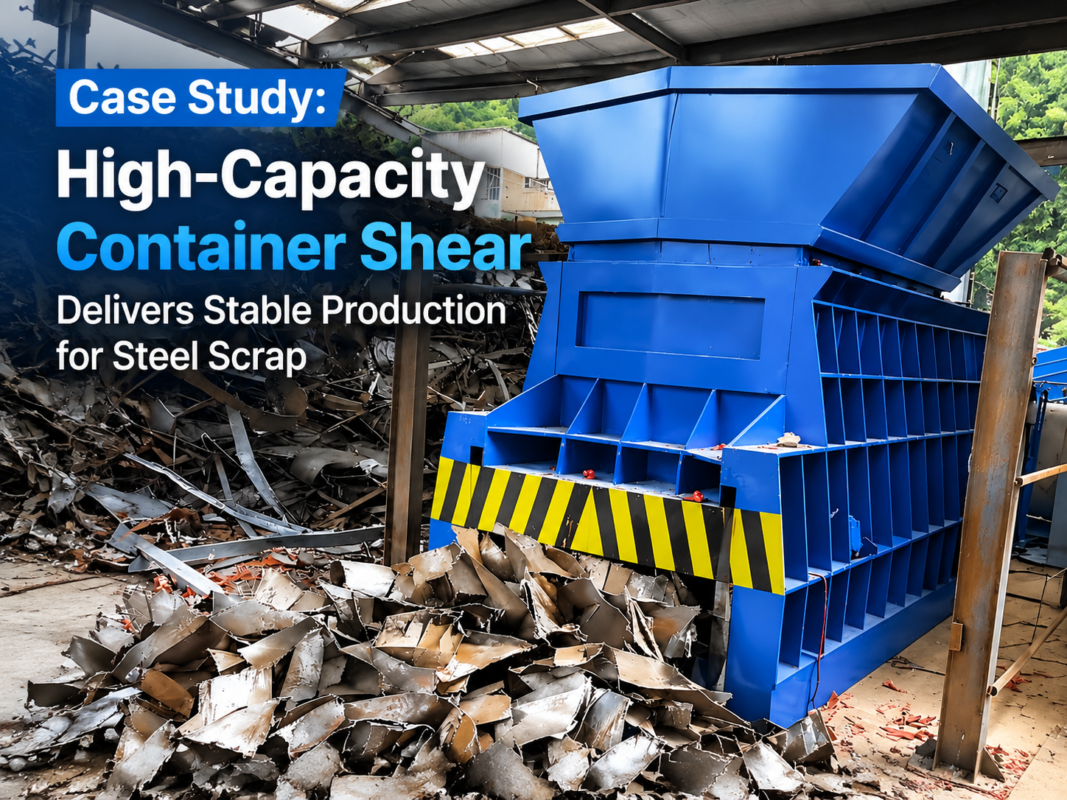
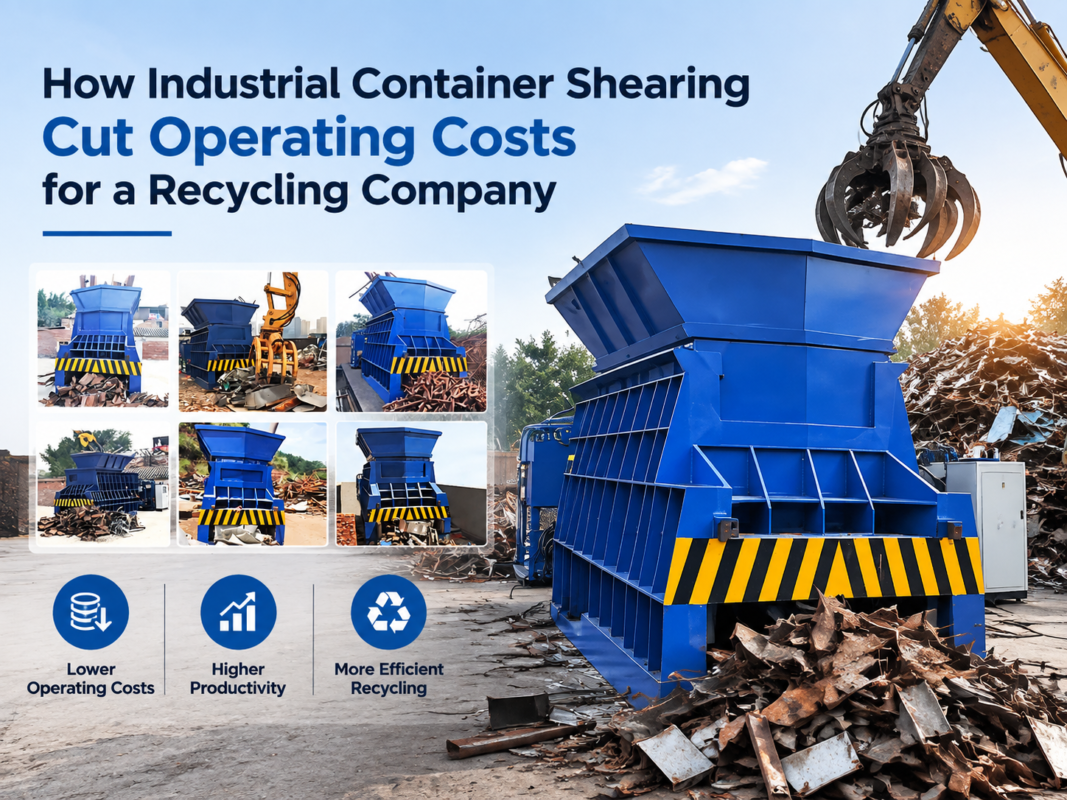
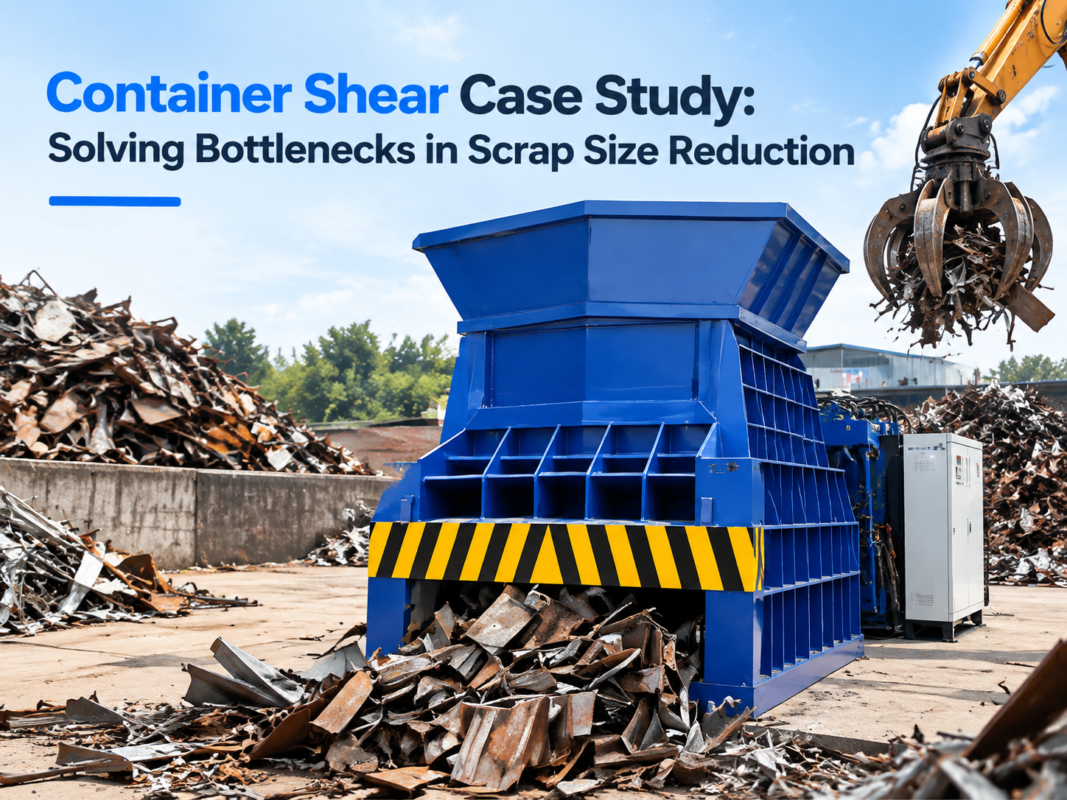
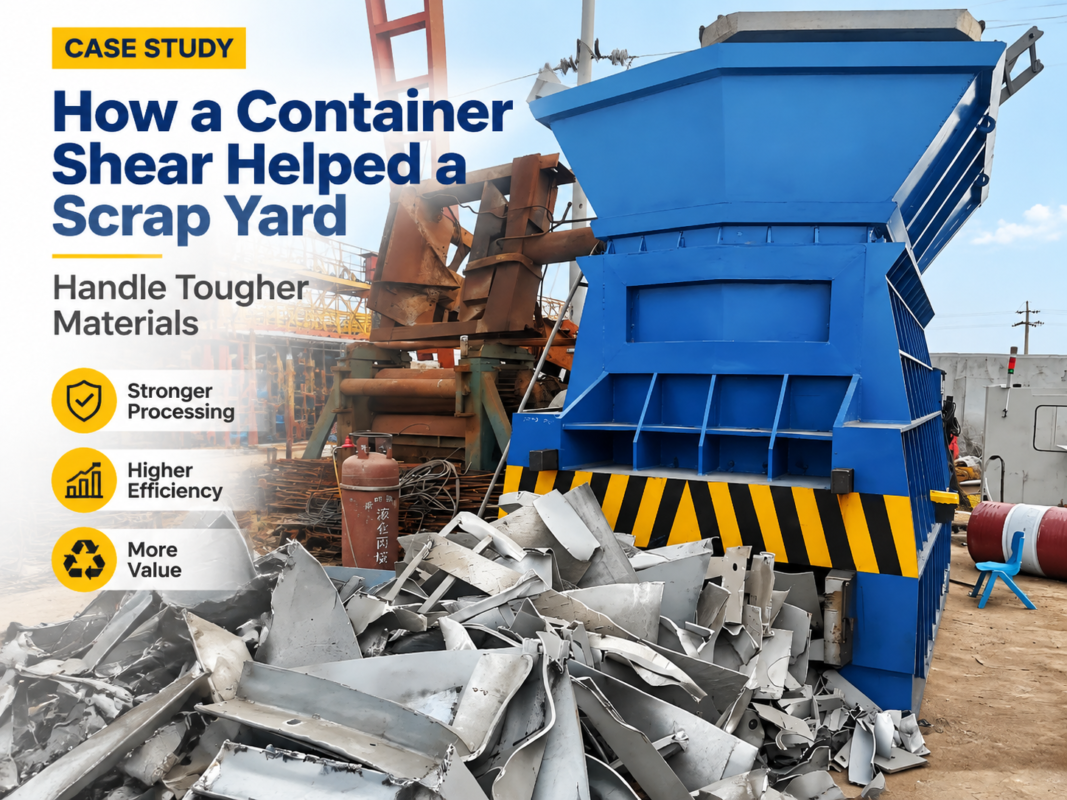
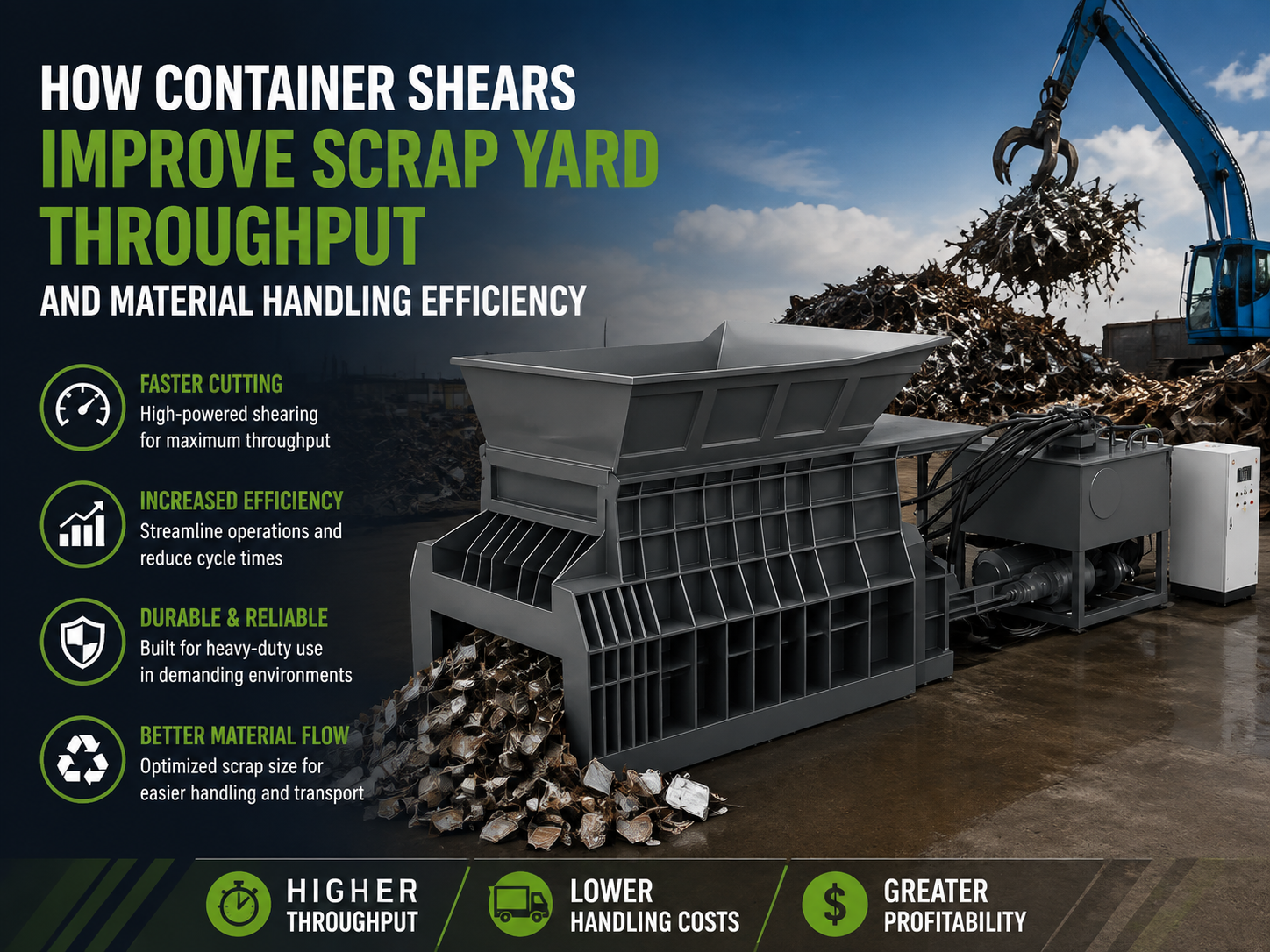
In the rapidly evolving landscape of metal recycling, the demand for high-volume processing has never been greater. Container shears, often referred to as box shears or mobile scrap shears, have emerged as the cornerstone of modern scrap yard operations. Unlike traditional alligator shears that require manual feeding of individual pieces, or massive stationary gantry shears that necessitate significant civil engineering and high capital expenditure, container shears offer a balanced solution that prioritizes both mobility and high-speed throughput. The fundamental design of a container shear involves a large hopper or “box” where scrap is loaded. Once the lid closes, the material is compressed and pushed toward a heavy-duty hydraulic blade that slices the metal into uniform, furnace-ready sizes.
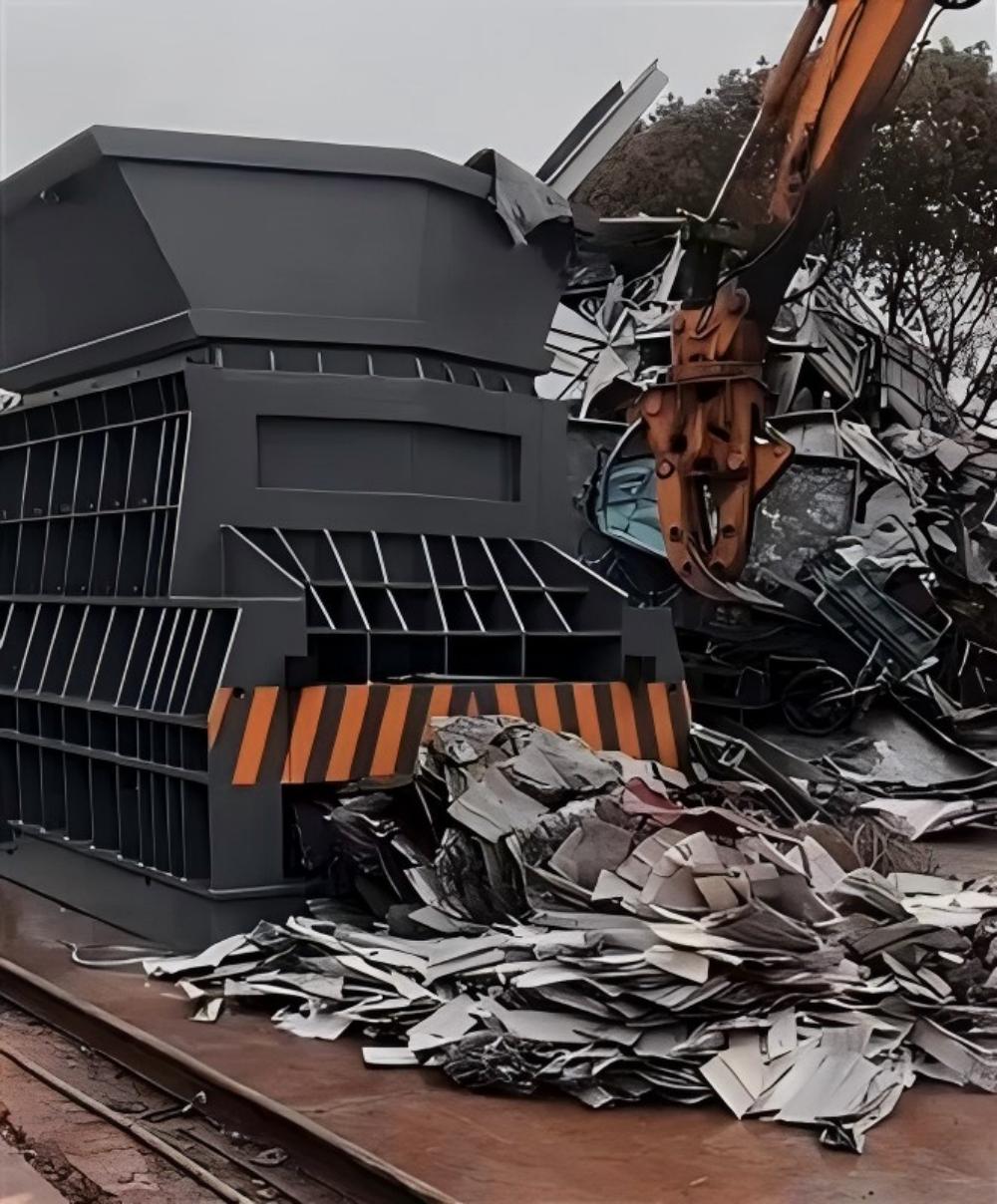
The engineering philosophy behind HARSLE container shears is centered on the concept of continuous operation. By utilizing a gravity-fed or horizontal pushing mechanism, these machines minimize the “dead time” between cuts. In a typical scrap yard workflow, material handling—the moving of scrap from piles to the machine—is often the bottleneck. Container shears improve scrap yard throughput material handling efficiency by allowing operators to dump large, unsorted loads directly into the charging box using a grapple crane. This eliminates the need for pre-sorting or pre-cutting of long structural steels, pipes, and automotive frames, which are labor-intensive and time-consuming processes.
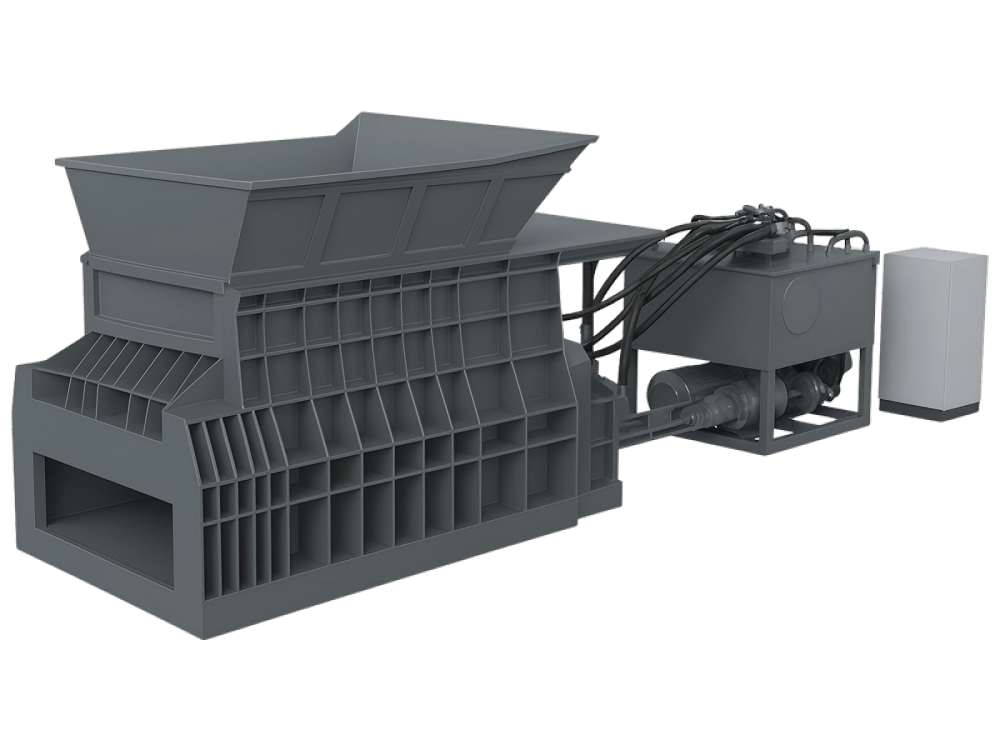
From a mechanical perspective, the efficiency of these machines is driven by advanced hydraulic systems. Modern container shears utilize variable displacement pumps and high-pressure logic valves to ensure that the blade moves quickly when encountering low resistance and provides maximum force when cutting through thick sections. This “smart” distribution of power ensures that the machine is always operating at its peak efficiency, reducing energy consumption per ton of processed material. Furthermore, the integration of PLC (Programmable Logic Controller) systems allows for automated cycles, where the machine can sense the position of the material and adjust the stroke length accordingly, further shaving seconds off every cycle.
Another critical aspect of the technical overview is the structural integrity of the machine. Container shears are subjected to immense torsional stresses during the compression and shearing phases. HARSLE utilizes high-strength Q355B or Q460 steel plates, reinforced with heavy-duty ribbing, to ensure the frame can withstand decades of operation. The blades themselves are typically made from specialized alloy tool steels, heat-treated to achieve a balance between hardness (for wear resistance) and toughness (to prevent chipping under impact). This robust construction is what allows container shears to maintain high throughput even when dealing with the most challenging industrial scrap.
Core Parameters Defining Performance
When evaluating how container shears improve scrap yard throughput material handling efficiency, one must look closely at the core technical parameters that dictate performance. The most prominent parameter is the Shear Force, usually measured in Kilonewtons (kN) or Tons. For a standard container shear, this force typically ranges from 400 to 1250 tons. The shear force determines the maximum thickness and grade of metal the machine can process. A higher shear force allows the yard to accept heavier industrial scrap, such as I-beams and thick-walled pipes, which often command higher margins but require more power to process.
The Blade Length is another vital parameter. In container shears, the blade length usually corresponds to the width of the charging box, typically between 800mm and 1500mm. A wider blade allows for larger pieces of scrap to be fed without pre-processing. However, the blade length must be balanced with the hydraulic pressure; a wider blade spreads the force over a larger area, potentially reducing the cutting pressure per square inch. Therefore, high-efficiency machines like those from HARSLE optimize the blade geometry to ensure clean cuts even at the edges of the blade.
Cycle Time and Shear Frequency are the primary drivers of throughput. Cycle time refers to the duration it takes for the charging box to close, the pusher to advance, the blade to descend and retract, and the pusher to reset. In high-performance models, a full cycle can be completed in 30 to 60 seconds depending on the material density. Shear frequency, often expressed in cuts per minute (CPM), is a direct indicator of how much material can be moved through the machine in an hour. By optimizing the hydraulic flow rates and using high-speed cylinders for the return stroke, manufacturers can significantly increase the CPM, directly impacting the yard’s daily output.
Finally, the Power Rating (kW) of the electric motors or diesel engines driving the hydraulic pumps must be considered. While higher power generally leads to faster cycle times, it also increases operational costs. The most efficient container shears use a multi-motor setup or frequency-controlled drives that allow the machine to scale its power usage based on the immediate load. This ensures that the scrap yard achieves the highest possible throughput with the lowest possible energy footprint, a key factor in modern sustainable recycling operations.
Calculation Method for Throughput and Efficiency
To accurately measure how container shears improve scrap yard throughput material handling efficiency, operators must use standardized calculation methods. The most common metric is Tons Per Hour (TPH). To calculate the theoretical TPH of a container shear, one must consider the volume of the charging box, the density of the scrap, and the cycle time. The formula can be expressed as follows:
TPH = (V × ρ × 3600) / (T_cycle × 1000)
Where:
– V is the volume of the charging box in cubic meters (m³).
– ρ is the bulk density of the scrap material (kg/m³). Light scrap like tin might have a density of 150 kg/m³, while heavy melting scrap (HMS) can exceed 500 kg/m³.
– T_cycle is the total time for one full processing cycle in seconds.
– 3600 converts seconds to hours, and 1000 converts kilograms to tons.
However, theoretical TPH rarely matches actual field performance due to loading delays. To find the Operational Efficiency (η), we compare the actual output over an 8-hour shift to the theoretical maximum. If a machine is rated for 15 TPH but only produces 80 tons in an 8-hour shift, the efficiency is (80 / (15 × 8)) = 66.7%. Improving this efficiency involves optimizing the material handling side—ensuring that the grapple crane is always ready with a new load the moment the shear finishes its cycle. Container shears are specifically designed to maximize this η by having large, open-top boxes that are easy for crane operators to target.
Another critical calculation is the Cost Per Ton (CPT). This is calculated by summing the hourly costs of electricity/fuel, labor, blade wear, and maintenance, and dividing by the actual TPH. Container shears excel here because they require fewer operators than manual shearing stations. By concentrating the processing power into a single automated unit, the labor component of the CPT is drastically reduced. Furthermore, because the material is compressed before shearing, the blades experience more uniform wear, extending their service life and reducing the maintenance cost per ton processed.
Container Shear Parameter Table
The following table outlines the typical specifications for HARSLE’s range of container shears, demonstrating how different models cater to varying throughput requirements.
| Model Parameter | CS-400 (Entry Level) | CS-630 (Mid-Range) | CS-1000 (High Capacity) |
|---|---|---|---|
| Shear Force (kN) | 4000 | 6300 | 10000 |
| Blade Length (mm) | 800 | 1200 | 1500 |
| Max Cutting Thickness (MS) | 40mm | 70mm | 100mm+ |
| Box Dimensions (L×W) | 4000 × 2000 mm | 6000 × 2200 mm | 8000 × 2500 mm |
| Cycle Time (Seconds) | 45 – 60 | 40 – 55 | 35 – 50 |
| Throughput (Tons/Hour) | 4 – 8 | 10 – 18 | 20 – 35 |
Common Engineering Mistakes in Scrap Yard Setup
One of the most common mistakes in scrap yard engineering is the improper sizing of the container shear relative to the incoming scrap stream. Many operators purchase a machine based on its maximum shear force without considering the volume of the charging box. If the box is too small for the typical length of structural scrap (like 6-meter beams), the yard will still need to pre-cut the material, negating the throughput benefits of the container shear. It is essential to match the box length to the most common scrap dimensions found in your local market.
Another frequent error is neglecting the hydraulic cooling system. Container shears generate a significant amount of heat due to the high-pressure friction within the hydraulic fluid. In hot climates or during double-shift operations, the oil temperature can rise above the optimal range (usually 40-55°C). When oil overheats, its viscosity drops, leading to internal leakage in pumps and valves, which slows down cycle times and damages seals. Failing to install an oversized industrial oil cooler or ignoring the cleaning of existing heat exchangers is a recipe for declining throughput and expensive repairs.
Poor foundation design is a hidden mistake that affects long-term efficiency. While container shears are often marketed as “portable” or “no-foundation” machines, they still require a level, reinforced concrete pad or a very stable compacted gravel base. If the machine settles unevenly, the frame can twist slightly. This misalignment, even if measured in millimeters, causes uneven wear on the blade slides and the pusher ram. Over time, this increases friction, consumes more power, and can eventually lead to structural cracking of the main frame. Always follow the manufacturer’s specifications for ground preparation.
Finally, many yards fail to implement a rigorous blade rotation and sharpening schedule. Using dull blades doesn’t just result in “ragged” cuts; it significantly increases the hydraulic pressure required for every stroke. This puts unnecessary stress on the entire system—from the motor to the cylinder seals. A dull blade can reduce throughput by 15-20% because the machine takes longer to reach the pressure threshold required to shear the material. Implementing a “spare set” strategy, where one set of blades is being professionally ground while the other is in use, is critical for maintaining peak material handling efficiency.
Selection Checklist for Container Shears
Choosing the right equipment is the first step in ensuring that container shears improve scrap yard throughput material handling efficiency. Use this checklist during your procurement process:
- Hydraulic Component Origin: Does the machine use reputable brands like Rexroth, Parker, or Vickers? High-quality valves and pumps are essential for consistent cycle times.
- Blade Material and Hardness: Ensure the blades are made from high-alloy steel (e.g., 9CrSi or Cr12MoV) with a hardness rating of HRC 55-58. Ask about the number of usable edges per blade (usually 4).
- PLC and Automation Features: Look for a system that offers “Auto-Cycle” and remote control. Remote control allows the crane operator to trigger the shear cycle without leaving the cab, significantly improving workflow.
- Structural Weight: Compare the total weight of the machine against competitors. In the world of shears, more steel usually means better vibration dampening and a longer lifespan.
- Cooling System Capacity: Verify if the machine includes an air-cooled or water-cooled hydraulic system suitable for your local ambient temperatures.
- Safety Interlocks: Ensure the machine has emergency stops, pressure relief valves, and safety sensors on the charging box lids to protect personnel.
- After-Sales Support: Does the manufacturer provide a detailed wear-parts list and technical support for hydraulic troubleshooting?
Frequently Asked Questions (FAQ)
1. How does a container shear differ from a gantry shear?
A gantry shear is a massive, stationary machine where the blade moves vertically within a large frame. It is designed for the highest possible volumes but requires a deep foundation and a large footprint. A container shear is more compact, often semi-mobile, and uses a horizontal or slightly inclined shearing action. Container shears are generally easier to install and more flexible for medium-to-large yards.
2. Can container shears process cars?
Yes, most mid-to-high capacity container shears (630 tons and above) can easily process car bodies. The charging box is large enough to accept a flattened or even a whole car, and the compression lids will crush it into a dense log before the blade shears it into sections. This is a major way container shears improve scrap yard throughput material handling efficiency.
3. How often do the blades need to be changed?
Blade life depends entirely on the material being cut. For clean, light-to-medium scrap, blades might last for 500-1,000 tons per edge. Since most blades have four edges, a single set can process several thousand tons. However, cutting high-carbon steels or contaminated scrap will shorten this interval. Regular inspection is key.
4. Is it better to have a diesel or electric motor?
Electric motors are generally more cost-effective and require less maintenance if your yard has a stable power grid. Diesel engines are preferred for mobile operations or yards in remote locations without high-voltage infrastructure. HARSLE offers both configurations to suit different operational needs.
5. How does the “Box” design improve efficiency?
The box design allows for “pre-compression.” By crushing the scrap from the top and sides before it reaches the blade, the material becomes denser. This means each stroke of the blade cuts more weight than it would if the material were loose, directly increasing the tons-per-hour output of the machine.
Conclusion: Maximizing ROI with Container Shears
In conclusion, the integration of a container shear into a scrap metal facility is one of the most effective ways to scale operations. By focusing on the core parameters of shear force, cycle time, and box volume, and by avoiding common engineering pitfalls like poor cooling or inadequate foundations, scrap yard owners can see a dramatic increase in their processing capacity. Container shears improve scrap yard throughput material handling efficiency by streamlining the transition from raw, bulky scrap to high-value, furnace-ready material. With the right selection and maintenance strategy, these machines provide a robust return on investment, ensuring that your recycling business remains competitive in a demanding global market.