Container Shear vs. Baler: Which Scrap Metal Processing Machine Fits Your Plant

Technical Overview: Understanding the Mechanics of Scrap Processing
In the modern recycling industry, the choice between a container shear and a metal baler is one of the most critical decisions a plant manager will make. Both machines serve the primary purpose of reducing the volume of scrap metal to facilitate transport and smelting, but they achieve this through fundamentally different mechanical processes. HARSLE, a leader in metal fabrication machinery, provides high-performance solutions for both categories, ensuring that scrap yards can optimize their throughput based on specific material streams.
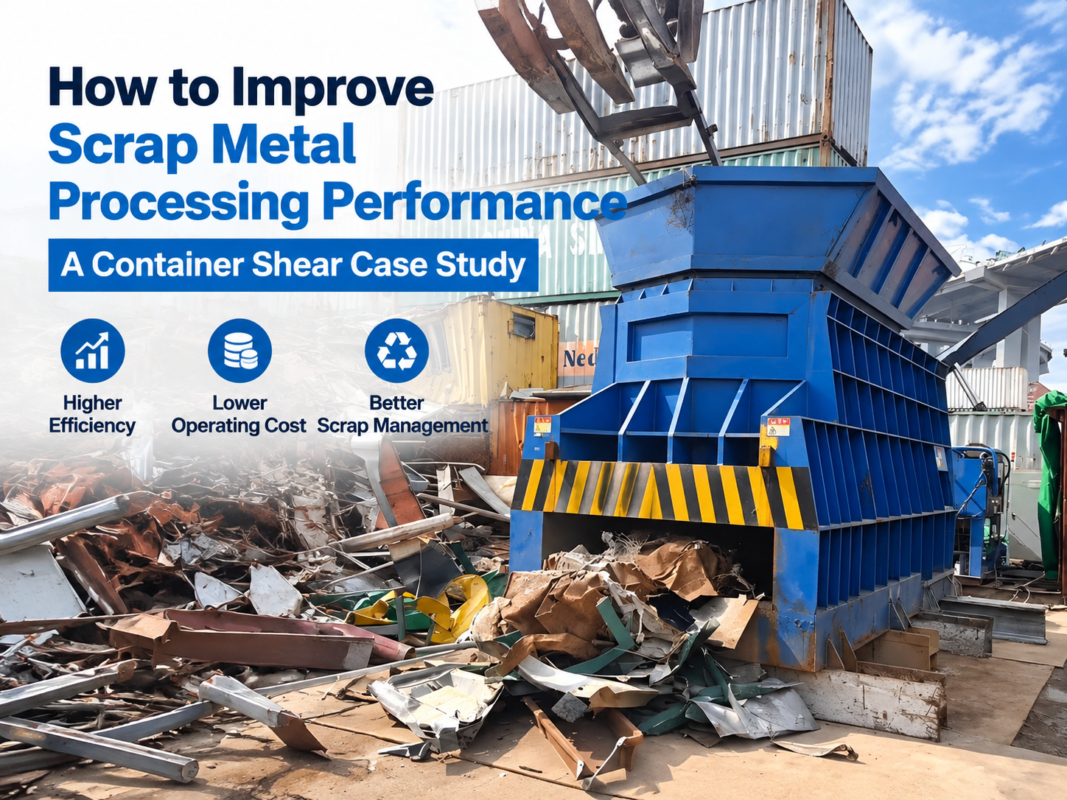
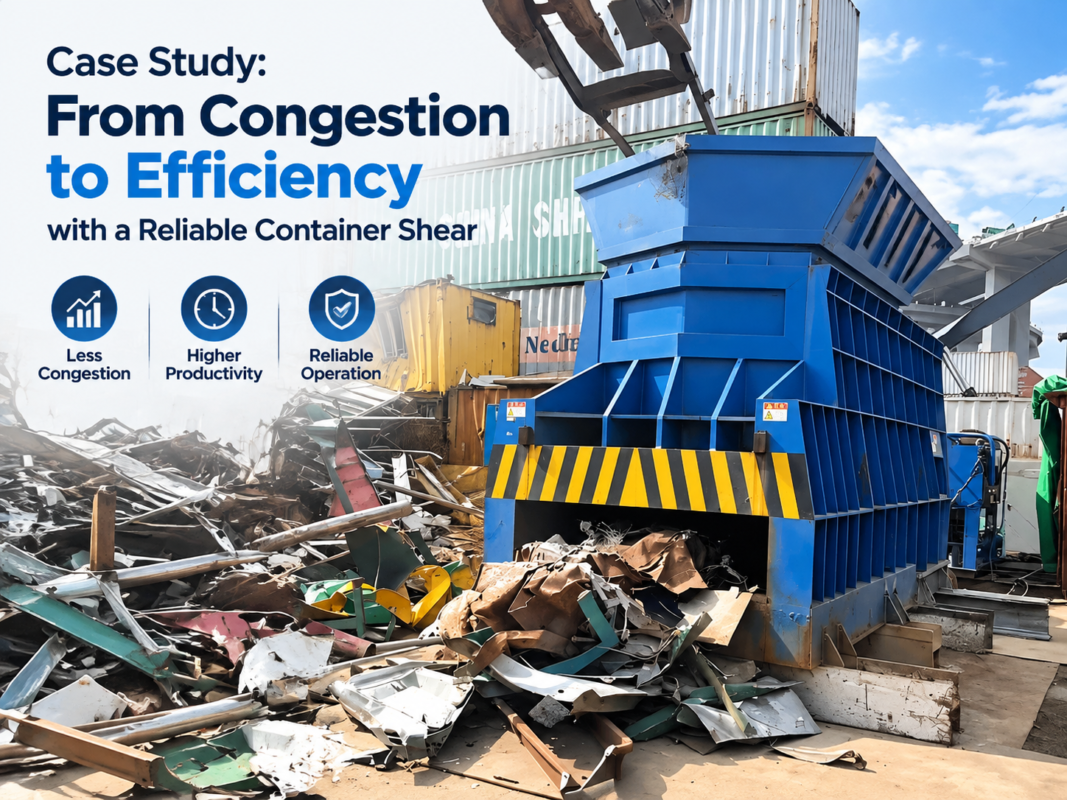
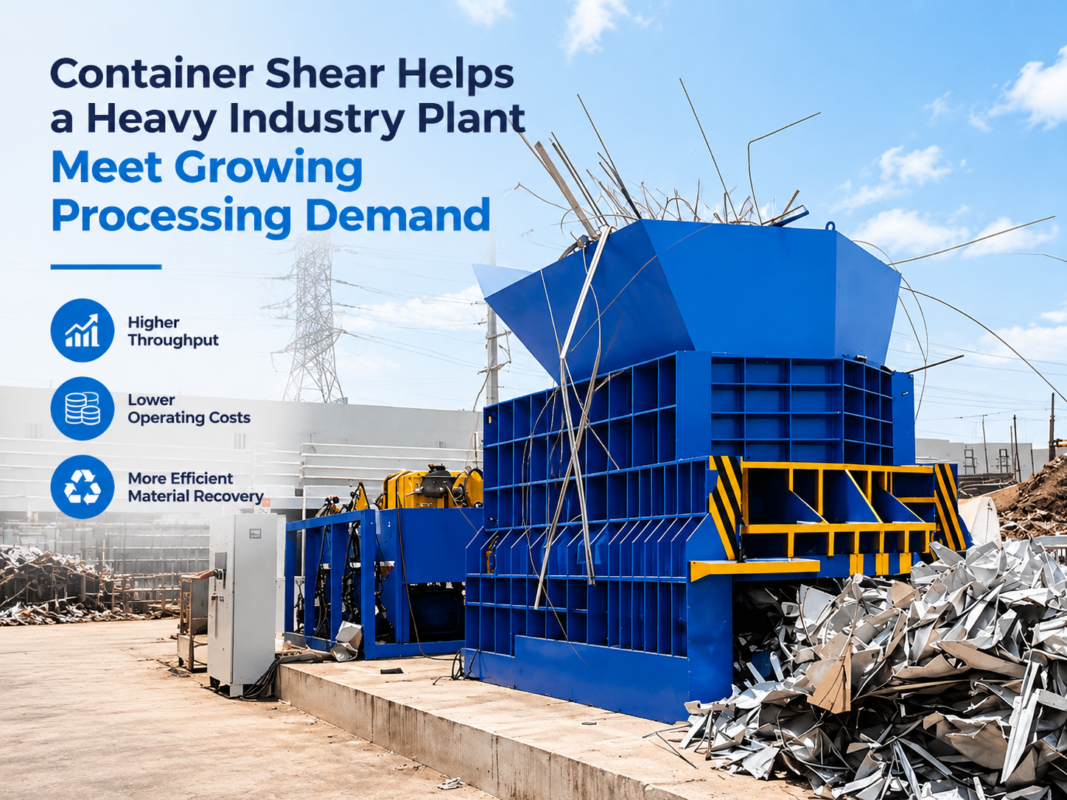
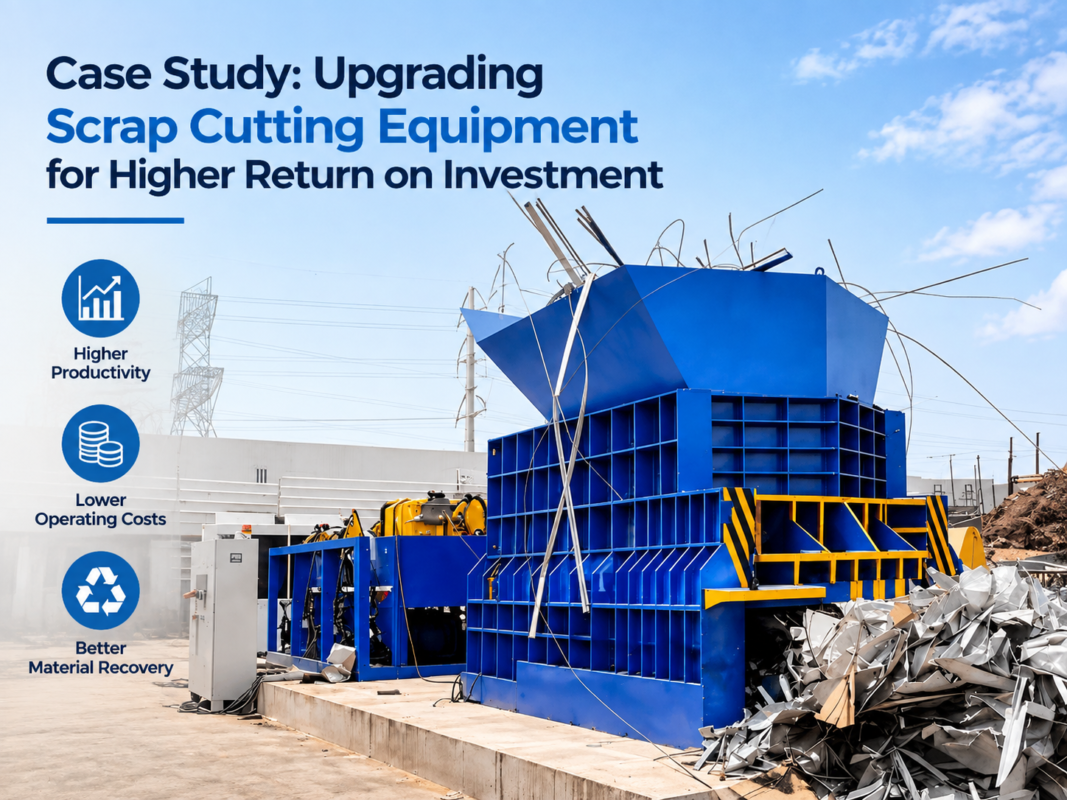
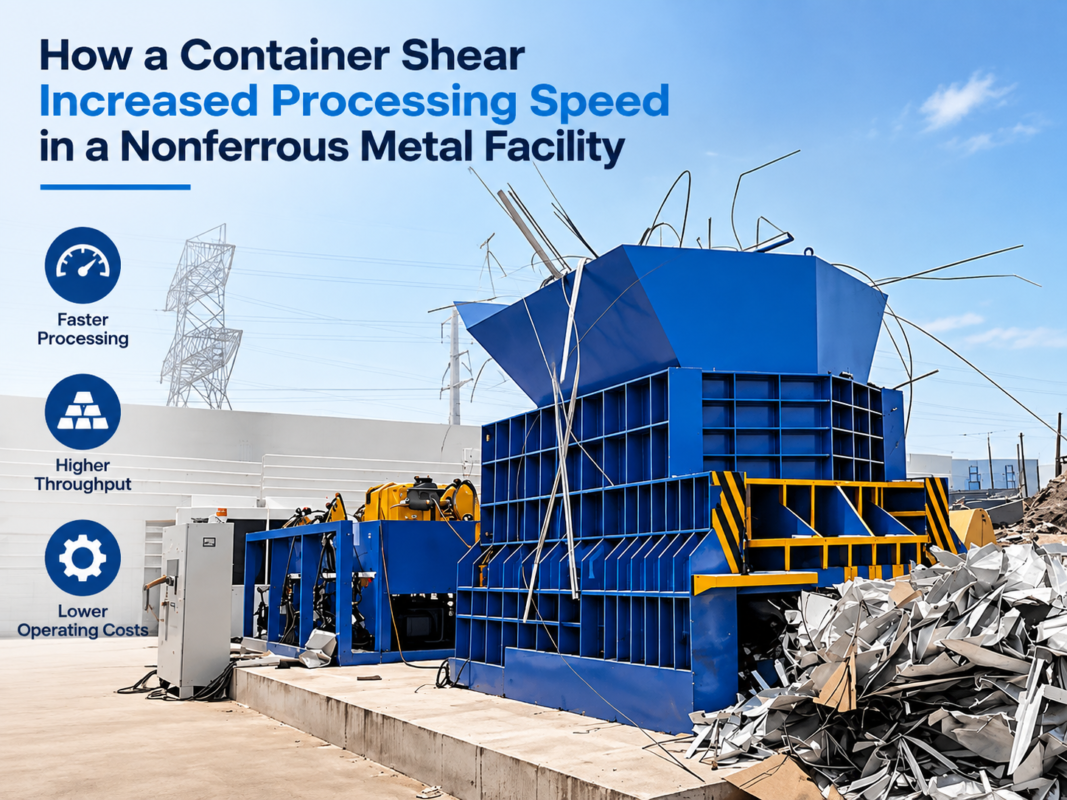
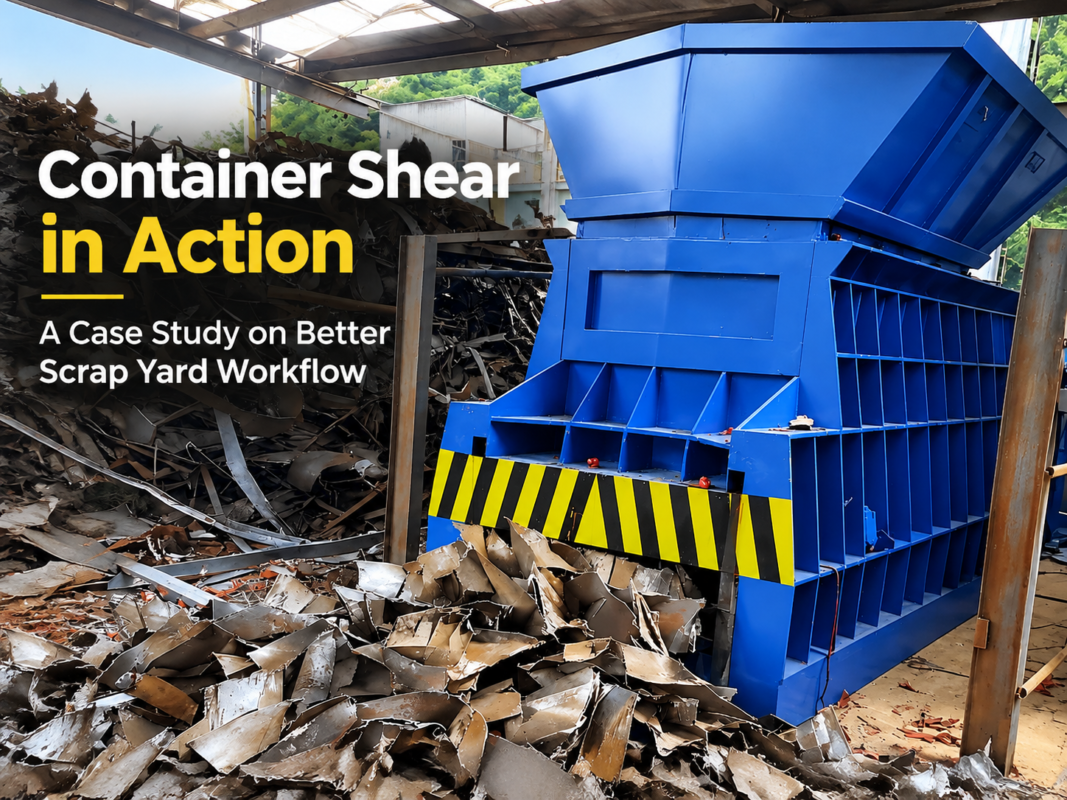
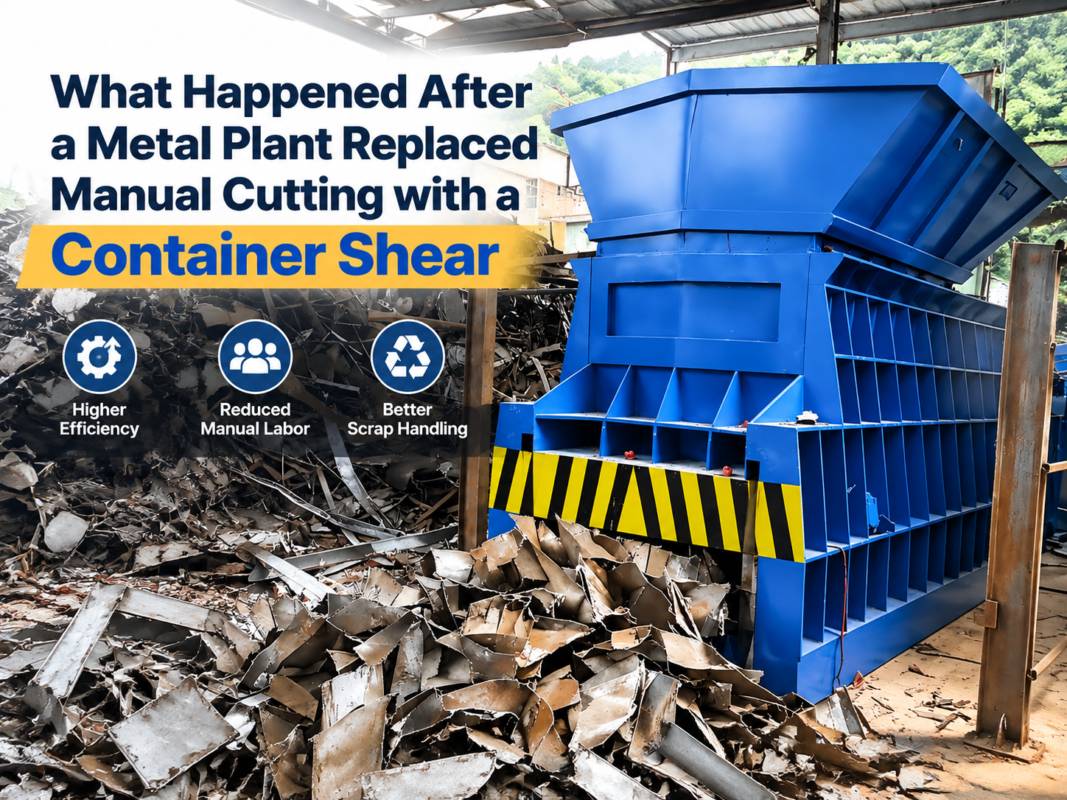
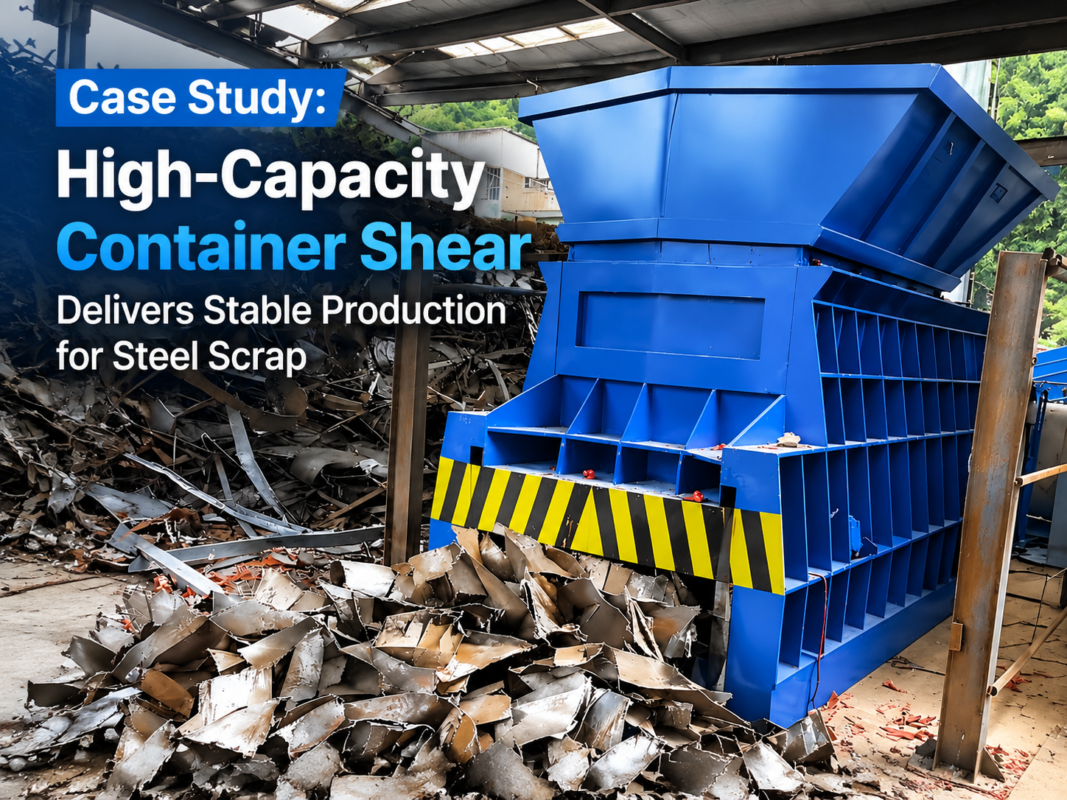
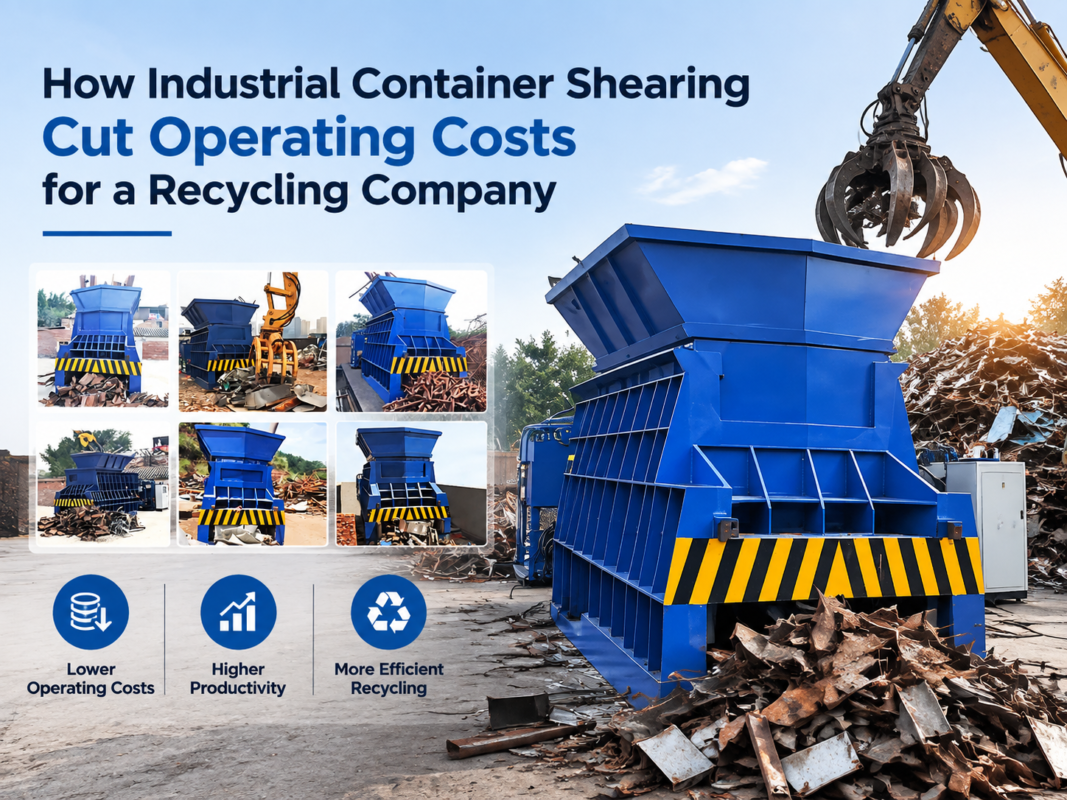
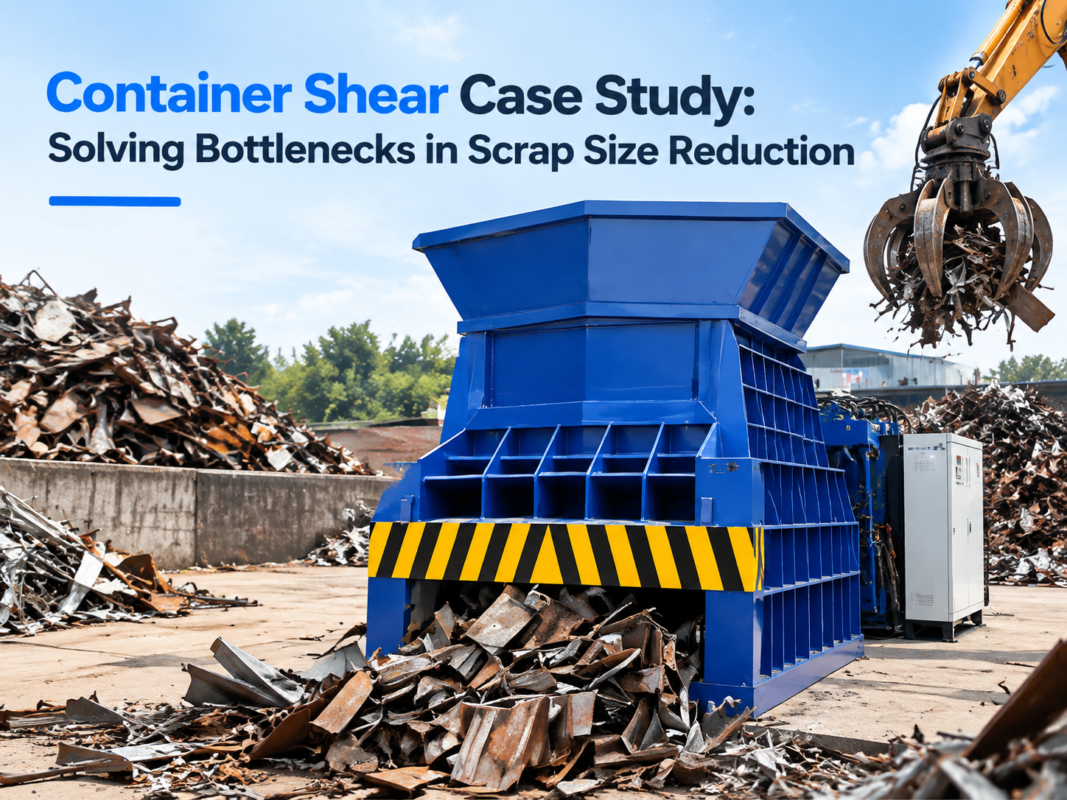
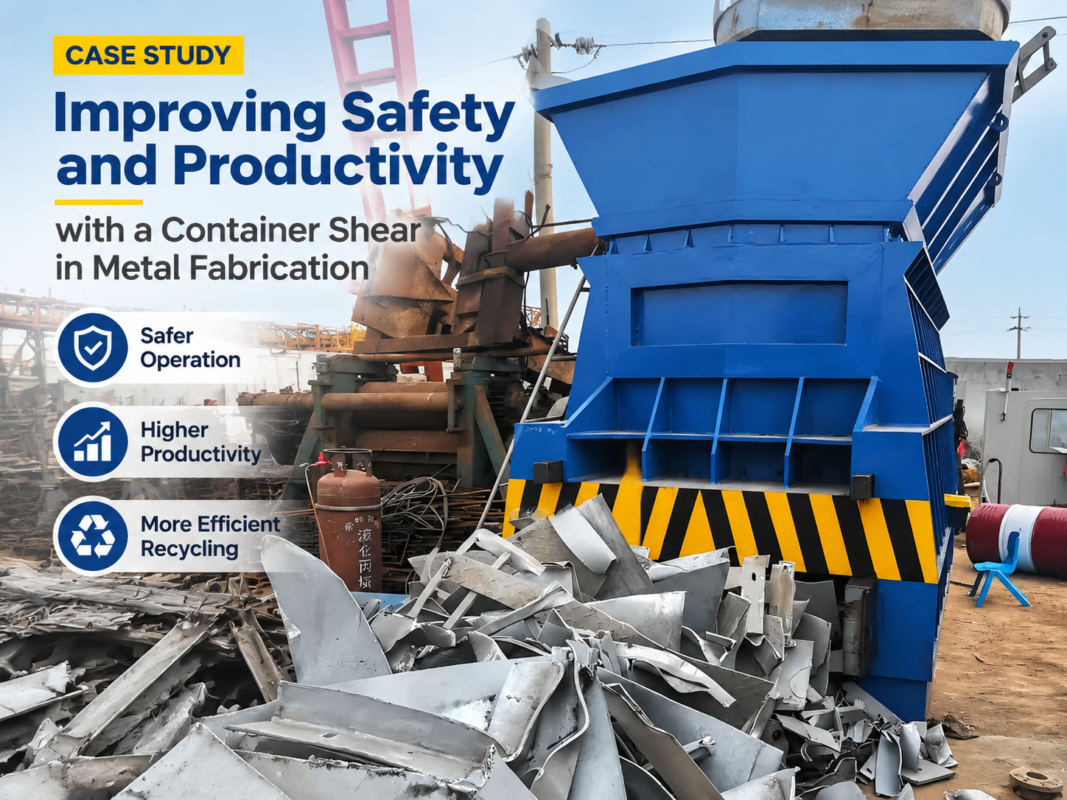
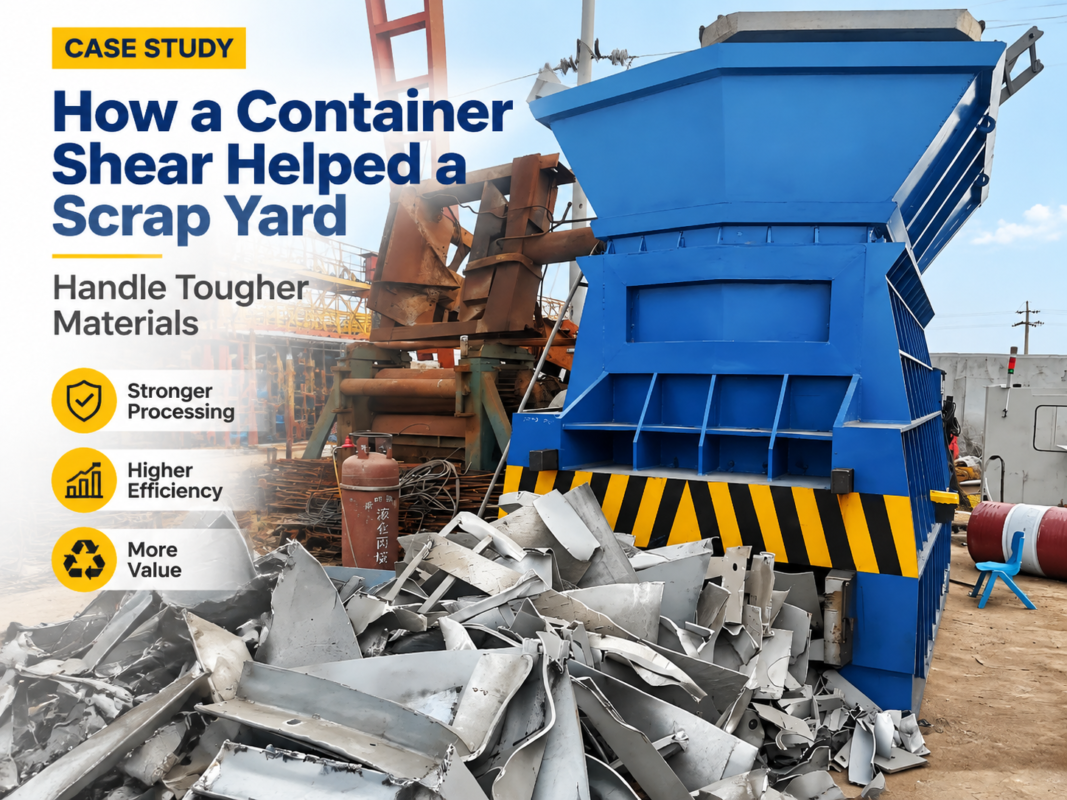
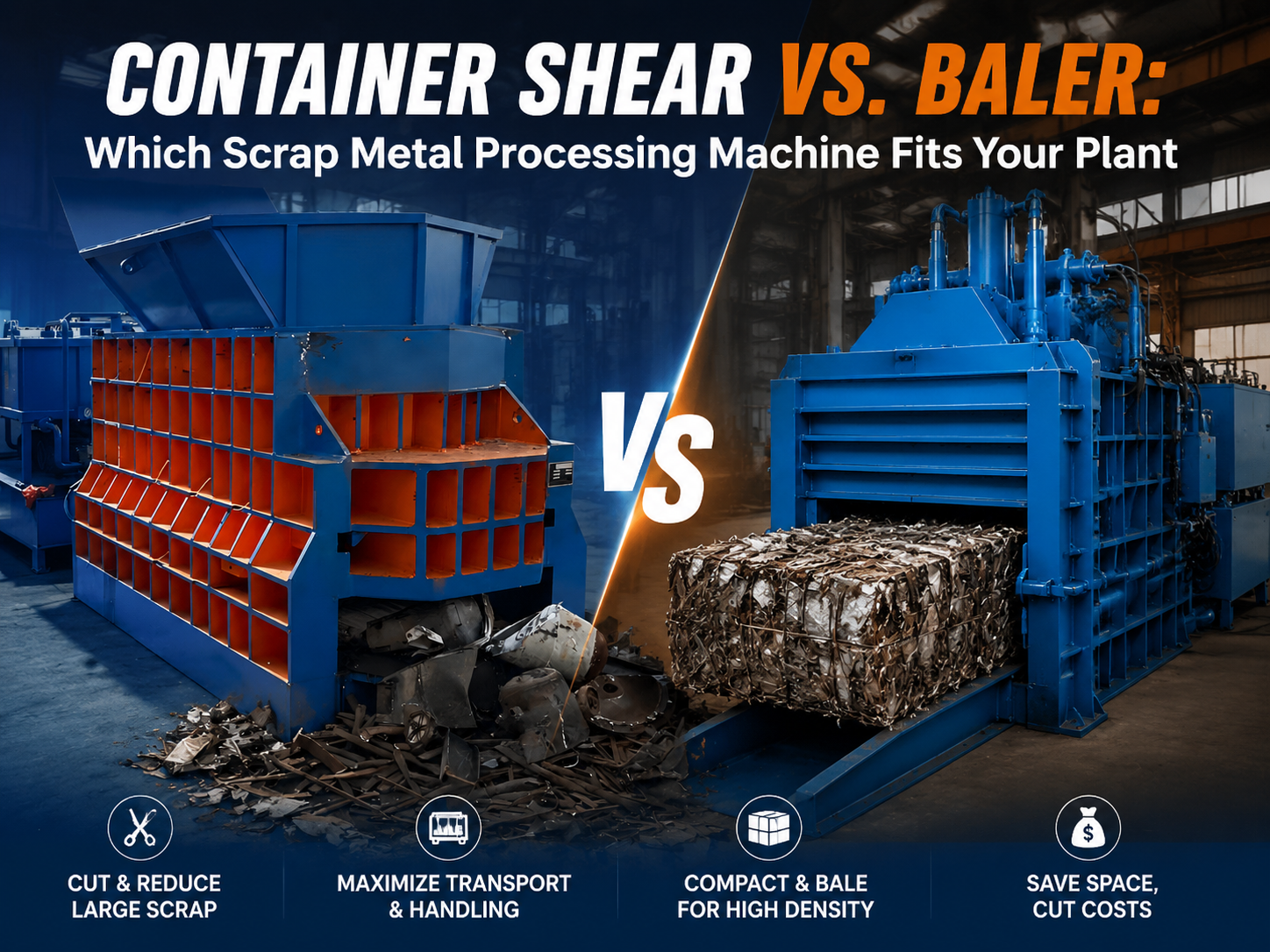
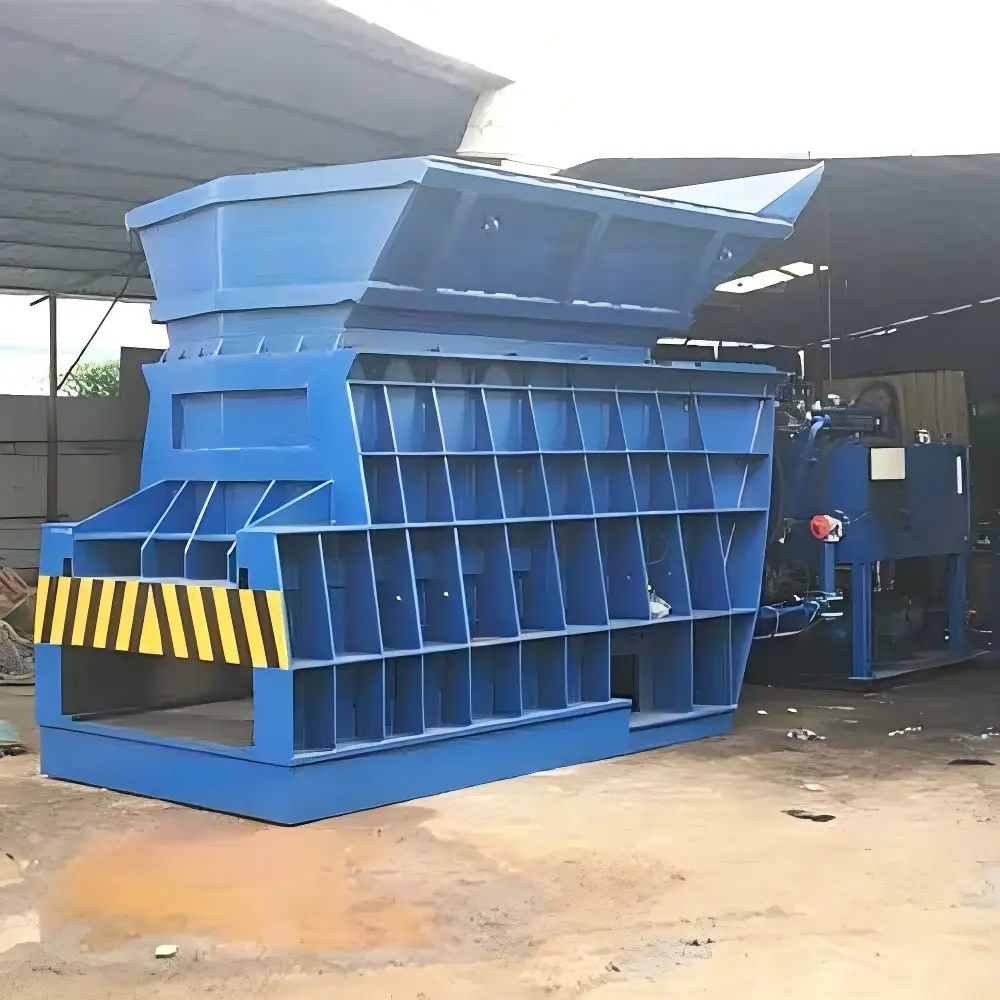
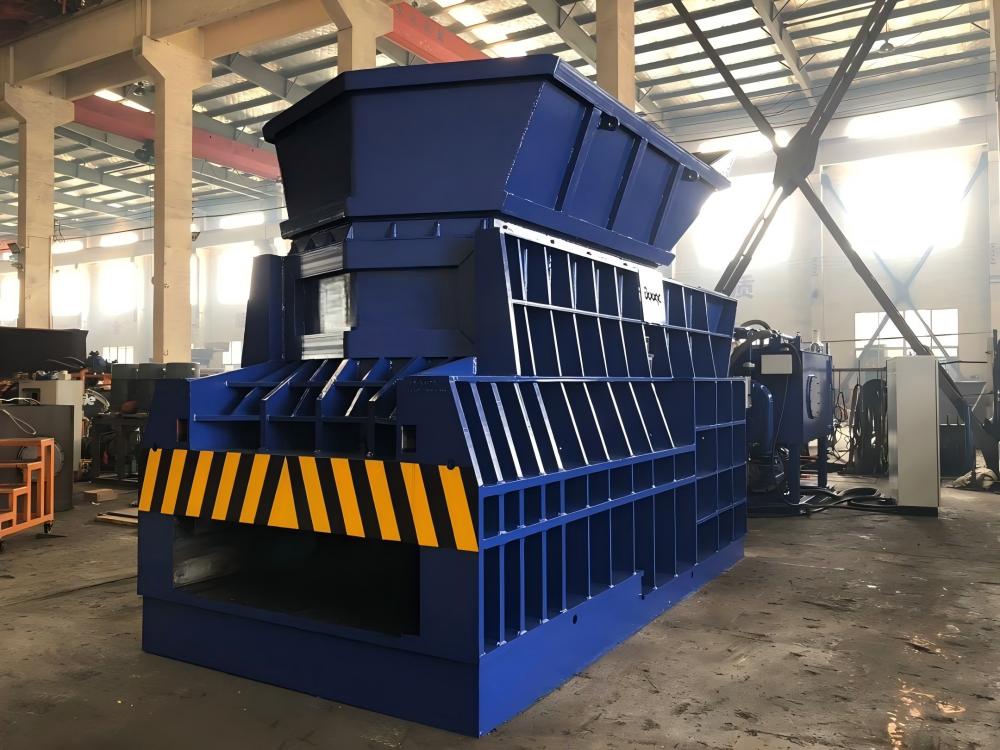
A Container Shear is a heavy-duty, continuous-feeding machine designed to cut long or bulky scrap into manageable lengths. Unlike traditional alligator shears, container shears feature a large hopper or “box” where scrap is loaded. A hydraulic pusher ram then forces the material toward a horizontal or vertical guillotine blade. This machine is the workhorse for heavy melting scrap (HMS), structural steel, and decommissioned machinery. The primary advantage of the container shear is its ability to handle “oversized” scrap that would otherwise require manual torch cutting, significantly reducing labor costs and increasing safety.
Conversely, a Metal Baler focuses on compaction rather than cutting. It uses multi-directional hydraulic pressure (often two or three rams) to compress light-to-medium gauge scrap into dense, rectangular blocks known as bales. Balers are ideal for materials like aluminum extrusions, stainless steel sheets, copper wire, and light steel clippings. The goal of baling is to maximize the weight-to-volume ratio for logistics. Smelters often prefer bales for specific furnace types because they sink into the molten bath more effectively than loose scrap, reducing oxidation losses.
Choosing between these two involves analyzing your incoming scrap profile. If your yard receives a high volume of heavy structural beams, pipes, and thick plate, the container shear is indispensable. If your primary intake consists of factory offcuts, white goods (appliances), or non-ferrous metals, a baler will likely provide a better return on investment (ROI) by optimizing shipping container space and meeting mill specifications for density.
Core Parameters: Defining Performance Metrics
When evaluating a Container Shear Vs. Baler: Which Scrap Metal Processing Machine Fits Plant, engineers must look beyond the sticker price and focus on the technical parameters that dictate daily operational efficiency. For container shears, the most critical parameter is the Shearing Force, typically measured in metric tons. HARSLE models range from 400T to over 1250T. This force determines the maximum thickness of the steel plate or the diameter of the rebar the machine can successfully sever without stalling the hydraulic system.
Another vital parameter for shears is the Blade Length and Box Dimensions. A longer blade allows for wider pieces to be cut in a single stroke, while a larger box reduces the need for pre-processing scrap with a grapple or torch. The Cycle Time—the time it takes for the pusher to advance, the shear to cut, and the blade to retract—directly correlates to the tons-per-hour (TPH) capacity of the plant. High-speed valves and regenerative hydraulic circuits are often employed in HARSLE shears to minimize idle time.
For balers, the focus shifts to Bale Density and Pressing Force. The density of the final product is paramount for international shipping. A standard 20-foot container has a weight limit; if your bales are not dense enough, you will hit the volume limit before the weight limit, essentially paying to ship air. The Bale Size must also be compatible with the charging doors of the furnaces at the destination foundry. Common sizes include 300x300mm for non-ferrous and 600x600mm for ferrous scrap.
Power consumption is a shared parameter but manifests differently. Shears require high peak pressure for the cut, often utilizing large accumulators. Balers require sustained pressure to hold the scrap in a compressed state while the final ram completes the bale. Understanding the Motor Power (kW) and System Pressure (MPa) helps in calculating the energy cost per ton of processed material, a key factor in long-term profitability.
Calculation Method: Estimating Throughput and ROI
To determine which machine fits your plant, you must perform a throughput calculation. For a container shear, the formula for theoretical hourly production (T) is:
T = (V × ρ × 60) / C
Where:
– V is the volume of the compression box (m³).
– ρ is the bulk density of the loose scrap (tons/m³).
– C is the total cycle time in minutes (including loading, compressing, and shearing).
For example, if a HARSLE 600T shear has a box volume of 5m³, the loose scrap density is 0.4 tons/m³, and the cycle time is 2 minutes, the throughput would be (5 × 0.4 × 60) / 2 = 60 tons per hour. However, in real-world scenarios, an efficiency factor of 0.7-0.8 should be applied to account for crane loading delays and material irregularities.
For balers, the calculation focuses on the Bale Weight and Bales Per Hour. If a baler produces a 200kg bale every 90 seconds, the hourly production is (3600 / 90) × 200kg = 8,000kg or 8 tons per hour. To justify the investment, the plant manager must compare the increased value of the baled/sheared scrap (the “spread”) against the operational costs (labor, electricity, wear parts). If the spread is $40 per ton and the processing cost is $15 per ton, the net profit is $25 per ton. At 8 tons per hour, the machine generates $200 of profit per hour of operation.
Parameter Table: HARSLE Container Shear vs. Baler Comparison
| Feature | HARSLE Container Shear (e.g., 600T) | HARSLE Metal Baler (e.g., Y81 Series) |
|---|---|---|
| Primary Function | Cutting/Sizing heavy scrap | Compacting light/medium scrap |
| Main Force | 400 – 1250 Tons (Shear Force) | 100 – 600 Tons (Press Force) |
| Material Suitability | HMS 1/2, I-beams, thick pipe, plate | Aluminum, copper, car bodies, sheet metal |
| Output Form | Short, clean-cut pieces (e.g., 500mm) | Dense rectangular bales |
| Loading Method | Continuous grapple/magnet loading | Batch loading into hopper |
| Wear Parts | Shear blades, liner plates | Liner plates, hydraulic seals |
| Logistics Focus | Meeting mill size requirements | Maximizing container weight |
Common Engineering Mistakes in Machine Selection
One of the most frequent mistakes in scrap metal processing is underestimating the material hardness. Many plant owners purchase a shear based on the average thickness of their scrap, only to find that the machine struggles with occasional high-alloy steels or reinforced structural members. This leads to “stalling” the hydraulic system, which causes excessive heat buildup and premature seal failure. It is always advisable to select a machine with a 20% buffer in shearing force above your maximum expected material thickness.
Another common error is ignoring the cooling system requirements. Both container shears and balers rely on hydraulic oil to transmit power. In high-ambient temperature environments or during double-shift operations, the oil temperature can skyrocket. If the machine’s cooling unit (air or water-cooled) is undersized, the oil viscosity drops, leading to internal leakage in pumps and valves, and eventually, a total system shutdown. HARSLE recommends integrated industrial chillers for plants operating in tropical climates or high-intensity cycles.
Poor foundation planning is a third critical mistake. A 600T container shear exerts massive reciprocating forces. If the concrete pad is not engineered with the correct thickness and reinforcement, the machine will eventually shift or crack the foundation. This misalignment can lead to uneven blade wear or frame twisting. Always consult the manufacturer’s foundation drawings and involve a structural engineer before installation.
Finally, many operators neglect blade gap maintenance in shears. As blades wear, the gap between the moving and stationary blade increases. Instead of a clean shear, the metal begins to “fold” or tear, which requires significantly more hydraulic pressure and puts immense stress on the machine frame. Regular shimming and rotation of blades are essential to maintain the machine’s design life.
Selection Checklist: Which Machine Fits Your Plant?
Before finalizing your purchase from HARSLE, use this checklist to ensure the machine aligns with your operational goals:
- Material Type: Is more than 60% of your scrap thicker than 6mm? If yes, prioritize a Container Shear.
- Volume Requirements: Do you process more than 500 tons per month? A container shear offers higher automated throughput.
- End-User Specifications: Does your local foundry require “Bales” or “Foundry Grade Sheared Scrap”? The buyer’s preference is paramount.
- Space Constraints: Container shears are typically longer and require more linear space for the pusher ram. Balers are often more compact.
- Labor Availability: Container shears are highly automated and require fewer operators than manual alligator shears or small balers.
- Transport Logistics: Are you exporting via sea containers? A baler is almost always required to reach the 25-28 ton container weight limit for light scrap.
- Power Grid Capacity: Does your plant have the amperage to start large 45kW+ motors? Soft starters or VFDs may be necessary.
- Maintenance Capability: Do you have the equipment (overhead crane) to change heavy shear blades, or is a baler’s simpler maintenance profile better for your team?
- Budget for Wear Parts: Shears have higher ongoing costs for blade sharpening and replacement compared to baler liners.
- Future Growth: Will you be taking on car dismantling or demolition scrap in the future? A shear offers more versatility for varied scrap streams.
FAQ: Container Shear vs. Baler
1. Can a container shear also make bales?
No. While a container shear compresses the scrap into a log before cutting, it does not have the side-compression or end-gate mechanism required to form a stable, tied, or high-density bale. It is strictly a sizing machine.
2. Which machine has a higher resale value?
Generally, container shears hold their value well due to their heavy-duty construction and high demand in large-scale recycling. However, a well-maintained HARSLE baler is also a liquid asset in the non-ferrous market.
3. How often do the blades need to be changed on a container shear?
This depends entirely on the material. For clean mild steel, blades may last 200-400 hours before needing to be rotated or sharpened. For scrap with high sand, dirt, or alloy content, this interval may decrease. Most HARSLE blades have four usable edges.
4. Is a baler better for aluminum scrap?
Yes. Aluminum is light and voluminous. Shearing it doesn’t solve the logistics problem. Baling aluminum extrusions or cans is the industry standard for efficient transport and smelting.
5. What is the typical lifespan of a HARSLE scrap machine?
With proper hydraulic maintenance and regular replacement of wear liners, these machines are designed for a service life of 10-15 years in a heavy-duty industrial environment.
6. Does a container shear require a specialized operator?
While the machine is automated via PLC, the operator must be skilled in loading the box correctly to prevent “bridging” (where scrap jams the pusher). HARSLE provides training for all new installations to ensure optimal operation.