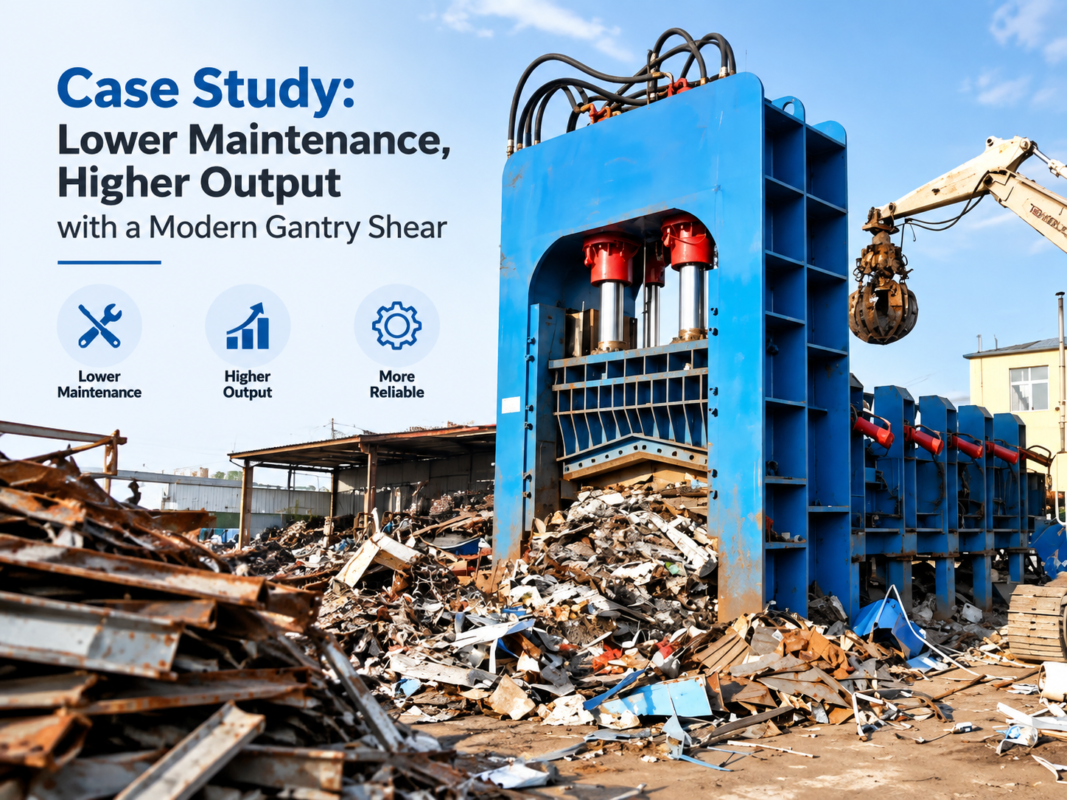
Common Gantry Shear Problems and How to Troubleshoot Them: A Technical Guide

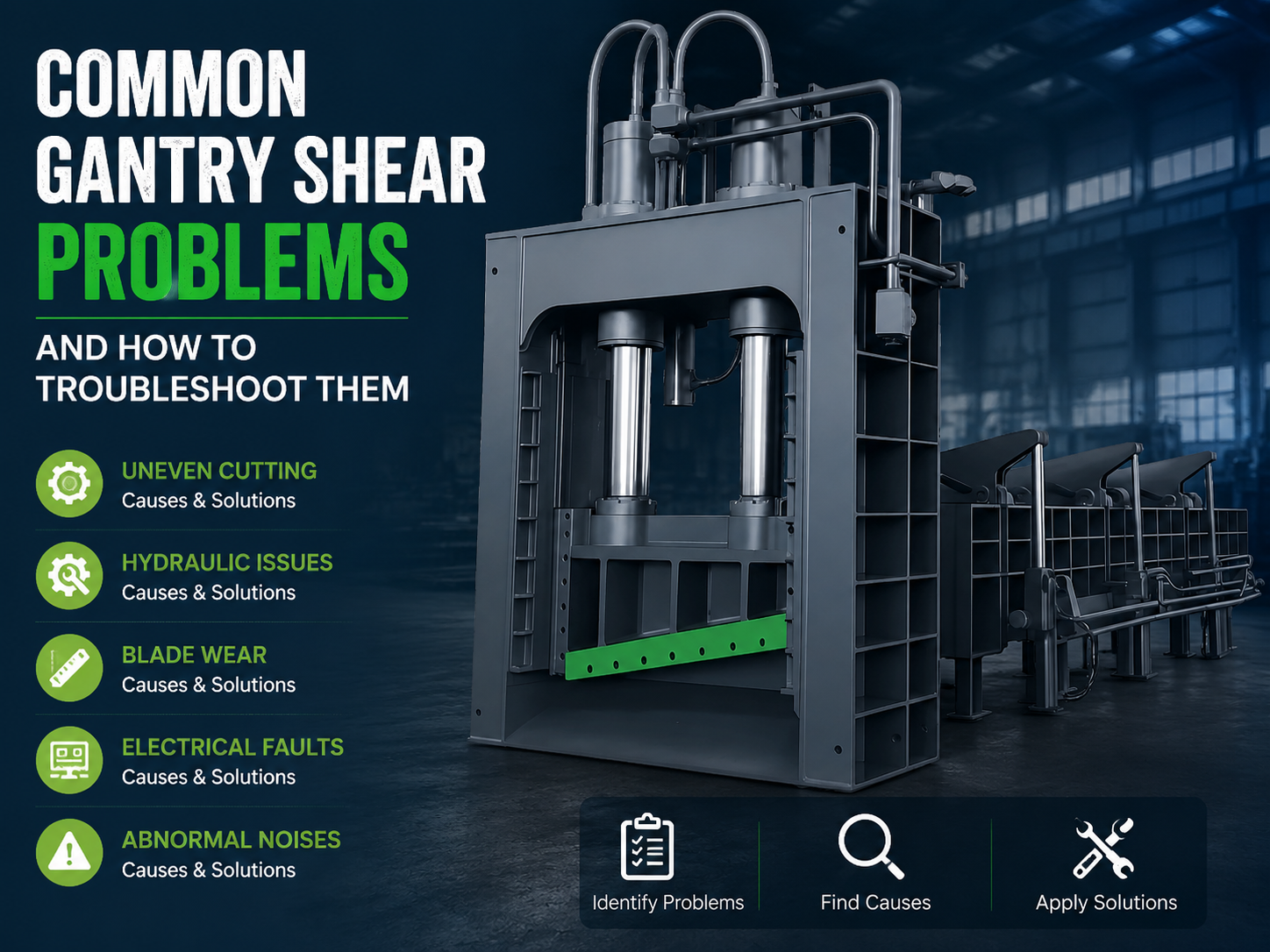
Technical Overview of Gantry Shears in Modern Industry
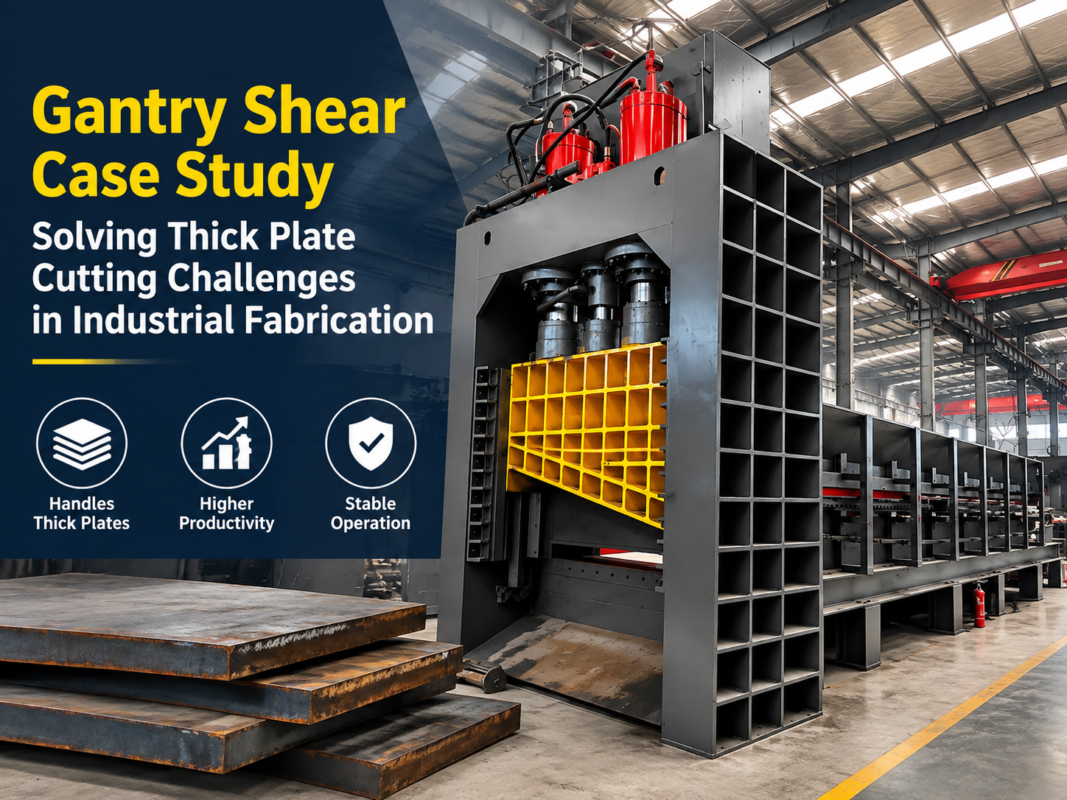
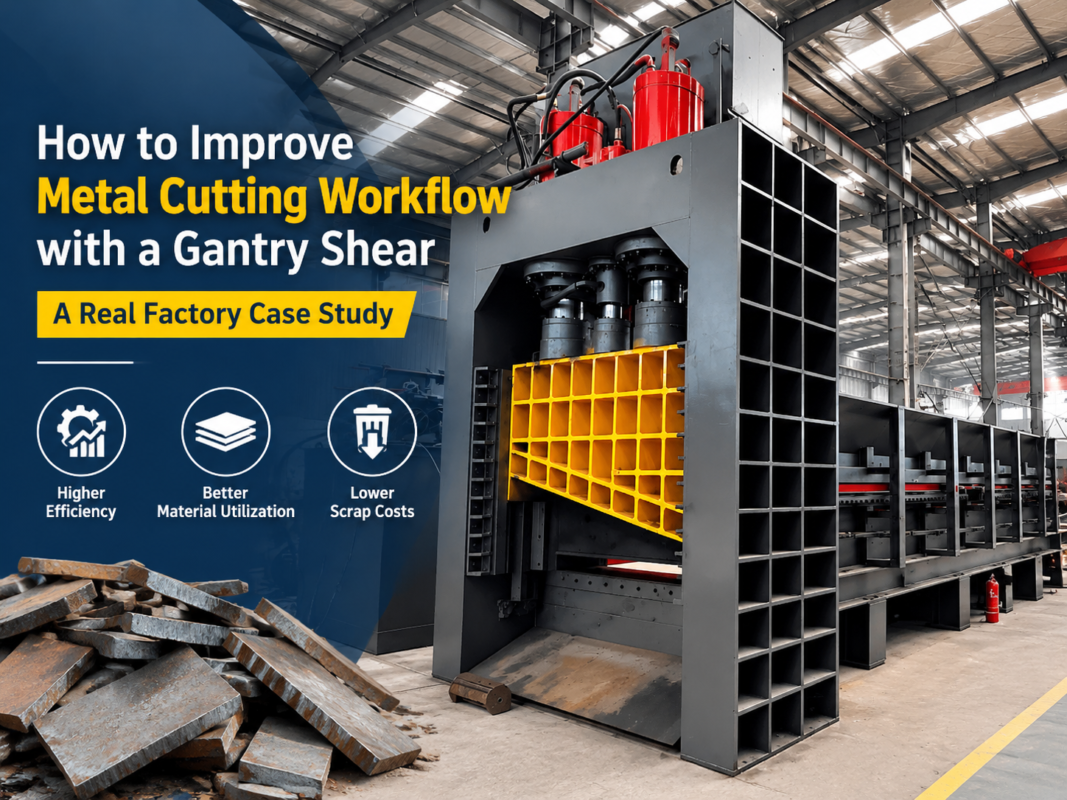
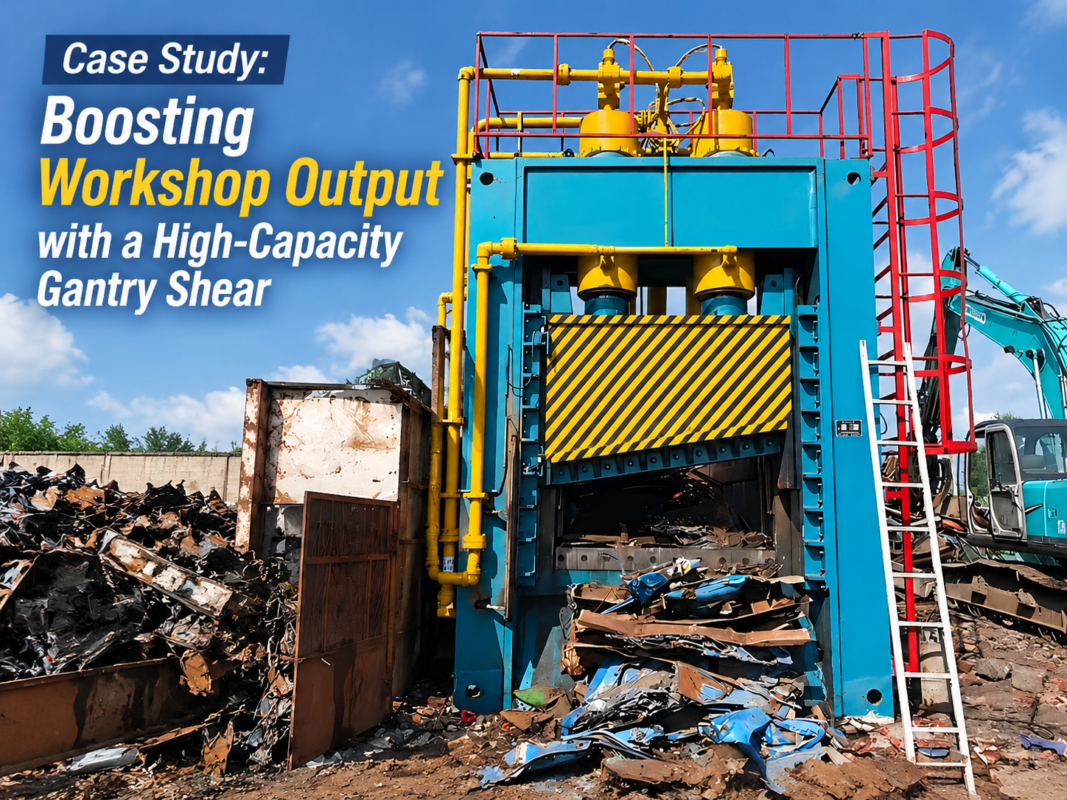
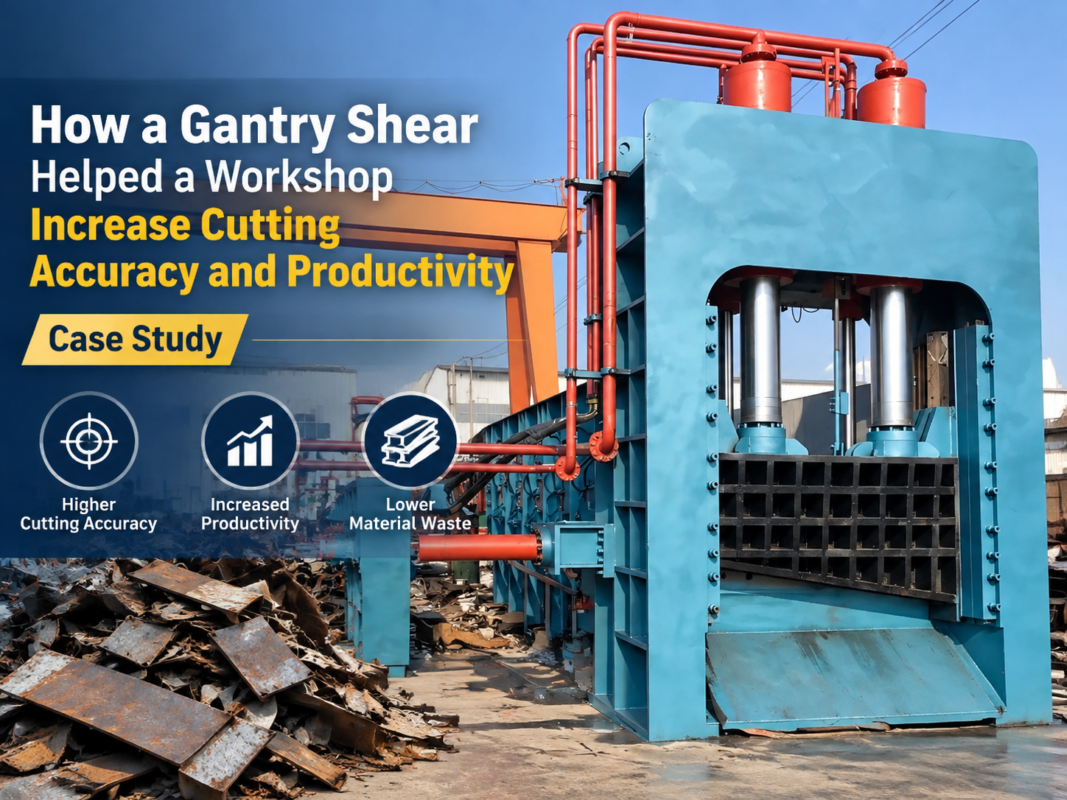
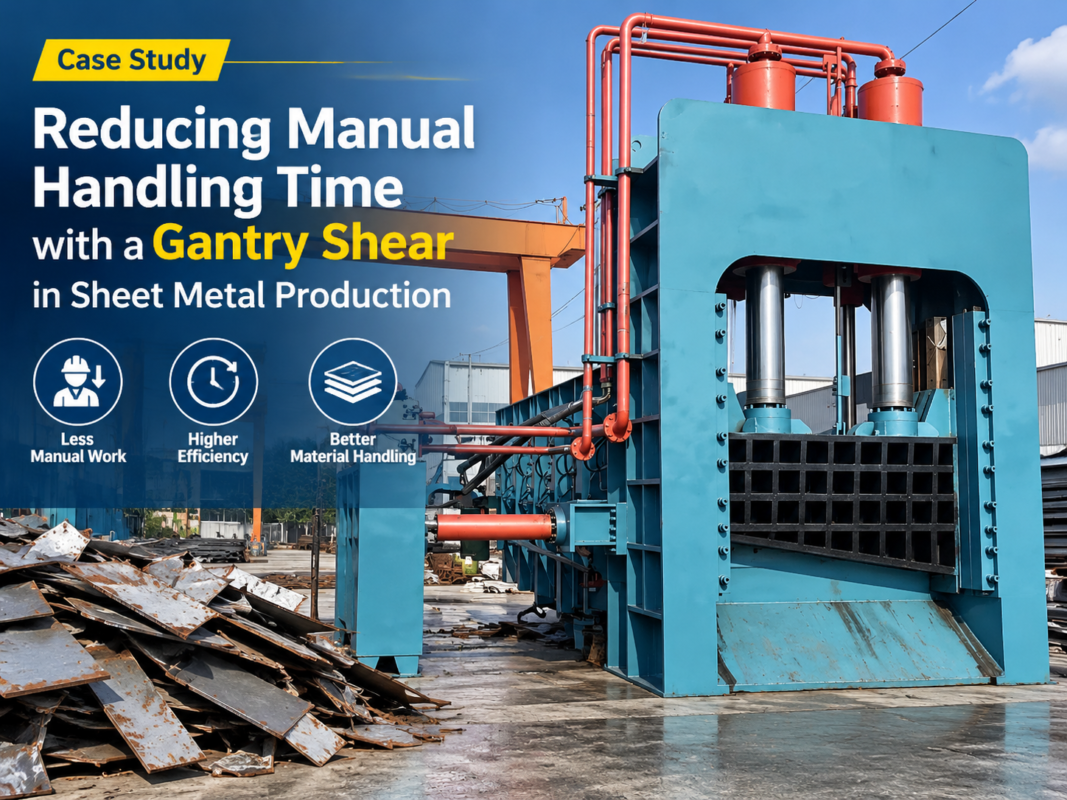
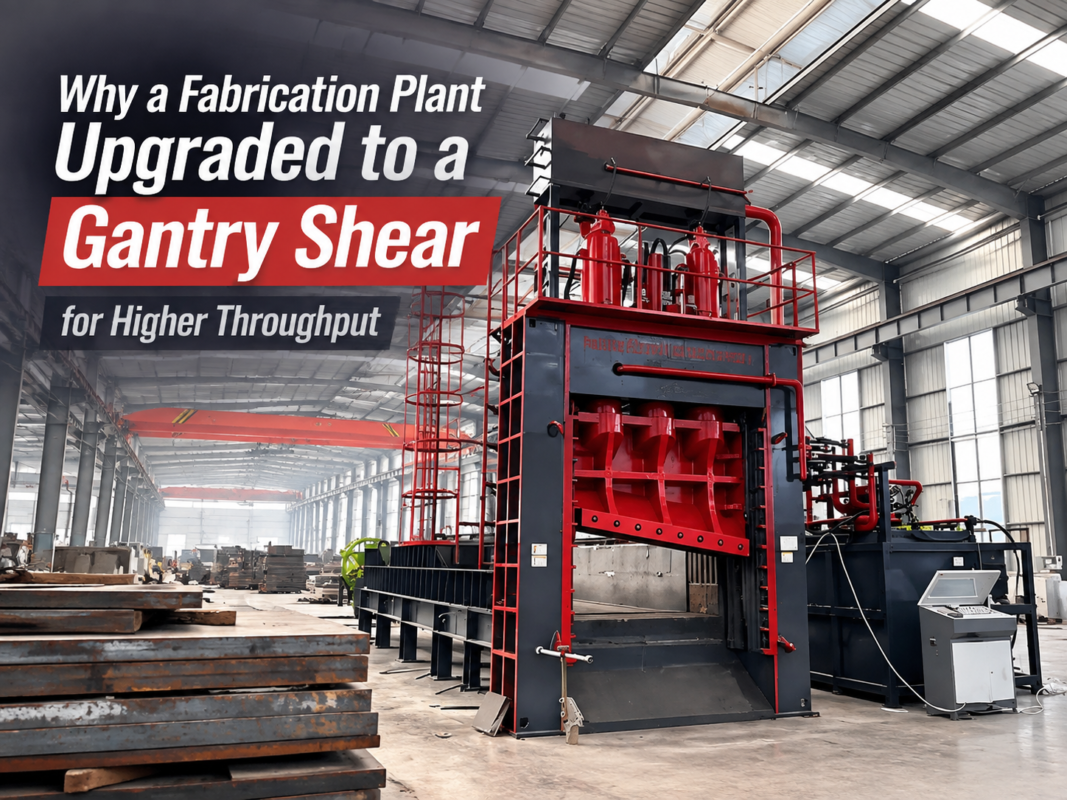
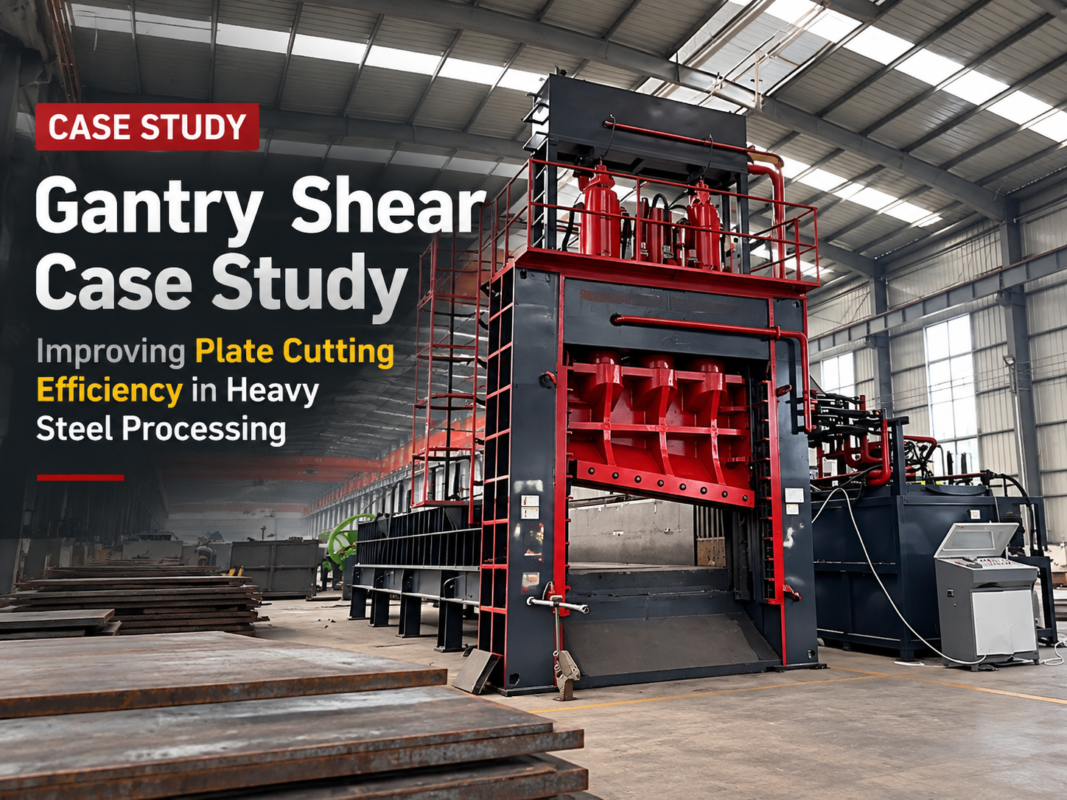
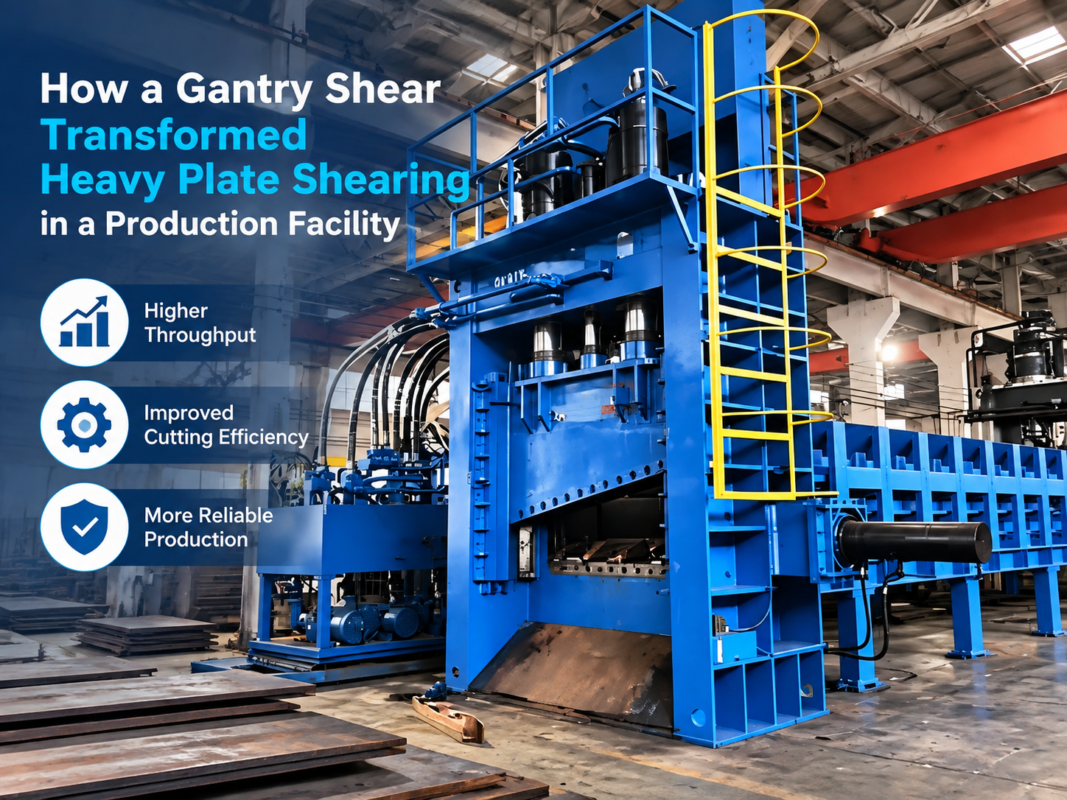
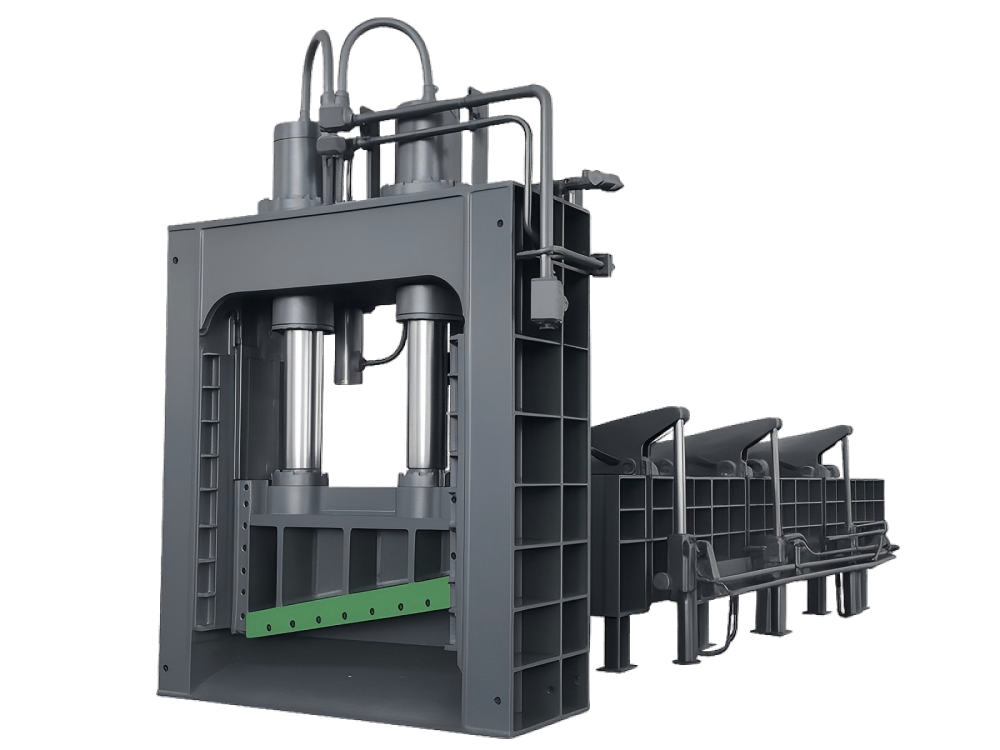
Gantry shears are the workhorses of the scrap metal recycling and heavy metal fabrication industries. These massive machines are designed to process large volumes of metal scrap, including structural steel, pipes, and automotive frames, by shearing them into manageable sizes for smelting. At their core, gantry shears utilize a high-pressure hydraulic system to drive a heavy-duty blade slide vertically against a fixed lower blade. The ‘gantry’ design refers to the bridge-like structure that houses the shearing cylinder and provides the necessary rigidity to withstand hundreds, or even thousands, of tons of force.
HARSLE gantry shears are engineered with a focus on structural integrity and hydraulic efficiency. These machines typically feature a feeding hopper, a compression lid (or side press), and the shearing head. The integration of PLC (Programmable Logic Controller) systems allows for automated cycles, ensuring that the material is compressed, fed, and sheared with minimal manual intervention. However, the extreme environments in which these machines operate—characterized by dust, metal debris, and fluctuating temperatures—mean that even the most robust equipment requires a deep understanding of potential failure points.
Understanding the technical nuances of these machines is the first step in effective troubleshooting. A gantry shear is not just a simple mechanical cutter; it is a complex synergy of high-pressure hydraulics, precision electronics, and heavy-duty metallurgy. When a problem arises, it often manifests in the hydraulic circuit or the mechanical alignment of the blades. By mastering the technical overview, operators and maintenance engineers can better predict when a component is nearing the end of its service life, thereby preventing catastrophic failures that lead to expensive downtime.
Core Parameters of Industrial Gantry Shears
When evaluating or troubleshooting a gantry shear, one must first understand the core parameters that define its performance. These parameters are the benchmarks against which all troubleshooting efforts are measured. If a machine is not meeting its rated specifications, it is a clear indicator of an underlying issue.
- Nominal Shearing Force: This is the maximum force the hydraulic cylinder can exert on the blade, usually measured in kilonewtons (kN) or tons. For heavy-duty scrap processing, this typically ranges from 400 to 2000 tons.
- Blade Length: The horizontal width of the cutting edge. This determines the maximum width of the material that can be processed in a single stroke.
- Max Opening Height: The distance between the upper and lower blades when the shear is fully retracted. This limits the size of the scrap bundles that can enter the shearing zone.
- Cutting Frequency: Measured in cuts per minute. This is a function of the hydraulic pump’s flow rate and the cylinder’s displacement. A drop in frequency often points to pump wear or valve leakage.
- Motor Power: The total kilowatt (kW) rating of the electric motors driving the hydraulic pumps. Insufficient power can lead to motor tripping or slow cycle times under heavy loads.
Beyond these primary specs, secondary parameters like the compression force of the lid and the feeding speed of the pusher are critical. The synchronization between the pusher and the shear head is vital for continuous operation. If the pusher moves too fast, it can jam the shear; too slow, and the efficiency drops. Troubleshooting often involves checking these parameters against the manufacturer’s original specification sheet to identify deviations.
Calculation Method for Shearing Force
To effectively troubleshoot issues related to “weak shearing” or the machine stalling, it is essential to understand how the required shearing force is calculated. This allows engineers to determine if the machine is being overloaded or if the hydraulic system is failing to deliver its rated output. The basic formula for calculating the shearing force (F) required to cut a piece of metal is:
F = L × S × τ
Where:
L = The width of the material being cut (mm).
S = The thickness of the material (mm).
τ = The shear strength of the material (N/mm²).
However, in gantry shears, the blade is often set at a slight angle (the rake angle) to reduce the instantaneous force required. The modified formula for an angled blade is more complex, as it accounts for the penetration of the blade into the material. If an operator finds that the machine cannot cut a section of steel that falls within its theoretical capacity, the troubleshooting should focus on the hydraulic pressure settings or the condition of the blade edges. A dull blade significantly increases the required force, sometimes by as much as 30-50%, which can lead to hydraulic relief valves opening prematurely.
Furthermore, the material’s yield strength plays a role. For example, shearing stainless steel requires significantly more force than mild steel of the same thickness. When troubleshooting, always verify the material grade. If the calculation shows the force required is 800 tons and the machine is rated for 1000 tons, but it still fails to cut, the issue is likely a pressure drop in the main cylinder or a bypass in the piston seals.
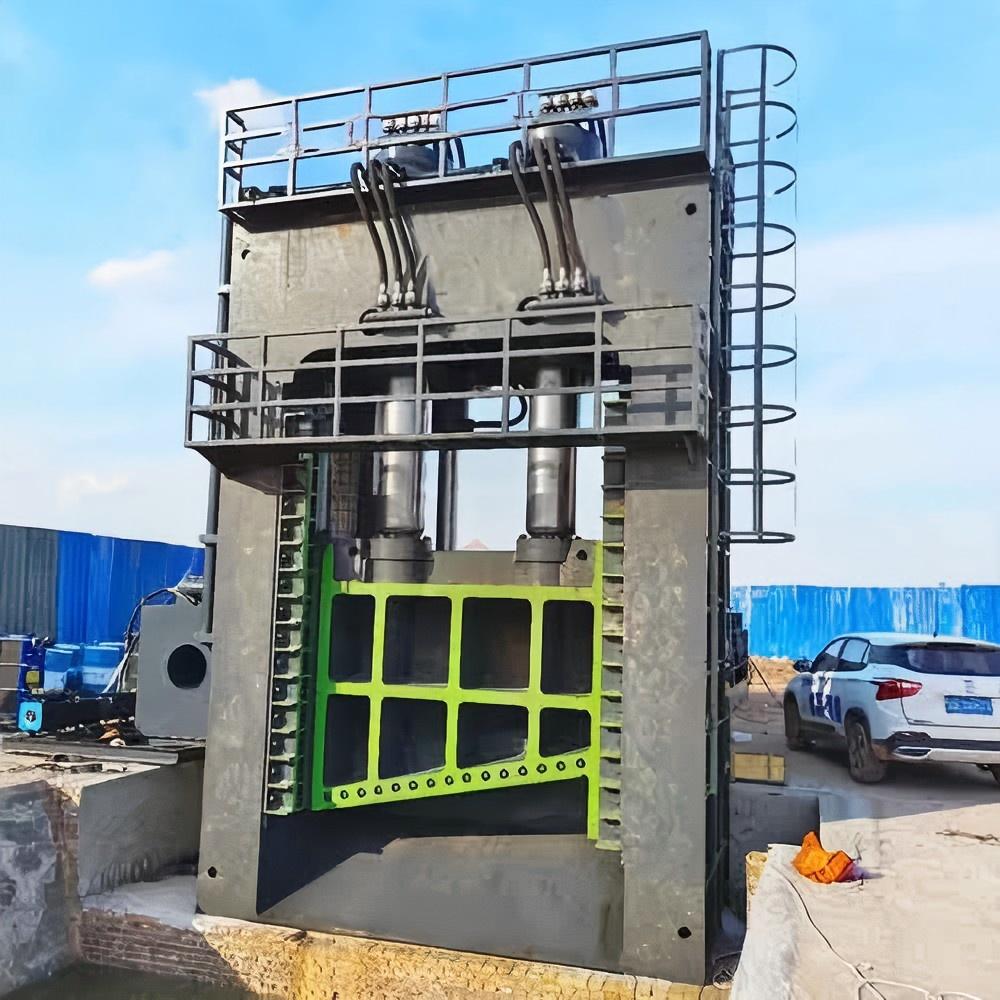
Gantry Shear Technical Parameter Table
The following table outlines the typical specifications for a range of industrial gantry shears. Use this as a reference point for performance benchmarking during troubleshooting.
| Model Series | Shear Force (kN) | Blade Length (mm) | Max Opening (mm) | Motor Power (kW) | Cycle Time (s) |
|---|---|---|---|---|---|
| HGS-400 | 4000 | 1200 | 600 | 45 | 15-20 |
| HGS-630 | 6300 | 1500 | 800 | 75 | 18-25 |
| HGS-800 | 8000 | 1800 | 900 | 90 | 20-30 |
| HGS-1000 | 10000 | 2000 | 1000 | 110 | 25-35 |
| HGS-1250 | 12500 | 2200 | 1100 | 132 | 30-40 |
Common Gantry Shear Problems and How to Troubleshoot Them
1. Insufficient Shearing Pressure
One of the most frequent common gantry shear problems is the loss of cutting power. When the shear fails to cut through material it previously handled with ease, the first step is to check the system pressure gauge. If the pressure is lower than the rated value (typically 25-31.5 MPa), the culprit is often the main relief valve. Debris in the valve can keep it partially open, allowing oil to bypass back to the tank.
To troubleshoot them, inspect the hydraulic pump. A worn-out piston pump will lose efficiency, especially as the oil heats up and its viscosity drops. If the pressure is normal but the cylinder moves slowly or lacks force, the internal seals of the cylinder might be leaking (bypassing). This can be tested by extending the cylinder to its limit and checking if pressure holds or if oil leaks past the piston head.
2. Excessive Noise and Vibration
Heavy machinery is never silent, but unusual grinding or high-pitched whining indicates trouble. High-pitched whining usually points to pump cavitation, which occurs when the pump is starved of oil. This could be due to a clogged suction filter or a leak in the intake line allowing air to enter the system. Air in the hydraulic fluid not only causes noise but also leads to “spongy” operation and rapid component wear.
Vibration is often mechanical. Check the foundation bolts of the gantry and the tightness of the blade bolts. In a gantry shear, the immense forces can cause bolts to stretch or loosen over time. If the vibration occurs only during the cutting stroke, inspect the guide rails (gibbs). If the clearance between the slide and the guides is too large, the blade head will chatter, leading to poor cuts and potential structural damage.
3. Overheating of the Hydraulic System
Hydraulic systems generate heat naturally, but if the oil temperature exceeds 60°C (140°F), the system is in danger. Overheating causes seals to harden and leak, and it accelerates the oxidation of the oil. Common causes include a malfunctioning cooling system (either air-cooled or water-cooled) or a relief valve that is constantly blowing because the machine is being pushed beyond its capacity.
To troubleshoot overheating, check the heat exchanger for blockages. If it’s a water-cooled system, ensure the water flow is adequate and the scale hasn’t built up inside the tubes. Also, check the cycle settings; if the pump is staying at high pressure for too long without doing work (dead-heading), it will generate massive amounts of heat. Adjusting the PLC timers or pressure switches can often resolve this.
4. Blade Wear and Poor Cut Quality
If the sheared metal has excessive burrs or if the machine seems to “tear” rather than cut, the blades are the likely issue. Gantry shear blades are reversible and have four cutting edges. Troubleshooting this involves checking the blade gap (clearance). If the gap is too wide, the metal will bend between the blades. If it’s too tight, the blades will clash, causing chipping.
Regularly inspect the blades for rounding of the edges. Once the radius of the edge exceeds a certain limit (usually 1-2mm depending on machine size), the blades must be flipped or reground. Using dull blades is a primary cause of secondary hydraulic failures because it forces the system to operate at maximum relief pressure constantly.
5. Electrical and PLC Faults
Modern gantry shears rely heavily on sensors (proximity switches, pressure transducers) to coordinate the movement of the pusher, the lid, and the shear. If the machine stops mid-cycle, the PLC display usually provides an error code. Common issues include a failed proximity switch that doesn’t signal the cylinder has fully retracted, preventing the next step of the cycle.
Troubleshooting electrical issues requires a systematic check of the wiring and sensors. In the harsh environment of a scrap yard, cables are often damaged by falling debris. Ensure all junction boxes are sealed and that the sensors are free from metal dust, which can cause false readings on magnetic proximity switches.
Common Engineering Mistakes in Gantry Shear Operation
Many common gantry shear problems stem from engineering or operational oversights. One of the most frequent mistakes is neglecting the hydraulic oil quality. Operators often add new oil to old, contaminated oil without realizing that microscopic metal particles act as an abrasive, destroying the precision-ground surfaces of the hydraulic pumps and valves. Implementing a strict oil analysis and filtration schedule is non-negotiable for long-term reliability.
Another mistake is the incorrect adjustment of the blade clearance for different material thicknesses. While gantry shears are more forgiving than thin-sheet guillotine shears, processing very thin scrap with a gap set for heavy plate will result in jams. Conversely, trying to cut heavy plate with a gap set too tight can result in the gantry frame cracking due to the lateral forces generated. Engineers must ensure that operators are trained to check and adjust these clearances when switching between significantly different scrap types.
Finally, ignoring the nitrogen pre-charge in the accumulators is a common oversight. Accumulators are used to absorb shock and provide auxiliary flow. If the nitrogen bladder loses pressure, the hydraulic system will experience violent pressure spikes every time a valve shifts. This “water hammer” effect eventually leads to fatigue failure of hydraulic hoses and fittings. Checking accumulator pressure should be a part of the monthly maintenance routine.
Selection Checklist for New Gantry Shears
When purchasing a new gantry shear, especially from a manufacturer like HARSLE, use this checklist to ensure the machine meets your operational requirements and minimizes future troubleshooting needs:
- Frame Construction: Is the frame cast or welded? For high-tonnage shears, a stress-relieved welded structure or a heavy casting is essential for rigidity.
- Hydraulic Component Brand: Does the machine use reputable valves and pumps (e.g., Rexroth, Parker, or high-quality domestic equivalents)? Availability of spare parts is crucial for troubleshooting.
- Blade Material: Ensure the blades are made from high-quality tool steel (like 6CrW2Si or Cr12MoV) capable of handling the specific scrap you process.
- Cooling Capacity: Does the machine have an oversized cooling system if you operate in a hot climate?
- PLC and Automation: Look for a user-friendly interface with clear diagnostic and error-reporting capabilities.
- Safety Features: Ensure the machine includes emergency stops, safety interlocks on access panels, and protective shielding for hydraulic hoses.
- Ease of Maintenance: Are the lubrication points easily accessible? Can the blades be changed without dismantling half the machine?
Frequently Asked Questions (FAQ)
Q1: How often should I change the hydraulic oil in my gantry shear?
Typically, hydraulic oil should be changed every 2,000 to 4,000 operating hours. However, this depends on the environment. In dusty scrap yards, it is better to rely on oil analysis. If the oil appears cloudy (water contamination) or smells burnt, change it immediately regardless of hours.
Q2: Why does my gantry shear hesitate before the cutting stroke?
This is often due to the time it takes for the system to build pressure or for a pilot-operated valve to shift. Check for air in the pilot lines or a weak pilot pump. It could also be a sign that the nitrogen accumulator is empty, failing to provide the initial burst of flow needed for the stroke.
Q3: Can I sharpen gantry shear blades myself?
Yes, gantry shear blades can be reground. However, it must be done on a precision surface grinder to ensure the edges remain perfectly square. If the blades are ground unevenly, it will create localized pressure points that can crack the blade or damage the shear head.
Q4: What is the most common cause of cylinder seal failure?
Heat and contamination are the primary killers of seals. High temperatures make the seals brittle, while metal particles in the oil score the cylinder rod, creating a path for oil to leak out. Keeping the oil cool and clean is the best way to extend seal life.
Q5: How do I know if my pump is cavitating?
Cavitation produces a very distinct sound, often described as “marbles rattling inside the pump.” You may also see foam in the hydraulic reservoir. If you hear this, stop the machine immediately, as cavitation can destroy a hydraulic pump in a matter of minutes.
Q6: Is it possible to upgrade an older gantry shear with a PLC?
Yes, many older manual or relay-logic machines can be retrofitted with modern PLC systems. This improves reliability, allows for automated cycles, and provides better diagnostic tools for troubleshooting common gantry shear problems.