Car Body Baler Operation Guide: Best Practices for Compressing Automotive Scrap Bodies

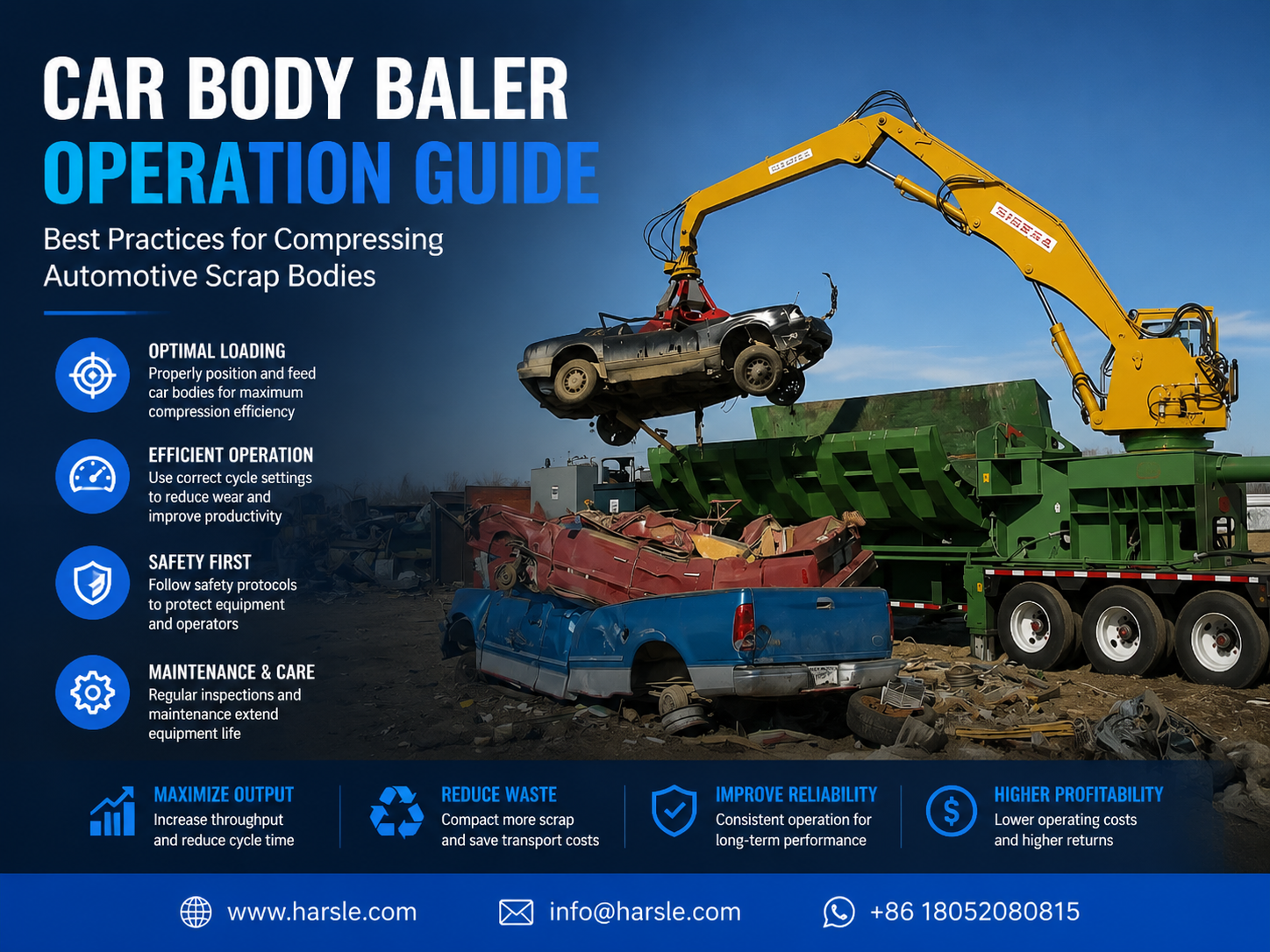
Technical Overview of Car Body Baler Systems
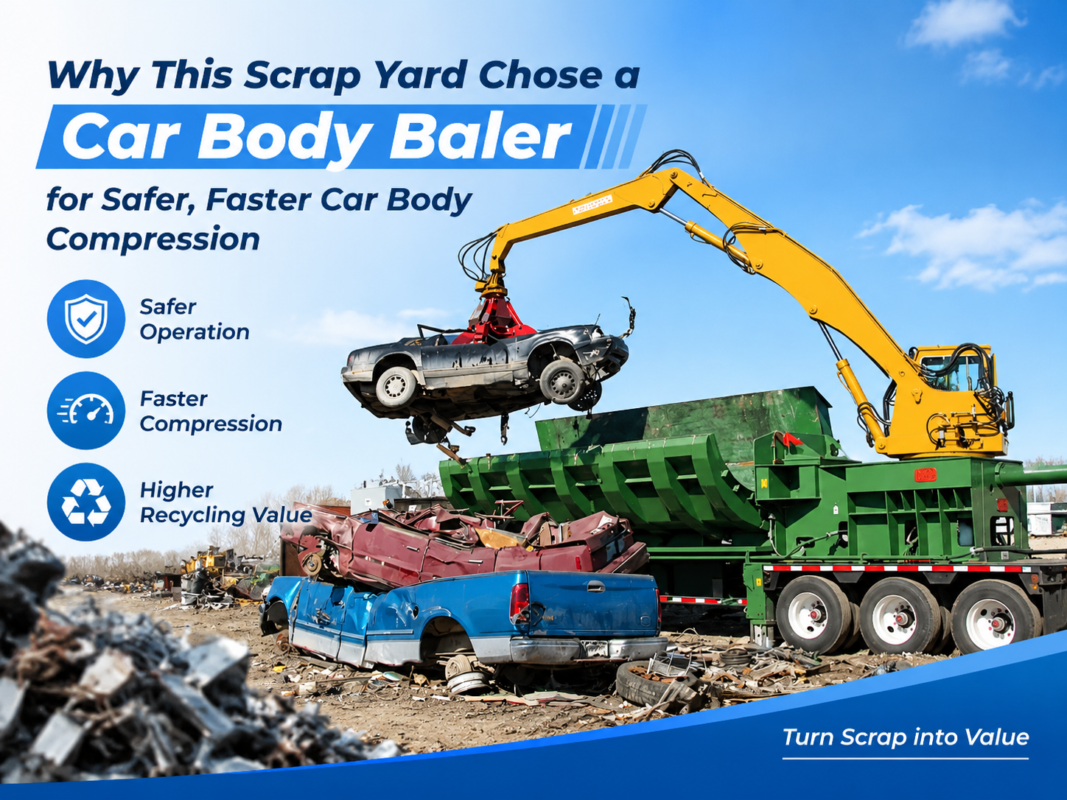
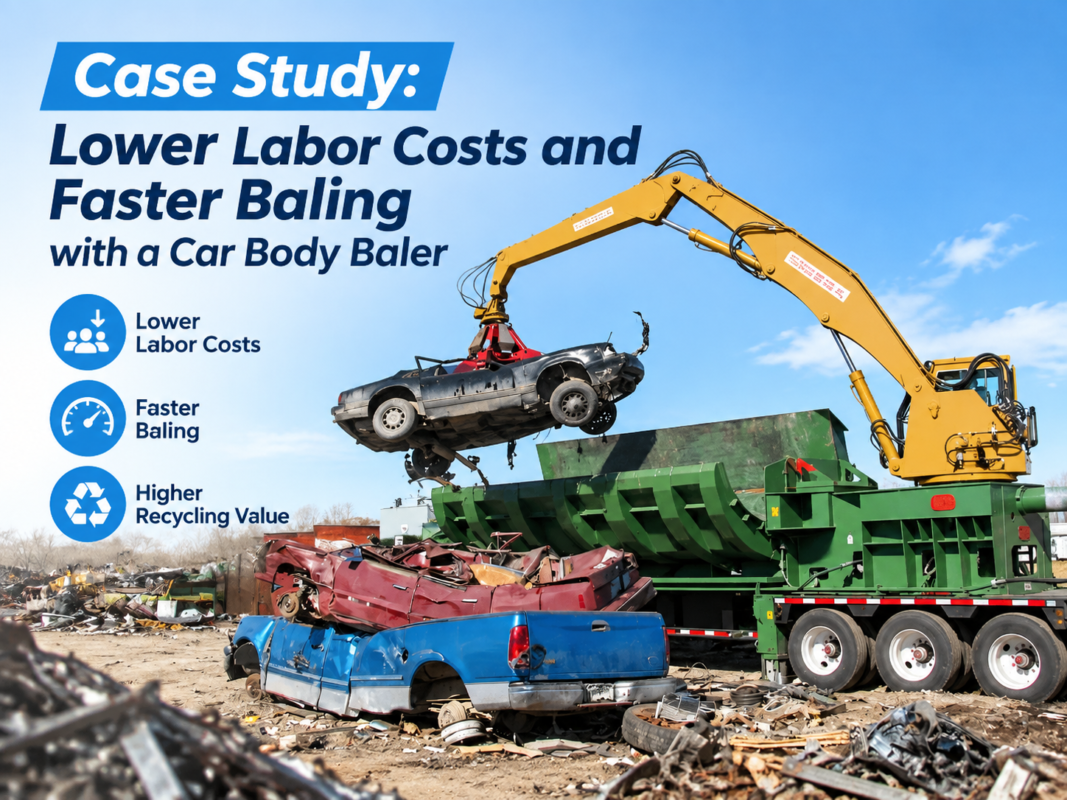
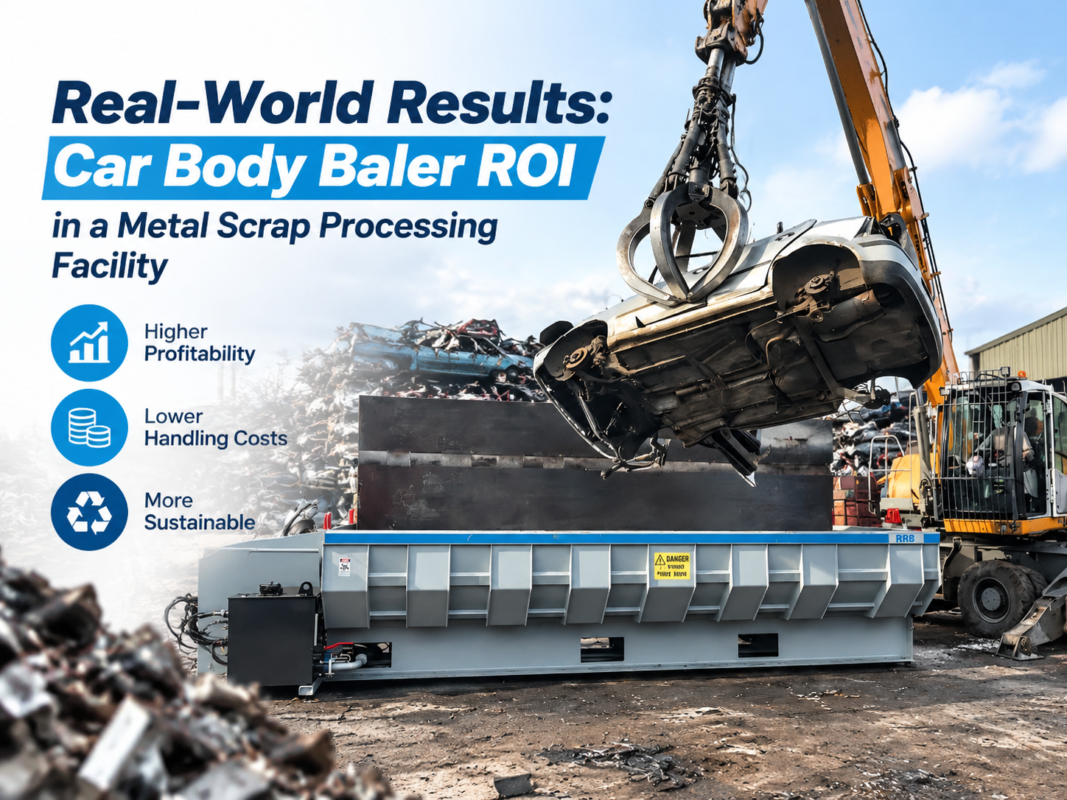
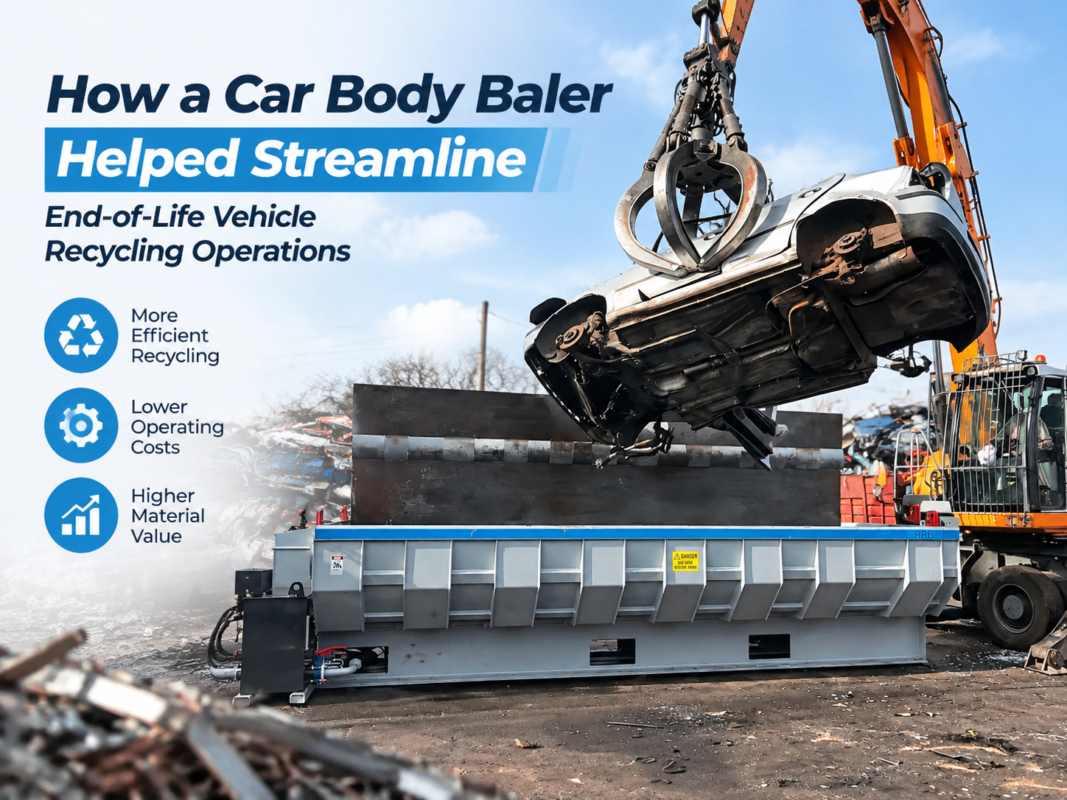
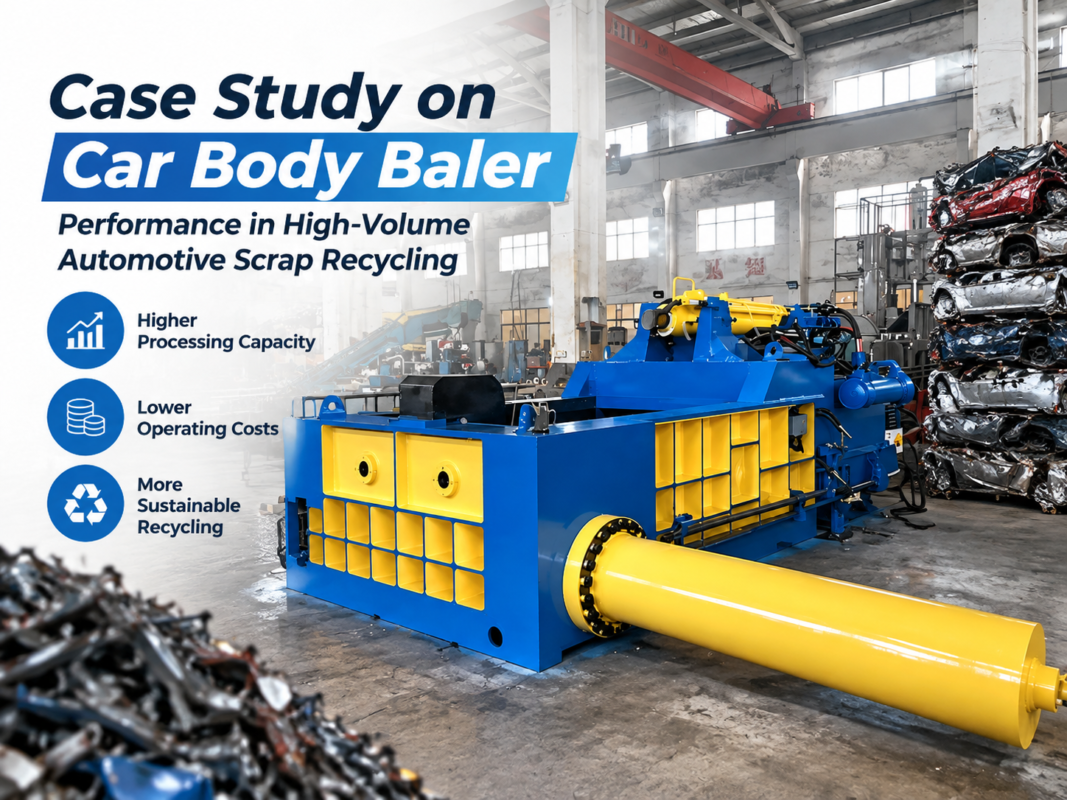
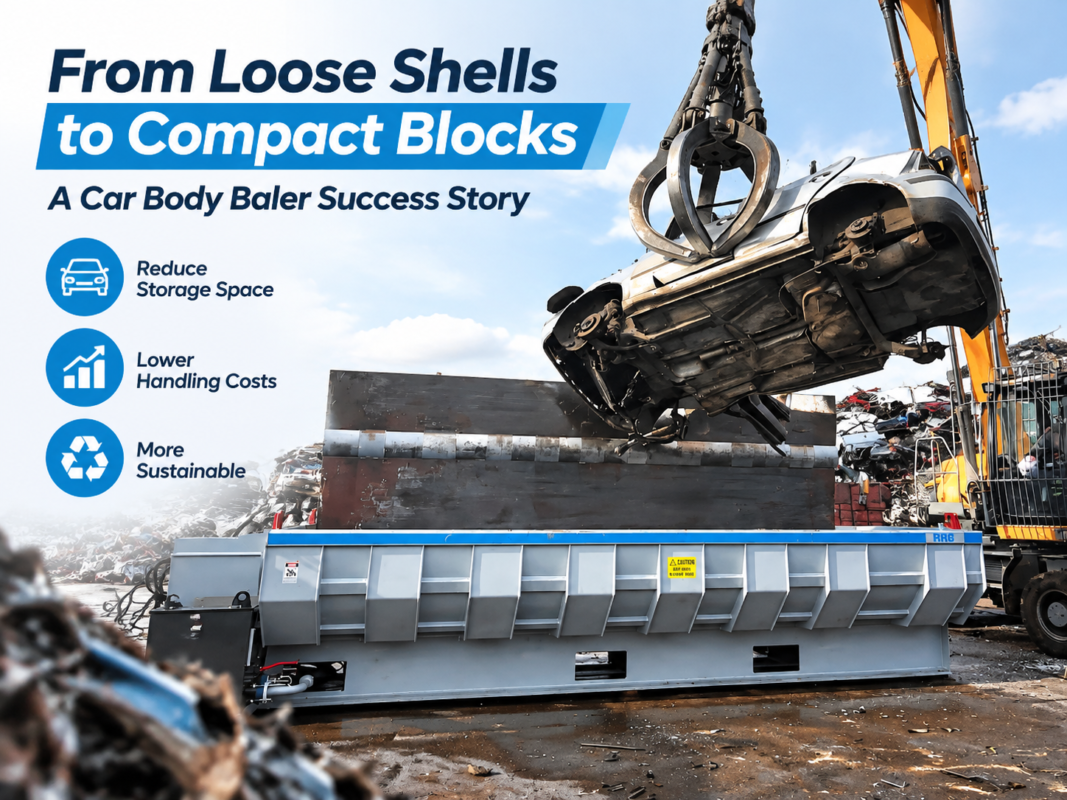
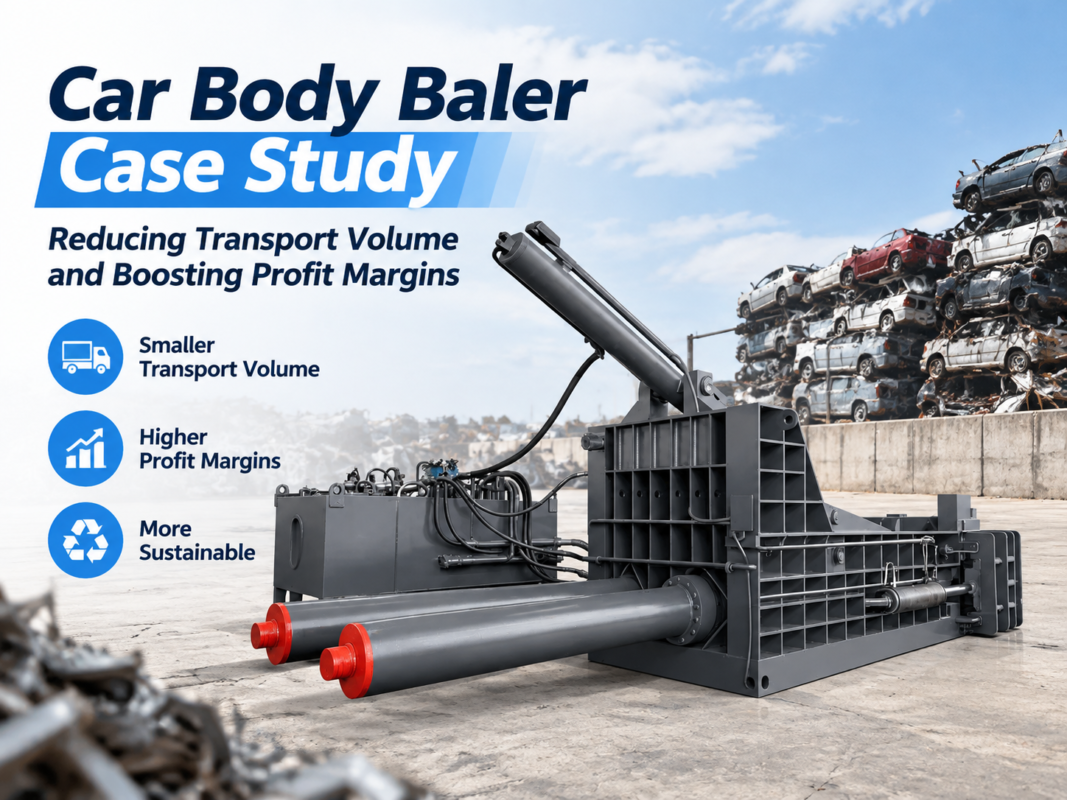
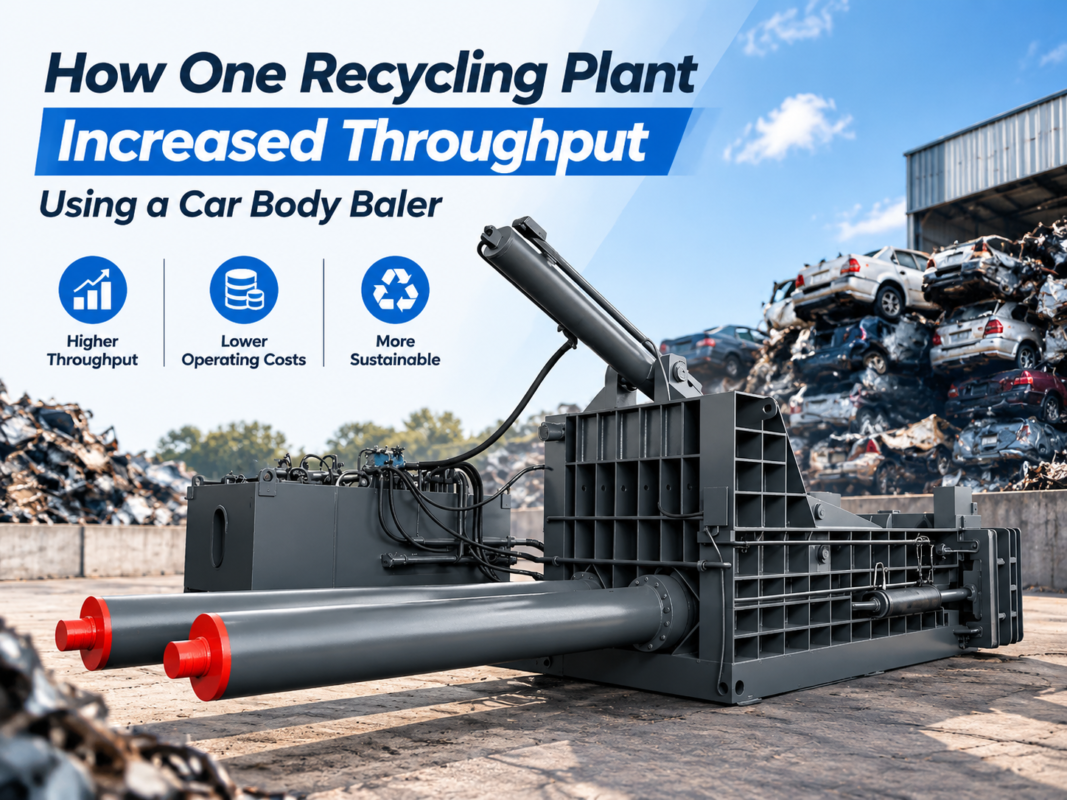
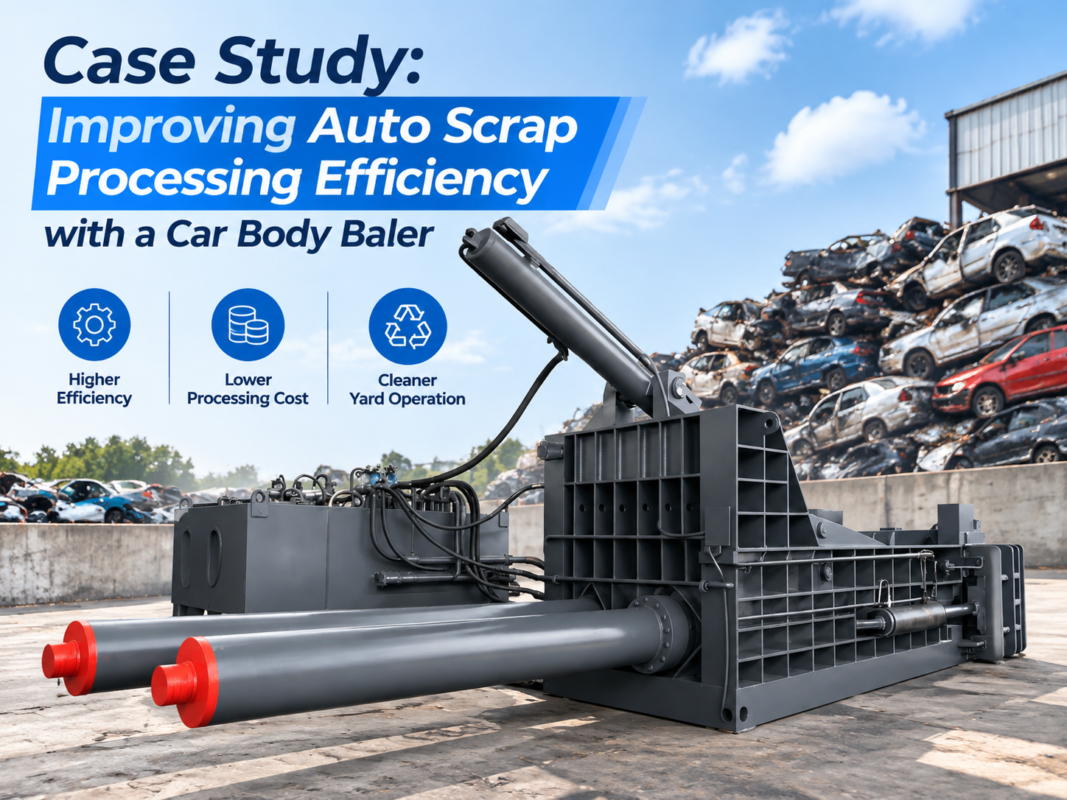
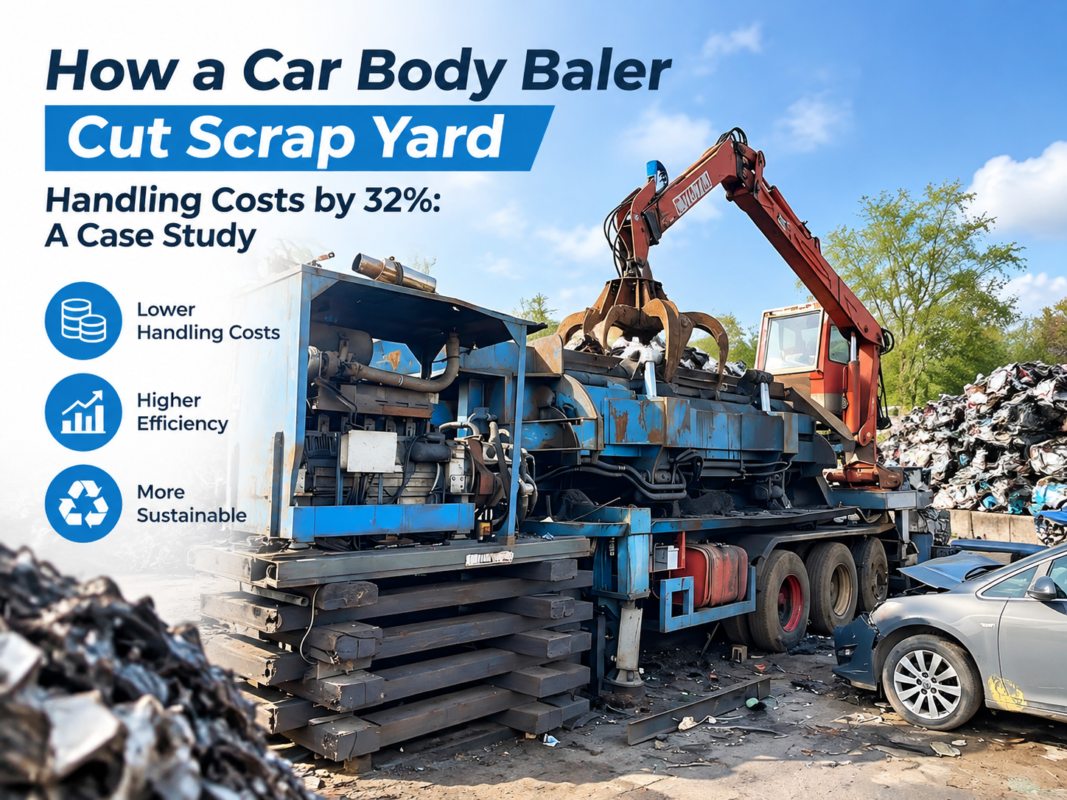
The car body baler is a cornerstone of modern automotive recycling, designed to transform bulky, hollow vehicle shells into dense, manageable cubes or rectangular bales. This process is essential for optimizing transport logistics and preparing material for secondary smelting or shredding. At its core, a car body baler utilizes high-pressure hydraulic systems to exert massive force across multiple axes. Unlike standard scrap balers, car body balers are specifically engineered with larger chambers and reinforced structures to handle the high-tensile steel and complex geometries found in modern automobiles.
HARSLE car body balers typically employ a three-way compression system or a heavy-duty lid-style (clamshell) compression mechanism. The process begins with the loading of a prepared vehicle frame into the charging box. Once the lid closes, it provides the initial downward compression, often referred to as the ‘pre-compression’ phase. Following this, side and longitudinal rams engage to further reduce the volume. This multi-stage approach ensures that the air pockets within the vehicle structure are eliminated, resulting in a bale with high density and structural integrity.
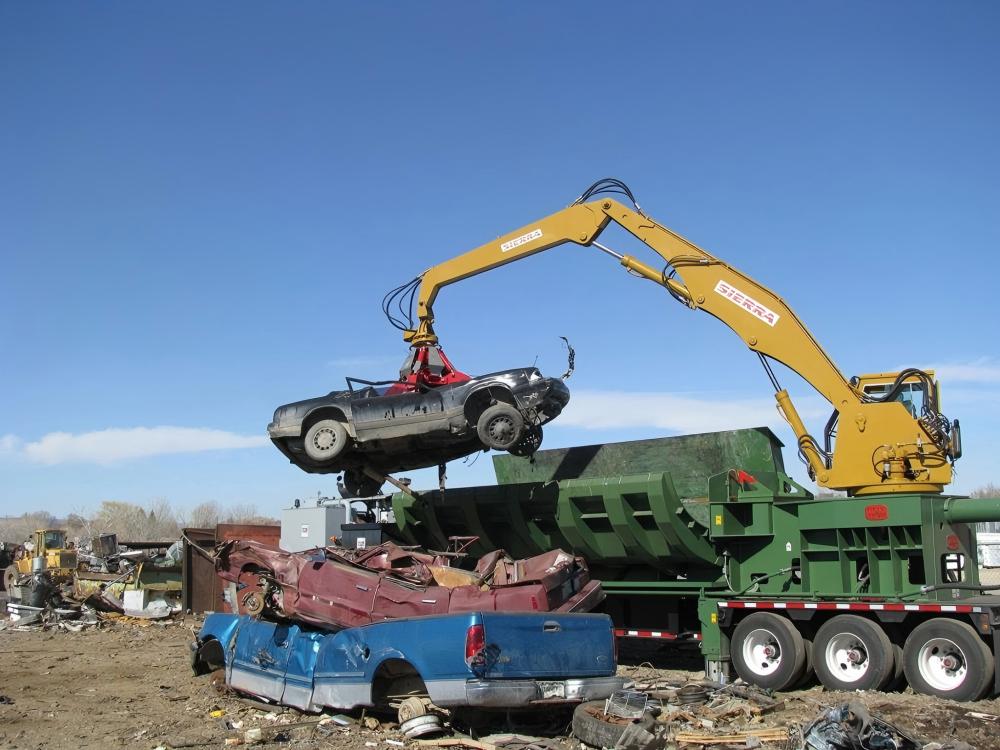
The structural integrity of the baler is paramount. HARSLE utilizes high-strength alloy steels and wear-resistant liners (such as Hardox) within the compression chamber to withstand the abrasive nature of scrap metal. The hydraulic system is the heart of the machine, consisting of high-pressure pumps, precision valves, and heavy-duty cylinders. Modern units are integrated with PLC (Programmable Logic Controller) systems, allowing operators to choose between manual, semi-automatic, and fully automatic cycles, ensuring consistency in bale quality and operational safety.
Core Parameters for Efficient Compression
Understanding the core parameters of a car body baler is critical for achieving the best practices in compressing automotive scrap bodies. The first parameter to consider is the Nominal Force, usually measured in Kilonewtons (kN) or Tons. For car bodies, a force ranging from 2000kN to 6000kN is standard, depending on whether the machine is designed for light passenger cars or heavier commercial vehicle frames. Insufficient force leads to ‘spring-back,’ where the bale expands after the pressure is released, complicating transport.
The Chamber Dimensions are equally vital. A standard car body baler charging box must be large enough to accommodate a full-sized sedan or SUV without excessive pre-cutting. Typical dimensions might range from 4000mm to 6000mm in length. If the chamber is too small, operators waste time cutting the scrap, which increases labor costs and reduces throughput. Conversely, an oversized chamber for small scrap leads to inefficient hydraulic cycles and higher energy consumption per ton of material processed.
Cycle Time is the third critical parameter. This refers to the time taken from the moment the lid starts closing to the moment the bale is ejected and the rams return to their starting positions. High-efficiency HARSLE balers aim for cycle times between 90 and 180 seconds. Faster cycle times are achieved through advanced hydraulic circuits, such as regenerative valves that speed up the movement of cylinders during low-load phases of the cycle. Balancing speed with the cooling capacity of the hydraulic oil is essential for continuous 24/7 operation.
Calculation Method for Bale Density and Production Capacity
To optimize a recycling facility, engineers must calculate the expected density of the bales and the total production capacity of the machine. Bale density is a factor of the material type and the final compression pressure. The formula for bale density (D) is:
D = M / V
Where M is the mass of the scrap metal loaded and V is the final volume of the bale. For automotive scrap, a target density of 1500 kg/m³ to 2500 kg/m³ is often desired for efficient furnace charging. To calculate the pressure exerted on the bale face, use:
P = F / A
Where P is the pressure (in MPa), F is the cylinder force (in Newtons), and A is the surface area of the pressing ram (in mm²). Ensuring that the pressure exceeds the yield strength of the scrap material is what guarantees a permanent deformation and a stable bale.
Production capacity (C) can be estimated by: C = (M × 3600) / T, where M is the average weight per bale and T is the total cycle time in seconds (including loading and unloading). For example, if a baler produces a 600kg bale every 120 seconds, the hourly capacity is approximately 18 tons. However, real-world capacity often accounts for an 80% efficiency factor to include operator breaks and material handling delays.
Car Body Baler Technical Parameter Table
The following table outlines the typical specifications for HARSLE’s range of automotive scrap balers, providing a reference for selection based on operational needs.
| Model Series | Nominal Force (kN) | Bale Size (mm) | Chamber Size (mm) | Motor Power (kW) | Cycle Time (s) |
|---|---|---|---|---|---|
| HBA-250 | 2500 | 500 x 500 | 4500 x 2000 x 1000 | 37 x 2 | 120 – 150 |
| HBA-400 | 4000 | 600 x 600 | 5000 x 2200 x 1200 | 45 x 2 | 100 – 130 |
| HBA-600 | 6000 | 800 x 800 | 6000 x 2500 x 1500 | 55 x 3 | 90 – 120 |
| HBA-800 | 8000 | 1000 x 1000 | 7000 x 2600 x 1800 | 75 x 3 | 80 – 110 |
Common Engineering Mistakes in Baler Operation
One of the most frequent mistakes in car body baler operation is improper material preparation. While these machines are robust, attempting to bale a vehicle that still contains a heavy engine block or transmission (unless the baler is specifically rated for ‘heavy melt’) can cause catastrophic damage to the chamber liners and hydraulic rams. Best practices dictate that engines, fuel tanks, and fluids should be removed prior to baling. This not only protects the machine but also ensures the resulting bale meets the purity standards of steel mills.
Another common error is neglecting hydraulic oil maintenance. Car body balers generate significant heat during the compression cycle. If the cooling system is not functioning correctly, or if the oil is not filtered regularly, the viscosity drops, leading to internal leakage in the pumps and valves. This results in a loss of compression force and slower cycle times. Operators often ignore the ‘low oil level’ or ‘high temperature’ alarms, which can lead to pump cavitation and expensive system failures.
Incorrect loading techniques also plague many operations. If the scrap is not distributed evenly within the charging box, the compression rams may experience ‘side-loading.’ Side-loading puts immense stress on the cylinder seals and guide tracks, leading to premature wear and potential structural cracking of the ram head. Operators should be trained to place the heaviest part of the scrap body toward the center or the main compression wall to balance the forces exerted during the cycle.
Finally, ignoring sensor calibration can lead to operational hazards. Modern balers rely on proximity sensors and pressure transducers to communicate with the PLC. If these sensors are knocked out of alignment by falling debris or are covered in grease, the machine may attempt to close the lid while the ram is extended, or fail to reach full pressure before ending the cycle. Regular inspection of the electrical and sensing components is as important as the mechanical maintenance.
Selection Checklist for Automotive Scrap Balers
When choosing a car body baler for your facility, consider the following checklist to ensure the equipment meets your long-term production goals:
- Material Volume: Does the daily tonnage justify a high-speed automatic baler, or is a manual, lower-cost unit sufficient?
- Bale Specifications: Does the bale size fit the requirements of your local steel mill or the dimensions of your transport containers?
- Power Supply: Is your facility’s electrical grid capable of handling the high-kilowatt motors required for heavy-duty baling?
- Wear Resistance: Are the chamber walls lined with replaceable, high-hardness plates like Hardox 450 or 500?
- Automation Level: Do you require remote control operation to allow the crane operator to also run the baler?
- Hydraulic Cooling: Does the machine include an air-cooled or water-cooled heat exchanger suitable for your local climate?
- Safety Features: Are there emergency stop buttons, safety interlocks on the doors, and protective guarding for the hydraulic lines?
- After-Sales Support: Does the manufacturer provide readily available spare parts (seals, filters, sensors) and technical support?
Frequently Asked Questions (FAQ)
1. What is the difference between a car flattener and a car baler?
A car flattener simply reduces the height of the vehicle to allow for stacking on a trailer, whereas a car baler compresses the vehicle from three sides into a dense, compact cube. Balers provide much higher density, which is preferred for direct melting in electric arc furnaces, while flatteners are primarily used for transport to a secondary processing site.
2. How often should the hydraulic oil be changed in a car body baler?
Generally, hydraulic oil should be sampled every 1,000 hours of operation and replaced every 2,000 to 4,000 hours, depending on the environment and oil quality. However, it is more important to maintain the filtration system and ensure the oil remains free of contaminants and moisture.
3. Can a car body baler handle non-ferrous metals?
Yes, car body balers are versatile and can compress aluminum scrap, copper wiring, and other non-ferrous materials. However, the pressure settings may need to be adjusted to prevent over-compression of softer metals, and the chamber should be cleaned to prevent cross-contamination if high-purity bales are required.
4. Why is my baler not reaching the full nominal force?
This is usually caused by internal leakage in the hydraulic cylinders, a malfunctioning relief valve, or a worn-out hydraulic pump. It can also be caused by air trapped in the hydraulic lines. A thorough pressure test of the system components is required to diagnose the specific point of failure.
5. Is it necessary to remove the tires before baling a car?
Yes, tires should be removed. Rubber does not compress permanently and will cause the bale to expand or ‘explode’ when the pressure is released. Furthermore, tires are a contaminant in the steel recycling process and can cause significant smoke and environmental issues during smelting.
6. How do I ensure the safety of the operator during the baling cycle?
Safety is ensured through a combination of physical barriers, light curtains, and strict operational protocols. Operators should always maintain a safe distance from the charging box during the cycle. HARSLE machines often come with remote controls, allowing the operator to stay in the protected cab of a loading crane while managing the baling process.