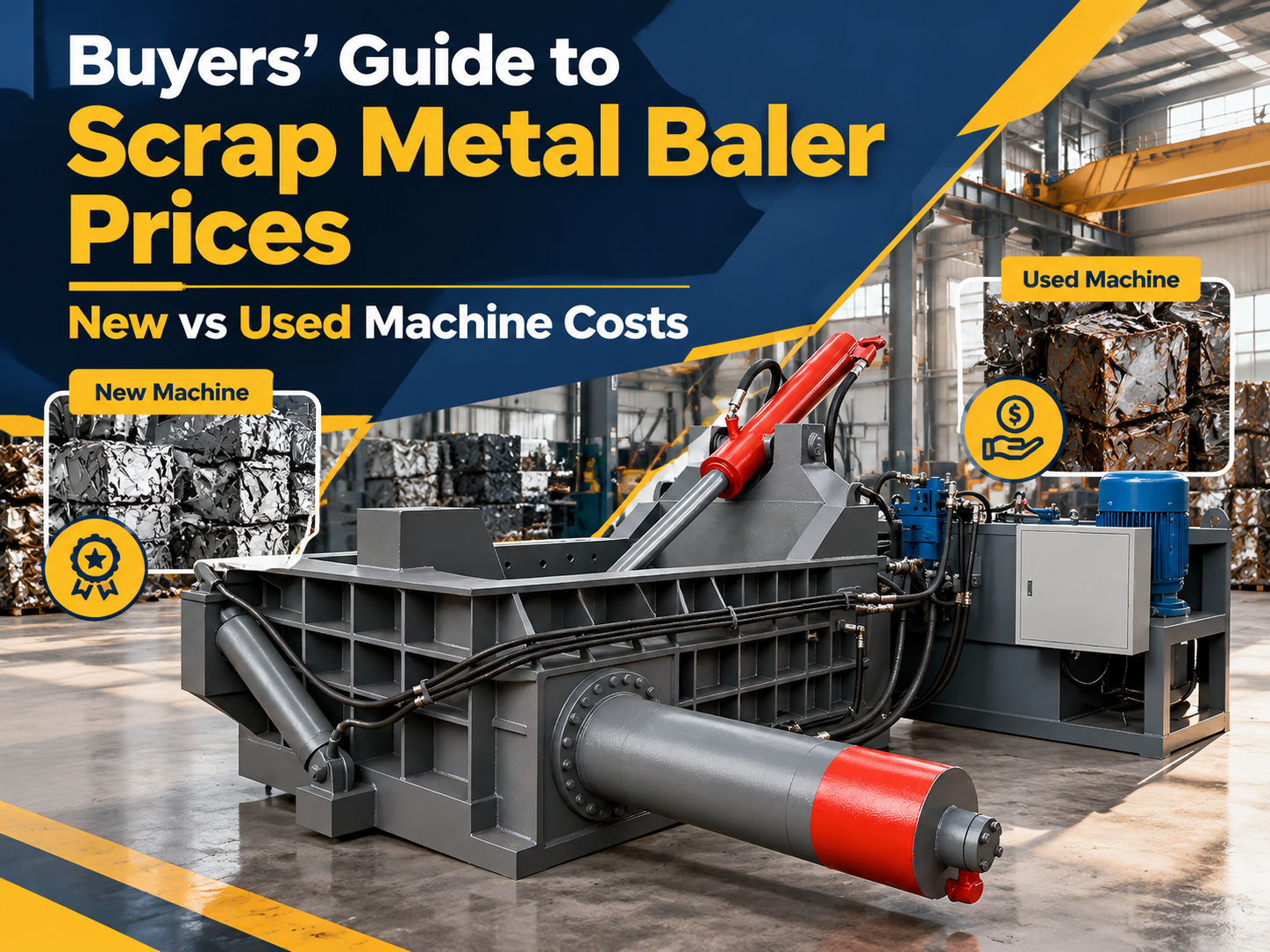
Buyers’ Guide to Scrap Metal Baler Prices: New vs Used Machine Costs

Price Range Overview: Understanding the Market
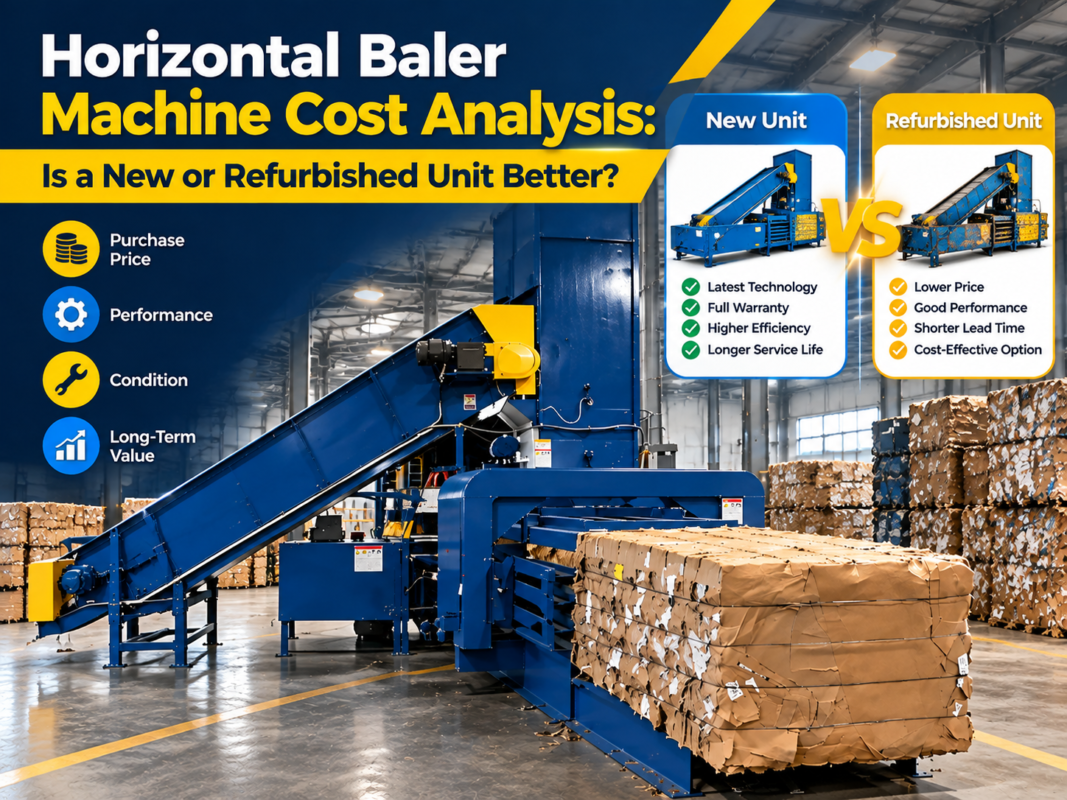
Investing in a scrap metal baler is a significant capital expenditure that requires a deep understanding of the current market landscape. When researching Buyers’ Scrap Metal Baler Prices: New Vs Used Machine Costs, you will find that the price spectrum is incredibly broad, ranging from entry-level vertical balers priced at a few thousand dollars to massive, multi-million dollar horizontal shear balers used in high-volume recycling facilities. For small to medium-sized fabrication shops, a reliable vertical baler might cost between $8,000 and $25,000, while industrial-grade horizontal balers typically start at $50,000 and can easily exceed $300,000 depending on the automation level.
Used machinery offers a different pricing structure, often depreciating by 30% to 60% compared to new units. However, the ‘deal’ you find on a used machine must be weighed against the potential for immediate repair costs and the lack of a manufacturer warranty. A used baler that appears to be a bargain at $15,000 might require $10,000 in hydraulic seal replacements, electrical upgrades, and structural welding, quickly narrowing the gap between it and a brand-new, warrantied machine from a reputable manufacturer like HARSLE.
Market volatility also plays a role in pricing. During periods of high steel demand, the cost of raw materials for manufacturing balers increases, which is inevitably passed down to the buyer. Conversely, the secondary market for used equipment often fluctuates based on the health of the manufacturing sector. When factories close or upgrade, a surplus of used equipment can drive prices down, providing a window of opportunity for budget-conscious buyers to acquire high-capacity machines at a fraction of the original cost.
It is essential to categorize your needs before looking at price tags. Are you processing light-gauge aluminum shavings, or are you compacting heavy steel offcuts? The force requirements dictate the machine class, which is the primary driver of the base price. A machine designed for light-duty cardboard or thin aluminum will never survive the rigors of heavy steel processing, regardless of how much money you save on the initial purchase price. Always prioritize the machine’s structural integrity over the lowest possible price point.
Main Cost Drivers: What You Are Paying For
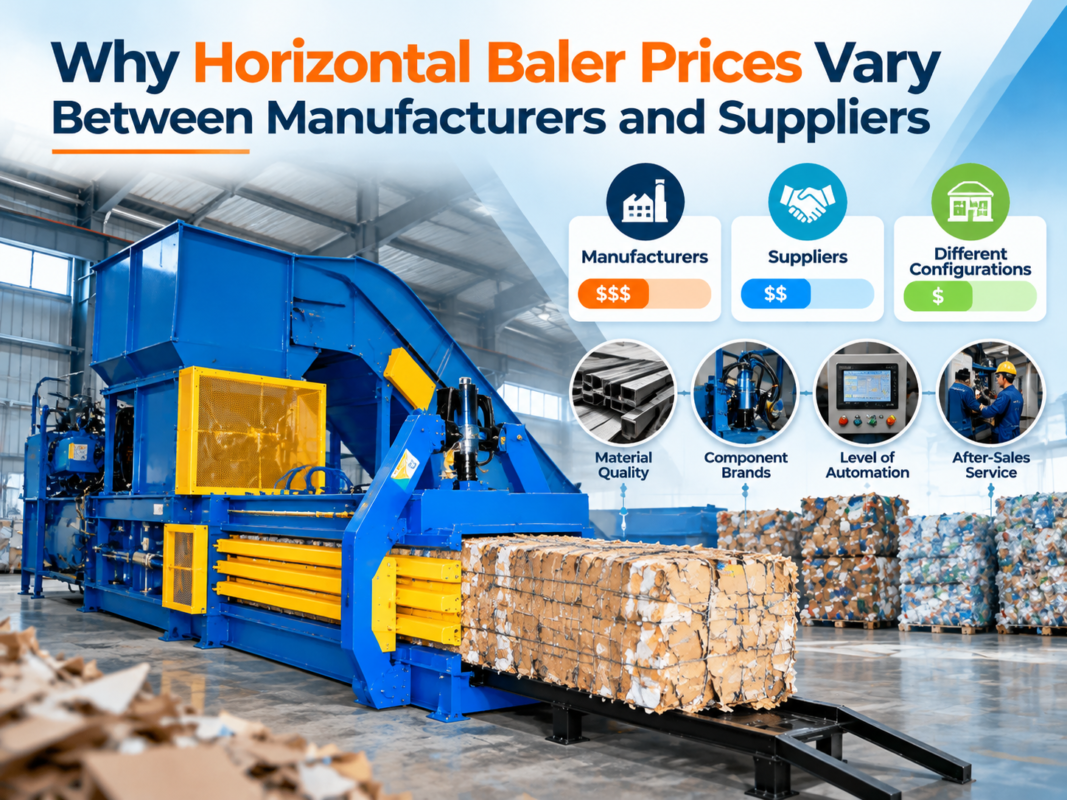
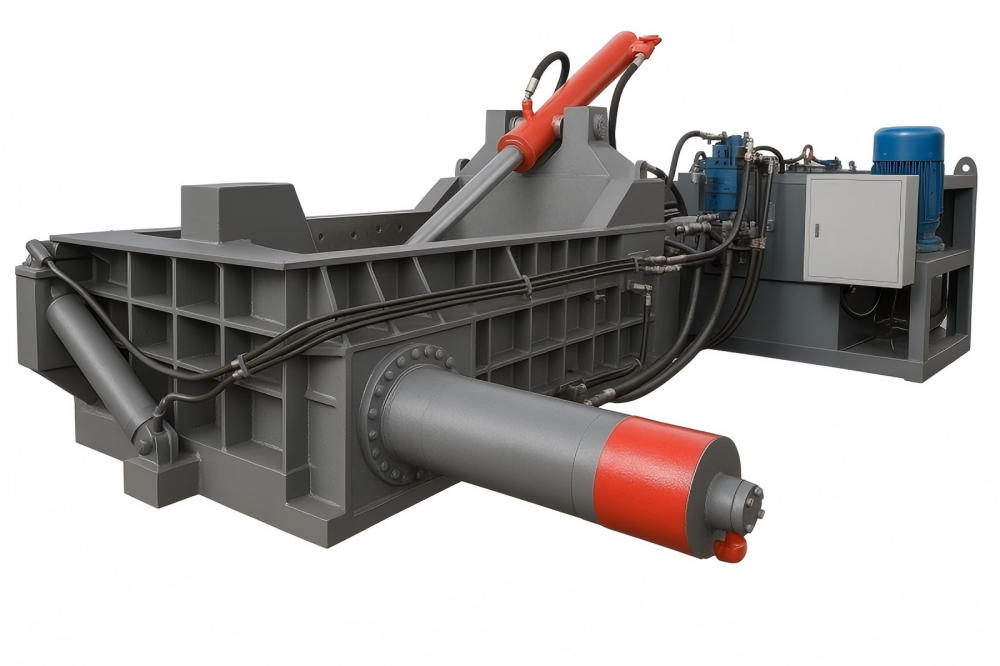
The primary cost driver in any scrap metal baler is the hydraulic system. High-pressure cylinders, robust pumps, and sophisticated valve blocks are the heart of the machine. When comparing new vs. used, you are essentially paying for the lifespan and reliability of these components. New machines feature the latest hydraulic technology, which is more energy-efficient and offers faster cycle times, directly impacting your daily throughput and long-term operational costs.
Structural steel quality is another major factor. A baler is subjected to immense internal pressure. High-end manufacturers use reinforced, wear-resistant steel plates in the compression chamber to prevent bulging and fatigue. Cheaper or older machines may use thinner materials that are prone to deformation over time. When evaluating a used machine, look closely at the interior walls of the compression chamber; if you see significant bowing or deep gouges, the machine has likely reached the end of its structural life, regardless of the price.
Automation and control systems represent a growing portion of the total cost. Modern HARSLE balers come equipped with PLC (Programmable Logic Controller) systems that optimize cycle times, monitor hydraulic pressure, and provide diagnostic feedback. These systems reduce the need for manual oversight and prevent operator error. Older used machines often rely on manual lever controls, which are simpler to repair but lack the efficiency and safety features of modern digital interfaces.
Finally, the brand reputation and support network are intangible but critical cost drivers. A machine from a well-established manufacturer comes with access to spare parts, technical support, and documentation. Buying a ‘no-name’ brand or an obsolete used model might save you money upfront, but the lack of available parts can lead to weeks of downtime, which is far more expensive than the initial savings. Always factor in the cost of potential downtime when evaluating the total cost of ownership.
Configuration Impact: Tailoring the Machine to Your Needs
The configuration of your scrap metal baler significantly influences the price. A standard manual-tie baler is significantly cheaper than an automatic-tie system. If your facility processes large volumes of scrap, the labor savings provided by an automatic-tie system will justify the higher initial investment within a few years. Conversely, if your scrap volume is intermittent, a manual-tie machine is a more cost-effective choice that avoids unnecessary complexity.
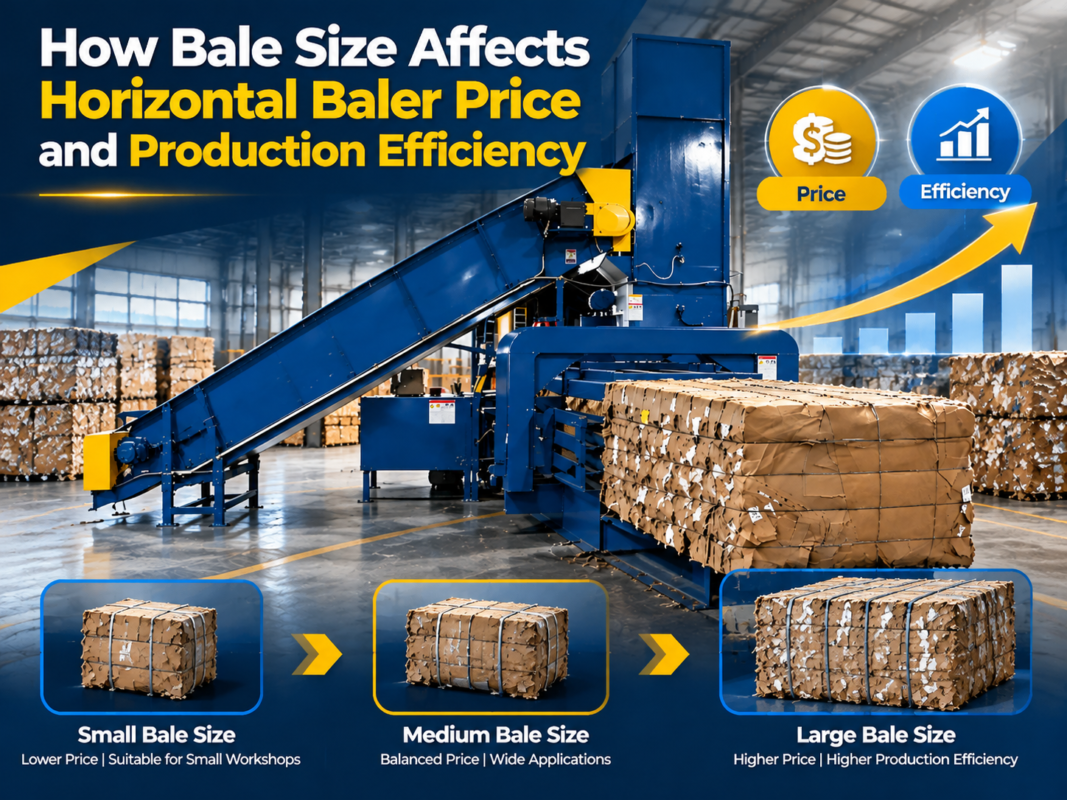
Bale size and density requirements also dictate the machine’s configuration. If you are selling your scrap to a recycler, they may have specific requirements for bale dimensions and weight to maximize shipping efficiency. A machine configured to produce high-density, uniform bales will command a higher price but will also yield higher returns on your scrap metal sales. Don’t overlook the importance of the feed opening size; a larger opening allows for faster loading with a forklift or conveyor, reducing labor time.
Consider the power source and integration. Do you need a standalone unit, or does your operation require a conveyor-fed system? Integrated systems are more expensive but offer a seamless workflow. Furthermore, if you are operating in a facility with limited power capacity, you may need a baler with a specialized energy-efficient motor or a soft-start system, both of which add to the base price but prevent costly electrical infrastructure upgrades.
Safety configurations are non-negotiable. Modern balers include light curtains, emergency stop buttons, and interlocked access doors. When buying used, ensure the machine meets current safety standards. Retrofitting an older machine to meet modern safety regulations can be an expensive and complex process. It is often safer and more cost-effective to purchase a new machine that is compliant with international safety standards right out of the box.
Hidden Costs: The True Price of Ownership
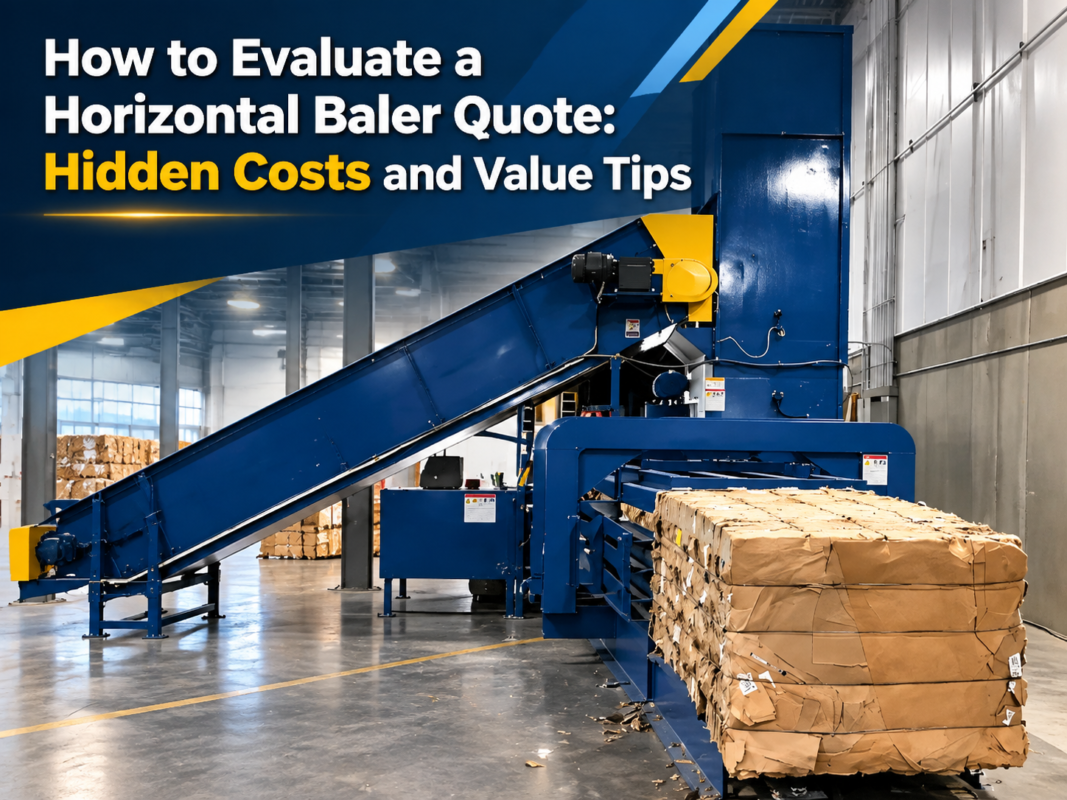
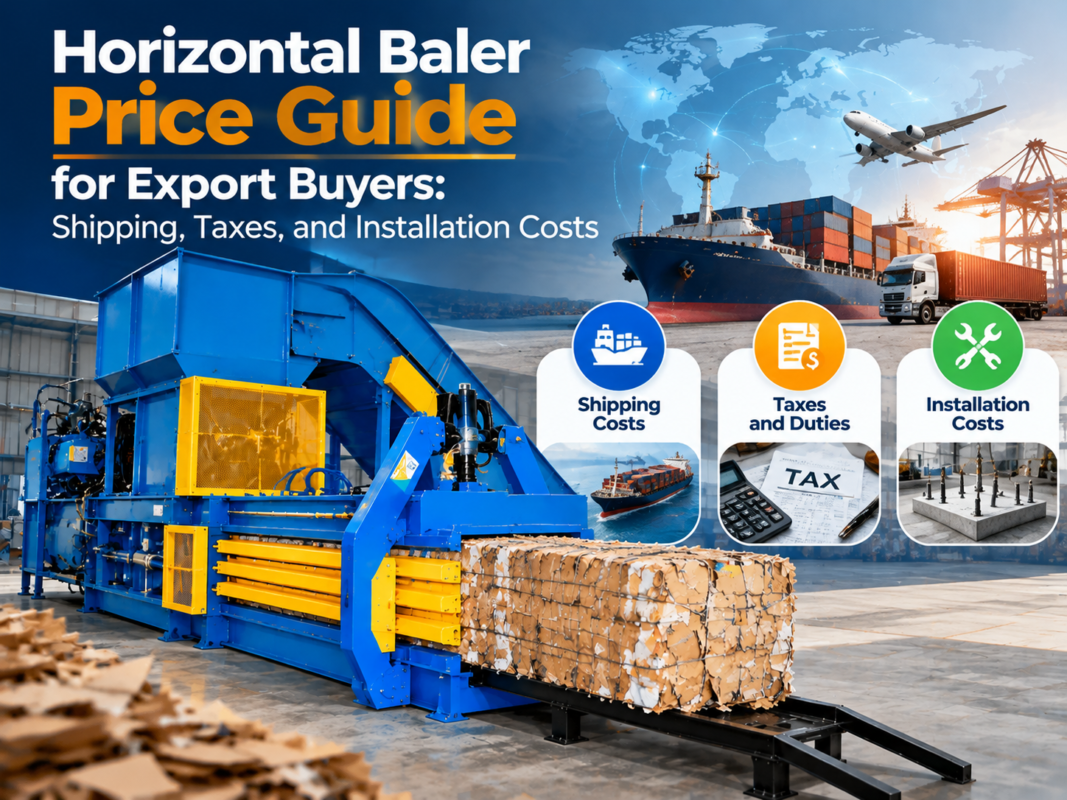
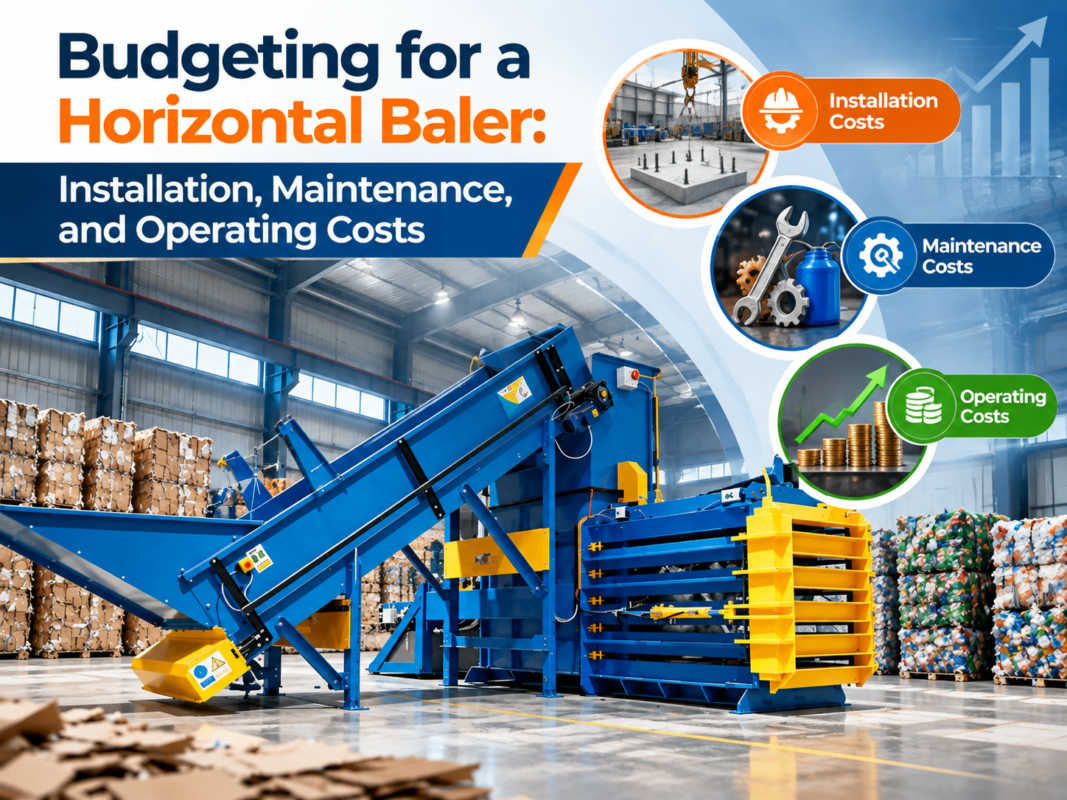
When calculating the Buyers’ Scrap Metal Baler Prices: New Vs Used Machine Costs, many buyers forget to include installation and commissioning. A new baler often requires a concrete pad of a specific thickness, specialized electrical wiring, and professional calibration. Used machines may require disassembly, transport, and re-installation, which can be surprisingly expensive. Always get a quote for the total ‘landed’ cost, not just the purchase price of the machine itself.
Maintenance is a recurring hidden cost. New machines are covered by warranties, which mitigate the risk of early-life failures. Used machines, however, are a ‘buyer beware’ scenario. You should budget at least 15-20% of the used machine’s purchase price for immediate maintenance and wear-part replacement. This includes replacing hydraulic hoses, filters, seals, and potentially sharpening or replacing shear blades if the machine is a shear baler.
Energy consumption is another factor that often goes unnoticed. Older hydraulic pumps are notoriously inefficient compared to modern variable-frequency drive (VFD) systems. Over the course of five years, the difference in electricity bills between an old, inefficient baler and a new, energy-optimized HARSLE baler can be substantial. When comparing costs, calculate the energy usage per ton of processed scrap to get a true picture of the operational expense.
Finally, consider the cost of training and documentation. A new machine comes with comprehensive manuals and often includes operator training from the manufacturer. With a used machine, you may be left to figure out the operation and maintenance on your own. If your staff is not properly trained, the risk of machine damage and workplace accidents increases, leading to hidden costs in the form of repairs and potential liability.
ROI Calculation: Making the Financial Case
To determine whether to buy new or used, you must calculate the Return on Investment (ROI). Start by estimating the total volume of scrap metal you produce per month. Calculate the current cost of disposing of this scrap (e.g., dumpster rental, hauling fees) versus the potential revenue from selling baled scrap. Baled scrap is significantly more valuable than loose scrap because it is easier to transport and process.
Next, factor in the labor savings. A baler reduces the time spent handling, sorting, and moving scrap. If your team spends 10 hours a week managing scrap, and a baler reduces that to 2 hours, you are saving 8 hours of labor per week. Multiply this by your average hourly labor rate to see the annual savings. This figure, combined with the increased value of your scrap, will give you a clear picture of how quickly the machine will pay for itself.
When comparing new vs. used, use a 5-year horizon. A new machine will have higher initial costs but lower maintenance and energy costs. A used machine will have lower initial costs but higher maintenance and energy costs. By plotting these figures over a 5-year period, you can see the ‘break-even’ point for each option. Often, for high-volume operations, the new machine provides a better ROI due to its reliability and efficiency.
Don’t forget to include tax incentives. Many governments offer tax deductions or credits for capital investments in industrial equipment. These incentives can significantly lower the effective cost of a new machine, making it a more attractive option compared to a used one. Consult with your accountant to understand how these financial benefits apply to your specific business situation.
Buying Advice: A Checklist for Success
Before making your final decision, follow this checklist to ensure you are making an informed investment:
- Define your throughput: Know exactly how many tons of scrap you process daily.
- Assess your space: Ensure you have the physical footprint for the baler and the necessary loading equipment.
- Check power requirements: Verify that your facility can support the electrical load of the machine.
- Inspect the hydraulics: If buying used, check for leaks, cylinder condition, and oil quality.
- Verify parts availability: Ensure the manufacturer or a local dealer can supply parts for the next 10 years.
- Request a demo: If possible, see the machine in operation or request a video of it processing your specific type of scrap.
- Review the warranty: Understand exactly what is covered and for how long.
- Evaluate the support: Does the seller offer remote troubleshooting or on-site service?
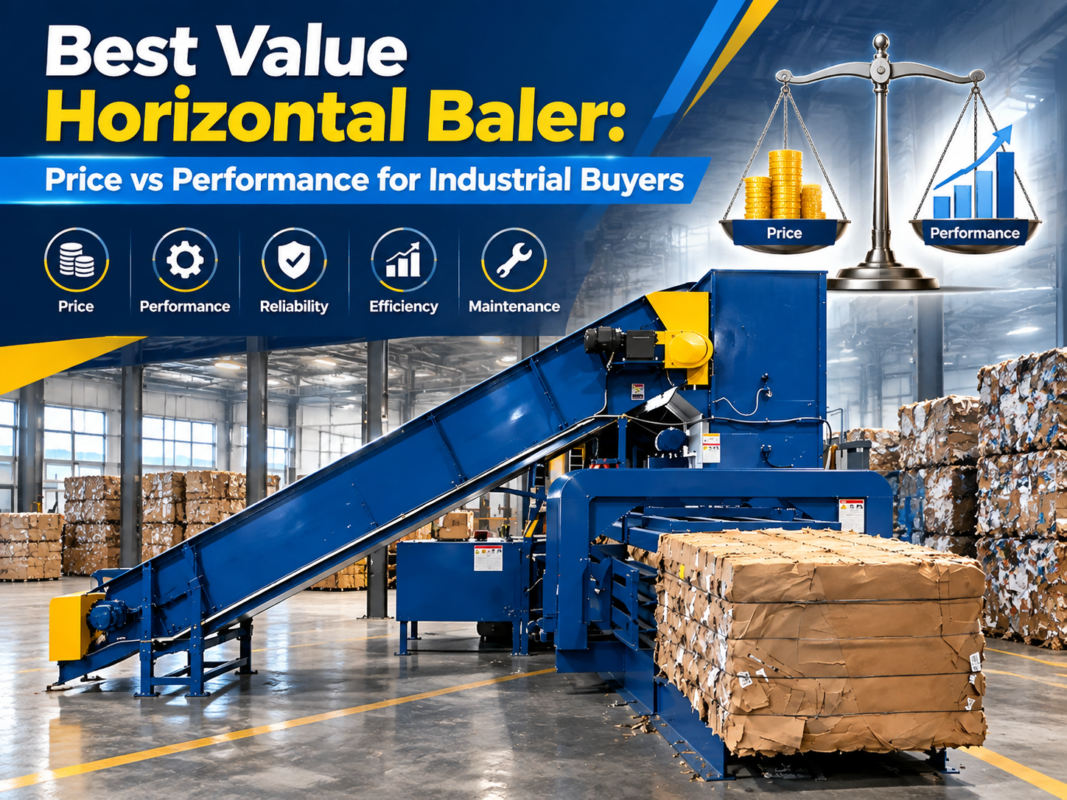
By following these steps, you can navigate the complexities of the market with confidence. Whether you choose a new HARSLE baler for its reliability and efficiency or a used machine for its lower entry cost, the key is to align the machine’s capabilities with your specific operational needs. Remember that the cheapest machine is rarely the best value; focus on the total cost of ownership and the long-term productivity of your investment.
FAQ: Common Questions About Scrap Metal Balers
How long does a typical scrap metal baler last?
With proper maintenance, a high-quality industrial baler can last 15 to 20 years. The hydraulic system and structural frame are the most durable components, while wear parts like shear blades and seals will need periodic replacement.
Is it better to buy a new or used baler?
It depends on your volume and budget. New machines offer reliability, warranties, and energy efficiency, making them ideal for high-volume, critical operations. Used machines can be a great value for low-volume shops, provided they are inspected thoroughly and parts are still available.
What is the most important maintenance task for a baler?
Hydraulic oil maintenance is critical. Keeping the oil clean, cool, and at the correct level prevents pump failure and extends the life of the entire hydraulic system. Regularly checking for leaks and replacing filters is also essential.
Can a scrap metal baler handle different types of metal?
Most balers are designed for specific types of scrap. While some are versatile, you should always consult the manufacturer to ensure the machine is rated for the density and type of metal you intend to process. Attempting to process material outside of the machine’s specifications can cause catastrophic failure.
How do I know what size baler I need?
The size is determined by your daily scrap volume and the physical dimensions of your scrap. A HARSLE representative can help you calculate the required force and chamber size based on your specific throughput requirements.