
Best Hammer Shredder Uses In Metal Scrap Pre-Treatment Systems

Introduction to Hammer Shredders in Modern Recycling
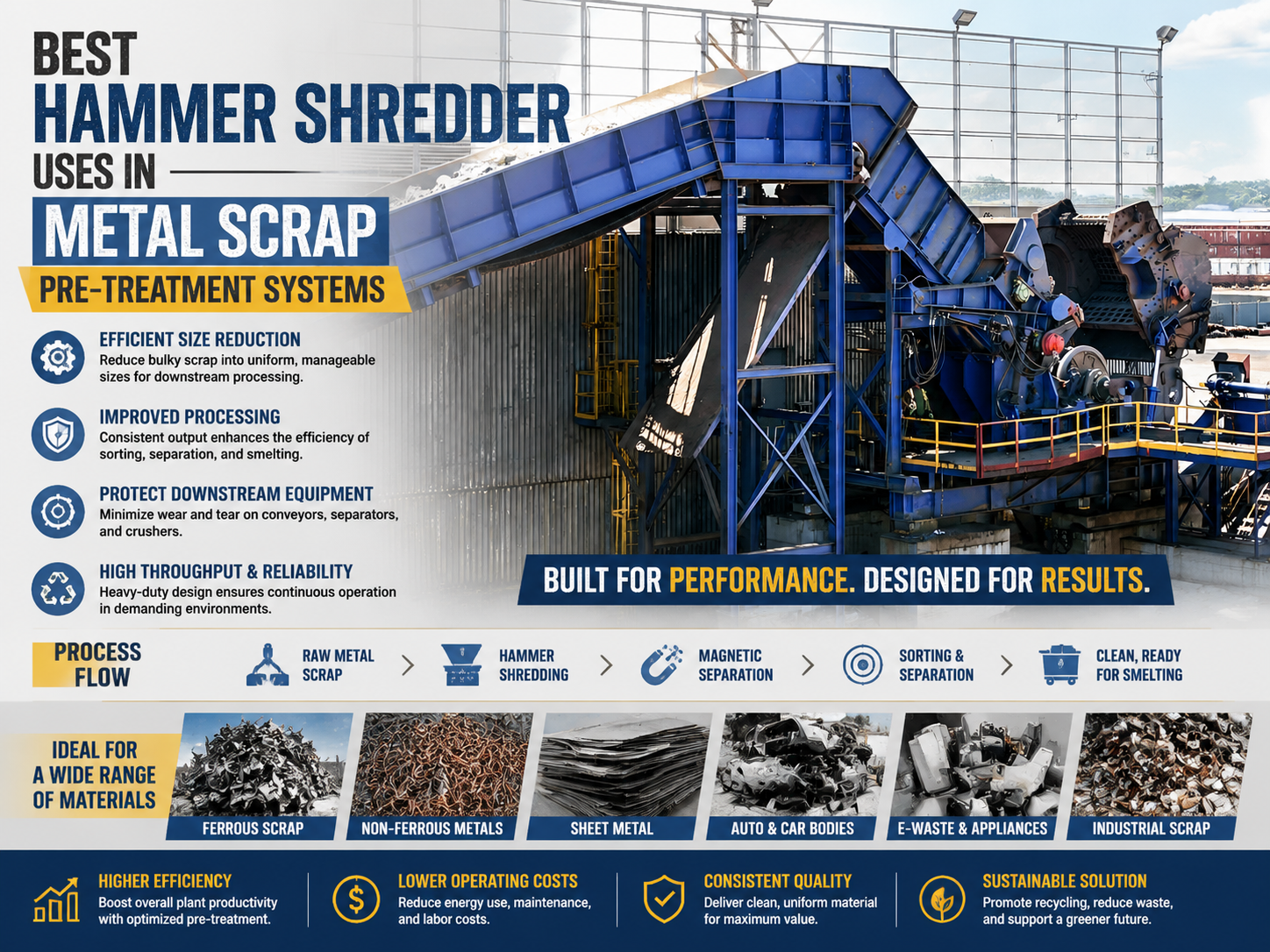
In the rapidly evolving landscape of global industrial recycling, the efficiency of material recovery is paramount. As the demand for high-quality secondary raw materials grows, the role of robust machinery becomes central to the success of any scrap processing facility. Among the most critical components in these facilities is the hammer shredder. This article explores the best hammer shredder uses in metal scrap pre-treatment systems, detailing how these powerful machines transform bulky, heterogeneous waste into clean, dense, and furnace-ready materials.
A hammer shredder, often referred to as a hammer mill in specific contexts, operates on the principle of high-velocity impact. Unlike shear shredders that cut material, hammer shredders use massive, rotating hammers to strike the scrap, breaking it down through kinetic energy. This process is essential for pre-treatment because it not only reduces the size of the scrap but also facilitates the liberation of different material types, such as separating plastic coatings from copper wire or glass from aluminum frames.
For companies like HARSLE, providing high-performance industrial machinery means understanding the nuances of these processes. The best hammer shredder uses in metal scrap pre-treatment systems involve a combination of mechanical force, strategic material flow, and advanced sorting integration. By implementing these systems, recyclers can significantly increase the value of their output while reducing the environmental footprint of metal production.
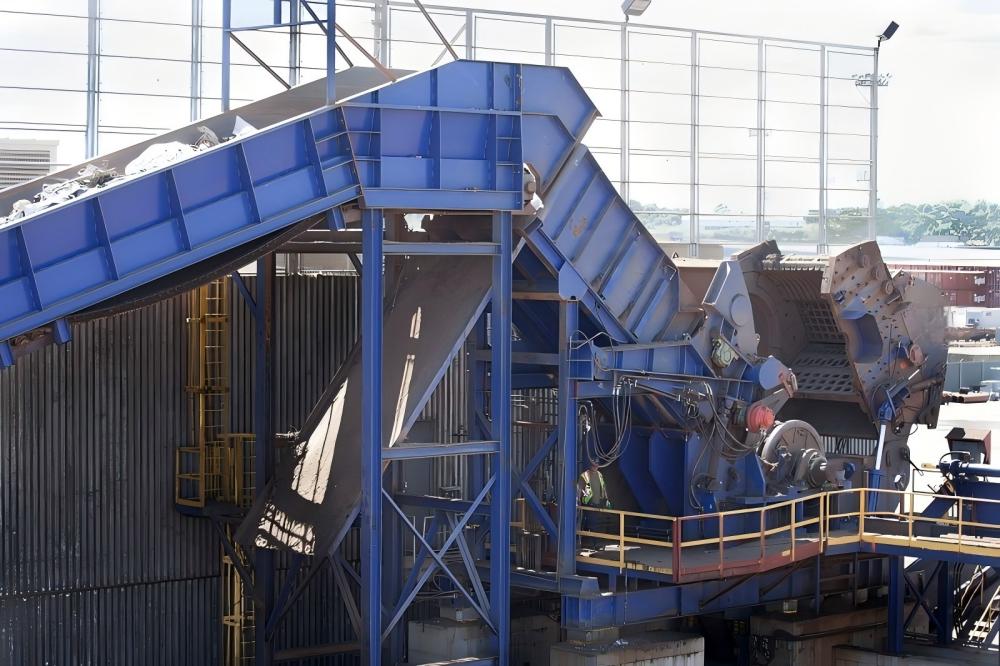
The transition from raw scrap to a refined product involves several stages, and the hammer shredder is typically the heart of this transformation. Whether dealing with End-of-Life Vehicles (ELVs), industrial offcuts, or household “white goods,” the hammer shredder provides the necessary force to densify the material, making it more economical to transport and more efficient to melt in electric arc furnaces (EAF) or basic oxygen furnaces (BOF).
Key Considerations for Metal Scrap Pre-Treatment
When integrating a hammer shredder into a pre-treatment system, several factors must be considered to ensure optimal performance. The first is the nature of the input material. Metal scrap is rarely uniform; it often contains a mix of ferrous metals, non-ferrous metals, polymers, and inert materials. The best hammer shredder uses in metal scrap pre-treatment systems account for this diversity by utilizing adjustable grate sizes and variable rotor speeds to handle different densities and brittleness levels.
Throughput requirements are another critical consideration. Industrial facilities must balance the speed of processing with the quality of the output. A shredder that runs too fast may produce excessive fines (tiny particles that are difficult to recover), while one that runs too slow may become a bottleneck in the production line. Modern systems utilize sophisticated control software to monitor motor load and adjust feed rates automatically, ensuring the machine operates within its “sweet spot” for maximum efficiency.
Wear and maintenance are perhaps the most significant operational challenges. The hammers, liners, and grates are subjected to extreme abrasive forces. Selecting the right alloys—such as high-manganese steel or chrome-moly steel—for these wear parts is essential. Furthermore, the design of the shredder should allow for easy access to these components. A hydraulic opening housing, for instance, can reduce the time required for a hammer change from days to hours, directly impacting the facility’s bottom line.
Energy consumption is also a major factor. Hammer shredders are high-energy machines, often requiring motors ranging from 500 to several thousand horsepower. The best hammer shredder uses in metal scrap pre-treatment systems involve the use of variable frequency drives (VFDs) and high-efficiency motors to minimize electricity costs. Additionally, the kinetic energy stored in the massive rotor can be managed to smooth out power spikes during the shredding of particularly heavy items.
Finally, environmental and safety regulations cannot be ignored. Shredding metal generates significant noise, dust, and potentially hazardous emissions if the scrap contains residual fluids or coatings. Integrated dust suppression systems, sound-dampening enclosures, and explosion-proof designs are standard requirements for modern industrial shredding operations. Ensuring these features are present is a hallmark of a high-quality pre-treatment setup.
Technical Details of Hammer Shredder Mechanics
To understand the best hammer shredder uses in metal scrap pre-treatment systems, one must delve into the technical mechanics of the machine. The core of the shredder is the rotor, a heavy-duty shaft equipped with a series of discs. Between these discs, the hammers are pinned. As the rotor spins at high speeds (typically between 400 and 700 RPM), centrifugal force extends the hammers outward. When scrap enters the chamber, the hammers strike it against an anvil or breaker bar.
The primary mechanism of size reduction is impact, but secondary mechanisms include attrition and shearing. As the material is bounced around the internal chamber, it rubs against other pieces of scrap and the internal liners, further breaking it down. The material remains in the chamber until it is small enough to pass through the discharge grates located at the bottom or rear of the machine. The size of the holes in these grates determines the final product size.
| Component | Function | Material/Specification |
|---|---|---|
| Rotor Shaft | Main rotating element providing torque | High-strength forged alloy steel |
| Hammers | Primary impact tools for crushing scrap | Manganese steel or specialized alloys |
| Anvil/Breaker Bar | Stationary surface for initial impact | Hardened tool steel |
| Discharge Grates | Controls final output size | Heavy-duty perforated plate |
| Housing Liners | Protects the machine frame from wear | Replaceable wear-resistant plates |
The physics of the hammer shredder is governed by the formula for kinetic energy: E = 1/2 mv². Because the energy increases with the square of the velocity, even a slight increase in rotor speed can significantly increase the shredding force. However, this also increases the wear rate. Engineers must find a balance between the mass (m) of the hammers and the velocity (v) of the rotor to optimize the shredding of specific scrap types, such as light iron versus heavy structural steel.
Advanced hammer shredders also feature a “reject door” or “dump door.” If an unshreddable object, such as a large solid steel shaft or a heavy engine block, enters the chamber, the sensors detect a massive torque spike. The reject door opens automatically, allowing the object to be ejected before it causes catastrophic damage to the rotor or the internal liners. This safety feature is critical for maintaining long-term operational integrity.
Selection Advice for Industrial Shredding Systems
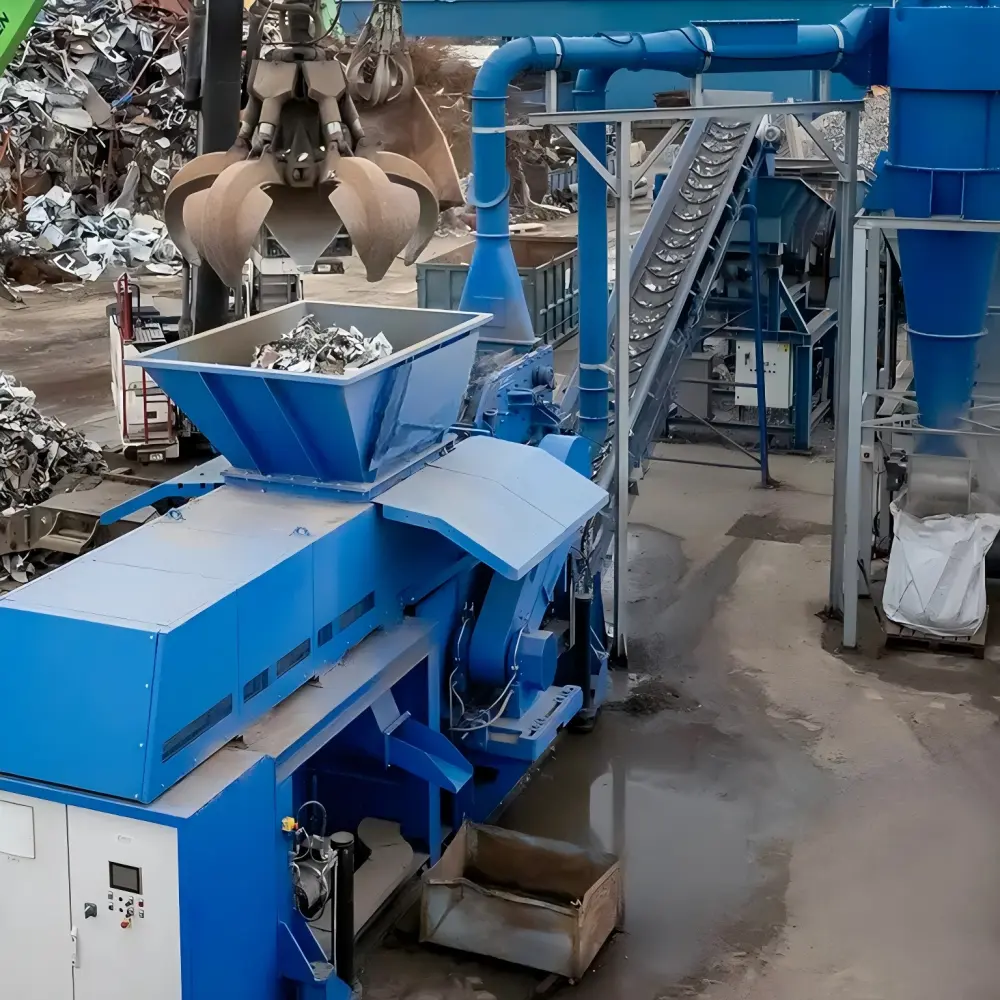
Choosing the right equipment is vital for maximizing the best hammer shredder uses in metal scrap pre-treatment systems. The first step in selection is a thorough analysis of the expected feed material. If the primary goal is processing aluminum scrap, a medium-duty shredder with higher speeds might be appropriate. Conversely, for processing whole car bodies, a heavy-duty shredder with massive hammers and a high-torque motor is non-negotiable.
Prospective buyers should evaluate the “Total Cost of Ownership” (TCO) rather than just the initial purchase price. TCO includes energy costs, the price and frequency of wear part replacements, and the cost of downtime. A machine that is slightly more expensive upfront but features a more durable rotor design and easier maintenance access will almost always be more profitable over its 10-to-20-year lifespan.
Integration with downstream sorting equipment is another crucial factor. A hammer shredder is only as good as the system that follows it. To achieve the best results, the shredder should be paired with magnetic separators (for ferrous recovery), eddy current separators (for non-ferrous recovery), and sensor-based sorters (for stainless steel and polymers). The shredder’s output size must be matched to the optimal operating range of these downstream machines.
Consider the manufacturer’s reputation and support network. Companies like HARSLE provide not just the machinery, but the engineering expertise to integrate these units into a cohesive system. Availability of spare parts, technical support for troubleshooting, and the ability to provide custom-engineered solutions for specific scrap challenges are all hallmarks of a reliable partner in the recycling industry.
Finally, consider the future-proofing of the investment. As environmental regulations tighten, the ability to process scrap into higher purity levels will become a competitive advantage. Selecting a shredder with adjustable parameters allows the facility to adapt to changing market demands, such as the increasing need for high-purity “shredded steel scrap” (ISRI 211) which commands a premium price in the global market.
Best Hammer Shredder Uses in Metal Scrap Pre-Treatment Systems: Application Breakdown
The versatility of the hammer shredder allows it to be used in various specialized applications within the scrap industry. One of the most common and effective uses is in the processing of End-of-Life Vehicles (ELVs). A large-scale hammer shredder can process a flattened car body in less than a minute, reducing it to fist-sized pieces. This process effectively separates the steel frame from the interior plastics, glass, and copper wiring, which can then be sorted mechanically.
Another excellent application is the processing of “white goods” or domestic appliances like refrigerators, washing machines, and stoves. These items contain a complex mix of materials, including polyurethane foam insulation, which must be carefully managed. The hammer shredder’s ability to smash and liberate these materials is unmatched. In the case of refrigerators, the shredding is often done in a sealed environment to capture ozone-depleting substances (CFCs) released from the foam.
Industrial and construction scrap also benefit significantly from hammer shredding. Rebar, structural beams, and metal roofing sheets are often too long or bulky for direct smelting. Pre-treating this scrap through a hammer shredder increases its bulk density, which improves the efficiency of furnace charging. Higher density scrap melts faster and with less energy loss, providing a direct economic benefit to the steel mill or foundry.
Electronic waste (e-waste) recycling is a growing field where hammer shredders play a vital role. While smaller, specialized shredders are often used for circuit boards, larger hammer mills are used for the initial breakdown of computer towers, server racks, and large telecommunications equipment. The goal here is to break the housings and internal structures to allow for the subsequent recovery of precious metals and high-value plastics.
FAQ: Common Questions About Hammer Shredders
What is the typical lifespan of hammers in a metal shredder?
The lifespan of hammers varies greatly depending on the material being processed and the alloy of the hammer itself. In heavy-duty applications like car shredding, hammers may need to be rotated or replaced every 40 to 80 hours of operation. In lighter applications, they may last several weeks. Regular monitoring of the output size is the best way to determine when hammers are worn beyond their effective limit.
Can a hammer shredder handle non-metallic materials?
Yes, hammer shredders are excellent at processing mixed waste. In metal pre-treatment, they are frequently used to separate metals from plastics, rubber, and wood. However, highly elastic materials like large tires can be difficult for a hammer shredder to process efficiently and may require a primary shear shredder first.
How does a hammer shredder differ from a wood chipper?
While both use rotating elements, a wood chipper uses sharp blades to cut wood into uniform chips. A hammer shredder uses blunt, heavy hammers to smash material through impact. A wood chipper would be destroyed by metal scrap, whereas a hammer shredder is designed specifically to withstand the impact of steel and other hard materials.
What is the ideal moisture content for scrap being shredded?
Ideally, scrap should be dry. Excessive moisture can lead to the formation of “mud” when mixed with dust and fines, which can clog the discharge grates. Furthermore, wet scrap can lead to increased corrosion of the internal components and may complicate the downstream separation of materials using air classifiers.
Is it necessary to have a primary shredder before the hammer shredder?
For very large or dense items, such as heavy structural steel or baled scrap, a primary “pre-shredder” (usually a low-speed, high-torque twin-shaft machine) is often used. This reduces the scrap to a size that the hammer shredder can handle more efficiently, protecting the hammer shredder from excessive shock loads and increasing overall system throughput.
Conclusion: The Future of Metal Scrap Pre-Treatment
The best hammer shredder uses in metal scrap pre-treatment systems are those that leverage the machine’s immense power to create high-value, clean raw materials for the global metallurgical industry. As we move toward a more sustainable future, the efficiency of these systems will only become more critical. By understanding the technical requirements, maintenance needs, and application strengths of hammer shredders, industrial operators can ensure their facilities remain competitive and productive.
HARSLE remains at the forefront of this industry, providing the robust machinery and technical expertise required to tackle the toughest recycling challenges. Whether you are setting up a new facility or upgrading an existing line, the integration of a high-performance hammer shredder is a proven strategy for success. The ability to transform waste into a resource is not just a business opportunity; it is a necessity for the modern industrial world.
In summary, the hammer shredder is more than just a machine; it is the engine of the circular economy. Through continuous innovation in metallurgy, motor efficiency, and automated control systems, the next generation of hammer shredders will continue to push the boundaries of what is possible in metal scrap pre-treatment, ensuring that no valuable metal goes to waste.


