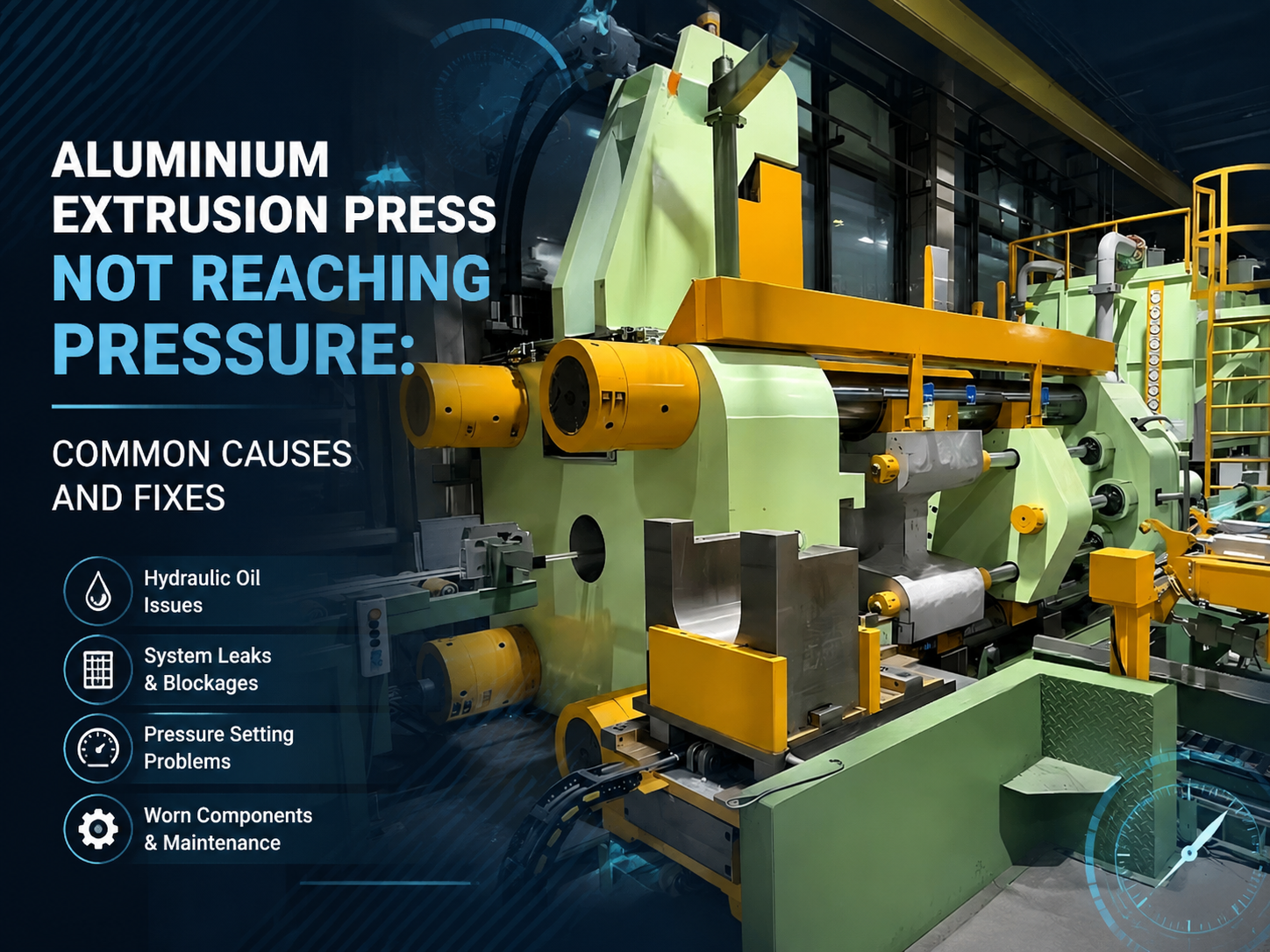
Aluminium Extrusion Press Not Reaching Pressure: Common Causes and Fixes

Introduction to Pressure Issues in Aluminium Extrusion
In the world of metal fabrication, the aluminium extrusion press is a cornerstone of production. Its ability to transform raw aluminium billets into complex profiles depends entirely on its capacity to generate and maintain immense hydraulic pressure. When an Aluminium Extrusion Press Not Reaching Pressure: Common Causes Fixes becomes the primary concern on the factory floor, production grinds to a halt, leading to wasted material, missed deadlines, and significant financial loss. Understanding the mechanics of pressure generation is the first step toward effective troubleshooting.
HARSLE has long been at the forefront of providing high-performance industrial machinery, and we recognize that even the most robust systems require meticulous care. Pressure failure is rarely a single-source issue; it is often a symptom of underlying hydraulic, mechanical, or electrical discrepancies. This guide aims to provide a comprehensive deep dive into why your extrusion press might be failing to hit its target tonnage and how you can systematically address these issues to restore peak efficiency.
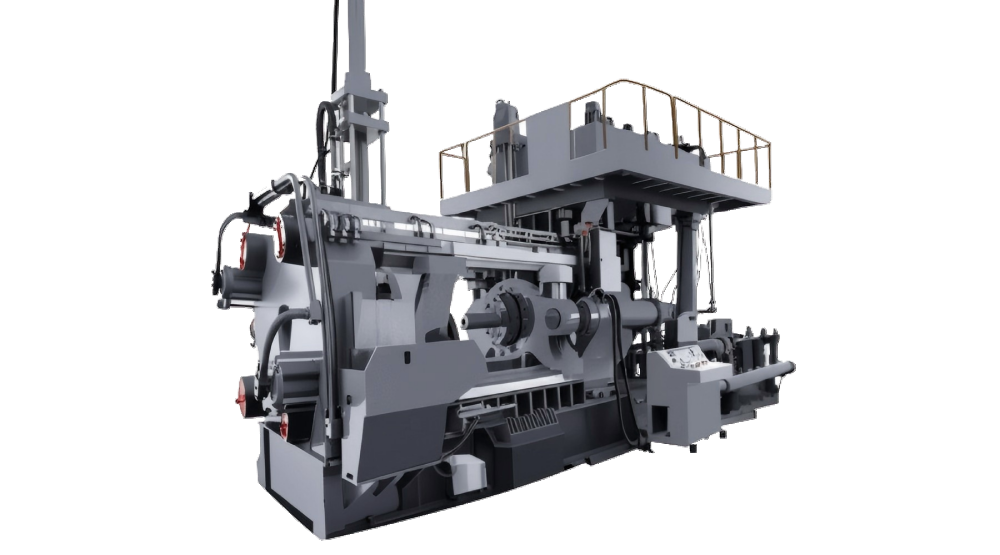
The extrusion process requires the main cylinder to exert force against the billet, pushing it through a die. This requires a closed hydraulic circuit where every component—from the pumps to the seals—must function in perfect harmony. If any part of this chain fails, the system cannot build the resistance necessary to reach the required PSI or Bar rating. In the following sections, we will explore the technical nuances of these systems and provide actionable advice for maintenance teams and plant managers.
Key Considerations for Pressure Loss Diagnosis
Before diving into the technical repairs, it is essential to categorize the potential points of failure. Generally, pressure issues in an aluminium extrusion press fall into three categories: hydraulic component failure, fluid dynamics issues, and control system errors. Identifying which category your problem falls into can save hours of unnecessary labor. For instance, if the pressure reaches a certain point and then drops, the issue is likely a leak or a faulty relief valve. If it never builds at all, the pump or the main logic valves are the primary suspects.
Another key consideration is the environment in which the press operates. Aluminium extrusion is a high-heat process. Excessive ambient temperatures or a failure in the oil cooling system can lead to a decrease in hydraulic oil viscosity. When oil becomes too thin, internal slippage within the pumps and valves increases, making it nearly impossible for the machine to reach its maximum rated pressure. Monitoring the operating temperature is often the simplest yet most overlooked step in troubleshooting.
Furthermore, the age and service history of the machine play a vital role. Older machines may suffer from fatigue in the main cylinder or wear in the piston rings. Conversely, in newer machines, the issue might be related to air trapped in the system after a recent oil change or component replacement. Understanding the context of the failure—whether it was sudden or a gradual decline over months—will guide your diagnostic path. HARSLE recommends keeping a detailed log of pressure readings and maintenance activities to identify patterns early.
Technical Details: Why Your Press Fails to Reach Pressure
1. Hydraulic Pump Inefficiency and Wear
The hydraulic pump is the heart of the extrusion press. Most modern presses use axial piston pumps with variable displacement. Over time, the internal components—such as the swash plate, pistons, and valve plate—undergo wear. This wear creates internal bypass, where the oil intended for the cylinder leaks back into the pump housing. When the demand for pressure increases, the pump simply cannot move enough volume to overcome this internal leakage, resulting in a failure to reach the set point.
2. Malfunctioning Relief and Logic Valves
Relief valves act as the safety guards of the hydraulic system. If a relief valve is stuck in the open position or its spring has lost tension, it will dump pressurized oil back into the reservoir prematurely. Similarly, logic valves (poppet valves) used in high-flow circuits can fail due to contamination. A tiny metal shard or a piece of degraded seal can prevent a logic valve from seating properly. This creates a path of least resistance for the oil, bypassing the main cylinder and preventing pressure buildup.
3. Internal Cylinder Leakage
The main cylinder is where the actual work happens. It contains large-scale seals designed to hold thousands of pounds of pressure. If the piston seals are damaged or worn, oil will leak from the high-pressure side to the low-pressure side of the piston. This is often difficult to detect because there is no external oil leak. Technicians often use ultrasonic leak detectors or monitor the temperature of the cylinder walls to identify internal bypass. If one side of the cylinder feels significantly hotter than the other, it usually indicates oil is forcing its way past a compromised seal.
4. Oil Contamination and Viscosity Issues
Hydraulic oil is not just a lubricant; it is a power transmission medium. Contamination by water, air, or particulates can drastically alter its performance. Air in the system (aeration) makes the fluid compressible, which is the enemy of high pressure. If the oil looks foamy or milky, you have an aeration or moisture problem. Additionally, using the wrong grade of oil or failing to replace oil that has undergone thermal breakdown will result in a loss of volumetric efficiency in the pumps.
Troubleshooting Checklist: Common Causes and Fixes
| Component | Potential Problem | Recommended Fix |
|---|---|---|
| Main Pump | Internal wear or cavitation | Check case drain flow; rebuild or replace pump if flow exceeds limits. |
| Relief Valve | Spring fatigue or debris blockage | Clean valve seat; recalibrate or replace the relief cartridge. |
| Piston Seals | Wear or heat damage | Perform a bypass test; replace seals and inspect cylinder bore. |
| Hydraulic Oil | Low viscosity or contamination | Test oil sample; replace filters and oil if necessary; check cooling system. |
| Directional Valves | Solenoid failure or spool sticking | Check electrical signals; clean spool or replace solenoid coil. |
| Pressure Sensors | Calibration drift or sensor failure | Verify with a manual gauge; recalibrate or replace the transducer. |
Selection Advice: Choosing a Press to Minimize Downtime
When investing in a new aluminium extrusion press, the focus should not only be on the initial price but on the engineering quality that prevents future pressure issues. A well-designed press, like those manufactured by HARSLE, incorporates several features that mitigate the risk of pressure failure. First, look for machines that utilize high-quality, brand-name hydraulic components (such as Rexroth or Vickers). These components have tighter tolerances and are more resistant to the rigors of continuous industrial use.
Second, consider the filtration system. A press is only as good as the oil running through it. High-end machines feature multi-stage filtration, including kidney-loop systems that continuously clean the oil even when the press is idle. This drastically reduces the likelihood of valve sticking and pump wear. Furthermore, the design of the hydraulic manifold should be simplified to reduce the number of potential leak points. Integrated blocks are far superior to extensive piping networks.
Finally, the control system (PLC) should offer advanced diagnostics. Modern HARSLE presses come equipped with sensors that monitor pump efficiency and seal integrity in real-time. By analyzing data trends, the system can alert operators to a gradual loss of pressure before it becomes a critical failure. This predictive maintenance capability is essential for high-volume production environments where every minute of downtime is costly.
Frequently Asked Questions (FAQ)
Q1: Why does my press reach pressure slowly?
A: Slow pressure buildup is usually indicative of a partial blockage in the suction line, a clogged filter, or a pump that is beginning to fail. It can also be caused by air trapped in the hydraulic lines. Check the pump’s intake and ensure the oil level in the reservoir is sufficient.
Q2: Can a faulty die cause the press to not reach pressure?
A: While the die doesn’t generate pressure, it provides the resistance needed to build it. If the die is too large for the press capacity or if the aluminium billet is too soft (overheated), the resistance may be too low for the system to hit its maximum pressure setting. However, this is usually a process issue rather than a machine failure.
Q3: How often should I change the hydraulic oil?
A: For most industrial extrusion presses, oil should be tested every 2,000 hours and replaced every 5,000 to 8,000 hours, depending on the results of the fluid analysis. Always replace filters more frequently—typically every 1,000 hours or when the indicator shows a bypass condition.
Q4: What is the most common cause of sudden pressure loss?
A: Sudden loss is almost always electrical or a major mechanical rupture. Check for a blown fuse on the solenoid valves, a snapped hydraulic hose, or a catastrophic failure of a logic valve poppet. If the pump suddenly becomes very noisy, it may have suffered a mechanical breakage.
Q5: How do I know if my pressure transducer is lying?
A: The best way to verify a digital reading is to install a calibrated manual pressure gauge at a test point on the main pressure line. If the manual gauge shows the correct pressure but the PLC shows a low reading, the transducer or its wiring is faulty.
Conclusion: Maintaining Peak Performance
An Aluminium Extrusion Press Not Reaching Pressure: Common Causes Fixes is a challenge that requires a systematic and technical approach. By understanding the interplay between the hydraulic pump, the valve network, and the mechanical integrity of the cylinder, operators can quickly identify and rectify issues. Regular maintenance, such as oil analysis and seal inspections, remains the most effective strategy for preventing pressure-related downtime.
At HARSLE, we are committed to providing not only the machinery but also the expertise needed to keep your production lines running smoothly. Choosing a press with superior hydraulic design and integrated diagnostic tools is an investment in the long-term stability of your manufacturing process. Remember, a well-maintained press is a productive press. Keep your filters clean, your oil cool, and your sensors calibrated to ensure your aluminium extrusion operations remain at the peak of efficiency.